





Neighbourhood Guide: Music & Sensory Resources in Bukit Timah for Young Children
Table Of Contents
Nestled in the western region of Singapore, Bukit Timah stands as one of the island’s most sought-after residential areas for families. With its lush greenery, excellent schools, and family-centric facilities, this neighborhood offers an ideal environment for raising young children. For parents seeking to nurture their little ones’ development through music and sensory experiences, Bukit Timah boasts a rich array of resources specifically designed for babies, toddlers, and preschoolers.
Research consistently shows that early exposure to music and sensory activities plays a crucial role in cognitive, emotional, and physical development during the formative years. From enhancing neural connections to fostering social skills, these experiences lay the foundation for lifelong learning. In this comprehensive guide, we’ll explore the diverse music and sensory resources available in Bukit Timah, helping you discover the perfect programs to support your child’s developmental journey while creating joyful memories together.
Music & Sensory Resources in Bukit Timah
for Young Children
A neighborhood guide for parents of children aged 4-47 months
Music Enrichment Centers
- The Music Scientist – Age-specific programs (Tenderfeet, Happyfeet, Groovers) for 4-47 months
- Aureus Academy – Instrumental lessons for children from age 3
- Kindermusik – Various locations with parent-child music classes
Sensory Play Spaces
- Blue House Nursery’s Atelier – Reggio Emilia-inspired environment for under-3s
- The Better Toy Store – High-quality sensory toys and materials
- Playeum – Interactive exhibits for creative exploration
Community Resources
- Bukit Timah Community Club – Parent-child workshops and activities
- Library@Orchard – Storytelling sessions with songs and rhymes
- Jacob Ballas Children’s Garden – Interactive sound installations
Developmental Benefits by Age Group
Infants (4-12 months)
Simple rhythmic activities and gentle sensory experiences support neural pathways and auditory discrimination development.
Toddlers (12-30 months)
Interactive musical experiences incorporating movement, simple instruments, and language support independence and motor development.
Preschoolers (30-47 months)
Structured musical concepts and complex sensory experiences prepare children for formal learning environments.
Choosing the Right Program
1
Developmental Appropriateness
Look for age-specific programs designed for your child’s developmental stage.
2
Teaching Approach
Consider structured vs. holistic approaches based on your child’s learning style.
3
Schedule & Location
Choose convenient times and locations that fit your family routine.
4
Trial Classes
Experience the teaching style before committing to see how your child responds.
5
Progression Opportunities
Consider programs that offer advancement as your child grows and develops.
The early years represent a critical window for brain development, with music and sensory activities playing vital roles in building neural connections.
Explore Bukit Timah’s music and sensory resources to support your child’s journey!
Introduction to Bukit Timah
Bukit Timah’s family-friendly reputation makes it a natural hub for early childhood enrichment. The neighborhood combines urban convenience with natural beauty, creating an environment where families can easily access quality developmental programs while enjoying the area’s parks and green spaces. With excellent transportation links and a concentration of premium preschools and enrichment centers, parents in Bukit Timah have numerous options for introducing their young children to the world of music and sensory learning.
The area’s demographic of education-focused families has fostered a community where early childhood development is prioritized, resulting in a wealth of specialized programs catering to different ages and developmental stages. Whether you have a curious infant, an energetic toddler, or a preschooler preparing for formal education, Bukit Timah offers resources tailored to your child’s unique needs.
Music Enrichment Centers in Bukit Timah
Bukit Timah is home to several distinguished music enrichment centers specializing in early childhood development. Leading the way is The Music Scientist, a premium music enrichment school offering developmentally-focused programs for children aged 4 to 47 months. Their innovative curriculum integrates music, movement, and sensory play to stimulate multiple intelligences, including logical, musical, kinesthetic, and verbal learning styles.
For the youngest learners, The Music Scientist’s Tenderfeet program introduces infants to the world of music while supporting sensory development through age-appropriate activities. As children grow, the Happyfeet and Groovers programs build on these foundations, incorporating more complex musical concepts and movement activities tailored for toddlers and older preschoolers.
What sets The Music Scientist apart is their science-based approach, using originally composed music that integrates general knowledge themes to enhance memory, focus, motor skills, and early literacy. Their Scouts program further nurtures a love for science through catchy melodies, making complex concepts accessible to young minds.
Other notable music centers in the Bukit Timah area include Aureus Academy at Bukit Timah Plaza, offering instrumental lessons for children as young as three, and Kindermusik classes at various locations throughout the neighborhood. Each center brings its unique approach to music education, giving parents the opportunity to find programs that best match their child’s learning style and interests.
Sensory Play Spaces and Resources
Sensory play is fundamental to early childhood development, allowing children to explore the world through touch, sight, sound, smell, and taste. Bukit Timah offers several dedicated sensory play spaces where little ones can engage in these enriching experiences.
Blue House Nursery & International Preschool’s Infant & Toddler Atelier on Turf Club Road provides a specialized sensory environment designed for children under three. Their Reggio Emilia-inspired space features carefully curated sensory materials that invite exploration and discovery in a safe, stimulating setting.
For families seeking integrated music and sensory experiences, The Music Scientist’s programs seamlessly blend sensory activities with musical learning. Their Tenderfeet classes incorporate various sensory elements that complement musical learning, supporting infants’ developing sensory systems while introducing them to rhythm, melody, and movement.
Playeum’s Children’s Centre for Creativity at Gillman Barracks, though slightly beyond Bukit Timah’s boundaries, is worth the short journey for its exceptional hands-on exhibits and sensory-rich play opportunities. Their rotating installations encourage creative exploration through different materials and interactive experiences.
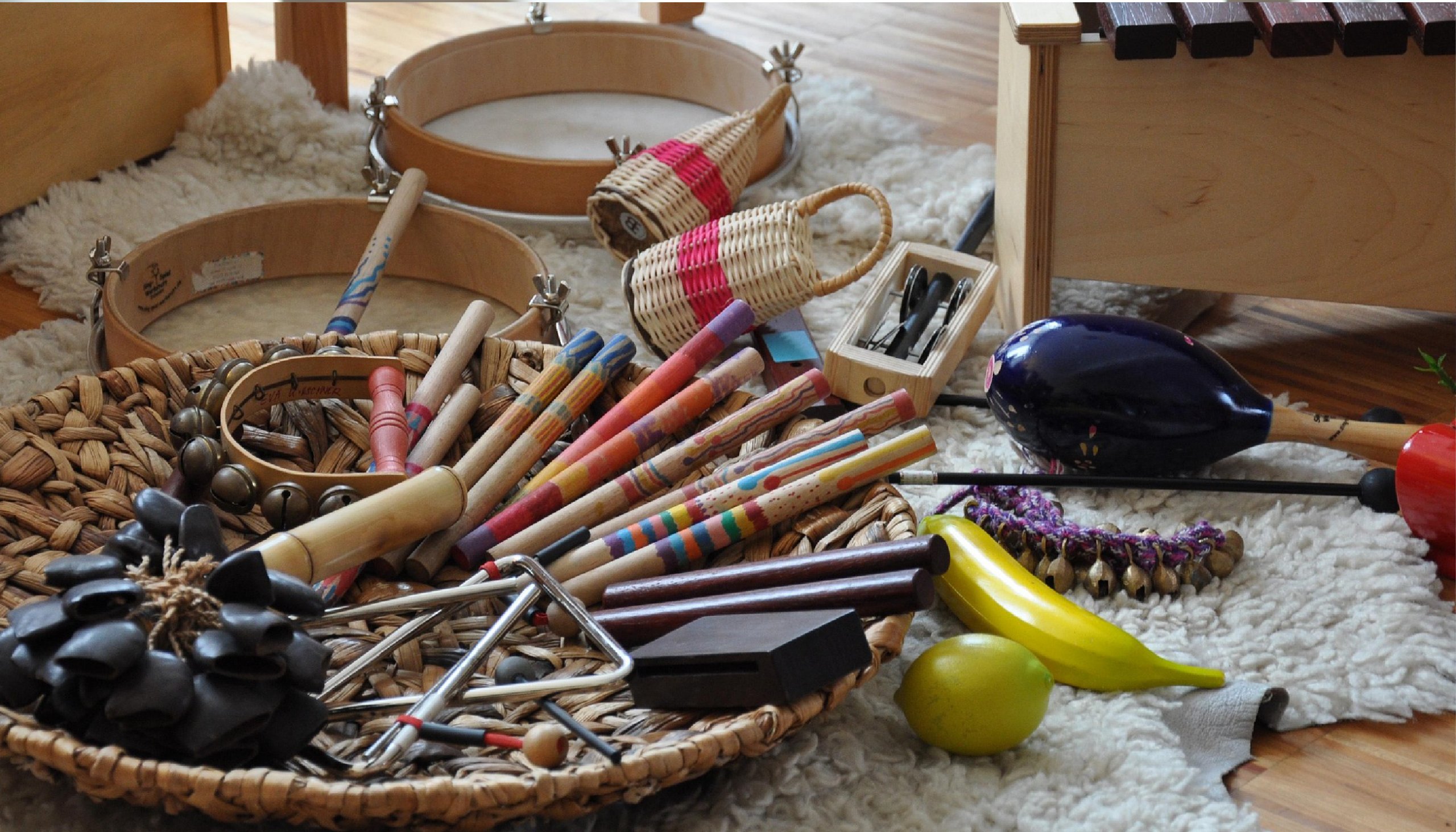
For parents looking to create sensory experiences at home, The Better Toy Store at Tanglin Mall offers a selection of high-quality sensory toys designed to stimulate development across different domains. From musical instruments to tactile play materials, their curated collection supports sensory learning for various developmental stages.
Libraries and Community Centers
Bukit Timah’s public resources offer accessible options for families seeking music and sensory activities. The Bukit Timah Community Club regularly hosts parent-child workshops and activities that incorporate music and sensory elements, often at minimal or no cost.
The library@orchard, while technically just outside Bukit Timah, is easily accessible and offers weekly storytelling sessions that incorporate songs, rhymes, and sensory elements. These programs provide excellent opportunities for children to experience music in a literacy context while developing language skills and a love of reading.
Community-organized playgroups in Bukit Timah frequently incorporate musical activities and sensory play. These informal gatherings, often organized through social media groups or community notice boards, provide valuable socialization opportunities for both children and parents.
Outdoor Musical and Sensory Experiences
Bukit Timah’s natural environment offers unique opportunities for outdoor musical and sensory exploration. The Singapore Botanic Gardens’ Jacob Ballas Children’s Garden, located near the Bukit Timah area, features interactive sound installations where children can experiment with natural acoustics and musical elements in an outdoor setting.
Bukit Timah Nature Reserve provides a rich sensory environment where children can experience natural sounds, textures, and scents. These nature-based sensory experiences complement formal music programs by developing children’s auditory discrimination skills and appreciation for natural rhythms and patterns.
Rain or shine, the covered playground at Bukit Timah Shopping Centre includes musical elements that allow children to play simple tunes while engaging in physical activity, seamlessly blending movement, music, and outdoor play.
Developmental Benefits of Music and Sensory Activities
The science behind early music education and sensory play reveals their profound impact on child development. Research shows that music training enhances brain areas involved in language processing, spatial reasoning, and executive function. When children engage with music before age seven, they develop stronger neural connections that benefit multiple areas of learning.
Programs like The Music Scientist’s SMART-START English and SMART-START Chinese leverage these connections by using music as a vehicle for language acquisition and preschool readiness. Their approach demonstrates how music can serve as a powerful medium for developing early literacy skills while making the learning process enjoyable.
Sensory play similarly contributes to cognitive development by building nerve connections in the brain and encouraging language development, fine motor skills, problem-solving abilities, and social interaction. When sensory activities are combined with musical elements, as in many Bukit Timah programs, children benefit from enhanced neural processing and multisensory learning experiences.
For parents of children with sensory processing differences or developmental delays, specialized music therapy resources are available in the Bukit Timah area. These therapeutic approaches use music’s unique qualities to address specific developmental goals while providing enjoyable experiences for children with diverse needs.
Benefits by Age Group
Different developmental stages benefit from specific types of musical and sensory experiences:
Infants (4-12 months): For babies, simple rhythmic activities and gentle sensory experiences support the development of neural pathways and early auditory discrimination. Programs like Tenderfeet introduce infants to different sounds, textures, and gentle movements that stimulate cognitive development while strengthening the parent-child bond.
Toddlers (12-30 months): As children enter the toddler years, they benefit from more interactive musical experiences that incorporate movement, simple instruments, and language. The Happyfeet program engages toddlers in activities that support their emerging independence, language acquisition, and gross motor development through music.
Preschoolers (30-47 months): Older preschoolers are ready for more structured musical concepts and complex sensory experiences. Programs like Groovers and Scouts introduce musical notation, scientific concepts, and collaborative activities that prepare children for formal learning environments.
Choosing the Right Program for Your Child
With so many options available in Bukit Timah, selecting the right music or sensory program can feel overwhelming. Consider these factors when making your decision:
Developmental appropriateness: Look for programs specifically designed for your child’s age and developmental stage. The Music Scientist’s age-specific programs ensure activities are perfectly calibrated to your child’s abilities and learning needs.
Teaching approach: Consider whether you prefer a more structured approach focusing on musical skills, or a holistic program that integrates music with other developmental areas. The Music Scientist’s integrated approach addresses multiple intelligences through musical activities, making it ideal for parents seeking comprehensive developmental support.
Schedule and location: Practical considerations matter. Choose a program with convenient class times and a location that works for your family routine. Many Bukit Timah centers offer weekend and after-work sessions to accommodate working parents.
Trial classes: Most quality programs offer trial sessions so you and your child can experience the teaching style and environment before committing. These opportunities allow you to observe how your child responds to the activities and teaching approach.
Progression opportunities: Consider programs that offer advancement as your child grows. The Music Scientist’s sequential programs from Tenderfeet through to SMART-START provide a continuous developmental journey that evolves with your child.
Remember that the best program is one that both you and your child enjoy. Your enthusiasm and participation significantly impact your child’s engagement and learning outcomes, so choose an environment where you both feel comfortable and inspired.
Questions to Ask When Evaluating Programs
When researching music and sensory programs in Bukit Timah, consider asking these questions:
1. What is the educational background and training of the instructors?
2. How are parents involved in the classes?
3. What specific developmental outcomes does the program target?
4. How is progress measured or evaluated?
5. What makes this program different from others in the area?
Quality providers like The Music Scientist welcome these questions and can clearly articulate their approach, methodology, and the developmental benefits of their programs.
Conclusion
Bukit Timah’s wealth of music and sensory resources creates an exceptional environment for nurturing young children’s development. From specialized music enrichment centers like The Music Scientist to community resources and natural spaces, families in this neighborhood have access to diverse opportunities that support holistic development through music and sensory experiences.
The early years represent a critical window for brain development, with music and sensory activities playing vital roles in building neural connections that benefit children throughout their lives. By taking advantage of Bukit Timah’s rich offerings, parents can provide their children with enjoyable experiences that simultaneously support cognitive, physical, emotional, and social development.
Whether you’re new to the neighborhood or a long-time resident exploring enrichment options, Bukit Timah’s music and sensory resources offer something for every child and family. From infant-focused sensory play to comprehensive preschool readiness programs that incorporate music and movement, these experiences create joyful learning opportunities that benefit children now and well into the future.
Ready to explore how music can enhance your child’s development? The Music Scientist offers age-appropriate programs designed to nurture your child’s growth through music, movement, and sensory play. Contact us today to learn more about our programs in Bukit Timah or to schedule a trial class.
Table Of Contents
Nestled in the western region of Singapore, Bukit Timah stands as one of the island’s most sought-after residential areas for families. With its lush greenery, excellent schools, and family-centric facilities, this neighborhood offers an ideal environment for raising young children. For parents seeking to nurture their little ones’ development through music and sensory experiences, Bukit Timah boasts a rich array of resources specifically designed for babies, toddlers, and preschoolers.
Research consistently shows that early exposure to music and sensory activities plays a crucial role in cognitive, emotional, and physical development during the formative years. From enhancing neural connections to fostering social skills, these experiences lay the foundation for lifelong learning. In this comprehensive guide, we’ll explore the diverse music and sensory resources available in Bukit Timah, helping you discover the perfect programs to support your child’s developmental journey while creating joyful memories together.
Music & Sensory Resources in Bukit Timah
for Young Children
A neighborhood guide for parents of children aged 4-47 months
Music Enrichment Centers
- The Music Scientist – Age-specific programs (Tenderfeet, Happyfeet, Groovers) for 4-47 months
- Aureus Academy – Instrumental lessons for children from age 3
- Kindermusik – Various locations with parent-child music classes
Sensory Play Spaces
- Blue House Nursery’s Atelier – Reggio Emilia-inspired environment for under-3s
- The Better Toy Store – High-quality sensory toys and materials
- Playeum – Interactive exhibits for creative exploration
Community Resources
- Bukit Timah Community Club – Parent-child workshops and activities
- Library@Orchard – Storytelling sessions with songs and rhymes
- Jacob Ballas Children’s Garden – Interactive sound installations
Developmental Benefits by Age Group
Infants (4-12 months)
Simple rhythmic activities and gentle sensory experiences support neural pathways and auditory discrimination development.
Toddlers (12-30 months)
Interactive musical experiences incorporating movement, simple instruments, and language support independence and motor development.
Preschoolers (30-47 months)
Structured musical concepts and complex sensory experiences prepare children for formal learning environments.
Choosing the Right Program
1
Developmental Appropriateness
Look for age-specific programs designed for your child’s developmental stage.
2
Teaching Approach
Consider structured vs. holistic approaches based on your child’s learning style.
3
Schedule & Location
Choose convenient times and locations that fit your family routine.
4
Trial Classes
Experience the teaching style before committing to see how your child responds.
5
Progression Opportunities
Consider programs that offer advancement as your child grows and develops.
The early years represent a critical window for brain development, with music and sensory activities playing vital roles in building neural connections.
Explore Bukit Timah’s music and sensory resources to support your child’s journey!
Introduction to Bukit Timah
Bukit Timah’s family-friendly reputation makes it a natural hub for early childhood enrichment. The neighborhood combines urban convenience with natural beauty, creating an environment where families can easily access quality developmental programs while enjoying the area’s parks and green spaces. With excellent transportation links and a concentration of premium preschools and enrichment centers, parents in Bukit Timah have numerous options for introducing their young children to the world of music and sensory learning.
The area’s demographic of education-focused families has fostered a community where early childhood development is prioritized, resulting in a wealth of specialized programs catering to different ages and developmental stages. Whether you have a curious infant, an energetic toddler, or a preschooler preparing for formal education, Bukit Timah offers resources tailored to your child’s unique needs.
Music Enrichment Centers in Bukit Timah
Bukit Timah is home to several distinguished music enrichment centers specializing in early childhood development. Leading the way is The Music Scientist, a premium music enrichment school offering developmentally-focused programs for children aged 4 to 47 months. Their innovative curriculum integrates music, movement, and sensory play to stimulate multiple intelligences, including logical, musical, kinesthetic, and verbal learning styles.
For the youngest learners, The Music Scientist’s Tenderfeet program introduces infants to the world of music while supporting sensory development through age-appropriate activities. As children grow, the Happyfeet and Groovers programs build on these foundations, incorporating more complex musical concepts and movement activities tailored for toddlers and older preschoolers.
What sets The Music Scientist apart is their science-based approach, using originally composed music that integrates general knowledge themes to enhance memory, focus, motor skills, and early literacy. Their Scouts program further nurtures a love for science through catchy melodies, making complex concepts accessible to young minds.
Other notable music centers in the Bukit Timah area include Aureus Academy at Bukit Timah Plaza, offering instrumental lessons for children as young as three, and Kindermusik classes at various locations throughout the neighborhood. Each center brings its unique approach to music education, giving parents the opportunity to find programs that best match their child’s learning style and interests.
Sensory Play Spaces and Resources
Sensory play is fundamental to early childhood development, allowing children to explore the world through touch, sight, sound, smell, and taste. Bukit Timah offers several dedicated sensory play spaces where little ones can engage in these enriching experiences.
Blue House Nursery & International Preschool’s Infant & Toddler Atelier on Turf Club Road provides a specialized sensory environment designed for children under three. Their Reggio Emilia-inspired space features carefully curated sensory materials that invite exploration and discovery in a safe, stimulating setting.
For families seeking integrated music and sensory experiences, The Music Scientist’s programs seamlessly blend sensory activities with musical learning. Their Tenderfeet classes incorporate various sensory elements that complement musical learning, supporting infants’ developing sensory systems while introducing them to rhythm, melody, and movement.
Playeum’s Children’s Centre for Creativity at Gillman Barracks, though slightly beyond Bukit Timah’s boundaries, is worth the short journey for its exceptional hands-on exhibits and sensory-rich play opportunities. Their rotating installations encourage creative exploration through different materials and interactive experiences.
For parents looking to create sensory experiences at home, The Better Toy Store at Tanglin Mall offers a selection of high-quality sensory toys designed to stimulate development across different domains. From musical instruments to tactile play materials, their curated collection supports sensory learning for various developmental stages.
Libraries and Community Centers
Bukit Timah’s public resources offer accessible options for families seeking music and sensory activities. The Bukit Timah Community Club regularly hosts parent-child workshops and activities that incorporate music and sensory elements, often at minimal or no cost.
The library@orchard, while technically just outside Bukit Timah, is easily accessible and offers weekly storytelling sessions that incorporate songs, rhymes, and sensory elements. These programs provide excellent opportunities for children to experience music in a literacy context while developing language skills and a love of reading.
Community-organized playgroups in Bukit Timah frequently incorporate musical activities and sensory play. These informal gatherings, often organized through social media groups or community notice boards, provide valuable socialization opportunities for both children and parents.
Outdoor Musical and Sensory Experiences
Bukit Timah’s natural environment offers unique opportunities for outdoor musical and sensory exploration. The Singapore Botanic Gardens’ Jacob Ballas Children’s Garden, located near the Bukit Timah area, features interactive sound installations where children can experiment with natural acoustics and musical elements in an outdoor setting.
Bukit Timah Nature Reserve provides a rich sensory environment where children can experience natural sounds, textures, and scents. These nature-based sensory experiences complement formal music programs by developing children’s auditory discrimination skills and appreciation for natural rhythms and patterns.
Rain or shine, the covered playground at Bukit Timah Shopping Centre includes musical elements that allow children to play simple tunes while engaging in physical activity, seamlessly blending movement, music, and outdoor play.
Developmental Benefits of Music and Sensory Activities
The science behind early music education and sensory play reveals their profound impact on child development. Research shows that music training enhances brain areas involved in language processing, spatial reasoning, and executive function. When children engage with music before age seven, they develop stronger neural connections that benefit multiple areas of learning.
Programs like The Music Scientist’s SMART-START English and SMART-START Chinese leverage these connections by using music as a vehicle for language acquisition and preschool readiness. Their approach demonstrates how music can serve as a powerful medium for developing early literacy skills while making the learning process enjoyable.
Sensory play similarly contributes to cognitive development by building nerve connections in the brain and encouraging language development, fine motor skills, problem-solving abilities, and social interaction. When sensory activities are combined with musical elements, as in many Bukit Timah programs, children benefit from enhanced neural processing and multisensory learning experiences.
For parents of children with sensory processing differences or developmental delays, specialized music therapy resources are available in the Bukit Timah area. These therapeutic approaches use music’s unique qualities to address specific developmental goals while providing enjoyable experiences for children with diverse needs.
Benefits by Age Group
Different developmental stages benefit from specific types of musical and sensory experiences:
Infants (4-12 months): For babies, simple rhythmic activities and gentle sensory experiences support the development of neural pathways and early auditory discrimination. Programs like Tenderfeet introduce infants to different sounds, textures, and gentle movements that stimulate cognitive development while strengthening the parent-child bond.
Toddlers (12-30 months): As children enter the toddler years, they benefit from more interactive musical experiences that incorporate movement, simple instruments, and language. The Happyfeet program engages toddlers in activities that support their emerging independence, language acquisition, and gross motor development through music.
Preschoolers (30-47 months): Older preschoolers are ready for more structured musical concepts and complex sensory experiences. Programs like Groovers and Scouts introduce musical notation, scientific concepts, and collaborative activities that prepare children for formal learning environments.
Choosing the Right Program for Your Child
With so many options available in Bukit Timah, selecting the right music or sensory program can feel overwhelming. Consider these factors when making your decision:
Developmental appropriateness: Look for programs specifically designed for your child’s age and developmental stage. The Music Scientist’s age-specific programs ensure activities are perfectly calibrated to your child’s abilities and learning needs.
Teaching approach: Consider whether you prefer a more structured approach focusing on musical skills, or a holistic program that integrates music with other developmental areas. The Music Scientist’s integrated approach addresses multiple intelligences through musical activities, making it ideal for parents seeking comprehensive developmental support.
Schedule and location: Practical considerations matter. Choose a program with convenient class times and a location that works for your family routine. Many Bukit Timah centers offer weekend and after-work sessions to accommodate working parents.
Trial classes: Most quality programs offer trial sessions so you and your child can experience the teaching style and environment before committing. These opportunities allow you to observe how your child responds to the activities and teaching approach.
Progression opportunities: Consider programs that offer advancement as your child grows. The Music Scientist’s sequential programs from Tenderfeet through to SMART-START provide a continuous developmental journey that evolves with your child.
Remember that the best program is one that both you and your child enjoy. Your enthusiasm and participation significantly impact your child’s engagement and learning outcomes, so choose an environment where you both feel comfortable and inspired.
Questions to Ask When Evaluating Programs
When researching music and sensory programs in Bukit Timah, consider asking these questions:
1. What is the educational background and training of the instructors?
2. How are parents involved in the classes?
3. What specific developmental outcomes does the program target?
4. How is progress measured or evaluated?
5. What makes this program different from others in the area?
Quality providers like The Music Scientist welcome these questions and can clearly articulate their approach, methodology, and the developmental benefits of their programs.
Conclusion
Bukit Timah’s wealth of music and sensory resources creates an exceptional environment for nurturing young children’s development. From specialized music enrichment centers like The Music Scientist to community resources and natural spaces, families in this neighborhood have access to diverse opportunities that support holistic development through music and sensory experiences.
The early years represent a critical window for brain development, with music and sensory activities playing vital roles in building neural connections that benefit children throughout their lives. By taking advantage of Bukit Timah’s rich offerings, parents can provide their children with enjoyable experiences that simultaneously support cognitive, physical, emotional, and social development.
Whether you’re new to the neighborhood or a long-time resident exploring enrichment options, Bukit Timah’s music and sensory resources offer something for every child and family. From infant-focused sensory play to comprehensive preschool readiness programs that incorporate music and movement, these experiences create joyful learning opportunities that benefit children now and well into the future.
Ready to explore how music can enhance your child’s development? The Music Scientist offers age-appropriate programs designed to nurture your child’s growth through music, movement, and sensory play. Contact us today to learn more about our programs in Bukit Timah or to schedule a trial class.
Table Of Contents
Nestled in the western region of Singapore, Bukit Timah stands as one of the island’s most sought-after residential areas for families. With its lush greenery, excellent schools, and family-centric facilities, this neighborhood offers an ideal environment for raising young children. For parents seeking to nurture their little ones’ development through music and sensory experiences, Bukit Timah boasts a rich array of resources specifically designed for babies, toddlers, and preschoolers.
Research consistently shows that early exposure to music and sensory activities plays a crucial role in cognitive, emotional, and physical development during the formative years. From enhancing neural connections to fostering social skills, these experiences lay the foundation for lifelong learning. In this comprehensive guide, we’ll explore the diverse music and sensory resources available in Bukit Timah, helping you discover the perfect programs to support your child’s developmental journey while creating joyful memories together.
Music & Sensory Resources in Bukit Timah
for Young Children
A neighborhood guide for parents of children aged 4-47 months
Music Enrichment Centers
- The Music Scientist – Age-specific programs (Tenderfeet, Happyfeet, Groovers) for 4-47 months
- Aureus Academy – Instrumental lessons for children from age 3
- Kindermusik – Various locations with parent-child music classes
Sensory Play Spaces
- Blue House Nursery’s Atelier – Reggio Emilia-inspired environment for under-3s
- The Better Toy Store – High-quality sensory toys and materials
- Playeum – Interactive exhibits for creative exploration
Community Resources
- Bukit Timah Community Club – Parent-child workshops and activities
- Library@Orchard – Storytelling sessions with songs and rhymes
- Jacob Ballas Children’s Garden – Interactive sound installations
Developmental Benefits by Age Group
Infants (4-12 months)
Simple rhythmic activities and gentle sensory experiences support neural pathways and auditory discrimination development.
Toddlers (12-30 months)
Interactive musical experiences incorporating movement, simple instruments, and language support independence and motor development.
Preschoolers (30-47 months)
Structured musical concepts and complex sensory experiences prepare children for formal learning environments.
Choosing the Right Program
1
Developmental Appropriateness
Look for age-specific programs designed for your child’s developmental stage.
2
Teaching Approach
Consider structured vs. holistic approaches based on your child’s learning style.
3
Schedule & Location
Choose convenient times and locations that fit your family routine.
4
Trial Classes
Experience the teaching style before committing to see how your child responds.
5
Progression Opportunities
Consider programs that offer advancement as your child grows and develops.
The early years represent a critical window for brain development, with music and sensory activities playing vital roles in building neural connections.
Explore Bukit Timah’s music and sensory resources to support your child’s journey!
Introduction to Bukit Timah
Bukit Timah’s family-friendly reputation makes it a natural hub for early childhood enrichment. The neighborhood combines urban convenience with natural beauty, creating an environment where families can easily access quality developmental programs while enjoying the area’s parks and green spaces. With excellent transportation links and a concentration of premium preschools and enrichment centers, parents in Bukit Timah have numerous options for introducing their young children to the world of music and sensory learning.
The area’s demographic of education-focused families has fostered a community where early childhood development is prioritized, resulting in a wealth of specialized programs catering to different ages and developmental stages. Whether you have a curious infant, an energetic toddler, or a preschooler preparing for formal education, Bukit Timah offers resources tailored to your child’s unique needs.
Music Enrichment Centers in Bukit Timah
Bukit Timah is home to several distinguished music enrichment centers specializing in early childhood development. Leading the way is The Music Scientist, a premium music enrichment school offering developmentally-focused programs for children aged 4 to 47 months. Their innovative curriculum integrates music, movement, and sensory play to stimulate multiple intelligences, including logical, musical, kinesthetic, and verbal learning styles.
For the youngest learners, The Music Scientist’s Tenderfeet program introduces infants to the world of music while supporting sensory development through age-appropriate activities. As children grow, the Happyfeet and Groovers programs build on these foundations, incorporating more complex musical concepts and movement activities tailored for toddlers and older preschoolers.
What sets The Music Scientist apart is their science-based approach, using originally composed music that integrates general knowledge themes to enhance memory, focus, motor skills, and early literacy. Their Scouts program further nurtures a love for science through catchy melodies, making complex concepts accessible to young minds.
Other notable music centers in the Bukit Timah area include Aureus Academy at Bukit Timah Plaza, offering instrumental lessons for children as young as three, and Kindermusik classes at various locations throughout the neighborhood. Each center brings its unique approach to music education, giving parents the opportunity to find programs that best match their child’s learning style and interests.
Sensory Play Spaces and Resources
Sensory play is fundamental to early childhood development, allowing children to explore the world through touch, sight, sound, smell, and taste. Bukit Timah offers several dedicated sensory play spaces where little ones can engage in these enriching experiences.
Blue House Nursery & International Preschool’s Infant & Toddler Atelier on Turf Club Road provides a specialized sensory environment designed for children under three. Their Reggio Emilia-inspired space features carefully curated sensory materials that invite exploration and discovery in a safe, stimulating setting.
For families seeking integrated music and sensory experiences, The Music Scientist’s programs seamlessly blend sensory activities with musical learning. Their Tenderfeet classes incorporate various sensory elements that complement musical learning, supporting infants’ developing sensory systems while introducing them to rhythm, melody, and movement.
Playeum’s Children’s Centre for Creativity at Gillman Barracks, though slightly beyond Bukit Timah’s boundaries, is worth the short journey for its exceptional hands-on exhibits and sensory-rich play opportunities. Their rotating installations encourage creative exploration through different materials and interactive experiences.
For parents looking to create sensory experiences at home, The Better Toy Store at Tanglin Mall offers a selection of high-quality sensory toys designed to stimulate development across different domains. From musical instruments to tactile play materials, their curated collection supports sensory learning for various developmental stages.
Libraries and Community Centers
Bukit Timah’s public resources offer accessible options for families seeking music and sensory activities. The Bukit Timah Community Club regularly hosts parent-child workshops and activities that incorporate music and sensory elements, often at minimal or no cost.
The library@orchard, while technically just outside Bukit Timah, is easily accessible and offers weekly storytelling sessions that incorporate songs, rhymes, and sensory elements. These programs provide excellent opportunities for children to experience music in a literacy context while developing language skills and a love of reading.
Community-organized playgroups in Bukit Timah frequently incorporate musical activities and sensory play. These informal gatherings, often organized through social media groups or community notice boards, provide valuable socialization opportunities for both children and parents.
Outdoor Musical and Sensory Experiences
Bukit Timah’s natural environment offers unique opportunities for outdoor musical and sensory exploration. The Singapore Botanic Gardens’ Jacob Ballas Children’s Garden, located near the Bukit Timah area, features interactive sound installations where children can experiment with natural acoustics and musical elements in an outdoor setting.
Bukit Timah Nature Reserve provides a rich sensory environment where children can experience natural sounds, textures, and scents. These nature-based sensory experiences complement formal music programs by developing children’s auditory discrimination skills and appreciation for natural rhythms and patterns.
Rain or shine, the covered playground at Bukit Timah Shopping Centre includes musical elements that allow children to play simple tunes while engaging in physical activity, seamlessly blending movement, music, and outdoor play.
Developmental Benefits of Music and Sensory Activities
The science behind early music education and sensory play reveals their profound impact on child development. Research shows that music training enhances brain areas involved in language processing, spatial reasoning, and executive function. When children engage with music before age seven, they develop stronger neural connections that benefit multiple areas of learning.
Programs like The Music Scientist’s SMART-START English and SMART-START Chinese leverage these connections by using music as a vehicle for language acquisition and preschool readiness. Their approach demonstrates how music can serve as a powerful medium for developing early literacy skills while making the learning process enjoyable.
Sensory play similarly contributes to cognitive development by building nerve connections in the brain and encouraging language development, fine motor skills, problem-solving abilities, and social interaction. When sensory activities are combined with musical elements, as in many Bukit Timah programs, children benefit from enhanced neural processing and multisensory learning experiences.
For parents of children with sensory processing differences or developmental delays, specialized music therapy resources are available in the Bukit Timah area. These therapeutic approaches use music’s unique qualities to address specific developmental goals while providing enjoyable experiences for children with diverse needs.
Benefits by Age Group
Different developmental stages benefit from specific types of musical and sensory experiences:
Infants (4-12 months): For babies, simple rhythmic activities and gentle sensory experiences support the development of neural pathways and early auditory discrimination. Programs like Tenderfeet introduce infants to different sounds, textures, and gentle movements that stimulate cognitive development while strengthening the parent-child bond.
Toddlers (12-30 months): As children enter the toddler years, they benefit from more interactive musical experiences that incorporate movement, simple instruments, and language. The Happyfeet program engages toddlers in activities that support their emerging independence, language acquisition, and gross motor development through music.
Preschoolers (30-47 months): Older preschoolers are ready for more structured musical concepts and complex sensory experiences. Programs like Groovers and Scouts introduce musical notation, scientific concepts, and collaborative activities that prepare children for formal learning environments.
Choosing the Right Program for Your Child
With so many options available in Bukit Timah, selecting the right music or sensory program can feel overwhelming. Consider these factors when making your decision:
Developmental appropriateness: Look for programs specifically designed for your child’s age and developmental stage. The Music Scientist’s age-specific programs ensure activities are perfectly calibrated to your child’s abilities and learning needs.
Teaching approach: Consider whether you prefer a more structured approach focusing on musical skills, or a holistic program that integrates music with other developmental areas. The Music Scientist’s integrated approach addresses multiple intelligences through musical activities, making it ideal for parents seeking comprehensive developmental support.
Schedule and location: Practical considerations matter. Choose a program with convenient class times and a location that works for your family routine. Many Bukit Timah centers offer weekend and after-work sessions to accommodate working parents.
Trial classes: Most quality programs offer trial sessions so you and your child can experience the teaching style and environment before committing. These opportunities allow you to observe how your child responds to the activities and teaching approach.
Progression opportunities: Consider programs that offer advancement as your child grows. The Music Scientist’s sequential programs from Tenderfeet through to SMART-START provide a continuous developmental journey that evolves with your child.
Remember that the best program is one that both you and your child enjoy. Your enthusiasm and participation significantly impact your child’s engagement and learning outcomes, so choose an environment where you both feel comfortable and inspired.
Questions to Ask When Evaluating Programs
When researching music and sensory programs in Bukit Timah, consider asking these questions:
1. What is the educational background and training of the instructors?
2. How are parents involved in the classes?
3. What specific developmental outcomes does the program target?
4. How is progress measured or evaluated?
5. What makes this program different from others in the area?
Quality providers like The Music Scientist welcome these questions and can clearly articulate their approach, methodology, and the developmental benefits of their programs.
Conclusion
Bukit Timah’s wealth of music and sensory resources creates an exceptional environment for nurturing young children’s development. From specialized music enrichment centers like The Music Scientist to community resources and natural spaces, families in this neighborhood have access to diverse opportunities that support holistic development through music and sensory experiences.
The early years represent a critical window for brain development, with music and sensory activities playing vital roles in building neural connections that benefit children throughout their lives. By taking advantage of Bukit Timah’s rich offerings, parents can provide their children with enjoyable experiences that simultaneously support cognitive, physical, emotional, and social development.
Whether you’re new to the neighborhood or a long-time resident exploring enrichment options, Bukit Timah’s music and sensory resources offer something for every child and family. From infant-focused sensory play to comprehensive preschool readiness programs that incorporate music and movement, these experiences create joyful learning opportunities that benefit children now and well into the future.
Ready to explore how music can enhance your child’s development? The Music Scientist offers age-appropriate programs designed to nurture your child’s growth through music, movement, and sensory play. Contact us today to learn more about our programs in Bukit Timah or to schedule a trial class.
Table Of Contents
- Understanding the Baby Bonus Scheme in Singapore
- Why Invest Baby Bonus in Music Classes?
- Step-by-Step Guide to Using Baby Bonus for Music Classes
- Choosing the Right Music Program for Your Child
- The Music Scientist’s Development-Focused Programs
- Frequently Asked Questions
- Conclusion
As a parent in Singapore, you want to provide the best possible start for your child, nurturing their development while making sound financial decisions. The Baby Bonus scheme represents one of Singapore’s most significant investments in its youngest citizens, offering parents financial support to ease the cost of raising children. But did you know that these funds can be strategically used to invest in quality enrichment programs like music classes?
Early exposure to music offers remarkable developmental benefits, activating multiple areas of your child’s growing brain and laying foundations for both cognitive and social-emotional skills. For parents looking to maximize their Baby Bonus funds, music enrichment classes offer a perfect blend of education and enjoyment that contributes to holistic development.
In this comprehensive guide, we’ll walk you through exactly how to utilize your Child Development Account (CDA) funds for music classes, why it’s a worthwhile investment, and how to select the right program that aligns with your child’s developmental needs. Whether you’re a new parent navigating the Baby Bonus scheme for the first time or looking for new ways to use your existing CDA funds, this article provides everything you need to make informed decisions about your child’s musical journey.
Understanding the Baby Bonus Scheme in Singapore
The Baby Bonus scheme is a key component of Singapore’s pro-family initiatives, designed to ease the financial costs of raising children while supporting their development. The scheme consists of two main components: a cash gift and a Child Development Account (CDA).
The cash gift provides direct financial support to parents, while the CDA is a special savings account where the government matches parents’ deposits dollar-for-dollar up to a specified cap. This matching contribution varies depending on the birth order of your child – with higher caps for second and subsequent children to encourage larger families.
What makes the CDA particularly valuable is its versatility. These funds can be used for various approved expenses related to your child’s development, including:
- Childcare and preschool fees
- Medical expenses
- Healthcare insurance premiums
- Early intervention programs
- Approved enrichment programs, including music classes
The funds in your child’s CDA remain available until your child turns 12 years old, giving you ample time to strategically invest in programs that benefit their development throughout the crucial early years.
Why Invest Baby Bonus in Music Classes?
When considering how to allocate your CDA funds, music classes stand out as a particularly worthwhile investment. Research consistently shows that early music education offers profound benefits across multiple developmental domains:
Cognitive Development
Music engages multiple areas of the brain simultaneously, strengthening neural connections that support memory, attention, and problem-solving abilities. The structured patterns in music help children recognize and predict sequences, building foundations for mathematical thinking. When children participate in developmentally appropriate music activities, they’re not just having fun—they’re developing critical thinking skills that transfer to other learning areas.
Language and Communication
The rhythm and cadence of music closely mirror speech patterns, making music an excellent vehicle for language development. Children who engage in music activities typically develop stronger phonological awareness, vocabulary, and listening skills. At The Music Scientist, our programs intentionally incorporate linguistic elements that promote early literacy while children absorb the joy of musical expression.
Physical and Motor Skills
Movement-based music activities help children develop both fine and gross motor skills. Whether it’s clapping to a beat, playing simple instruments, or engaging in musical movement games, these activities strengthen coordination, balance, and spatial awareness. Our programs specifically design movement sequences that support age-appropriate physical development milestones.
Social-Emotional Growth
Group music classes provide valuable opportunities for children to develop social skills like turn-taking, sharing, and cooperation. Music also offers a healthy emotional outlet, helping children recognize and express their feelings. The sense of accomplishment that comes from musical participation builds confidence that extends beyond the classroom.
By investing your Baby Bonus CDA funds in quality music education, you’re not just providing an enjoyable activity—you’re supporting your child’s development across multiple intelligences simultaneously, maximizing the return on your financial investment.
Step-by-Step Guide to Using Baby Bonus for Music Classes
Using your Child Development Account (CDA) funds for music classes is a straightforward process once you understand the steps involved. Here’s a comprehensive guide to help you navigate the procedure:
Step 1: Confirm Your CDA Status and Balance
Before enrolling in any program, verify that your Child Development Account has been successfully set up and check its current balance. You can do this by:
• Logging into your account via the Baby Bonus Online portal (www.babybonus.msf.gov.sg)
• Using the Baby Bonus mobile app
• Contacting the Baby Bonus Scheme hotline at 1800-253-7707
Ensuring you have sufficient funds available will help you plan your child’s enrichment journey effectively.
Step 2: Verify that the Music School is an Approved Institution
Not all enrichment programs qualify for CDA fund usage. The institution must be registered as an Approved Institution (AI) under the Baby Bonus scheme. The Music Scientist is proud to be an Approved Institution, allowing parents to seamlessly use their CDA funds for our development-focused music programs.
You can verify an institution’s status through the Baby Bonus Online portal or by asking the institution directly for their AI registration number.
Step 3: Select the Appropriate Program for Your Child
Choose a music program that aligns with your child’s age, developmental stage, and interests. At The Music Scientist, we offer age-specific programs designed to meet children exactly where they are developmentally:
• Tenderfeet: Specialized infant care classes focusing on sensory development for babies
• Happyfeet: Enrichment classes specifically designed for 18-month-olds and toddlers
• Groovers: Music and dance classes that channel toddlers’ natural energy into structured learning
• Scouts: Programs that foster a love for science through catchy melodies
For preschool readiness, we also offer SMART-START English and SMART-START Chinese programs that prepare children for formal education.
Step 4: Register for Classes
Once you’ve selected the appropriate program, complete the registration process with the music school. During registration at The Music Scientist, inform our staff that you intend to use your CDA funds for payment. You’ll need to provide:
• Your child’s birth certificate number
• Your relationship to the child (as the trustee of the CDA)
• Any additional identification documents required
Step 5: Complete the Baby Bonus GIRO/NETS Authorization
To authorize payment from your CDA, you’ll need to complete a GIRO or NETS authorization form. This form authorizes the transfer of funds directly from your CDA to the approved institution. The Music Scientist will provide this form during registration, making the process seamless for parents.
For recurring programs, you may have the option to set up a standing authorization for regular payments, eliminating the need to complete paperwork for each payment cycle.
Step 6: Confirmation and Attendance
Once the payment authorization is processed, you’ll receive confirmation of enrollment. The funds will be directly deducted from your CDA account, and you can track these transactions through the Baby Bonus Online portal or mobile app.
Now your child is ready to begin their musical journey! Regular attendance ensures they receive the full developmental benefits of the program while maximizing your investment.
Choosing the Right Music Program for Your Child
When investing your Baby Bonus funds in music education, selecting the right program is crucial for ensuring maximum developmental benefits. Here are key factors to consider when evaluating music programs:
Age-Appropriate Curriculum
Quality music programs should offer curricula specifically designed for different developmental stages. What engages and benefits a 6-month-old differs significantly from what’s appropriate for a 3-year-old. Look for programs that clearly articulate how their activities align with age-specific developmental milestones.
The Music Scientist’s programs are meticulously crafted to match each stage of early childhood development, ensuring children receive the right level of stimulation and challenge without frustration.
Developmental Focus
Beyond just teaching music, superior programs integrate multiple developmental domains. Evaluate whether the curriculum intentionally supports cognitive, language, physical, and social-emotional development alongside musical skills.
Our approach at The Music Scientist targets multiple intelligences simultaneously—logical, musical, kinesthetic, and verbal—creating a comprehensive developmental experience rather than simply teaching isolated musical concepts.
Teacher Qualifications
The expertise of instructors significantly impacts program quality. Inquire about teachers’ qualifications, including their training in both music education and early childhood development. Experienced educators who understand both musical concepts and child development can better adapt activities to meet individual children’s needs.
Class Size and Parent Involvement
Smaller class sizes generally allow for more individualized attention and better management of group dynamics. Additionally, consider whether the program includes parent participation, especially for younger children. Parent-child classes provide valuable bonding opportunities and help parents learn how to continue musical activities at home.
Curriculum Progression
Quality programs offer clear progression paths as children develop. Look for curricula that build skills systematically over time rather than simply repeating the same activities. This progression maintains engagement and ensures continuing developmental benefits as your child grows.
The Music Scientist’s Development-Focused Programs
The Music Scientist offers a range of developmentally appropriate music programs that qualify for Baby Bonus CDA funding. Each program is specifically designed to meet children at their current developmental stage while preparing them for future growth:
Tenderfeet (4-17 months)
Our Tenderfeet program introduces babies to the world of music through gentle, sensory-rich experiences. These infant care classes combine soothing melodies with tactile exploration, visual stimulation, and responsive movement activities. The curriculum supports crucial early developmental milestones while strengthening the parent-child bond through musical interaction.
Key developmental benefits include:
• Sensory integration through multi-sensory musical experiences
• Early language exposure through melodic patterns
• Social bonding and emotional security through interactive music play
• Foundational motor skill development through guided movement
Happyfeet (18-29 months)
As toddlers begin asserting independence, our Happyfeet program channels their natural curiosity and energy into structured musical exploration. These classes build upon the foundations established in Tenderfeet while introducing more complex musical concepts and interactive activities.
Key developmental benefits include:
• Expanded vocabulary through thematic music activities
• Enhanced listening skills and auditory discrimination
• Development of basic rhythmic concepts and beat awareness
• Growth in social skills through collaborative musical games
Groovers (30-47 months)
Our Groovers program helps older toddlers and preschoolers channel their abundant energy into more structured musical and movement activities. These classes build confidence through achievable challenges while developing more sophisticated musical understanding.
Key developmental benefits include:
• Refined motor coordination through dance and instrument play
• Enhanced cognitive abilities through pattern recognition and sequence following
• Expanded emotional expression through varied musical styles
• Growth in self-regulation through musical start-stop activities
Scouts (30-47 months)
Our innovative Scouts program introduces scientific concepts through musical exploration. By combining catchy melodies with age-appropriate science content, we create memorable learning experiences that build both musical abilities and general knowledge.
Key developmental benefits include:
• Introduction to scientific vocabulary through musical repetition
• Development of observation skills through musically-enhanced science activities
• Growth in curiosity and inquiry through guided exploration
• Integration of arts and sciences for holistic cognitive development
SMART-START Programs (36-47 months)
Our SMART-START English and SMART-START Chinese programs specifically prepare children for successful transitions into formal education. These preschool readiness programs use music as a vehicle to develop essential pre-academic skills in both English and Chinese language contexts.
Key developmental benefits include:
• Pre-literacy skills through phonological awareness activities
• Early numeracy concepts through rhythmic counting and musical patterns
• Classroom readiness behaviors through structured musical activities
• Language-specific skills in either English or Mandarin Chinese
All of our programs integrate originally composed music with general knowledge themes, creating a comprehensive learning experience that maximizes your Baby Bonus investment by supporting multiple developmental domains simultaneously.
Frequently Asked Questions
How much of my Baby Bonus CDA funds can I use for music classes?
You can use up to 100% of your available CDA funds for approved enrichment programs, including music classes at registered institutions like The Music Scientist. There is no specific cap on how much can be allocated to music education as long as funds remain in the account.
What happens if there are insufficient funds in my CDA?
If your CDA balance is insufficient to cover the full program fee, most institutions, including The Music Scientist, offer the option to pay the difference using other payment methods such as cash, credit card, or NETS.
Can I use my Baby Bonus for multiple enrichment programs simultaneously?
Yes, you can distribute your CDA funds across various approved programs based on your child’s needs and interests. Many parents choose to combine music classes with other enrichment activities to create a well-rounded developmental experience.
Is there an age limit for using Baby Bonus funds for music classes?
CDA funds can be used until your child turns 12 years old. However, early investment in music education during the crucial developmental window from infancy to age 6 typically yields the most significant neurological benefits.
What documentation do I need to bring when registering for music classes with Baby Bonus?
You’ll typically need your child’s birth certificate, your NRIC as the CDA trustee, and any specific forms required by the music school. At The Music Scientist, we guide parents through the entire documentation process to ensure a smooth registration experience.
Conclusion
Utilizing your Baby Bonus CDA funds for music enrichment classes represents a strategic investment in your child’s development during their most formative years. The multi-faceted benefits of early music education—spanning cognitive, language, physical, and social-emotional domains—make it an excellent choice for parents looking to maximize both the financial and developmental returns on their Baby Bonus allocation.
At The Music Scientist, we’ve designed our programs specifically to harness music’s power as a developmental tool, creating age-appropriate curricula that support children through each stage of early childhood. Our status as an Approved Institution under the Baby Bonus scheme makes it seamless for parents to access our development-focused music programs using their CDA funds.
By following the step-by-step process outlined in this guide, you can confidently navigate the Baby Bonus system and enroll your child in quality music education that lays foundations for lifelong learning. Remember that investing in music education isn’t just about teaching musical skills—it’s about supporting your child’s holistic development through one of the most powerful and enjoyable learning mediums available.
The window for maximizing developmental impact through music is particularly potent during the early years. By choosing to direct your Baby Bonus funds toward quality music education now, you’re making a choice that can positively influence your child’s development trajectory for years to come.
Ready to invest your Baby Bonus in your child’s musical development? Contact The Music Scientist today to learn more about our development-focused programs and how to enroll using your CDA funds. Our team is here to guide you through the entire process, from selecting the right program for your child to completing the necessary paperwork.
Schedule a visit to observe a class or speak with our educators about your child’s specific needs and interests. Get in touch now to begin your child’s musical journey!
Table Of Contents
- Current Enrichment Landscape in Singapore
- Key Enrichment Trends Emerging for 2026
- Parental Priorities and Investment Patterns
- Age-Appropriate Enrichment: What the Data Shows
- ROI Analysis: Long-Term Benefits of Early Enrichment
- Preparing for Future-Ready Skills in Singapore
- Conclusion: Making Informed Enrichment Choices
As Singapore continues to evolve as an educational powerhouse, parents are increasingly looking ahead to understand how early childhood enrichment options will shape their children’s future success. What enrichment programs will best prepare today’s infants and toddlers for the Singapore of tomorrow? Which developmental approaches are gaining momentum based on emerging research?
Our comprehensive analysis of Singapore’s enrichment landscape reveals fascinating shifts in how parents, educators, and providers are approaching early childhood development for 2026 and beyond. Drawing from multiple data sources including the Early Childhood Development Agency (ECDA) reports, Ministry of Education forecasts, and industry surveys, we’ve compiled the most significant trends that forward-thinking parents should be aware of.
This data-driven exploration examines not just what’s trending, but why these approaches are gaining traction based on developmental science, educational outcomes, and changing societal needs. For parents of children aged 4-47 months, understanding these emerging patterns now provides a valuable opportunity to make strategic enrichment choices that align with both current developmental needs and future educational landscapes.
Current Enrichment Landscape in Singapore
Singapore’s early childhood enrichment sector has experienced remarkable growth over the past five years. According to recent market research, the industry has expanded at an annual rate of 8.7% since 2021, reaching an estimated market value of SGD $1.2 billion in 2025. This growth reflects parents’ increasing awareness of the critical importance of early brain development during the first four years of life.
Currently, the enrichment landscape can be categorized into several key segments:
Academic Preparatory Programs (28%): Focused on building early literacy, numeracy, and school readiness skills.
Arts and Music Education (26%): Encompassing music, dance, drama, and visual arts programs designed to foster creative development.
Physical Development (18%): Including swimming, gymnastics, and general motor skills development.
Language Acquisition (17%): Predominantly Mandarin immersion programs, with growing interest in multilingual approaches.
STEM-Focused Activities (11%): Early introduction to science, technology, engineering, and mathematics concepts through play-based learning.
What’s particularly noteworthy is the evolution in parents’ selection criteria. While academic outcomes were once the primary consideration, recent surveys show that 73% of Singaporean parents now prioritize programs that balance cognitive development with social-emotional skills, creative thinking, and overall well-being—a significant shift from the 45% reported in 2021.
Key Enrichment Trends Emerging for 2026
Our analysis of current developmental research, education ministry projections, and industry innovations reveals five significant trends poised to shape Singapore’s enrichment landscape by 2026. These trends reflect a sophisticated understanding of early childhood development coupled with forward-thinking approaches to prepare children for Singapore’s evolving educational and economic environment.
Neuroscience-Based Learning Programs
The integration of neuroscience principles into early childhood enrichment represents the most substantial projected growth area, with an anticipated 62% increase in program offerings by 2026. These approaches leverage research on brain development to optimize learning experiences during critical periods.
Programs like Tenderfeet are at the forefront of this trend, utilizing sensory-rich environments that stimulate neural connections during infancy. The data suggests that enrichment programs incorporating neuroscience-informed methodologies demonstrate measurable improvements in attention span, memory consolidation, and cognitive flexibility compared to traditional approaches.
Key elements gaining traction include:
Brain-based learning sequences: Programs designed to follow natural developmental progression with precisely timed activities that maximize neuroplasticity windows.
Multi-sensory integration: Approaches that deliberately engage multiple sensory systems simultaneously, strengthening neural networks across different brain regions.
Executive function focus: Activities specifically designed to develop working memory, inhibitory control, and cognitive flexibility—foundational skills that predict academic success.
Bilingual and Multilingual Development
While bilingual education has long been valued in Singapore, the approach to language acquisition is evolving significantly. Data from the Ministry of Education indicates that 84% of parents now seek enrichment programs offering meaningful bilingual experiences before age three—reflecting growing awareness of the cognitive advantages of early bilingualism and its relevance in a globally connected economy.
The emerging trend shows a clear shift away from rote memorization toward immersive, context-rich language experiences. Programs like SMART-START Chinese are pioneering this approach by integrating language acquisition with music, movement, and thematic learning—creating natural contexts for meaningful language use.
Analysis of learning outcomes shows that children in such integrated bilingual programs demonstrate 28% greater vocabulary retention and significantly higher language confidence compared to traditional language-only approaches.
Arts Integration in STEM Learning
The projected data for 2026 shows a remarkable 57% increase in programs that integrate arts methodologies with STEM learning—a model often referred to as STEAM (Science, Technology, Engineering, Arts, and Mathematics). This represents a departure from the previous approach that treated arts and sciences as separate domains.
Research from the National Institute of Education demonstrates that arts integration enhances scientific thinking, particularly in pattern recognition, hypothesis formation, and creative problem-solving. Programs like Scouts, which use music to explore scientific concepts, exemplify this integrated approach.
For children under four, this integration creates multiple entry points to complex concepts, making abstract ideas tangible through creative expression. The data indicates that children exposed to arts-integrated STEM experiences demonstrate greater conceptual understanding and retention compared to those in traditional STEM programs.
Digital Literacy with Mindful Technology Use
By 2026, 71% of enrichment providers are expected to incorporate some form of technology education—but with a crucial difference from previous approaches. The emerging trend emphasizes technology as a creative tool rather than a passive consumption medium, with strict parameters around screen time and content quality.
This reflects growing awareness of both the potential benefits and risks of early technology exposure. The most forward-thinking programs are introducing computational thinking and digital literacy concepts through primarily hands-on, physical experiences with minimal screen time.
For example, music-based programs are beginning to incorporate elements of pattern recognition and sequential thinking—fundamental concepts in coding—through rhythm and musical composition activities that require no screens at all.
Nature-Based and Experiential Learning
Perhaps surprisingly in technology-forward Singapore, nature-based learning programs are projected to see a 43% growth by 2026. This trend is supported by a growing body of research linking nature exposure to improvements in attention, stress reduction, and creative thinking.
Programs incorporating outdoor experiences, natural materials, and environmental awareness are gaining particular traction among urban families seeking balance in their children’s development. The data shows that children participating in programs with significant nature components demonstrate measurable improvements in observational skills, risk assessment, and resilience.
For very young children, sensory-rich natural environments provide unparalleled developmental stimulation. Programs like Happyfeet that combine movement with environmental exploration create multi-dimensional learning experiences that engage children holistically.
Parental Priorities and Investment Patterns
Recent survey data reveals fascinating shifts in how Singaporean parents approach enrichment decisions for their young children. The most significant change appears in investment priorities, with parents increasingly allocating resources based on developmental science rather than perceived academic advantages.
Our analysis of spending patterns shows that the average Singaporean family with children under four now invests approximately SGD $8,500 annually on enrichment activities—a 32% increase since 2021. However, the distribution of this investment has changed dramatically:
2021 Spending Distribution:
– Academic preparation: 48%
– Arts and music: 23%
– Physical development: 18%
– Other enrichment: 11%
Projected 2026 Spending Distribution:
– Integrated developmental programs: 42%
– Arts and music: 31%
– Physical and nature-based activities: 17%
– Traditional academic preparation: 10%
This shift reflects growing parental awareness that the foundations for academic success lie in broader developmental capabilities rather than early academic drilling. Parents are increasingly seeking evidence-based programs that address multiple developmental domains simultaneously, such as those offered by Groovers, which combines music, movement, and cognitive development.
Another notable trend is the increasing importance of instructor qualifications. By 2026, 79% of parents are expected to rank teacher training and expertise in child development as a top-three selection criterion—compared to just 54% in 2021.
Age-Appropriate Enrichment: What the Data Shows
Perhaps one of the most valuable insights from our analysis is the emerging consensus around age-appropriate enrichment approaches. The data reveals distinct developmental windows where specific types of enrichment show optimal impact:
4-12 Months (Infants): Sensory-rich environments show the strongest developmental benefits during this period. Programs like Tenderfeet that focus on auditory, visual, and tactile stimulation align perfectly with infant brain development needs. The data indicates that early music exposure during this period correlates with enhanced auditory processing and language readiness.
12-24 Months (Young Toddlers): This emerges as a critical window for language acquisition, with multilingual exposure showing particularly strong benefits. Movement-based learning also demonstrates significant impact during this period, supporting the development of neural pathways that underpin both physical coordination and cognitive processing.
24-36 Months (Older Toddlers): Social learning and symbolic thinking develop rapidly during this period. Programs that incorporate imaginative play, basic problem-solving, and collaborative activities show the strongest developmental benefits. Music and movement programs like Happyfeet that incorporate social elements and symbolic representation align well with this developmental stage.
36-47 Months (Preschool Transition): This period emerges as optimal for introducing more structured learning experiences that build school readiness. Programs like SMART-START English that balance play-based approaches with gentle structure show particularly strong outcomes in preparing children for formal education settings.
ROI Analysis: Long-Term Benefits of Early Enrichment
One of the most compelling data points in our analysis concerns the long-term return on investment from early enrichment experiences. Longitudinal studies tracking developmental outcomes show that quality enrichment during the first four years correlates with measurable advantages that extend well into formal education and beyond.
The data indicates three key areas where early enrichment shows particularly strong long-term returns:
Cognitive Flexibility and Learning Adaptability: Children who participated in developmentally appropriate enrichment before age four demonstrate 37% higher scores on measures of cognitive flexibility and learning adaptability by Primary 3. These capabilities prove particularly valuable as education increasingly emphasizes critical thinking over memorization.
Social-Emotional Regulation: Early enrichment programs that incorporate social interaction, emotional vocabulary, and self-regulation strategies correlate with a 42% reduction in school adjustment difficulties and stronger peer relationships through primary school. This emotional foundation appears to support both academic performance and overall well-being.
Executive Function: Perhaps most significantly, children who experienced quality enrichment during critical developmental windows show substantial advantages in executive function skills—the cognitive processes that enable planning, focus, remembering instructions, and juggling multiple tasks. By Primary 2, these children demonstrate a 45% advantage in tasks requiring sustained attention and working memory.
Importantly, the data suggests that these benefits are most pronounced when enrichment programs align with natural developmental sequences rather than pushing academic concepts prematurely. Programs like those offered by The Music Scientist that follow developmental milestones while providing rich, engaging experiences show particularly strong correlations with positive long-term outcomes.
Preparing for Future-Ready Skills in Singapore
Looking toward 2026 and beyond, our analysis reveals growing alignment between forward-thinking enrichment approaches and the competencies identified as essential for Singapore’s future economy. Ministry of Education projections and economic development forecasts highlight several capability areas that are beginning to influence enrichment program design.
Adaptive Thinking and Creative Problem-Solving: With artificial intelligence transforming the workplace, human advantage increasingly lies in creative problem-solving and adaptive thinking. Enrichment programs that encourage exploration, hypothesis testing, and multiple solution pathways are gaining traction as parents recognize these skills as future-critical.
Collaborative Communication: Despite—or perhaps because of—digital connectivity, the ability to communicate effectively and collaborate across differences remains a high-value skill. Programs that incorporate social interaction, perspective-taking, and expressive language show particular alignment with projected future needs.
Cultural Fluency: As Singapore continues to position itself as a global hub, cultural fluency and multilingual capabilities remain valuable assets. Enrichment programs incorporating authentic multicultural experiences and natural language exposure align well with this long-term advantage.
Learning Agility: Perhaps most fundamentally, the capacity to learn, unlearn, and relearn emerges as the meta-skill underlying future success. Programs that foster curiosity, build learning confidence, and develop metacognitive awareness (thinking about thinking) show particular promise in developing this capability.
The most forward-thinking enrichment providers are already incorporating these elements into their program design. For example, SMART-START English and SMART-START Chinese programs integrate these future-ready capabilities within developmentally appropriate contexts, preparing children not just for preschool but for the dynamic learning journey beyond.
Conclusion: Making Informed Enrichment Choices
As we’ve explored throughout this data-driven analysis, Singapore’s enrichment landscape is evolving in response to deeper understanding of child development, changing educational priorities, and future skill requirements. The emerging trends for 2026 point toward more integrated, developmentally aligned approaches that support children’s holistic growth while building foundations for future learning success.
For parents navigating this evolving landscape, several principles emerge as particularly valuable guides:
Developmental Alignment: The most effective enrichment experiences work with—rather than against—natural developmental sequences. Programs that respect developmental windows while providing appropriately challenging experiences show the strongest outcomes.
Integration Over Isolation: Rather than treating cognitive, physical, social, and creative development as separate domains, programs that integrate these elements within meaningful contexts demonstrate superior results. Music-based approaches like those offered by The Music Scientist excel at this integration, using melody, rhythm, and movement to develop multiple capabilities simultaneously.
Process Over Product: While tangible outcomes may be reassuring, the data clearly shows that programs focusing on developmental processes rather than performance products yield stronger long-term benefits.
Joy and Engagement: Perhaps most fundamentally, enrichment experiences that generate genuine joy and engagement create the emotional conditions where optimal learning occurs. When children associate learning with positive experiences, they develop the intrinsic motivation that fuels lifelong learning.
As Singapore continues to evolve as a knowledge economy, early experiences that develop adaptable, creative, confident learners will prove increasingly valuable. By understanding these emerging trends and the science behind them, parents can make enrichment choices that not only support their children’s current development but prepare them for future success in school and beyond.
Want to learn more about how The Music Scientist’s research-based programs align with these emerging enrichment trends? Contact us today to schedule a consultation or trial class. Our developmental specialists can help you select the perfect program to support your child’s unique developmental journey.
Table Of Contents
- Introduction
- What Makes a Great Toddler Play Gym?
- Best Central Singapore Mall Play Gyms
- Top Play Gyms in Eastern Singapore Malls
- Western Singapore Mall Play Areas for Toddlers
- Northern Singapore Mall Play Gyms Worth Visiting
- Developmental Benefits of Mall Play Gyms
- Tips for Maximizing Your Toddler’s Play Gym Experience
- Conclusion
Parent Reviews: Top Mall Toddler Play Gyms in Singapore for Development and Fun
Shopping with toddlers in Singapore can be transformed from a challenging experience into an enriching adventure with the right play spaces. As parents search for environments that balance entertainment with developmental stimulation, mall play gyms have emerged as havens where little ones can expend energy while developing crucial skills. But with so many options across the island, which mall play gyms truly stand out for toddler development?
As specialists in early childhood development, we at The Music Scientist understand that the right play environments can significantly impact a child’s cognitive and physical growth. We’ve gathered insights from parents and our early development experts to evaluate play gyms across Singapore’s malls, focusing on features that support sensory exploration, motor skill development, and social interaction – elements that align perfectly with the developmental milestones we nurture in our music and movement programs.
In this comprehensive guide, we’ll take you on a tour of Singapore’s most toddler-friendly mall play spaces, organized by region, with expert analysis of their developmental benefits. Whether you’re looking for a free play area during shopping trips or specialized toddler zones with educational elements, this article will help you discover the perfect play environments that complement your child’s natural learning journey.
What Makes a Great Toddler Play Gym?
Before diving into specific recommendations, it’s important to understand what features truly benefit toddlers in their developmental journey. The best play gyms aren’t just about entertainment—they strategically incorporate elements that support holistic growth.
From our experience developing programs like Tenderfeet and Happyfeet, we’ve identified several key characteristics that make play gyms particularly valuable for toddlers:
Age-Appropriate Design
The most effective toddler play spaces feature equipment sized specifically for children under three, with safety features like padded floors, rounded edges, and appropriate climbing heights. These designs allow toddlers to explore independently while minimizing risks, building confidence in their physical abilities.
Multi-Sensory Elements
Quality play gyms engage multiple senses through varied textures, colors, sounds, and interactive features. These multi-sensory experiences stimulate neural connections similar to those developed in our Groovers classes, where music and movement combine to enhance cognitive development.
Opportunities for Physical Development
The best play gyms incorporate features that encourage crawling, climbing, balancing, and jumping—all essential gross motor skills that toddlers need to master. These activities strengthen core muscles, improve coordination, and build body awareness, complementing the kinesthetic learning we foster in our programs.
Cognitive Challenges
Interactive elements like simple puzzles, cause-and-effect toys, and imaginative play props help develop problem-solving skills and creative thinking. These features support the logical intelligence development that we emphasize in our Scouts program.
Social Interaction Spaces
Well-designed play areas include spaces where toddlers can engage with peers, practicing important social skills like sharing, taking turns, and communication. These interactions lay the groundwork for the social development we nurture in our group classes.
Best Central Singapore Mall Play Gyms
Paragon Shopping Centre’s Kids’ Playground
Located on Level 5, this thoughtfully designed space stands out for its soothing color palette and excellent safety features. Parents consistently praise the cleanliness and maintenance of this play area, making it ideal for younger toddlers just beginning to explore.
The playground’s gentle slopes, textured walls, and soft climbing structures are perfect for developing gross motor skills in a non-intimidating environment. The interactive light panels stimulate visual tracking skills, while the musical elements resonate with the sensory integration we emphasize in our Tenderfeet infant care classes.
Parent Review: “My 18-month-old loves the musical panels that respond to her touch. I notice how she’s developing cause-and-effect understanding while having fun, and the soft surfaces give me peace of mind as she’s still unsteady on her feet.” – Sarah T.
Forum The Shopping Mall’s Playground
This compact but thoughtfully designed playground features climbing structures that challenge toddlers’ motor planning skills. What makes this play gym stand out is the integration of educational elements within the play structures, including alphabets, numbers, and nature themes.
The mini slide promotes core strength and balance, while the manipulative wall toys enhance fine motor skills and hand-eye coordination—skills that complement the developmental focus of our SMART-START English program.
Parent Review: “Though not the largest playground, my toddler enjoys the educational elements. The alphabet wall became a conversation starter for us, and I’ve noticed how his vocabulary has expanded since we started visiting regularly.” – Michael L.
City Square Mall’s City Green Playground
This nature-themed outdoor playground offers a refreshing alternative to indoor play areas. The playground features graduated climbing challenges suitable for different ages, including specialized toddler zones with lower structures and simple sliding elements.
What sets this playground apart is the integration of natural elements that stimulate sensory awareness and environmental consciousness, much like how we incorporate natural themes in our Scouts program to foster scientific curiosity.
Parent Review: “The outdoor setting is a welcome change from typical mall environments. My daughter loves feeling different textures in the playground—smooth slides, rough climbing walls, and the sensation of water features on hot days.” – Jasmine K.
Top Play Gyms in Eastern Singapore Malls
Changi City Point’s Outdoor Playground
This spacious outdoor playground scores high with parents for its innovative design and age-appropriate sections. The toddler area features lower platforms, gentle slides, and interactive panels that stimulate cognitive development while being physically accessible for younger children.
The musical elements, including percussive instruments and sound tubes, are particularly valuable for developing auditory discrimination and rhythm—skills that form the foundation of our Happyfeet enrichment classes for 18-month-olds.
Parent Review: “My twins absolutely love the musical section of this playground. They’re developing listening skills and coordination as they experiment with different sounds, and I appreciate having a dedicated toddler section where they’re not overwhelmed by older children.” – Anita S.
Tampines Mall’s Rooftop Playground
The recently renovated rooftop playground at Tampines Mall offers excellent value for eastern residents. The toddler zone features low climbing structures, sensory walls, and interactive panels that promote exploration and discovery.
What distinguishes this playground is the thoughtful integration of bilingual elements in the play panels, supporting language development in both English and Chinese—a perfect complement to our SMART-START Chinese program that prepares children for bilingual education.
Parent Review: “As a bilingual family, we appreciate the Chinese character panels that make language learning playful. My toddler is absorbing vocabulary naturally through play, which reinforces what we’re teaching at home.” – Wei Ling T.
Western Singapore Mall Play Areas for Toddlers
Westgate’s Playground
Westgate’s playground consistently receives praise from western Singapore parents for its innovative design and excellent maintenance. The toddler area features gentle mounds, tunnels, and stepping stones that encourage fundamental movement skills.
The playground’s standout feature is its interactive water play area (available seasonally), which provides valuable sensory stimulation and cause-effect learning. The varying textures and surfaces support the development of tactile discrimination skills that complement the sensory integration focus in our Groovers program.
Parent Review: “The water play area is a godsend during hot weather. My toddler is learning about concepts like floating and sinking while developing coordination as he attempts to catch water streams—all while staying cool!” – Raymond L.
Jurong Point’s JP Pals Playground
This vibrant indoor playground offers excellent value with its dedicated toddler section featuring lower climbing structures, tunnels, and soft play elements. The playground’s design encourages crawling, climbing, and balancing—fundamental movement patterns that build body awareness and coordination.
Parents appreciate the playground’s emphasis on imaginative play with themed sections that stimulate creative thinking and language development, similar to how we integrate storytelling with movement in our Happyfeet classes.
Parent Review: “My son enjoys the pretend play areas where he can act out different scenarios. I’ve noticed his vocabulary expanding as he narrates his play, and his confidence has grown tremendously since he mastered the small climbing wall.” – Derek T.
Northern Singapore Mall Play Gyms Worth Visiting
Northpoint City’s Happy Park
This relatively new addition to Northern Singapore’s play options has quickly become a parent favorite. The playground features low-profile climbing elements, sensory walls, and interactive digital games that respond to movement—engaging both body and mind.
What stands out about Happy Park is its integration of nature-inspired elements that stimulate imaginative play while teaching environmental concepts, similar to how our Scouts program uses music to introduce scientific concepts to young children.
Parent Review: “The digital interactive floor games have been wonderful for my shy toddler. She’s developing coordination as she jumps to interact with the projections, and it’s encouraged her to engage with other children in collaborative play.” – Priya M.
AMK Hub’s Children’s Playground
This well-maintained playground offers excellent value for northern residents with its toddler-specific zones featuring graduated challenges. The playground’s design encourages gross motor development through climbing, sliding, and balancing activities, while interactive panels stimulate fine motor skills and cognitive development.
Parents appreciate the playground’s incorporation of musical elements that allow children to create sounds through movement, supporting the auditory discrimination and rhythm skills we develop in our Groovers classes.
Parent Review: “The musical stepping stones are my daughter’s favorite feature. She’s learning to recognize different tones and creating patterns, all while improving her balance and coordination.” – Farah K.
Developmental Benefits of Mall Play Gyms
While mall play gyms are often seen primarily as entertainment spaces, they offer significant developmental advantages when thoughtfully designed. As specialists in early childhood development through music and movement, we recognize several key benefits:
Physical Development
Regular play at these gyms helps toddlers develop fundamental movement skills, including climbing, balancing, jumping, and crawling. These activities strengthen core muscles, improve coordination, and build body awareness—physical foundations that support cognitive development.
The varied movement opportunities complement the kinesthetic learning we emphasize in our Happyfeet and Groovers classes, where rhythmic movement and dance enhance physical development.
Cognitive Growth
Quality play gyms challenge toddlers with problem-solving opportunities as they navigate different play structures and interactive elements. These experiences develop spatial awareness, cause-and-effect understanding, and early mathematical concepts like height, distance, and speed.
The cognitive skills developed through play support the logical intelligence we nurture through our SMART-START English and Scouts programs, creating a foundation for future academic learning.
Social-Emotional Learning
Mall play gyms provide valuable opportunities for toddlers to interact with peers in unstructured settings, developing crucial social skills like turn-taking, sharing, and communication. These spaces also allow children to practice emotional regulation as they navigate excitement, frustration, and accomplishment.
These social interactions mirror the collaborative environment we create in our group classes, where children learn to engage with others through music and movement activities.
Language Development
The rich sensory environment of play gyms creates natural opportunities for language acquisition as parents label objects, actions, and concepts during play. Interactive features with words, letters, or themed elements further support vocabulary development and early literacy skills.
This natural language learning complements the verbal intelligence we foster in our SMART-START English and SMART-START Chinese programs, where children develop communication skills through songs, rhymes, and stories.
Tips for Maximizing Your Toddler’s Play Gym Experience
To help your child gain the most developmental benefit from mall play gym visits, consider these expert suggestions from our early childhood specialists:
Follow Your Child’s Lead
Allow your toddler to explore the play gym at their own pace and according to their interests. This child-led approach builds confidence and intrinsic motivation while respecting their individual developmental timeline—a principle we follow in all our programs at The Music Scientist.
Enrich the Experience with Language
Use descriptive language to narrate your child’s play, introducing concepts like spatial relationships (“you’re climbing up high”), colors, shapes, and actions. This running commentary builds vocabulary and supports cognitive connections between actions and words.
Incorporate Musical Elements
Enhance the sensory experience by singing simple songs related to your child’s play activities or creating rhythmic patterns as they climb, jump, or slide. This integration of music with movement strengthens neural connections and makes the experience more engaging—a core principle of our teaching methodology.
Create Challenges and Extensions
For regular visitors to a play gym, create gentle challenges that extend your child’s skills, such as suggesting new ways to navigate familiar equipment or encouraging problem-solving with “I wonder if you could…” statements.
Schedule Visits Strategically
Visit play gyms during less crowded times when possible, allowing your toddler more freedom to explore without overwhelming sensory input. Early weekday mornings are often ideal for younger toddlers who are still developing social skills.
Conclusion
Singapore’s mall play gyms offer valuable opportunities for toddler development beyond simple entertainment. The best play spaces combine physical challenges, sensory experiences, and cognitive elements that support holistic growth—principles that align perfectly with our developmental approach at The Music Scientist.
When evaluating which mall play gym is right for your toddler, consider their developmental stage, interests, and the specific features that will engage them most effectively. Whether you choose the nature-inspired elements at City Square Mall, the musical features at Changi City Point, or the bilingual learning opportunities at Tampines Mall, you’re supporting your child’s natural learning journey through play.
Remember that while these play spaces offer excellent developmental benefits, they work best as part of a balanced approach to early childhood enrichment. Complementing free play with structured learning experiences, like our developmentally-designed music programs, creates the ideal foundation for your child’s cognitive, physical, and social-emotional growth.
By understanding the developmental value of different play environments, you can transform ordinary mall visits into extraordinary learning opportunities that nurture your toddler’s natural curiosity and love of discovery.
Want to further enhance your toddler’s developmental journey? Discover how The Music Scientist’s specialized programs like Tenderfeet, Happyfeet, and Groovers can complement playground play with structured music and movement activities designed to support holistic development. Contact us today to learn more about our classes and find the perfect program for your child’s age and developmental needs.
Table Of Contents
- Introduction
- Developmental Benefits of Drums for Young Children
- Materials You’ll Need
- Step-by-Step Construction Guide
- Decorating Your Floor Drum
- How to Introduce Your Child to Their New Instrument
- Fun Musical Activities with Your DIY Floor Drum
- Age-Appropriate Drumming for Different Developmental Stages
- Conclusion
Music isn’t just entertainment for young children—it’s a powerful developmental tool that stimulates multiple areas of the growing brain. At The Music Scientist, we’ve observed how rhythm and percussion instruments like drums can transform a child’s learning experience, promoting cognitive development while creating joyful moments of discovery.
One of the most engaging instruments for young children is the floor drum—an accessible percussion instrument that allows even the youngest musicians to explore rhythm, cause and effect, and auditory discrimination. While commercial floor drums are available, creating a DIY version offers several advantages: it’s budget-friendly (under $20!), customizable to your child’s interests, and becomes a meaningful parent-child project that extends the learning beyond just musical play.
In this comprehensive guide, we’ll walk you through creating a sturdy, child-friendly floor drum that will grow with your little one from their first explorations of sound as infants through their more coordinated rhythmic expressions as toddlers and preschoolers. We’ll also share developmentally appropriate activities for different age groups and explain how this simple instrument supports multiple aspects of early childhood development.
Developmental Benefits of Drums for Young Children
Before we dive into construction, it’s worth understanding why percussion instruments like floor drums are particularly valuable for early childhood development. At The Music Scientist, our curriculum is designed around research-backed approaches to musical learning, and drums feature prominently for good reason:
Cognitive Development
When children experiment with drums, they’re discovering cause and effect relationships: “When I hit here, I create this sound.” This foundational cognitive skill forms the basis for scientific thinking and problem-solving abilities that will serve them throughout life. Rhythm activities also enhance mathematical thinking as children experience patterns, counting, and sequencing through music.
Motor Skills Development
Drumming engages both fine and gross motor skills. For infants in our Tenderfeet program, simply reaching out to pat a drum surface helps develop hand-eye coordination. For toddlers in our Happyfeet classes, alternating hands while drumming strengthens bilateral coordination and crosses the midline—a crucial developmental milestone.
Emotional Regulation
Drumming provides a healthy outlet for emotional expression. Children can drum loudly when excited or softly when calm, learning to externalize and regulate their emotions through music. This physical expression of feeling is particularly important for pre-verbal children who are still developing language skills.
Social Development
When children drum together, as they do in our Groovers music and dance classes, they practice turn-taking, shared attention, and non-verbal communication. These social skills form the foundation for later collaboration and cooperative play.
Materials You’ll Need
One of the best aspects of this DIY floor drum is its affordability. You’ll need:
- A large plastic container with lid (10-20 liter size works well) – $5-8
- Heavy-duty packing tape or duct tape – $3
- A piece of synthetic fabric (old t-shirts work well) – $0-3
- Sandpaper (medium grit) – $2
- Non-toxic acrylic paint (optional for decoration) – $3-5
- Paint brushes (if painting) – $2
- Scissors – likely already available
- Measuring tape – likely already available
Total cost: $10-18, depending on what supplies you already have at home.
Safety Note: While we’ve designed this drum to be child-safe, adult supervision is always required during construction and when younger children are playing with the finished instrument. For families with infants in our Tenderfeet program, ensure all edges are well-sealed and smooth.
Step-by-Step Construction Guide
Step 1: Prepare Your Container
Begin with a clean, dry plastic container. Round containers create traditional drum shapes, but rectangular ones work well too. Remove any labels and wash the container thoroughly. Once dry, use sandpaper to lightly rough up the outside surface—this helps paint adhere better if you’ll be decorating your drum.
Step 2: Create Sound Holes (Optional)
For a richer sound, you can cut a small sound hole (approximately 5cm in diameter) in the bottom of your container. This is optional, and if you’re making the drum for very young children in our Tenderfeet or Happyfeet programs, you might choose to skip this step for safety. If you do create a sound hole, ensure all edges are smooth and covered with tape to prevent any sharp edges.
Step 3: Prepare Your Drumhead
The lid of your container will become the drumhead. If it has a raised edge or lip, you can use it as is. If the lid is flat, you’ll want to create a more drum-like surface:
- Cut your fabric so it’s about 5cm larger than your lid on all sides
- Place the fabric over the lid, pulling it tight
- Secure the fabric to the underside of the lid with heavy-duty tape, maintaining tension
- Trim any excess fabric
For a different sound quality, you can also use the plastic lid directly as your drumhead without the fabric covering. This produces a sharper, more defined sound that many children in our Groovers program enjoy.
Step 4: Assemble Your Drum
Now that your drumhead is ready, secure it to the container. If you’re using the original lid, it should fit snugly. For added stability, you can reinforce the connection with tape around the circumference where the lid meets the container. This ensures the lid won’t come off during enthusiastic drumming sessions, which is particularly important for our energetic Groovers participants!
Decorating Your Floor Drum
Decorating your drum serves multiple purposes: it makes the instrument visually appealing, reinforces learning concepts, and creates ownership for your child. Here are some developmentally appropriate decoration ideas:
For Babies (4-12 months)
High-contrast patterns in black, white, and red are particularly stimulating for young babies in our Tenderfeet program. Consider simple geometric shapes or patterns around the sides of the drum. You might also add textured elements (securely attached) for tactile exploration.
For Young Toddlers (12-24 months)
Children in this Happyfeet age range enjoy bright colors and recognizable images. Consider painting animals, simple faces, or objects from favorite songs. You might incorporate the themes we explore in our classes, such as transport, animals, or weather.
For Older Toddlers and Preschoolers (24-47 months)
Children at this stage, like those in our Scouts program, might enjoy helping with decoration. Consider adding letters, numbers, or scientific concepts to reinforce learning. You could paint the water cycle, space elements, or nature scenes to connect with the themes we explore in our science-focused music activities.
Important: Always use non-toxic paints and ensure all decorative elements are securely attached. Allow paint to dry completely (usually 24-48 hours) before giving the drum to your child.
How to Introduce Your Child to Their New Instrument
The way you present the drum to your child can significantly impact their engagement and learning. Here’s a developmentally appropriate approach for each age group:
For Babies (4-12 months)
Sit with your baby in your lap and place the drum on the floor in front of you. Demonstrate gentle tapping on the drum surface, exaggerating your hand movements so baby can clearly see the cause-and-effect relationship. Pause to allow baby to reach out and explore the drum surface. Narrate their actions: “You’re making sounds with the drum!” This sensory exploration approach mirrors activities in our Tenderfeet infant development classes.
For Young Toddlers (12-24 months)
Toddlers in our Happyfeet program enjoy exploration combined with simple instructions. Demonstrate different ways to play the drum: with hands, with soft mallets (if you’ve made some), fast, slow, loud, and quiet. Use simple language: “Drum fast!” “Drum quietly.” Allow plenty of time for free exploration between guided activities.
For Older Toddlers and Preschoolers (24-47 months)
Children at this stage can understand more complex musical concepts. Introduce rhythm patterns for them to copy, similar to activities in our Groovers and SMART-START English programs. You might say, “Let’s play ‘echo’—I’ll play a rhythm, and you copy it.” Start with very simple patterns (tap-tap-tap) and gradually increase complexity as their skills develop.
Fun Musical Activities with Your DIY Floor Drum
Your DIY floor drum can become a versatile learning tool when paired with thoughtful activities. Here are some ideas inspired by our curriculum at The Music Scientist:
Storytelling with Sounds
Tell a simple story and use the drum to create sound effects. For example, a story about rain might use gentle tapping for light rain and louder, faster beating for a thunderstorm. This activity enhances literacy skills while developing auditory discrimination abilities, similar to activities in our SMART-START English program.
Science Rhythms
For children in our Scouts program, we use music to reinforce scientific concepts. Try creating rhythms that represent scientific processes: the beating of a heart (thump-thump, thump-thump) or the movement of planets (slow, steady beats). This multisensory approach helps cement abstract concepts through embodied learning.
Bilingual Rhythm Games
For families interested in our SMART-START Chinese program, try counting beats in both English and Mandarin. This reinforces language learning through musical play: “One-two-three, 一-二-三 (yī-èr-sān)” while tapping the drum.
Movement Integration
Similar to activities in our Groovers classes, use the drum to signal movement changes. When the drum plays fast, children move quickly; when it plays slowly, they move in slow motion. This activity develops listening skills and body awareness simultaneously.
Age-Appropriate Drumming for Different Developmental Stages
Understanding what to expect from children at different ages helps create successful musical experiences:
4-12 Months (Tenderfeet Stage)
At this age, success looks like:
- Showing interest in the drum through gaze or reaching
- Patting the drum surface, possibly without rhythm
- Reacting to sounds with movement or vocalizations
Focus on exploration rather than specific techniques. Celebrate any interaction with the instrument as a developmental win!
12-24 Months (Happyfeet Stage)
During this period, you might observe:
- More intentional drumming with hands or simple mallets
- Beginning awareness of loud versus quiet sounds
- Short bursts of rhythmic beating (though not sustained)
Encourage experimentation with different sounds and simple concepts like fast/slow and loud/soft.
24-36 Months (Groovers Stage)
At this stage, children typically develop:
- Ability to follow simple beat patterns
- Emerging understanding of taking turns in musical play
- Increased control over drumming intensity
Introduce simple call-and-response activities and basic musical concepts like tempo and dynamics.
36-47 Months (SMART-START/Scouts Stage)
Children at this stage often demonstrate:
- Ability to maintain steady beats for longer periods
- Understanding of more complex musical instructions
- Interest in creating their own rhythm patterns
Support their growing independence by asking them to create their own rhythm patterns or lead drumming activities with younger siblings.
Conclusion
Creating a DIY floor drum offers far more than a budget-friendly musical instrument—it opens a world of developmental opportunities for your child. From the earliest sensory explorations of our Tenderfeet babies to the more sophisticated rhythmic play of our SMART-START preschoolers, this simple drum adapts to your child’s growing abilities.
At The Music Scientist, we believe that early musical experiences build neural pathways that benefit children across multiple domains of learning. When you engage your child with rhythm and sound through this homemade instrument, you’re supporting cognitive development, motor skills, emotional expression, and a lifelong relationship with music.
Remember that the most important element isn’t the perfection of your DIY creation or your child’s rhythmic accuracy—it’s the joyful, bonding experience of making music together. These early musical moments create lasting neural connections and precious memories that will serve your child well beyond their early years.
We’d love to see your DIY drum creations and hear how they’ve enhanced your child’s musical journey! Share your experiences with us or learn more about our developmental music programs for children aged 4-47 months.
Contact The Music Scientist today to learn more about our developmentally appropriate music programs for babies, toddlers, and preschoolers in Singapore!
Table Of Contents
- Introduction
- Why Quiet Music Activities Matter in Small Apartments
- Activity 1: Sound Scavenger Hunt
- Activity 2: Sock Shakers & Fabric Instruments
- Activity 3: Whisper-Singing Games
- Activity 4: Headphone Dance Party
- Activity 5: Tabletop Rhythm Patterns
- Activity 6: Water Glass Symphony
- Activity 7: Body Percussion Sequences
- Activity 8: Sensory Sound Bottles
- Activity 9: Picture Book Sound Stories
- Activity 10: Guided Music Visualization
- Tips for Successful Implementation
- Conclusion
10 Quiet-Time Music Activities for Small Apartments That Boost Child Development
Living in a compact Singapore apartment with young children presents unique challenges for parents who want to provide enriching musical experiences without disturbing neighbors. At The Music Scientist, we understand that space constraints shouldn’t limit your child’s musical development journey. Music activities don’t require large instruments or high volumes to be effective learning tools. In fact, quiet musical engagement can actually enhance focus, listening skills, and cognitive development in surprising ways.
Research shows that early musical experiences create neural pathways that support multiple forms of intelligence, including logical-mathematical, verbal-linguistic, and kinesthetic learning styles. The activities we’re sharing today are specifically designed to maximize developmental benefits while minimizing space requirements and noise levels—perfect for Singapore’s urban living environment.
Whether you have a curious 4-month-old exploring sounds for the first time or a 3-year-old preparing for preschool, these 10 apartment-friendly music activities will engage your child’s developing mind while maintaining peaceful relations with your neighbors. Let’s explore how small spaces can still create big opportunities for musical learning and growth.
Why Quiet Music Activities Matter in Small Apartments
Before diving into our activities, it’s important to understand why quiet musical engagement is particularly valuable in Singapore’s urban setting. Beyond the obvious benefit of maintaining harmonious relationships with neighbors, low-volume music activities offer several developmental advantages:
Children develop more acute listening skills when sounds are softer, requiring greater attention and auditory discrimination. This heightened focus translates to improved concentration in other learning contexts. Additionally, quiet music activities often incorporate more tactile and visual elements to compensate for reduced volume, creating multi-sensory learning experiences that engage different parts of the brain simultaneously.
Soft musical engagement also creates opportunities for emotional regulation and mindfulness—crucial skills in today’s stimulating world. In small living spaces where children may experience sensory overload, quiet music activities provide a calming counterbalance while still delivering cognitive benefits.
Most importantly, these space-efficient activities allow parents to maintain consistent musical engagement regardless of housing constraints, ensuring children don’t miss out on critical developmental opportunities during their formative years.
Activity 1: Sound Scavenger Hunt
Transform everyday household items into a musical discovery adventure with this developmentally rich activity that requires no additional space in your apartment.
How to Do It:
Collect 5-7 common household items that make interesting but quiet sounds—a rice-filled container, silicone spatula, crinkly packaging paper, a small bell, or a wooden spoon. Demonstrate each sound for your child, then hide the items around an accessible area of your apartment.
For infants and younger toddlers (4-18 months) in our Tenderfeet program, simply present each object one at a time, making its sound while naming it. Observe as they reach for and explore the items themselves. For older toddlers (18-36 months) in our Happyfeet program, create a proper hunt by making a sound and asking them to find the corresponding object.
Developmental Benefits:
This activity develops auditory discrimination—the ability to differentiate between similar sounds—a crucial pre-reading skill. It also builds memory as children connect sounds with specific objects. For mobile toddlers, the hunting aspect engages spatial awareness and problem-solving skills, while the discovery process stimulates language development as you discuss the sounds together.
Activity 2: Sock Shakers & Fabric Instruments
Create soft, apartment-friendly instruments that produce gentle sounds while introducing fundamental musical concepts.
How to Do It:
Use clean socks or small fabric pouches filled with various materials: rice, dried beans, small bells (wrapped in tissue to dampen sound), or beads. Secure each with a tight knot or rubber band. Create 3-4 shakers with distinctly different sounds—from the subtle swish of rice to the soft jingle of wrapped bells.
For younger children in the Tenderfeet age range, guide their hands to shake the instruments to simple nursery rhymes. For toddlers in our Groovers program, demonstrate different rhythmic patterns and encourage imitation. Try shaking to the rhythm of their name or favorite short phrases.
Developmental Benefits:
Beyond introducing musical rhythm, these homemade instruments develop fine motor coordination and wrist control. The varying sounds create opportunities to discuss concepts like “loud/soft” and “fast/slow” while building vocabulary. The activity also introduces cause and effect relationships as children discover how different shaking motions create different sound qualities.
Activity 3: Whisper-Singing Games
This vocal activity adapts traditional singing games to apartment-friendly volume levels while maintaining their developmental benefits.
How to Do It:
Choose simple, repetitive songs with actions like “Open, Shut Them” or “Twinkle, Twinkle Little Star.” Begin by singing normally, then whisper, “Let’s sing quietly so we can listen carefully,” and transition to whisper-singing. Add gentle movements that correspond to the lyrics.
For younger children, focus on the sensory experience of feeling the vibrations in your throat as you whisper-sing while holding them close. For children in our Scouts program, incorporate educational content by whisper-singing songs about animals, numbers, or scientific concepts.
Developmental Benefits:
Whisper-singing actually improves pitch awareness as children must listen more intently to follow the melody. This activity enhances oral-motor control and breath management while building vocabulary and language structure. The paired movements develop coordination and reinforce concept comprehension—especially beneficial for children preparing for our SMART-START English preschool readiness program.
Activity 4: Headphone Dance Party
This modern adaptation brings high-energy musical experiences into space-constrained environments without sacrificing developmental benefits.
How to Do It:
Using child-safe headphones with volume limiting features (important for protecting developing ears), create a dance session with carefully selected music. For parents, use your own headphones playing the same track so you can participate together. Clear a small space—even just 2×2 meters is sufficient—and take turns leading simple movements.
For toddlers in our Groovers program, incorporate movement concepts like stretching high, crouching low, moving fast and slow, or freezing when you pause the music (visible through hand signals). For older children approaching preschool age, add counting elements or pattern repetitions to prepare them for more structured learning.
Developmental Benefits:
This activity provides crucial gross motor development and spatial awareness even in limited spaces. The shared musical experience builds social connection through non-verbal communication, while the movement patterns develop sequence memorization and cognitive flexibility. For children preparing for our SMART-START Chinese program, you can incorporate simple Mandarin instructions or songs to build bilingual foundations.
Activity 5: Tabletop Rhythm Patterns
Transform any small table surface into a percussion instrument with this space-efficient activity that builds mathematical thinking through music.
How to Do It:
Sit with your child at any table surface and demonstrate different ways to create gentle sounds: soft tapping with fingertips, light drumming with palms, brushing with flat hands, or creating soft clicks with fingernails. Start with simple patterns of 3-4 beats and encourage your child to echo them back.
For younger children in our Tenderfeet program, focus on the sensory experience and simple imitation. For older children in our Scouts program, create more complex patterns and even introduce visual notation using stickers or drawings to represent different sounds and durations.
Developmental Benefits:
This activity builds working memory as children must hold sound patterns in mind before reproducing them. The sequencing practice develops mathematical thinking and pattern recognition—cognitive skills that transfer to number sense and later math concepts. Fine motor control improves as children modulate the force and positioning of their hands to create different sounds.
Activity 6: Water Glass Symphony
Create a simple yet fascinating science-meets-music experiment using materials already found in your kitchen.
How to Do It:
Arrange 4-5 drinking glasses in a row and fill them with different levels of water. Using a soft silicone utensil or wooden chopstick (to minimize noise), gently tap the sides of the glasses to produce different tones. Experiment with adding or removing water to change the pitch.
For younger toddlers, focus on the cause-and-effect relationship between tapping different glasses and hearing different sounds. For children in our Scouts program, introduce scientific concepts about sound vibrations and how the amount of water affects the pitch, building foundations for scientific inquiry.
Developmental Benefits:
This activity introduces fundamental physics concepts through musical exploration—a perfect example of how our curriculum at The Music Scientist integrates music with general knowledge. Children develop pitch discrimination abilities while building scientific vocabulary. The careful tapping motion refines fine motor control and hand-eye coordination, while the experimental nature of adjusting water levels encourages critical thinking and hypothesis testing.
Activity 7: Body Percussion Sequences
This equipment-free activity turns your child’s own body into a versatile musical instrument while building coordination and sequencing skills.
How to Do It:
Demonstrate different soft body percussion sounds: gentle pats on legs, quiet finger snaps, soft claps with cupped hands, taps on cheeks with hollowed mouth, or brushing hands on arms. Start with a simple sequence of 2-3 actions and gradually increase complexity as your child masters each level.
For children in our Happyfeet program, pair the movements with simple songs or rhymes. For older children approaching preschool readiness, create stories where different body percussion sounds represent different characters or actions, building narrative comprehension alongside musical skills.
Developmental Benefits:
Body percussion develops proprioception—awareness of body position and movement—which is fundamental to physical coordination. The sequential patterns build working memory and cognitive sequencing abilities that transfer to early mathematics and reading skills. For children preparing for our SMART-START programs, these activities develop the focus and pattern recognition needed for classroom success.
Activity 8: Sensory Sound Bottles
Create fascinating visual-auditory tools that enhance multiple developmental domains while maintaining neighbor-friendly sound levels.
How to Do It:
Fill small plastic bottles with different materials to create varied sound effects: rice for a gentle rain sound, larger beads for a louder rattle, or a mixture of materials for complex soundscapes. Secure lids tightly with strong tape or glue for safety. Create 3-4 different bottles with distinct sounds and visual appearances.
For infants in our Tenderfeet program, use the bottles during tummy time as visual and auditory stimulation. For older toddlers, create games like “find the matching sound” where you make a sound with one hidden bottle and they identify which visible bottle would make the same sound.
Developmental Benefits:
This activity creates powerful sensory integration between visual and auditory processing systems. The cause-and-effect relationship of movement producing sound builds early science concepts, while the varying sounds develop auditory discrimination. For younger children, tracking the moving materials enhances visual tracking skills essential for later reading development.
Activity 9: Picture Book Sound Stories
Enhance regular storytime by adding a musical dimension that builds literacy skills and auditory creativity.
How to Do It:
Select a familiar picture book with multiple characters or recurring elements. Assign a specific soft sound to each character or action—perhaps a gentle two-finger tap for a small animal, a soft hum for flying creatures, or a brush of fingers for wind or water. As you read, pause at appropriate moments for your child to create the corresponding sounds.
For younger children in our Tenderfeet and Happyfeet programs, begin with just one or two sound associations. For children preparing for our SMART-START English program, incorporate more complex sound relationships and encourage them to suggest new sound effects for different story elements.
Developmental Benefits:
This activity powerfully bridges musical and linguistic development—a core principle in our curriculum at The Music Scientist. Children develop symbolic thinking as sounds represent characters or actions, building cognitive foundations for later reading comprehension. The activity enhances attention span and listening skills while encouraging creativity in sound production. Most importantly, it reinforces the narrative structure of stories through auditory landmarks.
Activity 10: Guided Music Visualization
This calming activity uses gentle background music and guided imagination to create expansive musical experiences even in the smallest living spaces.
How to Do It:
Select instrumental music with a clear emotional quality or narrative feel. Create a comfortable spot to sit or lie down together, and play the music at a very low volume. As it plays, guide your child through an imaginary journey related to the music’s character: “This music sounds like floating clouds. Can you float your hands like clouds? What color are your clouds?”
For younger children in our Tenderfeet program, focus on simple movements and sensory descriptions. For older children in our Scouts or SMART-START Chinese programs, incorporate more complex narrative elements and vocabulary building, perhaps introducing relevant Mandarin terms for the images in your story.
Developmental Benefits:
This activity develops emotional intelligence as children connect music to feelings and imagery. The guided visualization builds language comprehension and expressive vocabulary while enhancing attention span and listening skills. For children approaching preschool age, these focused listening experiences build the concentration abilities needed for classroom success.
Tips for Successful Implementation
To maximize the developmental benefits of these activities in your small apartment setting, consider these practical implementation strategies:
Consistency trumps duration—even 10-15 minutes of focused musical activity provides significant developmental benefits when done regularly. Create a designated “music corner” in your apartment, even if it’s just a small floor cushion or particular chair that signals “music time” to your child. This helps create mental boundaries in shared physical spaces.
Pay attention to natural acoustics—carpets, curtains, and soft furnishings can help dampen sound, while hard surfaces amplify it. Choose appropriate locations for different activities based on your apartment’s sound profile. Most importantly, follow your child’s lead regarding activity duration and engagement level. If they show particular interest in one activity, expand on it rather than strictly adhering to time limits.
Remember that transitions between activities can be challenging in small spaces where physical transitions are minimal. Use clear verbal cues, clean-up songs, or special gestures to signal when one activity ends and another begins.
Conclusion
Small spaces need not limit your child’s musical development journey. These 10 quiet-time music activities demonstrate that meaningful, developmentally appropriate musical experiences are possible even in compact Singapore apartments. By focusing on quality interactions rather than volume or equipment, you can create rich musical environments that respect your living situation while supporting your child’s cognitive, physical, and emotional growth.
At The Music Scientist, we understand the unique challenges and opportunities of raising musically engaged children in urban environments. These apartment-friendly activities reflect the same principles that guide our structured programs: integrating music with multiple developmental domains, following age-appropriate progressions, and making learning both effective and enjoyable.
By incorporating these activities into your regular routine, you’re not only fostering musical aptitude but building fundamental skills that will benefit your child across all learning areas. The neural pathways developed through these musical interactions create foundations for mathematics, language, physical coordination, and emotional regulation—advantages that will serve your child well beyond their early years.
Remember that consistent, joyful musical engagement—even at whisper-level volumes—creates powerful learning opportunities that resonate far beyond your apartment walls.
Want to explore how structured music programs can further enhance your child’s development? Contact us to learn more about our age-appropriate classes designed to support holistic childhood development through the power of music.
Table Of Contents
- Introduction: The Magic of Family Jam Nights
- Developmental Benefits of Family Music Sessions
- Planning Your First Family Jam Night
- Age-Appropriate Song Lists for Family Participation
- Assigning Meaningful Musical Roles to Family Members
- Simple Instruments for Successful Family Jam Sessions
- Structuring Your Jam Night for Maximum Engagement
- Overcoming Common Family Jam Night Challenges
- Growing Your Family Jam Tradition Over Time
- Conclusion: Creating Musical Memories That Last
Family Jam Night Blueprint: Creating Memorable Musical Experiences With Song Lists & Role Ideas
Picture this: your living room transformed into a joyful musical space, with family members of all ages engaged in creating music together—toddlers shaking maracas, older siblings strumming simple chords, and parents keeping the rhythm. This scene isn’t just heartwarming; it’s a powerful developmental opportunity disguised as family fun. At The Music Scientist, we’ve observed how structured yet playful family music sessions create lasting bonds while developing crucial cognitive, motor, and social skills in young children.
Family jam nights combine the natural joy of music with intentional learning experiences, making them perfect for families with children of various ages. Whether your little one is still mastering their grip or already showing musical aptitude, there’s a meaningful role for everyone. This comprehensive blueprint will guide you through creating memorable musical experiences at home, complete with age-appropriate song suggestions and role assignments that make every family member feel valued and engaged.
Ready to transform ordinary evenings into extraordinary musical adventures? Let’s explore how to orchestrate family jam nights that strike the perfect chord between fun and developmental growth.
Developmental Benefits of Family Music Sessions
Family jam nights offer far more than entertainment—they’re developmental powerhouses that support multiple aspects of your child’s growth. Understanding these benefits can help you design more purposeful musical experiences that complement your child’s natural developmental trajectory.
Cognitive Development Through Musical Play
When children engage with music in a family setting, they’re exercising crucial cognitive skills. Pattern recognition emerges as they anticipate familiar choruses or repetitive elements in songs. Memory development accelerates as they recall lyrics and sequences. For babies and toddlers enrolled in our Tenderfeet program, musical exposure strengthens neural pathways that support future learning and problem-solving abilities.
Music naturally integrates multiple intelligences, especially when paired with movement and visual cues. This multi-sensory approach mirrors the developmental focus of our Happyfeet classes, where toddlers experience music through various learning modalities. During family jam sessions, this same principle applies as children simultaneously process rhythm, melody, lyrics, and movement instructions.
Language and Communication Skills
Songs provide natural vehicles for language acquisition. The rhythmic patterns in music help children identify syllable boundaries, making it easier to decode speech. Rhyming lyrics introduce phonological awareness, a precursor to reading readiness that we emphasize in our SMART-START English program.
For multilingual families, incorporating songs in different languages can support bilingual development. Our SMART-START Chinese program demonstrates how musical exposure can make second language acquisition more natural and enjoyable. During family jam nights, switching between languages creates a playful environment for linguistic exploration.
Physical Development and Coordination
Playing simple instruments, clapping patterns, and moving to music all support fine and gross motor skill development. Children in our Groovers program experience how music naturally encourages movement coordination. During family jam nights, these same principles apply as children manipulate instruments, coordinate hand movements, and synchronize their bodies to rhythms.
Even babies benefit from the gentle movements adults guide them through during musical activities, supporting their developing proprioception (awareness of body position) and vestibular sense (balance).
Social-Emotional Growth
Perhaps the most beautiful benefit of family jam nights is their impact on emotional regulation and social connection. Taking turns, listening to others play, and contributing to a collective creation builds patience and cooperation. Children experience belonging when their musical contributions—however simple—are valued by the family ensemble.
These social-emotional benefits align perfectly with developmental milestones we nurture across all our programs, from infant classes to preschool readiness curriculum.
Planning Your First Family Jam Night
Creating a successful family jam night requires thoughtful preparation, especially for your inaugural session. The right planning sets the stage for an experience that engages all family members and establishes a tradition they’ll look forward to repeating.
Setting the Space
Choose an area in your home with enough room for movement but defined enough to create a sense of togetherness. Clear the floor of obstacles and arrange seating in a circle to facilitate eye contact and connection between participants. Consider soft lighting that creates a warm, inviting atmosphere without being too dim for reading lyrics or music notation if needed.
For families with very young children, placing a blanket on the floor creates a designated music zone that provides both freedom of movement and a sense of boundary. This spatial awareness concept mirrors approaches we use in our classroom environments at The Music Scientist.
Gathering Your Musical Tools
You don’t need professional equipment to host a successful family jam night. Start with what you have: household items can become percussion instruments, recorded music can provide backing tracks, and simple instruments like recorders, ukuleles, or keyboards can add melodic elements if available.
Create a dedicated storage space for your family’s musical tools—perhaps a special box or basket that signals “it’s music time” when brought out. This creates anticipation and helps establish the routine, particularly important for younger children who thrive on predictability.
Setting Expectations and Ground Rules
Before your first session, establish simple guidelines that make the experience enjoyable for everyone. For example: listen when others are demonstrating their parts, wait for your turn, and respect the instruments. Frame these as positive statements: “We use gentle hands with instruments” rather than “Don’t bang too hard.”
Set realistic timeframes based on your children’s ages and attention spans. For families with babies and toddlers, 15-20 minutes of structured activity might be perfect, while older children might engage for 30-45 minutes. Plan to end while everyone’s still having fun rather than pushing until attention wanes.
Age-Appropriate Song Lists for Family Participation
The heart of your family jam night is the repertoire you choose. The right songs create opportunities for everyone to participate meaningfully while building skills appropriate to their developmental stage.
Songs for Families with Infants (0-12 months)
When babies are part of your family jam, choose songs with gentle rhythms and clear, repetitive melodies. These selections should accommodate both the baby’s developmental needs and engagement opportunities for older family members:
Lullabies with simple harmonies: “Twinkle, Twinkle, Little Star,” “You Are My Sunshine,” and “Rock-a-bye Baby” allow older family members to add harmonies while providing soothing patterns for infants.
Bounce songs: “Ride a Little Horsey” and “This Is the Way the Ladies Ride” create gentle vestibular stimulation when babies are held in an adult’s lap.
Finger play songs: “Where Is Thumbkin?” and “Round and Round the Garden” combine touch with melody, perfect for sensory development similar to activities in our Tenderfeet program.
Songs for Families with Toddlers (1-3 years)
Toddlers thrive with songs that incorporate movement, simple actions, and opportunities to join in with repeated phrases:
Action songs: “If You’re Happy and You Know It,” “Head, Shoulders, Knees and Toes,” and “The Wheels on the Bus” engage toddlers’ growing motor skills and body awareness.
Call-and-response songs: “Boom Chicka Boom” and “Echo” songs where a leader sings a line and everyone repeats it are perfect for this age group who love imitation.
Simple rhythm songs: “We Will Rock You” (just the basic stomp-stomp-clap pattern) and “Miss Mary Mack” introduce basic rhythm coordination that complements skills developed in our Happyfeet classes.
Songs for Families with Preschoolers (3-5 years)
Preschoolers are ready for songs with more complex structures, storytelling elements, and opportunities to demonstrate growing musical abilities:
Counting songs: “Five Little Ducks,” “This Old Man,” and “Five Green and Speckled Frogs” support numeracy while providing rhythmic structure.
Story songs: “There Was an Old Lady Who Swallowed a Fly” and “Going on a Bear Hunt” engage narrative thinking while offering repetitive elements everyone can join.
Songs with distinct parts: “Row, Row, Row Your Boat” as a round or “She’ll Be Coming ‘Round the Mountain” with verse/chorus structure allows preschoolers to take on specific roles that showcase their developing abilities, similar to activities in our Groovers program.
Songs That Grow Scientific Knowledge
In alignment with our Scouts program, which fosters a love for science through catchy melodies, incorporate songs that embed knowledge about the natural world:
Nature songs: “Itsy Bitsy Spider,” “Mr. Sun,” and “Rain, Rain, Go Away” introduce weather concepts through melody.
Animal songs: “Old MacDonald Had a Farm” and “Baby Shark” (with age-appropriate variations) teach animal sounds and classifications.
Body awareness songs: “Dem Bones” and “The Skeleton Dance” introduce basic anatomy concepts through engaging rhythms.
Assigning Meaningful Musical Roles to Family Members
The key to an inclusive family jam night is ensuring each participant has a role that matches their abilities while stretching their potential. Thoughtful role assignment keeps everyone engaged and creates a balanced ensemble experience.
Roles for the Youngest Family Members
Even babies and young toddlers can be active participants rather than merely observers. Consider these developmentally appropriate roles:
Rhythm explorers: Give babies rattles or sensory shakers to grasp and move. Their natural movements become part of the musical texture. For safety, ensure these instruments are age-appropriate and supervised.
Movement interpreters: Babies held by adults can become “dancers” as their caregivers help them move in response to tempo changes. This supports vestibular development while including them in the experience.
Sound discoverers: Toddlers can be assigned specific moments to create sounds—perhaps shaking their instrument when they hear a certain word or at the end of each verse. This builds listening skills and introduces the concept of musical structure.
Roles for Preschool and Early Elementary Children
Children ages 3-7 can take on more sophisticated musical responsibilities:
Rhythm keepers: Assign steady beat patterns on drums, woodblocks, or even pots and pans. Start with simple patterns (quarter notes) before progressing to more complex rhythms as skills develop.
Melody makers: Children with some musical experience might play simple melodic instruments like xylophones, keyboards set to single octaves, or recorders with colored note indicators.
Verse leaders: Confident singers can lead certain verses or call-and-response sections, developing leadership skills alongside musical abilities.
Musical directors: Let children take turns deciding when the music should get louder, softer, faster, or slower, introducing them to the concept of dynamics and tempo in an empowering way.
Roles for Parents and Older Family Members
Adults and older siblings provide the musical foundation that supports younger participants:
Harmony providers: If musically inclined, adults might play guitar, ukulele, piano, or other chordal instruments to provide harmonic structure.
Groove anchors: Maintaining a steady beat through body percussion (clapping, patting) or simple instruments gives children a reliable foundation to build upon.
Lyric guides: Help younger family members follow along by clearly articulating lyrics or using visual cues to signal upcoming changes in the music.
Encouragers and validators: Perhaps the most important role—acknowledge each family member’s contributions with specific feedback: “I love how you kept that steady beat” or “Your shaker added just the right sound to our song.”
Simple Instruments for Successful Family Jam Sessions
Creating a varied yet manageable collection of instruments supports diverse participation without requiring significant investment. Many effective options can be found around your home or created as family craft projects.
Household Items Repurposed as Instruments
Before purchasing specialized instruments, explore the musical potential of everyday objects:
Kitchen percussion: Wooden spoons on pots, measuring cups filled with different amounts of water for varied tones, or metal bowls as resonant drums provide rich timbres.
Container shakers: Plastic containers or cardboard tubes filled with rice, beans, or pasta (securely sealed) create effective maracas and shakers safe for younger participants.
Textured sound makers: Sandpaper blocks (two pieces of sandpaper glued to wood blocks) provide interesting scratching sounds. Corrugated cardboard scraped with a popsicle stick creates unique textures.
These DIY options mirror the sensory exploration we encourage in our early childhood programs, where children discover sound properties through hands-on experimentation.
Entry-Level Commercial Instruments
If you’re ready to invest in some dedicated instruments, these beginner-friendly options offer good value:
Egg shakers and maracas: Durable, child-safe, and easy to manipulate, these percussion instruments are perfect for developing rhythmic awareness.
Frame drums and hand drums: These provide satisfying immediate feedback and can be played with hands, soft mallets, or even brushes for different sounds.
Rhythm sticks: Simple wooden sticks that can be tapped together or on the floor develop coordination and timing skills.
Keyboard instruments: Small xylophones, glockenspiels, or kalimbas with removable bars allow you to create pentatonic scales (removing certain notes so any combination sounds harmonious)—ideal for beginners.
Digital Options
Technology offers accessible ways to expand your musical palette:
Music-making apps: Many free or low-cost apps provide virtual instruments with simplified interfaces appropriate for children.
Karaoke tracks: These provide musical backing while family members contribute vocals or additional instrumental parts.
Loop creators: Even young children can trigger pre-recorded loops that add complexity to your family arrangements.
While we emphasize hands-on, tactile musical experiences at The Music Scientist, thoughtfully integrated technology can complement physical instruments and expand creative possibilities.
Structuring Your Jam Night for Maximum Engagement
A thoughtfully designed session structure helps maintain energy and interest throughout your family jam night. This framework provides both predictability and variety, supporting different learning styles and attention spans.
Opening Ritual
Begin with a consistent musical greeting that signals the start of jam time. A simple “hello song” with each family member’s name incorporated creates personal connection and establishes the session’s communal nature. This parallels the opening rituals we use in all our Music Scientist classes to create a sense of security and belonging.
Following the greeting, a brief physical warm-up helps participants transition into a musical mindset. Simple stretches, body percussion patterns, or rhythm echo games prepare bodies and focus attention.
Core Musical Activities
Alternate between familiar favorites and new musical experiences to balance comfort with stimulation:
Familiar anchor songs: Begin with 1-2 songs the family knows well, where everyone understands their role. This builds confidence and immediate success.
Guided exploration: Introduce a new song, instrument, or musical concept with clear modeling. Perhaps demonstrate a new rhythm pattern for everyone to try or teach a verse of a new song.
Creative expression: Include at least one open-ended musical activity—perhaps taking turns leading an improvised rhythm that others copy, adding sound effects to a story, or creating new verses to a familiar melody.
Movement integration: Incorporate a song that involves whole-body movement to refresh energy levels mid-session. This physical activity supports kinesthetic learners while providing sensory regulation, similar to the movement components in our Groovers program.
Closing Sequence
Wind down with activities that bring peaceful closure to the experience:
Calming song: A gentle lullaby or soothing melody helps transition from active music-making to the session’s end. This could involve soft instruments, humming, or simple harmonies.
Reflection moment: For families with verbal children, a brief sharing circle where each person mentions something they enjoyed creates positive associations and reinforces learning. Even toddlers can participate through simple prompted questions: “Did you like the fast music or slow music today?”
Goodbye ritual: A consistent closing song signals the session’s end and helps children transition to the next activity. This predictable conclusion provides emotional security, especially for younger participants.
Overcoming Common Family Jam Night Challenges
Even the most thoughtfully planned family jam nights may encounter obstacles. Anticipating common challenges helps you adapt quickly and maintain the positive experience for all participants.
Addressing Different Skill and Attention Levels
When family members span different ages and abilities, engagement can become uneven. Try these approaches:
Layered participation: Design activities with multiple entry points—a simple steady beat for beginners, more complex rhythmic patterns for advanced players, and opportunities to switch between roles.
Parallel musical activities: If attention spans vary widely, create stations where younger children can move between different musical explorations while older participants sustain longer engagement with particular pieces.
Strategic partnering: Pair more experienced musicians with beginners, allowing natural mentoring while giving the advanced player responsibility that maintains their interest.
Managing Sound Levels and Sensory Needs
Family music making can quickly become overwhelming, particularly for sensitive listeners:
Volume agreements: Establish signals for “getting softer” that everyone recognizes. Practice contrasting dynamics intentionally so participants understand different volume levels.
Sensory breaks: Designate a quiet space where overwhelmed participants can take a brief break while still observing the music. Having noise-canceling headphones available can help sensitive listeners remain present without distress.
Instrument zoning: Arrange your space so louder instruments (drums, bells) aren’t positioned next to quieter ones (soft shakers, humming), allowing better acoustic balance.
Handling Perfectionism and Performance Anxiety
Some family members may feel self-conscious about their musical abilities:
Emphasize process over product: Regularly reinforce that family jam night is about connection and joy, not performance quality. Celebrate effort, experimentation, and participation rather than “correct” execution.
Start with success: Ensure everyone’s first musical contribution is something they can accomplish easily, building confidence before attempting more challenging elements.
Model resilience: When adults make mistakes and respond with humor rather than frustration, children learn healthy attitudes toward musical exploration.
Growing Your Family Jam Tradition Over Time
As your family becomes comfortable with regular music sessions, thoughtful evolution keeps the experience fresh and developmentally appropriate.
Expanding Your Musical Repertoire
Prevent staleness by regularly introducing new musical material:
Seasonal songs: Incorporate music that connects to holidays, weather changes, or significant family events, creating cyclical traditions.
Cultural exploration: Introduce songs from different cultures and languages, discussing origins and meanings. This supports global awareness while expanding musical vocabularies.
Genre journeys: Dedicate occasional sessions to exploring specific musical styles—folk, jazz, classical, world music—providing broader musical education.
Documenting Musical Growth
Creating tangible records of your family’s musical journey provides motivation and meaningful memories:
Recording sessions: Periodically record portions of your jam night (audio or video) to capture development over time. Reviewing past recordings celebrates progress and reminds everyone of favorite moments.
Musical journals: Older children might keep simple records of songs learned, instruments tried, or musical concepts understood. Even drawings of musical experiences can become treasured documentation.
Family compositions: As skills develop, try creating original family songs—perhaps setting family inside jokes or stories to simple melodies, or composing instrumental pieces that represent each family member.
Connecting to Broader Musical Experiences
Use your established musical foundation to access wider opportunities:
Community music events: Attend local concerts, festivals, or participatory music events as a family, connecting your home practice to broader musical contexts.
Inviting guests: Occasionally include extended family members or friends in your jam sessions, adding new dynamics and perspectives.
Formal learning connections: For children showing sustained interest, family jam night can create a natural bridge to more structured musical instruction. The confidence and foundational skills developed at home support success in formal learning environments.
This growth mindset aligns with our educational philosophy at The Music Scientist, where we view early musical experiences as seeds for lifelong learning and appreciation.
Conclusion: Creating Musical Memories That Last
Family jam nights represent far more than casual entertainment—they’re investments in your child’s cognitive, physical, social, and emotional development wrapped in the joy of shared experience. The blueprint we’ve outlined provides structure while allowing for the personal touches that make these musical gatherings uniquely yours.
As you implement your family jam nights, remember that consistency matters more than perfection. A simple 15-minute musical ritual held regularly creates more developmental benefit and stronger family bonds than elaborate but infrequent sessions. Start where you are, with the instruments you have and the songs you know, then grow together through musical exploration.
The developmental principles woven throughout this blueprint reflect the same evidence-based approaches we apply in all our programs at The Music Scientist, from our Tenderfeet infant classes through our SMART-START preschool readiness curriculum. While structured learning environments offer significant benefits, the musical foundation you build at home amplifies these advantages and creates an emotional connection to music that classroom experiences alone cannot provide.
We invite you to share your family jam night experiences with us and consider how our specialized programs might complement the musical journey you’re beginning at home. Together, we can ensure music becomes a joyful, enriching constant in your child’s developmental story—a gift that continues giving throughout their lifetime.
Would you like expert guidance in developing your child’s musical abilities? The Music Scientist offers developmentally appropriate programs for children from 4 to 47 months, with specialized curricula that build on natural learning patterns. Contact us today to learn which program would best support your child’s unique developmental journey.
Table Of Contents
- Introduction: The Magic of Musical Instruments in Early Development
- Developmental Benefits of Rainmaker Instruments
- Materials Needed for Bamboo Rainmakers
- Preparation Steps: Safety First
- Step-by-Step Instructions for Bamboo Rainmakers
- Age-Appropriate Modifications
- Musical Activities with Your Homemade Rainmaker
- Teaching Sustainability Through Crafts
- Conclusion: Crafting Musical Memories Together
There’s something truly magical about the first time a child discovers they can create sound with an object in their hands. That moment of wonder as they realize their actions directly influence the world around them is a cornerstone of early cognitive development. At The Music Scientist, we’ve observed how musical instruments become powerful tools for learning, especially during those critical developmental months from infancy to preschool age.
Rainmakers—those enchanting instruments that mimic the gentle sound of rainfall when tilted—offer a perfect blend of sensory stimulation, cause-and-effect learning, and musical introduction. When crafted from sustainable materials like bamboo, they also present an opportunity to introduce environmental awareness to young minds.
This step-by-step guide will walk you through creating eco-friendly bamboo rainmakers with your little ones. Whether you’re looking for a rainy day activity with your toddler or seeking a new sensory experience for your infant’s developing auditory system, this craft combines the developmental benefits central to our educational philosophy with the joy of creating music together.
Developmental Benefits of Rainmaker Instruments
Before we dive into crafting our bamboo rainmakers, let’s explore why these simple instruments hold such developmental power for young children:
Sensory Development: The gentle, rhythmic sounds of rainmakers provide auditory stimulation that helps develop your child’s sensory perception. For infants in our Tenderfeet program, these natural sounds create neural pathways that form the foundation for auditory discrimination—a critical skill for both music appreciation and language development.
Cause and Effect Understanding: When a child tilts a rainmaker and hears the resulting cascade of sound, they’re learning fundamental concepts about how their actions influence their environment. This cognitive connection builds logical thinking skills that we further develop in our Scouts program.
Fine and Gross Motor Skills: Manipulating the rainmaker exercises both fine motor control (gripping and precise movements) and gross motor coordination (larger arm movements). For toddlers in our Happyfeet classes, these physical skills develop alongside rhythmic awareness.
Rhythm Introduction: Rainmakers naturally encourage rhythmic movement and listening. This early exposure to rhythm concepts lays groundwork for the more structured musical patterns we introduce in our Groovers classes.
Focus and Attention: The engaging sensory experience of a rainmaker can capture a child’s attention, promoting concentration—a skill we specifically nurture in our SMART-START programs for preschool readiness in both English and Chinese.
Materials Needed for Bamboo Rainmakers
Gathering eco-friendly materials is the first step in our musical craft journey. You’ll need:
Essential Materials:
- A section of bamboo (approximately 20-30cm long and 5-7cm in diameter)
- Natural filling materials: dried rice, small dried beans, or small pebbles
- Natural twine or cotton string
- Beeswax or natural fabric to seal the ends
- Bamboo skewers or thin wooden dowels
Optional Decorative Elements:
- Natural food coloring or plant-based dyes
- Coconut fiber
- Pressed flowers or leaves
- Natural adhesive (like homemade flour paste)
Tools Required:
- Safety scissors (child-friendly for toddler participation)
- Small hand drill (for adult use only)
- Sandpaper (medium grit)
Remember to source bamboo sustainably—many gardening centers offer bamboo that has been harvested responsibly, or you might have access to bamboo that needs pruning in your own garden.
Preparation Steps: Safety First
Creating musical instruments with young children requires careful preparation to ensure both safety and success. Here’s how to prepare for this activity:
Preparing the Bamboo:
As the adult, you’ll need to prepare the bamboo before involving your child in the craft. First, ensure the bamboo is thoroughly dried to prevent future molding. Sand down any rough edges or splinters, paying special attention to both ends where little hands will hold the instrument.
Using a small drill (adult only task), create a spiral pattern of small holes along the length of the bamboo. These holes will create resistance for the filling material, resulting in the characteristic rainfall sound. Alternatively, you can insert bamboo skewers or thin dowels through the bamboo to create internal obstacles.
Setting Up the Craft Space:
Create a designated craft area with adequate space and protection for your surfaces. For younger children who attend our Tenderfeet or Happyfeet programs, consider using a large tray to contain materials and minimize cleanup. For older preschoolers like those in our Groovers and Scouts classes, a well-protected table surface works well.
Child Safety Considerations:
Always supervise children closely during craft activities, especially when small items like dried beans or rice are involved, as these pose choking hazards for children under three. For infants and young toddlers, consider pre-portioning filling materials in containers with secure lids that they can shake and explore while you handle the assembly process.
Step-by-Step Instructions for Bamboo Rainmakers
Step 1: Prepare the Bamboo Chamber
If your bamboo has natural dividers (nodes), you’ll need to remove one or more of these to create a hollow chamber. This is an adult-only task that requires careful use of a long, thin tool to puncture the nodes inside. Test the bamboo by blowing through it or looking through it to ensure there’s a clear path for the filling materials to move.
Step 2: Create Internal Obstacles
To create the rainfall sound effect, the filling material needs to cascade slowly through the bamboo rather than falling straight through. Insert bamboo skewers or thin dowels through the pre-drilled holes, creating a zigzag pattern inside the tube. Trim any protruding ends and secure with a small dab of natural adhesive.
Step 3: Add the Sound-Making Elements
This is where children can actively participate! Set up small containers of the different filling materials and let your child explore their sounds. Different materials create distinctly different rainfall effects:
- Rice creates a gentle, soft rain sound
- Small dried beans make a heavier rainstorm effect
- Tiny pebbles simulate a thunderstorm
Encourage your child to experiment by placing small amounts in the bamboo and listening to the resulting sounds. This exploration aligns perfectly with the scientific inquiry we foster in our Scouts program. Once they’ve selected their preferred material, help them fill the bamboo tube about one-quarter full.
Step 4: Seal the Ends
There are several eco-friendly ways to seal your rainmaker:
Natural Fabric Method: Cut circles of natural fabric (cotton or hemp work well) that are slightly larger than the diameter of your bamboo. Secure these over each end using natural twine tied in decorative patterns.
Beeswax Method: For a more permanent seal, adults can warm natural beeswax and carefully pour it into each end to create a solid cap. This method works best for rainmakers that won’t need refilling.
Allow children to help with the fabric method by selecting colors and holding materials, while adults handle the securing elements.
Step 5: Decorate Your Rainmaker
Decorating the rainmaker offers wonderful creative expression opportunities. Consider these natural decoration ideas:
For younger children (like those in our Tenderfeet and Happyfeet programs), pre-cut natural elements like pressed leaves or flowers that they can arrange on the bamboo with your help. Apply a thin layer of natural adhesive first.
For older preschoolers (like our Groovers and Scouts participants), demonstrate how to wrap natural twine in patterns around the bamboo, creating textural interest. They can also use plant-based dyes to add color to sections of the bamboo.
Remember to focus on the process rather than the product—the sensory experience of creating is as developmentally valuable as the finished instrument.
Age-Appropriate Modifications
At The Music Scientist, we carefully tailor all activities to match developmental stages. Here’s how to adapt this craft for different age groups:
For Infants (4-12 months)
For babies in our Tenderfeet program, focus on the sensory experience rather than the creation process:
- Create the rainmaker yourself before introducing it to your baby
- Use very secure seals to prevent any filling from escaping
- Make sure the bamboo is large enough that it can’t be mouthed
- Guide your infant’s hands to feel the texture of the bamboo and help them tilt it to hear the sounds
- Observe their reactions to different sound intensities
For Toddlers (12-24 months)
Toddlers in our Happyfeet classes can participate more actively:
Let them help pour pre-measured filling materials into the bamboo. Create a small funnel from natural materials to make this easier for little hands. Encourage them to shake and listen to the sounds between steps. Offer limited decoration choices to prevent overwhelm while still allowing for decision-making.
For Preschoolers (2-4 years)
Children in our Groovers and Scouts programs can engage in most aspects of the creation process:
Introduce vocabulary related to sound properties—loud/soft, fast/slow—as they experiment with different filling materials. Encourage them to predict which materials will make which sounds. Discuss patterns as they decorate their rainmakers. Introduce the concept of sound visualization—what colors or shapes do the different rain sounds make them think of?
Musical Activities with Your Homemade Rainmaker
Once your bamboo rainmaker is complete, the musical learning can begin! Here are developmentally appropriate activities to try with your little musician:
Sound Exploration
For the youngest children, simply exploring the rainmaker’s sound is valuable learning. Demonstrate how tilting the rainmaker at different angles changes the sound. Try creating very slow rainfall by holding the rainmaker almost horizontally, then compare with faster rainfall when held more vertically.
Storytime Enhancement
Use your rainmaker to add sound effects to favorite storytime books. When you read about rain or storms, let your child create the accompanying soundscape. This multisensory approach to storytelling enhances comprehension and engagement—skills we develop in our SMART-START programs.
Movement Integration
Encourage your child to move their body in response to the rainmaker sounds. How do they dance to gentle rainfall versus a thunderstorm? This integration of sound and movement builds kinesthetic intelligence—a key component of our holistic approach at The Music Scientist.
Rhythmic Patterns
For older toddlers and preschoolers, introduce simple rhythmic patterns with the rainmaker. Start with a basic pattern of tilt-wait-tilt-wait, then gradually increase complexity. Encourage your child to create their own patterns for you to copy, building both musical awareness and turn-taking skills.
Orchestra of Nature
If you make multiple rainmakers with different fillings, you can create an “orchestra” of rain sounds. Assign different family members different rainmakers and take turns being the “conductor” who indicates when each instrument should play. This activity builds listening skills, patience, and collaborative music-making abilities.
Teaching Sustainability Through Crafts
This bamboo rainmaker project offers wonderful opportunities to introduce young children to sustainability concepts in age-appropriate ways:
Natural Material Appreciation
As you work with the bamboo, talk about how it grows quickly without needing chemicals—making it an excellent sustainable material. For very young children, simply using descriptive language about the natural materials builds vocabulary and awareness: “Feel the smooth bamboo. It comes from a special plant that grows very tall.”
Recycled Elements
Consider incorporating some recycled materials into your decorations—perhaps wrapping paper scraps or fabric remnants. This introduces the concept that we can give materials new life instead of throwing them away.
Care and Longevity
Teach children that handmade instruments are special and require gentle care. By learning to treat their rainmaker with respect, they develop values around preserving what we create rather than consuming disposable items—an important foundation for environmental stewardship.
Nature Connection
The rainfall sounds create a perfect opportunity to discuss the importance of rain in nature, how it helps plants grow, and why clean water matters. These simple conversations, tailored to your child’s age, plant seeds for environmental awareness.
Conclusion: Crafting Musical Memories Together
Creating bamboo rainmakers with your child offers far more than just a fun craft activity—it provides rich developmental opportunities that align perfectly with the educational philosophy we champion at The Music Scientist. Through this simple yet meaningful project, you’ve engaged your child’s multiple intelligences: logical thinking through cause-and-effect exploration, musical awareness through sound creation, kinesthetic learning through physical manipulation, and verbal development through the vocabulary of sound and materials.
The natural materials and sustainability focus add another layer of value, connecting musical learning with environmental appreciation. As your child grows, their relationship with their handmade instrument can evolve—from simple sensory exploration in infancy to complex rhythm creation in the preschool years.
We encourage you to make music creation a regular part of your family routine. The skills developed through these activities form the foundation for both musical aptitude and the cognitive abilities that will serve children throughout their educational journey. At The Music Scientist, we see daily how musical engagement accelerates development across multiple domains—and we love knowing that families are extending this learning at home with activities like these bamboo rainmakers.
Remember, it’s the process, not the perfection, that matters most in these early learning experiences. The memories you create while crafting together will resonate far longer than any rain sound your instrument produces.
Want to explore more music-based developmental activities for your child? The Music Scientist offers specialized programs for every stage of early childhood. From our Tenderfeet classes for infants to our SMART-START preschool readiness programs, we provide research-based musical enrichment that nurtures your child’s developing mind.
Contact us today to schedule a trial class or learn more about how our unique curriculum can benefit your little one’s development.