


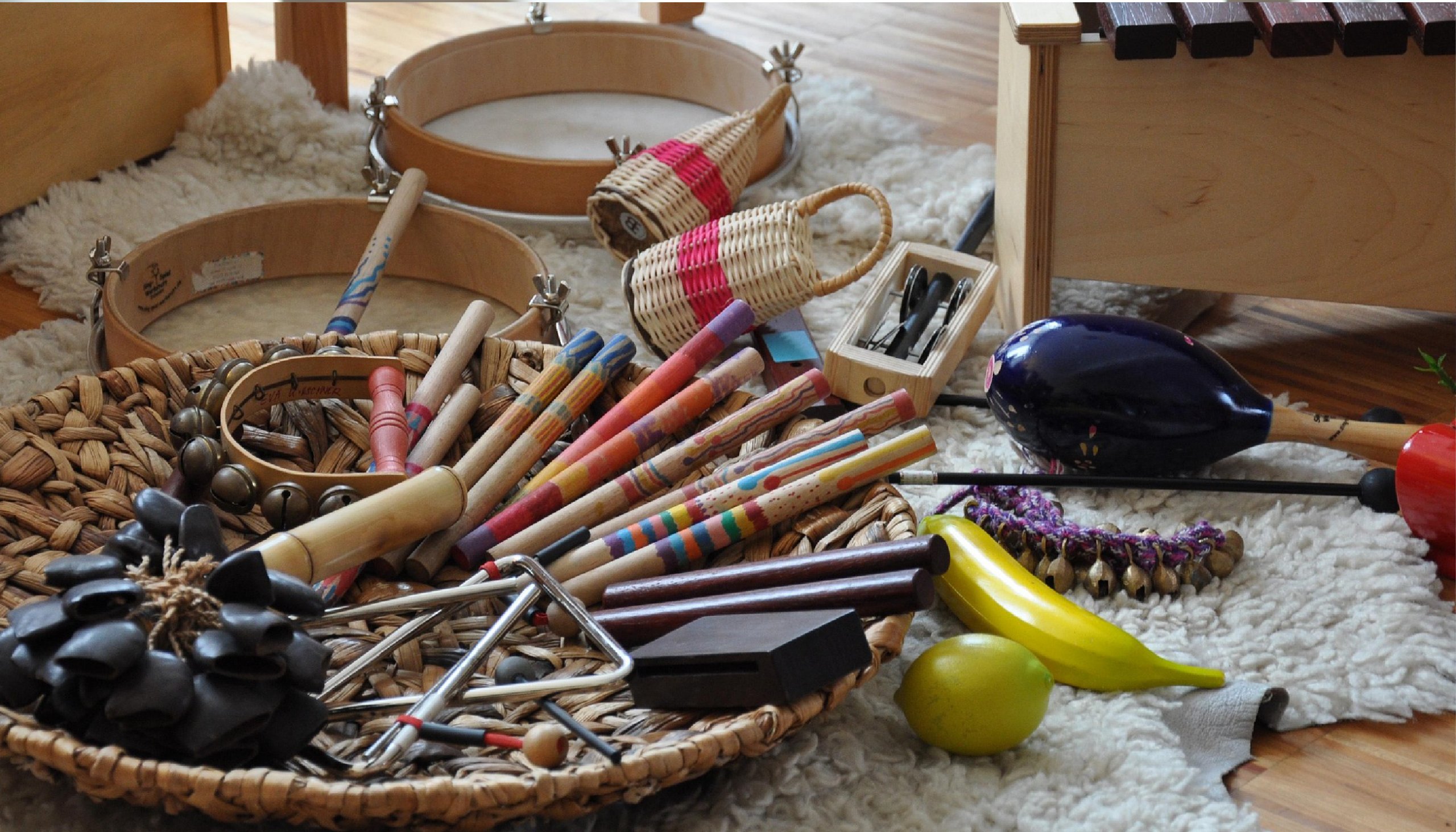



4-Season Sensory-Music Calendar for Babies and Toddlers (Free Download)
Every season carries its own colours, textures, sounds, and energy — and young children are exquisitely tuned in to all of it. From the first curious grasp of a rustling leaf to the wide-eyed wonder of rain drumming on a window, babies and toddlers are natural scientists of the world around them. When we pair that sensory curiosity with the power of music, something remarkable happens: learning deepens, memory strengthens, and joy takes centre stage.
That is exactly why we created the 4-Season Sensory-Music Calendar — a free, downloadable planning tool designed for parents and caregivers of children aged 4 to 47 months. Each season brings a curated set of music-infused sensory activities that align with your child’s developmental stage, making it easier than ever to weave enriching play into your everyday routine. Whether you are a first-time parent or a seasoned caregiver, this calendar gives you a gentle, inspiring roadmap through an entire year of meaningful play.
In this article, we will walk you through the thinking behind the calendar, unpack what each season offers, and share practical tips for getting the most out of every activity. Ready to turn the ordinary moments of each day into extraordinary learning opportunities? Let’s begin.
Why a Seasonal Approach to Sensory-Music Play Matters
Young children thrive on rhythm and routine, and the natural world offers the most beautifully consistent rhythm of all: the turning of the seasons. Structuring sensory-music activities around seasonal themes gives children a predictable framework that helps them make sense of change over time. It also provides parents with a ready-made source of inspiration — no need to reinvent the wheel each week when the season itself does the creative heavy lifting.
Beyond convenience, seasonal play is deeply meaningful for early development. When a toddler squishes damp autumn soil while you hum a harvest song, they are not just playing — they are building cross-modal sensory connections, absorbing vocabulary like “cold,” “wet,” and “crunchy,” and associating that sensory experience with musical memory. Research in early childhood development consistently shows that multisensory learning accelerates cognitive growth, and pairing it with music adds an emotional anchor that helps new knowledge stick. A seasonal calendar keeps this kind of rich, layered learning happening all year long.
The Science Behind Combining Music and Sensory Play
Music is far more than entertainment for young children — it is a full-brain workout. When babies listen to or participate in music, their brains light up across multiple regions simultaneously, engaging areas responsible for emotion, memory, motor control, and language processing all at once. This neural synchrony is one of the reasons music is such a powerful vehicle for early learning, and it is the foundational principle behind everything we do at The Music Scientist’s Tenderfeet programme for infants from 4 months.
Sensory play, meanwhile, builds the neural pathways that underpin everything from fine motor skills to emotional regulation. When you add a musical layer — a gentle song during a water-play activity, or a rhythmic chant during a texture exploration — you are essentially doubling the number of connections the brain forms around that experience. The result is richer memory encoding, stronger language development, and a child who is more confident in both their body and their mind. The 4-Season Sensory-Music Calendar is built on this science: every activity in it is intentionally designed so that music and sensory experience support and amplify each other.
How to Use the 4-Season Sensory-Music Calendar
The calendar is designed to be flexible and parent-friendly. You do not need any musical training or special equipment to use it — just curiosity, a willingness to play, and about 15 to 20 minutes a few times a week. Here is how to get started:
- Download and print the calendar – Keep it somewhere visible, like on your fridge or play-area wall, so it becomes a natural part of your weekly rhythm rather than something you have to hunt for.
- Check your child’s age range – Each activity in the calendar is tagged with a suggested age range (4–12 months, 12–24 months, or 24–47 months). Start with activities in your child’s bracket, but feel free to adapt older-child activities for more advanced toddlers.
- Gather simple materials ahead of time – Most activities use household items. A quick scan at the start of each week means you will always be ready to play without last-minute scrambles.
- Follow your child’s lead – If they are absolutely captivated by one texture or one song, linger there. The calendar is a guide, not a strict schedule. Curiosity-led exploration is always the goal.
- Repeat, repeat, repeat – Young children learn through repetition. Revisiting the same song or activity across multiple sessions within a season deepens learning far more than constantly introducing something new.
The calendar also includes a simple weekly tracker so you can note which activities your child responded to most enthusiastically — a lovely record to look back on as they grow.
Spring: Awakening the Senses with Sound and Bloom
Spring is the season of beginnings, and it mirrors the way young children experience the world — with fresh eyes, boundless curiosity, and delight in discovery. The spring section of the calendar centres on light, colour, and the sounds of nature waking up. Activities in this season include:
- Petal percussion: Scatter flower petals (real or silk) on a drum surface and tap gently, watching them dance with the vibration while singing a spring welcome song.
- Rain stick exploration: Create a simple rain stick from a cardboard tube and dried rice, then shake it along to a gentle spring rain song.
- Colour-scarf dancing: Use lightweight scarves in pink, yellow, and green for free movement dancing to upbeat instrumental tracks about growth and sunshine.
- Birdsong listening walks: Take a mindful outdoor walk with your toddler, pausing to listen to birds and then recreating those sounds with your voice or simple instruments at home.
Spring’s naturally stimulating environment makes it an ideal season to introduce new concepts through song. Our Happyfeet programme for 18-month-olds and toddlers takes a very similar approach, using movement and musical play to introduce early concepts about the world around them in a way that is joyful and developmentally appropriate.
Summer: Rhythm, Water Play, and Bold Exploration
Summer invites big energy and big sensory experiences. The calendar’s summer activities lean into tactile richness, outdoor movement, and the kind of uninhibited physical play that builds gross motor skills, body confidence, and spatial awareness. Water is a central theme — not only because it is perfect for warm weather, but because it offers extraordinary sensory variety (splashing, pouring, dripping, flowing) that pairs beautifully with rhythm and sound exploration.
- Water drumming: Fill containers with varying water levels and use wooden spoons to tap out rhythms, exploring how water depth changes the sound.
- Frozen treasure play: Freeze small musical instruments (bells, small shakers) in ice blocks and let toddlers chip them free while singing summer songs about melting and water.
- Barefoot beat walks: Set up a sensory path of grass, sand, smooth stones, and fabric for children to walk barefoot on, moving to a steady drum beat.
- Shadow dancing: On a sunny afternoon, play upbeat music outdoors and let children dance with their own shadows, developing body awareness and coordination.
This season aligns beautifully with the skills developed in our Groovers music and dance classes, where toddlers build coordination, rhythm, and confidence through structured but playful movement experiences.
Autumn: Texture, Tempo, and Falling Leaves
Autumn is perhaps the richest sensory season of all, offering an abundance of textures, earthy scents, and natural materials that beg to be touched and explored. The calendar’s autumn activities slow the tempo slightly from summer’s exuberance, introducing more focused, fine motor activities alongside music that reflects the season’s deeper, warmer palette of sounds.
- Leaf orchestra: Collect dried leaves and crinkle, crush, and scrape them to create a percussive soundscape, layering different leaf sizes for different sound textures.
- Sensory bins with nature sounds: Fill a bin with rice, dried corn, or small pebbles and play gentle forest or rain soundscapes while children sift and pour.
- Harvest song movement play: Use simple harvest songs to guide actions — “pick the apple” (reaching up), “roll the pumpkin” (crouching down), building vocabulary alongside movement.
- Mud and music: Supervised mudplay paired with slow, earthy instrumental music encourages deep tactile engagement and imaginative play.
Autumn’s theme of discovery through close observation connects naturally to the science-inspired learning woven into our Scouts programme, which helps children foster a love of science through catchy, memorable melodies.
Winter: Soft Sounds, Cosy Corners, and Calming Melodies
Winter in the calendar is a season of gentleness — of quieter, more intimate sensory experiences that support emotional regulation, language development, and the deep comfort of connection between caregiver and child. While Singapore’s tropical climate means snow is off the table, the spirit of winter play (stillness, warmth, soft textures, the magic of candlelight and lanterns) translates beautifully into activities that feel cosy and special.
- Lullaby lap time: A dedicated daily lullaby ritual using soft instruments like a xylophone or gentle bells, building the calming musical association that helps toddlers transition into rest.
- Fabric texture baskets: Fill a basket with velvet, fleece, faux fur, and silk for exploratory play, accompanied by slow, soothing instrumental music.
- Candle-glow music listening: In a safely dimmed room, light a battery-operated candle and listen quietly to classical or folk music together, encouraging attentive listening skills.
- Story-song creation: Co-create a simple song with your toddler about their day, reinforcing language, memory, and the understanding that music is something they can make themselves.
This season’s focus on language-rich, calm musical interactions lays groundwork for school readiness — the very skills that our SMART-START English and SMART-START Chinese preschool readiness programmes are designed to develop and extend.
Tips for Making the Most of Each Season’s Activities
A few simple habits will transform the calendar from a good resource into a genuinely transformative part of your child’s early years. First, consistency matters more than frequency. Even two or three intentional sensory-music sessions per week, done regularly over months, will have a far greater impact than daily sessions that happen only sporadically. Build a rhythm that works for your family and stick with it.
Second, your presence is the most powerful ingredient in any activity. Put your phone away, get down on the floor, and genuinely play. Children read our engagement level with extraordinary accuracy, and when they sense that we are fully with them — not distracted, not performing — they relax into deeper exploration. Third, do not worry about doing activities perfectly. If the leaf orchestra dissolves into a toddler gleefully throwing leaves everywhere, that is still sensory play. If the lullaby ritual becomes a giggle session, the bonding and joy are still deeply valuable. Follow the joy.
Download Your Free 4-Season Sensory-Music Calendar
The 4-Season Sensory-Music Calendar is available as a free PDF download, designed to be printed at home on standard A4 paper. Inside you will find a full year of activity suggestions, age-range tags for children from 4 to 47 months, a weekly activity tracker, a simple materials checklist for each season, and a selection of song suggestions to accompany each activity theme. It is everything you need to make music and sensory play a joyful, consistent part of your child’s world — without the overwhelm.
Every Season Is a New Chapter in Your Child’s Development
The early years pass quickly, but the learning that happens within them shapes everything that follows. A simple song hummed during bath time, a rain-stick shaken on a Tuesday afternoon, a barefoot dance on summer grass — these moments are not small. They are the building blocks of a brain that loves to learn, a body that loves to move, and a child who feels confident, curious, and connected.
The 4-Season Sensory-Music Calendar is our way of putting a year’s worth of those meaningful moments in your hands. Download it, use it freely, adapt it to your child’s unique personality, and know that every time you press play or pick up an instrument — however simple — you are doing something genuinely powerful for the little scientist in your life.
Want to Take the Learning Further?
The calendar is a wonderful start — but imagine what your child can achieve with a full programme designed by early childhood music experts. At The Music Scientist, our classes for babies, toddlers, and preschoolers go deeper into the music-development connection, with original compositions, structured sensory-music play, and a curriculum built around your child’s exact developmental stage.
From our infant Tenderfeet classes to our school-readiness SMART-START programmes, there is a class designed for exactly where your child is right now. Get in touch with us today to find the perfect programme and book a trial class. We would love to meet your little musician.
If your child seems to struggle with transitions, easily tips into overwhelm, or finds it hard to settle after active play, you are not alone — and you are not without tools. For children with ADHD or sensory processing differences, the world often arrives too fast, too loud, and too unpredictable. But there is one language that the developing brain responds to with remarkable consistency: rhythm.
Sensory play and rhythmic music routines have emerged as some of the most effective, evidence-backed approaches for helping young children self-regulate. These are not complex interventions reserved for therapists — they are simple, joyful activities that parents and caregivers can weave into daily life starting from infancy. In this guide, we share eight calming rhythm routines that blend sensory engagement with musical patterns, giving your child a reliable anchor during moments of dysregulation. Whether your little one is 6 months old or approaching preschool age, these routines can be adapted to meet them exactly where they are.
Why Rhythm and Sensory Play Work for ADHD
Children with ADHD often have nervous systems that are either under-stimulated and seeking intense input, or over-stimulated and desperate for calm. Sensory play directly addresses this by giving the brain controlled, predictable input that it can process without becoming overwhelmed. Rhythm adds another layer of regulation: it is inherently repetitive and predictable, which is exactly what an ADHD brain craves but rarely finds in a busy, noisy environment.
What makes rhythm particularly powerful is that it engages the entire brain simultaneously. The auditory system processes sound while the motor system responds to beat, and together they create a feedback loop that encourages focused attention. For toddlers and preschoolers — still developing the neural pathways for impulse control and executive function — repeated exposure to rhythmic patterns through play literally helps build those pathways over time. This is why music-based approaches are increasingly recommended by occupational therapists and early childhood specialists as part of sensory regulation strategies.
The Science Behind Music, Movement, and Self-Regulation
Research consistently shows that rhythm activates the basal ganglia, cerebellum, and prefrontal cortex — three areas of the brain that are often underdeveloped or dysregulated in children with ADHD. When a child taps to a beat, sways to a song, or claps along to a steady rhythm, they are not just playing. They are practicing neurological coordination that supports attention, timing, and emotional control.
Sensory play compounds these benefits by engaging proprioceptive and vestibular systems — the body’s internal sense of position and movement. Activities like marching, rocking, or pressing hands into textured surfaces send calming signals directly to the nervous system. When you combine rhythmic music with these kinds of sensory inputs, the calming effect is significantly amplified. This is the core philosophy behind programs like Tenderfeet at The Music Scientist, which integrates sensory development with music from the earliest months of life, recognising that the foundations of regulation are laid long before a child can speak.
8 Calming Rhythm Routines to Try at Home
Each of the following routines is designed to be low-cost, adaptable, and genuinely enjoyable for both parent and child. Consistency is more important than perfection — even doing one or two of these regularly will build the kind of predictable structure that helps ADHD children feel safe enough to regulate.
1. Steady Beat Lap Tapping
Sit with your child in your lap and gently tap a slow, steady beat on their knees or back while humming or singing a simple melody. The combination of physical touch and rhythmic pattern sends proprioceptive input directly to the nervous system, which many ADHD children find deeply grounding. Start with a slow tempo — around 60 beats per minute mirrors a resting heartbeat and naturally encourages the body to slow down. This routine is especially effective before nap time or after an overstimulating outing, and even very young infants respond positively to its calming rhythm.
2. Rocking and Humming Wind-Down
Rocking activates the vestibular system, which plays a direct role in emotional regulation. Hold or sit beside your child and begin a gentle, rhythmic rocking motion while humming a slow, repetitive melody — it does not need to be a traditional lullaby. The predictability of both the movement and the sound creates a sensory environment that is safe and manageable for an overwhelmed nervous system. Over time, your child may begin to associate the specific melody you use with feelings of calm, turning it into a powerful transition cue. The Happyfeet programme for toddlers builds on exactly this kind of musical-movement pairing to support emotional development in early childhood.
3. Drum and Pause Listening Games
Using a simple drum — even an upturned container works beautifully — establish a steady beat and then pause unexpectedly, encouraging your child to listen for the silence. This activity builds auditory attention, which is frequently challenged in ADHD, while also teaching impulse control through the natural anticipation of “when will the sound come back?” You can gradually extend the pauses to increase the challenge. The act of listening actively, rather than passively, strengthens the neural circuits involved in sustained attention. Children in the Groovers programme regularly engage with rhythm and instrument activities that develop exactly this kind of focused listening.
4. Sensory Marching Parades
Put on music with a clear, moderate beat and march together around the house or garden, stomping firmly and swinging arms in an exaggerated motion. The heavy proprioceptive input from stomping feet is one of the most effective ways to regulate a dysregulated nervous system — it is why occupational therapists so frequently recommend “heavy work” activities. When combined with rhythmic music, marching becomes both a sensory tool and a joyful bonding activity. You can make it playful by changing directions, adding instruments like shakers, or incorporating animal walks. Many parents find this routine works exceptionally well as a mid-afternoon reset when children are restless and attention is flagging.
5. Texture and Tone Exploration
Gather a small collection of textured materials — smooth stones, soft fabric squares, bumpy rubber balls, or dried rice in a sealed bag — and encourage your child to explore them while you play or sing a slow, calming melody in the background. This pairs tactile sensory input with auditory rhythm, engaging two sensory channels at once in a controlled, peaceful way. The music acts as an organising anchor, preventing the tactile exploration from becoming overstimulating. For children who are tactilely defensive (sensitive to touch), this routine also serves as gentle desensitisation practice when done consistently. The Scouts programme at The Music Scientist weaves multi-sensory exploration with musical learning themes, reflecting this same philosophy of layered sensory engagement.
6. Breathing Songs
Create or find a simple song that incorporates exaggerated breathing — a big inhale on one phrase and a slow exhale on the next. Breath control is one of the most direct ways to activate the parasympathetic nervous system (the “rest and digest” state), and embedding it within a familiar melody makes it far more accessible and engaging for young children. Many ADHD children struggle with mindfulness practices that require stillness, but singing a breathing song turns regulation into a playful, participatory experience rather than a demand. You can make it as silly and fun as you like — the more your child associates the song with feeling good, the more naturally they will reach for it during moments of stress.
7. Musical Transition Cues
Transitions — moving from play to dinner, from bath time to bed — are notorious trigger points for ADHD meltdowns because they require the brain to suddenly shift its focus and inhibit an ongoing activity. Using a consistent, specific piece of music or a short song as a signal for each transition gives the ADHD brain the advance notice it needs to prepare for change. The key is consistency: play the same song every time you are five minutes from bath time, or sing the same phrase every time it is time to pack away toys. Over weeks, the music becomes a neurological cue that reduces resistance and anxiety around transitions. Both the SMART-START English and SMART-START Chinese preschool readiness programmes incorporate structured musical routines that help children build the kind of predictable rhythm that eases these transitions as they approach formal schooling.
8. Gentle Instrument Exploration
Set out a small selection of child-safe instruments — a rain stick, a small tambourine, simple bells, or a xylophone — and allow your child to explore them freely while you play a slow, steady rhythm nearby on another instrument or by clapping. The freedom to explore at their own pace reduces the pressure that can trigger anxiety in ADHD children, while your steady rhythm provides an organising structure they can choose to join when they are ready. Over time, many children naturally begin to synchronise with the rhythm, experiencing the neurological benefits of rhythmic entrainment without any formal instruction. This kind of open-ended, music-rich sensory play forms the heart of what The Music Scientist programmes are built on — the belief that children learn most deeply when joy and structure exist together.
Building Consistency: How Routine Supports ADHD Brains
The single most important ingredient in any ADHD support strategy is consistency. ADHD brains are highly sensitive to unpredictability, which creates chronic low-level anxiety that makes self-regulation even harder. When rhythmic sensory routines are practised regularly — ideally at the same time each day — they create a scaffold of predictability that frees up cognitive resources for learning, play, and connection.
You do not need to implement all eight routines at once. Start with one or two that feel natural and genuinely enjoyable for your family. Notice which routines your child gravitates toward — some children are more soothed by proprioceptive input like marching and tapping, while others respond more strongly to auditory rhythm or vestibular input from rocking. Your child’s preferences are valuable data about their sensory profile, and honouring those preferences will make any routine far more effective.
When to Seek Structured Support
Home routines are a wonderful starting point, but structured programmes with trained educators can accelerate the benefits significantly. In a group music and movement class, children not only receive the sensory and rhythmic input described above — they also learn to regulate within a social context, practice turn-taking, and experience the co-regulation that comes from being part of a group moving and making music together. These are skills that matter deeply for preschool readiness and long-term social-emotional development.
If your child is under four years old and you are looking for a structured environment that embeds sensory play, rhythm, and music into every session, exploring enrichment programmes designed with developmental milestones in mind is a meaningful next step. The right programme will meet your child at their developmental stage and grow with them, building the regulation skills they will carry into formal education and beyond.
Supporting Your Child, One Beat at a Time
Sensory play and rhythm are not just enrichment activities — for children with ADHD and sensory sensitivities, they are genuine tools for building the neurological foundations of self-regulation, attention, and emotional resilience. The eight routines in this guide are designed to be simple enough to begin today and meaningful enough to make a real difference over time. Every steady beat you tap, every song you sing, and every rocking motion you share with your child is quietly building the pathways their growing brain needs.
The most important thing is not to do everything perfectly, but to show up consistently with warmth and playfulness. Rhythm, after all, is something you create together — and that shared experience is where the deepest learning happens.
Ready to Explore Music and Sensory Play with Your Child?
At The Music Scientist, every programme is designed with your child’s developmental journey in mind — combining music, movement, and sensory play in a nurturing, structured environment. Whether your little one is a newborn or approaching preschool age, we have a programme that meets them exactly where they are.
Reach out to our team to learn more about our programmes and find the right fit for your child’s needs and stage.
There is a moment, familiar to every parent, when a young child hears music and their whole body responds—a spontaneous bob of the head, a clapping of hands, a joyful stamp of tiny feet. It is easy to dismiss this as simple delight. But researchers studying early childhood development have been paying very close attention to that moment, and what they are finding is remarkable: the ability to perceive and respond to a musical beat is not just a sign of a happy child. It may be one of the earliest indicators of developing mathematical intelligence.
The connection between beat perception and early numeracy is now one of the most compelling areas of research in developmental cognitive science. Studies show that the same neural and cognitive systems young children use to track a rhythmic pulse also underpin their ability to understand quantities, sequences, and patterns—the very foundations of mathematical thinking. For parents and early childhood educators in Singapore, these findings carry profound practical implications: the music you share with your child is not just enriching their day. It may be quietly building their mathematical mind.
In this article, we explore what the latest research reveals about beat perception and early numeracy, break down how this connection unfolds across different developmental stages, and explain how music-rich environments give young children a meaningful head start in mathematics.
What Is Beat Perception, and Why Does It Matter?
Beat perception is the ability to detect and internally represent the regular, recurring pulse that underlies most music. It is what allows a listener to tap a foot in time, anticipate the next downbeat, or feel when a rhythm has gone wrong. While this might sound like a purely musical skill, developmental researchers consider it a sophisticated cognitive achievement. Perceiving a beat requires the brain to extract temporal regularity from a stream of sound, predict future events, and update those predictions continuously—all in real time.
What makes beat perception particularly significant in early childhood research is how early it appears. Studies examining brain responses in newborns and very young infants have found that the auditory cortex responds differentially to sounds that land on predictable beats versus those that do not, suggesting that some capacity for beat-based timing may be present from birth or emerge in the very first weeks of life. Research has further confirmed that by around four months of age, infants begin responding to rhythmic patterns with notable engagement, and this sensitivity grows steadily through the first year. Far from being a learned musical skill, beat perception appears to be a fundamental feature of the developing human brain.
Number Sense Begins Earlier Than You Think
Understanding the link between beat and numeracy requires first appreciating just how early mathematical cognition begins. The traditional view held that children only started grasping numbers when they learned to count with words—typically around age three or four. Decades of research have overturned this assumption entirely. Infants in the first year of life possess what researchers call an Approximate Number System (ANS): an intuitive, preverbal sense of quantity that allows them to distinguish between larger and smaller sets of objects, sounds, or events without counting.
A landmark longitudinal study published in the Proceedings of the National Academy of Sciences found that preverbal number sense at six months of age was predictive of standardised mathematical achievement scores in the same children at three and a half years old—even after controlling for general intelligence. As the researchers concluded, number sense in infancy functions as a developmental building block for later mathematical ability, and this relationship exists independently of language or formal teaching. This finding fundamentally changed how educators and neuroscientists think about early mathematics: the seeds of numeracy are planted long before a child ever holds a pencil or sits in a classroom.
The Shared Brain Pathways Behind Beat and Number
So what connects beat perception to this early number sense? The answer lies in the cognitive architecture that supports both abilities. Researchers have identified that tracking a musical beat and processing numerical quantities share several overlapping cognitive demands: both require the brain to detect regularities, maintain internal representations over time, and make predictions about what comes next. This reliance on temporal pattern processing—the ability to organise experiences across time—is a thread that runs through musical rhythm, numerical sequencing, and mathematical reasoning alike.
Neuroimaging studies have shown that musical beat processing engages regions of the brain associated with timing, motor planning, and working memory—the same systems that support the sequential processing required for counting, ordering numbers, and understanding mathematical relationships. Working memory, in particular, plays a dual role: it supports a child’s ability to hold the previous beat in mind while attending to the current one, and it supports a child’s ability to hold a number in mind while counting forward or backward. The neural overlap is not coincidental. It reflects a deep structural relationship between the brain’s temporal processing systems and its quantitative reasoning systems.
How Beat Perception Supports Numeracy Across Developmental Stages
The relationship between rhythm and early mathematics does not unfold all at once. It develops progressively, building on itself with each stage of a child’s cognitive and physical growth. Understanding how this connection manifests at different ages helps parents and educators provide the most developmentally appropriate musical experiences.
Infants (4–12 Months): The First Pulses of Mathematical Thinking
For babies in their first year, engagement with rhythmic sound is both sensory and cognitive. Research shows that infants as young as four months begin demonstrating increased attention and physical responsiveness to steady rhythmic patterns—well before they can produce intentional movement in time with music. In infant care and sensory development programmes, this early responsiveness is foundational. Repeated exposure to musical beats helps babies develop what researchers call temporal perception: an internal sense of time and regularity that later supports understanding of sequence, order, and measurement.
Crucially, this temporal sensitivity also overlaps with early quantity perception. When a baby hears a sequence of three beats followed by a sequence of five beats, their brain is not just processing sound—it is registering difference in number, the same cognitive operation that underlies the Approximate Number System. Gentle bouncing, lap-based rocking, and rhythmic singing during infancy are not simply soothing rituals. They are providing the brain with structured, repeated exposure to temporal regularity, essentially training the same systems that will later be called upon for mathematical thinking.
Toddlers (12–30 Months): Beat, Movement, and Emerging Number Sense
As children move into toddlerhood, their engagement with rhythm becomes increasingly physical and intentional. Toddlers begin attempting to move in synchrony with music, and while their beat-matching is still imprecise, the effort itself is developmentally significant. Moving to a beat requires the brain to continuously compare an internal temporal prediction with incoming auditory information and adjust motor output accordingly—a process that strengthens executive function skills including working memory, attention regulation, and impulse control. These are the same executive function capacities that research consistently links to early academic success.
At this stage, rhythmic activities also begin to directly scaffold emerging numeracy skills. Clapping to the steady beat of a song provides an embodied experience of one-to-one correspondence—one physical action for each unit of sound—which is a foundational numeracy concept. Repetition in songs helps toddlers predict what comes next, reinforcing the cause-and-effect and pattern recognition thinking that underlies sequential mathematics. Music and movement classes for toddlers, such as those offered through enrichment programmes for 18-month-olds, leverage this natural developmental window by weaving rhythm, movement, and early cognitive challenge together in a playful, age-appropriate format.
Preschoolers (30–47 Months): From Rhythm to Readiness
By preschool age, many children can maintain a simple steady beat through clapping or marching, and this ability turns out to be a meaningful predictor of school readiness across multiple domains. A study conducted by researchers at Northwestern University found that preschoolers aged three to four years who can demonstrate beat synchronisation show stronger reading preparedness. The connection is grounded in the same neural overlap discussed earlier: children who can track and predict rhythmic sequences are better equipped to track and predict the sequential patterns in language, number, and logic.
Research on preschoolers also confirms that musical rhythm activities directly support early numeracy skills including counting, pattern recognition, and proportional reasoning. When a child participates in music activities that involve grouping beats in sets of two, three, or four, they are intuitively engaging with the mathematical concepts of grouping and subdivision—conceptual precursors to multiplication and fractions. Programmes that blend music with intentional cognitive challenges, such as music and dance classes for toddlers and preschoolers and science-themed music programmes, create structured opportunities for children to consolidate these emerging mathematical concepts through joyful, embodied play.
Pattern Recognition: The Bridge Between Music and Mathematics
Of all the cognitive skills that beat perception develops, pattern recognition may be the most mathematically significant. Music is fundamentally organised around repeating patterns—sequences of beats, phrases, and melodic motifs that recur in predictable ways. When a young child learns to anticipate the next beat in a rhythm, they are exercising the same cognitive muscle they will later use to identify number patterns, extend a sequence, or recognise that 2 + 3 always equals 5. Research confirms that the ability to identify, continue, and create patterns forms the basis of algebraic thinking and is one of the strongest early predictors of mathematical competence.
Multiple studies examining the connection between music and mathematics in early childhood have found that children who engage regularly with rhythm-based activities show stronger abilities in mathematical patterning tasks. One notable body of research provides empirical evidence that preschool children’s early rhythm skills correlate with their mathematical development—not just in terms of counting, but in the broader sense of understanding relationships between quantities. This is consistent with the theory that music and mathematics share a common root in the human brain’s drive to find order, structure, and predictability in the world.
What This Research Means for Parents and Caregivers
For parents, this body of research offers both reassurance and inspiration. The everyday musical moments you share with your child—singing lullabies, bouncing to a song, clapping along to a nursery rhyme—are not trivial. They are building genuine cognitive infrastructure. You do not need formal music training or expensive instruments to give your child these benefits. What matters is consistency, engagement, and the joy of shared rhythmic experience.
A few evidence-informed practices worth incorporating into daily life include:
- Rhythmic rocking and bouncing with infants – Gentle, predictable movement to music provides a full-body experience of temporal regularity, supporting both beat perception and the development of an internal sense of time and quantity.
- Clapping and tapping games with toddlers – Counting out loud while clapping to a beat connects rhythmic experience directly to number language, reinforcing one-to-one correspondence in a concrete, physical way.
- Pattern-based musical play with preschoolers – Creating simple rhythmic patterns (clap-clap-stomp, clap-clap-stomp) and asking children to predict or extend them exercises the same cognitive skills required for mathematical patterning tasks.
- Singing counting songs – Songs that incorporate numbers, sequences, and quantity concepts (adding and subtracting characters, counting down) embed mathematical language in musical memory, making early numeracy concepts easier to retain.
- Consistent musical routines – Repeated exposure to the same songs and rhythms at predictable times of day reinforces the brain’s pattern-detection systems and builds a secure foundation for both musical and mathematical learning.
The underlying principle is simple: the more a young child’s brain is engaged with temporal patterns—whether through music, movement, or rhythmic language—the stronger its foundational capacity for mathematical thinking becomes. Every song is an opportunity, and every beat is a step forward.
The Role of Structured Music Programmes in Early Numeracy
While informal musical experience at home is valuable, structured music programmes designed around developmental milestones offer a more intentional pathway through the research-backed connection between rhythm and early numeracy. Well-designed early childhood music curricula do more than teach songs—they sequence musical experiences to progressively challenge and develop the specific cognitive skills that underpin mathematical thinking: temporal awareness, pattern recognition, sequencing, working memory, and executive function.
At The Music Scientist, our programmes are built on exactly this evidence base. From our earliest classes for infants through to our preschool readiness curriculum, we deliberately use rhythm, movement, and sensory engagement to activate the neural systems that support both musical and mathematical development. Our SMART-START English and SMART-START Chinese programmes take this a step further, directly preparing children for the transition to formal schooling by strengthening early numeracy alongside literacy and general knowledge—all through the powerful medium of music. Each element of our curriculum is grounded in developmental science, ensuring that what feels like joyful play is also purposeful learning.
The research is clear: beat perception is not a peripheral musical skill. It is a window into the developing mathematical mind. When we give young children rich, consistent, joyful experiences with musical rhythm from the earliest months of life, we are not simply nurturing future musicians. We are laying the cognitive groundwork for confident, capable mathematical thinkers.
The Beat Goes On—and So Does the Learning
The connection between beat perception and early numeracy is one of the most exciting discoveries in developmental cognitive science, and its implications for early childhood education are significant. From the preverbal number sense of a six-month-old to the pattern-recognition abilities of a four-year-old, music and mathematics are more deeply intertwined in the developing brain than most parents ever realise. Every time a young child responds to a beat, they are not just enjoying a moment of music—they are engaging the very cognitive systems that will carry them through a lifetime of mathematical learning.
For families in Singapore looking to give their children the strongest possible start, this research points to a clear and joyful path: prioritise music, embrace rhythm, and trust that the time your child spends dancing, clapping, and singing is time spent building their mind.
Ready to Support Your Child’s Musical and Mathematical Development?
At The Music Scientist, our developmentally designed programmes for children aged 4 to 47 months use music, movement, and play to nurture the cognitive foundations of numeracy, literacy, and lifelong learning. Whether your little one is just beginning to discover sound or is nearly ready to start school, we have a programme designed to meet them exactly where they are.
Picture a toddler gleefully tapping a hand drum, eyes wide, the rest of the world temporarily forgotten. It looks like pure play — and it is. But beneath that delighted surface, something measurably significant is happening inside the brain. Thanks to electroencephalography (EEG), neuroscientists can now watch those neural changes unfold in real time, and what they are finding about drumming and emotional regulation is reshaping how we think about music, childhood development, and the very roots of self-control.
In recent years, a growing body of EEG research has moved beyond simply noting that music “feels good” to pinpointing exactly which brainwave patterns shift when a person engages with rhythm, and why those shifts matter for managing emotions. For parents and educators of babies, toddlers, and preschoolers, these findings carry real-world weight: the percussion activities your young child enjoys are doing far more for their developing brain than meets the eye. This article breaks down the latest EEG science in plain language, explains what the data actually shows about drumming and emotional self-regulation, and explores why the early years — from infancy through the preschool stage — represent the most powerful window to harness these benefits.
What Is EEG and Why Does It Matter for Music Research?
Electroencephalography (EEG) is a non-invasive technique that measures the brain’s electrical activity by placing small sensors on the scalp. These sensors detect the coordinated firing of millions of neurons, producing oscillating waveforms that researchers classify by frequency — delta, theta, alpha, beta, and gamma. Each frequency band corresponds to different cognitive and emotional states, making EEG an exceptionally powerful tool for studying how music affects the mind.
What makes EEG particularly well-suited to drumming research is its millisecond-level temporal resolution. Unlike brain imaging techniques such as fMRI, which capture slow blood-flow changes, EEG captures the exact moment the brain responds to a beat. Researchers can observe in real time how a rhythmic stimulus shifts neural activity across brain regions, providing a moment-by-moment window into how percussion interacts with emotional processing. The combination of this fine-grained timing data and the non-invasive nature of EEG makes it ideal for use with young children, who cannot remain still in an MRI scanner but can comfortably wear a lightweight sensor cap during musical play.
How EEG Maps Emotional Regulation in the Brain
Emotional regulation — the ability to manage and modulate one’s emotional responses — is one of the most studied areas in modern affective neuroscience. EEG research has identified several reliable neural signatures associated with this skill. The most consistently replicated is frontal alpha asymmetry: the balance of alpha wave activity between the left and right frontal hemispheres. Greater relative left-frontal activation is linked to positive emotions and approach behaviour, while greater right-frontal activation is associated with negative affect and emotional withdrawal. This pattern has been observed across hundreds of studies and is considered one of the most robust findings in the field.
EEG also tracks emotion regulation through theta oscillations, particularly in the frontal midline region. Theta waves (4–7 Hz) reflect the coordinated communication between the prefrontal cortex and deeper limbic structures such as the amygdala, the brain’s emotional alarm system. When the prefrontal cortex successfully “talks down” an overactive amygdala, theta synchrony increases — a direct neural correlate of emotional control. Beyond individual frequency bands, researchers have found that the overall complexity, or entropy, of EEG signals provides a broader marker of brain health: higher neural entropy reflects more flexible and adaptable information processing, while reduced complexity has been linked to heightened anxiety and emotional rigidity.
Brainwave Entrainment: How Drumming Tunes the Brain
One of the most striking mechanisms discovered through EEG research is neural entrainment, also called brainwave entrainment. This is the phenomenon by which the brain’s electrical oscillations naturally synchronise with the frequency of an external rhythmic stimulus. Put simply: when you hear a steady drumbeat, your brain begins to match its own electrical rhythms to that beat. The brain does not choose to do this; it is an automatic, deeply wired response.
A steady, repetitive drumming pattern can guide the brain into different states of consciousness, from relaxed alpha waves to deeper, meditative theta states. This is not metaphor — it is measurable in real time on an EEG trace. Research has shown that different patterns of drumming lead to different changes in brainwave profiles, meaning the tempo and rhythm of percussion can be used almost like a dial to steer the brain toward calm, alert focus, deep relaxation, or creative engagement. For a toddler who arrives at a music class in a state of overstimulation, entrainment to a steady, moderate beat can gently guide their nervous system toward a regulated baseline — without any deliberate effort from the child.
Key EEG Findings: Theta and Alpha Waves Under the Spotlight
The most recent EEG research has zeroed in on two frequency bands with particular significance for emotional regulation: theta and alpha. Theta activity, which naturally dominates the brainwave profile of young children, has emerged as a central player in how drumming influences emotional states. A 2026 study published in Scientific Reports demonstrated that theta-frequency drumming (approximately 4 beats per second) produced distinct and measurable shifts in neural activity compared to drumming at delta or alpha tempos, with theta coupling identified as a potential biomarker for rhythm-induced changes in brain state. Participants’ brains showed coupling between neural activity and the beat of the stimulation — a direct signature of entrainment in action.
Alpha wave activity is equally important. Research by neurologist Dr. Barry Bittman found that group drumming can increase alpha activity, which is associated with relaxed alertness and creativity. This is precisely the neural state children need for optimal learning: calm enough to focus, alert enough to engage. In the alpha state, the prefrontal cortex — which governs impulse control, decision-making, and emotional regulation — operates most effectively. Meanwhile, studies examining EEG connectivity patterns across brain regions during emotional episodes have found significant modulations in the prefrontal and temporal areas, with delta and beta band activity showing distinct patterns across different emotional states. This suggests that drumming, by shifting these frequency profiles through entrainment, can literally reconfigure how emotional information is processed moment to moment.
The Frontal Lobe Connection: Drumming, Stress, and Self-Control
The frontal lobe is the brain’s chief executive — the region responsible for planning, impulse control, and the conscious management of emotions. EEG research has consistently highlighted the frontal lobe’s role in emotional regulation, and drumming appears to be particularly effective at activating and strengthening this region. Rhythm synchronises the frontal lobe with lower, more primitive brain areas, producing feelings of insight, integration, and emotional steadiness that persist well after the drumming experience ends.
The stress axis is another crucial piece of the picture. Drumming, particularly in group settings, has been found to lower cortisol levels — the hormone most closely associated with stress. One study found that just 15 minutes of exposure to repetitive drumming was sufficient to produce a significant decrease in salivary cortisol. For young children, whose stress response systems are still maturing and highly sensitive, this cortisol-lowering effect is especially meaningful. Elevated cortisol in early childhood (ages 3–5) has been linked to structural changes in the amygdala in later childhood, which in turn are associated with emotional impairment and cognitive difficulties. By reducing stress-hormone load during the critical preschool years, regular rhythmic activities may help protect the very brain structures that underpin emotional resilience.
EEG studies of frontal theta oscillations have further shown that this frequency band reflects the communication pathway between the prefrontal cortex and the limbic system during active emotion regulation. When this pathway is well-trained and responsive — as it appears to be in individuals who regularly engage with rhythmic music — emotional challenges are met with greater flexibility and less reactivity. This is, in essence, the neural mechanism behind what parents observe as a calmer, better-regulated child.
Why These Findings Matter Most in Early Childhood
The EEG findings on drumming and emotional regulation carry particular weight for children in the earliest years of life. Research tracking frontal EEG alpha and theta activity from infancy into early childhood has found that while the neurobiological foundations of self-regulation are established during infancy, it is the maturation of the frontal alpha rhythm that contributes most to variations in self-regulation in children as young as three years old. In other words, the neural systems that drumming activates and strengthens are precisely the ones that are most actively forming during the baby, toddler, and preschool stages.
Rhythm also offers young children something uniquely grounding: predictability. For a child whose prefrontal cortex is still years away from full maturity, the unpredictability of strong emotions can feel overwhelming and unmanageable. Steady rhythmic input mirrors the heartbeat and the breath — the body’s own internal regulators — creating a sense of order and safety in the nervous system. Rhythmic movement activities in preschool can support the neurological basis of self-regulation in ways that few other activities can match. Group drumming adds an additional layer: research has shown that singing, dancing, and clapping in synchrony with others strengthens not just individual regulation but co-regulation, the capacity to align one’s emotional state with those around you.
For families exploring enrichment options in Singapore, programmes designed around these developmental principles offer tangible value. At Tenderfeet, The Music Scientist’s infant care and sensory development programme for babies aged 4–12 months, sensory exposure to sound and vibration begins building the rhythmic foundations that EEG research identifies as critical for future self-regulation. As children grow, the Happyfeet programme for 18-month-olds and toddlers introduces more active rhythmic engagement, channelling the neural entrainment effects described in the research into age-appropriate play. The Groovers music and dance programme for toddlers then layers movement onto rhythm, integrating motor, auditory, and emotional systems simultaneously — precisely the kind of multisensory experience that maximises the neuroplastic benefits the EEG data points to.
Practical Applications: Turning EEG Science into Everyday Play
Understanding the science is valuable, but knowing how to apply it is what really matters to parents. The EEG research points to several clear principles that translate naturally into everyday activities with young children.
- Consistency over intensity. The neuroplastic and regulatory benefits of rhythmic activity are driven by regular, repeated exposure rather than occasional long sessions. Short, daily rhythm play — clapping games, hand drumming, marching to a beat — is more effective than infrequent formal sessions.
- Let the child lead the tempo. EEG entrainment works both ways: a child’s distress is partly driven by the tempo of their own racing thoughts. Gently mirroring a dysregulated child’s fast tapping, then gradually slowing your rhythm down, can co-regulate their nervous system through the entrainment effect.
- Prioritise group experiences. The research consistently shows that communal drumming produces stronger oxytocin responses and greater frontal alpha increases than solitary percussion. Music classes and group sessions amplify the emotional regulation benefits of the activity.
- Use rhythm as a transition tool. Predictable rhythmic cues (a specific clapping pattern before a nap, a drum beat that signals clean-up time) leverage the brain’s entrainment response to reduce anxiety around transitions — a major source of emotional dysregulation for toddlers.
- Pair movement with sound. EEG research shows the brain synchronises to strong beat music, enhancing both attentional and emotional networks through the link between proprioceptive feedback and rhythm processing. Bouncing, clapping, swaying, and tapping all deepen the regulatory effect.
For preschool-aged children approaching the transition into formal schooling, the emotional regulation skills built through rhythmic music are not just developmentally valuable in themselves — they underpin the focus, impulse control, and adaptability that readiness programmes require. The SMART-START English and SMART-START Chinese preschool readiness programmes at The Music Scientist integrate original music with structured learning content, drawing on exactly these neural mechanisms to prepare children emotionally and cognitively for school. The Scouts programme further extends this approach, fostering a love for science through catchy melodies that make learning memorable, joyful, and well-regulated.
The Beat Goes On: Small Rhythms, Big Brains
The EEG findings on drumming and emotional regulation tell a story that is both scientifically rigorous and immediately recognisable to any parent who has watched a frustrated toddler calm down the moment music begins. Brainwave entrainment is real, measurable, and remarkably powerful — particularly in young children whose neural systems are still being shaped by every experience they have. Theta oscillations strengthen the connection between the thinking brain and the feeling brain. Alpha waves create the relaxed, alert state that learning requires. Cortisol drops. Frontal lobe connectivity grows. Emotional flexibility deepens.
None of these benefits require a child to become a professional musician, master a complex technique, or even hold a drumstick correctly. They require rhythm, repetition, joy, and the kind of multisensory musical play that young children are naturally drawn to. The science simply confirms what children have always known: hitting something to a beat feels good, and that feeling is doing something genuinely important for the developing brain. The earlier these experiences begin, the deeper and more lasting their impact on the neural foundations of emotional health.
Ready to Nurture Your Child’s Emotional Brain Through Music?
At The Music Scientist, every programme is designed with the neuroscience of early childhood development at its core. Whether your little one is a curious 4-month-old just beginning to discover sound, a busy toddler ready to groove and drum, or a preschooler preparing for the exciting leap into school, we have a programme that meets them exactly where they are — and gently brings out the best their developing brain has to offer.
If you’ve ever watched your child go from zero to a hundred in what feels like seconds, spinning between activities, struggling to settle, or melting down after what seemed like a perfectly ordinary afternoon, you already know how exhausting and bewildering ADHD can be for the whole family. But here’s something many parents discover almost by accident: the right kind of sensory play for ADHD can do what no amount of reminding or redirecting ever quite manages. It can calm, focus, and genuinely engage a child whose nervous system is wired to constantly seek more.
Sensory play works because it meets children where their brains already are. For children with ADHD, whose nervous systems often crave intense or varied input to reach a regulated state, purposeful sensory experiences provide exactly the stimulation needed, channelled in a constructive direction. And for very young children, from babies through to preschoolers, this approach isn’t just helpful for ADHD. It’s foundational to healthy development across the board.
In this guide, we’ll explore why sensory play is particularly powerful for children with ADHD, which activities tend to work best for different ages and temperaments, and how music, which sits at the heart of what we do at The Music Scientist, offers a uniquely rich sensory experience that supports focus, emotional regulation, and learning all at once.
Why Sensory Play Matters for Children with ADHD
Attention deficit hyperactivity disorder (ADHD) is a neurodevelopmental condition characterised by differences in attention, impulse control, and activity levels. What’s less widely understood is that many children with ADHD also experience sensory processing differences, meaning their brains process incoming sensory information differently from neurotypical children. Some are hypersensitive, easily overwhelmed by noise, texture, or light. Others are hyposensitive, constantly seeking stronger, louder, or more intense experiences just to feel regulated.
Sensory play addresses both ends of this spectrum by giving children a controlled, intentional way to explore sensory input. When a child is deeply engaged in squishing clay, drumming to a beat, or swishing their hands through a water tray, their nervous system has something purposeful to focus on. Research supports what many educators and therapists observe every day: structured sensory experiences can reduce hyperactivity, improve attention span, and support emotional regulation in young children. For parents, the practical takeaway is this: building sensory play into your child’s daily routine isn’t indulging distraction. It’s actively supporting their ability to learn and connect.
Understanding Your Child’s Sensory Needs
Before diving into specific activities, it helps to observe your child’s natural sensory tendencies. Does your toddler refuse certain textures of food or clothing? Do they constantly seek movement, jumping, spinning, or hanging upside down? Do they cover their ears in noisy environments or, on the flip side, seem drawn to loud sounds and bright spaces? These behaviours are communication. They’re your child telling you what their sensory system needs.
Children who are sensory seekers tend to respond well to activities that provide heavy proprioceptive input (think pushing, pulling, climbing, and carrying) or rich auditory and tactile experiences. Children who are more sensory sensitive often benefit from gentle, predictable sensory input, soft textures, quiet rhythmic sounds, and calm, dimly lit environments. Most children with ADHD fall somewhere along a spectrum and may shift between seeking and avoiding depending on the time of day, their stress levels, or how long they’ve been asked to sit still. Getting to know your child’s individual profile makes sensory play far more effective and less hit-or-miss.
Calming Sensory Activities That Work
Tactile Activities: Hands-On, Mind-On
Touch is often the first sense parents think of when sensory play comes up, and for good reason. Tactile experiences are immediate, grounding, and deeply engaging for children whose minds race ahead of their bodies. The key is variety, different textures, temperatures, and resistances give the brain plenty to process without becoming overstimulating.
Some reliable tactile activities to try at home include:
- Play dough and clay modelling: Rolling, pressing, and squishing builds fine motor skills while giving the hands something satisfying to do. The repetitive motion is particularly calming for children who struggle to wind down.
- Sensory bins: Fill a shallow container with rice, dried pasta, kinetic sand, or water beads, then hide small objects inside for children to find. This encourages sustained attention without demanding it explicitly.
- Finger painting: The direct contact between fingers and paint engages the tactile system and unlocks creative expression, a combination that tends to hold even easily distracted children’s interest for longer than expected.
- Water play: Pouring, splashing, and squeezing water toys in a basin or bathtub is endlessly engaging and naturally calming, particularly useful before transitions or bedtime routines.
When introducing new textures, especially with sensory-sensitive children, always allow your child to observe and approach at their own pace. Forcing a texture that feels overwhelming tends to increase anxiety rather than reduce it.
Music and Rhythm: The Most Underrated Sensory Tool
Of all the sensory modalities available to parents and educators, music is arguably the most powerful and the most underutilised in the context of ADHD. Music engages the auditory system, but it doesn’t stop there. When children clap, stomp, or move in time to a rhythm, they’re simultaneously activating the proprioceptive and vestibular systems as well. When they sing, they’re coordinating breath, language, and memory. Music is, in this sense, whole-body sensory integration dressed up as something joyful.
The evidence for music’s impact on ADHD-related challenges is compelling. Rhythm and tempo provide structure for children who struggle with transitions and unpredictability. Familiar songs and melodies serve as auditory anchors that help children move from one activity or emotional state to another. And the shared experience of music, singing together, beating drums in a group, swaying side to side, activates the social brain in ways that support connection and emotional co-regulation.
At The Music Scientist, music isn’t treated as a background activity. It’s the primary learning medium. Programmes like Tenderfeet, designed for infants and young babies, use music, movement, and carefully crafted sensory experiences to support early neurological development right from the start. For toddlers, Happyfeet builds on this foundation, weaving music and sensory play into every session to support children aged around 18 months as they begin to regulate their emotions, expand their attention spans, and develop their sense of self.
Simple music-based sensory activities you can try at home include:
- Beat-keeping with household items: Wooden spoons on pots, tapping on different surfaces, shaking containers filled with rice. Vary the tempo to shift your child’s energy level up or down.
- Freeze dancing: Play music and dance, then freeze when the music stops. This game builds inhibitory control (one of the core executive function challenges in ADHD) in a way that feels like pure play.
- Singing transitions: Set simple daily transitions, like tidying up or getting ready to leave, to a consistent song. The rhythm acts as a predictable cue that eases the anxiety many children with ADHD feel around change.
- Listening walks: Take your child outside and ask them to identify every sound they hear. This is a focused listening exercise disguised as an adventure.
Movement-Based Activities for Releasing Big Energy
Movement is not the enemy of focus. For children with ADHD, it is often the prerequisite for it. When children are allowed to move their bodies fully before or during learning, their brains are better prepared to attend to less physically engaging tasks. This is why the best early childhood programmes build movement into the learning experience itself rather than treating it as a reward that comes after sitting still.
The Groovers programme at The Music Scientist does exactly this, combining music and dance for toddlers in a way that channels physical energy productively while simultaneously building coordination, rhythm awareness, and confidence. Movement set to music has the added advantage of providing rhythmic structure, which helps regulate arousal levels and brings children back to a more settled state after vigorous activity.
Effective movement-based activities for children with ADHD include:
- Obstacle courses: Indoor or outdoor, these require planning, sequencing, and physical coordination, engaging the brain and body simultaneously.
- Animal walks: Bear crawls, crab walks, and bunny hops provide heavy proprioceptive input that many sensory-seeking children find deeply organising.
- Yoga for kids: Simple poses paired with storytelling help children develop body awareness, breath control, and the ability to transition between active and calm states. This is particularly useful as a winding-down activity before quiet time or sleep.
- Dance parties with a purpose: Rather than free-form dancing, give your child a simple choreographic challenge. Follow my moves, copy this pattern, or dance only when the music is fast. Adding cognitive load to movement makes it even more effective for focus development.
Nature and Outdoor Play
There is a growing body of research suggesting that exposure to natural environments has a measurable calming effect on children with ADHD. Green spaces, with their varied textures, sounds, and visual stimuli at manageable levels, seem to provide the brain with rich, non-overwhelming sensory input that supports restoration of attention. Even in Singapore’s urban environment, this kind of outdoor sensory experience is more accessible than many parents realise.
Nature-based sensory activities for young children might include collecting leaves and pinecones to sort and examine, digging in garden soil, splashing in outdoor water features, or simply sitting barefoot on grass and noticing how it feels. For slightly older preschoolers, nature scavenger hunts that ask children to find specific colours, shapes, or textures combine sensory engagement with early literacy and scientific thinking skills. The Scouts programme at The Music Scientist taps into exactly this spirit, fostering a love for scientific exploration through catchy melodies and hands-on discovery that brings the natural world to life for young children.
How to Build a Sensory Play Routine That Sticks
The most effective sensory play isn’t random. It’s predictable, sequenced, and woven into the fabric of daily life. Children with ADHD thrive on routine because it reduces the cognitive demand of constantly anticipating what comes next, freeing up more mental energy for attention and regulation. A simple sensory routine might involve an active, movement-heavy sensory experience in the morning, a tactile play session before lunch, and a quiet, calming sensory activity such as water play or music listening before naptime or bed.
Consistency matters more than variety when it comes to building a routine. Once your child knows that after breakfast comes the drum game and after the drum game comes lunch, the transition itself becomes less fraught. Over time, you can introduce variety within the structure, new songs, different tactile materials, outdoor versus indoor alternatives, keeping the routine familiar while offering enough novelty to maintain engagement. If your child is attending structured enrichment classes, those sessions can serve as natural anchors in the weekly rhythm, giving children something to anticipate and build their play interests around.
When to Seek Additional Support
Sensory play is a wonderful complement to a broader support strategy, but it’s not a substitute for professional guidance when a child’s challenges are significantly impacting their daily functioning or development. If your child is frequently overwhelmed by sensory input in ways that make everyday activities like mealtimes, outings, or childcare extremely difficult, it’s worth speaking with a developmental paediatrician or occupational therapist who specialises in sensory processing. Similarly, if you have concerns about your child’s attention, language development, or behaviour, early assessment and intervention make a meaningful difference.
For children who are developing typically but whose parents simply want to give them the richest possible early foundation, structured enrichment programmes that integrate sensory play, music, and developmental learning offer an evidence-informed approach to building attention, emotional regulation, and readiness for formal learning. The SMART-START English and SMART-START Chinese preschool readiness programmes at The Music Scientist are specifically designed with these transitions in mind, supporting children in developing the focus, memory, and social skills they’ll need as they enter formal schooling.
Frequently Asked Questions
Does sensory play actually help with ADHD?
Yes, purposeful sensory play can support emotional regulation, improve focus, and reduce hyperactivity by giving a child’s nervous system the structured input it’s seeking. It works best when incorporated consistently into daily routines and paired with activities that suit the child’s individual sensory profile.
What type of sensory play is most calming for children with ADHD?
Calming sensory activities typically involve slow, repetitive movements or predictable textures, such as kneading play dough, water play, or gentle rhythmic music. Heavy work activities like animal walks or obstacle courses can also help regulate the nervous system before a period of quieter activity.
Can music help children with ADHD focus?
Music is one of the most effective sensory tools for children with ADHD. Rhythmic and melodic structure provides the brain with predictable, organised auditory input that can anchor attention and ease transitions. Singing, drumming, and movement-to-music activities are particularly beneficial because they engage multiple sensory systems at once.
At what age should I start sensory play with my child?
Sensory play is beneficial from birth. Even very young infants benefit from varied textures, gentle music, and slow rhythmic movement. For babies and toddlers, programmes like Tenderfeet offer developmentally appropriate sensory and musical experiences that lay the groundwork for attention and emotional regulation long before formal learning begins.
Giving Your Child the Tools to Thrive
Parenting a child whose brain is wired for motion, novelty, and intensity is both a challenge and an extraordinary opportunity. Sensory play, and music-based sensory play in particular, gives you a way to meet your child’s nervous system where it is, not fighting it, but channelling it into experiences that build focus, calm, confidence, and connection. The activities don’t need to be elaborate or expensive. They need to be consistent, responsive, and infused with a little creativity.
Whether you’re navigating an ADHD diagnosis, supporting a sensory-seeking toddler, or simply looking for ways to enrich your child’s early years, the principles are the same: give the body something purposeful to do, engage the senses with intention, and wherever possible, add the magic of music. Start small, observe closely, and let your child show you what works best for them.
Explore Music and Sensory Play at The Music Scientist
At The Music Scientist, we believe that music is one of the most powerful tools for early childhood development. Our programmes for babies, toddlers, and preschoolers aged 4 to 47 months combine music, movement, and sensory exploration to build focus, confidence, and a genuine love for learning. Whether you’re looking for your child’s first music class or a structured preschool readiness programme, we’d love to welcome your family.
If you’ve recently gone down a rabbit hole of baby enrichment options, you’ve probably come across online music classes. They promise developmental benefits, flexible scheduling, and the comfort of learning from your living room — all of which sound incredibly appealing when you’re a new parent navigating nap schedules and feeding windows. But are online baby music classes actually worth your time and money, or is something important lost when music moves to a screen?
This guide takes an honest look at the pros, cons, and real costs of online baby music classes, so you can make a truly informed decision. Whether you’re weighing the convenience of virtual options against the richness of in-person experiences, or simply trying to understand what kind of music programme will give your little one the best developmental head start, you’ll find the answers here.
What Are Online Baby Music Classes?
Online baby music classes are structured, educator-led sessions delivered via video platforms like Zoom or a provider’s own digital portal. They typically cater to babies and toddlers from birth up to around three years old, and they’re designed to be interactive — parents or caregivers actively participate alongside their child. Activities usually involve singing, clapping, instrument exploration (like shakers or drums), and movement-based play, all guided by a trained music educator on the other side of the screen.
The format gained significant popularity during the pandemic years, when in-person programmes temporarily closed. What was once a stopgap measure for many families has since evolved into an established segment of the early childhood enrichment market. Some providers now offer online-only programmes, while others position digital classes as a complement to their in-person curriculum.
The Real Benefits of Music for Babies
Before evaluating any format of music class, it’s worth understanding why music matters so much in the first place. Research in early childhood development consistently shows that musical engagement in infancy and toddlerhood supports a remarkably wide range of developmental outcomes. This isn’t simply about raising a future musician — it’s about building the neural foundations that underpin language, memory, attention, and social connection.
When babies are exposed to music through active participation (not just passive listening), they develop stronger phonological awareness, which is a critical precursor to reading and language acquisition. Rhythmic movement supports gross and fine motor development. Call-and-response musical activities build early turn-taking skills, which are the social foundations of communication. Even the sensory experience of exploring instruments introduces babies to cause-and-effect reasoning. In short, a well-designed music programme touches almost every domain of early development simultaneously — which is precisely why the quality of delivery matters so much.
Pros of Online Baby Music Classes
Online baby music classes do offer genuine advantages for some families, and it would be unfair to dismiss them outright. Here’s where they genuinely shine:
- Flexibility and convenience: Online classes can fit around unpredictable nap schedules, feeding times, and other caregiving demands. There’s no commute, no packing the nappy bag, and no stress about arriving on time.
- Access for families in remote areas: For parents who live far from quality enrichment centres, online classes provide access to trained music educators they might not otherwise reach.
- Lower cost entry point: Online classes are often priced lower than in-person alternatives, making them an accessible starting point for families testing the waters of structured music education.
- Recorded sessions: Some providers offer recorded classes that parents can revisit, which can be useful for reinforcing songs and activities throughout the week.
- Comfort of the home environment: Babies who are particularly sensitive to new environments may initially respond more openly when they’re in a familiar, secure space.
These are real benefits, particularly for families navigating logistical challenges. However, the advantages need to be weighed carefully against the limitations — especially when we’re talking about infants and very young toddlers whose developmental needs are particularly tied to physical, sensory, and social experience.
Cons of Online Baby Music Classes
This is where the conversation gets more nuanced, and where the developmental research gives parents good reason to pause. The limitations of online music classes for babies are not just about technology — they go to the heart of how very young children actually learn.
- Screen time concerns: Major health and developmental bodies, including the American Academy of Pediatrics, advise against screen time for children under 18 to 24 months, except for video chatting. Even when online class providers instruct parents to position babies away from the screen, the proximity and stimulation are still a concern for the youngest participants.
- Limited sensory richness: Music learning for babies isn’t just auditory. It involves the feel of instruments, the vibration of sound through the floor and walls, the spatial awareness of moving through a room, and the tactile experience of group activities. A screen simply cannot replicate this.
- Reduced social interaction: One of the most powerful aspects of group music classes is the peer interaction — watching other babies, mirroring movements, and experiencing the energy of a shared musical moment. This social dimension is significantly diminished online.
- Parent distraction and engagement: At home, it’s harder to be fully present. Notifications, household tasks, and the general chaos of home life can fragment the focused, bonded participation that makes parent-child music classes so effective.
- Teacher-child connection: Skilled early childhood music educators respond in real-time to individual children’s cues — adjusting tempo, making eye contact, mirroring expressions. This nuanced, responsive teaching is much harder to deliver through a video connection.
- Technical disruptions: Lag, connectivity issues, and audio delays might seem like minor inconveniences, but for a baby whose musical experience depends on rhythmic precision and immediacy, these disruptions can meaningfully undermine the learning experience.
How Much Do Online Baby Music Classes Cost?
Costs vary considerably depending on the provider, class frequency, and what’s included. Here’s a general breakdown to help you budget:
- Drop-in or casual online classes: Typically range from SGD $15 to $35 per session for international or regional providers.
- Term-based online programmes: Structured programmes offered over 8 to 12 weeks may be priced between SGD $150 to $400 per term, depending on class frequency and the provider’s reputation.
- Subscription-based access: Some providers offer monthly subscription models with unlimited class access, ranging from SGD $40 to $100 per month.
- Materials and resources: Some programmes include physical instrument kits or resource packs shipped to your home, which can add to the overall cost.
It’s worth noting that in-person music enrichment programmes in Singapore are often comparably priced, and when you factor in the richer developmental experience they deliver, the value proposition of in-person attendance becomes much clearer. Cost alone shouldn’t be the deciding factor — the quality and format of the learning experience matter far more in these critical early months.
Online vs. In-Person: Which Is Better for Your Baby?
For most families with access to a quality in-person programme, the research and developmental logic point clearly toward the in-person experience as the more beneficial choice — particularly for children under 18 months. The multisensory richness of a physical classroom, the genuine peer interaction, the responsive presence of a skilled educator, and the ritual of arriving at a dedicated learning space all combine to create conditions that are profoundly supportive of early development.
That said, online classes aren’t without value. They can serve as a meaningful bridge during periods when in-person attendance isn’t possible — illness recovery, travel, or family logistics. They can also be a way for parents to learn songs and activity ideas they then recreate independently at home. The key is to think of online classes as a supplement rather than a substitute, especially for babies in their first two years of life.
If you’re in Singapore and have access to a developmentally-grounded in-person programme, making that investment in real, embodied musical experience will almost always yield greater returns for your child’s growth.
What to Look for in a Quality Music Programme
Whether you’re considering online or in-person classes, not all music programmes are created equal. Here are the markers of a genuinely developmentally-sound curriculum:
- Age-appropriate design: The programme should be specifically structured around developmental milestones for each age group, not a generic class that lumps all young children together.
- Active participation: Look for programmes that involve parent-child interaction and movement, rather than passive listening or performance-based activities.
- Qualified educators: Teachers should have formal training in both music and early childhood development — these are two distinct disciplines, and expertise in both matters enormously.
- Multisensory integration: The best programmes weave together music, movement, sensory play, and language development rather than treating music as an isolated activity.
- Original, purposeful curriculum: Be wary of programmes that simply play popular nursery rhymes. Look for curricula that use music intentionally to build specific cognitive, motor, and social skills.
- Small class sizes: Smaller groups allow educators to respond to individual children and create a more nurturing, personalised learning environment.
The Music Scientist Difference
At The Music Scientist, our in-person programmes are built from the ground up around developmental science. Every class is carefully calibrated to the specific cognitive, motor, sensory, and social needs of children at each stage — from newborns to preschoolers preparing to enter formal education. We don’t simply play music and call it enrichment. Our curriculum combines originally composed music with purposeful general knowledge themes, creating a multi-layered learning experience that simultaneously builds memory, language, motor coordination, and a genuine love of learning.
For families with the youngest babies, our Tenderfeet programme offers a beautifully gentle introduction to music and sensory development for infants and their caregivers. As your child grows into the toddler stage, Happyfeet provides a rich, movement-based musical environment designed specifically for children around 18 months, while Groovers brings music and dance together for older toddlers ready for more expressive, energetic play. Our Scouts programme takes things further by weaving science concepts into catchy, original melodies — nurturing both curiosity and musical understanding at the same time.
For children approaching school age, our SMART-START English and SMART-START Chinese preschool readiness programmes use music as the vehicle for building the foundational skills children need to transition confidently into formal education. It’s a holistic approach that treats music not as an add-on activity, but as a core tool for nurturing the whole child.
So, Are Online Baby Music Classes Worth It?
The honest answer is: it depends on your circumstances. Online baby music classes offer real convenience and can provide parents with useful tools and ideas for making everyday moments more musical. For families facing genuine barriers to in-person attendance, they offer a meaningful alternative. But as a primary mode of music enrichment for babies and young toddlers, they fall short of what a well-designed, in-person programme can deliver in terms of sensory richness, social connection, and responsive teaching.
If you’re in Singapore and want to give your baby the full developmental benefit of music education, an in-person programme grounded in developmental science will almost always be the more impactful choice. The early years move quickly, and the investments you make in your child’s enrichment during this window matter far more than many parents realise. Choose a programme that matches where your child is right now developmentally, that engages them as a whole person, and that supports you as an active partner in their growth.
Ready to Experience the Difference In-Person Music Education Makes?
The Music Scientist’s programmes are designed to meet your child exactly where they are — from the very first weeks of life through preschool readiness. Come and see how our developmentally-focused, music-rich approach can support your child’s growth in ways that a screen simply can’t replicate.
Every parent in Singapore who has looked into music education for their young child has faced the same fork in the road: private lessons or group classes? It feels like a simple question, but the answer carries real implications for your child’s enjoyment of music, their developmental progress, and your family’s budget. The stakes feel especially high in Singapore’s competitive enrichment landscape, where parents want every investment to count.
The honest truth is that for preschoolers, the private-versus-group debate is only part of the picture. Before comparing price tags and timetables, it helps to understand what young children between the ages of roughly 18 months and 6 years are actually ready for — and what kind of musical experience will deliver genuine, lasting benefits rather than short-term novelty. This article breaks down the real costs, the research-backed outcomes, and the developmental factors that should guide your decision, so you can choose a music programme your child will truly thrive in.
Why the Lesson Format Question Matters More Than You Think
Choosing between private and group music lessons is not just a scheduling or budget decision — it shapes how your child first experiences music as a learner. A child who is pushed into a one-on-one lesson environment before they are emotionally or cognitively ready may associate music with pressure and performance rather than joy and exploration. Equally, a child placed in a group class that is too large, poorly structured, or not age-appropriate may lose interest quickly and miss out on the developmental benefits that quality music education genuinely offers.
The format you choose at this early stage can influence your child’s relationship with music for years to come. That is why understanding not just the cost difference, but the developmental fit of each option, is so important for parents of babies, toddlers, and preschoolers.
The Developmental Readiness Factor Most Parents Overlook
Before comparing lesson formats, it is worth asking a more fundamental question: is your child developmentally ready for formal music instruction at all? For most children under five, the answer is nuanced. Developmental readiness — not age alone — determines whether a music programme will be genuinely productive or simply premature. A child who lacks the attention span, motor coordination, or emotional self-regulation for structured instruction will struggle regardless of whether the lesson is private or in a group.
Music learning in early childhood follows a progression that mirrors language acquisition. Children first absorb musical sounds and rhythms from their environment, experiment with sound through movement and play, and only later develop the capacity to engage with more formal musical concepts. Pushing preschoolers too quickly into instrument-focused private lessons — before this natural musical foundation is in place — often produces frustration rather than progress. For most children under five, rich exposure to music through movement, singing, rhythm, and sensory play builds the very foundations that formal instruction will later build upon.
By ages 4 to 5, most children can repeat more complex rhythmic patterns, participate in group singing with improving pitch accuracy, and engage with structured musical activities for longer periods. Younger preschoolers, however, excel with large motor activities like marching or moving to music, while more refined skills develop gradually throughout the preschool years. Understanding where your child sits on this continuum is the single most important factor in choosing any music programme.
Private Music Lessons: Benefits, Drawbacks & Costs
Private music lessons offer one-on-one time between your child and a dedicated instructor. In this individual setting, a teacher can learn your child’s specific strengths, challenges, and learning pace — and tailor every session accordingly. For a child who is genuinely ready for instrument-specific instruction, this personalised attention can accelerate progress meaningfully. The teacher can address technique errors in real time, slow down when a concept needs reinforcement, and adjust the lesson plan on the fly without needing to manage the dynamics of a group.
That said, private lessons come with real limitations for preschool-aged children. There is no peer interaction, which is a significant developmental loss at an age when children learn enormously from watching and playing alongside others. One-on-one scrutiny can also feel intimidating for sensitive or shy children, and the pressure to perform for a single attentive adult can create anxiety rather than enthusiasm. Keeping a three- or four-year-old engaged and focused in a private setting for 30 minutes or more is genuinely challenging for both child and teacher.
On the cost side, private music lessons represent a significant investment. In Singapore, parents can expect to pay approximately $50 to $100 or more per session for individual instruction, which translates to roughly $2,400 to $4,800 annually for weekly lessons. This figure does not yet account for instrument purchase or rental, which adds several hundred to several thousand dollars depending on the instrument. Private lessons are best suited to children aged six and above who are self-motivated, have a clear instrument interest, and have the attention span and motor skills to benefit from structured one-on-one guidance.
Key advantages of private lessons at a glance:
- Fully personalised curriculum matched to your child’s pace and learning style
- Immediate, specific feedback on technique and musical concepts
- Flexible scheduling that can accommodate a busy family calendar
- Easier to arrange make-up lessons if a session is missed
- Ideal for children preparing for examinations or with specific musical goals
Key drawbacks for preschoolers:
- No peer learning or social interaction during lessons
- Significantly higher cost per session than group formats
- Can feel intimidating or pressurising for young, sensitive children
- Limited opportunity to develop performance confidence in a group setting
- Young children may disengage quickly without the energy of peers around them
Group Music Lessons: Benefits, Drawbacks & Costs
Group music classes bring several children together under the guidance of a trained instructor, combining music learning with the social dynamics of a shared classroom environment. For preschoolers especially, this format mirrors the natural way young children learn — through observation, imitation, peer interaction, and play. Seeing other children engage with an activity makes participation feel safe and inviting, and group energy can be a powerful motivator for a child who might feel hesitant in a one-on-one setting.
The social dimension of group learning is not just incidental — it is developmentally significant. Toddlers and preschoolers are at a stage where they are beginning to understand how to interact, collaborate, and share with others. A well-run group music class teaches children to wait their turn, follow shared instructions, and respond to musical cues as part of a collective. These are skills that prepare children not just for music, but for the social demands of kindergarten and primary school. Research also indicates that group music lessons can meaningfully enhance children’s language skills and executive functions, including working memory and cognitive flexibility, making the group format genuinely productive for preschool-aged learners.
Group lessons are also considerably more affordable. In Singapore, group music instruction typically costs between $30 and $60 per session, and quality group enrichment programmes generally run $800 to $2,880 annually depending on the format and provider. This makes group learning a practical entry point for families who want the benefits of structured music education without the premium price tag of private instruction.
Key advantages of group lessons for preschoolers:
- Natural peer motivation and the energy of shared learning experiences
- Social skill development through collaboration, turn-taking, and listening to others
- Lower cost per session, making quality music education more accessible
- Reduced individual pressure, allowing shy children to participate at their own comfort level
- Opportunities to build performance confidence by playing and singing in front of peers
- Broader musical exposure including rhythm games, ensemble activities, and movement
Key drawbacks to be aware of:
- Less individual attention per child compared to private instruction
- Curriculum pace set for the group rather than the individual child
- Quality varies significantly between providers — structure and teacher expertise matter greatly
- Can be less suitable for children who struggle with social settings or require specialised support
What the Research Says About Outcomes for Preschoolers
The question of which format produces better outcomes for young children has received serious academic attention, and the findings are both encouraging and nuanced. A 2024 systematic review and meta-analysis published in Frontiers in Psychology found that music training in preschool children aged 3 to 6 significantly improved inhibitory control, working memory, and cognitive flexibility compared to control groups — with critical developmental milestones for these executive functions typically observed between the ages of 2 and 5. These are not minor benefits. Executive functions are foundational to academic learning, social behaviour, and emotional regulation throughout childhood and beyond.
Importantly, the research also suggests that group-based music settings can deliver these developmental gains effectively. Studies have found that group music lessons may enhance children’s language skills and executive functions in ways that are genuinely discernible, and that these benefits emerge in settings that are highly implementable in school and preschool contexts. The implication is that for most preschoolers, formal private instruction is not a prerequisite for meaningful cognitive development through music.
There is also strong evidence connecting early music education to literacy and numeracy foundations. How well preschool-aged children can detect rhythms correlates with their future reading abilities, and music engagement strengthens the same brain areas associated with reading and language skills. Singing, clapping, and moving to a beat activate multiple parts of the brain simultaneously, boosting memory, attention, and language development. These benefits are accessible through enrichment-style group programmes — they do not require a private lesson setting to materialise.
One additional finding is worth noting for parents considering the long view: research suggests that music interventions need to be sustained over time to yield lasting cognitive effects. A minimum of two years of music exposure appears necessary for observable benefits in language skills and auditory processing. This points toward choosing a programme that your child genuinely enjoys and will sustain over the long term — and for most preschoolers, the enjoyable social energy of a well-designed group programme supports that kind of sustained engagement far better than private lessons.
The Enrichment Programme Advantage for Under-5s
For children between roughly 18 months and 5 years old, there is a third option that often delivers a better return on investment than either private lessons or conventional group instrument classes: developmentally-designed music enrichment programmes. These programmes are built around the specific cognitive, physical, and social capacities of very young children, integrating music with movement, sensory exploration, language development, and play rather than focusing on instrument technique or formal musical literacy.
The key distinction is intentionality. A quality enrichment programme does not simply expose children to music — it uses music as a vehicle for broad developmental gains across multiple domains. This includes building motor skills through rhythm and movement, strengthening cognitive abilities like memory and pattern recognition, developing early literacy foundations through songs and rhymes, and cultivating social-emotional skills through the shared experience of group learning. For a child under five, this multi-dimensional approach is far more aligned with how young brains actually learn than premature instrument instruction would be.
At The Music Scientist, this philosophy underpins every programme in the curriculum pathway. The Tenderfeet programme supports the youngest learners from 4 months through sensory development and carefully calibrated musical experiences. As children grow, Happyfeet caters to 18-month-olds and toddlers at the stage of emerging language and independence, while Groovers combines music and dance to actively build confidence, coordination, and cognitive skills in active toddlers. The Scouts programme then introduces early science concepts through originally composed, catchy melodies — a creative approach that makes abstract ideas genuinely memorable while building the cognitive foundations children need as they approach formal schooling.
For families preparing their children for the transition into kindergarten or primary school, The Music Scientist’s SMART-START English and SMART-START Chinese programmes leverage music as the primary learning vehicle to develop early literacy, numeracy awareness, and the self-regulation skills that underpin academic readiness. These are not passive music appreciation classes — they are structured, developmentally sequenced programmes that give children a meaningful head start without the pressure of formal instrument lessons before they are ready.
From a cost-value perspective, enrichment programmes in Singapore typically range from $800 to $2,000 annually with no instrument purchase required, making them an accessible and cost-effective choice for families who want high-quality developmental support through music without committing to the premium pricing of private lessons.
How to Choose the Right Format for Your Child
With all of this in mind, the right choice for your child depends on a combination of age, developmental readiness, personality, and your family’s goals. There is no single correct answer, but the following framework can help guide your thinking.
Choose a group enrichment programme if:
- Your child is under 5 years old and in the toddler or early preschool stage
- You want broad developmental benefits across cognitive, social, and motor domains
- Your child enjoys social interaction and learns through observation and play
- You are looking for a cost-effective, low-pressure introduction to music
- Your goal is preschool readiness and building a love of learning through music
Choose group instrument lessons if:
- Your child is 5 or older and showing clear interest in a specific instrument
- They can sustain focus in a classroom setting for 30 to 45 minutes
- Social learning and peer motivation are important to your child’s engagement
- You want an affordable entry point into more structured musical training
Consider private lessons if:
- Your child is 6 or older, self-motivated, and has a clear musical goal
- They require specialised attention due to a specific learning style or need
- They are preparing for music examinations or a performance programme
- They have already established a positive relationship with music through earlier enrichment
It is also worth noting that private and group formats are not mutually exclusive at any stage. Many families find that a hybrid approach — using enrichment or group classes to build musical foundations alongside occasional private mentorship — delivers the richest benefits. The key is always developmental appropriateness first, and format second.
Making the Decision with Confidence
The private versus group music lesson debate is ultimately less important than the question of whether your child’s musical experience is genuinely aligned with where they are developmentally. For babies, toddlers, and young preschoolers, group enrichment programmes that weave music into movement, sensory play, and language development are almost always the better investment — delivering broader developmental returns at a lower cost, in a format that young children find naturally engaging and joyful.
Private lessons have their place, and for children who are ready, they can be tremendously valuable. But for the preschool years especially, the goal is not to accelerate technical mastery. It is to nurture a genuine love of music, build strong cognitive and social foundations, and ensure that your child arrives at formal schooling curious, confident, and ready to learn. The right enrichment programme does all of this — and the effects last far longer than any set of early private lessons could promise.
The children who go on to truly flourish with music are rarely the ones who started formal lessons earliest. They are the ones whose early experiences with music were joyful, developmentally appropriate, and consistently engaging — the ones who grew up associating music with discovery rather than performance pressure. That is the kind of start worth investing in.
Ready to Find the Right Music Programme for Your Child?
At The Music Scientist, every programme is designed around your child’s developmental stage — from infant sensory classes to preschool readiness tracks in English and Chinese. Whether your little one is 4 months or 4 years old, there is a pathway built specifically for where they are right now.
Choosing an early childhood music program is one of the most meaningful decisions a parent can make in those formative first years. Music does far more than entertain young children — it builds neural pathways, sharpens memory, develops language, and nurtures emotional intelligence at a stage when the brain is growing faster than it ever will again. But with options like Kindermusik, Music Together, and The Music Scientist all vying for your attention, how do you know which program will truly serve your child’s development?
This guide breaks down each program honestly and in depth, examining their philosophies, age ranges, curriculum design, and what makes each one unique. Whether you have a newborn, a curious toddler, or a preschooler gearing up for school, you’ll find the clarity you need to make a confident, informed choice.
Singapore Early Childhood Music Guide
🎵 Which Early Childhood Music Program Is Right for Your Child?
A clear comparison of Kindermusik, Music Together & The Music Scientist to help Singapore parents choose with confidence.
🧠 Why Early Music Education Matters
Musical experiences in the first five years build the neural pathways behind language, memory, spatial reasoning, and emotional regulation — at the exact moment the brain is growing fastest.
Proven Developmental Benefits
Language Acquisition
Music accelerates vocabulary, phonics & early reading skills
Spatial Reasoning
Rhythm and pattern recognition underpin maths readiness
Emotional Regulation
Music builds self-expression and social-emotional skills
Memory & Focus
Musical repetition strengthens working memory pathways
Side-by-Side Program Comparison
| Feature | Kindermusik | Music Together | The Music Scientist ⭐ |
|---|---|---|---|
| Age Range | Birth – 7 yrs | Birth – 8 yrs | 4 – 47 months |
| Origin | Global franchise | USA (Princeton) | Singapore-born 🇸🇬 |
| Original Curriculum | — | — | ★ Yes |
| Bilingual (EN + CN) | — | — | ★ Yes |
| School Readiness Track | — | — | ★ SMART-START |
| Multiple Intelligences | — | — | ★ Explicit framework |
| Preschool Partnerships | — | — | ✔ Yes |
| Take-Home Resources | ✔ | ✔ | ✔ In-class focus |
| Parent Co-Learning | ✔ | ✔ | ✔ |
🎶 The Music Scientist Program Ladder
Age-specific programs that grow with your child every step of the way
👶
Tenderfeet
4–12 months
Sensory-rich infant music & movement
🚶
Happyfeet
~18 months
Toddler enrichment through music
💃
Groovers
Older toddlers
Rhythm, dance & whole-body learning
🔭
Scouts
Preschool explorers
Science & discovery through original music
🏫
SMART-START
EN & CN tracks
Bilingual preschool readiness program
⭐ Key Takeaways for Singapore Parents
1
All three programs are research-backed and family-inclusive. Kindermusik & Music Together are globally trusted with strong home-learning resources — ideal for families valuing international frameworks.
2
The Music Scientist is built specifically for Singapore children. Originally composed music, locally developed curriculum, and deep developmental intentionality set it apart in the local landscape.
3
Only The Music Scientist offers bilingual school readiness. SMART-START English & Chinese programs bridge music learning with literacy, numeracy & language development — in both official languages.
4
Multiple intelligences are explicitly targeted. Logical, musical, kinesthetic, and verbal learning are woven into every class — music is the vehicle, whole-child development is the destination.
5
Age-specific design matters. Programs from 4 to 47 months mean a four-month-old and a three-year-old receive categorically different — and developmentally appropriate — experiences.
🎯 Which Program Is For You?
Choose Kindermusik if…
You want a globally recognized brand with structured thematic curriculum and take-home resources
Choose Music Together if…
You value family co-learning, mixed-age classes, and a home music-making lifestyle approach
Choose The Music Scientist if…
You want bilingual readiness, developmental depth, and a Singapore-built curriculum that prepares your child for school
🎵
Ready to Give Your Child the Best Start?
Explore The Music Scientist’s age-specific programs — from sensory-rich infant classes to bilingual preschool readiness — all designed with Singapore children in mind.
Why Early Childhood Music Education Matters
Before diving into the comparisons, it helps to understand why music education at this age carries so much developmental weight. Research consistently shows that musical experiences in the first five years of life are directly linked to stronger language acquisition, improved spatial reasoning, better emotional regulation, and enhanced memory function. When babies respond to rhythm and melody, they are not simply being entertained — their brains are forming connections that lay the groundwork for reading, mathematics, and social communication.
For parents in Singapore, where early childhood education is taken seriously and competition for preschool readiness is real, choosing the right music enrichment program is not a luxury. It is a strategic investment in your child’s cognitive and emotional future. The question is not whether to enroll your child in a music program, but which one is designed with enough developmental intentionality to make a lasting difference.
Kindermusik: A Global Approach to Music and Play
Kindermusik is one of the most internationally recognized names in early childhood music education, founded in the 1970s and now operating in over 70 countries. The program serves children from birth through age seven, using a curriculum that blends singing, movement, instrument play, and storytelling. Classes are structured around themes and are typically offered in age-grouped settings, with parents encouraged to participate in the sessions for younger children.
The Kindermusik curriculum is grounded in child development research and is designed to progress in complexity as the child grows. Younger classes focus heavily on lap-sit activities and caregiver bonding through music, while older children engage in more structured rhythmic and melodic learning. One of its distinguishing strengths is the take-home component — families receive digital or physical resources to continue music-making between classes, reinforcing what is learned in the studio.
However, because Kindermusik is a globally franchised program, the quality and delivery can vary significantly depending on the local instructor. The curriculum is standardized at the brand level, but the classroom experience depends heavily on the individual teacher’s skill, training, and ability to adapt the content to the children in the room. For families in Singapore exploring Kindermusik, this variability is worth investigating before committing.
Music Together: Family-Centered and Research-Backed
Music Together was developed in 1987 by the Center for Music and Young Children in Princeton, New Jersey, and has since grown into a well-respected international program for children from birth through age eight. Its core philosophy is that every child is musical, and that the most powerful way to nurture that musicality is within the context of family participation. Parents and caregivers are not just observers in Music Together — they are active co-learners who model musical behavior alongside their children.
The curriculum uses original songs, rhythmic chants, and movement activities drawn from a wide range of musical styles, including folk, jazz, classical, and world music. The variety is intentional, designed to expose children to tonal and rhythmic diversity from an early age. Classes are typically mixed-age, which Music Together champions as developmentally beneficial, as younger children learn from observing older peers and siblings can attend together.
Music Together’s strength lies in its research foundation and its emphasis on the home environment as the primary setting for musical learning. Families receive CDs and songbooks to use daily at home, and the program places significant value on the caregiver’s role in creating a music-rich household. For families who are deeply engaged and willing to participate actively, Music Together can be a rich and rewarding experience. That said, the mixed-age structure may not suit every family’s preferences, and the program does not explicitly address school readiness or academic developmental milestones in its framework.
The Music Scientist: Developmentally Driven and Singapore-Born
The Music Scientist is a Singapore-based early childhood music enrichment school with a philosophy that goes beyond music for music’s sake. Founded with a mission to use music as a powerful learning medium, the school designs its programs specifically around developmental milestones, targeting multiple intelligences including logical, musical, kinesthetic, and verbal learning. Every class is intentional — not just a sing-along, but a carefully engineered experience that builds cognitive, social, and physical skills simultaneously.
Programs are offered for children aged 4 to 47 months, making it one of the few programs that serves children across such a broad and critical developmental window. The youngest learners begin with Tenderfeet, a sensory-rich infant care class designed to support early development through music and movement from as young as four months. As children grow into the toddler stage, Happyfeet provides enrichment classes tailored for 18-month-olds, and Groovers introduces structured music and dance for older toddlers who are ready to explore rhythm with their whole bodies.
What truly sets The Music Scientist apart is its curriculum architecture. Rather than adapting existing global content, the school uses originally composed music paired with general knowledge themes — science concepts, nature, everyday life — to make learning memorable and multidimensional. The Scouts program, for example, uses catchy original melodies to foster a love for science and discovery. This integration of academic content with musical experience is uncommon at this age range and reflects a deeper commitment to whole-child development.
For families thinking ahead to formal schooling, The Music Scientist offers two preschool readiness programs: SMART-START English and SMART-START Chinese. These programs are specifically designed to prepare children for the transition into formal education through music-based learning, addressing early literacy, numeracy readiness, and language development in both English and Mandarin. This bilingual capability is a significant differentiator for Singapore families navigating a dual-language educational landscape.
The Music Scientist also works directly with preschools as an institutional partner, bringing their curriculum into school settings and ensuring children benefit from this approach even outside the enrichment class environment. This collaborative model reflects a broader educational vision that extends well beyond the classroom walls.
Side-by-Side Comparison: Key Differences at a Glance
Understanding how these three programs differ on the dimensions that matter most to parents helps clarify which is the best fit for your family’s goals and circumstances.
- Age Range: Kindermusik serves birth to age 7; Music Together serves birth to age 8; The Music Scientist focuses on 4 to 47 months, with deep specialization in the infant-to-preschool window.
- Curriculum Origin: Kindermusik and Music Together use internationally developed curricula adapted locally; The Music Scientist uses originally composed music and locally developed programs designed for Singapore children.
- School Readiness Focus: Kindermusik and Music Together do not explicitly offer preschool readiness tracks; The Music Scientist’s SMART-START programs are built specifically around school transition preparation in both English and Chinese.
- Bilingual Capability: Only The Music Scientist offers both English and Mandarin-medium programs, addressing Singapore’s bilingual education priorities.
- Multiple Intelligences Framework: The Music Scientist explicitly targets logical, musical, kinesthetic, and verbal intelligences in its curriculum design; the other programs are more music-centric without this broader developmental framing.
- Institutional Partnerships: The Music Scientist partners with preschools to deliver its programs at the school level; Kindermusik and Music Together operate primarily through licensed independent teachers.
- Home Reinforcement: Music Together places particular emphasis on home music-making with take-home resources; Kindermusik also provides home materials; The Music Scientist focuses on in-class developmental outcomes with a strong parental involvement component during sessions.
Which Program Is Right for Your Child?
Each of these programs has genuine merit, and the right choice depends on what you are hoping to achieve for your child at this stage of their development. If your priority is a globally recognized brand with a long track record and substantial take-home resources, both Kindermusik and Music Together offer strong reputations and parent-inclusive models that have served families well across many countries and cultures.
However, if you are a Singapore-based family looking for a program that is built specifically around the local educational landscape, addresses bilingual development, and goes beyond music to actively support cognitive and school readiness milestones, The Music Scientist stands in a category of its own. Its age-specific programs ensure that what your four-month-old experiences is categorically different from what an eighteen-month-old or a three-year-old needs — and the curriculum reflects that understanding at every level.
For parents whose children are approaching the preschool years, the SMART-START programs offer something neither Kindermusik nor Music Together provides: a structured, music-based bridge into formal education. In a country where preschool readiness is genuinely consequential, this is not a small distinction. The Music Scientist does not just prepare children to love music — it prepares them to thrive in school, using music as the vehicle to get them there.
Making the Right Choice for Your Little Learner
Comparing Kindermusik, Music Together, and The Music Scientist reveals three programs with different philosophies, different strengths, and different ideal audiences. Kindermusik and Music Together are internationally trusted programs with broad appeal and research-backed approaches that prioritize musical play and family engagement. They are solid choices for families who value global frameworks and home-based music reinforcement.
The Music Scientist, however, offers something distinctly suited to Singapore families: a locally developed, developmentally intentional curriculum that uses originally composed music to build the full range of early childhood skills — from sensory awareness in infancy to bilingual school readiness as children approach age four. It is a program that was built with Singapore children in mind, and that specificity makes it exceptionally relevant for families navigating the early education landscape here.
The early years are not just preparation for school. They are the foundation upon which everything else is built. The right music program at the right developmental stage can make that foundation extraordinary.
Ready to See The Music Scientist Difference?
Give your child the developmental head start they deserve. Explore our age-specific programs and find the perfect fit for your little one — from our sensory-rich infant classes all the way through to our bilingual preschool readiness programs.
Every Singapore parent knows the feeling — standing at the enrichment crossroads, brochures in hand, wondering which class will truly give their child a head start. Music, phonics, and coding all promise remarkable outcomes, and each has its passionate advocates. But when you strip away the marketing language and look at what the research actually says about early childhood development, one clear pattern emerges: not all enrichment is created equal for toddlers.
This ROI study for music vs phonics vs coding for toddlers cuts through the noise. We examine what each discipline actually delivers across cognitive, social, emotional, and academic dimensions during the most critical window of brain development — roughly from birth to age five. Whether your child is 12 months or 4 years old, understanding the return on your enrichment investment (in time, money, and developmental opportunity) can make an enormous difference in how confidently they step into formal schooling and life beyond it.
What Does ROI Mean in Early Childhood Enrichment?
In the business world, ROI (return on investment) is straightforward: how much value do you get for what you spend? In early childhood enrichment, the calculation is richer and more nuanced. The “investment” includes not just tuition fees but also the irreplaceable time your toddler spends in a program instead of free play, other enrichment, or family bonding. The “return” spans multiple dimensions: cognitive gains, language development, emotional regulation, social skills, motor development, and long-term academic readiness.
Neuroscience tells us that the brain forms more than one million new neural connections per second during the first three years of life. This is the window when enrichment can have its greatest compounding effect. Choosing a program that stimulates multiple developmental domains simultaneously, rather than drilling a single skill, is the difference between a narrow return and a transformative one. With that framework in mind, let’s look at each contender honestly.
The Three Contenders: A Quick Overview
Before diving into the numbers, it helps to understand what each discipline actually involves at the toddler level, because the word “coding” means something very different for a 3-year-old than it does for a teenager.
- Music enrichment for toddlers typically involves singing, rhythm, movement, instrument exploration, and listening activities structured around developmental milestones. It is inherently multisensory.
- Phonics programs teach children to connect sounds with letters, forming the foundation of reading and spelling. For toddlers, this often begins with sound awareness (phonemic awareness) before letters are introduced.
- Coding for toddlers — sometimes called computational thinking — uses unplugged activities, simple sequencing games, or age-appropriate apps to introduce logical thinking and problem-solving concepts.
Each has genuine merit. The real question is how much developmental territory each one covers per hour invested, and whether toddler brains are even ready to absorb what each discipline demands.
Music Classes for Toddlers: The ROI Breakdown
Music is arguably the most studied enrichment medium in early childhood research, and the findings are consistently striking. A landmark study from the University of Southern California’s Brain and Creativity Institute found that children who received music instruction showed accelerated development in the brain systems responsible for language processing, decision-making, and emotional control. These are not peripheral benefits — they are the foundations of school readiness.
What makes music uniquely high-ROI for toddlers is its multidomain reach. In a single well-designed session, a child can develop auditory discrimination (hearing subtle differences in pitch and rhythm), fine and gross motor skills (through movement and instrument play), language and vocabulary (through songs and rhymes), social skills (through group participation), memory (through repeating melodic patterns), and emotional regulation (through the calming or energising effects of different musical styles). Very few enrichment activities touch this many developmental pillars simultaneously.
Research published in the journal Psychological Science also established a strong link between rhythmic synchrony — the ability to keep a beat — and early literacy skills. Children who can clap along to a steady pulse tend to develop stronger phonological awareness, which is the very foundation that phonics instruction builds upon. In other words, music does not compete with phonics; it lays the groundwork for it.
The emotional and social ROI is equally compelling. Music classes that incorporate group movement and call-and-response activities help toddlers develop turn-taking, listening, and cooperation — social skills that primary school teachers consistently identify as among the strongest predictors of classroom success. Parents often report a noticeable lift in their toddler’s confidence and willingness to participate in group settings after just a few weeks of consistent music enrichment.
Phonics Programs: Strong but Narrow
Phonics instruction has an impressive and well-deserved evidence base. The systematic teaching of letter-sound relationships is one of the most reliable ways to build early reading skills, and decades of literacy research support its effectiveness. For children aged 4 and above who are approaching formal schooling, a quality phonics program delivers excellent returns in reading fluency and spelling accuracy.
However, the ROI picture shifts considerably when we zoom in on the toddler years. Most children under three do not yet have the cognitive maturity to reliably connect abstract symbols (letters) with sounds in a systematic, transferable way. Pushing formal phonics instruction too early can produce rote memorisation without genuine comprehension, and in some cases, it may create anxiety around “getting it right” before children have built the playful, exploratory relationship with language that makes reading joyful rather than stressful.
For children between roughly 3.5 and 5 years, phonics programs that focus first on phonemic awareness — the ability to hear and manipulate sounds — are far more developmentally appropriate and effective than those that jump straight to letter-sound drilling. The ROI is solid within its domain, but it is a domain with boundaries: phonics primarily develops literacy-related skills and does not meaningfully address motor development, emotional regulation, or broader cognitive flexibility in the way music enrichment does.
Coding for Toddlers: Impressive Hype, Modest Returns
Coding enrichment for young children has exploded in popularity, driven by well-intentioned concerns about preparing kids for a technology-driven future. The underlying skills being targeted — sequential thinking, cause-and-effect reasoning, and problem-solving — are genuinely valuable. The concern is whether programming-style activities are the most efficient vehicle for developing these skills in children under five.
The honest answer is: not particularly. A toddler playing with blocks, stacking cups, or navigating an obstacle course is already developing the logical sequencing and spatial reasoning that early coding activities aim to teach, often with richer sensory feedback and greater physical engagement. Research on screen-based learning for children under two consistently finds minimal educational transfer, and even for children aged two to four, app-based coding activities frequently produce less developmental gain than their physical, play-based counterparts.
Unplugged coding activities (sorting, sequencing physical objects, giving step-by-step instructions to a puppet) have more developmental merit for toddlers and do build early logical thinking. But these skills are also cultivated through music activities that involve sequencing (verse, chorus, verse), pattern recognition (rhythmic patterns), and anticipatory thinking (knowing what comes next in a familiar song). The coding-specific ROI for toddlers is real but narrow, and it comes with an opportunity cost: time spent on tablet-based coding apps is time not spent on movement, language-rich interaction, or creative play.
Side-by-Side Comparison: Music vs Phonics vs Coding
To make the comparison concrete, here is how each enrichment type performs across key developmental domains for children aged 4 to 47 months:
| Developmental Domain | Music | Phonics | Coding |
|---|---|---|---|
| Language & Literacy | High | High (age-dependent) | Low |
| Cognitive / Logical Thinking | High | Moderate | Moderate |
| Motor Development | High | Low | Low |
| Social & Emotional Skills | High | Low–Moderate | Low |
| Memory & Attention | High | Moderate | Moderate |
| Sensory Development | High | Low | Low |
| School Readiness (overall) | High | Moderate–High | Low–Moderate |
Music enrichment consistently scores across the broadest range of domains, which is precisely why the research literature treats early musical exposure not as a “nice extra” but as a foundational developmental experience.
Why Developmental Timing Changes Everything
One of the most important insights in early childhood development is the concept of sensitive periods — windows of time when the brain is especially receptive to certain types of learning. The sensitive period for language and sound discrimination is active from birth and begins to close around age seven. The sensitive period for motor skill development is intense in the first three years. These are not hard deadlines, but learning acquired during sensitive periods tends to be deeper, faster, and more durable than the same learning attempted later.
Music is one of the few enrichment activities that directly targets multiple sensitive periods simultaneously. A toddler in a music class is exercising auditory processing (language sensitive period), whole-body movement (motor sensitive period), emotional attunement (social-emotional sensitive period), and symbolic thinking through song narratives (cognitive sensitive period). Phonics, introduced at the right age (typically 3.5 to 5 years), also aligns with a sensitive period for language — but it is narrower in scope. Coding, as typically delivered to toddlers, does not align cleanly with any identified sensitive period, which is part of why its early ROI tends to be modest.
For parents of babies and young toddlers especially — children aged 4 to 18 months — music enrichment is not just good value; it may be the single highest-return enrichment activity available precisely because so many sensitive periods are open simultaneously at this age. Programs like Tenderfeet at The Music Scientist, designed specifically for infants, meet children exactly where their brains are primed to grow.
The Music Scientist Difference: ROI You Can See and Feel
Understanding that music delivers the broadest developmental ROI for toddlers is one thing. Finding a program that actualises that potential with rigour and joy is another. The Music Scientist was built specifically around this challenge: how do you design music enrichment that is genuinely developmentally sequenced, not just entertaining?
The answer lies in aligning every program stage with the specific developmental milestones and multiple intelligences of each age group. The Happyfeet program for 18-month-olds layers movement and sensory play into musical experiences calibrated for toddlers who are just discovering their bodies and voices. By the time children move into the Groovers program, they are ready for more complex musical concepts woven into dance and creative expression that builds confidence alongside coordination.
The curriculum uses originally composed music — not generic nursery rhymes — paired with general knowledge themes. This means children are not just internalising melodies; they are building vocabulary, conceptual understanding, and memory structures that transfer directly to academic learning. The Scouts program takes this further by using catchy, original melodies to introduce early science concepts, demonstrating exactly how music can carry academic content without losing an ounce of its playfulness.
For families approaching preschool entry, the SMART-START English and SMART-START Chinese programs bridge the gap between enrichment and formal schooling, ensuring that children arrive at Primary 1 not just academically prepared but emotionally confident and socially ready. This is the compounded return that a well-designed music program delivers — benefits that stack, accumulate, and show up in classrooms, playgrounds, and family life for years after the classes end.
Final Verdict: Where Should Your Investment Go?
When you weigh music vs phonics vs coding for toddlers across every dimension that matters — cognitive breadth, developmental timing, social-emotional growth, motor skills, language foundation, and long-term school readiness — music enrichment delivers the most comprehensive return on investment for children in the 4 to 47 month range. This is not a dismissal of phonics or coding; both have their place in a child’s learning journey. But for the toddler years specifically, music is uniquely positioned to reach across multiple sensitive periods at once, making every session a compounding developmental event rather than a single-skill drill.
Phonics becomes a strong complementary investment from around age 3.5 onward, particularly when it builds on the phonological awareness that music has already cultivated. Coding, in its unplugged, playful forms, can be a valuable addition for older preschoolers, but it should not displace the more foundational experiences that music, movement, and sensory play provide during the earliest years.
The most important insight is this: the enrichment that touches the most developmental domains per session, that aligns with where a child’s brain actually is — not where we wish it were — and that builds genuine joy alongside genuine skill, will always outperform a narrower program that is impressive on paper but premature in practice. For Singapore toddlers, that enrichment is music. And when music is designed with the science of development at its heart, the returns are extraordinary.
Ready to Give Your Child the Highest-ROI Start?
Explore The Music Scientist’s developmentally-sequenced programs — from infant sensory classes to preschool readiness — and discover how music can be your child’s most powerful learning tool. Our team is happy to help you find the right program for your child’s age and stage.
When a child has special needs, every step toward development feels both precious and hard-won. Music therapy has emerged as one of the most evidence-backed, joyful pathways for supporting children with autism spectrum disorder, developmental delays, speech and language difficulties, and sensory processing challenges. But for many families in Singapore, the cost of consistent, professional music therapy sessions can be a significant concern. The good news is that there are multiple subsidies, grants, and funding schemes available to help ease that financial burden, and knowing where to look can make all the difference.
This guide walks you through the key government subsidies, community grants, and early intervention funding options in Singapore that can support your child’s music therapy journey. Whether your child is newly diagnosed or already receiving therapeutic support, understanding these resources puts you in a stronger position to access the care they deserve. We also explore how structured music enrichment programs can work alongside formal therapy to reinforce developmental gains in everyday settings.
Why Music Therapy Matters for Children with Special Needs
Music therapy is a clinically established health profession in which a credentialed therapist uses music intentionally to address physical, emotional, cognitive, and social needs. For children with special needs, the benefits are particularly compelling. Research consistently shows that music engages multiple areas of the brain simultaneously, making it a uniquely powerful medium for encouraging communication, emotional regulation, and motor skill development in children who may find traditional therapeutic approaches challenging or distressing.
Children with autism, for instance, often respond to music in ways they do not respond to verbal language alone. The predictable structure of rhythm and melody can reduce anxiety, while call-and-response musical activities build reciprocal communication skills. For children with Down syndrome or cerebral palsy, rhythmic auditory stimulation supports motor planning and coordination. Early access to music therapy, particularly during the critical window of brain development in the first five years of life, can significantly shape long-term outcomes across speech, cognition, and social connection.
Government Subsidies for Special-Needs Therapy in Singapore
Singapore has a robust network of social support schemes designed to reduce the financial barriers families face when accessing therapeutic services for children with disabilities or developmental conditions. These schemes are administered through different government agencies, so understanding which one applies to your family’s circumstances is the starting point.
ComCare and the Social Service Office
The ComCare scheme, administered by the Ministry of Social and Family Development (MSF), provides financial assistance to lower-income families who need support covering daily living and care-related expenses. While ComCare itself is a broad assistance program, families accessing it may find that it frees up household income that can then be directed toward therapeutic services, including music therapy. You can approach your nearest Social Service Office (SSO) to assess your household’s eligibility and to be connected with the right schemes. SSO officers are also well-positioned to refer you to relevant voluntary welfare organizations that may co-fund therapeutic interventions.
SG Enable and the Caregiver Support Grant
SG Enable is the dedicated government agency for disability-related services in Singapore, and it administers several funding schemes that directly benefit families of children with special needs. One of the most relevant is the Assistance Fund, which helps persons with disabilities and their caregivers access services and equipment that improve quality of life and independence. Additionally, the Home Caregiving Grant (HCG), while primarily targeted at adults with moderate to severe disabilities, reflects the broader government commitment to supporting caregivers financially.
For children specifically, SG Enable coordinates access to a range of disability-related funding. Families are encouraged to contact SG Enable directly or visit their online portal to determine which assistance streams your child qualifies for based on the nature and severity of their condition, household income, and the type of therapeutic service being sought.
Medifund and MediShield Life Considerations
Medifund is Singapore’s medical endowment fund, designed as a safety net for Singaporeans who cannot afford their medical bills despite MediShield Life coverage and Medisave use. Music therapy sessions conducted within a hospital or restructured healthcare setting by a credentialed music therapist may be eligible for Medifund assistance, particularly if the therapy is prescribed as part of a clinical treatment plan. It is worth discussing with your child’s doctor or allied health team whether music therapy can be formally incorporated into their care plan, as this documentation significantly strengthens any funding application.
MediShield Life covers large hospital bills and certain outpatient treatments, but typically does not extend to community-based therapy sessions. However, understanding the full picture of your healthcare coverage helps you identify where gaps exist and which supplementary grants can fill them.
Community Grants and Non-Profit Funding
Beyond government schemes, Singapore has a vibrant ecosystem of charities, voluntary welfare organizations (VWOs), and community foundations that offer grants for children with special needs. These organizations often have more flexible eligibility criteria and can sometimes move faster than government processes.
- The Autism Resource Centre (ARC) Singapore and similar disability-focused VWOs occasionally provide bursaries or subsidized therapy access for registered members and their families.
- Community Development Councils (CDCs) run their own assistance schemes, some of which can be used toward therapeutic and enrichment services. Connecting with your district CDC is a practical first step.
- The SPD (formerly Society for the Physically Disabled) offers financial assistance programs for children with physical disabilities, and their social workers can advise on therapy-related funding.
- AWWA and MINDS (Movement for the Intellectually Disabled of Singapore) both have social work teams that can help families navigate available grants and co-payment schemes.
- Some community foundations and corporate CSR programs also offer one-time grants for therapeutic services. These are worth researching on a case-by-case basis, particularly if your child’s school or therapist has existing community partnerships.
The key with community funding is to approach it proactively and gather supporting documentation early, including medical reports, developmental assessments, and any existing therapy records. Having this paperwork organized helps social workers and grant committees process your application more efficiently.
Early Intervention Programme for Infants and Children (EIPIC)
One of the most important funding pathways for young children with developmental needs in Singapore is the Early Intervention Programme for Infants and Children (EIPIC), funded by the MSF and administered through approved special education and early intervention centers. EIPIC targets children from birth to six years old who have been diagnosed with or are at risk of developmental delays, physical disabilities, or intellectual disabilities.
The program offers highly subsidized early intervention services, including speech therapy, occupational therapy, physiotherapy, and in some centers, music therapy or music-integrated therapy approaches. Fees are means-tested, meaning families with lower household incomes pay significantly less, with some qualifying for near-full subsidies. To access EIPIC, your child will need a referral from a developmental paediatrician or relevant specialist, followed by an assessment at an approved EIPIC center.
If your child is already enrolled in EIPIC, speak with your intervention team about whether music therapy can be integrated into their current program. Many EIPIC centers work with allied health professionals and may have music therapy resources or referral networks available. Early intervention is one of the most cost-effective investments a family and society can make, and EIPIC’s subsidized structure is specifically designed to make it accessible during this critical developmental window.
How to Apply for Music Therapy Funding
Navigating multiple funding bodies can feel overwhelming, especially when you are simultaneously managing your child’s care and daily routines. Breaking the process into clear steps helps.
- Obtain a formal diagnosis or developmental assessment – A report from a developmental paediatrician, psychologist, or specialist is foundational to most funding applications. This document establishes your child’s eligibility and the therapeutic need.
- Consult a social worker – Whether through your child’s school, hospital, or an SSO, a social worker is your most efficient guide through the landscape of available grants. They know which schemes your family qualifies for and can help with application paperwork.
- Engage a registered music therapist – Working with a therapist who holds recognized credentials (such as those recognized by the Singapore Association for Music Therapy) strengthens your application and ensures the sessions are clinically sound.
- Apply for EIPIC if your child is under six – If your child has not yet been referred to an EIPIC center, this is worth prioritizing alongside any community or government grant applications.
- Explore parallel community grants – Apply to CDC, VWO, and community foundation schemes simultaneously, as these processes are independent and can complement government subsidies.
- Review and renew regularly – Many grants and subsidies require annual renewal. Set a calendar reminder to review your child’s funding status each year and update documentation as their needs evolve.
Music Enrichment as a Complement to Therapy
While formal music therapy with a credentialed therapist addresses specific clinical goals, structured music enrichment programs play an equally important role in reinforcing those gains in everyday life. Music enrichment is not a replacement for therapy, but it provides a consistent, joyful environment where children can practice communication, movement, listening, and social interaction through song, rhythm, and play.
At The Music Scientist, our programs are built on the understanding that music is one of the most powerful mediums for early childhood development. Our curriculum integrates originally composed music with developmental themes designed to stimulate cognitive growth, motor skills, language development, and sensory awareness across multiple intelligences. For children with developmental sensitivities, these structured yet playful sessions offer a low-pressure setting where progress happens naturally through musical engagement.
Our youngest learners, from four months old, can begin their musical journey through Tenderfeet, our infant care and sensory development program designed around the unique needs of babies and their caregivers. As children grow, they can continue through Happyfeet for toddlers around 18 months, and into Groovers, our music and dance classes that blend movement with musical exploration. For children approaching preschool readiness, Scouts introduces science concepts through catchy melodies, supporting both cognitive and language development in a musically rich environment.
Families preparing children for the transition into formal schooling can also explore our SMART-START English and SMART-START Chinese preschool readiness programs, which build early literacy, numeracy awareness, and confidence through music. These programs are designed to support all children, including those with developmental differences who benefit from multi-sensory, rhythm-based learning approaches.
Frequently Asked Questions
Is music therapy covered by government subsidies in Singapore?
Music therapy can be covered under several schemes, particularly when it is part of a formal clinical plan through EIPIC or a hospital-based program supported by Medifund. Community grants from CDCs and VWOs may also help cover the costs of private music therapy sessions.
What is the difference between music therapy and music enrichment?
Music therapy is a clinical intervention delivered by a credentialed therapist with specific therapeutic goals, such as improving speech or reducing anxiety. Music enrichment is a structured educational experience that uses music to support broader developmental outcomes. Both are valuable, and they work best when used together.
Can children with special needs join regular music enrichment classes?
Many children with mild to moderate developmental differences thrive in inclusive music enrichment settings. Programs that are grounded in developmental science, like those at The Music Scientist, naturally accommodate a range of learning styles and sensory preferences. It is always helpful to speak with the program team about your child’s specific needs before enrollment so they can offer appropriate support.
How do I find a registered music therapist in Singapore?
The Singapore Association for Music Therapy (SAMT) maintains a directory of credentialed music therapists practicing in Singapore. Your child’s developmental paediatrician or school counselor may also be able to provide a referral.
Accessing music therapy for your child with special needs is an investment that pays dividends in development, confidence, and quality of life. Singapore’s landscape of subsidies, government grants, and community-based funding means that financial barriers, while real, are not insurmountable. By understanding the schemes available through MSF, SG Enable, EIPIC, and community organizations, and by working closely with social workers and allied health professionals, families can build a sustainable support system around their child’s therapeutic needs.
Music, at its core, speaks to something universal in every child. Whether through clinical music therapy or joyful enrichment classes, giving children the gift of music during their most formative years shapes who they become in ways that ripple far beyond the classroom or therapy room.
Curious about how music-based enrichment can support your child’s development?
The Music Scientist offers specially designed programs for babies, toddlers, and preschoolers that nurture cognitive growth, motor skills, and early literacy through the power of music and play. Whether your child is developing typically or benefits from additional sensory and developmental support, our programs are crafted to meet every child where they are.