


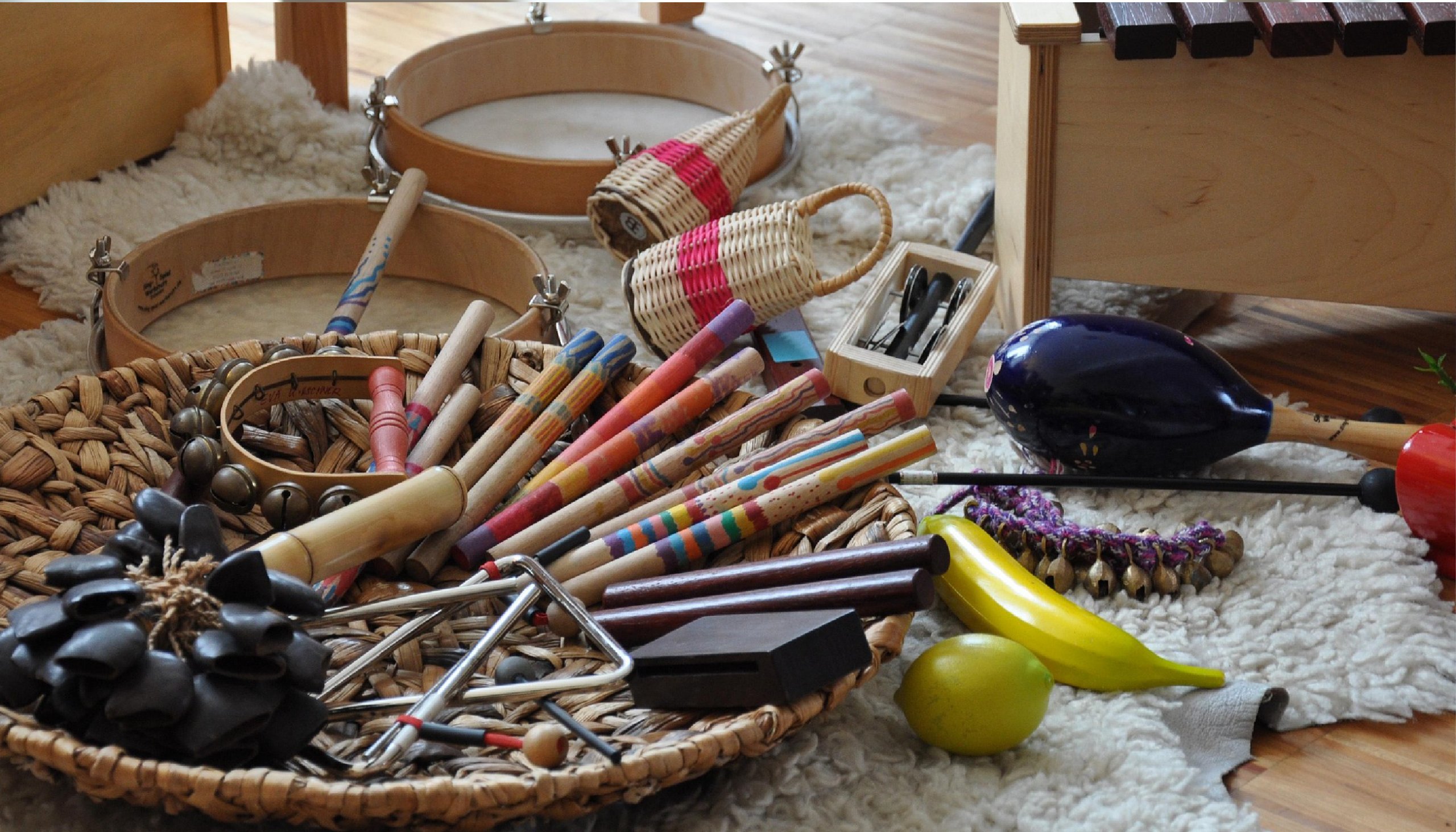



How to Film Your Child’s Music Milestones for Effective Assessment
Table Of Contents
- Understanding Music Milestones in Early Childhood Development
- Essential Equipment for Quality Documentation
- Effective Filming Techniques for Musical Activities
- Age-Specific Tips for Documenting Musical Progress
- Overcoming Common Challenges When Filming Children
- Organizing and Sharing Your Milestone Footage
- Collaborating with Music Educators Using Your Footage
- Conclusion
The joyful moment your toddler first taps a drum in rhythm or your infant instinctively sways to music represents more than just an adorable photo opportunity—it’s a significant developmental milestone worth documenting. For parents invested in their child’s musical journey, capturing these moments on video provides invaluable insight into their progress and development.
At The Music Scientist, we understand that properly documented musical milestones offer both parents and educators a powerful assessment tool. These videos create a visual timeline of your child’s developing skills and provide concrete evidence of growth that might otherwise go unnoticed in the day-to-day.
This comprehensive guide will walk you through professional techniques for filming your child’s musical moments, from selecting the right equipment to age-appropriate filming strategies. Whether your little one is participating in our Tenderfeet infant program or exploring musical concepts in our Scouts classes, these filming techniques will help you create meaningful documentation that supports their musical development journey.
Understanding Music Milestones in Early Childhood Development
Before you begin filming, it’s important to understand what you’re looking for. Musical development follows predictable patterns across different age groups, though each child progresses at their unique pace. Recognizing these milestones helps you film purposefully rather than randomly.
Key Musical Milestones to Document
Infants (4-12 months) typically demonstrate responses like turning toward sound sources, making vocalizations in response to music, and showing preferences for certain melodies. Our Tenderfeet program specifically nurtures these early responses through sensory-rich musical experiences.
For toddlers (12-24 months) in programs like our Happyfeet classes, look for intentional movement to music, attempts to sing along with simple songs, and growing rhythmic awareness through activities like clapping or stomping.
Older toddlers and preschoolers (24-47 months) participating in Groovers or our SMART-START programs demonstrate more complex musical behaviors: maintaining beat, remembering lyrics, differentiating between loud/soft or fast/slow, and showing increased coordination in musical games.
When filming, focus on capturing these developmental indicators rather than just recording an entire music session. This targeted approach yields more valuable assessment material.
Essential Equipment for Quality Documentation
Effective documentation doesn’t require professional-grade equipment, but several key considerations will significantly improve your results. The goal is capturing clear, usable footage that accurately represents your child’s abilities.
Camera Options and Setup
Most modern smartphones provide excellent video quality that’s more than sufficient for documentation purposes. The best camera is ultimately the one you’ll have available consistently. If using a smartphone:
Ensure adequate storage space before beginning to record. Nothing is more frustrating than missing a breakthrough moment because your device ran out of space. Consider cloud storage options that automatically back up videos, protecting your valuable documentation.
A simple tripod or phone stand represents a worthy investment, allowing hands-free recording that produces steadier footage. This setup is particularly valuable when you need to participate in the musical activity alongside your child.
Audio Considerations
While built-in microphones on most devices work adequately, their limitations become apparent in noisy environments. Since music assessment relies heavily on hearing your child’s responses, audio quality matters significantly.
Position yourself closer to your child than to background noise sources when filming. In group settings like our Scouts classes, this might mean finding an angle that minimizes other children’s voices while highlighting your child’s participation.
For serious documentation, consider an external microphone that connects to your recording device. Even inexpensive clip-on lavalier microphones dramatically improve audio clarity in challenging environments.
Effective Filming Techniques for Musical Activities
How you film matters as much as what you film when creating useful assessment documentation. Thoughtful framing and duration decisions transform ordinary videos into valuable developmental records.
Framing and Angles
When filming musical activities, capture your child’s full body whenever possible, as musical response often manifests through movement. This is especially important for programs like Groovers that emphasize dance and physical expression.
For instrument play, focus on capturing both hands and facial expressions, as engagement is demonstrated through both technical manipulation and emotional response. Position yourself at child-level rather than filming from an adult standing height—this perspective better captures what your child actually sees and experiences.
Lighting and Environment
Natural, indirect lighting provides ideal conditions for video documentation. Position your child facing toward the light source rather than with their back to it to avoid silhouetting. Minimize visual distractions in the background that might draw attention away from your child’s musical responses.
The environment itself offers valuable context for assessment. Include enough of the surroundings to show what your child is responding to—whether it’s instruments, other participants, or music sources—while maintaining your child as the primary subject.
Timing and Duration
Rather than recording entire sessions, focus on capturing 2-3 minute segments that demonstrate specific skills or responses. Begin recording slightly before activities start to capture initial reactions, which often reveal natural, uncoached responses.
For milestone documentation, consistency matters. Consider filming the same activities at regular intervals (perhaps monthly) to create comparable footage that clearly demonstrates progression over time.
Age-Specific Tips for Documenting Musical Progress
Different developmental stages require adjusted filming approaches to effectively capture musical growth. The following age-specific strategies align with The Music Scientist’s developmental framework.
Infants (4-12 months)
For our youngest musicians in the Tenderfeet program, focus on capturing responses to musical stimuli: head turns toward sounds, rhythmic movements, vocalizations during musical experiences, and emotional responses to different types of music.
Film from positions that capture your infant’s full face, as subtle expressions often reveal engagement levels. Consider using time-lapse techniques for longer sessions to document patterns of attention and disengagement with musical activities.
Toddlers (12-24 months)
For Happyfeet participants, document emerging intentional musical behaviors: attempts to dance or move rhythmically, vocal explorations that mimic songs, and early instrument manipulation.
Use narration sparingly while filming, but consider occasionally asking simple questions that prompt musical responses, such as “Can you show me how the drum sounds?” Allow several seconds of filming after activities conclude, as toddlers often continue musical behaviors independently.
Preschoolers (24-47 months)
For children in Groovers, Scouts, or our SMART-START programs, document more complex musical skills: rhythm maintenance, song recall, instrument technique, musical games participation, and improvisation attempts.
Consider occasionally filming from multiple angles during the same session to capture different aspects of musical development. For example, a wide shot showing coordination and movement paired with a closer angle later that focuses on finger dexterity during instrument play.
At this age, children become more self-conscious about being recorded. Normalize the camera’s presence by explaining you’re creating a musical journey book, and occasionally let them watch snippets of their musical moments.
Overcoming Common Challenges When Filming Children
Documenting young children’s musical development inevitably presents unique challenges. Anticipating these issues helps you capture meaningful footage despite the unpredictable nature of early childhood.
Performance Awareness
Many children either freeze or perform exaggeratedly when they notice a camera. To capture authentic musical behaviors, consider these strategies:
Position recording devices before activities begin so they become part of the environment rather than a novel introduction. Use continuous recording rather than repeatedly starting and stopping, which draws attention to the filming process.
In group settings like our SMART-START English or SMART-START Chinese programs, children often forget about cameras when engaged with peers, resulting in more natural documentation.
Capturing Spontaneous Musical Moments
Some of the most revealing musical behaviors occur unexpectedly outside structured activities. Keep your recording device accessible and develop the habit of quickly capturing these spontaneous moments.
Create a dedicated folder on your phone for these impromptu musical clips, making them easier to find later when assembling developmental documentation. Consider using voice activation features on smart devices to start recording when singing begins.
Organizing and Sharing Your Milestone Footage
The value of your documentation increases dramatically when properly organized. Thoughtful cataloging transforms random videos into a cohesive developmental record.
Creating a Systematic Archive
Develop a consistent naming convention for video files that includes date, age, and specific musical skill or activity. For example: “2023-06-15_Age27months_RhythmClapping.” This system makes tracking progress across specific skills much more manageable.
Consider organizing videos into categories aligned with musical development domains: rhythm, melody, instrument manipulation, movement response, and vocal development. This organization helps identify areas of strength and opportunities for growth.
Sharing with Educators
When sharing documentation with music teachers or early childhood specialists, focus on quality over quantity. Select 2-3 minute segments that clearly demonstrate specific skills rather than sharing lengthy unedited footage.
Consider creating a brief “highlight reel” that compiles several key moments with text annotations explaining what to observe. This approach respects educators’ time while providing comprehensive assessment information.
Collaborating with Music Educators Using Your Footage
Your documentation becomes especially valuable when shared with professional music educators who can provide expert interpretation and guidance based on observed development.
Preparing for Teacher Consultations
Before meeting with your child’s music instructor at The Music Scientist, review your recent footage and note specific questions or observations. Identify clips that demonstrate either progress or challenges to focus the consultation productively.
Share relevant videos in advance when possible, allowing educators time to analyze the material before discussing it. Consider maintaining a simple log of musical behaviors alongside your video collection to track patterns over time.
Using Feedback to Guide Future Documentation
After consulting with music educators, adjust your documentation approach based on their guidance. They may suggest focusing on specific aspects of musical development that warrant closer observation or modified camera angles that better capture certain skills.
This collaborative assessment process creates a powerful feedback loop: your documentation informs teaching strategies, while professional guidance improves your documentation quality, ultimately supporting your child’s optimal musical development.
Conclusion
Documenting your child’s musical journey through thoughtful video recording provides invaluable insights into their development. Beyond creating cherished memories, these recordings serve as powerful assessment tools that help both parents and educators understand each child’s unique developmental trajectory.
The techniques shared in this guide—from equipment considerations to age-specific strategies—transform casual filming into meaningful documentation. By capturing these musical milestones with intention and care, you create a visual record of growth that informs educational approaches and celebrates your child’s accomplishments.
At The Music Scientist, we believe that this partnership between home documentation and professional guidance creates the optimal environment for musical development. Your videos provide windows into your child’s everyday musical experiences, while our structured programs offer the scaffolding that supports continued growth.
Begin your documentation journey today, even with simple equipment and basic techniques. The musical milestones you capture now will become treasured evidence of your child’s developmental journey for years to come.
Ready to enhance your understanding of your child’s musical development? Contact The Music Scientist today to learn more about our developmentally-focused music programs for children aged 4-47 months and how we can support your child’s musical journey through expert assessment and guidance.
Table Of Contents
- Understanding the Importance of Music in Early Education
- How to Use This Preschool Music Curriculum
- Essential Supplies for Your Homeschool Music Curriculum
- Weeks 1-9: Rhythm and Beat Foundations
- Weeks 10-18: Melody and Pitch Exploration
- Weeks 19-27: Musical Expression and Dynamics
- Weeks 28-36: Instrument Exploration and Musical Concepts
- Tracking Progress and Celebrating Musical Growth
- Enhancing Your Homeschool Music Curriculum
The gentle tap of a wooden rhythm stick, the joyful shake of a tambourine, the melodic notes of a xylophone—these sounds create more than just music in a child’s developing brain. They build neural pathways, enhance cognitive abilities, and create joyful learning experiences that last a lifetime. For homeschooling parents, incorporating a structured music curriculum isn’t just about teaching children to sing or play instruments; it’s about leveraging one of the most powerful developmental tools available.
Music education during the preschool years (ages 3-5) serves as a foundation for multiple developmental domains. Research consistently shows that early music exposure enhances spatial-temporal skills, mathematical reasoning, language development, and social-emotional growth. At The Music Scientist, we’ve observed firsthand how a well-designed music curriculum can transform not just how children learn, but how they engage with the world around them.
This comprehensive 36-week music curriculum for homeschool preschoolers is designed to progressively build musical foundations while supporting cognitive development across multiple intelligences. Each week introduces new concepts while reinforcing previous learning, creating a spiral curriculum that grows with your child. Whether you’re a musically confident parent or someone who feels they “can’t carry a tune,” this structured approach makes implementing quality music education accessible and enjoyable for everyone involved.
Let’s embark on this musical journey together, creating not just songs and sounds, but pathways for learning that will resonate throughout your child’s educational future.
Understanding the Importance of Music in Early Education
Before diving into our week-by-week curriculum, it’s essential to understand why music holds such a privileged position in early childhood education. Music isn’t simply an enrichment activity; it’s a fundamental learning modality that activates multiple areas of the brain simultaneously.
At The Music Scientist, our approach is grounded in developmental science. When preschoolers engage with music, they develop:
- Cognitive Skills: Music strengthens memory, attention span, and pattern recognition—all crucial for mathematical thinking and problem-solving.
- Language Development: Rhythm and melody enhance phonological awareness, vocabulary acquisition, and listening skills that form the foundation for early literacy.
- Fine and Gross Motor Skills: From finger plays to dance movements, music activities develop coordination and body awareness.
- Social-Emotional Growth: Group music-making fosters cooperation, turn-taking, and emotional expression.
- Cultural Understanding: Exposure to diverse musical traditions builds appreciation for cultural differences from an early age.
Our curriculum intentionally targets Howard Gardner’s theory of multiple intelligences, engaging logical-mathematical, musical, bodily-kinesthetic, verbal-linguistic, and interpersonal intelligences through carefully sequenced activities. This multifaceted approach ensures that every child, regardless of their primary learning style, can access and benefit from musical learning experiences.
How to Use This Preschool Music Curriculum
This 36-week curriculum is designed to be flexible while maintaining developmental progression. Here’s how to implement it effectively in your homeschool setting:
Frequency: We recommend 3-4 music sessions per week, each lasting 20-30 minutes. Preschoolers benefit from repetition, so revisiting the same concepts throughout the week reinforces learning without requiring new preparation each day.
Structure: Each week’s plan includes:
- Learning objectives
- Key vocabulary
- Core activities
- Extension opportunities
- Connection to other learning domains
Adaptability: While the curriculum follows a developmental sequence, feel free to adjust the pace based on your child’s interest and mastery. Some concepts may warrant spending additional time, while others might be quickly grasped.
Integration: Music naturally complements other subjects. We’ve included suggestions for integrating each week’s musical concepts with literature, science, math, and art to create a holistic learning experience.
Essential Supplies for Your Homeschool Music Curriculum
Creating a rich musical environment doesn’t require expensive equipment. These basic supplies will support the entire 36-week curriculum:
Rhythm Instruments:
- Rhythm sticks (1 pair)
- Tambourine
- Egg shakers or maracas
- Hand drum
- Triangles
- Bells
Melodic Instruments:
- Xylophone or glockenspiel (with removable bars)
- Resonator bells or tone bars
Listening Equipment:
- Music player
- Quality children’s music recordings (classical, folk, multicultural)
Movement Props:
- Scarves for dancing
- Bean bags
- Ribbon sticks
DIY Options: Many instruments can be crafted at home: water xylophone (glasses filled with different water levels), homemade shakers (containers filled with beans/rice), and drum sets from oatmeal containers. These projects can become part of your curriculum.
Weeks 1-9: Rhythm and Beat Foundations
The journey into music education begins with its most fundamental element: rhythm. Rhythm is the organizing framework of music and forms the foundation upon which all other musical elements build. These first nine weeks focus on developing beat awareness, tempo understanding, and basic rhythmic patterns.
Weeks 1-3: Introducing Beat Awareness
Learning Objectives:
- Identify steady beat in music and environmental sounds
- Maintain a steady beat through body percussion (clapping, patting)
- Associate visual representations with beat patterns
Week 1 Activities:
Begin with heartbeat listening. Have your child place their hand on their heart to feel its steady beat. Explain that music, like our hearts, has a steady beat. Use simple songs like “Row, Row, Row Your Boat” and tap the beat on your lap while singing.
Introduce “Beat Buddies” – stuffed animals that can be rocked to the beat of music. Play a variety of music selections and practice rocking the Beat Buddy steadily. This tactile experience helps children internalize the concept of steady beat.
Week 2 Activities:
Progress to body percussion, using clapping, patting knees, and stomping feet to maintain steady beats. Create beat pattern cards using simple pictures (heart, star, circle) and have your child clap when pointing to each image, maintaining even spacing between beats.
Introduce the concept of “Beat Walks” – moving through space with each step representing one beat. Use a drum to guide the walking pace, emphasizing the connection between sound and movement.
Week 3 Activities:
Transfer beat awareness to simple instruments. Begin with rhythm sticks, tapping them together to the beat of familiar songs. Practice starting and stopping together, developing the important musical skill of responding to cues.
Create a “Beat Book” – a collection of pictures representing things with steady beats (clocks, trains, heartbeats). Use this visual reference to reinforce the concept throughout the day, not just during music time.
Weeks 4-6: Exploring Tempo
Learning Objectives:
- Distinguish between fast and slow tempos
- Adjust movement and playing speed to match changing tempos
- Use appropriate vocabulary (fast, slow, getting faster, getting slower)
Week 4 Activities:
Introduce tempo with animal movements. Demonstrate how turtles move slowly while rabbits move quickly. Play a steady beat on a drum, alternating between slow and fast tempos while your child moves like the corresponding animal.
Create a “Tempo Train” using chairs lined up as train cars. As the conductor, call out tempo changes (“The train is moving slowly up the hill… now it’s racing down!”) while your child moves their train to match.
Week 5 Activities:
Explore tempo with instruments. Using tambourines or drums, practice playing at different speeds. Introduce the terms “accelerando” (gradually getting faster) and “ritardando” (gradually getting slower) through playful games.
Create “Tempo Cards” with simple drawings representing different speeds. Draw a turtle for slow, a person walking for medium, and a race car for fast. Use these visual cues when listening to music to help your child identify tempo changes.
Week 6 Activities:
Combine beat awareness with tempo understanding. Play “Tempo Freeze Dance” – dance while the music plays, freezing when it stops. Vary the music between fast and slow selections, encouraging movement that matches the tempo.
Read books with inherent rhythm patterns that change speed, such as “The Little Engine That Could.” Emphasize the changing speeds in your reading voice and have your child tap along with rhythm sticks.
Weeks 7-9: Simple Rhythm Patterns
Learning Objectives:
- Echo simple rhythm patterns
- Connect rhythm patterns to word patterns
- Create visual representations of rhythm patterns
Week 7 Activities:
Introduce rhythm echoing games. Begin with simple patterns (tap-tap-tap, rest) and have your child echo them back. Use familiar phrases like “I like ap-ple juice” to demonstrate how words have natural rhythms.
Create a “Rhythm Name Game” where you tap out the syllables of family members’ names and have your child guess who you’re “playing.” This connects rhythm directly to language in a personally meaningful way.
Week 8 Activities:
Explore rhythm through movement. Create a “Rhythm Obstacle Course” where different movements correspond to different rhythm patterns. For example, jumping through hoops might be quarter notes, while tiptoeing across a line represents eighth notes.
Introduce rhythm pattern cards using simple notation (long and short lines to represent long and short sounds). Arrange them in different sequences and “read” them together by clapping or playing instruments.
Week 9 Activities:
Combine all rhythm concepts in a “Rhythm Band.” Assign different rhythm patterns to different instruments and conduct your child through changes, developing listening skills and responsiveness.
Create a rhythm composition using pictures. Draw a sequence of images (cat, butterfly, elephant) and assign each a rhythm pattern. “Read” your composition together, creating a musical piece based on visual cues.
Weeks 10-18: Melody and Pitch Exploration
With a solid rhythmic foundation established, we now turn to melody—the sequence of pitches that create recognizable tunes. These weeks focus on developing pitch awareness, simple singing skills, and melodic understanding.
Weeks 10-12: High and Low Sounds
Learning Objectives:
- Distinguish between high and low pitches
- Use body movement to represent pitch changes
- Recognize ascending and descending patterns
Week 10 Activities:
Introduce pitch through vocal exploration. Play “elevator sounds,” moving your voice from low to high and back again. Have your child use their arm to show the direction of the pitch (arm up for high sounds, arm down for low sounds).
Create a “Sound Museum” with objects that make high and low sounds (small bells vs. large drums). Categorize them by pitch height, creating a visual and aural understanding of the high/low concept.
Week 11 Activities:
Explore pitch through storytelling. Tell stories that incorporate high and low sounds, such as bears with low voices and birds with high voices. Have your child provide sound effects at appropriate moments.
Introduce a simple xylophone or glockenspiel. Show how larger bars make lower sounds while smaller bars make higher sounds. Create simple high/low patterns for your child to echo.
Week 12 Activities:
Connect pitch to visual representation. Draw “sound mountains” on paper, with peaks representing high sounds and valleys representing low sounds. “Read” these visual patterns together, vocalizing the corresponding pitches.
Play “Animal Pitch Match.” Show pictures of animals and assign them appropriate pitch levels (mouse=high, elephant=low). When you point to an animal, your child makes a sound at the corresponding pitch level.
Weeks 13-15: Simple Melodies
Learning Objectives:
- Recognize and reproduce simple 2-3 note melodies
- Follow melodic direction (up, down, same)
- Connect melodic patterns to visual representations
Week 13 Activities:
Introduce the sol-mi interval (the “calling interval” found in children’s chants like “Ring around the Rosy”). Use hand signs (hand at chest level for sol, hand at waist level for mi) to visually represent this important musical relationship.
Create “Melody Boxes” – small boxes or containers labeled with different colored dots representing different pitches. Arrange them in different orders to create simple melodies that your child can sing or play on a xylophone.
Week 14 Activities:
Add the la pitch to create sol-mi-la patterns, common in children’s songs worldwide. Play singing games like “Lucy Locket” or “Rain, Rain, Go Away” that utilize these three pitches.
Introduce “Melody Maps” – simple line drawings that show the direction of a melody. As you sing familiar songs, trace the melody shape with your finger, helping your child visualize the pitch relationships.
Week 15 Activities:
Explore melodic question and answer patterns. Sing a simple melodic question (“Where is thumbkin?”) and have your child respond with a melodic answer (“Here I am!”). This develops the important musical concept of phrasing.
Create a “Melody Garden” where different flowers or plants represent different pitches. Move between them to create simple melodies that your child can echo vocally or on instruments.
Weeks 16-18: Singing and Vocal Exploration
Learning Objectives:
- Develop comfortable singing voice (moving beyond speaking voice)
- Match pitches with increasing accuracy
- Express character and emotion through vocal tone
Week 16 Activities:
Introduce the concept of “singing voice” versus “speaking voice.” Play “Voice Switch” games where you alternate between speaking and singing simple phrases, having your child identify which voice you’re using.
Explore vocal timbres through “Voice Painting.” Use different vocal sounds (smooth, choppy, wavery) to represent different types of lines and shapes that you draw together.
Week 17 Activities:
Practice pitch matching with echo songs. Begin with simple descending patterns (sol-mi) which are typically easier for young children to reproduce. Use a puppet who “sings” to your child, creating a playful environment for vocal practice.
Create a “Song Basket” filled with objects representing different familiar songs. When your child selects an object, sing the corresponding song together, focusing on pitch matching and vocal production.
Week 18 Activities:
Explore vocal expression through character songs. Sing the same simple melody as different characters (tired elephant, excited rabbit) to explore how emotions affect vocal production.
Introduce “vocal explorations” – guided vocal play that expands vocal range and flexibility. Use imagery like “siren sounds,” “roller coasters,” or “bouncing balls” to encourage diverse vocal expression.
Weeks 19-27: Musical Expression and Dynamics
With foundational skills in rhythm and melody established, we now focus on the expressive elements that bring music to life. These weeks explore dynamics, musical mood, and movement expression.
Weeks 19-21: Loud and Soft
Learning Objectives:
- Distinguish between and produce forte (loud) and piano (soft) sounds
- Recognize gradual dynamic changes (crescendo and diminuendo)
- Associate dynamics with expressive intent
Week 19 Activities:
Introduce the musical terms piano (soft) and forte (loud) through contrasting animal sounds. Tiny mice make piano sounds, while lions make forte sounds. Create simple animal puppets with dynamics labels as visual reinforcement.
Explore environmental sounds, categorizing them as piano or forte. Create a “Dynamics Sorting Game” with pictures of sound sources (whisper, vacuum cleaner) that your child can sort into piano and forte categories.
Week 20 Activities:
Introduce crescendo (gradually getting louder) and diminuendo (gradually getting softer) through movement. Start crouched small on the floor and slowly stand and expand arms for crescendo; reverse for diminuendo.
Create “Dynamics Cards” with symbols representing different volume levels (small dot for piano, large dot for forte). Arrange them in sequences and “play” them on instruments, adjusting volume according to the visual cues.
Week 21 Activities:
Explore how dynamics affect musical expression. Play the same simple melody with different dynamic patterns and discuss how it changes the feeling of the music.
Create a “Dynamics Story” where volume changes advance the narrative. For example, soft footsteps approaching, loud knock on the door, whispered conversation. Have your child provide sound effects with appropriate dynamics.
Weeks 22-24: Mood in Music
Learning Objectives:
- Identify basic emotional qualities in music (happy, sad, scary, peaceful)
- Connect musical elements to emotional expression
- Create music to express specific moods
Week 22 Activities:
Introduce the concept that music can express feelings. Play short musical examples with distinct emotional qualities and have your child match them to emoji faces representing different emotions.
Create a “Mood Music Box” with cards describing different scenarios (“a sunny day at the park,” “a thunderstorm,” “bedtime”). Draw a card and create music together that expresses the appropriate mood.
Week 23 Activities:
Explore how tempo and dynamics work together to create mood. Play the same melody at different speeds and volumes, discussing how these changes affect the feeling of the music.
Create “Music Paintings” where your child listens to contrasting musical selections and paints or draws their emotional response. Discuss how colors and lines in their artwork relate to the music’s expressive qualities.
Week 24 Activities:
Introduce the concept of major and minor tonalities through movement. Major modes often feel “happy” or “bright” while minor modes often feel “sad” or “serious.” Create contrasting movement qualities for each.
Develop a “Musical Emotion Wheel” with different feelings arranged in a circle. Point to different emotions and have your child create vocal or instrumental sounds that express that feeling.
Weeks 25-27: Movement and Dance
Learning Objectives:
- Respond to music through creative movement
- Use movement to demonstrate musical concepts (form, dynamics, tempo)
- Follow simple choreographed movement patterns
Week 25 Activities:
Introduce movement response to music using scarves or ribbon sticks. Play contrasting music selections (flowing, percussive, bouncy) and explore how the movement quality changes to match the music.
Create “Movement Stations” around your learning space, each with a different movement prompt (“move like water,” “freeze like a statue,” “bounce like a ball”). Move between stations as music plays, changing movements with each new musical section.
Week 26 Activities:
Explore form through movement patterns. Assign specific movements to different sections of music (A section = twirling, B section = marching) to physically experience musical structure.
Create a “Movement Conversation” where you and your child take turns leading and following movement ideas, just as musicians engage in musical dialogue when they perform together.
Week 27 Activities:
Introduce simple folk dances with repetitive patterns, such as circle dances or line dances appropriate for preschoolers. These structured movement activities develop listening skills, coordination, and social awareness.
Create a “Movement Story” that integrates all the musical concepts explored so far. Tell a simple story that incorporates changes in tempo, dynamics, and mood, with corresponding movements for each element.
Weeks 28-36: Instrument Exploration and Musical Concepts
The final segment of our curriculum deepens musical understanding through instrument exploration, creative applications, and synthesis of all concepts learned.
Weeks 28-30: Instrument Families
Learning Objectives:
- Recognize basic instrument families (percussion, string, wind, brass)
- Identify instruments by sight and sound
- Understand how instruments produce sound
Week 28 Activities:
Introduce percussion instruments through hands-on exploration. Create a “Percussion Petting Zoo” with various drums, shakers, and rhythm instruments. Discuss how these instruments make sound through striking, shaking, or scraping.
Develop a “Sound Science Lab” where your child can experiment with different ways of producing sounds on various objects. This connects musical concepts to scientific inquiry about sound production.
Week 29 Activities:
Explore string instruments through visuals, recordings, and if possible, real instruments. Make a simple shoebox guitar with rubber bands of different thicknesses to explore how string tension affects pitch.
Create an “Instrument Sorting Game” with pictures of various instruments that your child can categorize by family. Extend the activity by listening to recordings and identifying instruments by sound.
Week 30 Activities:
Introduce wind instruments through breathing games and simple wind instruments like recorders or harmonicas. Make kazoos from wax paper and combs to explore how vibrating air produces sound.
Create an “Instrument Memory Game” with matching pairs of instrument pictures. As each match is found, listen to the sound of that instrument and imitate how it would be played.
Weeks 31-33: Music and Storytelling
Learning Objectives:
- Use instruments and voices to enhance storytelling
- Create sound effects that match narrative elements
- Recognize how music contributes to story meaning
Week 31 Activities:
Introduce sound stories where instruments represent different characters or events. Begin with familiar tales like “The Three Bears” and assign appropriate instruments to each character (papa bear = drum, mama bear = tambourine, baby bear = triangle).
Create a “Sound Effect Station” with various instruments and objects that can produce interesting sounds. Read stories together and add sound effects at appropriate moments.
Week 32 Activities:
Explore program music – instrumental music that tells a story. Listen to selections like “Peter and the Wolf” where instruments represent characters, then create your own musical story with assigned instrument voices.
Develop “Musical Picture Books” by adding sound patterns to wordless picture books. Create a different sound or short melody for each page, developing the concept of musical motifs representing ideas or characters.
Week 33 Activities:
Create an original “Musical Story Box” with character cards, setting cards, and plot cards that can be randomly selected to generate story ideas. For each story element, create appropriate musical accompaniment.
Explore how background music affects mood in storytelling. Tell the same simple story with different musical backgrounds (peaceful, mysterious, exciting) and discuss how the music changes the story experience.
Weeks 34-36: Musical Creativity
Learning Objectives:
- Create original musical ideas (rhythms, melodies, sound pieces)
- Make intentional musical choices
- Present and share musical creations
Week 34 Activities:
Introduce composition through rhythm building blocks. Create rhythm cards with simple patterns that can be arranged in different orders. Have your child create “rhythm recipes” by selecting and sequencing cards, then perform their compositions.
Develop a “Musical Sketchbook” where your child can draw symbolic representations of sounds and musical ideas. Create a personal notation system that allows them to record and revisit their musical thinking.
Week 35 Activities:
Explore melody creation using limited pitch sets. Set up a xylophone with only 3-5 notes (pentatonic scale) and invite free exploration. Record your child’s melodic ideas and play them back, discussing the musical choices they made.
Create “Sound Sculptures” by arranging instruments in your space and designing a sequence for playing them. This explores spatial aspects of music and introduces the concept of installation sound art.
Week 36 Activities:
Synthesize all musical learning through a “Mini-Recital” where your child can perform favorite songs and original compositions. Create simple programs and invite family members or stuffed animals as an audience.
Create a “Musical Growth Timeline” documenting your child’s journey through the curriculum. Include recordings, photos, and artifacts from different phases of learning, celebrating the progress made throughout the year.
Tracking Progress and Celebrating Musical Growth
Documenting your child’s musical journey provides valuable insight into their development and creates meaningful keepsakes. Here are strategies for tracking progress:
Musical Portfolio: Create a dedicated folder or digital collection for your child’s musical creations, including:
- Audio/video recordings of performances and compositions
- Drawings and notations representing musical ideas
- Photos of instrument explorations and movement activities
Development Observation Journal: Keep brief notes about your child’s musical responses and milestones. Note when they first match pitch accurately, maintain a steady beat independently, or create original musical ideas.
Celebration Rituals: At the conclusion of each curriculum section (every 9 weeks), hold a special musical sharing time. This might include:
- A “mini-concert” of favorite songs learned
- A listening party featuring music that resonated during that period
- A musical show-and-tell where your child demonstrates new skills
Remember that musical development follows a natural progression but varies widely among children. The goal is not perfection but engagement, joy, and growing musical awareness.
Enhancing Your Homeschool Music Curriculum
While this 36-week curriculum provides a comprehensive foundation, here are additional ways to enrich your child’s musical experience:
Community Connections: Seek opportunities for musical engagement beyond home:
- Attend children’s concerts and musical events
- Join community music classes or playgroups
- Arrange music playdates with other homeschooling families
Cross-Curricular Integration: Connect music learning to other subject areas:
- Mathematics: Explore patterns, counting, and fractions through rhythm
- Science: Investigate sound production and vibration
- Literature: Enhance storytelling with musical elements
- Geography: Explore music from different cultures and regions
Expert Guidance: Consider supplementing your homeschool curriculum with professional music enrichment. At The Music Scientist, our developmentally-sequenced programs like Happyfeet for toddlers and Groovers for more active learners provide expert guidance that complements home learning.
For children who show particular interest in science concepts, our Scouts program combines music with scientific exploration through catchy melodies that reinforce learning.
As your child approaches kindergarten age, our SMART-START English and SMART-START Chinese programs provide preschool readiness through music-integrated learning, ensuring a smooth transition to formal education.
Music education in early childhood is one of the greatest gifts you can give your child. Through this curriculum, you’re not just teaching songs and sounds—you’re building neural pathways, enhancing cognitive abilities, and creating a foundation for lifelong learning. As you journey through these musical weeks together, remember that the most important elements are joy, connection, and a sense of wonder.
Implementing a structured music curriculum in your homeschool preschool setting is an investment in your child’s cognitive, physical, social, and emotional development. The 36-week curriculum outlined here provides a progressive approach that builds skills sequentially while maintaining the playful spirit essential for early childhood learning.
From the foundational beat awareness activities in the early weeks to the creative composition experiences in the final segment, each element has been designed to maximize developmental benefits while fostering a genuine love for music. The spiral approach ensures concepts are revisited with increasing complexity, allowing for deep learning that connects to multiple intelligences and learning styles.
As you implement this curriculum, remember that the process is more important than perfection. Some days may involve concentrated focus on a specific musical skill, while others might feature brief musical moments integrated throughout your day. Both approaches have value in building musical foundations.
The ultimate goal of early childhood music education isn’t to create professional musicians (though that may happen!) but to develop neural pathways, enhance learning capacity across domains, and nurture the innate musicality that exists in every child. Through consistent, joyful musical experiences, you’re giving your child tools for expression, communication, and understanding that will serve them throughout their educational journey.
We at The Music Scientist hope this curriculum serves as a valuable resource in your homeschooling journey, and we’d love to support your musical adventures further through our specialized programs. Here’s to a year of joyful music-making and learning with your young musician!
Ready to enhance your child’s musical journey with expert guidance? The Music Scientist offers specialized early childhood music programs that complement your homeschool curriculum. Our research-backed approach nurtures multiple intelligences while creating joyful learning experiences.
Contact us today to learn more about our programs and how they can support your child’s development through music: Get in touch with our music education specialists.
Table Of Contents
- Introduction: The Power of Homemade Musical Instruments
- Developmental Benefits of DIY Music Making
- Percussion Instruments from Your Kitchen Drawers
- Simple Stringed Instruments
- DIY Wind Instruments
- Creative Melodic Instruments
- Musical Activities to Try with Your Kitchen Instruments
- Conclusion: Fostering a Lifelong Love of Music
15 Kitchen-Utensil Instrument Hacks to Boost Your Child’s Musical Development
The kitchen is more than just a place for cooking—it’s a treasure trove of potential musical instruments waiting to be discovered by curious little hands! At The Music Scientist, we believe that music education begins at home with simple, accessible activities that engage multiple senses and learning styles. Creating musical instruments from everyday kitchen utensils is not only budget-friendly and convenient but also provides powerful developmental benefits for children from infancy through preschool age.
These 15 kitchen-utensil instrument hacks transform ordinary household items into tools for learning, creativity, and family bonding. Whether you’re looking for ways to supplement your child’s formal music education or introduce musical concepts in a playful setting, these DIY instruments will strike the perfect chord between fun and developmental stimulation. Let’s explore how pots, pans, spoons, and other kitchen staples can become your child’s first orchestra!
Kitchen-to-Music Magic
Transform everyday utensils into tools for musical development
Why Kitchen Music Works
- Develops fine and gross motor skills
- Builds phonological awareness for reading readiness
- Enhances spatial intelligence and logical thinking
- Strengthens memory and attention span
The Cognitive Connection
Musical play with kitchen items creates neural pathways that support:
Language Skills
Mathematical Thinking
Problem Solving
15 Kitchen Utensil Instruments
Percussion Zone
- Wooden Spoon Drums
- Measuring Cup Shakers
- Whisk & Bowl Exploration
- Pot Lid Cymbals
Melodic Makers
- Water Glass Xylophone
- Measuring Spoon Chimes
- Bottle Cap Castanets
- Colander Wind Chimes
- Rubber Band Guitar
Creative Activities
- Kitchen Utensil Orchestra
- Sound Exploration Station
- Musical Storytelling
- Straw Pan Pipes
- Funnel Trumpet
- Spatula Harp
Development By Age
Infants (4-12 months)
Simple shaking & guided tapping with supervision
Toddlers (12-24 months)
Cause & effect exploration with rhythmic patterns
Preschoolers (24-47 months)
Complex musical concepts & collaborative play
Expert Tip
Your enthusiasm is the most powerful instrument of all. When children see you enjoying musical activities, they develop positive associations with music that can last a lifetime.
Created with ♥ for musical development
Developmental Benefits of DIY Music Making
Before diving into our kitchen-utensil instrument hacks, let’s understand why these musical activities are so valuable for your child’s development. At The Music Scientist, our curriculum is built on research showing that early musical experiences significantly impact cognitive growth across multiple intelligence domains.
When children create and play with homemade instruments, they’re developing much more than just musical skills. They’re strengthening fine and gross motor coordination as they manipulate utensils in new ways. Their logical intelligence is engaged as they experiment with cause and effect: “What happens when I hit this pot softly versus loudly?” Their spatial awareness improves as they arrange instruments and move their bodies to create sounds.
Perhaps most importantly, these musical explorations lay the groundwork for language acquisition and early literacy. The rhythmic patterns in music directly correlate to phonological awareness—a crucial pre-reading skill. In our SMART-START English and SMART-START Chinese programs, we witness how musical activities enhance memory, attention span, and verbal development in ways that prepare children for success in formal education.
Percussion Instruments from Your Kitchen Drawers
1. Wooden Spoon Drums
Transform an ordinary pot or mixing bowl into a drum by pairing it with wooden spoons as drumsticks. Different sized pots create different tones, allowing children to explore pitch variations. For younger babies in our Tenderfeet program, this activity can be simplified to guided hand-over-hand tapping, while toddlers in our Happyfeet classes can experiment independently with rhythmic patterns.
To enhance this activity, try placing the pots upside down on a soft surface like a folded towel. This creates a more resonant sound and protects your floors. Encourage your child to tap gently, then more firmly, developing their understanding of dynamics (loud and soft sounds) while strengthening hand-eye coordination.
2. Measuring Cup Shakers
Fill plastic measuring cups with different amounts of rice, beans, or pasta, then secure the tops with tape or glue two cups together to create instant shakers. The varying amounts of filling will produce different sounds, introducing children to the concept that more mass creates deeper tones. This simple instrument helps develop wrist control and rhythmic awareness.
For safety with younger children, ensure the cups are securely sealed. This activity is particularly beneficial for children in our Groovers program, where movement and rhythm exploration are key components of musical development.
3. Whisk and Bowl Exploration
A whisk dragged across or tapped against different surfaces creates fascinating sounds that captivate babies and toddlers alike. Try rubbing a whisk along the ridges of a cooling rack or gently tapping it against bowls of various materials (metal, plastic, glass under supervision). This introduces concepts of texture and timbre—the quality that makes one instrument sound different from another even when playing the same note.
This sensory-rich exploration aligns perfectly with our approach to infant sensory development in the Tenderfeet program, where we encourage multisensory experiences to build neural pathways during this critical period of brain development.
4. Pot Lid Cymbals
Two pot lids held by their handles make perfect miniature cymbals for little musicians. This instrument develops bilateral coordination (using both sides of the body together) while introducing children to the excitement of percussive crashes. Start by demonstrating gentle tapping before progressing to more dramatic clashes.
This activity is particularly valuable for preschoolers who are refining their gross motor skills and beginning to understand musical phrasing—the natural rises and falls in musical expression. Try incorporating pot lid cymbals into simple songs, clashing only at the end of each verse to reinforce the concept of musical structure.
Simple Stringed Instruments
5. Rubber Band Guitar
Stretch various thicknesses of rubber bands around an empty tissue box or plastic container with a hole cut in the center. This creates a simple stringed instrument where children can pluck different bands to produce distinct tones. The scientific principle at work—that tighter, thinner bands produce higher pitches—introduces fundamental concepts of sound production that we explore in our Scouts program.
For younger children, secure the rubber bands well and supervise closely. Older preschoolers can experiment with plucking techniques and even try to play simple melodies by remembering which band produces which tone, enhancing their auditory discrimination and memory skills.
6. Spatula Harp
Arrange several spatulas of different sizes (plastic or silicone work best) so they extend over the edge of a table, secured at one end with heavy books. When plucked, the free ends vibrate to create different tones based on their length and flexibility. This simple demonstration of vibration as the source of sound creates a wonderful teaching moment about how musical instruments work.
Children in our Scouts program thrive with these kinds of science-meets-music explorations, building connections between cause and effect while developing fine motor dexterity through the careful plucking motion.
DIY Wind Instruments
7. Funnel Trumpet
A kitchen funnel becomes a simple trumpet when children buzz their lips against the narrow end. While this takes some practice, it introduces the concept of vibration creating sound—the same principle behind brass instruments. For children in our Happyfeet and Groovers programs, this activity develops awareness of how their bodies can interact with objects to create music.
Make this a playful exploration rather than a technical exercise. Encourage children to make different sounds—sometimes silly ones—through the funnel to develop control over their breath and lip movements. This foundation will serve them well if they later pursue formal brass instrument study.
8. Straw Pan Pipes
Create a simple version of pan pipes by cutting drinking straws to different lengths and taping them together in order of size. When children blow across the tops (not into them), the air vibrating across the opening produces distinct tones based on the length of each straw—shorter straws create higher pitches.
This instrument is excellent for demonstrating how length affects pitch, a concept we explore in our Scouts program. As children experiment with their pan pipes, they’re also developing breath control and learning to modulate their air flow—crucial skills for both speech development and future instrumental study.
Creative Melodic Instruments
9. Water Glass Xylophone
Fill identical glasses with different amounts of water and tap them gently with a metal spoon to create a simple xylophone. The pitch changes based on the water level—less water creates higher tones. This activity introduces the concept of resonance and allows children to experiment with creating recognizable melodies.
For preschoolers preparing for formal education through our SMART-START programs, try color-coding the water with food coloring and creating visual music maps with matching colored dots, introducing early music notation concepts in a developmentally appropriate way.
10. Measuring Spoon Chimes
Hang metal measuring spoons at different lengths from a wooden spoon or dowel balanced between two chairs. When struck gently, each spoon produces a different tone based on its size. This suspended instrument introduces concepts of resonance and allows children to explore melodic sequences as they strike the spoons in different orders.
This activity enhances listening skills and pattern recognition, supporting cognitive development in ways that align with our multi-intelligence approach at The Music Scientist. The visual sequence of spoons also reinforces mathematical concepts of seriation (arranging objects in order by size).
11. Bottle Cap Castanets
Glue bottle caps to the ends of a folded piece of sturdy cardboard to create simple castanets. When squeezed, the bottle caps click together, allowing children to create rhythmic accompaniments to songs. This instrument is excellent for developing finger strength and dexterity while introducing cultural instruments from Spain and Latin America.
In our Groovers classes, we emphasize how music connects to movement. Encourage children to use their homemade castanets while dancing to different tempos, reinforcing the connection between auditory processing and physical coordination.
12. Colander and Chopstick Wind Chimes
Thread string through the holes of a colander and attach various metal utensils like measuring spoons, small whisks, or butter knives to the strings. Hang the colander and gently strike the dangling items with a chopstick to create a delicate wind chime effect. This instrument introduces concepts of suspension and resonance while developing fine motor precision.
This activity is particularly valuable for children in our SMART-START English program, where we incorporate sound exploration with vocabulary development. Introduce descriptive words like “tinkling,” “resonant,” or “melodic” as children create different sounds with their wind chimes.
Musical Activities to Try with Your Kitchen Instruments
13. Kitchen Utensil Orchestra
Combine several of the instruments you’ve created for a full kitchen orchestra experience! Assign different instruments to family members and take turns being the conductor who decides when each instrument should play. This collaborative activity teaches musical concepts like dynamics (loud/soft), tempo (fast/slow), and ensemble playing while fostering social skills like taking turns and listening to others.
For families with children in different age ranges, this inclusive activity allows participation at various developmental levels. Babies can hold and shake simple instruments with support, while older siblings might lead more complex rhythmic patterns, similar to how our age-appropriate programs from Tenderfeet through SMART-START accommodate children’s developing abilities.
14. Sound Exploration Station
Create a designated area where children can freely explore different kitchen tools and their sound properties. Include items with interesting textures and sound potential: a wire whisk dragged across a cooling rack, wooden spoons on different surfaces, or metal measuring cups tapped together. This open-ended exploration encourages scientific thinking as children experiment with cause and effect relationships.
This approach mirrors our philosophy in the Scouts program, where children learn scientific concepts through musical exploration. Enhance the learning by asking open-ended questions: “What happens when you tap faster?” or “How does the sound change when you use a different spoon?”
15. Musical Storytelling
Use your kitchen instruments to add sound effects to favorite storybooks or create original tales. A pot lid crash might represent thunder in a storm, while gentle tapping on a measuring cup shaker could be raindrops. This integration of music with narrative enhances language development and encourages creative thinking.
This multisensory approach to storytelling reflects the integrated curriculum of our SMART-START English and SMART-START Chinese programs, where music serves as a vehicle for language acquisition and literacy development. By connecting sounds to narrative elements, children build neural pathways that support reading comprehension and expressive language skills.
Conclusion: Fostering a Lifelong Love of Music
These 15 kitchen-utensil instrument hacks demonstrate that musical exploration doesn’t require expensive equipment or specialized training—just creativity and everyday items from your kitchen drawers. By transforming ordinary household objects into instruments of discovery, you’re providing your child with rich sensory experiences that support cognitive, physical, and emotional development.
At The Music Scientist, we believe that early positive experiences with music set the stage for lifelong learning and appreciation. These homemade instrument activities complement our structured developmental programs by extending musical exploration into the home environment. The playful, experimental nature of these activities reinforces the joy of music-making—something we nurture in every class from Tenderfeet for infants to SMART-START for preschoolers.
Remember that your enthusiasm as a parent or caregiver is the most powerful instrument of all. When children see you enjoying musical activities, they develop positive associations with music that can last a lifetime. So gather your kitchen utensils, set aside your inhibitions, and join your child in the magical world of musical discovery!
Want to take your child’s musical development to the next level? The Music Scientist offers developmentally-appropriate music programs for children from 4 to 47 months. Our research-based curriculum uses music as a powerful tool for cognitive, physical, and social-emotional growth. Contact us today to schedule a trial class and discover how our expert teachers can nurture your child’s musical journey!
Table Of Contents
- Understanding the Importance of a Home Rhythm Corner
- Selecting the Perfect Space
- Essential Equipment for Your Rhythm Corner
- Setting Up for Success
- Incorporating Rhythm Activities
- Maintaining Engagement
- Home Rhythm Corner Checklist
- Conclusion
Creating a dedicated space for music exploration at home is one of the most valuable gifts you can give your child. A well-designed rhythm corner doesn’t just provide entertainment—it creates a foundation for cognitive development, motor skills refinement, and emotional expression through the universal language of music.
At The Music Scientist, we’ve witnessed firsthand how intentional musical environments transform learning for young children aged 4-47 months. Whether your little one is just beginning to discover sounds or already showing a natural affinity for rhythm, a thoughtfully arranged home rhythm corner can enhance their developmental journey in remarkable ways.
This comprehensive guide will walk you through everything you need to know about creating an effective, age-appropriate rhythm space that grows with your child. From selecting the right location and essential instruments to organizing activities that maximize musical learning, we’ll provide you with expert guidance based on developmental science and years of music education experience.
Home Rhythm Corner Setup Guide
Everything you need to create a musical development space for children 4-47 months
1Why Create a Rhythm Corner
- Enhances brain development and neural pathways
- Supports language acquisition and mathematical thinking
- Provides a space for emotional expression
- Establishes music as a valued part of family life
- Enables independent discovery alongside structured learning
2Selecting the Perfect Space
- Choose an accessible, visible area for spontaneous exploration
- Define clear boundaries with rugs or visual cues
- Consider sound dampening elements if needed
- Ensure the floor surface is comfortable for sitting
- Position for supervision while allowing independence
Age-Appropriate Instruments
4-12 months
- Egg shakers
- Soft fabric wrist bells
- Textured rattles
- Sensory balls with sound
12-24 months
- Tambourines
- Rhythm sticks
- Jingle bells with handles
- Simple hand drums
24-47 months
- Wooden tone blocks
- Xylophones with mallets
- Djembe or bongo drums
- Rhythm scarves for movement
Organization & Storage Tips
Display Solutions
- Low, stable open shelving
- Clear containers with picture labels
- Wall-mounted options for small spaces
- Implement instrument rotation system
Safety & Maintenance
- Regular instrument inspection
- Age-appropriate selection
- Regular cleaning schedule
- Secure furniture to prevent tipping
Rhythm Activities Checklist
Morning rhythm greeting
Echo games with patterns
Body percussion practice
Rhythm stories & characters
Musical scavenger hunts
Bedtime rhythm wind-down
Maintaining Engagement Over Time
Instrument Rotation
Rotate instruments every few weeks to maintain novelty and interest
Seasonal Themes
Align activities with seasons, holidays, or current interests
Documentation
Keep a journal of musical development and share with instructors
© The Music Scientist | Music Enrichment For Children 4-47 Months
Understanding the Importance of a Home Rhythm Corner
Research consistently shows that early musical experiences significantly impact brain development. When children have regular access to rhythm-based activities, they develop neural pathways that enhance not just musical aptitude, but also language acquisition, mathematical thinking, and spatial awareness.
A dedicated rhythm corner serves multiple developmental purposes:
- It creates a predictable environment where children know exploration is welcomed
- It establishes music as a valued part of family life
- It enables independent discovery alongside structured learning
- It supports multiple learning styles simultaneously (auditory, visual, and kinesthetic)
- It provides a physical space for emotional expression and regulation
For infants in our Tenderfeet program, a rhythm corner offers sensory stimulation essential for early brain development. For toddlers in our Happyfeet and Groovers classes, it reinforces concepts learned during sessions while building confidence through practice.
Selecting the Perfect Space
The ideal rhythm corner doesn’t require extensive room—even a modest dedicated area can serve effectively. Consider these factors when choosing your location:
Accessibility: Position your rhythm corner in an area your child can access easily during free play time. A visible, accessible space encourages spontaneous musical exploration.
Boundaries: Define the space clearly using visual cues like a colorful rug, low bookshelf, or decorative tape on the floor. These boundaries help children understand that the area has special purpose and rules.
Sound considerations: If possible, locate your rhythm corner away from sleeping areas or where other family members might need quiet. Consider sound-dampening elements like rugs, cushions, or fabric wall hangings if noise containment is important.
Visibility: Choose a location where you can supervise activities while allowing your child independent exploration. This balance promotes both safety and autonomy.
Surface type: Ensure the floor surface is comfortable for sitting and moving. Carpet, foam tiles, or an area rug work well to define the space and provide comfort during floor-based activities.
Essential Equipment for Your Rhythm Corner
The instruments and materials you include should be developmentally appropriate and safely constructed. Quality matters more than quantity—a thoughtful selection of well-made instruments will serve your child better than numerous plastic toys with limited sound quality.
Age-Appropriate Instruments
For 4-12 months (Tenderfeet age):
At this stage, babies are developing grip strength and learning cause-and-effect relationships. Appropriate instruments include:
- Egg shakers with secure seals
- Soft fabric wrist bells
- Textured rattles
- Small hand drums with soft mallets
- Sensory balls with gentle sound elements
For 12-24 months (Early Happyfeet age):
Toddlers are increasing in coordination and experimenting with cause and effect. Expand your collection with:
- Tambourines (without small parts)
- Rhythm sticks
- Jingle bells attached to handles
- Simple hand drums
- Maracas sized for small hands
For 24-47 months (Older Happyfeet and Groovers age):
Preschoolers can handle more complex instruments and follow simple rhythmic patterns:
- Wooden tone blocks
- Xylophones with appropriate mallets
- Castanets
- Djembe or bongo drums
- Rhythm scarves for movement integration
- Simple shakers they can help create
Children participating in our Scouts program particularly benefit from instruments that can accompany the scientific concepts and catchy melodies they learn in class.
Storage and Display Solutions
Proper organization of your rhythm corner ensures instruments remain in good condition while being visually appealing and accessible:
Open shelving: Low, stable shelving allows children to see available instruments and return them independently. Consider shelves with dividers to create designated spaces for different instrument types.
Labeled containers: Clear containers with picture labels help even pre-readers identify where instruments belong. This organization system supports executive function development and clean-up routines.
Wall-mounted options: For smaller spaces, consider wall-mounted storage solutions like pegboards with hooks, fabric pockets, or shallow shelving. This approach preserves floor space while keeping instruments visible.
Rotation system: Rather than displaying all instruments at once, implement a rotation system that introduces new musical tools periodically. This practice maintains novelty and prevents overwhelm.
Setting Up for Success
A well-designed rhythm corner incorporates elements that maximize engagement while ensuring safety and longevity of the space.
Safety Considerations
Safety must be the foremost priority in your rhythm corner design:
Instrument inspection: Regularly check all instruments for loose parts, splinters, or damage that could pose hazards. Implement a quick safety scan before each use.
Age-appropriate selection: Ensure all instruments are developmentally appropriate. Avoid instruments with small parts for children under three years.
Cleaning protocol: Establish a regular cleaning schedule for all instruments, especially those that come into contact with mouths. Use child-safe cleaning products appropriate for each material type.
Secure shelving: All storage furniture should be securely anchored to prevent tipping. Choose sturdy, stable options with rounded corners.
Clear rules: Establish simple, consistent rules for the rhythm corner, such as “gentle hands with instruments” and “instruments stay in the music area.”
Creating Visual Cues
Visual elements enhance the learning environment and help children understand musical concepts:
Rhythm cards: Create or purchase simple rhythm pattern cards that use pictures, colors, or basic notation depending on your child’s age. These can be displayed on a small easel or attached to a wall.
Musical symbols: Incorporate basic musical symbols like quarter notes, eighth notes, or treble clefs into your decor through wall art, cushions, or rugs.
Instrument families poster: Display images of instrument families (percussion, string, wind, brass) to expand musical vocabulary and knowledge.
Song lyrics: For children in our SMART-START English or SMART-START Chinese programs, consider displaying lyrics to familiar songs that reinforce language development alongside musical concepts.
Incorporating Rhythm Activities
A successful rhythm corner includes not just instruments but intentional activities that guide exploration and learning.
Daily Rhythm Rituals
Consistency helps children develop musical habits and expectations:
Morning rhythm greeting: Begin each day with a simple rhythm pattern that your child can echo back. Gradually increase complexity as skills develop.
Transition time beats: Use specific rhythm patterns to signal transitions between daily activities, helping children anticipate what comes next through musical cues.
Bedtime rhythm wind-down: Create a calming rhythm routine that gradually slows in tempo to prepare for sleep, reinforcing the connection between rhythm and emotional regulation.
Guided Rhythm Sessions
Plan short, focused activities to introduce new concepts and skills:
Rhythm stories: Create simple narratives where different instruments represent characters or events. This approach connects rhythm to storytelling and emotional expression.
Echo games: Play a simple pattern and invite your child to repeat it. Start with very basic patterns of just 2-3 beats and gradually increase complexity.
Body percussion: Incorporate clapping, patting, stomping, and snapping to connect rhythm with body awareness and gross motor development.
Musical scavenger hunt: Hide instruments around your home and provide rhythmic clues to find them. This activity combines problem-solving with musical exploration.
These activities reinforce concepts learned in our structured programs while allowing for personalized exploration in your home environment.
Maintaining Engagement
Keep your rhythm corner fresh and exciting with these strategies:
Instrument rotation: Every few weeks, rotate a few instruments to maintain novelty. Reintroducing instruments after a break often sparks renewed interest.
Seasonal themes: Align your rhythm corner activities with seasons, holidays, or current interests. For example, introduce nature sounds during spring or celebration rhythms during festive periods.
Musical inspiration: Play diverse musical styles during rhythm corner time. Expose your child to classical, jazz, world music, and contemporary pieces to expand their rhythmic vocabulary.
Documentation: Keep a simple journal of your child’s musical development, noting new skills, favorite instruments, or creative approaches. Share these observations during class time with our instructors for personalized guidance.
Family involvement: Schedule regular family rhythm sessions where siblings, parents, and even grandparents participate. These multi-generational experiences enrich musical learning and create lasting memories.
Home Rhythm Corner Checklist
Use this comprehensive checklist to ensure your rhythm corner is complete:
- Space preparation
- Dedicated area clearly defined
- Comfortable floor surface
- Adequate lighting
- Age-appropriate seating options
- Core instrument collection
- 3-5 percussion instruments appropriate for your child’s age
- At least one melodic instrument (xylophone, metallophone, etc.)
- Movement props (scarves, ribbons)
- Recording device or music player
- Organization system
- Accessible, stable storage
- Clear labeling system
- Designated places for all materials
- Regular cleaning supplies
- Visual learning supports
- Rhythm pattern cards
- Music-themed decor
- Picture schedule for rhythm activities
- Growth documentation area
- Activity resources
- Music book collection
- List of rhythm games
- Activity rotation plan
- Connection to class materials
Remember that your rhythm corner will evolve as your child grows. What begins as a simple space with basic instruments for an infant in our Tenderfeet program can transform into a more complex learning environment as they progress through Happyfeet, Groovers, and eventually into our SMART-START programs.
Conclusion
Creating a home rhythm corner is more than just designating a space for musical play—it’s establishing a foundation for lifelong learning and expression. Through thoughtful design, appropriate instrument selection, and regular engagement, you’re providing your child with tools that support cognitive, physical, emotional, and social development.
At The Music Scientist, we believe that early rhythm experiences create neural pathways that benefit children far beyond musical skill development. The organization, focus, emotional expression, and coordination practiced in your home rhythm corner transfer to academic learning, social interactions, and creative thinking.
As your child grows through our developmental programs—from infant sensory exploration in Tenderfeet to more structured learning in our SMART-START preschool readiness programs—your home rhythm corner will continue to reinforce and extend the concepts introduced in our classes.
Remember that consistency, joy, and responsive interaction are more important than perfection. Your enthusiasm and participation in musical activities will be the most powerful influence on your child’s relationship with rhythm and music.
Want expert guidance on integrating your home rhythm corner with our developmental music curriculum? Our music educators can provide personalized recommendations based on your child’s age, interests, and learning style. Contact us today to learn more about our programs or to schedule a consultation about optimizing your home music environment.
Table Of Contents
- Introduction
- Recent Advances in Brain Imaging Technology
- How Music Shapes the Developing Brain
- Cognitive and Developmental Benefits Confirmed by Research
- Critical Periods for Musical Influence
- The Power of Multisensory Musical Approaches
- Science-Based Curriculum Design
- Extending Benefits Beyond the Classroom
- Future Directions in Neuroscience and Music Education
- Conclusion
Brain-Imaging Breakthroughs Reveal Music’s Profound Impact on Early Childhood Development
Recent advances in brain-imaging technology have opened a fascinating window into the developing minds of our youngest learners. What scientists are discovering about music’s impact on infant and toddler brains isn’t just remarkable—it’s revolutionizing how we approach early childhood education. The latest research from 2025-2026 confirms what many parents and educators have intuitively understood: music doesn’t just entertain young children—it fundamentally shapes their neural architecture during the most critical period of brain development.
For children between 4 and 47 months—when the brain is forming connections at an astonishing rate—musical experiences create neural pathways that enhance not just musical aptitude but cognitive, emotional, and social development across multiple domains. These scientific breakthroughs are validating specialized approaches to early music education that combine melodic learning with movement and sensory exploration.
In this comprehensive article, we’ll explore the latest brain-imaging research, what it reveals about music’s impact on developing minds, and how parents can leverage these scientific insights to give their children the strongest possible developmental foundation through music-based learning experiences.
Recent Advances in Brain Imaging Technology
The field of neuroscience has experienced remarkable technological advancements that have transformed our understanding of the developing brain. Unlike previous decades when researchers relied primarily on behavioral observations, today’s technologies allow scientists to observe neural activity in real-time as children engage with music.
Functional Near-Infrared Spectroscopy (fNIRS), a breakthrough non-invasive imaging technique, has been particularly revolutionary for studying infant and toddler brains. This technology uses light to measure blood flow changes in the brain, allowing researchers to observe neural activity while children remain comfortable and unrestricted—a significant advantage when studying energetic toddlers. Recent studies utilizing fNIRS have demonstrated that musical activities activate multiple brain regions simultaneously, creating rich neural connections that support various developmental domains.
Advanced EEG (electroencephalography) systems have also evolved substantially, now featuring child-friendly caps with improved signal detection that can track rapid changes in brain electrical activity during musical experiences. Researchers using these technologies have documented how rhythmic patterns in music synchronize brain activity across different regions, effectively creating a whole-brain workout for developing minds.
The latest magnetoencephalography (MEG) systems specifically designed for young children have revealed how musical training enhances auditory processing speed and accuracy—skills that form the foundation for language development and phonological awareness. These technological advances allow researchers to examine precisely how and when music influences brain development, providing a scientific basis for early childhood music education approaches.
How Music Shapes the Developing Brain
Brain imaging research has revealed that music education during early childhood doesn’t just activate isolated brain regions—it orchestrates a comprehensive developmental symphony across neural networks. When infants and toddlers engage with music, particularly when combined with movement and sensory experiences, multiple brain regions work in concert to process different musical elements.
The auditory cortex, responsible for processing sound, shows enhanced development in children with early musical exposure. Meanwhile, the motor cortex activates when children move to music, strengthening connections between listening and physical coordination. The corpus callosum, the bridge between the brain’s left and right hemispheres, develops more robust connections in musically trained children, facilitating communication between analytical and creative thinking.
Perhaps most significantly, brain imaging has confirmed that music engages the brain’s reward system, releasing dopamine and creating positive emotional associations with learning. This neurochemical response explains why children in programs like Tenderfeet and Happyfeet often display such joy during musical activities—their brains are literally being rewarded at a neurochemical level for engaging in these developmental experiences.
Rhythm Processing and Executive Function
New research has identified a fascinating connection between rhythm processing and executive function development. When children participate in activities requiring them to follow rhythmic patterns, areas in the prefrontal cortex responsible for attention, working memory, and impulse control show increased activation. Longitudinal studies indicate that regular engagement with rhythmic musical activities during early childhood correlates with better self-regulation skills during the preschool years.
This connection explains the effectiveness of programs like Groovers, where toddlers engage in dance and movement synchronized to music. These activities aren’t just fun—they’re systematically developing the neural architecture that supports focus, attentiveness, and behavioral regulation—skills critical for later academic success.
Pitch Discrimination and Language Development
Brain imaging has also revealed compelling connections between musical pitch discrimination and language acquisition. Children who develop sensitivity to subtle differences in musical tones demonstrate enhanced ability to distinguish phonemes (the sound units that make up words) in spoken language. This neural foundation explains why musically trained children often develop vocabulary more rapidly and show stronger early literacy skills.
The neural pathways that process linguistic tones overlap significantly with those processing musical tones, creating a transfer effect where musical training enhances language learning. This is particularly valuable in multilingual environments and explains why programs like SMART-START Chinese have been so effective at introducing language concepts through musical approaches.
Cognitive and Developmental Benefits Confirmed by Research
The latest neuroimaging studies have validated that early music education delivers measurable cognitive benefits that extend far beyond musical ability itself. Children who receive structured musical experiences during their formative years demonstrate advantages across multiple developmental domains.
Mathematical reasoning abilities appear particularly enhanced by musical training. Recent studies using functional MRI have observed that musical rhythm activities activate the same brain regions involved in mathematical pattern recognition. The process of understanding musical time signatures, beat divisions, and patterns creates neural frameworks that later support numerical understanding and mathematical problem-solving.
Spatial-temporal reasoning—the ability to visualize and manipulate objects in space and time—shows significant enhancement in children with early musical training. This cognitive skill set forms the foundation for later success in geometry, engineering, architecture, and scientific thinking. In programs like Scouts, where scientific concepts are introduced through catchy melodies, children develop these spatial-temporal skills while building knowledge foundations.
Memory systems, both short-term and working memory, demonstrate measurable improvements through musical training. When children learn songs, remember sequences, and anticipate musical changes, they exercise these memory systems in engaging, low-pressure contexts. Brain imaging shows that musically trained children often develop more efficient memory encoding strategies and stronger retrieval pathways.
Critical Periods for Musical Influence
Brain imaging has identified specific developmental windows when musical experiences have their most profound impact on neural architecture. These critical periods align precisely with the age ranges targeted by specialized early childhood music programs, and understanding them helps parents maximize developmental benefits.
For infants between 4-12 months, sensory integration is a primary developmental task. The brain is rapidly forming connections between auditory, visual, and tactile processing regions. Programs like Tenderfeet take advantage of this critical period by combining gentle melodies with sensory-rich experiences that strengthen these multi-sensory neural pathways during this optimal developmental window.
Between 12-24 months, toddlers enter a critical period for language acquisition and motor development. The brain is particularly receptive to rhythmic patterns that support both speech and movement coordination. Happyfeet classes leverage this developmental window by introducing activities that pair musical patterns with vocabulary building and gross motor skill development.
From 24-47 months, executive function and social cognition undergo significant development. Children in this age range particularly benefit from group musical activities that require taking turns, following multi-step directions, and coordinating with peers. Groovers and Scouts programs target this critical period with activities that develop these emerging cognitive and social capacities.
The Power of Multisensory Musical Approaches
One of the most significant findings from recent brain imaging research is the extraordinary impact of multisensory musical approaches compared to passive music exposure or single-modality instruction. When children experience music through multiple sensory channels simultaneously—hearing melodies while seeing visual representations, feeling rhythms through movement, and touching instruments—their brains form remarkably rich neural networks.
This multisensory integration explains why programs that combine musical elements with movement, visual stimulation, and tactile experiences produce more significant developmental outcomes than traditional music lessons or passive listening. The brain creates stronger, more resilient neural pathways when information arrives through multiple sensory channels simultaneously.
Research using advanced EEG coherence measurements demonstrates that multisensory musical activities create synchronized activity across brain regions that typically don’t communicate extensively in everyday activities. This cross-regional synchronization appears to strengthen white matter connections—the brain’s communication highways—resulting in more efficient information processing across cognitive domains.
For children with diverse learning styles, this multisensory approach ensures that each child can access musical concepts through their preferred learning modality while simultaneously strengthening less dominant processing pathways. This validates educational approaches that intentionally address multiple intelligences, including logical, musical, kinesthetic, and verbal learning styles.
Science-Based Curriculum Design
Armed with insights from the latest brain imaging research, educators have developed curricula that strategically target key developmental processes. The most effective early childhood music programs, like those offered at The Music Scientist, incorporate specific elements validated by neuroscience research.
Original compositions designed with developmentally appropriate musical elements make a significant difference in outcomes. Brain imaging shows that melodies with certain characteristics—moderate tempo, predictable rhythmic patterns with occasional novel elements, and clear melodic contours—optimally stimulate auditory processing regions in young brains. When these compositions are paired with movements that cross the body’s midline, they also strengthen connections between the brain’s hemispheres.
Thematic integration of musical elements with general knowledge creates powerful learning synergies. When children learn about scientific concepts, mathematical patterns, or language elements through musical activities, the emotional engagement and multisensory stimulation create stronger memory encoding than traditional instructional approaches. Programs like SMART-START English leverage this by embedding literacy and language concepts within musical contexts.
Progressive skill development based on developmental readiness rather than chronological age aligns with how the brain naturally acquires capabilities. Brain imaging confirms that children reach neural readiness for certain skills at different ages, and forcing skills before this readiness creates frustration rather than advancement. Curricula that allow for individualized progression within group settings honor these neurodevelopmental realities.
Extending Benefits Beyond the Classroom
Brain imaging research has revealed an important finding for parents: the frequency and consistency of musical engagement matters significantly for neural development. Children who experience musical activities regularly—not just in weekly classes but in daily home life—demonstrate more robust neural changes than those with only periodic exposure.
This research validates the importance of home extension activities that continue the developmental benefits between formal classes. Simple practices like singing the same songs at home that children learn in class, incorporating musical elements into daily routines, and creating regular family music time significantly amplify the neural benefits of formal music education programs.
Parental involvement in musical activities also appears to enhance outcomes. When parents actively participate rather than merely observe, children show greater neural activation in areas associated with social bonding and emotional regulation. This co-participation strengthens not only musical development but also the parent-child attachment relationship that forms the foundation for healthy socio-emotional development.
Digital tools can extend these benefits when used thoughtfully. While nothing replaces in-person musical interactions, carefully designed digital extensions that maintain the multisensory nature of musical learning can help maintain developmental momentum between formal sessions. The key is ensuring these tools promote active engagement rather than passive consumption.
Future Directions in Neuroscience and Music Education
As brain imaging technology continues to advance, researchers anticipate even more precise understanding of how music shapes developing brains. Several emerging research directions promise to further refine early childhood music education approaches in the coming years.
Personalized approaches based on individual neural profiles represent one exciting frontier. Advanced EEG and fNIRS technologies are becoming portable and cost-effective enough to potentially assess each child’s unique neural processing patterns. This could eventually allow for customized musical interventions that target specific developmental needs based on a child’s individual neurological profile.
Cross-cultural studies using brain imaging are revealing how different musical traditions impact neural development in unique ways. This research suggests that exposing children to diverse musical styles and structures may create more flexible and adaptable neural networks than single-tradition approaches. Future curricula will likely incorporate greater musical diversity to maximize cognitive flexibility.
Longitudinal studies tracking children from early musical education through later academic years are beginning to demonstrate lasting neural changes from early music exposure. Preliminary findings suggest that the neural architectures established through early childhood music education create foundations that support learning across subjects throughout the educational journey.
Conclusion
The latest brain imaging research confirms what music educators have long observed: music isn’t simply an enrichment activity for young children—it’s a powerful developmental tool that shapes the very architecture of the developing brain. The neural connections formed through thoughtfully designed musical experiences during the critical first years of life create foundations that support cognitive, emotional, physical, and social development for years to come.
For parents seeking to provide their children with optimal developmental opportunities, science-based music education programs offer a research-validated approach that aligns with how young brains naturally develop. By engaging children in multisensory musical experiences during key developmental windows, these programs create neural frameworks that support not just musical ability but learning across all domains.
As brain imaging technology continues to advance, our understanding of music’s impact on development will only deepen, but the fundamental insight is already clear: music provides one of the most powerful, engaging, and effective pathways to support the remarkable developmental journey of our youngest learners. By providing children with rich, developmentally appropriate musical experiences during their formative years, we offer them neural foundations that will support learning, creativity, and well-being throughout their lives.
Give Your Child the Benefits of Music-Based Development
Would you like to provide your child with developmentally optimized musical experiences based on the latest neuroscience research? The Music Scientist offers specialized programs for children aged 4-47 months, each designed to target key developmental windows with multisensory musical approaches.
Contact us today to schedule a trial class or learn more about our research-based curriculum. Our music education specialists will help you select the perfect program to support your child’s unique developmental journey.
Table Of Contents
- What Are Binaural Beats?
- Common Claims About Binaural Beats for Children
- Scientific Evidence: What Research Actually Shows
- Safety Considerations for Children
- Evidence-Based Alternatives for Child Development
- How The Music Scientist Approaches Auditory Development
- Conclusion: Making Informed Choices
As parents and educators, we’re constantly searching for innovative ways to support our children’s cognitive development, improve their focus, and enhance their learning capabilities. In recent years, binaural beats—a specific type of sound claimed to influence brainwaves—have gained popularity as a potential tool for everything from improving concentration to aiding sleep in children. But do these auditory experiences actually deliver on their promises?
At The Music Scientist, we understand the powerful connection between sound, music, and child development. Our developmentally-focused music enrichment programs have shown us firsthand how the right auditory experiences can positively impact cognitive growth in children aged 4 to 47 months. This expertise positions us well to examine the claims surrounding binaural beats for children critically and scientifically.
This comprehensive guide will examine what binaural beats are, the common claims about their benefits for children, what scientific research actually tells us, important safety considerations, and evidence-based alternatives that have demonstrated real results for child development. By separating myths from facts, we aim to help you make informed decisions about incorporating sound-based interventions into your child’s developmental journey.
What Are Binaural Beats?
Binaural beats are an auditory illusion perceived by the brain when two slightly different frequencies are presented separately to each ear. For example, if a 200 Hz tone is played in your left ear while a 210 Hz tone plays in your right ear, your brain processes the difference between these tones, creating the perception of a third tone pulsating at 10 Hz—the binaural beat.
This phenomenon was first discovered in 1839 by Heinrich Wilhelm Dove, a Prussian physicist and meteorologist. However, it wasn’t until the late 20th century that researchers began exploring potential applications of binaural beats for affecting brain function through a process called brainwave entrainment.
The theory behind binaural beats suggests that by listening to these sounds, your brainwaves can gradually synchronize with the frequency of the beat. Different frequency ranges are associated with different mental states:
- Delta waves (0.5-4 Hz): Associated with deep sleep
- Theta waves (4-8 Hz): Associated with relaxation, meditation, creativity
- Alpha waves (8-13 Hz): Associated with relaxed alertness, calmness
- Beta waves (13-30 Hz): Associated with active thinking, focus, alertness
- Gamma waves (30-100 Hz): Associated with higher mental activity and cognitive processing
It’s important to note that binaural beats require headphones to be effective, as each ear needs to receive a different frequency for the brain to create the phantom beat. This requirement alone makes their application for young children somewhat impractical, as many young children resist wearing headphones for extended periods.
Common Claims About Binaural Beats for Children
Proponents of binaural beats for children make numerous claims about their potential benefits. Understanding these claims is the first step in separating marketing hype from scientific reality. Some of the most common assertions include:
Improved Focus and Attention
Many binaural beat products marketed for children claim to enhance concentration and attention span, particularly for academic activities or homework. Some specifically target children with attention disorders, suggesting these audio tracks can help manage ADHD symptoms without medication.
Enhanced Learning and Memory
Another frequent claim is that certain binaural beat frequencies can put the brain in an optimal state for learning and memory retention. Products often suggest they can help children absorb information more efficiently or improve recall during tests.
Reduced Anxiety and Improved Sleep
Some binaural beat recordings are marketed as solutions for childhood anxiety, stress, or sleep problems. They claim to induce relaxation, calm overactive minds, and help children fall asleep more quickly and sleep more soundly.
Increased Creativity
Certain frequencies are purported to enhance creative thinking and problem-solving abilities, with marketing suggesting they can help children become more imaginative and innovative.
Emotional Regulation
Some binaural beat products claim to help children better manage their emotions, reduce tantrums, and develop greater emotional resilience.
These claims sound promising to parents and educators eager to support children’s development. However, the critical question remains: What does the scientific research actually tell us about the effectiveness of binaural beats, particularly for children?
Scientific Evidence: What Research Actually Shows
When we examine the scientific literature on binaural beats, particularly regarding their effects on children, we find a significant gap between marketing claims and research-backed evidence. Here’s what the current research landscape tells us:
Limited Research on Children Specifically
One of the most important points to emphasize is that very few scientific studies have investigated the effects of binaural beats specifically on children. Most research has been conducted on adults, making it problematic to extrapolate these findings to developing brains with different neurological characteristics.
Mixed Results in Adult Studies
Even in adult populations, studies on binaural beats have produced inconsistent results. Some studies suggest modest short-term effects on measures like attention, anxiety, or memory, while others find no significant impact compared to control conditions.
A 2018 meta-analysis published in the journal Psychological Research examined 35 studies on binaural beats and concluded that while some studies showed effects on attention, anxiety, and pain perception, the overall evidence was not strong enough to support definitive claims about their effectiveness.
Methodological Limitations
Many studies on binaural beats have significant methodological limitations, including small sample sizes, inadequate controls, short intervention periods, and potential placebo effects. These factors make it difficult to draw firm conclusions about their efficacy.
Brain Entrainment Evidence
There is some evidence that binaural beats can induce measurable changes in brainwave activity during exposure. However, these changes are typically modest, temporary, and don’t necessarily translate to meaningful improvements in cognitive function or behavior—especially in the long term.
The Placebo Effect Consideration
It’s worth noting that some apparent benefits of binaural beats may be attributed to the placebo effect or to the general benefits of relaxing while listening to soothing sounds. The expectation of improvement, combined with taking time for a quiet, focused activity, can itself have positive effects regardless of any specific neurological influence of binaural beats.
Given the current state of scientific evidence, we can conclude that while binaural beats are not necessarily ineffective, the claims made about their benefits for children far exceed what research can currently support. Parents and educators should approach these products with healthy skepticism and an understanding that more research—particularly with child participants—is needed before drawing firm conclusions about their value for young developing minds.
Safety Considerations for Children
While binaural beats are generally considered physically safe for most children, there are several important considerations parents and educators should keep in mind:
Developmental Appropriateness
Children’s brains are still developing, with neural pathways forming and strengthening through natural experiences and interactions. The introduction of artificial brainwave entrainment techniques during critical developmental periods raises questions about potential interference with normal neurological development. Currently, we lack long-term studies examining such effects.
Headphone Usage and Volume Safety
Since binaural beats require headphones to work properly, this raises concerns about hearing safety. Children may not reliably maintain safe volume levels, and extended headphone use could potentially contribute to noise-induced hearing damage. The American Academy of Pediatrics recommends limiting headphone use in children and ensuring volume levels stay below 60% of maximum.
Medical Considerations
Children with certain medical conditions should use particular caution with binaural beats:
- Epilepsy or seizure disorders: There’s theoretical concern that rhythmic auditory stimulation could trigger seizures in susceptible individuals.
- Cardiac arrhythmias: Some research suggests rhythmic auditory stimulation may affect heart rate variability.
- Psychiatric conditions: Effects on mood and anxiety are not well-studied in vulnerable populations.
Reliance on Unproven Interventions
Perhaps the greatest risk is that parents might rely on binaural beats instead of seeking evidence-based interventions for real learning or behavioral challenges. If a child is struggling with attention, sleep, or learning issues, it’s important to consult with healthcare providers and education specialists rather than turning to unproven audio solutions.
While binaural beats likely pose minimal physical risk for most children, the lack of substantial evidence for their effectiveness, combined with these safety considerations, suggests a cautious approach is warranted. Parents should prioritize interventions with stronger scientific support and developmental appropriateness.
Evidence-Based Alternatives for Child Development
Rather than focusing on binaural beats with limited scientific support, parents and educators can turn to numerous well-researched alternatives that promote cognitive development, focus, and emotional regulation in children:
Active Music Engagement
Unlike passive listening to binaural beats, active engagement with music has robust scientific support for cognitive benefits. Research shows that musical training and participation can enhance language development, spatial-temporal skills, executive function, and memory in children.
At The Music Scientist’s Tenderfeet program, infants experience carefully designed musical activities that stimulate multiple sensory pathways simultaneously. These rich, interactive experiences provide natural stimulation for developing brains without artificially attempting to alter brainwave patterns.
Movement and Music Integration
Programs that combine movement with music, like our Happyfeet classes for toddlers, capitalize on the natural connection between motor and cognitive development. Research shows that rhythmic movement activities improve attention, coordination, and emotional regulation through natural neurological processes.
Multi-Sensory Learning Experiences
Evidence-based approaches like those used in our Groovers program engage multiple senses simultaneously—auditory, visual, tactile, and kinesthetic—creating rich learning experiences that support robust neural network development. These approaches have strong scientific backing for enhancing learning and memory.
Thematic Learning Through Music
Our Scouts program uses catchy melodies to teach scientific concepts, demonstrating how music can be used to enhance knowledge acquisition and retention. This approach leverages well-established research on the mnemonic properties of music and melody.
Structured Early Language Exposure
Programs like our SMART-START English and SMART-START Chinese provide structured language exposure through music and movement, supporting linguistic development through evidence-based approaches rather than passive auditory stimulation.
Mindfulness and Relaxation Techniques
Age-appropriate mindfulness practices, guided relaxation, and breathing exercises have substantial research support for reducing anxiety and improving focus in children. These approaches teach valuable self-regulation skills rather than relying on external audio interventions.
These evidence-based alternatives share common elements that set them apart from binaural beats: they are active rather than passive, engage multiple senses, build skills through practice, and are based on substantial research specifically conducted with children.
How The Music Scientist Approaches Auditory Development
At The Music Scientist, our approach to auditory development is grounded in developmental science rather than trendy auditory shortcuts. Our methodology incorporates several evidence-based principles:
Developmentally Appropriate Progression
We carefully sequence musical experiences to match children’s developmental stages. Rather than attempting to artificially alter brainwaves, we provide sound experiences that naturally support each stage of auditory development—from basic sound discrimination in infants to complex pattern recognition in preschoolers.
Active Participation
Our programs emphasize active engagement with sound and music rather than passive listening. Children clap rhythms, move to beats, vocalize melodies, and manipulate instruments, creating multi-sensory neural connections that passive listening cannot achieve.
Natural Rhythm Entrainment
Instead of artificial binaural beats, we utilize the natural entrainment that occurs when children synchronize their movements to music and rhythms. This process builds temporal processing skills, attention, and executive function through developmentally natural means.
Social Interaction
Our musical activities incorporate the powerful developmental benefits of social interaction. Children experience sounds and rhythms in a social context, learning through observation, imitation, and shared experiences that enhance both cognitive and social-emotional development.
Targeted Musical Elements
We carefully select musical elements—tempo, dynamics, timbre, pitch patterns—to target specific developmental goals. These evidence-based choices support natural brain development without attempting to force brainwaves into artificial patterns.
This approach has shown consistent results in enhancing children’s cognitive development, attentional capabilities, and emotional regulation—the very goals that binaural beat products claim to address, but with substantial evidence and developmental appropriateness supporting our methods.
Conclusion: Making Informed Choices
When it comes to supporting our children’s development through sound and music, the contrast between evidence-based approaches and promising but unproven techniques like binaural beats becomes clear. While binaural beats may eventually demonstrate value for specific applications, the current scientific evidence doesn’t support the broad claims made about their benefits for children.
As parents and educators, we face a constant stream of products and interventions promising to enhance our children’s capabilities. In navigating these options, we recommend:
- Prioritizing active engagement over passive interventions
- Choosing approaches with substantial research specifically conducted on children
- Focusing on developmentally appropriate activities that match your child’s current stage
- Being skeptical of quick fixes or interventions making extraordinary claims
- Consulting with developmental specialists if your child has specific learning or behavioral challenges
At The Music Scientist, we remain committed to providing music-based developmental experiences grounded in science rather than trends. Our programs offer the cognitive, attention, and emotional regulation benefits that parents seek, delivered through joyful, engaging, and evidence-based musical experiences.
The most powerful sound intervention for your child isn’t a specially engineered audio track—it’s the rich, interactive musical experiences that engage their whole brain and body in the developmentally crucial process of learning through active participation.
The world of child development is filled with both solid science and attractive shortcuts. Binaural beats fall somewhere in between—a fascinating auditory phenomenon with some preliminary research, but not yet supported by sufficient evidence to recommend for widespread use with children.
Instead of relying on passive listening to artificially engineered sound frequencies, consider the power of active, developmentally-appropriate musical engagement. Programs like those offered at The Music Scientist provide children with the natural auditory stimulation, multi-sensory experiences, and social interaction that developing brains truly need.
As research on binaural beats continues to evolve, we’ll gain a better understanding of their potential applications and limitations. Until then, the most reliable path to supporting your child’s cognitive and auditory development remains through evidence-based approaches that have demonstrated consistent benefits for children’s developing minds.
Interested in learning more about how music can support your child’s development through evidence-based approaches? Explore The Music Scientist’s range of developmentally-focused programs for babies, toddlers, and preschoolers. Contact us today to discover how our research-backed curriculum can nurture your child’s cognitive development, attention, and love of learning through the power of music.
Table Of Contents
- Understanding Brainwaves and Sleep
- Delta Waves: The Deep Sleep Brain State
- Alpha Waves: The Transition to Sleep
- How Music Tempo Affects Brainwave Patterns
- Optimal Tempos for Toddler Sleep Music
- Creating the Perfect Sleep Environment with Music
- Special Considerations for Different Age Groups
- Integrating Sleep Music into Your Bedtime Routine
If you’ve ever witnessed the magic of a lullaby transforming your energetic toddler into a peacefully sleeping child, you’ve experienced the profound connection between music and the developing brain. As parents, we intuitively know music can help our little ones wind down, but the science behind this phenomenon is fascinating and can help us optimize our children’s sleep routines.
At the heart of this sleep-music relationship are brain waves—particularly delta and alpha waves—and how specific music tempos can guide our toddlers from wakeful, active states into deep, restorative sleep. Understanding this connection can revolutionize bedtime routines and improve sleep quality for the entire family.
In this comprehensive guide, we’ll explore the science of brainwaves during sleep, decode the optimal tempos that facilitate the transition from alpha to delta states, and provide practical, evidence-based strategies to incorporate the right music into your toddler’s bedtime routine. Whether you’re dealing with bedtime resistance or simply want to enhance your child’s sleep quality, these insights will empower you to use music as a powerful tool for sleep and development.
Delta vs Alpha Waves: Music Tempos for Toddler Sleep
Alpha Waves
- 8-12 Hz frequency
- The bridge between wakefulness and sleep
- Relaxed alertness state
- Helps decrease anxiety
Delta Waves
- 0.5-4 Hz frequency
- Dominate during deep, non-REM sleep
- Releases growth hormone
- Consolidates learning & memory
Optimal Music Tempos for Sleep Transition
60-80
BPM
BPM
Alpha Wave Promotion
Initial relaxation phase
Similar to resting heartbeat
50-60
BPM
BPM
Delta Wave Promotion
Deep sleep transition
Slower, more calming rhythm
Age-Specific Considerations
Infants (4-12 months)
• Very slow tempos (40-60 BPM)
• Simple melodic structures
• White noise elements beneficial
Young Toddlers (12-24 months)
• Initial: 60-70 BPM
• Sleep approach: 50-60 BPM
• Familiar melodies important
Older Toddlers (24-36+ months)
• Start with 70-80 BPM
• Progressive tempo reduction
• Simple guided relaxation helpful
Step-Down Approach for Bedtime Success
1
Early Evening
Moderate tempo (80-90 BPM) during post-dinner play
2
Bath Time
Slightly slower music (70-80 BPM)
3
Pajamas & Teeth
Calmer music (60-70 BPM)
4
Story Time
Gentle background music (50-60 BPM)
5
Lights Out
Very slow music (40-50 BPM) for delta wave production
Consistency is key: Using the same music each night creates a powerful sleep association.
Understanding Brainwaves and Sleep
Brainwaves are electrical pulses that occur as our brain cells communicate with each other. These waves change frequency depending on our level of mental activity, from the high-frequency beta waves we experience during active thinking to the low-frequency delta waves present in deep sleep.
For toddlers, whose brains are developing at an astounding rate, the pattern of these brainwaves is particularly important. Their sleep architecture—the cycling through different sleep stages throughout the night—is critical for processing the day’s learning, forming memories, and supporting physical growth.
A typical toddler sleep cycle includes:
- Wake state (beta waves): Active, alert brain activity
- Drowsiness (alpha waves): The transition period as the brain begins to relax
- Light sleep (theta waves): Initial sleep stage where the body begins to relax
- Deep sleep (delta waves): Restorative sleep where growth and repair occur
- REM sleep: Dream state with increased brain activity
The progression from alpha to delta waves represents the journey from wakefulness to deep sleep—a transition that music can significantly facilitate when used correctly.
Delta Waves: The Deep Sleep Brain State
Delta waves are slow-frequency brainwaves (0.5 to 4 Hz) that dominate during deep, non-REM sleep. This state is crucial for toddlers for several developmental reasons:
During delta wave sleep, the body releases growth hormone, essential for your toddler’s physical development. The brain also consolidates learning and memories during this phase, processing the wealth of information your child absorbs throughout their active day. Additionally, the immune system strengthens during delta sleep, helping toddlers fight off the many illnesses they encounter as they explore their world.
Toddlers typically spend more time in delta sleep than adults do, reflecting their increased need for physical growth and cognitive development. This is why disruptions to deep sleep can have particularly noticeable effects on a toddler’s mood, attention span, and learning capacity the following day.
Music that promotes delta waves helps children reach this vital sleep stage more efficiently, extending the time spent in this restorative state. The result is a more well-rested child who wakes ready to learn and grow.
Alpha Waves: The Transition to Sleep
Alpha waves (8 to 12 Hz) represent the bridge between wakefulness and sleep. When your toddler is relaxed but still awake—perhaps while listening to a bedtime story or gentle music—their brain is likely producing alpha waves.
This transitional state is characterized by a relaxed alertness. Your child’s body may be still, their breathing slower, but their mind remains conscious and receptive. For many toddlers, this is the challenging “winding down” period where the day’s excitement competes with the body’s need for rest.
Alpha waves serve several important functions in the sleep process. They help decrease anxiety and promote mental relaxation, making them crucial for toddlers who may feel separation anxiety at bedtime. They also facilitate the natural progression toward deeper sleep states by gradually slowing brain activity.
For parents, understanding the alpha wave state offers an opportunity: music that encourages alpha wave production can help ease the often challenging transition from play to sleep, creating a natural bridge to the delta wave state that follows.
How Music Tempo Affects Brainwave Patterns
The relationship between music and brainwaves operates through a fascinating process called entrainment—where the brain naturally synchronizes its electrical rhythms with external rhythmic stimuli like music.
Tempo, measured in beats per minute (BPM), is one of the most influential musical elements affecting brainwave patterns. Research has shown that our brainwaves tend to match the dominant frequency of the music we hear, which is why fast-tempo music energizes us while slow-tempo music calms us down.
For toddlers, whose brains are highly plastic and responsive, this entrainment effect is even more pronounced. Their neurological systems readily attune to external rhythms, making music a powerful tool for guiding them toward sleep.
The process works gradually: music with a moderate tempo can help transition an active child from beta to alpha waves, while progressively slower tempos can then guide them from alpha to theta and finally to delta waves for deep sleep.
This phenomenon explains why lullabies across cultures share similar tempo characteristics—they’re designed to align with and promote the specific brainwave patterns conducive to sleep.
Optimal Tempos for Toddler Sleep Music
Research on music and sleep has revealed specific tempo ranges that best support the transition from alpha to delta states in toddlers:
For Initial Relaxation (Alpha Wave Promotion)
Music with tempos between 60-80 BPM works effectively for the initial winding down period. This range mimics a resting heartbeat and helps toddlers transition from active play to a calmer state. Music in this tempo range can be played during pre-bedtime activities like bath time or while changing into pajamas.
For comparison, many classical lullabies like Brahms’ Lullaby fall within this range, as do gentle folk songs that have traditionally been used to soothe children.
For Deep Sleep Transition (Delta Wave Promotion)
As bedtime approaches, transitioning to even slower music with tempos between 50-60 BPM can help guide toddlers toward delta wave production. These exceptionally slow tempos signal to the brain that it’s time for deep rest.
The gradual tempo reduction technique is particularly effective: starting with slightly faster music during the bedtime routine and progressively moving to slower pieces as you approach lights-out helps the brain gradually downshift its activity.
At our Tenderfeet program, we’ve observed that infants respond best to even slower tempos—sometimes as low as 40-50 BPM—while older toddlers in our Happyfeet classes may respond better to tempos around 60-70 BPM before sleep.
Creating the Perfect Sleep Environment with Music
Beyond tempo, several other musical elements contribute to creating an effective sleep-promoting soundscape for your toddler:
Instrumentation and Timbre
Instruments with soft, sustained tones like string ensembles, gentle piano, or certain wind instruments produce sounds that support relaxation. Harsh or sudden sounds can trigger alertness, counteracting sleep efforts.
Research has shown that toddlers respond particularly well to sounds that mimic the acoustic environment of the womb—low, consistent frequencies with gentle rhythmic elements. This explains why recordings of heartbeats or gentle rainfall can be effective sleep aids.
Volume and Consistency
The optimal volume for sleep music is quieter than you might expect—approximately 30-40 decibels, similar to a soft whisper. Music should be just audible without requiring focused attention.
Consistency is equally important; music with dramatic changes in volume or intensity can disrupt the progression toward sleep. Look for compositions with minimal dynamic range and predictable patterns that create a sense of safety and security.
Duration and Looping
For establishing sleep, 20-30 minutes of music is usually sufficient to guide a toddler through the transition from alpha to delta waves. However, some children benefit from music that continues throughout their sleep cycle, particularly if they tend to wake during the night.
If using continuous music, look for extended compositions or playlists specifically designed for sleep, with seamless transitions between pieces to prevent disruption during sleep cycles.
Special Considerations for Different Age Groups
The effectiveness of specific music tempos varies somewhat based on your child’s developmental stage:
Infants (4-12 months)
Babies in this age range, who might participate in programs like our Tenderfeet classes, often respond best to very slow tempos (40-60 BPM) and simple melodic structures. Their sleep cycles are shorter than older children, so music that gently repeats can help establish sleep patterns.
White noise combined with extremely gentle musical elements can be particularly effective, as it mimics the constant sounds experienced in the womb. Vocal lullabies are also powerful for this age group, as they respond strongly to the human voice, particularly their parents’.
Young Toddlers (12-24 months)
Children in this age range, such as those in our Happyfeet program, may need slightly more structured music to hold their attention during the winding-down phase. Tempos around 60-70 BPM work well for initial relaxation, gradually decreasing to 50-60 BPM as sleep approaches.
At this age, familiar melodies become important—using the same sleep music consistently creates powerful associations that can trigger the sleep response. This is why establishing a consistent musical component to the bedtime routine is particularly effective for this age group.
Older Toddlers (24-36+ months)
Older toddlers, who might enjoy our Groovers classes during the day, often benefit from a more deliberate progression of tempos. Starting with moderate tempos (70-80 BPM) during the bedtime routine activities and gradually introducing slower music (60-70 BPM, then 50-60 BPM) creates a clear signal for the brain to begin the sleep process.
Children at this age may also benefit from very simple guided relaxation set to music, such as gentle instructions to breathe deeply or imagine peaceful scenes. This combines the brainwave-influencing effects of music with cognitive techniques that support relaxation.
Integrating Sleep Music into Your Bedtime Routine
Creating a consistent sleep routine that incorporates tempo-appropriate music can dramatically improve your toddler’s transition to sleep:
The Step-Down Approach
One effective strategy is the “step-down” method, where you gradually introduce slower music as bedtime approaches:
- Early evening (post-dinner): Moderate tempo music (80-90 BPM) during play activities, signaling the beginning of the evening wind-down
- Bath time: Slightly slower music (70-80 BPM) creating a bridge between active play and pre-sleep activities
- Pajamas and tooth-brushing: Calmer music (60-70 BPM) establishing a clear transition toward sleep
- Storytime: Gentle background music (50-60 BPM) supporting relaxation while maintaining some engagement
- Lights out: Very slow music (40-50 BPM) or specially composed delta wave music designed specifically for sleep onset
This gradual progression mimics the brain’s natural downshift from beta to alpha to theta to delta waves, making the sleep transition smoother and more efficient.
Consistency and Association
The power of musical sleep cues increases with consistency. Using the same music each night creates a conditioned response, where merely hearing the familiar sleep melodies begins to trigger the relaxation response in your child. Over time, this can dramatically reduce sleep onset time.
For children who attend our Scouts program or SMART-START English or SMART-START Chinese classes, parents often report that the familiar musical patterns from class, when incorporated into bedtime routines, help create a sense of security and predictability that supports sleep.
Remember that while music is powerful, it works best as part of a comprehensive sleep hygiene approach that also includes consistent bedtimes, appropriate room darkness, comfortable temperature, and limiting stimulating activities before sleep.
Conclusion: Harmonizing Music and Sleep for Your Toddler
Understanding the relationship between music tempo and brainwave states offers parents a powerful, non-pharmaceutical tool to support healthy sleep habits in their toddlers. By strategically using music that promotes the transition from alpha to delta waves, you can help your child fall asleep more easily and enjoy more restorative rest.
The science is clear: slower tempos between 40-60 BPM best support delta wave production and deep sleep, while slightly faster tempos around 60-80 BPM help initiate the relaxation response during the alpha wave phase. Implementing a gradual tempo reduction approach throughout your evening routine creates a natural pathway to sleep that works in harmony with your child’s developing brain.
At The Music Scientist, we understand that every child is unique, with individual temperaments and sleep patterns. The musical strategies that work perfectly for one child may need adjustment for another. We encourage you to experiment with different tempos and musical styles while maintaining the core principles of consistency and gradual slowing.
Remember that building healthy sleep associations with music creates benefits that extend far beyond bedtime—the cognitive, emotional, and physical advantages of quality sleep contribute to every aspect of your toddler’s development and learning potential.
Sweet dreams and peaceful nights to you and your little one!
Want to learn more about how music can support your child’s development and sleep patterns? The Music Scientist offers specialized programs that integrate musical learning with developmental milestones. Contact us today to discover how our research-based approach to early childhood music education can benefit your child.
Table Of Contents
- Understanding the Vestibular System
- The Connection Between Music and Vestibular Development
- Benefits of Musical Movement for Vestibular Development
- Key Vestibular Movement Patterns in Music Activities
- Age-Appropriate Musical Vestibular Activities
- Signs of Vestibular Processing Challenges
- Musical Activities to Address Vestibular Difficulties
- Creating a Vestibular-Rich Musical Environment at Home
As your child twirls to a favorite song or rocks gently to a lullaby, something remarkable is happening within their developing brain. These musical movements are doing far more than creating joyful moments—they’re actively engaging and strengthening their vestibular system, a crucial sensory network that influences everything from physical coordination to cognitive development.
The vestibular system, often called our “balance center,” plays a fundamental role in how children experience and navigate their world. When we combine intentional movement with the engaging power of music, we create optimal conditions for this essential system to develop and thrive. At The Music Scientist, we’ve observed firsthand how musical movement activities create neurological connections that support not just physical development, but also cognitive processing, emotional regulation, and learning readiness.
In this article, we’ll explore the fascinating connection between music, movement, and vestibular development. You’ll discover age-appropriate musical activities that enhance your child’s vestibular processing, recognize signs that might indicate vestibular challenges, and learn how to create an enriching sensory environment that supports your child’s development through the joy of musical play.
Understanding the Vestibular System
The vestibular system is our body’s sophisticated positioning network housed within the inner ear. This remarkable system consists of three semicircular canals and two otolith organs (the utricle and saccule) that contain tiny hair cells and fluid. As we move, this fluid shifts, bending the hair cells which then send signals to our brain about our position in space and how we’re moving.
For young children, the vestibular system serves as a foundational sensory system that influences multiple aspects of development:
- Balance and coordination
- Muscle tone and posture
- Visual tracking and focus
- Spatial awareness and navigation
- Emotional regulation and attention
When a child’s vestibular system is properly developing, they can maintain balance while moving, coordinate both sides of their body effectively, maintain a stable visual field while their head moves, and process sensory information efficiently. This creates the physical foundation needed for more complex skills like reading, writing, sports, and even social interactions.
The Connection Between Music and Vestibular Development
Music and movement create a powerful developmental synergy in young children. The vestibular system and auditory processing pathways share close neurological connections—both systems develop from the same embryonic tissue and are linked through the vestibulocochlear nerve (cranial nerve VIII). This biological connection creates a unique opportunity for musical experiences to enhance vestibular processing.
When children engage in musical movement activities, several processes occur simultaneously:
- Rhythmic sounds stimulate the auditory system
- Coordinated movements activate the vestibular system
- The brain creates associations between sound patterns and movement patterns
- These associations strengthen neural pathways between hearing and balance
Research has shown that consistent exposure to musical movement activities can significantly enhance vestibular processing efficiency. A study published in the Journal of Music Therapy found that children who participated in structured music and movement programs demonstrated improved balance and spatial awareness compared to control groups.
Benefits of Musical Movement for Vestibular Development
Incorporating music into vestibular activities amplifies the developmental benefits beyond what movement alone provides. When children engage in our Happyfeet program for toddlers or other musical movement activities, they experience multiple advantages:
Enhanced Neurological Integration
Musical movement activities stimulate multiple brain regions simultaneously, creating stronger neural connections between the vestibular system and other sensory systems. This integration is essential for complex tasks like reading, where children must coordinate eye movements while processing visual information.
Improved Rhythmic Processing
The vestibular system processes rhythm in movement, while the auditory system processes rhythm in sound. Musical movement activities strengthen both systems and their connections, improving a child’s ability to detect and respond to patterns—a foundational skill for mathematics, language development, and motor planning.
Increased Attention and Focus
Properly regulated vestibular input helps children maintain an optimal state of alertness. When combined with engaging music, movement activities can help children learn to modulate their attention levels, transitioning appropriately between high-energy and calm states—a skill that directly transfers to classroom learning.
Enhanced Spatial Awareness
As children move their bodies in response to musical cues, they develop a stronger understanding of where their body is in space. This spatial awareness is crucial for navigating environments safely and participating in group activities.
Key Vestibular Movement Patterns in Music Activities
At The Music Scientist, we intentionally incorporate specific movement patterns that stimulate different aspects of the vestibular system. Understanding these patterns can help parents and educators create more effective musical movement experiences:
Linear Movements
These movements involve moving in a straight line and include rocking, swinging forward and backward, or side-to-side movements. They provide gentle, organizing vestibular input that is often calming for children. In our Tenderfeet infant program, we incorporate gentle linear movements with lullabies and slow tempo songs to help babies develop these initial vestibular connections.
Rotary Movements
Spinning, turning, and circular movements provide more intense vestibular stimulation and are typically alerting to the nervous system. When paired with upbeat, engaging music, these movements help children develop the ability to maintain visual focus during movement and process rapid vestibular changes. Our Groovers dance program incorporates age-appropriate spinning movements coordinated with rhythmic music.
Vertical Movements
Jumping, bouncing, and up-and-down movements challenge the vestibular system to process changes in height and gravitational pull. These movements, when synchronized with musical beats, help children develop proprioception (awareness of body position) alongside vestibular processing.
Head Position Changes
Activities that involve tilting, nodding, or inverting the head stimulate the semicircular canals in different planes. Musical games that encourage children to look up, down, or tilt their heads while following a song’s instructions provide valuable vestibular input across multiple dimensions.
Age-Appropriate Musical Vestibular Activities
Different stages of development call for different approaches to vestibular stimulation through music. Here are activities tailored to each age group we work with at The Music Scientist:
For Babies (4-12 months)
At this age, babies benefit from gentle vestibular input that helps establish basic sensory processing patterns:
Rhythmic Rocking: Hold your baby securely and rock them gently to music with a clear beat. Gradually incorporate different directions—forward and back, side to side—while singing or playing calming music.
Lap Bouncing Games: Simple bouncing rhymes like “Ride a Little Horsie” provide vertical vestibular input that babies love. The combination of your voice, rhythmic movement, and physical contact creates multi-sensory stimulation.
Musical Tummy Time: Place interesting musical instruments just out of reach during tummy time to encourage head lifting and shifting, which activates the vestibular system while building neck strength.
For Toddlers (12-24 months)
Toddlers are ready for more active vestibular input as they develop their gross motor skills:
Musical Stop and Go: Play lively music and demonstrate simple movements like marching, then pause the music as a signal to freeze. This helps develop the vestibular system’s ability to quickly adjust to changes in movement.
Swaying Scarves: Provide lightweight scarves and play flowing music that encourages gentle swaying and arm movements. This helps toddlers develop awareness of their body’s movement through space.
Row, Row, Row Your Boat: Sit facing your toddler, holding hands, and gently rock forward and back while singing this classic song. The predictable rhythm combined with the rocking motion provides organizing vestibular input.
For Preschoolers (24-47 months)
Preschoolers benefit from more complex vestibular challenges that prepare them for school-related skills:
Musical Obstacle Courses: Create simple courses where children move in different ways between musical “stations”—crawling under a table while a drum beats slowly, spinning in a circle when they hear a triangle, or jumping when they hear a specific chorus.
Animal Dance: Play music with varying tempos and call out different animals for children to imitate—slithering like snakes (promoting cross-lateral movement), hopping like bunnies (vertical vestibular input), or spinning like dolphins (rotary movement).
Balance Beam Beats: Create a simple balance beam using tape on the floor and have children walk along it in time to different musical rhythms—slow, steady beats for careful balancing and faster beats for quicker movements.
In our Scouts program, we combine scientific concepts with music and movement, creating vestibular-rich experiences that simultaneously build cognitive connections. This approach exemplifies how music can enhance learning across multiple domains.
Signs of Vestibular Processing Challenges
Being aware of potential signs of vestibular processing difficulties can help parents identify when additional support might be beneficial. While occasional appearance of these behaviors is normal, consistent patterns may warrant attention:
Movement Seeking or Avoidance
Children who constantly seek intense movement (excessive spinning, jumping, or crashing) or strongly avoid movement activities (fear of playground equipment, reluctance to have feet off the ground) may be experiencing vestibular processing differences.
Balance and Coordination Issues
Difficulty with age-appropriate balance activities, frequent falling, or unusual clumsiness might indicate vestibular processing challenges.
Visual-Vestibular Challenges
Problems with activities that require coordinating movement and vision (catching balls, copying from a board, reading) can sometimes relate to vestibular processing.
Motion Sensitivity
Unusual sensitivity to motion experiences, including car sickness, anxiety on swings or slides, or distress when being carried, may suggest vestibular differences.
If you notice several of these signs consistently, incorporating more structured musical movement activities can often help. However, persistent concerns should be discussed with healthcare professionals who can provide targeted guidance.
Musical Activities to Address Vestibular Difficulties
For children who show signs of vestibular processing challenges, specific musical activities can provide therapeutic benefits. Our SMART-START programs include targeted activities that address these challenges while preparing children for preschool success:
For Children Who Seek More Vestibular Input
Rhythmic Jumping Activities: Using music with strong, predictable beats, create jumping patterns that provide intense but organized vestibular input. Having children jump to specific drum patterns helps them modulate their movement intensity.
Musical Spinning with Visual Anchoring: Teach children to hold a visual focus point while spinning to music, which helps integrate vestibular and visual systems. Start with slow spins to gentle music and gradually increase as tolerated.
Heavy Work with Rhythm: Incorporate resistance activities like pushing weighted objects to music, which pairs vestibular input with proprioceptive feedback for a regulating sensory experience.
For Children Who Avoid Vestibular Input
Gradual Movement Introduction: Begin with stationary activities with minimal movement, then slowly introduce gentle swaying while seated. Pairing this with familiar, comforting music helps reduce anxiety around movement.
Musical Hand-Over-Hand Support: Provide physical support during movement activities while singing predictable songs that signal what movement comes next. This builds trust and predictability for movement-hesitant children.
Rhythm Stability Activities: Use steady beat music while children practice stable positions (like sitting on therapy balls), allowing them to experience gentle vestibular input within a controlled, rhythmic context.
Creating a Vestibular-Rich Musical Environment at Home
Parents can extend the benefits of musical vestibular activities beyond formal classes by creating supportive environments at home:
Establish a Musical Movement Routine
Consistency helps children develop vestibular processing efficiency. Set aside 10-15 minutes daily for musical movement activities, perhaps as part of your morning routine or as an after-nap energy release.
Create a Movement-Friendly Space
Designate an area with enough room for movement exploration and minimal breakable items. Simple props like scarves, ribbon sticks, or small instruments can enhance the vestibular experience when paired with music.
Curate a Vestibular Music Playlist
Create different playlists that support various vestibular needs:
- Calming, slow-tempo songs for gentle rocking and swaying
- Moderate-tempo songs with clear beats for marching and jumping
- Songs with directional instructions that prompt head position changes
- Music with distinct tempo changes to practice stopping and starting movements
Follow Your Child’s Lead
Observe how your child naturally responds to music and movement. Some children need more intense vestibular input to stay regulated, while others benefit from gentler approaches. Honor these differences while gradually expanding their comfort with various types of movement.
Harmonizing Development Through Musical Movement
The integration of music with vestibular-rich movement creates a powerful developmental symphony for young children. By understanding how the vestibular system works and how music can enhance its development, parents and educators can create experiences that support children’s physical, cognitive, and emotional growth.
At The Music Scientist, we’ve witnessed countless children flourish through our carefully designed musical movement programs. From babies experiencing their first rocking rhythms in our Tenderfeet classes to preschoolers preparing for academic success through our SMART-START program, musical vestibular activities provide foundational sensory experiences that support lifelong learning.
The beauty of musical movement is that it doesn’t feel like “work” to children—it feels like joy. This natural motivation makes vestibular development through music sustainable and effective. By incorporating these activities into daily routines, both at home and in structured learning environments, we help children build the sensory foundations they need while nurturing their innate love for music and movement.
Would you like to experience how musical movement activities can enhance your child’s vestibular development and overall learning potential? We invite you to contact us to learn more about our developmentally-focused music programs for babies, toddlers, and preschoolers. Discover the perfect program to support your child’s unique developmental journey through the joy of music and movement.
Table Of Contents
- Understanding Working Memory: A Foundation for Learning
- The Classical Music and Brain Connection
- Research Findings: How Classical Music Affects Children’s Memory
- The Mechanisms Behind Music’s Memory Effects
- Optimal Listening: Making the Most of Classical Music for Memory Benefits
- Beyond Passive Listening: Active Music Engagement
- Age-Appropriate Musical Activities for Memory Development
- Integrating Music into Daily Learning Routines
- Conclusion: Harmonizing Music and Memory Development
When parents search for ways to boost their children’s cognitive abilities, the so-called “Mozart effect” often enters the conversation. But beyond the simplified notion that classical music creates “smarter babies” lies a fascinating area of neuroscience: the relationship between musical experiences and working memory development in children.
Working memory—our brain’s ability to temporarily hold and manipulate information—forms a crucial foundation for learning, problem-solving, and academic success. For parents and educators interested in nurturing young minds, understanding how classical music might enhance this cognitive system offers exciting possibilities.
At The Music Scientist, we approach this topic through both scientific research and practical application in our developmentally focused music programs. This article explores the compelling connection between classical music and working memory in children, offering evidence-based insights and practical ways to incorporate music into cognitive development strategies for young learners.
Understanding Working Memory: A Foundation for Learning
Working memory functions as a mental workspace where children temporarily store and manipulate information during learning activities. Unlike long-term memory, which stores information indefinitely, working memory acts as a limited-capacity system that holds information for immediate use.
For young children, working memory plays an essential role in numerous cognitive tasks:
- Following multi-step directions (“Put your toys away, wash your hands, and come to dinner”)
- Solving mental math problems without paper
- Sounding out new words while reading
- Remembering the beginning of a sentence while completing it
- Integrating new information with existing knowledge
Working memory capacity typically develops throughout childhood, with significant improvements occurring between ages 4-10. This developmental window presents an optimal opportunity for enhancement through appropriate stimulation—such as musical experiences that challenge and support cognitive systems.
The Classical Music and Brain Connection
Classical music’s complex structure makes it uniquely valuable for cognitive stimulation. Unlike many contemporary music genres, classical compositions typically feature intricate patterns, multiple melodic lines, dynamic variations, and rich harmonic progressions that engage multiple brain regions simultaneously.
When a child listens to a Mozart sonata or a Bach fugue, their brain processes several elements concurrently:
The temporal lobes work to decode melody and pitch. The frontal lobe engages with the music’s structure and patterns. The cerebellum responds to rhythm and timing. Meanwhile, the limbic system processes emotional responses to the composition.
This multi-regional brain activation creates a form of “mental exercise” that strengthens neural connections—particularly those involved in executive functions like working memory. Neuroimaging studies reveal that musicians typically show enhanced development in brain regions associated with memory, attention, and auditory processing compared to non-musicians.
Research Findings: How Classical Music Affects Children’s Memory
While the original “Mozart effect” study sparked controversy with claims about temporary spatial reasoning improvements, subsequent research has explored more substantive connections between music and cognitive development. Current research provides compelling evidence for classical music’s potential benefits for working memory:
A 2019 study published in the Journal of Educational Psychology found that children who received regular music training demonstrated significantly greater improvements in working memory capacity compared to control groups. The researchers attributed these gains to music’s demands on attention, pattern recognition, and sequential processing.
Another longitudinal study from the Brain and Creativity Institute at USC followed children through a music education program and documented enhanced development in brain regions associated with language processing, executive function, and working memory after just two years of musical training.
Research from the University of Helsinki demonstrated that even prenatal exposure to classical music correlated with enhanced auditory discrimination and memory capacities in infants, suggesting music’s developmental influence may begin before birth.
The Mechanisms Behind Music’s Memory Effects
How exactly does classical music influence working memory development? Several cognitive mechanisms appear to be at work:
Structural Awareness and Pattern Recognition
Classical compositions contain recognizable patterns and structures that children learn to anticipate and follow. This musical pattern recognition exercises the same cognitive skills used when organizing information in working memory tasks.
Attentional Control
Following a classical piece requires sustained attention as themes develop and transform. This practice in maintaining focus transfers to other cognitive tasks requiring attentional control—a key component of effective working memory function.
Auditory Processing and Phonological Loop
The “phonological loop”—a component of working memory responsible for verbal and auditory information—gets exercised when processing musical sounds. Children who develop enhanced auditory discrimination through music often show parallel improvements in verbal working memory tasks.
Emotional Engagement
Classical music evokes emotional responses that activate the limbic system. This emotional engagement increases the brain’s release of neurotransmitters that support memory formation and neuroplasticity, making learning experiences more impactful.
Optimal Listening: Making the Most of Classical Music for Memory Benefits
For parents interested in leveraging classical music for cognitive development, implementation matters. Random background exposure likely yields minimal benefits compared to these more effective approaches:
Active listening sessions: Encourage short (10-15 minute) sessions where children actively listen to classical pieces without other distractions. Ask questions about what they hear: “Does this part sound happy or sad?” “Can you hear when the music gets louder or softer?”
Consistent exposure to varied compositions: Rather than repeating the same “brain-boosting” piece, expose children to diverse classical styles. Bach’s structured compositions exercise different cognitive muscles than the emotional dynamics of Romantic composers like Tchaikovsky.
Age-appropriate complexity: Young children (under 5) typically respond best to classical pieces with clear, memorable melodies and moderate tempos. Consider starting with selections like Mozart’s “Eine Kleine Nachtmusik” or Saint-Saëns’ “Carnival of the Animals” before introducing more complex works.
Pairing music with related activities: Connect classical music to relevant activities—drawing while listening to Debussy’s impressionistic works or marching to Sousa’s rhythmic compositions—to create multi-sensory learning experiences that enhance memory encoding.
Beyond Passive Listening: Active Music Engagement
While listening to classical music offers benefits, active musical participation provides even greater cognitive advantages. Learning to play an instrument or participating in structured music activities creates a comprehensive cognitive workout that particularly benefits working memory.
In our Happyfeet program for toddlers, for instance, we integrate movement with musical experiences, engaging multiple learning pathways simultaneously. These combined activities create stronger neural connections than passive listening alone.
The greatest cognitive benefits emerge from activities that require children to:
Remember and reproduce sequences: Learning to play even simple melodies on instruments requires remembering note sequences—a direct exercise for working memory.
Track multiple musical elements: Group music-making requires tracking rhythm, pitch, and ensemble cues simultaneously, strengthening multi-element working memory capacity.
Anticipate musical changes: Musical activities that involve anticipation (waiting for a particular musical cue to begin playing) develop the predictive aspects of working memory function.
Connect sound with symbols: Even basic music notation reading strengthens the connection between visual and auditory working memory systems.
Age-Appropriate Musical Activities for Memory Development
Different developmental stages benefit from tailored musical approaches:
Infants (0-12 months)
Infants benefit from simple, repetitive musical experiences that help establish basic auditory discrimination and memory. Our Tenderfeet infant care classes incorporate gentle classical melodies with sensory-rich activities that stimulate neural development during this crucial period.
Effective activities include singing the same lullabies consistently, using musical toys that produce clear tones, and gentle movement to music that helps establish rhythm awareness.
Toddlers (1-3 years)
Toddlers develop rapidly and can engage with more interactive musical activities. Programs like our Groovers music and dance classes combine movement with musical concepts to strengthen the connection between physical and cognitive development.
Simple song sequences with actions, basic rhythm instruments that require listening for cues to play, and musical games that involve remembering simple patterns all support working memory development at this stage.
Preschoolers (3-5 years)
Preschoolers can engage with more sophisticated musical concepts. Our Scouts program introduces scientific concepts through catchy melodies, leveraging music’s memory-enhancing properties to support broader learning.
More structured musical activities become appropriate, such as simple call-and-response songs that exercise auditory memory, basic instrumental play that requires remembering short sequences, and musical games that involve increasingly complex patterns and rules.
Integrating Music into Daily Learning Routines
Parents and educators can enhance children’s cognitive development by thoughtfully incorporating musical elements into daily routines:
Transition times: Use specific classical pieces as consistent signals for routine transitions. The predictable structure helps children mentally prepare for changes while exercising working memory as they learn to recognize and anticipate the musical cues.
Learning reinforcement: Set important information to simple melodies—the musical encoding creates multiple retrieval pathways in memory. This technique works particularly well for information requiring sequential recall, like days of the week or counting sequences.
Problem-solving background: During challenging cognitive tasks, appropriate classical music in the background can help sustain attention and regulate emotional states. Choose pieces with moderate tempos and minimal dramatic shifts for these situations.
Pre-learning preparation: A brief session of active music engagement before challenging cognitive tasks can prime the brain’s attentional and memory systems. Our SMART-START English and SMART-START Chinese programs utilize this principle, incorporating musical activities that prepare children’s cognitive systems for subsequent language learning.
By integrating these musical approaches consistently, parents and educators create an enriched cognitive environment that supports working memory development alongside a natural appreciation for music itself.
Conclusion: Harmonizing Music and Memory Development
The relationship between classical music and children’s working memory extends far beyond the simplistic “Mozart effect” popularized in the 1990s. Contemporary neuroscience reveals a nuanced picture of how structured musical experiences—both passive listening and active participation—support cognitive development by exercising the neural networks that underlie working memory function.
The evidence suggests that classical music can indeed improve working memory in children, particularly when incorporated thoughtfully into developmental activities. The complex patterns, emotional engagement, and multi-sensory nature of musical experiences create ideal conditions for strengthening the cognitive systems that support learning across domains.
At The Music Scientist, we’ve designed our curriculum to leverage these cognitive connections, creating developmentally appropriate musical experiences that support children’s holistic growth. From our infant-focused Tenderfeet program through our preschool-ready SMART-START initiatives, each offering incorporates evidence-based approaches to musical learning that nurture cognitive development alongside musical appreciation.
By understanding the mechanisms through which music influences memory and implementing age-appropriate musical activities, parents and educators can create enriched learning environments that support children’s cognitive development during the crucial early years.
Interested in exploring how developmentally-focused music programs can support your child’s cognitive growth? Learn more about our age-appropriate classes and approach to early childhood development through contacting The Music Scientist today.
Table Of Contents
- Understanding Neuroplasticity: The Brain’s Remarkable Ability to Change
- Critical Periods in Early Childhood Development
- The Profound Impact of Music on Brain Development
- Age-Specific Musical Development from 0-3 Years
- Beyond Music: Cognitive, Social, and Emotional Benefits
- Maximizing the Neuroplasticity Window: Practical Approaches
- Conclusion: Nurturing Musical Minds During the Critical Window
A newborn’s brain contains approximately 100 billion neurons, roughly the same number as an adult brain. Yet, what makes the first three years of life so remarkable isn’t the number of neurons, but the explosive formation of neural connections between them. By age three, a child’s brain has formed over 1,000 trillion synapses – twice as many as will exist in adulthood.
This extraordinary period of neural development creates what neuroscientists call “neuroplasticity windows” – critical periods when the brain is exceptionally receptive to environmental stimuli, particularly musical experiences. During these precious early years, musical exposure doesn’t merely entertain; it fundamentally shapes brain architecture in ways that can influence cognitive abilities for a lifetime.
At The Music Scientist, we’ve designed our curriculum around these pivotal developmental windows, recognizing that the brain’s remarkable plasticity during ages 0-3 creates an unprecedented opportunity for musical learning. This article explores why this period is so critical for musical development, how neuroplasticity functions during early childhood, and practical ways parents can leverage this scientific understanding to nurture their child’s developing musical mind.
Understanding Neuroplasticity: The Brain’s Remarkable Ability to Change
Neuroplasticity refers to the brain’s lifelong ability to reorganize itself by forming new neural connections. This remarkable capability allows the brain to adapt to new experiences, learn new information, and recover from injury. While neuroplasticity continues throughout life, research has established that certain periods during early development feature heightened plasticity, creating optimal windows for specific types of learning.
During the first three years of life, the brain undergoes its most dramatic growth and exhibits extraordinary plasticity. This period sees the rapid formation of neural pathways, with connections forming at the astonishing rate of 1 million new neural connections per second. These connections are strengthened through repetition and meaningful experiences – a process neuroscientists describe as “neurons that fire together, wire together.”
This biological phenomenon explains why early childhood experiences have such profound and lasting effects on development. The neural architecture established during this period creates the foundation upon which all future learning is built. Importantly, what makes these early neuroplasticity windows so critical is not just their capacity for rapid development but also their time-limited nature – certain neural pathways become increasingly difficult to establish or modify after these sensitive periods close.
Critical Periods in Early Childhood Development
Within the first three years, different developmental domains have specific critical periods when the brain is optimally receptive to particular types of stimulation. These include:
Sensory Processing (0-12 months): During this period, babies develop the neural pathways for processing sensory information, including auditory discrimination crucial for music perception. Research by neuroscientist Patricia Kuhl demonstrates that infants have remarkable abilities to distinguish between musical tones and rhythmic patterns during this window, laying the foundation for future musical aptitude.
Language Acquisition (6-36 months): The critical period for language development overlaps significantly with musical development. Studies from Harvard’s Center on the Developing Child show that babies process music and language using overlapping neural circuits, explaining why musical exposure enhances phonological awareness and language acquisition.
Emotional Regulation (0-24 months): The neural systems governing emotional responses develop rapidly during the first two years. Musical interactions—particularly those involving movement, touch, and face-to-face engagement—help establish healthy emotional regulation systems in the developing brain.
Motor Development (6-36 months): As children develop gross and fine motor skills, musical activities that incorporate movement create multisensory learning experiences that strengthen coordination between auditory processing and motor control centers in the brain.
What makes these windows particularly important is their cascading nature – development in one area influences capabilities in others. For instance, rhythmic processing abilities established during infancy later support phonological awareness for reading readiness in preschool.
The Profound Impact of Music on Brain Development
Music engages multiple brain regions simultaneously, creating what neuroscientists call a “whole brain workout.” Neuroimaging studies reveal that when young children engage with music, activity increases across both hemispheres, including:
Auditory Cortex: Processes pitch, timbre, and musical patterns
Motor Cortex: Activates during movement to music, even when children are simply listening
Corpus Callosum: The bridge between left and right hemispheres grows thicker in musically trained children
Prefrontal Cortex: Engages during musical activities requiring attention and memory
Cerebellum: Coordinates rhythm perception and movement timing
Research from the Brain and Creativity Institute at USC found that musical experiences during early childhood accelerate brain development, particularly in areas responsible for language processing and reading skills. Most remarkably, these neural adaptations persist long after the musical exposure, creating enduring enhancements to cognitive architecture.
What distinguishes musical learning from other types of early stimulation is its multimodal nature. Music naturally integrates auditory, visual, tactile, and kinesthetic experiences, creating rich, cross-modal neural connections. This explains why early childhood music programs like those at Tenderfeet, designed specifically for infants, can have such profound developmental impacts beyond musical abilities alone.
Age-Specific Musical Development from 0-3 Years
Infants (0-12 months): Foundation of Musical Perception
From birth, infants demonstrate remarkable musical capabilities. Research from the University of Washington reveals that newborns can distinguish between different rhythmic patterns and show preferences for the music they heard while in the womb. By 2-3 months, babies respond to music with increased alertness and emotional reactions. By 6-8 months, they begin coordinating movements to musical beats.
During this foundational period, the neural pathways for processing musical sounds are being established. The auditory cortex undergoes rapid development, creating specialized regions for processing different aspects of music, from pitch to timbre to rhythm. These neural systems form the basis for all future musical perception and learning.
Our Tenderfeet program is specifically designed to nurture these emerging capabilities through sensory-rich musical experiences that stimulate auditory processing during this critical window. Through carefully selected musical activities, infants develop the neural architecture for musical discrimination that will support later musical learning and cognitive development.
Toddlers (12-24 months): Emerging Musical Expression
As children enter their second year, their relationship with music transforms from primarily receptive to increasingly expressive. Between 12-24 months, toddlers begin to produce their own musical sounds, from singing approximations of familiar melodies to creating rhythmic patterns with simple instruments. This transition from perception to production marks a significant developmental milestone.
Neurologically, this period features the strengthening of connections between auditory processing regions and motor control areas. The ability to synchronize movement to musical beats becomes more refined, and children demonstrate preferences for certain musical styles or songs. These developing capabilities reflect the increasing integration of multiple brain systems during musical activities.
The Happyfeet program capitalizes on this developmental window by encouraging toddlers’ natural musical expressiveness through age-appropriate instruments, movement activities, and interactive singing experiences. These activities strengthen the neural connections between perception and expression, building the foundation for musical communication.
Preschoolers (24-36 months): Advanced Musical Engagement
Between ages 2-3, children develop increasingly sophisticated musical capabilities. They can maintain steady beats for longer periods, remember and reproduce longer musical sequences, and demonstrate creative musical improvisation. This period also sees the emergence of symbolic understanding of music, as children begin to grasp that musical symbols represent sounds.
This developmental stage coincides with dramatic growth in the prefrontal cortex, which supports higher-level cognitive functions like attention, working memory, and impulse control. Musical activities that challenge these emerging executive function skills create powerful learning opportunities across multiple developmental domains.
Our Groovers program and Scouts program build on these developing capabilities by introducing more complex musical concepts and integrating them with early science and language learning. These programs leverage the neural connections established during earlier developmental stages while introducing new challenges that promote cognitive flexibility and creative thinking.
Beyond Music: Cognitive, Social, and Emotional Benefits
The benefits of early musical experiences extend far beyond musical abilities themselves. Research consistently demonstrates that musical training during the first three years impacts multiple developmental domains:
Language Development: Studies from the Brain and Creativity Institute at USC show that musically trained children develop stronger phonological awareness, vocabulary, and grammar skills. The neural pathways strengthened through musical rhythm processing directly enhance speech perception and language processing.
Mathematical Thinking: Research from Harvard’s Center on the Developing Child demonstrates that early musical experiences enhance spatial-temporal reasoning and pattern recognition – cognitive skills fundamental to mathematical thinking. Children who engage in structured musical activities during the first three years show measurable advantages in numerical cognition by kindergarten.
Executive Function: Musical activities require sustained attention, working memory, and impulse control – the core components of executive function. These cognitive control systems, developing rapidly during ages 2-3, are strengthened through musical games that challenge children to wait their turn, remember sequences, and adapt to changing musical cues.
Social-Emotional Development: Group musical experiences foster turn-taking, sharing, and emotional attunement. The face-to-face interactions characteristic of early childhood music classes promote secure attachment and emotional regulation, building the foundation for healthy social relationships.
What makes these early years so critical is that these neural systems are being established for the first time. The neural architecture formed during these sensitive periods creates the foundation upon which all future learning is built. Our SMART-START English and SMART-START Chinese programs leverage these connections between musical and cognitive development to prepare children for success in formal education settings.
Maximizing the Neuroplasticity Window: Practical Approaches
For parents seeking to optimize their child’s development during this critical period, research offers clear guidance about the types of musical experiences that most effectively leverage neuroplasticity:
Active vs. Passive Engagement: Neuroscience research from the University of Washington demonstrates that active participation in music-making creates significantly stronger neural responses than passive listening. Programs like our Tenderfeet and Happyfeet classes prioritize hands-on engagement rather than performance observation.
Multimodal Experiences: Musical activities that integrate multiple sensory systems – combining sound with movement, visual cues, and tactile experiences – create stronger, more resilient neural networks. Our curriculum intentionally incorporates multisensory elements to strengthen cross-modal connections in the developing brain.
Developmentally Appropriate Complexity: The most effective musical experiences provide an optimal level of challenge – simple enough to be accessible but complex enough to require effort and attention. Each of our age-specific programs carefully calibrates musical complexity to match children’s developmental capabilities.
Social Context: Research from Harvard’s Center on the Developing Child shows that musical learning is enhanced when it occurs within nurturing relationships. Parent-child musical classes create an emotional context that amplifies the neurological benefits of musical experiences.
Consistency and Repetition: Neural connections are strengthened through repetition. Regular, consistent musical experiences create more enduring changes in brain architecture than occasional exposures, regardless of intensity.
By understanding these principles, parents can make informed choices about the types of musical experiences that will most effectively support their child’s development during this critical window. Whether through structured music classes or everyday musical interactions at home, these early experiences lay the foundation for lifelong musical engagement and its associated cognitive benefits.
Conclusion: Nurturing Musical Minds During the Critical Window
The first three years of life represent a unique opportunity in human development—a time when the brain’s extraordinary plasticity creates optimal conditions for establishing the neural foundations of musical perception, appreciation, and skill. The neural pathways formed during this critical window create capabilities that would require significantly more effort to develop later in life, and some aspects of musical processing may never be as easily established once these sensitive periods have passed.
The science of neuroplasticity offers a compelling case for prioritizing high-quality musical experiences during early childhood. These experiences don’t merely advance musical abilities—they fundamentally enhance the developing brain’s architecture in ways that support language acquisition, mathematical thinking, executive function, and social-emotional skills.
At The Music Scientist, our developmentally-sequenced programs—from Tenderfeet for infants through Scouts and our SMART-START preschool readiness programs—are carefully designed to leverage these critical neuroplasticity windows. By combining scientific understanding of brain development with engaging, age-appropriate musical experiences, we create optimal conditions for children to develop not just musical capabilities but enhanced cognitive architecture that will serve them throughout their lives.
The window from birth to age three offers an unprecedented opportunity to shape the developing brain through the power of musical experiences. By understanding and leveraging this critical period, parents can provide their children with developmental advantages that will resonate far beyond these early years—creating neural foundations for lifelong learning, creativity, and cognitive flexibility.
Give Your Child the Gift of Music During Their Critical Developmental Window
Would you like to learn more about how our age-appropriate music programs can support your child’s cognitive development during this critical neuroplasticity window? Our music enrichment specialists are available to answer your questions and help you choose the perfect program for your child’s developmental stage.
Contact us today to schedule a consultation or trial class, and discover how The Music Scientist can help nurture your child’s developing musical mind.