





How Rhythm Synchronization Boosts Executive Function in Preschoolers
Table Of Contents
- Understanding Executive Function in Preschoolers
- The Science of Rhythm and Cognitive Development
- How Synchronization Activities Enhance Brain Function
- Key Executive Functions Improved Through Rhythm
- Implementing Rhythm Synchronization Activities
- How Music-Based Programs Support Cognitive Development
- Research-Backed Benefits of Rhythmic Activities
- Conclusion
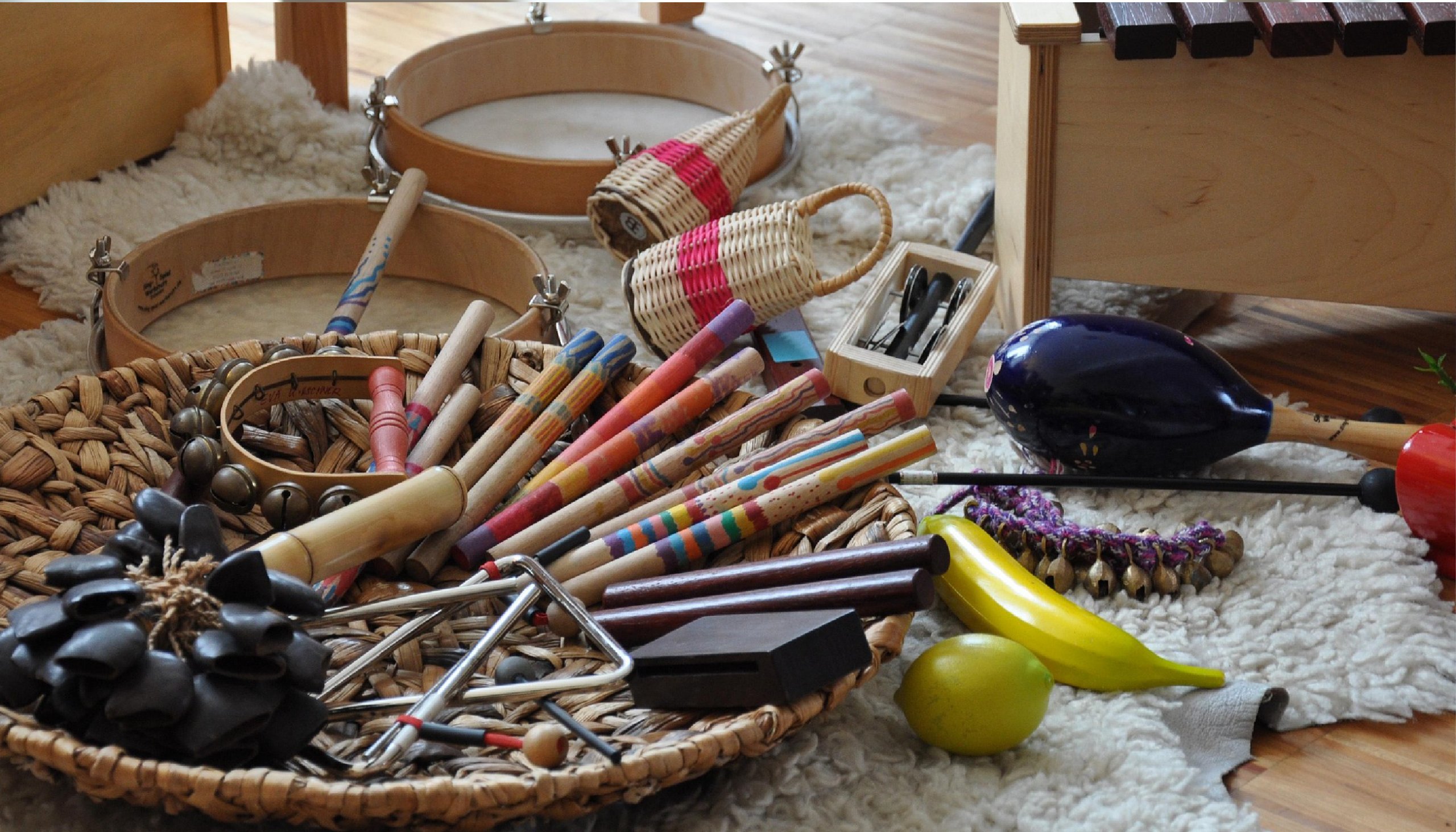
When a group of preschoolers taps out a rhythm together on small drums, they’re doing much more than making music – they’re building better brains. Recent neuroscience research has revealed something fascinating: synchronized rhythmic activities have a profound impact on preschoolers’ executive function – the set of mental skills that include working memory, flexible thinking, and self-control. These skills form the foundation for academic success and social development throughout childhood and beyond.
At The Music Scientist, we’ve observed this phenomenon firsthand in our developmentally-focused music programs. Children who engage in structured rhythmic activities show remarkable improvements in their ability to follow directions, regulate emotions, and switch between tasks – all crucial components of executive function. This article explores the fascinating connection between rhythm synchronization and cognitive development in preschoolers, and how structured musical activities create the perfect environment for these skills to flourish.
Whether you’re a parent looking to support your child’s development or an educator seeking evidence-based enrichment activities, understanding this powerful connection between music and cognition opens new possibilities for nurturing young minds during their most formative years.
Understanding Executive Function in Preschoolers
Executive function encompasses a set of mental processes that enable children to plan, focus attention, remember instructions, juggle multiple tasks, and regulate their behavior. Think of executive function as the brain’s control center – it helps preschoolers manage their thoughts, actions, and emotions in service of their goals.
During the preschool years (ages 3-5), executive function undergoes rapid development. This critical period presents a unique opportunity to strengthen these neural pathways through appropriate stimulation. The three core components of executive function include:
Working Memory
Working memory allows preschoolers to hold information in mind and use it. In practical terms, this means remembering a short sequence of instructions, recalling the rules of a game, or keeping track of where they are in a multi-step activity. When a child participates in a rhythm game that requires remembering a pattern, they’re exercising this exact cognitive muscle.
Inhibitory Control
This component involves thinking before acting and resisting the urge to do something tempting in favor of what’s appropriate. For preschoolers, this might mean waiting their turn in a drum circle, stopping an action when the music stops, or playing softly when instructed, rather than banging loudly on an instrument.
Cognitive Flexibility
Cognitive flexibility allows children to switch their thinking between different concepts or to think about multiple concepts simultaneously. In musical contexts, this might involve changing movements when the tempo changes, adjusting their actions based on different musical cues, or smoothly transitioning between different parts of a song.
The development of these skills doesn’t happen automatically – they benefit tremendously from structured activities that challenge preschoolers to use these mental processes repeatedly in engaging ways. This is where rhythmic synchronization becomes particularly valuable.
The Science of Rhythm and Cognitive Development
The relationship between rhythm and cognitive development is grounded in solid neuroscience. When preschoolers engage in synchronized rhythmic activities, multiple brain regions activate simultaneously, creating neural connections that strengthen executive function.
Research using functional MRI scans has shown that rhythmic activities engage both the prefrontal cortex (responsible for executive functions) and the cerebellum (traditionally associated with motor coordination). This cross-activation creates a powerful learning environment where cognitive and motor skills develop in tandem.
Rhythm provides an external structure that helps organize brain activity. When children synchronize their movements to a beat, they’re practicing the precise timing and coordination that underlies many cognitive processes. The predictable patterns in rhythmic activities give preschoolers a framework for organizing their thoughts and actions – a crucial skill for executive function development.
Importantly, the social component of group rhythmic activities adds another dimension to this development. When children synchronize with peers, they must simultaneously track their own movements, the group’s rhythm, and adjust accordingly – a complex cognitive task that builds neural pathways supporting executive function.
How Synchronization Activities Enhance Brain Function
Synchronization – the act of coordinating one’s actions with an external stimulus or with others – creates a unique cognitive challenge that directly strengthens executive function skills. When preschoolers participate in synchronized rhythmic activities, they engage in several brain-building processes simultaneously.
First, synchronization requires sustained attention. Children must maintain focus on the rhythm, monitor their own movements, and make continuous adjustments to stay in sync. This extended concentration exercise strengthens neural networks associated with attentional control – a foundational executive function skill.
Second, synchronization demands precise timing. The preschooler must anticipate the beat, not just react to it, which develops predictive cognitive abilities. This anticipatory thinking is a sophisticated mental skill that transfers to many areas of learning and problem-solving.
Third, group synchronization activities teach children to inhibit impulsive movements and coordinate with others. When a child wants to speed up or slow down but needs to maintain the group’s pace, they’re practicing the inhibitory control aspect of executive function in a natural, enjoyable context.
In our Groovers program, we see these benefits in action as toddlers engage in simple synchronization games that gradually increase in complexity. The progression from basic beat-keeping to more complex rhythmic patterns mirrors the development of executive function itself – starting with fundamental skills and building toward more sophisticated mental processes.
Key Executive Functions Improved Through Rhythm
Attention Control
Rhythmic activities demand focused attention for sustained periods. As preschoolers follow along with changing tempos, alternating patterns, or call-and-response sequences, they strengthen their ability to maintain attention despite distractions. This skill transfers directly to classroom settings, where sustained attention is crucial for learning.
Sequential Processing
Rhythm inherently involves sequences – patterns of sounds occurring in a specific order. When children learn to recognize and reproduce these sequences, they’re developing the same cognitive skills needed for understanding number sequences, letter patterns, and the logical progression of ideas. This sequential processing ability forms the foundation for early literacy and numeracy skills.
Impulse Control
Synchronized rhythm activities provide natural opportunities to practice stopping, starting, and changing actions based on external cues. Whether waiting for their turn in a musical game or pausing until a particular rhythm cues their participation, children learn to regulate their impulses. This self-regulation skill is particularly valuable for preschoolers who are still developing the ability to manage their behavior in social settings.
Task Switching
Many rhythmic games involve changing movements or responses based on different musical cues. This practice in shifting attention and actions based on external signals directly enhances cognitive flexibility – the ability to adapt thinking and behavior when rules or demands change. Children who excel at task switching tend to transition more successfully between classroom activities and adapt more readily to new learning challenges.
The beauty of developing these skills through rhythmic activities is that children experience them as play rather than work. In our Scouts program, we integrate scientific concepts with catchy melodies and rhythmic activities, allowing children to build executive function skills while also absorbing academic content in an engaging format.
Implementing Rhythm Synchronization Activities
Creating effective rhythm synchronization experiences requires thoughtful design that matches preschoolers’ developmental capabilities. The most beneficial activities provide just the right level of challenge – not so simple that children become bored, but not so difficult that they become frustrated.
For very young preschoolers, simple beat-keeping activities form an ideal starting point. This might involve tapping, clapping, or marching to a steady beat. As children master basic synchronization, activities can gradually incorporate more complex elements such as:
Pattern Recognition and Reproduction
Activities where children must recognize and reproduce rhythmic patterns challenge working memory while building pattern recognition skills that transfer to mathematical and literacy development. Starting with short, simple patterns and gradually increasing complexity allows children to experience success while continually stretching their capabilities.
Start-Stop Games
Musical games where children must start and stop movement in response to musical cues directly enhance inhibitory control. These activities can be as simple as “freeze dance” or as complex as responding differently to different musical signals, such as walking when hearing drums and tiptoeing when hearing a triangle.
Group Synchronization Challenges
Activities where the entire group must maintain a rhythm together – such as passing a beat around a circle or creating music with simple instruments – develop both social awareness and timing precision. These activities add the additional cognitive challenge of coordinating with peers rather than just with an adult leader.
In our Happyfeet program, we introduce toddlers to these concepts through age-appropriate activities that grow increasingly sophisticated as children develop. By beginning with foundational rhythm skills and systematically building complexity, we create an optimal environment for executive function development.
How Music-Based Programs Support Cognitive Development
Structured music education programs offer particularly rich opportunities for executive function development through rhythm. Unlike casual musical play, which certainly has benefits of its own, developmentally-designed music programs systematically target specific cognitive skills while maintaining high engagement levels.
The SMART-START English and SMART-START Chinese programs at The Music Scientist exemplify this approach. These preschool readiness programs integrate rhythmic activities with language development, creating multiple pathways for strengthening executive function skills:
First, they combine verbal and rhythmic processing, requiring children to coordinate language with movement. This dual-processing challenge builds neural connections between language centers and motor control regions of the brain, strengthening overall cognitive coordination.
Second, they incorporate progressive challenges that adapt to children’s developing abilities. As children master basic concepts, new elements are introduced that require increasingly sophisticated executive function skills, creating a continuous growth trajectory.
Third, they embed academic content within musical frameworks, allowing children to learn science, math, and language concepts through rhythmic activities. This approach leverages the memory-enhancing properties of music while simultaneously building executive function skills.
For the youngest learners, the Tenderfeet program provides foundational sensory experiences that prepare infants for more structured rhythmic activities later. These early musical interactions build the neural architecture that will later support more complex executive function skills.
Research-Backed Benefits of Rhythmic Activities
The connection between rhythmic activities and executive function development isn’t just theoretical – it’s supported by a growing body of research evidence. Multiple studies have demonstrated measurable cognitive benefits from rhythmic training in preschool-aged children.
One notable study published in the journal Frontiers in Neuroscience found that preschoolers who participated in a rhythm-focused music program for just 20 minutes twice weekly showed significantly greater improvements in inhibitory control compared to children who participated in other types of enrichment activities. The researchers attributed this advantage to the unique demands that rhythmic synchronization places on the developing brain.
Another research team at Vanderbilt University found that rhythmic training improved preschoolers’ ability to maintain and manipulate information in working memory – a key executive function skill that predicts later academic achievement. The structured, predictable nature of rhythmic activities appears to scaffold working memory development by providing external organization that children can gradually internalize.
Perhaps most compelling are longitudinal studies showing that early music training that includes rhythmic components correlates with enhanced executive function skills years later. These findings suggest that rhythmic activities during the preschool years may establish neural patterns that continue to benefit children throughout their educational journey.
Beyond executive function, research has identified additional cognitive benefits from rhythmic activities, including:
- Enhanced phonological awareness, which supports reading development
- Improved spatial-temporal reasoning, which underlies mathematical thinking
- Better speech processing, particularly for distinguishing similar sounds
- Faster processing of auditory information in general
These research findings align with what we observe in our programs at The Music Scientist, where children who engage consistently in our rhythmic activities demonstrate noticeable improvements in attention span, sequencing abilities, and self-regulation – all key components of executive function.
Conclusion
The connection between rhythm synchronization and executive function development represents one of the most exciting intersections of music education and developmental neuroscience. By engaging preschoolers in carefully designed rhythmic activities, we can support the development of crucial cognitive skills that will serve them throughout their educational journey and beyond.
At The Music Scientist, we’ve structured our programs to capitalize on this powerful relationship between rhythm and cognition. From the earliest experiences in our Tenderfeet program through the more advanced activities in SMART-START, rhythmic synchronization forms a core component of our approach to early childhood development.
What makes these activities particularly valuable is their natural appeal to young children. Preschoolers don’t engage in rhythm games because they want to build executive function – they participate because these activities are inherently enjoyable. This intrinsic motivation creates the perfect learning environment where cognitive development occurs through joyful experience rather than directed effort.
For parents seeking to support their child’s cognitive development, incorporating rhythmic activities at home can complement structured programs. Simple activities like singing songs with movements, creating rhythm patterns together, or dancing to music with pauses and changes can all support executive function development in everyday contexts.
As research continues to illuminate the connections between music, rhythm, and cognitive development, one thing becomes increasingly clear: rhythmic synchronization isn’t just fun for preschoolers – it’s fundamental to building the mental skills they’ll need to thrive in school and life.
Experience the Power of Music-Based Learning
Want to see how rhythmic activities can benefit your child’s cognitive development? The Music Scientist offers developmentally-appropriate programs for children from 4 to 47 months that harness the power of music to build crucial executive function skills.
Contact us today to learn more about our programs or to schedule a trial class.
Table Of Contents
Traveling with young children can transform from a potentially stressful experience into a valuable developmental opportunity with the right preparation. At The Music Scientist, we understand how crucial consistent sensory engagement is for your child’s cognitive, emotional, and physical development—even while on the go. A thoughtfully curated portable sensory kit serves as more than just a collection of entertainment items; it’s a mobile learning environment that supports your child’s development regardless of where your adventures take you.
Whether you’re planning a weekend getaway, a family vacation, or simply navigating daily outings, a well-designed sensory travel kit can provide familiarity in new environments while continuing to stimulate the multiple intelligences we nurture in our programs. In this comprehensive guide, we’ll explore how to create the perfect portable sensory kit that aligns with your child’s developmental stage, packs efficiently, and transforms travel time into valuable learning experiences.
Why Sensory Kits Matter for Travel
Travel disrupts the familiar routines that provide young children with a sense of security and predictability. This disruption, while unavoidable, can be mitigated through thoughtful preparation. Portable sensory kits serve multiple crucial functions during travel:
Children thrive on consistency and familiarity, particularly during their early developmental years. A portable sensory kit creates a slice of familiarity in otherwise unfamiliar surroundings, helping to reduce anxiety and increase comfort. This environmental consistency is particularly important for children aged 4-47 months, as they are still developing their ability to adapt to new situations.
Beyond comfort, these kits provide appropriate stimulation during potentially unstimulating or overwhelming travel periods. Long car rides, flights, or waits at restaurants can become opportunities for continued learning and development rather than sources of frustration. The right sensory tools help balance understimulation and overstimulation—both of which can lead to distress in young children.
Perhaps most importantly, sensory kits maintain developmental continuity. At The Music Scientist, we’ve observed how consistent sensory experiences support milestone achievement. Even brief interruptions in developmental stimulation can impact learning trajectories. A well-designed travel kit ensures that development continues uninterrupted, regardless of your location.
Developmental Benefits of Portable Sensory Play
The benefits of maintaining sensory play during travel extend across multiple developmental domains. Understanding these benefits can help parents prioritize and select the most appropriate items for their child’s travel kit:
Cognitive development flourishes through sensory play as children explore cause and effect, problem-solving, and early mathematical concepts like sorting and categorizing. Travel sensory kits that include items with different textures, weights, and functions support these cognitive processes even on the go. For example, a simple set of stacking cups can teach spatial awareness and sequencing while being compact enough for travel.
Fine and gross motor development continues with properly selected sensory items. Manipulating small objects improves finger dexterity and hand-eye coordination, while larger movement-based activities maintain physical development. In our Tenderfeet program for infants, we’ve seen how consistent motor stimulation significantly accelerates skill acquisition.
Language development also benefits from sensory play during travel. Describing sensations, actions, and observations enriches vocabulary and conversation skills. We encourage parents to narrate sensory experiences, ask open-ended questions, and create stories around sensory play—practices that align with our approach in programs like Happyfeet for toddlers.
Perhaps most relevant to travel situations is the emotional regulation that sensory play facilitates. Sensory activities can calm an overwhelmed child or energize a bored one, helping to maintain emotional equilibrium in changing environments. This self-regulation is a cornerstone skill we nurture in all our programs at The Music Scientist.
Essential Components for Your Travel Sensory Kit
Creating an effective portable sensory kit requires thoughtful selection of items that maximize developmental value while remaining practical for travel. We recommend including elements that address each sensory system while remaining compact and versatile:
Tactile stimulation comes from varying textures that promote discriminatory touch and sensory processing. Consider including fabric swatches of different textures (silk, cotton, felt), a small sensory ball with textured surfaces, or finger puppets with different tactile elements. These items take minimal space while providing rich tactile information to developing nervous systems.
Visual stimulation supports focus, attention, and visual tracking skills. Compact options include a small kaleidoscope, cards with high-contrast patterns, or a tiny flashlight for creating light patterns. Children in our Groovers program particularly respond to visual elements that change or transform, as these capture attention while teaching visual cause and effect.
Auditory elements are naturally aligned with our music-based approach at The Music Scientist. Small shakers, a harmonica, or recorded music on a portable device with headphones can all support auditory discrimination and rhythm recognition. These musical elements create opportunities for the integration of movement and sound that characterizes our developmental approach.
Proprioceptive input (awareness of body position) can be addressed through resistive toys like therapy putty or small squeeze balls. Even a zipper pouch filled with rice can provide valuable proprioceptive feedback while being travel-friendly. This sensory system is crucial for body awareness and physical confidence.
Age-Specific Sensory Items
The ideal contents of a travel sensory kit will evolve with your child’s developmental stage. Here are our recommendations based on age ranges that align with our programs:
For Infants (4-12 months)
Infants are sensory explorers who primarily use their hands and mouths to learn about the world. Their travel sensory kits should include items that are safe for mouthing while providing varied sensory experiences:
Soft fabric books with crinkle pages and high-contrast patterns support both tactile exploration and visual development. Look for options with attached teething elements for additional sensory input. Silicone teethers in various shapes and textures provide safe oral stimulation while soothing gums during teething periods—a consideration that parents of our Tenderfeet participants often appreciate during travel.
Simple cause-and-effect toys, such as a small rattle or a soft ball with a bell inside, introduce early physics concepts while being endlessly fascinating to infants. These items support the cognitive development we nurture in our infant programs. For auditory stimulation that aligns with our music-based approach, consider a small music box or a recorded playlist of the songs used in our classes to maintain that connection during travel.
For Toddlers (12-30 months)
Toddlers require more complex sensory experiences as their cognitive and motor skills rapidly develop. Their sensory kits should balance familiar comfort items with new challenges:
Manipulative toys like stacking cups, pop tubes, or interlocking blocks develop fine motor skills and spatial understanding. These items also support the logical-mathematical intelligence we emphasize in our Happyfeet program. Sensory bottles (securely sealed bottles containing colored water and small objects) provide visual stimulation and can be used for calming or engaging activities.
Small figurines or characters encourage imaginative play—a crucial cognitive development milestone for toddlers. These can be themed to match current interests or upcoming travel destinations to create connections between sensory play and real-world experiences. For movement-based sensory input, consider ribbon rings or scarves that pack flat but can be used for dancing and movement activities similar to those in our toddler programs.
For Preschoolers (30-47 months)
Preschoolers benefit from more sophisticated sensory experiences that challenge their growing cognitive abilities and support the transition to formal learning:
Travel-sized arts materials like washable crayons, a small notebook, and stickers provide creative sensory experiences while developing pre-writing skills. These align with the pre-literacy focus of our SMART-START English and SMART-START Chinese preschool readiness programs. Simple science exploration tools, such as a magnifying glass or color-mixing glasses, extend the scientific curiosity we foster in our Scouts program.
Pattern and sequence cards encourage logical thinking and can be used for various games that develop memory and attention. These cognitive skills form the foundation for later academic success. Storytelling elements like finger puppets or picture sequence cards support language development and narrative understanding while being highly portable for travel situations.
Incorporating Musical Elements
As a music-focused developmental program, we at The Music Scientist strongly recommend including musical elements in your travel sensory kit. Music naturally integrates multiple sensory systems while supporting cognitive, emotional, and social development:
Portable rhythm instruments like egg shakers, a small tambourine, or finger cymbals provide auditory stimulation while encouraging movement and rhythm awareness. These instruments can be used to maintain the musical routines established in our classes, creating continuity between home, travel, and classroom experiences.
Recorded music that your child is familiar with from our classes can be loaded onto a device with headphones appropriate for your child’s age. This familiar auditory environment can be especially comforting in new settings. We provide parents with recordings of our original compositions specifically for this purpose.
Musical games that can be played without equipment, such as call-and-response songs or simple finger plays, require no packing space but deliver rich sensory experiences. We teach parents these portable musical activities in all our programs to ensure music remains accessible regardless of setting or circumstance.
Packing Tips for Sensory Kits
The practicality of your sensory kit significantly impacts its usefulness during travel. Consider these strategies for creating a kit that’s both effective and convenient:
Container selection is crucial for accessibility and organization. We recommend using a clear, compartmentalized container that allows children to see options without dumping everything out. Bead organizers, tackle boxes, or specialized sensory kit containers all work well. The container itself becomes part of the sensory experience—opening compartments develops fine motor skills and executive function.
Rotation planning prevents boredom while keeping the kit manageable in size. Rather than packing every possible sensory item, prepare a small selection for each travel day and rotate items as needed. This strategy maintains novelty while limiting bulk. Consider creating a master sensory item collection at home from which you select travel items based on your specific journey.
Multi-purpose items maximize sensory value while minimizing packing space. For example, a set of silicone cups can be used for stacking (spatial awareness), sorting (cognitive skills), or as containers for smaller items (functional play). We teach this principle of resourcefulness in our classes by demonstrating how simple materials can serve multiple developmental functions.
Travel-Friendly Sensory Activities
Having the right items is only the beginning—knowing how to use them effectively transforms a collection of objects into developmental opportunities. Here are activity suggestions that work well in travel settings:
Sensory scavenger hunts turn new environments into learning opportunities by encouraging children to find items with specific sensory properties. Ask your child to find something soft, something that makes noise, or something with a particular color. This activity connects the sensory kit with the surrounding environment while developing observational skills.
Storytelling with sensory supports combines narrative development with sensory engagement. Use items from the sensory kit as characters or props in an original story, encouraging your child to contribute sensory descriptions and plot elements. This activity mirrors our integrated approach to learning at The Music Scientist, where music and narrative often combine to enhance memory and engagement.
Musical conversations using portable instruments create turn-taking games that develop social skills alongside sensory awareness. One person creates a rhythm pattern that the other must repeat or respond to with a variation. This simple activity builds auditory discrimination, memory, and social reciprocity—all valuable skills supported by our curriculum.
Maintaining and Refreshing Your Kit
A sensory kit requires ongoing attention to remain effective and engaging over time. Consider these maintenance practices:
Regular cleaning is essential for hygiene, particularly for items that may be mouthed by younger children. Establish a cleaning routine after each trip, using child-safe cleaning products appropriate for each material type. Having a clean, well-maintained kit models care and responsibility for your child.
Developmental updates should occur as your child grows and develops new interests and abilities. Review your kit’s contents approximately every three months, removing items that no longer provide challenge or interest and introducing new elements that align with emerging skills. This practice parallels how we continually adapt our curriculum to match developmental progressions.
Seasonal refreshes keep the sensory experience novel and relevant. Consider having some items that are specific to certain times of year or travel destinations. For summer travel, you might include shells or sand tools, while winter journeys might feature different textures or cold/warm contrasting elements. These thematic connections create meaningful associations between sensory experiences and real-world contexts.
A thoughtfully prepared portable sensory kit transforms travel time from a potential developmental interruption into a rich opportunity for continued growth and learning. By including elements that address multiple sensory systems and intelligences, you create continuity in your child’s developmental journey regardless of location.
At The Music Scientist, we understand that early development doesn’t pause during travel—nor should the thoughtful sensory engagement that supports it. The principles that guide our curriculum—integration of multiple intelligences, developmentally appropriate challenges, and the power of musical elements—can all be incorporated into your travel preparations.
Remember that the most valuable aspect of any sensory kit is not the items themselves but the meaningful interactions they facilitate between you and your child. These shared sensory experiences build neural connections, language skills, and emotional bonds that form the foundation for lifelong learning and development.
Would you like to learn more about how to support your child’s sensory development at home and on the go? The Music Scientist offers specialized programs for children ages 4-47 months that integrate music, movement, and sensory play for holistic development. Contact us today to learn more about our classes and how they can complement your at-home sensory activities.
Table Of Contents
- Introduction to Spring Sensory Play and Music
- The Developmental Benefits of Seasonal Sensory Play
- Spring-Inspired Sensory Activities for Different Age Groups
- Spring Songs and Musical Activities
- Integrating Learning Through Spring Themes
- Parent Tips for Maximizing Sensory Play Benefits
- Conclusion: Embracing the Season Through Sensory Exploration
As the world outside transforms with new blooms and warmer days, spring offers a perfect opportunity to engage your little one’s developing senses through seasonally inspired play and music. At The Music Scientist, we believe that children experience their world primarily through sensory exploration—touching, hearing, seeing, tasting, and smelling—making seasonal themes a powerful catalyst for cognitive development and joyful learning.
Spring, with its vibrant colors, fragrant flowers, and symphony of nature sounds, provides a rich sensory landscape for babies and young children. When we thoughtfully combine these seasonal elements with intentional music activities, we create powerful learning experiences that stimulate multiple intelligences simultaneously—from logical and musical to kinesthetic and verbal.
In this comprehensive guide, we’ll explore how spring-themed sensory play and music activities can enhance your child’s developmental journey. We’ll share age-appropriate activities for infants, toddlers, and preschoolers, along with spring songs that reinforce early learning concepts. Whether you’re looking to support your baby’s first sensory experiences or prepare your preschooler for more formal education, these spring-inspired activities will nurture curiosity, build confidence, and create meaningful bonding moments.
The Developmental Benefits of Seasonal Sensory Play
Sensory play isn’t just fun—it’s fundamental to how children learn about their world. When infants and young children engage with different textures, sounds, and visual stimuli through seasonally-themed activities, they’re actually building crucial neural connections that support cognitive development.
Research shows that sensory experiences during the first four years of life have a profound impact on brain architecture. Each time a child explores a new texture, listens to a seasonal song, or observes changing colors in nature, their brain forms connections that become the foundation for future learning. This is precisely why our programs at The Music Scientist integrate multisensory experiences with age-appropriate developmental goals.
Spring-themed sensory play offers unique developmental benefits, including:
- Enhanced Sensory Processing: When children interact with materials like flower petals, grass, or water, they develop the ability to process and integrate sensory information
- Language Development: Seasonal themes provide natural opportunities to introduce new vocabulary about plants, animals, weather, and colors
- Fine and Gross Motor Skills: Activities like planting seeds, water play, and movement to spring-themed music develop both fine and large muscle coordination
- Cognitive Connections: Seasonal changes help children recognize patterns, understand cause and effect, and develop early science concepts
- Emotional Regulation: The calming effects of nature-based sensory experiences support emotional development and self-regulation
When we pair these sensory experiences with music—another powerful developmental tool—we create multidimensional learning opportunities that engage multiple intelligences simultaneously. This approach forms the core philosophy behind programs like our Tenderfeet infant classes and Happyfeet toddler enrichment.
Spring-Inspired Sensory Activities for Different Age Groups
The beauty of seasonal sensory play is that it can be adapted for children at any developmental stage. Here are carefully curated spring activities designed to match the developmental needs of different age groups:
For Infants (4-12 months)
Infants experience their world primarily through their senses, making simple sensory explorations perfect for their developmental stage:
Flower Petal Sensory Basket: Create a sensory basket with large, soft flower petals (ensure they’re non-toxic) for your baby to touch and explore. Describe the colors and textures as they interact with the petals, supporting both sensory processing and early language development. This gentle introduction to nature’s textures stimulates tactile development while providing visual stimulation through bright spring colors.
Spring Nature Sound Exploration: Play recordings of spring sounds like bird songs, gentle rain, or buzzing bees while your baby is in their play area. Watch how they respond to different sounds, and narrate what they’re hearing. This auditory exploration prepares babies for musical discrimination—a core component of our Tenderfeet program.
Tummy Time Flower Garden: Place large, laminated pictures of spring flowers on the floor during tummy time. The vibrant visuals give babies something engaging to look at while they develop crucial core muscles. You can enhance this activity by singing gentle spring-themed songs, creating a multisensory experience that supports physical development and auditory processing simultaneously.
For Toddlers (12-24 months)
Toddlers are active explorers who benefit from more interactive sensory experiences that support their growing independence:
Spring Sensory Bin: Create a shallow bin filled with bird seed, artificial grass, and safe spring elements like plastic eggs or fabric flowers. Provide scoops, cups, and containers for pouring and transferring. This activity develops fine motor skills while introducing concepts of capacity and cause-effect relationships. As your toddler explores, name the materials and actions, building vocabulary that connects to spring themes.
Rain Dance with Scarves: Provide lightweight, flowing scarves in spring colors and play rain sound effects or gentle spring music. Encourage your toddler to dance and move with the scarves, pretending to be raindrops falling from the sky. This activity combines movement with auditory stimulation, supporting the kinesthetic intelligence that we foster in our Groovers classes.
Flower Water Painting: On a warm spring day, provide your toddler with a bucket of water and large paintbrushes to “paint” on an outdoor surface like a fence or sidewalk. You can draw flower shapes with chalk first and let them paint inside. This simple activity develops motor planning, hand-eye coordination, and provides a calming sensory experience with water—perfect for toddlers who need both stimulation and regulation in their play.
For Preschoolers (24-47 months)
Preschoolers benefit from more complex sensory activities that incorporate early learning concepts and prepare them for more formal education:
Spring Scent Matching Game: Create pairs of containers filled with spring scents like lavender, lemon, mint, or flowers. Have your child try to match the scents by smell alone. This activity develops memory, discrimination skills, and introduces scientific concepts like categorization. You can extend this activity by discussing which plants produce these scents, connecting sensory play with early science concepts similar to those in our Scouts program.
Seed Sorting and Planting: Provide various seeds (bean, sunflower, pumpkin) for your preschooler to sort by size, shape, and color before planting them in small cups. This multi-step activity combines tactile exploration with early math concepts while teaching life science principles. As seeds sprout, children experience the joy of cause and effect over time, building scientific thinking skills that prepare them for our SMART-START English preschool readiness curriculum.
Spring Symphony Orchestra: Collect natural items like sticks, stones, and seed pods, along with recycled containers to create homemade musical instruments. Encourage your child to create different sounds representing spring elements—rain showers, buzzing bees, or chirping birds. This creative activity combines science, music, and imaginative play while developing listening skills and auditory discrimination. You can extend this by recording their “spring symphony” and playing it back, introducing concepts of sound production and technology.
Spring Songs and Musical Activities
Music serves as a powerful vehicle for learning across all developmental domains. At The Music Scientist, we deliberately compose songs that not only delight children but also reinforce key developmental concepts. Here are some spring-themed musical activities that support holistic development:
“Little Seed” Growth Song: This simple movement song helps children understand plant life cycles while developing body awareness:
Little seed, little seed, in the ground so deep (crouch down small)
Little seed, little seed, soon you’ll take a peek (peek through fingers)
Rain falls down, sun shines bright (fingers flutter down, then arms make a circle)
Little seed grows with all its might (slowly stand up tall with arms stretched high)
Now you’re a flower for all to see (sway gently side to side)
Growing in springtime, happy and free!
This song combines movement with concepts of growth and transformation, reinforcing science learning through musical experience—a core component of our educational philosophy.
Sensory Sound Exploration: Create a “spring soundscape” by having children close their eyes and identify recorded sounds of spring (bees buzzing, birds chirping, rain falling). This activity develops auditory discrimination—a crucial pre-reading skill we emphasize in our SMART-START English program. Extend the activity by having children recreate these sounds with their voices or simple instruments.
Musical Weather Patterns: Create a simple chart with spring weather symbols (sun, rain, wind, clouds). Point to different weather types and have children create corresponding sounds or movements. For example, tapping fingers for rain, whooshing sounds for wind, or gentle humming for sunshine. This activity develops pattern recognition and symbolic thinking while reinforcing weather vocabulary—skills that transfer beautifully to early literacy.
Bilingual Spring Vocabulary Songs: For families interested in dual-language development, we recommend simple spring vocabulary songs in both English and Chinese. Learning words for flowers, rain, growth, and animals in multiple languages creates flexible thinking patterns in young brains, similar to the approach in our SMART-START Chinese program.
Integrating Learning Through Spring Themes
What makes seasonal sensory play particularly powerful is its ability to integrate multiple learning domains naturally. By connecting spring themes across different activities, we help children build neural networks that support deeper understanding and retention.
Consider how a simple spring flower becomes a vehicle for multidimensional learning:
Science Learning: Observing how flowers grow from seeds teaches basic life cycles and plant needs
Mathematical Thinking: Counting petals, sorting flowers by color, or measuring growth introduces early math concepts
Literacy Development: Reading books about flowers, learning flower vocabulary, and creating flower stories builds language skills
Artistic Expression: Painting flowers, creating flower collages, or dancing like swaying flowers encourages creativity
Musical Intelligence: Singing songs about flowers or creating musical patterns inspired by flower arrangements develops auditory processing
This integrated approach mirrors how we structure our curriculum at The Music Scientist, where each theme spirals through multiple intelligences, ensuring that every child can connect with learning in ways that resonate with their individual strengths.
Parent Tips for Maximizing Sensory Play Benefits
As parents, you are your child’s first and most important teacher. Here are some research-based tips for maximizing the developmental benefits of spring sensory play:
Follow Your Child’s Lead: Observe which sensory experiences capture your child’s attention and expand on their natural interests. This child-led approach builds autonomy and intrinsic motivation for learning.
Use Rich Language: Describe textures, colors, sounds, and processes as your child explores. Research shows that exposure to varied vocabulary during sensory experiences significantly boosts language development.
Ask Open-Ended Questions: Instead of “Do you like the flower?”, try “What do you notice about this flower?” or “How does this flower make you feel?” Open questions promote critical thinking and verbal expression.
Connect Experiences: Help your child make connections between different spring activities. For example, “Remember the seeds we planted? The rain we heard today is helping them grow, just like in our song!”
Document Learning: Take photos of your spring explorations or record your child singing spring songs. Reviewing these creates opportunities for reflection and reinforces learning through memory recall.
Embrace Messiness: Some of the best sensory learning happens when children can fully immerse themselves without worry about getting dirty. Plan for clean-up in advance so you can relax and allow exploration.
Remember that consistency builds neural pathways. Repeating favorite spring songs or returning to engaging sensory activities multiple times allows your child to deepen their understanding and master new skills at their own pace.
Conclusion: Embracing the Season Through Sensory Exploration
As we’ve explored throughout this article, spring offers a boundless canvas for sensory play and musical exploration that supports your child’s developmental journey. By intentionally incorporating seasonal themes into your child’s play experiences, you’re not just creating joyful moments—you’re building neural connections that will support learning for years to come.
At The Music Scientist, we believe that the early years represent a critical window of opportunity for brain development. Our approach combines the natural appeal of seasonal themes with research-based music education to create learning experiences that engage multiple intelligences simultaneously. Whether through our Tenderfeet infant program, Happyfeet toddler classes, or SMART-START preschool readiness curriculum, we help children build a strong foundation for lifelong learning.
As you incorporate these spring-themed sensory activities and songs into your routine, remember that the most important element is the connection you’re building with your child. These shared experiences of discovery and joy create secure attachment relationships that allow children to explore, learn, and grow with confidence.
Embrace this season of growth and renewal by exploring the sensory wonders of spring together, and watch as your little one blossoms in response to these rich, multisensory learning opportunities.
Experience The Power of Music-Based Learning
Would you like to see how our research-based approach to music and sensory development can benefit your child? The Music Scientist offers age-appropriate programs for children from 4 to 47 months that harness the power of music, movement, and sensory play to support holistic development.
Contact us today to schedule a trial class or learn more about our programs that combine the joy of music with developmental science.
Table Of Contents
- Understanding Sensory Play and Autism
- Benefits of Sensory Play for Children with Autism
- Music-Based Sensory Activities
- Tactile Sensory Play Ideas
- Visual and Proprioceptive Sensory Activities
- Creating a Sensory-Friendly Environment
- Incorporating Sensory Play into Daily Routines
- When to Seek Professional Guidance
When a child with autism engages with their world through touch, sound, movement, and sight, they’re doing more than just playing—they’re building crucial neural pathways that support their development. Sensory play offers these children meaningful ways to process information, regulate emotions, and connect with others in a world that can sometimes feel overwhelming.
As specialists in early childhood development through music and sensory experiences, we at The Music Scientist understand how targeted sensory activities can make a remarkable difference in a child’s developmental journey. Early intervention through thoughtfully designed sensory play can help children with autism spectrum disorder (ASD) develop vital skills while experiencing the joy of discovery in a supportive environment.
In this comprehensive guide, we’ll explore therapist-approved sensory play activities specifically designed for children with autism. From musical explorations that soothe and stimulate to tactile experiences that build confidence and body awareness, these activities are designed to support your child’s unique sensory profile while making learning engaging and fun.
Therapist-Approved Sensory Play Activities for Autism
Expert-recommended activities to support development through meaningful sensory experiences
🎵
Music-Based Activities
- Rhythm Exploration: Use percussion instruments for immediate auditory feedback
- Body Movement Songs: Combine music with actions for body awareness
- Musical Textures: Explore different sounds to build sensory vocabulary
- Sound Identification: Play games that enhance auditory discrimination
👐
Tactile Experiences
- Sensory Bins: Explore containers filled with different textures
- Finger Painting: Try varied mediums like shaving cream or pudding
- Tactile Boards: Create surfaces with various textures for exploration
- Deep Pressure: Provide calming input through gentle, even pressure
Benefits of Sensory Play for Children with Autism
1
Communication & Social Skills
Creates opportunities for shared attention and engagement
2
Cognitive Development
Builds memory, attention, and problem-solving abilities
3
Emotional Regulation
Helps children modulate their arousal levels and self-soothe
4
Motor Development
Promotes fine and gross motor skills through play
👁️
Visual & Movement Activities
- Light Play: Explore light, shadow, and color with adjustable stimuli
- Obstacle Courses: Develop proprioception through guided movement
- Resistance Activities: Provide organizing input through “heavy work”
- Visual Tracking: Use bubbles and balloons to strengthen visual skills
🏠
Creating Sensory-Friendly Spaces
- Minimize Competing Stimuli: Reduce background noise and visual clutter
- Establish Predictable Routines: Use consistent signals for transitions
- Create Retreat Spaces: Designate calming areas for self-regulation
- Use Visual Supports: Incorporate pictures and timers for understanding
Daily Routine Integration
For maximum impact, incorporate sensory activities throughout the day:
🍽️
Mealtime Exploration
🛁
Sensory-Enhanced Bathtime
🏃
Movement Breaks
🌳
Outdoor Opportunities
Remember: Each child’s sensory profile is unique. Follow your child’s lead while thoughtfully introducing new sensory opportunities.
Understanding Sensory Play and Autism
Children with autism often experience the sensory world differently than their neurotypical peers. Some may be hypersensitive to certain stimuli—finding everyday sounds painful or light touches uncomfortable. Others might be hyposensitive—seeking more intense sensory input to feel regulated and present in their bodies.
Sensory play involves activities that stimulate one or more of the seven senses: touch (tactile), sight (visual), sound (auditory), smell (olfactory), taste (gustatory), balance (vestibular), and body awareness (proprioception). For children with autism, thoughtfully designed sensory activities can help them:
- Process sensory information more effectively
- Develop greater tolerance for different sensations
- Learn to self-regulate when overwhelmed
- Build connections between sensory experiences and language
When introducing sensory play, it’s essential to observe your child’s responses carefully. What delights one child might overwhelm another. The goal is to find activities that provide just the right level of challenge—enough to encourage growth but not so much that they cause distress.
Benefits of Sensory Play for Children with Autism
Research consistently shows that early intervention through sensory play offers significant benefits for children with autism. These benefits extend far beyond the immediate enjoyment of the activity itself:
Communication and Social Development
Sensory play creates natural opportunities for shared attention and engagement. When a parent and child explore sensory materials together, they build foundations for communication through gestures, facial expressions, and eventually words. Children learn turn-taking, sharing, and social referencing—looking to others for emotional cues—in a low-pressure environment.
Cognitive Development
As children explore cause and effect through sensory play (what happens when I squeeze this? how does this sound change when I tap harder?), they develop critical thinking skills. Sensory activities also build memory, attention, and problem-solving abilities in contextually meaningful ways.
Emotional Regulation
Many children with autism struggle with emotional regulation. Sensory play can provide calming input that helps children modulate their arousal levels. Through consistent exposure to different sensory experiences, children learn to recognize their emotional states and develop strategies to self-soothe when overwhelmed.
Fine and Gross Motor Development
From squeezing playdough to navigating obstacle courses, sensory play naturally promotes the development of both fine and gross motor skills. These foundational physical abilities support everything from handwriting to playground participation as children grow.
Music-Based Sensory Activities
Music offers a particularly powerful medium for sensory engagement in children with autism. The organized, predictable patterns in music provide structure while still allowing for creativity and expression. Our Tenderfeet program incorporates many of these principles for our youngest learners:
Rhythm Exploration
Simple percussion instruments like drums, shakers, or even household items like pots and wooden spoons offer immediate auditory feedback that children find engaging. Start with consistent, predictable rhythms that the child can anticipate and gradually introduce variations. This helps children develop auditory processing skills while experiencing the joy of creating sound.
Body Movement Songs
Songs that incorporate specific movements help children connect music with body awareness. Try songs like “Head, Shoulders, Knees, and Toes” or create simple melodies that prompt actions like clapping, stomping, or spinning. These activities, similar to those in our Happyfeet classes, combine auditory input with proprioceptive and vestibular stimulation.
Musical Textures
Introduce children to different musical “textures” by playing recordings that feature distinct instruments and sounds. Talk about how some sounds feel “bumpy,” “smooth,” “sparkly,” or “heavy”—helping children develop a vocabulary for their sensory experiences. This connection between sensory perception and language builds important cognitive links.
Sound Identification Games
Record different environmental sounds or use sound effect apps and have your child identify them. This activity enhances auditory discrimination—a skill that supports speech perception and development. You might also play “sound hide and seek” by hiding a musical toy that makes noise for your child to find.
In our Groovers program, we incorporate many of these musical concepts through dance and movement, helping children develop multi-sensory awareness while building confidence in their bodies.
Tactile Sensory Play Ideas
Tactile sensory play engages the sense of touch, helping children with autism become more comfortable with different textures and physical sensations. These activities can be particularly beneficial for children who are either tactile-defensive (avoiding touch) or seeking more tactile input:
Sensory Bins
Create containers filled with materials of different textures for exploration. Consider rice, dried beans, water beads, or kinetic sand. Hide small objects related to a theme (animals, letters, or numbers) within the material to add a cognitive component to the sensory experience. For children who are initially hesitant, start with preferred textures and gradually introduce new ones.
Finger Painting with Varied Mediums
Beyond traditional finger paints, experiment with materials like shaving cream, pudding, or even mud for outdoor play. These activities combine tactile exploration with visual creativity. Add scented extracts (vanilla, mint) to incorporate olfactory input as well—creating a multi-sensory experience that engages multiple processing systems simultaneously.
Tactile Walls or Boards
Create a board with various textures attached—sandpaper, bubble wrap, felt, satin, corrugated cardboard—for exploration. Encourage your child to trace patterns across different textures or match similar textures in a simple game. This activity builds tactile discrimination skills while giving children control over how they engage with different sensations.
Deep Pressure Activities
Many children with autism find deep pressure calming and organizing. Consider weighted blankets (under professional guidance), bear hugs, or “sandwich” games where the child lies between cushions and receives gentle, even pressure. These activities stimulate proprioceptive receptors throughout the body, often having a regulatory effect on the nervous system.
Visual and Proprioceptive Sensory Activities
Visual processing differences are common in autism, with many children showing either heightened attention to visual details or difficulty integrating visual information. Similarly, proprioception—our sense of body position and movement—often needs support:
Light Play
Explore light and shadow with flashlights, light tables, or sensory bottles containing glitter and colored water. These activities can be calming while encouraging visual tracking and attention. Try projecting moving patterns on a wall or using color-changing LED lights to create gentle visual stimulation that can be adjusted based on your child’s responses.
Movement Obstacle Courses
Create simple obstacle courses that encourage crawling, jumping, climbing, and balancing. These activities, similar to movement components in our Scouts program, develop proprioceptive awareness and motor planning. Using visual supports like colored tape to mark pathways adds a visual component that can help children understand expectations.
Resistance Activities
Pushing, pulling, and carrying heavy objects provides powerful proprioceptive input. Have your child help push a shopping cart, pull a wagon filled with toys, or carry appropriately weighted items from one location to another. These “heavy work” activities often have an organizing effect on the nervous system and can improve attention afterward.
Visual Tracking Games
Blow bubbles for your child to track and pop, roll balls back and forth, or play simple balloon games that encourage visual following. These activities strengthen visual skills needed for reading and other academic tasks while creating opportunities for social engagement and shared enjoyment.
Creating a Sensory-Friendly Environment
The environment in which sensory play occurs significantly impacts its effectiveness. Consider these elements when setting up spaces for sensory exploration:
Minimize Competing Stimuli
Reduce background noise, visual clutter, and other distractions when introducing new sensory activities. This helps children focus on the intended sensory experience without becoming overwhelmed by competing input. Consider using room dividers, neutral colors, and noise-canceling headphones when needed.
Establish Predictable Routines
Begin and end sensory sessions with consistent routines that signal transitions. This might include a specific clean-up song or a calming activity that helps children regulate after stimulating play. Predictability creates safety that allows children to engage more fully with new sensory experiences.
Create Sensory Retreat Spaces
Designate a comfortable area where children can go when feeling overwhelmed. Stock this space with calming items like stress balls, weighted stuffed animals, or noise-reducing headphones. Teaching children to recognize when they need sensory breaks supports self-regulation development and gives them agency in managing their sensory needs.
Use Visual Supports
Many children with autism process visual information more readily than verbal instructions. Use pictures, timers, or visual schedules to support understanding of sensory activities. This approach, which we incorporate in our SMART-START English and SMART-START Chinese programs, helps children anticipate what’s coming next and understand expectations.
Incorporating Sensory Play into Daily Routines
While dedicated sensory play sessions are valuable, integrating sensory experiences into everyday activities creates consistent opportunities for development:
Mealtime Sensory Exploration
Encourage exploration of different food textures, temperatures, and flavors during meals. Talk about how foods feel, sound, and taste. This approach builds comfort with varied sensory experiences while potentially expanding food acceptance—often challenging for children with autism who may have sensory-based food aversions.
Sensory-Enhanced Bathtime
Bathtime offers natural opportunities for water play, temperature exploration, and tactile experiences with soap, washcloths, and toys of different textures. Add food coloring to water, introduce whisking to create bubbles, or provide squeeze bottles and containers for pouring—transforming a daily routine into a rich sensory learning experience.
Movement Breaks Throughout the Day
Incorporate brief movement activities between more sedentary tasks. Simple activities like animal walks, stretching, or jumping jacks provide proprioceptive and vestibular input that can help children maintain optimal arousal levels for learning and engagement. These “sensory snacks” throughout the day support regulation without requiring extensive preparation.
Outdoor Sensory Opportunities
Nature provides a wealth of sensory experiences—feeling different textures of leaves, listening to birdsong, watching clouds move, feeling the wind. Even brief outdoor time can offer valuable sensory input that supports development while building connection to the natural environment. Consider creating scavenger hunts that encourage noticing sensory details during walks or playground visits.
When to Seek Professional Guidance
While parent-led sensory play is incredibly valuable, certain situations warrant professional support:
Signs That Additional Support May Help
Consider consulting with occupational therapists, speech-language pathologists, or other developmental specialists if your child:
- Shows extreme distress with certain sensory experiences that interferes with daily functioning
- Demonstrates sensory-seeking behaviors that put them at risk for injury
- Makes limited developmental progress despite consistent home-based activities
- Shows regression in previously mastered skills
Professional Assessment and Individualized Plans
Occupational therapists can provide comprehensive sensory assessments that identify your child’s specific sensory processing patterns. This information helps create targeted intervention plans that address underlying sensory needs. Professionals can also teach specialized techniques and recommend appropriate equipment for home use.
Collaboration Between Home and Therapy
The most effective sensory interventions involve consistent collaboration between professionals and families. Therapists can suggest modifications to home sensory activities, while parents can share observations about what works best in daily life. This partnership ensures that sensory strategies are implemented consistently across environments for maximum impact.
Embracing the Sensory Journey
Sensory play offers a powerful pathway to development for children with autism. Through thoughtfully designed activities that engage the senses, children build crucial skills while experiencing the joy of exploration and discovery. As parents and educators, our role is to provide opportunities that meet children’s current sensory needs while gently expanding their comfort with new experiences.
At The Music Scientist, we understand that each child’s sensory profile is as unique as their fingerprint. Through our developmentally-focused programs like Tenderfeet, Happyfeet, and Groovers, we provide structured opportunities for sensory exploration within a supportive environment. Our approach combines the latest developmental research with the universal language of music to create meaningful learning experiences.
Remember that successful sensory play isn’t measured by completing specific activities but by the quality of engagement and enjoyment your child experiences. By following your child’s lead while thoughtfully introducing new sensory opportunities, you create a foundation for growth that honors their unique neurology while supporting their developmental journey.
Looking for structured sensory experiences for your child?
The Music Scientist’s developmental programs incorporate sensory-rich activities that support children with diverse learning needs. Our experienced educators can help you identify the right program for your child’s unique profile.
Table Of Contents
As parents and educators, we’re constantly seeking the most effective ways to nurture our children’s development. Sensory play stands at the forefront of early childhood learning, offering powerful pathways for cognitive, physical, and emotional growth. But when faced with the choice between tactile experiences (touch-based activities) and auditory exploration (sound-based learning), many caregivers wonder which approach delivers the most benefits—and when.
The truth is that both tactile and auditory sensory play serve crucial but different developmental functions. Understanding the unique advantages of each—and knowing precisely when to employ them—can significantly enhance your child’s learning journey from infancy through the preschool years.
In this comprehensive guide, we’ll explore the distinctive characteristics of tactile and auditory sensory play, examine the scientific evidence supporting each approach, and provide clear guidance on when to prioritize one over the other. We’ll also share age-appropriate activities that seamlessly integrate both sensory modalities to create rich, meaningful learning experiences for children at every developmental stage.
Understanding Sensory Play: A Foundation for Development
Sensory play encompasses any activity that stimulates a child’s senses—touch, sound, smell, taste, sight, balance, and body awareness. These experiences aren’t merely fun; they’re fundamental building blocks for brain development. Each sensory input creates neural connections that form the foundation for more complex learning later in life.
While children naturally engage all their senses during play, tactile and auditory experiences often dominate early learning environments. This is because these two sensory pathways develop early and provide rich information about the world. Research shows that sensory processing skills develop sequentially, with tactile sensitivity emerging first, followed closely by auditory processing capabilities.
What makes sensory play so powerful is its ability to engage multiple parts of the brain simultaneously. When a child manipulates a textured object while listening to the sounds it makes, they’re forming connections between different brain regions, strengthening neural pathways that support cognitive development.
Tactile Sensory Play: Engaging Through Touch
Tactile sensory play involves activities that stimulate the sense of touch. This includes experiences with different textures, temperatures, weights, and consistencies. From finger painting and playdough to water play and texture walks, tactile activities provide immediate, concrete feedback that helps children understand their physical world.
The skin contains millions of receptors that send information directly to the brain. When children engage in tactile play, these receptors fire rapidly, creating valuable sensory input that helps develop the somatosensory cortex—the brain region responsible for processing touch information.
Key Benefits of Tactile Sensory Play
Tactile sensory play offers numerous developmental advantages that support a child’s growth across multiple domains:
Fine Motor Development: Manipulating tactile materials strengthens the small muscles in the hands and fingers, preparing children for skills like writing, buttoning, and using utensils. Activities like squeezing playdough, picking up small objects, or finger painting all contribute to fine motor refinement.
Sensory Processing: Regular exposure to diverse tactile experiences helps children develop healthy sensory processing abilities. This enables them to respond appropriately to different tactile sensations without becoming overwhelmed or under-responsive.
Spatial Awareness: Through tactile exploration, children develop an understanding of shapes, sizes, weights, and spatial relationships. When a child manipulates objects, they’re building mental maps of their physical world.
Language Development: Tactile play creates natural opportunities to introduce descriptive language. As children explore different textures, you can introduce words like rough, smooth, sticky, or cold, expanding their vocabulary through concrete experiences.
When to Prioritize Tactile Experiences
While tactile play is valuable throughout childhood, there are specific situations and developmental stages when it deserves special emphasis:
During Early Infancy (4-12 months): Touch is one of the first senses to develop, making tactile experiences particularly valuable during the first year of life. Infants in our Tenderfeet: Infant Care Classes program benefit enormously from gentle tactile stimulation that introduces them to different textures and sensations.
For Children with Language Delays: When verbal communication is challenging, tactile activities provide concrete, non-verbal learning opportunities. The tangible nature of tactile play creates a communication bridge that doesn’t rely on words.
During Periods of Emotional Regulation Development: Tactile activities like playing with kinetic sand or squeezing stress balls can help children learn to self-regulate during emotionally challenging times.
For Developing Pre-Writing Skills: Between ages 2-4, tactile play becomes crucial for developing the fine motor control needed for early writing. This is why our Happyfeet: Enrichment Classes for 18-Month-Olds & Toddlers incorporate specific tactile elements that support pre-writing development.
Auditory Sensory Play: Learning Through Sound
Auditory sensory play encompasses activities that engage a child’s sense of hearing. This includes listening to music, creating sounds with instruments, recognizing environmental noises, and participating in rhythmic activities. Sound-based experiences help develop the auditory processing centers in the brain, which are crucial for language acquisition and musical appreciation.
From as early as 16 weeks in utero, babies begin responding to sounds, making auditory processing one of our earliest forms of environmental connection. After birth, a child’s ability to discern sounds, patterns, and rhythms continues to develop rapidly, creating a foundation for speech, language, and musical intelligence.
Key Benefits of Auditory Sensory Play
Auditory sensory play provides unique developmental benefits that support cognitive, linguistic, and social growth:
Language Development: Exposure to diverse sounds, rhythms, and speech patterns is fundamental to language acquisition. Children learn to distinguish phonemes (speech sounds) through auditory experiences, developing the phonological awareness necessary for later reading skills.
Cognitive Processing: Auditory play enhances a child’s ability to process and remember sequential information. This sequencing skill supports mathematical thinking, problem-solving, and the ability to follow multi-step instructions.
Emotional Regulation: Music and rhythmic activities have been shown to influence mood and emotional states. Soothing sounds can calm an agitated child, while upbeat rhythms can energize a sluggish one, teaching children how different auditory inputs affect their emotional state.
Attention and Focus: Auditory activities that require listening for specific sounds or patterns help develop sustained attention and focus. Children in our Groovers: Music and Dance Classes for Toddlers program demonstrate marked improvements in their ability to concentrate as they learn to follow musical cues.
When to Focus on Auditory Experiences
Auditory play should be emphasized during certain developmental periods and in specific learning contexts:
During Critical Periods for Language Development (8-36 months): This window represents a heightened sensitivity for language acquisition. Rich auditory experiences during this time significantly impact a child’s vocabulary development and language processing abilities.
When Working on Phonological Awareness: Around age 3-4, as children prepare for reading readiness, auditory activities that highlight rhyming, syllable counting, and sound isolation become particularly valuable. Our SMART-START English program incorporates these auditory elements to support early literacy.
For Children with Visual Processing Challenges: When visual learning presents difficulties, auditory pathways can provide alternative routes for information processing. Sound-based activities may be more accessible and effective for these learners.
During Concept Learning: Abstract concepts are often easier to grasp when paired with auditory cues like songs, rhythmic patterns, or mnemonics. Our Scouts program leverages this by fostering a love for science through catchy melodies that encode scientific information.
Combining Tactile and Auditory Approaches
While we’ve explored tactile and auditory play as distinct approaches, the most powerful learning experiences often integrate both sensory modalities. This multi-sensory approach creates richer, more engaging experiences that appeal to different learning styles and strengthen connections between brain regions.
For example, playing a drum combines the tactile feedback of hitting the drumhead with the auditory feedback of the resulting sound. This integrated experience helps children understand cause and effect relationships while engaging multiple sensory pathways simultaneously.
Research in neuroscience supports this integrated approach. Studies show that multi-sensory experiences activate more extensive neural networks than single-sensory activities. When children receive consistent, related information through multiple senses, their brain creates stronger, more resilient neural connections.
In our SMART-START Chinese program, we deliberately combine tactile and auditory elements to enhance language acquisition. Children manipulate character-shaped objects (tactile) while simultaneously hearing and repeating the associated sounds (auditory), creating powerful multi-sensory learning experiences.
Age-Appropriate Sensory Activities
The most effective sensory experiences align with a child’s developmental stage. Here are targeted activities that combine tactile and auditory elements appropriately for different age groups:
For Infants (4-12 months)
Sensory Balls with Sound Elements: Textured balls that make gentle sounds when squeezed or moved provide both tactile and auditory feedback appropriate for infants’ developing sensory systems.
Singing During Tummy Time: Combining the tactile stimulation of different floor textures with familiar songs creates a multi-sensory experience that makes tummy time more engaging and supports both sensory pathways.
Gentle Instrument Exploration: Allowing babies to touch and hold age-appropriate instruments while you demonstrate the sounds they make introduces cause-and-effect relationships through combined sensory input.
For Toddlers (12-36 months)
Texture Sound Walks: Take a walk outdoors or through different areas of your home, encouraging toddlers to touch various surfaces while discussing the sounds their hands make (crunching leaves, tapping windows, rubbing fabric).
Musical Painting: Play different musical styles while children finger-paint, encouraging them to respond to the music’s tempo and mood through their tactile art creation.
Rhythm Sticks with Texture Wraps: Wrap rhythm sticks with different textured materials (velvet, sandpaper, bubble wrap) and encourage children to explore both how they feel and the different sounds they make when tapped together.
For Preschoolers (36-47 months)
Sound Sorting with Textured Categories: Create a game where children sort objects that make different sounds (shakers, bells, clickers) into containers lined with different textures, combining auditory discrimination with tactile exploration.
Story Soundscapes: Read a story and invite children to create sound effects using different textured materials—crumpling paper for fire, rubbing silk for water, or tapping wood for footsteps.
Musical Texture Matching: Create cards with different textures and associate each with a specific musical sound or instrument. Have children match the texture to the correct sound, strengthening connections between tactile and auditory processing.
Integrating Sensory Play into Daily Routines
Sensory play doesn’t require elaborate setups or expensive materials. Some of the most effective sensory experiences can be incorporated into everyday activities:
Mealtime Sensory Opportunities: Discuss the textures and sounds of different foods. Crunchy crackers, smooth yogurt, or squeaky cheese all provide natural sensory contrasts that can prompt rich sensory language development.
Bath Time Exploration: Bath time offers natural opportunities for tactile play with water, bubbles, and toys of different textures. Adding sound elements—like singing bath time songs or providing water instruments—creates an integrated sensory experience.
Household Chores as Sensory Activities: Involve your child in age-appropriate chores that have both tactile and auditory components. Sorting laundry by texture while singing a work song, or washing dishes and discussing the sounds of splashing water both provide valuable sensory input.
Consistency is key—regular exposure to varied sensory experiences builds stronger neural pathways than occasional elaborate sensory activities. By thoughtfully incorporating both tactile and auditory elements into daily routines, you create a sensory-rich environment that supports continuous development.
Conclusion
Tactile and auditory sensory play each offer unique developmental benefits for young children. Rather than viewing them as competing approaches, consider them complementary pathways that support different aspects of your child’s growth. The key is understanding when to emphasize each type of sensory experience based on your child’s developmental stage, learning preferences, and specific needs.
For optimal development, aim to provide a balanced sensory diet that includes both tactile and auditory experiences, with thoughtful integration of the two whenever possible. This multi-sensory approach mimics the natural way children learn and helps form stronger, more resilient neural connections.
At The Music Scientist, we’ve carefully designed our programs to leverage the power of both tactile and auditory sensory play. From our Tenderfeet program for infants to our SMART-START preschool readiness programs, we incorporate research-based sensory experiences that support holistic development at every age.
By understanding the distinct value of each sensory pathway—and knowing precisely when to emphasize each approach—you can provide your child with the rich, varied sensory experiences they need to thrive. Remember that the most powerful learning happens when children are engaged, curious, and having fun, so let your child’s natural enthusiasm guide your sensory play adventures.
Experience Our Integrated Sensory Approach
Want to see how we combine tactile and auditory sensory play to support your child’s development? Book a trial class with The Music Scientist today and discover the power of our research-backed, developmentally appropriate programs.
Table Of Contents
- Understanding Sensory Play: Why It Matters
- The Developmental Benefits of Sensory Play
- Tactile Sensory Activities Under $5
- Visual Sensory Activities Under $5
- Auditory Sensory Activities Under $5
- Olfactory Sensory Activities Under $5
- Gustatory Sensory Activities Under $5
- Vestibular & Proprioceptive Activities Under $5
- Age-Appropriate Sensory Play: Tailoring Activities
- Safety Tips for Sensory Play
- Conclusion: Nurturing Development Through Affordable Sensory Play
As parents and educators, we understand the powerful impact sensory experiences have on a child’s development. From building neural connections to enhancing language acquisition, sensory play forms the foundation for learning and growth. But creating these valuable experiences doesn’t need to strain your budget.
At The Music Scientist, we believe that meaningful developmental activities should be accessible to all families. That’s why we’ve compiled this comprehensive guide to budget-friendly sensory play—20 activities that cost less than $5 each but deliver rich sensory experiences that stimulate multiple learning pathways.
These carefully selected activities align with developmental milestones from infancy through preschool age, supporting your child’s natural curiosity while building essential skills. Whether you’re looking to enhance your home play routine or seeking inspiration for your next parent-child session, these affordable sensory play ideas will engage your little one’s senses and spark joy in discovery.
Understanding Sensory Play: Why It Matters
Sensory play encompasses any activity that stimulates a child’s senses—touch, sight, hearing, smell, taste, and movement (vestibular and proprioceptive senses). When children engage with materials that activate these sensory systems, they’re not just having fun; they’re building critical neural pathways that form the foundation for more complex learning.
Research shows that sensory experiences during the first years of life directly influence brain architecture. As your child squishes, pours, listens, smells, and moves, they’re gathering vital information about their world and developing cognitive skills that will serve them throughout life.
What makes sensory play particularly valuable is its natural alignment with how children learn. Young children are sensory learners—they understand their world primarily through direct physical experiences rather than abstract concepts. This hands-on approach to discovery matches their developmental needs perfectly.
The Developmental Benefits of Sensory Play
Affordable sensory play activities offer remarkable developmental benefits across multiple domains:
Cognitive Development: Sensory play enhances problem-solving abilities as children experiment with cause and effect. When a toddler discovers that squeezing a water-filled sponge makes water drip, they’re building scientific thinking skills.
Language Development: New sensory experiences naturally encourage language acquisition. As children encounter different textures, sounds, and materials, they develop vocabulary to describe their experiences—words like “sticky,” “rough,” “loud,” or “sweet.”
Fine Motor Skills: Many sensory activities involve manipulating objects, scooping, pouring, or pinching—all movements that strengthen the small muscles in hands and fingers, preparing children for writing and other precision tasks.
Social-Emotional Growth: Sensory play can be remarkably calming for many children. Activities like squishing play dough or running fingers through rice provide regulatory input that helps children manage emotions and develop self-control.
Creativity and Imagination: Open-ended sensory materials invite creative thinking as children invent new ways to use and combine materials, fostering imagination and innovation.
Tactile Sensory Activities Under $5
1. Homemade Play Dough
One of the most versatile tactile activities costs mere pennies to create. Mix 2 cups flour, 1/2 cup salt, 2 tablespoons cream of tartar, 2 tablespoons vegetable oil, and 1.5 cups boiling water. Knead until smooth, adding food coloring if desired.
This simple dough provides endless opportunities for sensory exploration. Children can squeeze, roll, flatten, and shape it, strengthening hand muscles while experiencing different pressures and resistances. To extend the play, incorporate natural materials like twigs, leaves, or small stones—items you can gather for free.
At Tenderfeet, our infant care program, we introduce modified versions of play dough exploration for babies, using softer, larger pieces under close supervision to provide safe tactile stimulation.
2. Rainbow Rice
Create colorful sensory rice using 4 cups of rice (approximately $2), food coloring, and 2 tablespoons of vinegar. Divide rice into ziplock bags, add different colors to each, and shake until evenly colored. Spread on a tray to dry overnight.
This vibrant sensory base can be used in bins for scooping and pouring or as a base for hide-and-seek games with small toys. The distinct sound of rice cascading between containers adds an auditory element to this primarily tactile activity.
3. Sensory Water Play
Water play requires nothing more than a basin of water and household items like measuring cups, funnels, basters, and sponges. The total cost: less than $3 if you purchase a few items from a dollar store.
Water offers unique tactile feedback as it flows, splashes, and changes temperature. Children develop concepts of volume and measurement while strengthening fine motor skills through pouring, squeezing, and transferring activities.
For our Happyfeet toddlers, we often incorporate musical elements into water play, creating rhythmic patterns by tapping on containers filled to different levels.
4. Texture Collage
Gather various textured materials from around your home—fabric scraps, aluminum foil, sandpaper, bubble wrap, and tissue paper. With a $1 bottle of school glue, children can create textured collages that provide rich tactile experiences.
This activity encourages descriptive language as children encounter and compare different textures. The contrasts between rough, smooth, bumpy, and soft materials create memorable sensory experiences that build vocabulary and discrimination skills.
5. DIY Slime
Create this fascinating substance with 1/2 cup school glue ($1), 1/2 cup water, 1/2 teaspoon baking soda, and 1 tablespoon contact lens solution. The stretchy, gooey texture provides unique tactile feedback that children find both calming and engaging.
Slime offers resistance and movement patterns unlike other materials, creating novel sensory input that challenges children’s manipulative skills and understanding of how materials behave.
Visual Sensory Activities Under $5
6. Light Table Alternatives
Create an inexpensive light table by placing a string of LED lights ($3-5) under a clear plastic storage container. Add translucent colored items like cellophane, colored ice cubes, or transparent counters for exploration.
This activity develops visual discrimination skills and introduces concepts of transparency, opacity, and color mixing. The illuminated materials create a magical quality that captivates children’s attention and encourages focused observation.
7. Color Mixing Bags
Fill ziplock bags with clear hair gel ($1) and drops of primary-colored food coloring. Seal securely with tape and let children press the colors together to observe mixing effects without mess.
This contained sensory experience allows for visual discovery while developing fine motor skills through the pressing and manipulating movements. Children learn color theory concepts through hands-on experimentation rather than abstract instruction.
8. Shadow Play
Using a flashlight ($1) and everyday objects, create shadow puppets on a wall or ceiling. This cost-free activity transforms familiar items into mysterious shapes that stimulate visual tracking and spatial awareness.
In our Groovers program, we combine shadow play with music, encouraging children to move shadow figures in response to different tempos and dynamics, connecting visual, auditory, and kinesthetic learning.
Auditory Sensory Activities Under $5
9. DIY Shakers
Create sound shakers using recycled containers filled with various materials like rice, beans, buttons, or paperclips. Each material creates distinctly different sounds, helping children develop auditory discrimination skills.
This activity costs less than $2 if you need to purchase filling materials and encourages acoustic exploration as children compare sounds, volumes, and rhythms. Creating paired shakers with matching sounds adds a memory and matching dimension.
10. Kitchen Pan Orchestra
Transform your kitchen into a musical exploration zone by providing wooden spoons and assorted pots, pans, and metal bowls. This zero-cost activity introduces concepts of tone, rhythm, and acoustic properties.
Children discover that different materials and sizes produce unique sounds, developing both scientific thinking and musical awareness. Adding water to containers in varying amounts extends the learning by creating different pitches.
This kind of exploratory musical play forms the foundation for the more structured musical experiences in our Scouts program, where children learn science concepts through musical engagement.
Olfactory Sensory Activities Under $5
11. Scented Play Dough
Enhance basic play dough by adding spices, extracts, or drink mix powders. Cinnamon, vanilla extract, lemon zest, cocoa powder, or unsweetened drink mixes ($1-2) create distinct scents that add another sensory dimension.
This multi-sensory approach combines tactile and olfactory stimulation, helping children make connections between smells and their sources. The activity naturally encourages descriptive language as children attempt to articulate scent qualities.
12. Scent Matching Games
Create scent containers using cotton balls in small containers with different extracts or spices. Make duplicate sets for matching games that challenge memory and discrimination skills while expanding olfactory vocabulary.
Using common kitchen ingredients keeps costs under $3 while providing rich sensory experiences that develop children’s often-neglected sense of smell. This activity can be adapted across age groups by adjusting the number and similarity of scents.
Gustatory Sensory Activities Under $5
13. Taste Testing Trays
Create taste exploration experiences using small amounts of foods with distinct flavors: sweet (honey), sour (lemon), salty (pretzels), and bitter (dark chocolate). This activity introduces fundamental taste concepts while developing vocabulary.
For approximately $5, you can create an engaging taste experience that helps children identify and describe different flavor profiles. This activity naturally connects to science concepts about how our taste buds work.
14. Edible Finger Paint
Mix 3 tablespoons sugar, 1/2 teaspoon salt, 1/2 cup cornstarch, and 2 cups water in a saucepan. Heat until thickened, divide into containers, and add food coloring. This safe, edible paint costs about $2 to make and provides both tactile and taste sensory input.
This activity is particularly valuable for very young children who still explore with their mouths, offering creative expression without safety concerns. The smooth, cool texture combined with a mild sweet taste creates a multi-sensory experience.
Vestibular & Proprioceptive Activities Under $5
15. Indoor Obstacle Course
Create a movement pathway using couch cushions, pillows, and blankets. Include actions like crawling through a blanket tunnel, walking on pillow “stepping stones,” or balancing along a ribbon “tightrope” taped to the floor.
This zero-cost activity using household items provides critical vestibular (balance) input and proprioceptive (body awareness) feedback. Different movement patterns activate various sensory receptors, developing coordination and spatial awareness.
In our SMART-START English program, we incorporate similar movement activities as they support the cognitive development necessary for preschool readiness.
16. DIY Balance Beam
Place a length of 2-inch masking tape ($2) on the floor in straight lines, curves, or zigzags. Children can practice walking heel-to-toe along this line, developing balance and coordination.
This simple activity strengthens core muscles and develops vestibular awareness. Variations like walking backward or carrying an object while balancing increase the challenge as skills develop.
17. Sensory Bottles
Fill clean plastic bottles with water and add oil, food coloring, glitter, small beads, or confetti. Secure the cap with strong glue. These bottles, costing $3-4 to create, provide visual tracking opportunities while offering calming sensory input.
Watching the slow movement of materials in these bottles helps children regulate their energy levels and focus attention. The bottles can be used during transitions or quiet moments to support emotional regulation.
Age-Appropriate Sensory Play: Tailoring Activities
18. For Infants (4-12 months)
Create sensory bags by filling ziplock bags with hair gel ($1) and securing them to a high chair tray with tape. Add large, visible items like buttons or craft pom-poms for visual interest. These contained sensory experiences allow babies to explore safely.
For infants in our Tenderfeet program, we focus on introducing single-sensory experiences before gradually moving to multi-sensory activities as their processing abilities develop.
19. For Toddlers (12-24 months)
Sensory bins with larger base materials like cereal, water beads, or fabric scraps provide engaging exploration for toddlers. Include tools like cups, scoops, or tongs to encourage fine motor development while satisfying sensory curiosity.
At this age, children in our Happyfeet program benefit from sensory play that incorporates movement and music, creating multi-dimensional learning experiences that support their rapidly developing brains.
20. For Preschoolers (2-4 years)
Create more complex sensory experiences by combining materials and adding learning objectives. For instance, a rice bin might include letter magnets to find and identify, or a water table might include measuring tools to explore volume concepts.
Preschoolers in our SMART-START Chinese program engage with sensory materials that incorporate language elements, supporting holistic development of both cognitive and linguistic skills.
Safety Tips for Sensory Play
While sensory play offers tremendous benefits, safety must always be the priority:
Always supervise sensory play, especially with children under three who might still mouth objects.
Consider allergies when selecting food-based sensory materials. Common allergens like wheat flour or nuts should be avoided if there are known sensitivities.
Select age-appropriate materials. Small objects that present choking hazards should never be used with children under three years.
Store homemade sensory materials properly in airtight containers to prevent mold growth or deterioration. Label and date all materials.
Start with smaller quantities of sensory materials until you’re confident in your child’s ability to play appropriately without tasting or throwing the materials.
Conclusion: Nurturing Development Through Affordable Sensory Play
Sensory play doesn’t require expensive specialized equipment or elaborate setups. As we’ve demonstrated with these 20 activities, meaningful sensory experiences can be created for under $5 using simple, accessible materials. The value lies not in the cost of materials but in how they engage your child’s developing senses and neural pathways.
At The Music Scientist, we integrate sensory experiences into all our programs because we understand their foundational role in cognitive, physical, and emotional development. These budget-friendly activities allow you to continue this important sensory stimulation at home, creating consistency between educational settings and family life.
Remember that the most valuable element you bring to sensory play is your engagement. When you ask open-ended questions, describe what you observe, and participate alongside your child, you multiply the developmental benefits far beyond what the materials alone can provide.
We encourage you to start with one or two activities that align with your child’s current interests and developmental needs. As you observe what engages them, you can gradually expand your repertoire of sensory experiences, creating a rich learning environment that nurtures their natural curiosity and love of discovery.
Want to learn more about how The Music Scientist incorporates sensory play into our developmental programs? Contact us today to schedule a visit or discuss how our programs can support your child’s unique developmental journey.
Table Of Contents
- Understanding Sensory Bin Play and Its Benefits
- The Powerful Connection Between Music and Sensory Development
- 5 Musical Sensory Bin Ideas for Different Age Groups
- How to Implement Music in Sensory Play: Best Practices
- Developmental Benefits of Music-Enhanced Sensory Play
- Troubleshooting Common Challenges
- Conclusion: Creating a Symphony of Sensory Learning
When a child plunges their hands into a sensory bin filled with colorful rice while gentle melodies play in the background, something magical happens. Their eyes widen with curiosity, their tiny fingers explore different textures, and their ears attune to musical patterns—all simultaneously. This powerful combination of sensory play and music creates a rich developmental environment that stimulates multiple parts of the developing brain.
As parents and educators, we’re constantly seeking ways to support our children’s development through engaging, meaningful activities. Sensory bins—containers filled with materials that stimulate the senses—have become increasingly popular for good reason. But when we add the element of music to these sensory experiences, we unlock even greater potential for learning, memory formation, and emotional regulation.
In this comprehensive guide, we’ll explore how music can transform ordinary sensory play into extraordinary developmental opportunities for children aged 4-47 months. Drawing from research in neuroscience and early childhood education, we’ll provide practical strategies for creating musical sensory experiences that support cognitive, physical, and emotional growth during these critical formative years.
Music & Sensory Play: Development Symphony
Enhancing child development through musical sensory experiences
Why Music + Sensory Bins?
- Engages multiple brain regions simultaneously
- Adds temporal elements to spatial exploration
- Creates rich neural connections
- Enhances pattern recognition and memory
- Regulates emotional states during learning
Developmental Benefits
Cognitive
Memory formation, classification skills, prediction abilities
Language
Vocabulary expansion, phonological awareness
Physical
Fine motor skills, coordination, rhythm
Emotional
Self-regulation, emotional expression
Age-Appropriate Musical Sensory Activities
Infants (4-12 months)
- Gentle Percussion Bin with soft fabrics and lightweight instruments
- Water Play with Singing Bowls for resonant tones
Toddlers (12-24 months)
- Rhythm and Rice Bin with hidden instruments
- Dancing Beans Sensory Experience with movement
Preschoolers (24-47 months)
- Sound Science Sensory Station for investigating sounds
- Musical Material Matching for cognitive challenges
Expert Implementation Tips
Music Selection
Choose instrumental music (60-80 BPM) for focused exploration, or songs with clear rhythms for energetic play. Include diverse cultural traditions.
Material Syncing
Match textures to musical qualities (rough with percussive, smooth with flowing). Use color coordination with themed songs.
Responsiveness
Follow your child’s lead and cues. Be ready to adjust volume, complexity, or sensory input to maintain optimal learning state.
When music and sensory play combine, they create a symphony of learning that engages children’s minds, bodies, and emotions.
Understanding Sensory Bin Play and Its Benefits
Sensory bins are simple yet powerful learning tools—typically containers filled with materials that engage one or more of a child’s senses: touch, sight, sound, smell, and sometimes taste (with appropriate supervision). Common materials include rice, beans, water, sand, and various textured objects that children can explore through hands-on manipulation.
These tactile experiences serve as more than just entertaining activities; they’re actually building crucial neural connections in your child’s developing brain. When children engage with sensory bins, they develop:
- Fine motor skills as they grasp, pour, and manipulate small objects
- Cognitive skills through cause-and-effect observations
- Language development as they describe sensations and experiences
- Self-regulation abilities as they engage with different textures and sensations
- Scientific thinking through experimentation and observation
For the youngest learners (4-12 months), sensory exploration forms the foundation for understanding their world. Toddlers (12-24 months) use sensory play to practice emerging skills and vocabulary. Preschoolers (24-47 months) engage in more complex sensory investigations that support pre-academic concepts and social skills.
The Powerful Connection Between Music and Sensory Development
Music isn’t just enjoyable—it’s a powerful developmental tool that complements sensory play perfectly. When music enters the sensory play environment, it creates a multi-dimensional learning experience that engages different areas of the brain simultaneously. Research in neurodevelopment has shown that music processing occurs in both hemispheres of the brain, creating rich neural connections.
The synergy between music and sensory play works because:
1. Music adds a temporal (time-based) element to spatial sensory exploration, enhancing pattern recognition
2. Rhythmic patterns in music help children organize their movements and sensory processing
3. Musical elements like tempo, volume, and pitch provide additional sensory information beyond what’s in the bin
4. Lyrics and melodies support language development and memory formation alongside tactile exploration
5. Music can regulate emotional states during sensory exploration, helping children remain in an optimal state for learning
As Dr. Robert Zatorre, a neuroscientist specializing in music and the brain, explains: “Music engages many different parts of the brain simultaneously, which makes it an especially powerful tool for early development.” When combined with hands-on sensory experiences, this creates an optimal learning environment for young, developing minds.
5 Musical Sensory Bin Ideas for Different Age Groups
Let’s explore specific ways to incorporate music into sensory bin play, tailored to different developmental stages. Each suggestion is designed to stimulate multiple senses while supporting age-appropriate musical exploration.
For Infants (4-12 months)
1. Gentle Percussion Bin
Create a sensory bin with soft fabric scraps of different textures (silk, cotton, velvet). Include small, lightweight instruments like egg shakers, soft bells, and fabric-covered drums. Play gentle lullabies or our Tenderfeet program music in the background as your baby explores the textures and sounds.
Support your infant by demonstrating how to create gentle sounds with the instruments while singing along. Notice how your baby responds to different combinations of textures and sounds, and which seem most engaging. This activity builds auditory discrimination, cause-and-effect understanding, and tactile sensitivity.
2. Water Play with Singing Bowls
Fill a shallow container with a small amount of water (always with direct supervision). Float small plastic cups, silicone toys, and lightweight balls. Occasionally run a finger around the rim of a singing bowl nearby to create resonant tones, observing how your baby responds to the sound vibrations.
This activity introduces infants to the physical properties of sound waves while engaging their visual and tactile senses through water play. The singing bowl creates a unique auditory experience that often captivates young babies and introduces them to sustained tones.
For Toddlers (12-24 months)
3. Rhythm and Rice Bin
Create a sensory bin with colored rice and embed instruments like maracas, tambourines, and rhythm sticks. Play rhythmic music from our Happyfeet program and encourage your toddler to scoop, pour, and shake in time with the beat. Add measuring cups and containers for filling and dumping—a favorite activity for this age group.
Help your toddler notice how different instruments make different sounds, and how moving to the rhythm feels. This activity builds rhythm awareness, cause-and-effect understanding, and early mathematical concepts of volume and measurement.
4. Dancing Beans Sensory Experience
Fill a container with dried beans of different sizes (supervise carefully to prevent choking). Hide small musical toys like mini xylophones or bells within the beans. Play music with distinctive rhythms and encourage your toddler to dance while digging for the hidden instruments.
When they find an instrument, demonstrate how to play it along with the music. This combines gross motor movement (dancing), fine motor skills (digging and manipulating instruments), and auditory discrimination as they match their playing to the music.
For Preschoolers (24-47 months)
5. Sound Science Sensory Station
Create a more complex sensory bin with materials that create interesting sounds: metal washers, wooden blocks, plastic tubes, and natural materials like pine cones and shells. Include small containers of different materials (sand, water beads, buttons) that make different sounds when shaken.
Play music from our Scouts program that incorporates scientific concepts, and challenge your preschooler to find or create sounds that match elements in the songs. Ask open-ended questions: “Can you find something that sounds like rain?” or “How could we make a sound like a trumpet?”
This activity develops scientific thinking, classification skills, and creative problem-solving while reinforcing musical concepts like timbre (sound quality) and dynamics (volume).
How to Implement Music in Sensory Play: Best Practices
To maximize the developmental benefits of music-enhanced sensory play, consider these expert recommendations:
Choose Appropriate Music
Not all music is equally beneficial for sensory integration. Consider these guidelines:
- For focused exploration: Choose instrumental music with a moderate tempo (60-80 beats per minute)
- For energetic play: Select songs with clear rhythms and engaging melodies
- For vocabulary building: Include songs with descriptive, age-appropriate lyrics
- For cultural awareness: Incorporate music from diverse cultural traditions
The most effective music often includes repetitive elements that children can anticipate and join, building prediction skills and confidence. Original compositions like those in our Groovers program are specifically designed to support movement coordination alongside cognitive development.
Sync Sensory Materials with Musical Elements
Create intentional connections between the music and sensory materials:
1. Match textures to sounds (rough materials with percussive music, smooth materials with flowing melodies)
2. Use color coordination (blue water beads with ocean-themed songs, autumn-colored materials with seasonal music)
3. Incorporate movement instructions in the sensory play that align with musical phrases
4. Provide instruments that complement rather than compete with background music
Follow Your Child’s Lead
While it’s important to have an activity plan, remain flexible and responsive to your child’s interests. If they become particularly engaged with certain sounds or materials, extend that exploration. Some children may prefer quieter musical accompaniment, while others thrive with more energetic soundtracks.
Notice your child’s cues for overstimulation: averting gaze, becoming irritable, or withdrawing from the activity. Be ready to adjust the volume, complexity, or sensory input as needed to maintain an optimal learning state.
Developmental Benefits of Music-Enhanced Sensory Play
When music and sensory play combine, they create powerful developmental opportunities across multiple domains:
Cognitive Development
Music-enhanced sensory play supports cognitive skills including:
• Memory formation – Musical patterns help encode sensory experiences in memory
• Classification skills – Sorting sounds and materials by their properties
• Prediction – Anticipating musical changes while engaging with materials
• Attention span – Music helps sustain focus during sensory exploration
Research shows that children who engage regularly with music demonstrate stronger working memory and executive function skills, which are crucial for later academic success.
Language Development
The combination of music and sensory play creates a rich language-learning environment:
• Vocabulary expansion through descriptive songs and sensory vocabulary
• Phonological awareness from rhyming lyrics and rhythmic patterns
• Communication skills as children describe what they hear and feel
• Pre-literacy skills like sound discrimination and pattern recognition
Our SMART-START English and SMART-START Chinese programs build on these foundations to prepare children for formal education with strong language skills in both languages.
Physical Development
Music naturally encourages movement, enhancing the physical benefits of sensory play:
• Fine motor skills through manipulating materials in time with music
• Coordination as children match movements to musical tempos
• Spatial awareness as they move around sensory stations
• Rhythm and timing skills that transfer to other physical activities
Social-Emotional Development
Perhaps most importantly, music-enhanced sensory play supports emotional regulation and social development:
• Self-regulation skills as children respond to changing musical moods
• Emotional expression through musical and sensory preferences
• Shared joy when experiencing music and sensory play with caregivers
• Cultural connection through music from various traditions
Troubleshooting Common Challenges
Even well-planned sensory music activities can encounter challenges. Here are solutions to common issues:
Sensory Sensitivities
Some children may be hesitant to touch certain textures or may be sensitive to particular sounds. If your child shows reluctance:
• Start with less challenging sensory experiences (like rice instead of slime)
• Introduce new textures gradually while playing familiar, comforting music
• Offer tools like scoops or tweezers for children who prefer not to touch materials directly
• Keep music volume moderate and consider using headphones for children sensitive to sounds
Maintaining Engagement
If interest wanes quickly:
• Rotate materials and music regularly to maintain novelty
• Add an element of surprise (hidden objects that make musical sounds)
• Incorporate story elements that connect with the music
• Join your child in the exploration, modeling curiosity and enjoyment
Balancing Structure and Exploration
Finding the right balance between guided activity and free exploration can be challenging:
• Begin with a short, structured activity related to the music
• Then allow time for self-directed exploration
• Observe carefully to determine when to introduce new elements or step back
• Remember that seemingly “random” play is often valuable experimentation
Conclusion: Creating a Symphony of Sensory Learning
When we thoughtfully combine music with sensory bin play, we create multi-dimensional learning experiences that engage children’s minds, bodies, and emotions. This integrated approach mirrors how the brain naturally develops—through connections across different neural systems rather than in isolation.
The beauty of music-enhanced sensory play lies in its adaptability across developmental stages. From the gentle explorations of infancy to the more complex investigations of preschoolers, these activities grow with your child, providing new challenges and discoveries at each stage.
By incorporating these strategies into your regular play routine, you’re not just creating enjoyable activities—you’re laying the foundation for lifelong learning skills, emotional regulation, and cognitive flexibility. You’re helping your child develop multiple intelligences simultaneously in a joyful, pressure-free environment.
Remember that these early sensory and musical experiences form the building blocks for later academic learning. The child who explores rhythm through scooping and pouring rice is developing mathematical thinking. The toddler who matches movements to musical phrases is building pre-reading skills. The preschooler who creates different sounds with sensory materials is developing scientific thinking and creativity.
At The Music Scientist, we’re passionate about supporting your child’s development through the powerful combination of music, movement, and sensory exploration. Our specialized programs build on these fundamental experiences to nurture well-rounded development across all learning domains.
Ready to take your child’s musical and sensory development to the next level? The Music Scientist offers specialized music enrichment programs for children aged 4-47 months, designed by early childhood development experts to support holistic growth through music and sensory experiences.
Contact us today to learn more about our Tenderfeet, Happyfeet, Groovers, and Scouts programs, or explore our SMART-START English and SMART-START Chinese preschool readiness curricula.
Get started on your child’s musical learning journey today!
Table Of Contents
Sensory play is a cornerstone of early childhood development, offering little ones a wonderful opportunity to explore the world through touch, sight, and movement. At The Music Scientist, we’ve witnessed firsthand how sensory experiences can enhance cognitive development and complement musical learning in our youngest students. DIY sensory bags are among the most versatile, mess-free tools parents can create at home to stimulate their child’s developing brain.
These sealed pouches filled with colorful, interactive contents provide a safe way for babies and toddlers to squish, press, and explore different textures and visual elements. Best of all, you don’t need expensive materials or specialized equipment—most of these sensory bags can be created using items you already have around your home!
In this comprehensive guide, we’ll share 15 easy-to-make sensory bag recipes categorized by age group, explain the developmental benefits behind each design, and provide tips for incorporating these valuable sensory tools into your child’s daily routine. Whether your little one is just beginning to explore with their hands or ready for more complex sensory challenges, you’ll find the perfect recipe to support their current developmental stage.
Developmental Benefits of Sensory Bags
Before diving into our recipes, let’s understand why sensory bags are such powerful learning tools for young children. At The Music Scientist, we design our curriculum to target multiple intelligences and developmental milestones—sensory bags support many of these same developmental areas:
Cognitive Development
Sensory bags encourage cause-and-effect learning as babies and toddlers observe how their actions (pressing, squeezing, moving) affect the materials inside the bag. This builds early scientific thinking and problem-solving skills. The visual tracking required when following moving elements within the bag also strengthens cognitive neural pathways.
Fine Motor Skills
As children manipulate sensory bags—pinching, poking, and pressing—they develop the small muscles in their hands and fingers. These same fine motor skills will later be essential for writing, drawing, and playing musical instruments. The resistance provided by the filled bags creates natural strength-building opportunities.
Sensory Processing
Regular exposure to different tactile experiences helps children develop healthy sensory processing systems. For some children, the contained nature of sensory bags provides a comfortable way to explore new textures without the overwhelming aspect of direct contact, making them particularly valuable for sensory-sensitive children.
Language Development
Sensory play creates natural opportunities to introduce new vocabulary. As you play with sensory bags alongside your child, you can describe colors, textures, movements, and actions, expanding their receptive and expressive language. This multisensory approach to vocabulary building is particularly effective for young learners.
Focus and Attention
The novel visual and tactile elements in sensory bags naturally capture children’s attention. Regular engagement with these focusing activities helps extend attention span and builds the foundation for later academic learning. In our SMART-START English and SMART-START Chinese programs, we’ve observed how sensory engagement enhances children’s ability to concentrate on learning activities.
The Basics: Materials You’ll Need
Creating sensory bags requires just a few basic materials that most households already have on hand. Here’s what you’ll need for most recipes:
Essential Materials
These items form the foundation of your sensory bag creations:
- Ziplock bags (freezer-quality bags are more durable)
- Strong tape (clear packing tape or duct tape works well)
- Scissors
- Measuring cups
Common Filling Ingredients
Depending on your specific recipe, you might use:
- Hair gel (clear or colored)
- Cooking oil (vegetable, baby, or mineral oil)
- Water
- Liquid soap
- Corn syrup
- Food coloring
Add-In Items
These household objects create interest and engagement:
- Buttons, beads, or sequins (for supervised use only)
- Glitter
- Small toys or figurines
- Dried pasta, rice, or beans
- Food items (uncooked rice, dried beans)
- Office supplies (paper clips, rubber bands)
Safety is paramount when creating sensory bags for young children. Always ensure all materials are securely sealed inside the bag, use age-appropriate fillings, and supervise play, especially with babies and young toddlers who might try to bite or break the bags.
15 DIY Sensory Bag Recipes
We’ve organized our sensory bag recipes by age group to help you select the most developmentally appropriate options for your child. Many of these can be adapted to suit different ages by adjusting the complexity of the contents or the guided activities you use with them.
Sensory Bags for Babies (4-12 months)
In our Tenderfeet: Infant Care Classes, we’ve found these simple sensory bags perfect for engaging our youngest learners:
1. Rainbow Water Bag
Materials: Clear hair gel, food coloring (primary colors), freezer bag, tape
How to make it: Fill the bag halfway with clear hair gel. Add a few drops of food coloring in different areas of the bag. Seal carefully, removing excess air, then secure edges with tape. Let baby press the colors and watch them slowly blend.
Developmental focus: Visual tracking, cause and effect learning
2. Oil and Water Color Mixing
Materials: Baby oil, water, food coloring, freezer bag, tape
How to make it: Fill the bag with ¼ cup water and ½ cup baby oil. Add a few drops of food coloring to the water. Seal and tape securely. When babies manipulate the bag, they’ll see the colored water move through the oil without mixing.
Developmental focus: Visual discrimination, scientific concepts (liquid separation)
3. Texture Contrast Bag
Materials: Clear hair gel, small foam shapes, freezer bag, tape
How to make it: Fill the bag halfway with hair gel. Add small foam shapes of different colors. Seal and secure with tape. This creates a squishy texture with firm objects babies can push and feel through the bag.
Developmental focus: Tactile discrimination, fine motor skills
4. Musical Sensory Bag
Materials: Water, glitter, small jingle bells (ensure they’re large enough not to be a choking hazard), freezer bag, tape
How to make it: Fill the bag halfway with water. Add glitter and small jingle bells. Seal and secure with heavy-duty tape. As babies move the bag, the bells create gentle sounds, connecting auditory and visual stimulation.
Developmental focus: Auditory processing, cause and effect, connecting movement to sound (a foundation for musical development)
5. High-Contrast Bubble Bag
Materials: Dish soap, water, black and white paper cut into simple shapes, freezer bag, tape
How to make it: Mix ¼ cup water with 2 tablespoons of dish soap in the bag. Add small black and white paper shapes. Seal, removing most air but leaving some for bubbles to form. Secure with tape. The bubbles will move around the high-contrast shapes.
Developmental focus: Visual development, particularly beneficial for very young babies whose visual systems respond strongly to high contrast
Sensory Bags for Toddlers (12-24 months)
Toddlers in our Happyfeet: Enrichment Classes enjoy these more interactive sensory experiences:
6. Alphabet Soup Bag
Materials: Clear hair gel, plastic alphabet letters, freezer bag, tape
How to make it: Fill the bag halfway with hair gel. Add plastic alphabet letters (focus on letters in your child’s name for personalization). Seal and secure with tape. During play, help toddlers find specific letters or the letters in their name.
Developmental focus: Early literacy exposure, letter recognition, fine motor skills
7. Number Hunt Bag
Materials: Hair gel (colored with food coloring if desired), small number beads or flat plastic numbers, freezer bag, tape
How to make it: Fill the bag halfway with hair gel. Add number elements. Seal and secure. Encourage toddlers to find specific numbers as you count together.
Developmental focus: Early numeracy, counting skills, number recognition
8. Farm Animal Rescue
Materials: Corn syrup, tiny plastic farm animals, food coloring, freezer bag, tape
How to make it: Mix corn syrup with a drop of food coloring. Pour into the bag. Add small plastic farm animals. Seal and secure. The thick corn syrup creates resistance that toddlers must work against to move the animals, building hand strength.
Developmental focus: Fine motor strength, animal recognition, storytelling
9. Rainbow Rice Sensory Bag
Materials: Uncooked rice (colored with food coloring and dried beforehand), small toys for hiding, freezer bag, tape
How to make it: Fill the bag ⅔ full with colored rice. Add small toys or objects. Seal and secure with tape. Toddlers can manipulate the bag to find hidden objects in the rice.
Developmental focus: Tactile exploration, object permanence, search skills
10. Musical Pattern Bag
Materials: Hair gel, sequins or small beads in patterns of colors, freezer bag, tape
How to make it: Fill the bag halfway with hair gel. Add sequins or beads in specific color patterns (like red-blue-red-blue). Seal and secure. Use this bag alongside rhythmic patterns in music, moving the bag contents in time with simple musical patterns.
Developmental focus: Pattern recognition, rhythm foundations, visual-auditory connections
Sensory Bags for Preschoolers (2-4 years)
Older toddlers and preschoolers in our Groovers: Music and Dance Classes and Scouts programs benefit from these more complex sensory activities:
11. Ocean Explorer Bag
Materials: Blue hair gel or colored water with a drop of baby oil, small sea creatures or shells, blue food coloring, freezer bag, tape
How to make it: Create a blue base with hair gel or water/oil mixture. Add sea creatures, shells, and perhaps some glitter for “sand.” Seal and secure. This bag can accompany ocean-themed books or songs.
Developmental focus: Vocabulary building, imaginative play, science concepts about marine life
12. Magnetic Discovery Bag
Materials: Vegetable oil, iron filings or small metal objects (paper clips work well), a magnet (kept outside the bag), freezer bag, tape
How to make it: Fill the bag with vegetable oil and add the metal objects. Seal very securely and reinforce with strong tape. Children can move the magnet on the outside of the bag to control the metal objects inside.
Developmental focus: Scientific exploration, understanding magnetism, cause and effect relationships
13. Color Mixing Science Bag
Materials: Clear hair gel in three separate bags, primary color food coloring (one color per bag), freezer bags, tape
How to make it: Create three separate bags—one with yellow-tinted gel, one with red, one with blue. After exploring each primary color individually, children can place bags overlapping each other to see color mixing principles in action.
Developmental focus: Color theory, scientific observation, prediction skills
14. Seasonal Nature Bag
Materials: Clear hair gel, seasonal natural elements (flower petals in spring, leaves in autumn, etc.), freezer bag, tape
How to make it: Fill the bag halfway with hair gel. Add seasonal natural elements collected during outdoor walks. Seal and secure. This creates a personal connection to nature and the changing seasons.
Developmental focus: Natural science, seasonal awareness, sensory appreciation of nature
15. Musical Instrument Exploration Bag
Materials: Hair gel, small pictures or miniature models of musical instruments, freezer bag, tape
How to make it: Fill the bag halfway with hair gel. Add pictures or small representations of different musical instruments. Seal and secure. Use this bag alongside musical listening activities, encouraging children to find the instrument they hear playing.
Developmental focus: Auditory discrimination, instrument recognition, music appreciation
Safety Tips and Best Practices
Safety should always be your primary concern when creating sensory experiences for young children. Here are important guidelines to follow:
Construction Tips
Creating durable, leak-proof sensory bags is essential for safe play:
- Always double-bag your sensory materials or use freezer-quality bags for extra durability.
- Remove as much air as possible before sealing to prevent popping.
- Reinforce all edges with strong packing tape or duct tape, creating a tape border that extends at least ½ inch beyond the seal.
- Test for leaks by gently squeezing the sealed bag over a sink before giving it to your child.
- For extra security with particularly active children, place the completed sensory bag inside a zippered mesh pouch for a second layer of containment.
Supervision Requirements
Even the most carefully constructed sensory bags require appropriate supervision:
- Always supervise babies and toddlers during sensory bag play.
- Check bags before each use for signs of wear, leaks, or seal failure.
- Be particularly vigilant with babies who might try to bite the bags.
- Never leave sensory bags in direct sunlight or hot cars, as heat can weaken plastic and seals.
- If a bag develops a leak, discard it immediately.
Age-Appropriate Materials
Select filling materials based on your child’s developmental stage:
- For babies under 12 months, avoid small items like beads or sequins that could be choking hazards if the bag breaks.
- Consider using food-safe ingredients for very young children who might put bags in their mouths (though supervision is still required).
- Avoid toxic materials like some craft glues or permanent markers in bag construction.
- Be aware of any allergies your child may have to ingredients like food coloring.
Guided Play Activities with Sensory Bags
At The Music Scientist, we believe in the power of guided play experiences to maximize learning. Here are ways to enhance the educational value of sensory bags through intentional interaction:
Language-Rich Interactions
Turn sensory play into vocabulary-building opportunities by narrating what you see and encouraging verbal responses:
- Describe colors, textures, and movements as your child plays: “Look how the blue water swirls around the shells!”
- Ask open-ended questions: “What happens when you push that side of the bag?”
- For older toddlers, introduce position words: “Can you find the star at the top of the bag? Now find the circle at the bottom.”
- Create stories about the elements in the bag, especially with the themed bags containing animals or objects.
Musical Connections
Integrate music with sensory bag play to create multisensory learning experiences:
- Play gentle background music during sensory exploration to create a calming atmosphere.
- Encourage children to move the bag contents in time with music rhythms—fast for quick tempos, slow for lullabies.
- Sing simple songs related to the bag’s contents (like “The Wheels on the Bus” with a transportation-themed bag).
- Create a “conducting wand” sensation by having preschoolers use the sensory bag to conduct along with music, feeling the resistance as they move.
Learning Extensions
Take the learning beyond simple play with these extension ideas:
- For letter or number bags, create simple games: “Can you find the letter B? That’s the first letter in ‘ball’!”
- Use the ocean bag alongside a picture book about sea creatures, finding each animal in the bag as you encounter it in the story.
- For older preschoolers, introduce simple scientific concepts: “The oil and water stay separate because they have different densities. That means one is heavier than the other.”
- Create sensory bags that complement your child’s current interests or topics they’re learning about in preschool.
Conclusion
DIY sensory bags offer a wonderful opportunity to support your child’s development through playful, engaging activities that stimulate multiple senses and learning pathways. Using simple household items, you can create rich sensory experiences that grow with your child from infancy through the preschool years.
At The Music Scientist, we’ve seen how these types of sensory experiences complement and enhance musical learning, helping children develop the cognitive connections, focus, and fine motor skills that will benefit them across all learning domains. When sensory play is combined with developmentally appropriate guidance from caring adults, the learning potential multiplies.
Remember that the process of exploration is more important than any specific outcome. Allow your child to interact with these sensory materials in their own way, offering gentle guidance and vocabulary but respecting their natural curiosity and learning style. This balance of structure and freedom creates the optimal environment for early learning.
We encourage you to start with a few simple sensory bags that match your child’s current interests and developmental stage, then expand your collection as you observe what engages them most deeply. These tactile tools can become valuable components of your early learning toolkit, supporting your child’s natural development through playful discovery.
Experience Sensory Learning with The Music Scientist
Would you like to see how we integrate sensory play with music education to create powerful learning experiences for young children? Our age-appropriate programs—from Tenderfeet for infants to SMART-START for preschoolers—incorporate multisensory approaches that stimulate cognitive development while building a foundation for lifelong learning.
Contact us today to learn more about our classes or schedule a trial session where you can observe how we use sensory experiences alongside music to nurture young minds.
Table Of Contents
- Understanding Water Beads: What Parents Need to Know
- Safety Concerns: Why Water Beads Require Caution
- The Developmental Benefits of Sensory Play
- Science-Backed Alternatives to Water Beads
- Sensory Play Activities That Enhance Multiple Intelligences
- Integrating Music with Sensory Play: The Science Connection
- The Importance of Parental Supervision and Guidance
- Conclusion: Nurturing Development Through Safe Sensory Experiences
As parents and educators, we’re constantly seeking enriching sensory experiences that support our children’s development. Water beads – those colorful, squishy polymer balls that expand in water – have become popular sensory play materials in recent years. However, growing safety concerns have prompted many parents to seek alternatives that offer similar developmental benefits without the associated risks.
At The Music Scientist, we understand the crucial role that sensory play has in early childhood development. Whether you have a curious infant just beginning to explore textures or a preschooler developing fine motor skills, providing safe, age-appropriate sensory experiences is essential for cognitive growth. This comprehensive guide explores the science behind water beads, their potential hazards, and most importantly, research-backed alternatives that can provide equivalent or superior developmental benefits for children aged 4 to 47 months.
Join us as we navigate the fascinating world of sensory play through a scientific lens, offering practical solutions that align with developmental milestones while prioritizing your child’s safety and learning potential.
Safe Sensory Play Alternatives to Water Beads
Science-backed options for children aged 4-47 months
Why Water Beads Pose Risks
!
Ingestion hazard: Can expand in digestive tract causing obstruction
!
Choking risk: Size (1-2cm) falls within choking hazard range
!
Aspiration danger: Can be inhaled into lungs, causing distress
!
Ear/nose insertion: Can expand and cause tissue damage
Developmental Benefits of Sensory Play
Cognitive
Builds neural connections through texture and material exploration
Language
Introduces vocabulary related to textures, colors, and actions
Fine Motor
Strengthens hand muscles through manipulating, pouring, and scooping
Social-Emotional
Calms and helps regulate emotions; promotes sharing in group settings
Always provide active supervision during sensory play activities
For more science-based enrichment activities, visit The Music Scientist
Understanding Water Beads: What Parents Need to Know
Water beads are small, colorful polymer balls made from superabsorbent polymers (SAPs), specifically sodium polyacrylate. Originally designed for agricultural purposes to retain soil moisture, these beads can absorb up to 300 times their weight in water, expanding from tiny hard pellets to gel-like spheres about 1-2 centimeters in diameter.
Their appealing sensory properties – smooth, slippery texture, vivid colors, and satisfying squishiness – have made them popular in early childhood settings. When properly used, water beads offer tactile stimulation that can help develop fine motor skills as children grasp, sort, and manipulate them. The visual appeal of translucent, colorful beads can also stimulate visual tracking skills in developing minds.
However, understanding the chemical composition of these beads is crucial. The polymer material doesn’t break down in the body if ingested, potentially causing intestinal blockages. Additionally, the small, colorful appearance can be particularly attractive to young children who naturally explore with their mouths, creating a significant safety concern that necessitates finding safer alternatives.
Safety Concerns: Why Water Beads Require Caution
Recent years have seen an increase in reported incidents involving water beads and young children. The primary concerns include:
Ingestion hazards: If swallowed, water beads can continue to expand in the digestive tract, potentially causing intestinal obstruction that may require surgical intervention. Their colorful appearance resembles candy, increasing the likelihood that young children will put them in their mouths.
Choking risks: The size of expanded water beads (approximately 1-2 cm) falls within the choking hazard range for children under 3 years. Their slippery nature makes them particularly challenging to remove if lodged in a child’s throat.
Aspiration dangers: Smaller beads can be inhaled into the lungs, causing respiratory distress or infection. These incidents can be difficult to diagnose as the beads may not appear on standard X-rays.
Ear and nasal insertion: Curious children may place beads in their ears or nose, where they can expand and cause significant pain and tissue damage, often requiring medical intervention for removal.
These safety concerns are particularly relevant for the age groups served by The Music Scientist’s programs (4-47 months), as this developmental period is characterized by oral exploration and limited understanding of potential dangers.
The Developmental Benefits of Sensory Play
Before exploring alternatives to water beads, it’s important to understand why sensory play is worth preserving in a child’s routine. Research in developmental psychology consistently shows that sensory experiences are foundational to cognitive development in early childhood.
Sensory play supports multiple facets of development including:
Cognitive development: When children interact with different textures, colors, and materials, they build neural connections that support learning and problem-solving. This aligns perfectly with The Music Scientist’s focus on cognitive development through multisensory experiences.
Language development: Sensory activities provide opportunities to introduce and reinforce vocabulary related to textures, colors, actions, and emotions. Children in our Tenderfeet program, for instance, benefit from this language-rich sensory exposure.
Fine motor skills: Manipulating small objects, pouring, scooping, and transferring materials all strengthen the small muscles in children’s hands, preparing them for writing and other precision tasks later in life – skills that are further enhanced in our Happyfeet program for 18-month-olds.
Social-emotional development: Sensory play can be calming for children and helps them learn to regulate their emotions. When done in groups, as in our Groovers classes, it also promotes sharing, turn-taking, and collaborative skills.
The good news is that we can preserve all these benefits while eliminating the risks associated with water beads by choosing appropriate alternatives.
Science-Backed Alternatives to Water Beads
When selecting alternatives to water beads, it’s essential to consider both safety and developmental appropriateness. The following options are categorized by age group to ensure they align with children’s developmental stages and abilities.
Age-Appropriate Alternatives for Infants (4-12 months)
For our youngest explorers in the Tenderfeet program, sensory experiences should focus on simple, large materials that stimulate the senses without posing ingestion risks:
Sensory bottles: Create sealed bottles filled with colored water, vegetable oil, and food coloring to create visual tracking opportunities. Adding glitter, small toys, or buttons (securely sealed inside) provides visual stimulation similar to water beads but without access to small parts.
Edible sensory materials: Plain yogurt colored with food-safe dyes offers a safe tactile experience for babies who are still exploring with their mouths. Cold cooked pasta (slightly overcooked for softness) provides interesting textures for supervised play.
Fabric sensory boards: Create boards with various fabric textures (velvet, corduroy, silk, felt) securely attached. These provide tactile stimulation while developing different touch receptors in babies’ sensitive fingers.
Musical sensory play: Combine tactile experiences with sound by using instruments like egg shakers or soft drums that provide auditory feedback along with tactile input – a perfect complement to our music-based development approach.
Engaging Options for Toddlers (12-24 months)
Toddlers in our Happyfeet program benefit from materials that allow more active exploration while still maintaining safety:
Tapioca pearls: Cooked tapioca pearls offer a similar bouncy, pearl-like texture to water beads but are food-safe if accidentally ingested. Their translucent appearance and slightly sticky texture provide excellent sensory feedback.
Rice sensory bins: Colored rice (dyed using food coloring and vinegar, then dried) creates a versatile sensory base. Unlike water beads, rice is digestible if small amounts are ingested, though play should always be supervised.
Bean sensory play: Larger beans like lima beans or kidney beans provide interesting textures and sounds when poured or scooped. They’re large enough to reduce choking risks compared to water beads (though supervision remains essential).
Water play with silicone tools: Silicone kitchen tools like whisks, spoons, and cups in water provide the enjoyable aspects of water play while developing fine motor skills through pouring, whisking, and transferring activities.
Enriching Sensory Experiences for Preschoolers (24-47 months)
Children in our Groovers and Scouts programs, as well as those preparing for preschool in our SMART-START English and SMART-START Chinese programs, can engage with more complex sensory materials:
Water bead alternatives: Food-grade water gel beads made from plant-based materials that are biodegradable and non-toxic are now available. These provide a similar sensory experience but break down if ingested.
Gelatin sensory play: Prepared gelatin (without sugar for non-edible play) cut into cubes or shapes provides a similar squishy texture to water beads. It can be colored brightly and will dissolve if ingested.
Kinetic sand: This moldable material combines sand with a binding agent to create a satisfying sensory experience that holds its shape. Its cohesive nature means it’s less likely to be scattered and ingested than loose materials.
Sensory science experiments: For our Scouts program participants, combining sensory play with simple science concepts creates engaging learning opportunities. For example, exploring how oil and water separate when combined in a clear container teaches basic scientific principles through sensory observation.
Sensory Play Activities That Enhance Multiple Intelligences
At The Music Scientist, we recognize that children learn through multiple intelligences. Here are sensory activities designed to engage various learning modalities:
Musical rice drums: Fill containers of different sizes with varying amounts of rice, beans, or pasta. Seal them securely and use them as percussion instruments. This activity engages musical intelligence while providing auditory discrimination practice.
Counting and sorting activities: Provide children with different colored pompoms, felt balls, or fabric scraps to sort into containers. This engages logical-mathematical intelligence while offering tactile stimulation.
Sensory story bags: Create fabric bags containing objects related to a familiar story. As you read the story, children can feel and identify the objects, supporting verbal-linguistic intelligence through multisensory engagement.
Movement-based sensory paths: Design indoor pathways using different textured materials (bubble wrap, carpet squares, foam) that children walk across while following movement instructions. This combines bodily-kinesthetic intelligence with tactile exploration.
These activities align perfectly with our holistic approach to early childhood development, where we target multiple intelligences including logical, musical, kinesthetic, and verbal learning styles.
Integrating Music with Sensory Play: The Science Connection
Research shows that combining music with sensory experiences creates powerful learning opportunities. Music activates multiple areas of the brain simultaneously, enhancing neural connections during sensory exploration.
This scientific understanding forms the foundation of The Music Scientist’s approach, where we deliberately pair sensory experiences with musical elements:
Rhythm and texture exploration: Encourage children to feel different textures while moving to corresponding rhythms – smooth textures with flowing rhythms, rough textures with more staccato beats. This creates cognitive associations between tactile and auditory inputs.
Sound-matching sensory play: Create pairs of sealed containers with matching sound materials inside (rice, beans, bells). Children use both auditory and tactile senses to find matches, building discrimination skills and memory.
Musical sensory bins: Incorporate small, safe musical instruments or sound-making objects into sensory bins with materials like colored rice or pasta. This encourages exploration of cause and effect while developing fine motor skills needed for musical instrument play.
These integrated activities reflect our curriculum’s emphasis on using music as a vehicle for holistic development across multiple domains.
The Importance of Parental Supervision and Guidance
Even with safe alternatives to water beads, adult supervision remains essential during sensory play. Here are guidelines for parents and caregivers:
Active engagement: Rather than merely monitoring, participate in your child’s sensory exploration. Describe what they’re experiencing, ask open-ended questions, and model appropriate ways to interact with materials.
Age-appropriate expectations: Understand that younger children may still mouth objects despite reminders. Choose materials accordingly and maintain constant supervision for children under 3 years.
Preparation and containment: Set up sensory activities in areas that are easy to clean, using trays, bins, or splash mats to contain materials. Having cleaning supplies readily available makes the experience more enjoyable for everyone.
Recognizing signs of overstimulation: Some children are more sensitive to sensory input than others. Watch for signs that your child is becoming overwhelmed and be ready to modify or end the activity if needed.
At The Music Scientist, we partner with parents to create optimal learning environments both in our classes and at home, providing guidance on how to extend learning through safe, developmentally appropriate activities.
Conclusion: Nurturing Development Through Safe Sensory Experiences
While water beads offer undeniable sensory appeal, the safety concerns they present – particularly for children under 4 years – necessitate exploring alternatives that provide similar developmental benefits without the risks. The science-backed alternatives presented in this guide allow children to experience rich sensory input that supports cognitive, language, physical, and social-emotional development.
At The Music Scientist, we believe that early childhood should be filled with wonder, exploration, and discovery. By choosing age-appropriate sensory materials and integrating them with musical experiences, we create optimal conditions for brain development and learning. Whether your child is an infant in our Tenderfeet program or preparing for preschool in our SMART-START curriculum, sensory experiences form a crucial component of their developmental journey.
Remember that the most valuable aspect of any sensory activity is not the material itself, but the interactions, conversations, and discoveries that happen during the experience. By being present and engaged during your child’s exploration, you become the most important element in transforming simple sensory play into powerful learning opportunities.
Want to learn more about how The Music Scientist integrates sensory experiences with music to support your child’s development? Contact us today to discover how our developmentally-focused programs can nurture your child’s natural curiosity and love of learning through music and multisensory experiences.
Table Of Contents
- Understanding Sensory Play: Why It Matters for Development
- Unique Challenges of Sensory Play in Small Apartments
- 5 Mess-Free Tactile Play Ideas
- 4 Sound-Based Sensory Activities
- 3 Visual Sensory Play Ideas That Save Space
- 3 Movement-Based Activities for Small Spaces
- Creative Storage Solutions for Sensory Play Materials
- Developmental Benefits: How These Activities Support Growth
- Conclusion: Making Sensory Play Work in Any Living Situation
As Singapore parents living in compact apartments, we understand the dilemma: you want to provide enriching sensory experiences for your little one, but the thought of rice, water, or paint spilling onto your floors can be anxiety-inducing. The good news? Sensory play doesn’t have to mean mess or require dedicated playrooms and extensive cleanup.
At The Music Scientist, we believe that meaningful sensory play is possible in any living situation. Sensory activities stimulate your child’s development by engaging their senses—touch, smell, taste, sight, hearing, movement, and balance—in ways that support cognitive growth, fine motor skills, and neural connections. And contrary to popular belief, some of the most effective sensory experiences require minimal space and create zero mess.
In this article, we’ll explore 15 apartment-friendly, mess-free sensory play ideas that nurture your child’s developing mind while respecting your living space. These activities are designed with developmental milestones in mind, perfect for children aged 4-47 months, and require minimal setup or cleanup—making them ideal for busy parents in space-conscious homes.
Understanding Sensory Play: Why It Matters for Development
Sensory play isn’t just about keeping children entertained—it’s a crucial component of early brain development. When children engage their senses, they build neural pathways that support cognitive development, language acquisition, fine and gross motor skills, problem-solving abilities, and social interaction.
Research shows that multisensory learning experiences help children process and retain information more effectively. This is why at Tenderfeet, our infant care classes incorporate sensory-rich activities designed specifically for babies’ developmental needs. When children explore different textures, sounds, and visual stimuli, they’re actively building the foundation for future learning.
For children under 4 years old, sensory play is particularly valuable because:
- It encourages exploration and discovery
- It develops fine motor skills needed for writing and self-care
- It builds language skills as children describe their experiences
- It provides calming, regulating experiences for anxious or overstimulated children
- It supports scientific thinking and cause-effect understanding
The challenge for many Singapore parents isn’t understanding the importance of sensory play—it’s finding ways to incorporate it within the constraints of apartment living.
Unique Challenges of Sensory Play in Small Apartments
Living in compact Singapore apartments presents specific challenges when it comes to children’s sensory play:
Limited space means traditional sensory bins or water tables might not fit comfortably in your living area. Many families don’t have dedicated playrooms or outdoor spaces where messy play can freely occur.
Proximity to neighbors means that noisy activities might disturb others, especially in HDB apartments with shared walls.
Cleanup concerns are amplified in small spaces where messes feel more overwhelming and can spread quickly to other areas of the home.
Storage limitations make it difficult to keep extensive sensory play materials organized and accessible.
However, these challenges shouldn’t prevent your child from experiencing the developmental benefits of sensory play. The key is adapting activities to suit your living situation while maintaining their developmental value.
5 Mess-Free Tactile Play Ideas
1. Sensory Bags
Sensory bags offer all the tactile exploration without any mess. Simply fill a high-quality freezer bag with hair gel, add food coloring, glitter, small buttons, or alphabet shapes, then securely seal with strong tape. Double-bagging provides extra protection against leaks. Your child can squish, press, and manipulate the contents while developing fine motor skills—perfect for babies in our Tenderfeet program who are just beginning tactile exploration.
For older toddlers in our Happyfeet classes, try creating themed sensory bags that reinforce concepts like colors, shapes, or the alphabet. Encourage them to trace letters or find specific objects inside the bag.
2. Texture Baskets
Curate small baskets with different textured items: a silk scarf, a piece of sandpaper, a smooth stone, a soft pompom, a bumpy pinecone. This contained activity introduces various tactile sensations without creating mess. Guide your child to describe how each item feels, expanding their sensory vocabulary with words like “smooth,” “rough,” “soft,” or “bumpy.”
This activity particularly supports the verbal-linguistic intelligence we focus on in our SMART-START English program, where children develop language skills through multisensory experiences.
3. Playdough on a Tray
Playdough offers exceptional sensory input with minimal mess when contained on a cookie sheet or tray. Store-bought playdough works perfectly, but you can also make your own with simple kitchen ingredients. The defined boundaries of the tray help children understand where the activity should remain.
Enhance the experience by adding safe tools like cookie cutters, plastic knives, or rolling pins. This activity develops fine motor skills and hand strength needed for writing—skills we emphasize in our preschool readiness programs.
4. Discovery Bottles
Repurpose plastic bottles into fascinating sensory tools by filling them with various materials. Try a “calm down bottle” with water, glitter, and a drop of food coloring, or create an “I-spy bottle” with rice and tiny hidden objects. Securely seal the cap with hot glue or strong tape.
These portable sensory tools require zero cleanup and can be stored easily in small apartments. They’re particularly effective for children in our Scouts program, where scientific observation and discovery are emphasized.
5. Fabric Exploration Box
Collect fabric scraps of varying textures—silk, cotton, fleece, velvet, corduroy, burlap—and place them in a small box for exploration. This simple activity introduces rich sensory input while containing all materials in one place.
For older toddlers and preschoolers, try playing matching games where they feel and identify similar textures without looking. This develops cognitive connections between tactile sensations and visual recognition.
4 Sound-Based Sensory Activities
At The Music Scientist, we understand that auditory exploration is central to a child’s sensory development. These sound-based activities create rich sensory experiences without visual mess.
1. DIY Shakers in Containers
Transform empty spice containers or small plastic bottles into sound shakers by filling them with different materials—rice, beans, buttons, paper clips. Securely seal and let your child discover how each creates a unique sound. This activity introduces basic scientific concepts like cause and effect while developing auditory discrimination skills.
These homemade instruments complement the music-based learning we provide in our Groovers classes, where children develop rhythm and movement skills.
2. Kitchen Band
Transform everyday kitchen items into musical instruments. Wooden spoons on pots, rice in sealed containers, or gently tapping glass jars filled with different levels of water all create fascinating sounds. Place a towel underneath to dampen noise for neighbors.
Guide children to explore concepts like loud/soft and fast/slow, developing their understanding of musical dynamics while engaging their auditory senses. This activity requires no special materials and can be quickly set up and put away in small kitchens.
3. Sound Guessing Games
Record everyday sounds from around your home—running water, closing doors, rustling paper—and create a guessing game. This zero-mess activity develops critical listening skills and auditory memory.
For older children preparing for preschool in our SMART-START program, extend this activity by having them match sounds to pictures or describe what they hear, building language skills alongside auditory development.
4. Voice Exploration
The human voice is a powerful sensory tool that requires no materials at all. Play with different voice qualities—whispering, speaking, singing, using high/low pitches. Children can feel their own vocal vibrations by placing hands on their throats as they make different sounds.
This activity develops phonological awareness crucial for later reading skills while providing proprioceptive sensory input through vocal vibrations—a truly mess-free multisensory experience.
3 Visual Sensory Play Ideas That Save Space
1. Light Play with Flashlights
A simple flashlight can transform any room into a visual sensory experience. In a dimmed room, shine flashlights through colored cellophane or create shadow puppets on the wall. Track the light beam as it moves across different surfaces.
This activity develops visual tracking skills essential for reading while introducing scientific concepts about light and shadows. It requires minimal materials and can be easily stored in any apartment.
2. Window Art Gallery
Transform windows into mess-free art canvases using washable window markers or by hanging translucent materials like tissue paper. The light passing through creates beautiful visual effects without permanent mess.
This activity is particularly beneficial for children in our SMART-START Chinese program, where character recognition skills can be reinforced through visual-spatial activities.
3. Color Sorting Activities
Gather small household items of different colors and provide containers for sorting. This contained activity develops visual discrimination and categorization skills while satisfying the need for order that many children naturally possess.
For younger children in Happyfeet, start with primary colors. For older children approaching preschool age, introduce color mixing concepts with translucent colored counters that can be overlapped.
3 Movement-Based Activities for Small Spaces
Movement activities provide vestibular and proprioceptive sensory input crucial for development. These space-conscious activities offer big benefits in small areas.
1. Indoor Movement Paths
Create a sensory movement path using household items like cushions, towels, and textured mats. Children can hop, crawl, balance, or tiptoe along the path, receiving rich proprioceptive and vestibular input within a defined space.
This activity particularly complements the kinesthetic intelligence development emphasized in our Groovers program, where music and movement combine to support physical development.
2. Dance Freeze
Play music and encourage dancing, then pause it for “freeze” moments. This zero-mess activity develops body awareness, listening skills, and self-regulation—all crucial developmental skills for preschool readiness.
Enhance the experience by suggesting different movement qualities (fast/slow, high/low, sharp/smooth) that children can explore during dancing phases.
3. Yoga Stories
Combine storytelling with simple yoga poses to create a movement journey that requires only the space of a yoga mat. This activity develops body awareness, balance, and focus while engaging the imagination.
For younger children, use animal poses like “cat,” “cow,” or “butterfly.” For older preschool-bound children in our SMART-START programs, create more complex movement stories that follow narrative sequences.
Creative Storage Solutions for Sensory Play Materials
In small apartments, smart storage is essential for maintaining sensory play materials without cluttering living spaces.
Vertical storage maximizes limited floor space. Consider over-door hanging organizers with clear pockets to store smaller sensory items like discovery bottles or texture cards.
Multi-purpose containers serve double duty. A plastic under-bed storage container can become both storage and a contained play space for activities like playdough or fabric exploration.
Rotation systems keep engagement high while reducing needed storage space. Rather than keeping all sensory materials accessible at once, rotate a small selection weekly.
Digital documentation of sensory experiences (through photos or videos) provides memory benefits without physical clutter. Create a digital sensory journal of your child’s explorations that can be revisited without keeping all physical materials.
Developmental Benefits: How These Activities Support Growth
The mess-free sensory activities we’ve explored support multiple developmental domains simultaneously:
Fine motor development occurs as children manipulate sensory bags, sort small items, or create with playdough. These skills directly support later writing abilities.
Language development is enhanced when adults provide vocabulary to describe sensory experiences—words like “squishy,” “rough,” “loud,” or “bright” expand children’s expressive language.
Cognitive skills develop through cause-effect exploration, classification activities, and problem-solving opportunities embedded in sensory play.
Emotional regulation is supported through calming sensory experiences like light play or sound bottles, helping children develop self-soothing strategies.
At The Music Scientist, our Tenderfeet, Happyfeet, Groovers, and Scouts programs all incorporate sensory-rich experiences precisely because we understand how these activities support whole-child development across multiple intelligences.
When children engage in sensory play at home that aligns with their classroom experiences, they build stronger neural connections and transfer learning across environments. Our SMART-START English and Chinese programs extend these benefits by preparing children for formal education through developmentally appropriate sensory activities.
Conclusion: Making Sensory Play Work in Any Living Situation
Living in a small Singapore apartment doesn’t mean sacrificing rich sensory experiences for your child. By focusing on contained, mess-free activities that engage multiple senses, you can support your child’s development while maintaining your living space.
The key principles to remember are:
- Containment strategies (trays, bags, bottles) prevent mess spread
- Multi-sensory experiences offer greater developmental benefits than single-sense activities
- Everyday household items can become powerful sensory tools
- The quality of interaction matters more than elaborate setups or expensive materials
At The Music Scientist, we understand the unique challenges Singapore parents face in providing developmentally appropriate experiences within space constraints. Our programs are designed to complement home learning with rich sensory experiences that support multiple intelligences.
Remember that some of the most meaningful sensory experiences require no special materials at all—singing together, exploring different movement qualities, or playing with shadows and light. These zero-mess, zero-prep activities can be incorporated into daily routines to support your child’s developing brain.
By thoughtfully selecting sensory activities that work within your living situation, you’re providing crucial developmental support that will benefit your child throughout their educational journey.
Want to explore how structured music and sensory play can support your child’s development? At The Music Scientist, our developmental music programs incorporate sensory-rich experiences designed for children aged 4-47 months.
Visit our contact page to learn more about our Tenderfeet, Happyfeet, Groovers, Scouts, and SMART-START programs or to schedule a trial class today!