


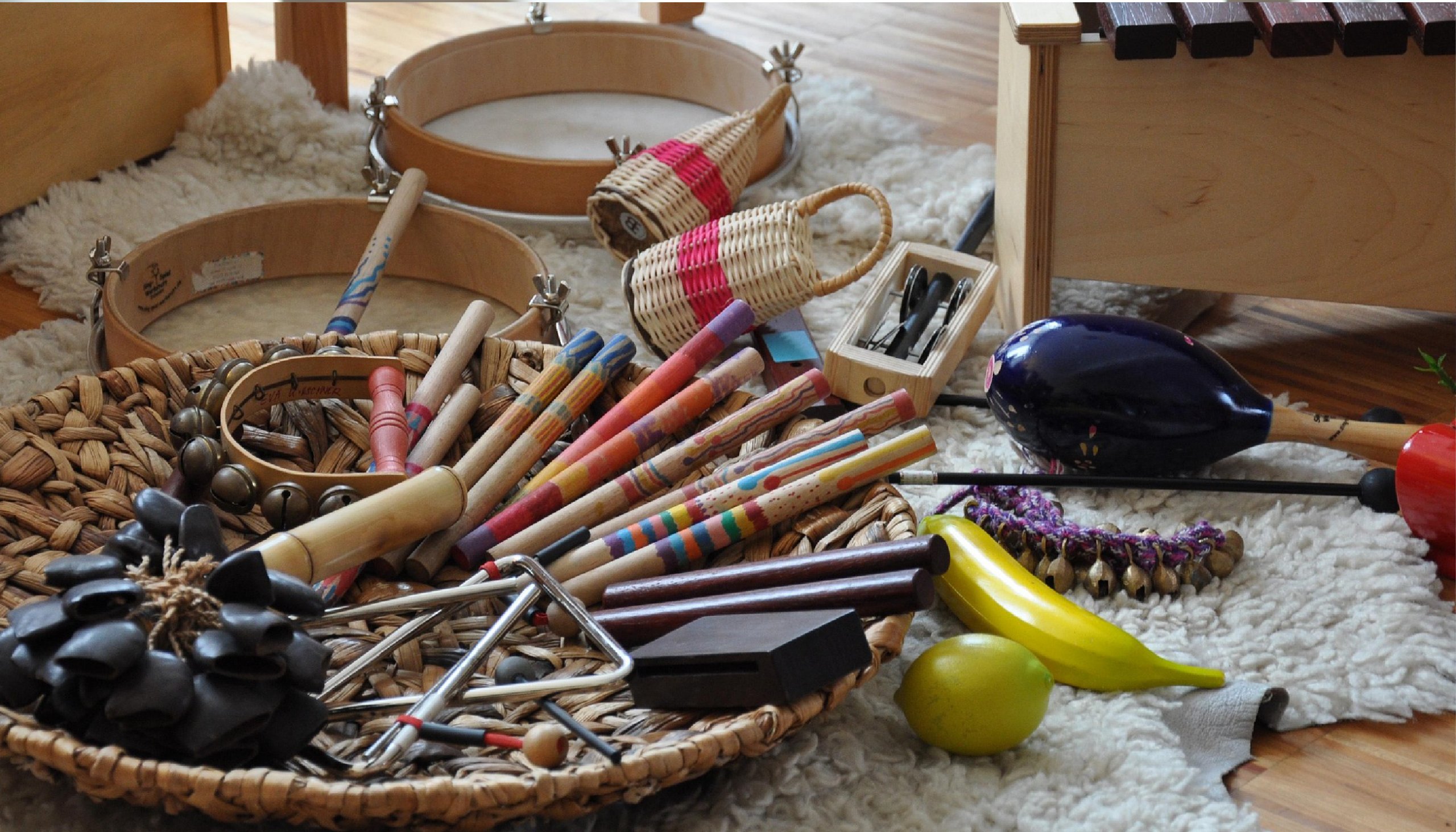



Reinforce Class Learning with Daily 5-Minute Rhythm Routines
Table Of Contents
- Introduction: The Power of Rhythm in Learning
- The Science Behind Rhythm and Learning
- Benefits of Daily Rhythm Routines in Early Childhood
- How to Implement 5-Minute Rhythm Routines in the Classroom
- Supporting Multiple Intelligences Through Rhythm
- 5 Sample Rhythm Routines You Can Use Tomorrow
- Measuring the Impact of Daily Rhythm Activities
- Conclusion: Making Rhythm a Learning Cornerstone
Reinforce Class Learning with Daily 5-Minute Rhythm Routines
In early childhood classrooms across Singapore, educators are constantly seeking innovative yet practical ways to enhance learning experiences. Among these approaches, rhythm-based activities stand out for their remarkable ability to engage young minds and reinforce learning concepts. At The Music Scientist, we’ve observed how even brief, structured musical moments can transform a child’s educational journey. Just five minutes of intentional rhythm activities daily can significantly impact cognitive development, memory retention, and classroom engagement for children ages 4-47 months.
Rhythm routines aren’t merely musical interludes in the day—they’re powerful educational tools that activate multiple regions of the developing brain simultaneously. When children engage with rhythm, they’re not just having fun; they’re building neural pathways that enhance their capacity to learn across all subjects. These short, focused activities create multisensory learning experiences that help cement concepts in ways traditional teaching methods alone cannot achieve.
In this comprehensive guide, we’ll explore how implementing daily 5-minute rhythm routines can become a cornerstone of effective early childhood education. We’ll delve into the science behind rhythm’s impact on learning, provide practical implementation strategies for busy classrooms, and share ready-to-use rhythm activities that support various developmental domains and learning objectives. Whether you’re an experienced educator or new to incorporating music in your teaching practice, these accessible techniques can elevate your classroom experience while supporting each child’s unique developmental journey.
Daily 5-Minute Rhythm Routines
Boost Learning Through Music & Movement
Brain Benefits
Activates multiple brain regions simultaneously, creating neural synchrony for more efficient learning and memory retention.
Skill Development
Enhances memory, focus, language skills, mathematical thinking, motor coordination, and social-emotional growth.
Time Efficiency
Just 5 minutes daily creates significant impact; perfect for transitions, morning routines, and reinforcing curriculum concepts.
5 Ready-to-Use Rhythm Activities
1
Echo Patterns
Create rhythm patterns for children to echo back, strengthening listening skills and working memory.
2
Syllable Drumming
Drum out syllables of theme-related words to reinforce vocabulary and phonological awareness.
3
Number Beat Walk
Children step along a number line to a steady beat, combining mathematical concepts with rhythmic movement.
4
Weather Soundscapes
Create rhythm patterns representing different weather conditions to connect abstract concepts with concrete experiences.
5
Cleanup Countdown
Transform transitions with rhythmic countdowns, creating urgency while maintaining calm organization.
Implementation Keys
Consistency
Daily practice creates the greatest impact on brain development and learning.
Integration
Connect rhythm activities directly to curriculum objectives and learning goals.
Assessment
Observe and document improvements in focus, memory, and learning transfer.
Rhythm isn’t just a musical concept—it’s a powerful learning tool that activates multiple brain regions and creates neural pathways for enhanced learning across all developmental domains.
The Science Behind Rhythm and Learning
The connection between rhythm and cognitive development is rooted in neuroscience. When young children engage with rhythmic activities, their brains light up in remarkable ways. Functional MRI studies have shown that rhythmic processing activates multiple brain regions simultaneously, including those responsible for motor control, language processing, and executive function.
Research from Harvard’s Center on the Developing Child indicates that musical activities, particularly those involving rhythm, create what neuroscientists call “neural synchrony”—a state where different brain regions communicate more efficiently. This synchronization plays a crucial role in how information is processed and stored. For young learners, this translates to more effective learning across all developmental domains.
Rhythm serves as a powerful mnemonic device for young minds. When information is paired with rhythm, children can recall it more effectively. This phenomenon explains why we can often remember song lyrics more easily than prose text. In early childhood education, this memory-enhancing effect of rhythm becomes particularly valuable when teaching fundamental concepts like numbers, letters, and vocabulary.
Furthermore, rhythm activities create predictable patterns that help children develop executive function skills—particularly working memory, cognitive flexibility, and self-regulation. These foundational skills form the basis for all future learning and are strong predictors of academic success. By incorporating brief rhythm routines throughout the school day, educators can strengthen these neural pathways during critical periods of brain development.
Benefits of Daily Rhythm Routines in Early Childhood
Implementing daily rhythm routines yields numerous benefits that extend far beyond musical development. These short yet powerful activities contribute significantly to children’s holistic growth and classroom success:
Enhanced memory and recall: Rhythm creates memory hooks that help children retain information more effectively. Concepts paired with rhythmic patterns are recalled more easily, whether it’s remembering the days of the week or sequence counting.
Improved attention and focus: Structured rhythm activities require sustained attention and help children develop their ability to focus. These skills transfer to other learning activities and classroom settings, reducing distraction and increasing engagement.
Language development acceleration: Rhythm and language are intrinsically linked through patterns of syllables, stress, and intonation. Rhythmic activities support phonological awareness, vocabulary acquisition, and overall communication skills, particularly beneficial for multilingual children.
Mathematical concept reinforcement: Rhythm is inherently mathematical, involving patterns, counting, and sequencing. When children tap, clap, or move to beats, they’re engaging with mathematical concepts in an embodied, experiential way that builds number sense.
Motor skills development: Coordinated movement to rhythm helps develop both fine and gross motor skills. From finger plays to full-body movements, rhythm activities strengthen muscle control, coordination, and spatial awareness.
Social-emotional growth: Group rhythm activities foster cooperation, turn-taking, and social awareness. They create moments of joyful connection that build classroom community while teaching emotional regulation through the physical expression of energy.
Seamless transitions: Brief rhythm routines can transform potentially chaotic transition times into structured learning moments, reducing behavioral challenges and maximizing instructional time.
How to Implement 5-Minute Rhythm Routines in the Classroom
Integrating rhythm routines into your classroom doesn’t require extensive musical training or elaborate equipment. With intentional planning and consistent implementation, these brief activities can become powerful learning enhancers. Here’s how to effectively incorporate them into your daily schedule:
Morning Rhythm Routines
Start each day with a rhythmic greeting that sets a positive tone while reinforcing concepts. A simple “good morning” rhythm pattern that children can repeat and embellish helps establish classroom community while practicing listening skills. This could include clapping patterns that represent each child’s name during attendance or a rhythmic chant that reviews the day’s schedule.
Morning routines are particularly effective for our youngest learners in the Tenderfeet program, where sensory development is paramount. Even infants respond to the predictability and sensory stimulation that rhythm provides, helping them transition into the classroom environment.
Transition Time Rhythms
Transitions between activities are natural pause points where brief rhythm routines shine. A cleanup song with a steady beat helps children move efficiently between tasks. Similarly, a rhythmic cue can signal it’s time to gather on the carpet or prepare for outdoor play.
For our Happyfeet toddlers, transitions can sometimes be challenging. Rhythm provides the structure and predictability that helps these 18-month-olds navigate changes with confidence. A simple rhythm pattern played on a drum or sung can become a recognized signal that helps toddlers understand what comes next in their day.
Subject-Specific Rhythm Activities
Customize rhythm routines to reinforce specific curriculum content. For literacy, create rhythmic chants that emphasize phonemic awareness or vocabulary relevant to your current theme. For mathematics, use body percussion to count by twos or fives, or to create patterns of increasing complexity.
In our Scouts program, we utilize catchy melodies and rhythm patterns to reinforce scientific concepts. Children might bounce balls to represent molecules moving at different speeds or create rainfall sounds with increasing and decreasing intensity to understand weather patterns. These multisensory experiences make abstract concepts concrete and memorable.
For children in our SMART-START English and SMART-START Chinese programs, language-specific rhythm routines support bilingual development through songs and chants that highlight tonal patterns, syllable stress, and linguistic features unique to each language.
Supporting Multiple Intelligences Through Rhythm
One of rhythm’s greatest educational strengths is its ability to engage multiple intelligences simultaneously, making learning accessible to children with diverse learning styles. At The Music Scientist, our curriculum is designed with Howard Gardner’s multiple intelligences theory in mind, and rhythm activities naturally support this approach:
Musical Intelligence: Beyond the obvious musical benefits, rhythm activities develop auditory discrimination, pattern recognition, and sensitivity to the elements of sound—skills that transfer to phonological awareness in language acquisition.
Bodily-Kinesthetic Intelligence: Movement-based rhythm activities, like those in our Groovers program, help children process information through physical sensation. When children embody concepts through movement synchronized to rhythm, they create multisensory memory pathways.
Logical-Mathematical Intelligence: Rhythm involves patterns, sequencing, and proportional thinking. When children create, repeat, and modify rhythm patterns, they’re engaging in mathematical reasoning that strengthens analytical thinking.
Verbal-Linguistic Intelligence: Rhythmic chants and songs enhance vocabulary acquisition, phonemic awareness, and language syntax understanding. The rhythmic structure provides a framework that supports language development.
Interpersonal Intelligence: Group rhythm activities require listening, cooperation, and awareness of others. Children learn to synchronize their actions with peers, developing crucial social skills.
Intrapersonal Intelligence: Engaging with rhythm helps children develop self-awareness and emotional regulation as they express themselves through sound and movement while maintaining control within a structured format.
By incorporating rhythm routines that engage these various intelligences, educators can ensure that all children, regardless of their primary learning style, can access and retain educational content effectively.
5 Sample Rhythm Routines You Can Use Tomorrow
Ready to implement rhythm routines in your classroom? Here are five ready-to-use activities that require minimal preparation yet deliver significant educational benefits:
1. Echo Patterns (Ages 12-47 months)
This simple call-and-response activity strengthens listening skills and working memory. Create a rhythm pattern using claps, taps, or simple percussion instruments, and have children echo it back. Gradually increase the complexity of the patterns as children master simpler ones. This activity takes just 2-3 minutes but powerfully engages auditory processing and concentration.
2. Syllable Drumming (Ages 24-47 months)
Reinforce vocabulary and phonological awareness by drumming out syllables of theme-related words. Say a word clearly, then demonstrate tapping out each syllable: “di-no-saur” gets three taps. This helps children hear the component sounds in words—a crucial pre-reading skill. Extend this by having children suggest words related to your current theme.
3. Number Beat Walk (Ages 30-47 months)
Create a physical number line on your classroom floor with tape markers. Play a steady beat on a drum and have children step from number to number in sequence, saying each number as they step on its marker. Vary the tempo to make it more engaging, or challenge older children by counting by twos or backwards. This combines mathematical concepts with rhythmic movement.
4. Weather Soundscapes (Ages 18-47 months)
During your weather or season units, create rhythm patterns that represent different weather conditions. Light fingertip tapping represents drizzle, while louder slapping sounds create thunderstorms. This sensory approach helps children connect abstract weather concepts to concrete experiences while developing dynamic control and expressive capabilities.
5. Cleanup Countdown (Ages 12-47 months)
Transform cleanup time with a rhythmic countdown. Begin a steady beat and count backwards from 10 (or 5 for younger children), gradually getting quieter as you approach zero. This creates a sense of urgency while maintaining calm organization. When you reach zero, transition to the next activity with a different rhythm cue.
Each of these activities can be adapted for different age groups and developmental stages, making them versatile additions to your teaching repertoire. For our youngest learners in Tenderfeet, simplify by focusing on steady beat and clear contrasts. For older children preparing for primary school in our SMART-START programs, add complexity with layered patterns and abstract connections to academic concepts.
Measuring the Impact of Daily Rhythm Activities
As educators, we value evidence of impact. While the joy and engagement rhythm activities generate are immediately apparent, their deeper educational benefits can and should be tracked over time. Here are effective ways to measure the impact of your daily rhythm routines:
Observational assessment: Create simple rubrics to track children’s rhythmic development, attention span during activities, and ability to follow increasingly complex patterns. Note improvements in coordination, focus, and participation over time.
Connection to learning objectives: Align rhythm activities with specific learning objectives and assess whether children demonstrate better mastery of these concepts compared to when taught through traditional methods alone. For instance, if you’re using rhythm to reinforce counting skills, measure number sequence accuracy before and after implementing rhythm counting activities.
Parent feedback: Share rhythm activities with parents and encourage them to continue them at home. Collect feedback on whether children spontaneously use these rhythmic strategies during home learning or play, indicating internalization of the concepts.
Transition efficiency: Measure the time spent in transitions before and after implementing rhythm transition cues. Many educators report significantly reduced transition times and fewer behavioral challenges when rhythmic cues are consistently used.
Video documentation: Periodically record your rhythm routines to visually track children’s developing competence, confidence, and creativity with rhythmic expression. This documentation provides powerful evidence of growth over time.
At The Music Scientist, our programs incorporate consistent assessment measures that help educators and parents recognize the tremendous developmental gains children make through regular musical engagement. These assessments reveal not just musical growth but improvements across all developmental domains—from language and cognitive skills to social-emotional regulation and physical coordination.
Conclusion: Making Rhythm a Learning Cornerstone
The beauty of 5-minute rhythm routines lies in their accessibility, flexibility, and remarkable educational impact. By incorporating these brief yet powerful activities throughout your classroom day, you’re not simply adding musical elements to your teaching—you’re fundamentally enhancing how children’s brains process and retain information across all learning domains.
Consistent implementation is key. Rather than viewing these routines as occasional enrichment, consider them essential teaching tools that deserve regular space in your schedule. Start with just one or two rhythm routines implemented daily, observe their impact, then gradually expand your repertoire as both you and your students become more comfortable with this approach.
Remember that these activities benefit all children, regardless of their innate musical aptitude. Even children who may not initially respond enthusiastically to music generally find rhythm activities engaging when they’re presented as games that support other learning objectives they care about.
At The Music Scientist, we’ve witnessed thousands of Singapore’s children thrive through developmentally appropriate musical engagement. From our youngest infants in Tenderfeet to our preschool-ready children in SMART-START programs, rhythm serves as a powerful vehicle for learning, connection, and joy. The consistent feedback from both educators and parents confirms what research has long demonstrated: music, particularly rhythm, is not a luxury in early education—it’s a necessity for optimal brain development.
As you implement these rhythm routines in your classroom, you’re not just teaching more effectively—you’re giving children tools for learning that will serve them throughout their educational journey and beyond. When rhythm becomes a cornerstone of your teaching approach, learning becomes more joyful, more accessible, and ultimately more effective for every child in your care.
Want to learn more about implementing effective rhythm routines in your classroom?
The Music Scientist offers professional development workshops for educators and collaborative programming for preschools throughout Singapore. Our expert team can help you design developmentally appropriate musical activities that align with your curriculum goals while supporting children’s holistic development.
Table Of Contents
- Understanding the Importance of Music in Early Childhood Education
- Key Components of an Effective Preschool Music Lesson Plan
- Developmental Considerations for Preschool Music Classes
- Comprehensive Music Class Lesson-Plan Template
- Adapting Your Music Lesson Plan for Different Age Groups
- Measuring Progress and Developmental Milestones
- Common Challenges and Solutions in Preschool Music Education
Music education offers preschoolers far more than just entertainment—it provides a powerful medium for cognitive development, emotional expression, and social growth. For preschool teachers seeking to incorporate structured music activities into their curriculum, having a well-designed lesson plan template can transform scattered musical moments into purposeful learning experiences that nurture multiple intelligences simultaneously.
At The Music Scientist, we’ve observed how thoughtfully structured music classes can dramatically enhance early childhood development. Our experience working with children aged 4 to 47 months has shown that when music education is approached with developmental milestones in mind, it becomes an incredible catalyst for learning across logical, musical, kinesthetic, and verbal domains.
This comprehensive guide provides preschool teachers with a flexible, research-backed music lesson plan template that accommodates various developmental stages. Whether you’re introducing simple rhythm concepts to toddlers or preparing older preschoolers for more structured musical experiences, this template will help you create engaging, educational music sessions that promote holistic development while fostering a lifelong love of music.
Understanding the Importance of Music in Early Childhood Education
Music education during the preschool years lays crucial foundations for cognitive, emotional, and physical development. Research consistently demonstrates that early exposure to structured musical activities enhances brain development in areas responsible for language, spatial reasoning, and mathematical thinking. When children engage with music at young ages, they’re not just learning songs—they’re developing neural pathways that will benefit them throughout their lives.
Beyond cognitive benefits, music creates a natural platform for social interaction, emotional expression, and cultural exploration. For preschool teachers, music offers an invaluable teaching tool that engages multiple learning styles simultaneously. A child who might struggle with traditional instructional approaches often blossoms when concepts are presented through melody, rhythm, and movement.
At The Music Scientist’s Tenderfeet program, we’ve observed how even infants demonstrate remarkable responsiveness to musical stimulation. This early engagement with music helps build sensory integration skills that form the foundation for later learning. By incorporating structured music activities into the preschool curriculum, teachers can harness this natural learning pathway and create more comprehensive educational experiences.
Key Components of an Effective Preschool Music Lesson Plan
A well-structured music lesson plan for preschoolers balances predictable routines with creative exploration. This balance provides the security children need to engage confidently while offering the novelty that keeps them interested and challenged. Effective preschool music lesson plans typically include several essential components:
First, a consistent opening ritual helps children transition into music time and sets expectations for the session. This might include a welcome song that acknowledges each child or a simple movement activity that helps focus energy and attention. Our Happyfeet program for toddlers demonstrates how these opening rituals create a sense of belonging and prepare young minds for learning.
Second, core musical concept exploration introduces age-appropriate musical elements like tempo, dynamics, or pitch through hands-on activities. For example, preschoolers might learn about dynamics by playing instruments loudly and softly or understand rhythm by moving their bodies to different beat patterns.
Third, thematic integration connects music to broader learning objectives or current classroom themes. When music reinforces concepts being explored in other areas of the curriculum, it strengthens neural connections and deepens understanding. This integration mirrors our approach in the Scouts program, where scientific concepts are reinforced through catchy melodies.
Fourth, instrumental exploration allows children to discover sound-making tools and develop fine motor skills. Even simple instruments like rhythm sticks or shakers provide rich opportunities for sensory exploration and self-expression. Finally, a consistent closing activity provides closure and helps children transition to their next activity.
Developmental Considerations for Preschool Music Classes
When planning music lessons for preschoolers, understanding developmental readiness is essential for creating meaningful learning experiences. Children between ages 3-5 demonstrate remarkable growth in their musical capabilities, but these abilities emerge along a developmental continuum that teachers must recognize and respect.
At around age 3, most children can follow simple musical directions, maintain a steady beat for short periods, and distinguish between fast/slow and loud/soft. Their singing voices are developing, though pitch matching may be inconsistent. By ages 4-5, most children can repeat more complex rhythmic patterns, distinguish between high/low sounds, and participate in group singing with improved pitch accuracy.
Motor skill development also influences musical engagement. Younger preschoolers excel with large motor activities like marching or jumping to music, while older preschoolers can manage more refined movements like finger plays or basic instrumental techniques. Our Groovers program capitalizes on this developmental trajectory by incorporating age-appropriate movement activities that challenge children just enough to promote growth without causing frustration.
Attention spans vary significantly across the preschool years, necessitating thoughtful pacing within lesson plans. While 3-year-olds may engage with a single activity for 3-5 minutes, 5-year-olds might sustain interest for 8-10 minutes. Effective lesson plans account for these differences by providing varied activities and flexible transitions.
Comprehensive Music Class Lesson-Plan Template
The following template provides a framework for a 30-45 minute preschool music class. Each section serves specific developmental purposes while maintaining engagement through varied activities. This template can be adapted for different age groups within the preschool range and customized to align with your curriculum themes.
Section 1: Welcome and Warm-up (5-7 minutes)
Purpose: Establish routine, build community, and prepare bodies and voices for musical engagement.
Activities:
- Welcome Song: A consistent opening song that acknowledges each child (e.g., “Hello [child’s name], we’re glad you’re here today”)
- Body Percussion Warm-up: Simple patterns of clapping, patting, and stomping to establish beat awareness
- Vocal Exploration: Playful voice exercises that explore high/low sounds, different timbres, and expressive qualities
Teacher Guidance: Maintain a consistent structure while allowing for seasonal or thematic variations in the specific activities. Use visual cues and clear modeling to support participation. Similar to our SMART-START English program, incorporate both verbal and visual instructions to accommodate different learning styles.
Section 2: Rhythm and Movement Exploration (7-10 minutes)
Purpose: Develop beat competency, coordination, and spatial awareness while reinforcing musical concepts.
Activities:
- Beat Motion Songs: Songs that encourage steady beat movements (marching, swaying, rocking)
- Circle Dances: Simple formation dances that build social skills alongside rhythmic awareness
- Stop/Go Activities: Musical games that develop listening skills and impulse control
Teacher Guidance: Begin with teacher-directed movements, then gradually incorporate child-initiated movement ideas. Use visual props (scarves, ribbons) to extend movement possibilities and support kinesthetic learners. Verbal instructions should be clear and concise, with visual demonstrations to support understanding.
Section 3: Musical Concept Introduction (5-7 minutes)
Purpose: Introduce or reinforce a specific musical concept through multi-sensory exploration.
Focus Rotation: Each week, focus on one of these fundamental musical concepts:
- Week 1: Dynamics (loud/soft)
- Week 2: Tempo (fast/slow)
- Week 3: Pitch (high/low)
- Week 4: Timbre (sound qualities)
Teacher Guidance: Present concepts using child-friendly language and concrete examples. Incorporate storybooks, puppets, or visual aids to illustrate musical concepts. Include activities that engage multiple sensory pathways, similar to the approach used in our Tenderfeet program, which emphasizes sensory development through musical experiences.
Section 4: Thematic Integration (5-8 minutes)
Purpose: Connect musical experiences to broader curriculum themes and reinforce cross-curricular concepts.
Activities:
- Thematic Songs: Songs that reinforce current classroom themes or seasonal topics
- Musical Stories: Stories enhanced with sound effects, instrumental accompaniment, or movement
- Concept Songs: Original or familiar songs that teach specific academic content (numbers, letters, colors, etc.)
Teacher Guidance: Coordinate with classroom curriculum to reinforce current learning topics. Use props, visual aids, or movement to support comprehension and engagement. This integrated approach mirrors the methodology in our SMART-START Chinese program, where language learning is enhanced through musical activities.
Section 5: Instrumental Exploration (7-10 minutes)
Purpose: Develop fine motor skills, explore sound properties, and build foundational instrumental technique.
Activities:
- Instrument Discovery: Exploration of a featured instrument’s physical properties and sound possibilities
- Echo Patterns: Teacher-led rhythmic patterns for children to repeat on instruments
- Sound Stories: Using instruments to create sound effects for familiar stories
- Instrumental Accompaniment: Adding instrumental parts to familiar songs
Teacher Guidance: Establish clear procedures for distributing, handling, and collecting instruments. Begin with simple exploration before introducing more structured playing techniques. Rotate instrument families throughout the month to provide diverse sound experiences.
Section 6: Cool-Down and Reflection (3-5 minutes)
Purpose: Provide closure to the music experience and transition children to their next activity.
Activities:
- Goodbye Song: A consistent closing song that signals the end of music time
- Reflection Questions: Simple prompts that encourage children to recall and describe their musical experiences
- Listening Moment: A brief guided listening experience with a calming piece of music
Teacher Guidance: Use this time to reinforce key concepts from the lesson and preview what’s coming in the next music class. Keep the energy calm and focused to facilitate smooth transitions to subsequent activities.
Adapting Your Music Lesson Plan for Different Age Groups
The beauty of this template lies in its adaptability across the preschool age spectrum. For younger preschoolers (ages 2.5-3.5), modifications might include:
Shorter activity durations (2-4 minutes per activity) prevent overstimulation and accommodate shorter attention spans. More repetition of familiar songs and activities builds comfort and mastery. Simpler movement patterns focus primarily on large motor skills. More teacher-directed activities provide the structure younger children need. Our Happyfeet program demonstrates how these adaptations create developmentally appropriate experiences for younger preschoolers.
For older preschoolers (ages 4-5), the template can be expanded to include:
Longer, more complex activity sequences challenge growing attention spans and cognitive abilities. More child-directed components allow for creative input and leadership opportunities. More sophisticated rhythmic and melodic patterns stretch developing musical abilities. Greater integration with academic content supports school readiness goals. The progression seen in our Groovers and Scouts programs illustrates how music education can grow in complexity as children develop.
Measuring Progress and Developmental Milestones
Effective music instruction includes intentional assessment of children’s musical development. Rather than formal testing, preschool music assessment typically involves systematic observation of specific musical behaviors. Consider tracking these developmental indicators throughout the year:
Beat competency—observe children’s ability to maintain a steady beat through clapping, moving, or playing instruments. Singing voice development—note pitch matching accuracy and vocal range expansion. Rhythmic pattern reproduction—assess ability to echo increasingly complex patterns. Movement coordination—observe refinement in both locomotor and non-locomotor movements. Social musical engagement—document participation in group music-making and turn-taking activities.
Regular documentation of these observations provides valuable information about children’s development across multiple domains. This assessment approach aligns with the philosophy behind our SMART-START programs, which carefully track developmental progress to ensure children are building the foundations they need for future learning success.
Common Challenges and Solutions in Preschool Music Education
Even with careful planning, preschool music teachers encounter common challenges that require thoughtful solutions:
When facing varied developmental levels within one class, consider implementing station-based activities that allow children to engage at their comfort level. For children reluctant to participate, offer alternative participation roles (like being the “conductor” or “instrument keeper”) and gradually encourage more direct musical engagement. To manage instrument exploration excitement, establish clear routines for distribution and collection, and use visual timers to signal transitions.
For teachers with limited musical training, focus on building a repertoire of songs and activities you can lead confidently, and gradually expand your comfort zone. Use recorded music as needed while developing your skills. When working with limited resources, remember that many effective instruments can be created from recycled materials, and your voice and body percussion are always available resources.
The most successful preschool music educators maintain flexibility while adhering to the structural framework of their lesson plans. This balanced approach—providing both predictable routines and responsive teaching—creates the optimal environment for young musical learners to thrive.
A well-designed music class lesson plan creates the framework for meaningful musical experiences that support preschoolers’ development across multiple domains. By incorporating the elements outlined in this template—consistent routines, age-appropriate concept exploration, movement integration, instrumental experiences, and thematic connections—teachers can create music classes that engage young learners while building important foundations for future learning.
Remember that the true value of preschool music education lies not in perfecting musical performances but in nurturing the natural musical capabilities present in every child. Through thoughtfully planned musical experiences, preschool teachers help children develop core cognitive, motor, and social-emotional skills that will benefit them throughout their educational journey.
As you implement this lesson plan template in your classroom, allow space for both structure and spontaneity. The most meaningful musical moments often emerge when teachers follow children’s lead while maintaining the supportive framework of a well-designed lesson plan. By striking this balance, you’ll create a musical learning environment where every child can discover the joy of musical expression while building crucial developmental skills.
Looking to enhance your preschool music curriculum with professionally designed, developmentally appropriate programs? The Music Scientist offers specialized music enrichment programs that can be brought directly to your educational institution. Our curriculum combines originally composed music with general knowledge themes to enhance memory, focus, motor skills, and early literacy while following developmental milestones. Contact us today to learn how we can collaborate to bring our holistic development approach to your preschool!
Table Of Contents
- Introduction: The Digital Symphony of Children’s Musical Development
- The Importance of Music in Early Childhood Development
- How We Evaluated These Music Apps
- 1. Tiny Tunes Explorer: Best for Babies and Infants (0-12 months)
- 2. Rhythm Pals: Top Choice for Toddlers (12-24 months)
- 3. Musical Me – Preschool Edition: Ideal for Ages 2-4
- 4. Symphony Sandbox: Best for Creative Exploration
- 5. BeatBox Buddies: Perfect for Rhythm Development
- 6. Multilingual Melodies: Best for Language Development
- 7. Instrument Adventurers: Top Pick for Instrument Exploration
- 8. Music Theory Marvels: Best for Foundational Skills
- 9. Sensory Symphony: Ideal for Multi-Sensory Engagement
- 10. Compose & Play: Best for Budding Composers
- Parent Tips: Maximizing Musical App Learning
- Conclusion: Harmonizing Digital and Real-World Musical Experiences
In today’s digital landscape, children’s music apps have evolved beyond simple entertainment to become powerful tools for early cognitive development and musical exploration. As we navigate 2026, the latest generation of music apps for children offers unprecedented opportunities to introduce young minds to the transformative world of melody, rhythm, and creative expression.
At The Music Scientist, we understand that music is far more than just pleasant sounds—it’s a fundamental building block for developing minds. Research consistently demonstrates that early musical exposure enhances neural connections, improves memory, and strengthens mathematical thinking. The right music apps can extend these benefits beyond classroom walls, reinforcing the developmental milestones we nurture in our programs.
Whether you’re a parent of a curious infant just beginning to explore sounds, a toddler discovering rhythm through movement, or a preschooler ready for more structured musical concepts, this comprehensive review will guide you to age-appropriate apps that support your child’s unique developmental stage. We’ve evaluated the top contenders through the lens of our expertise in early childhood musical education, considering both entertainment value and developmental benefits.
Let’s explore these digital tools that can harmoniously complement your child’s musical journey.
The Importance of Music in Early Childhood Development
Before diving into our app recommendations, it’s essential to understand why musical engagement matters so profoundly for young children. At The Music Scientist, our curriculum is built on extensive research showing that music education activates multiple regions of the developing brain simultaneously.
Early exposure to rhythm and melody supports cognitive development in several key areas:
- Neural network formation: Musical activities create new neural pathways during the critical first years of brain development.
- Language acquisition: The patterns and sequences in music directly parallel language processing, preparing children for speech development and early literacy.
- Mathematical thinking: Rhythm, counting, and pattern recognition in music lay the groundwork for mathematical concepts.
- Motor skills development: Moving to music enhances both fine and gross motor coordination.
- Emotional regulation: Musical experiences help children identify, express, and manage emotions in healthy ways.
Quality music apps can reinforce these developmental benefits by providing consistent, engaging experiences that adapt to your child’s growing abilities. When thoughtfully integrated with in-person musical activities, like our Tenderfeet program for infants or Happyfeet classes for toddlers, digital musical tools become powerful allies in nurturing well-rounded development.
How We Evaluated These Music Apps
Our review methodology combines educational expertise with practical considerations for parents. Each app was evaluated based on:
Developmental appropriateness: Apps must align with specific developmental milestones and capabilities of their target age group, similar to how our age-specific programs like Groovers are tailored for specific developmental stages.
Educational value: We assessed each app’s ability to teach musical concepts effectively while engaging multiple intelligences—logical, musical, kinesthetic, and verbal—mirroring our approach in programs like Scouts.
Engagement quality: The best apps capture attention through meaningful interaction rather than flashy distractions, using music to enhance focus and memory.
Customization options: Apps should grow with your child and adapt to their unique interests and abilities.
Parent involvement features: Tools that encourage parent-child musical interaction received higher ratings, as we believe in the power of shared musical experiences.
Ethical design: We prioritized apps with no aggressive monetization tactics, limited or no advertisements, and strong privacy protections for young users.
Now, let’s explore our top 10 recommendations, organized by age appropriateness and educational focus.
1. Tiny Tunes Explorer: Best for Babies and Infants (0-12 months)
Tiny Tunes Explorer creates a gentle introduction to the world of sound, perfectly aligned with the developmental needs of our youngest music enthusiasts. This app stands out for its thoughtful approach to infant sensory development.
Key Features:
The app’s high-contrast visuals respond to any touch, producing soothing instrumental sounds that help babies connect cause and effect. The curated collection of classical compositions is specifically selected to promote neural development, with options to adjust tempo and volume based on your baby’s reactions.
Parents will appreciate the “growth tracker” feature, which suggests new sounds and visual experiences based on your baby’s age and developmental stage—much like our Tenderfeet program that introduces musical concepts appropriate for infants.
Developmental Benefits:
Tiny Tunes Explorer excels at supporting auditory discrimination, visual tracking, and early cause-and-effect understanding. The app’s gentle transitions between sounds help build attention span while avoiding overstimulation—a critical balance for infant development.
Unlike many infant apps that rely on electronic sounds, Tiny Tunes uses high-quality recordings of real instruments, exposing babies to timbres that support more sophisticated auditory development—a principle we emphasize in all our early childhood programs.
2. Rhythm Pals: Top Choice for Toddlers (12-24 months)
Toddlers experience an explosion of movement and language skills, making this the perfect time to introduce more interactive musical experiences. Rhythm Pals brilliantly captures this developmental window.
Key Features:
Rhythm Pals transforms simple taps and swipes into musical exploration. The animated characters respond to touch by playing different instruments, encouraging experimentation with rhythm and tempo. The “dance along” mode uses the device’s camera to detect movement, turning your toddler’s natural energy into a musical game.
The app includes guided musical activities designed for short attention spans, with parent-child duets that create meaningful interaction—a core principle we foster in our Happyfeet classes for this age group.
Developmental Benefits:
Rhythm Pals excels at connecting music with movement, supporting the kinesthetic learning style that dominates in this age group. The app’s vocabulary-building narration introduces simple musical terms through repetition and context, supporting language development alongside musical concepts.
What impressed us most was the app’s “adaptive play” feature, which recognizes your child’s interaction patterns and gradually introduces more complex musical concepts as they demonstrate readiness—mirroring our developmental approach at The Music Scientist.
3. Musical Me – Preschool Edition: Ideal for Ages 2-4
As children enter preschool age, they’re ready for more structured musical concepts while still needing playful engagement. Musical Me strikes this balance perfectly, supporting the transition toward more formal learning.
Key Features:
Musical Me offers a brilliant progression of activities that introduce foundational music concepts through character-driven stories. Children can explore pitch, rhythm, and melody through games that adapt to their skill level, providing just the right amount of challenge to maintain engagement without frustration.
The app includes virtual instruments with simplified interfaces that allow successful music-making while gradually introducing proper technique. The “music journal” feature records your child’s creations, allowing them to revisit and build upon previous musical ideas.
Developmental Benefits:
Musical Me aligns perfectly with the preschool readiness skills we develop in our SMART-START English and SMART-START Chinese programs. The app supports emerging literacy by connecting musical notation to sounds in an intuitive progression. Counting activities embedded in musical games reinforce early numeracy skills.
Perhaps most valuable is the app’s emphasis on focused listening and pattern recognition—cognitive skills that transfer directly to academic readiness. Parents can extend these benefits using the included discussion prompts that connect musical concepts to everyday experiences.
4. Symphony Sandbox: Best for Creative Exploration
Symphony Sandbox stands out for its open-ended approach to musical creation, making it ideal for children who thrive on creative expression. This innovative app transforms musical composition into visual art, appealing to multiple learning styles.
Key Features:
The centerpiece of Symphony Sandbox is its innovative canvas where children paint with sound. Different colors, shapes, and brush sizes produce varied musical elements, allowing children to literally see the music they create. The playback feature lets children hear their compositions while watching the visual elements animate in response.
More structured minds will appreciate the guided creation modes where children can build musical pieces by arranging visual blocks representing different instrumental parts and musical phrases—similar to how we integrate visual elements in our Groovers program to make abstract musical concepts tangible.
Developmental Benefits:
Symphony Sandbox excels at developing creative thinking and experimentation in a no-wrong-answers environment. The visual-auditory connections strengthen neural pathways between different brain regions, supporting cognitive flexibility.
The app’s collaborative mode, which allows multiple users to create together on one device, promotes social skills like turn-taking and collaborative problem-solving—essential capabilities for preschool readiness that we emphasize in our group programs.
5. BeatBox Buddies: Perfect for Rhythm Development
Rhythm is the foundation of all musical skills and has profound connections to language development and mathematical thinking. BeatBox Buddies makes rhythm accessible and engaging for young children through playful characters and progressive challenges.
Key Features:
BeatBox Buddies introduces rhythm through a cast of adorable animal characters, each representing different percussion sounds. Children can tap along with guided patterns or create their own rhythmic sequences that animate the characters in response.
The “rhythm stories” feature uses narrative to teach concepts like tempo, accent, and rhythm patterns, making abstract concepts concrete through context—a technique we use extensively in our own curriculum to make learning meaningful and memorable.
Developmental Benefits:
BeatBox Buddies shines in developing auditory sequencing skills that directly support phonological awareness—a critical precursor to reading success. The physical tapping and movement required reinforces the mind-body connection we emphasize in our Happyfeet program.
Parents will appreciate how the app’s activities naturally support mathematical thinking through pattern recognition, counting, and subdivision—cognitive skills that transfer to many academic domains. The inclusion of global rhythm traditions also introduces cultural awareness through music, broadening children’s perspectives.
6. Multilingual Melodies: Best for Language Development
For families interested in language exposure alongside musical development, Multilingual Melodies offers an immersive experience that leverages the deep connection between music and language acquisition.
Key Features:
Multilingual Melodies presents beloved children’s songs in multiple languages (currently supporting English, Mandarin Chinese, Spanish, French, and Japanese), with authentic pronunciation and cultural context. The visual support helps children connect words to meanings across languages.
The app’s adaptive learning system tracks which songs and languages most engage your child, gradually introducing new vocabulary through musical repetition—a natural learning method that mirrors how we approach language development in our SMART-START Chinese program.
Developmental Benefits:
Multilingual Melodies leverages the unique window of opportunity in early childhood when the brain is optimally wired for both musical and language acquisition. The melodic patterns help children internalize the distinct phonology of different languages, potentially setting the foundation for easier language learning later.
Beyond language acquisition, the app supports cultural awareness and appreciation—social-emotional skills increasingly important in our connected world. The parent dashboard provides conversation prompts to extend learning beyond screen time, creating meaningful interactions around the musical content.
7. Instrument Adventurers: Top Pick for Instrument Exploration
Instrument Adventurers takes children on a global journey through the world of musical instruments, combining play with surprisingly sophisticated learning about how instruments work and sound.
Key Features:
The app’s virtual instrument collection allows children to play simplified versions of over 100 instruments from around the world. Each instrument includes an age-appropriate explanation of how it produces sound, with interactive elements that show the physics of music in action.
The “orchestra mode” lets children arrange multiple instruments to play together, introducing concepts of timbre, harmony, and arrangement in an intuitive way. Virtual “field trips” to concert halls, recording studios, and instrument workshops extend learning beyond just playing.
Developmental Benefits:
Instrument Adventurers excels at connecting music to scientific concepts—vibration, resonance, pitch—in ways young children can understand, similar to our approach in the Scouts program where we use music to foster scientific curiosity.
The app supports auditory discrimination by helping children recognize and categorize different instrumental sounds—a cognitive skill that transfers to phonological awareness for reading readiness. The global perspective also introduces cultural contexts for different musical traditions, broadening children’s worldview through sound.
8. Music Theory Marvels: Best for Foundational Skills
Don’t let the name intimidate you—Music Theory Marvels makes the building blocks of music accessible and engaging for young children through playful, progressive activities that grow with your child.
Key Features:
Music Theory Marvels introduces concepts like high/low, loud/soft, fast/slow through character-driven stories and games that make abstract musical properties concrete. The interactive notation system gradually introduces musical symbols as visual representations of sounds children already recognize.
The app’s adaptive learning path presents concepts in an optimal developmental sequence, similar to how our SMART-START English program carefully sequences learning experiences to build upon existing knowledge.
Developmental Benefits:
Music Theory Marvels excels at developing symbolic thinking—connecting abstract symbols to concrete sounds—a cognitive skill that directly transfers to reading readiness. The sequencing activities support executive function development as children learn to recognize and reproduce patterns.
What sets this app apart is how it integrates music theory concepts with storytelling and emotional expression, helping children understand how musical elements create mood and meaning. This approach supports emotional intelligence alongside musical knowledge.
9. Sensory Symphony: Ideal for Multi-Sensory Engagement
Sensory Symphony creates a uniquely immersive musical experience that engages multiple senses simultaneously, making it particularly valuable for holistic development and inclusive learning.
Key Features:
Sensory Symphony transforms musical input (either through the microphone or by playing in-app instruments) into synchronized visual and haptic feedback. Children can literally see and feel the music they create, with customizable sensory settings to match individual preferences and sensitivities.
The app includes guided “sensory stories” that combine narration, music, and visual elements to create immersive experiences that develop listening skills and imagination. The collaborative mode allows multiple children to contribute to a shared sensory experience.
Developmental Benefits:
Sensory Symphony excels at strengthening cross-modal processing—the brain’s ability to integrate information from multiple senses. This cognitive skill supports learning across domains and is particularly valuable during the early years when neural connections are rapidly forming.
The app’s multi-sensory approach mirrors the integrated sensory experiences we provide in our Tenderfeet program, where we combine auditory, visual, and tactile stimulation to create rich learning environments. For children with diverse learning styles or sensory processing differences, the app’s customization options ensure an optimal experience for every child.
10. Compose & Play: Best for Budding Composers
Compose & Play takes children’s natural creativity to the next level by providing intuitive tools for music composition that grow increasingly sophisticated as children develop their skills and musical understanding.
Key Features:
The app begins with simple drag-and-drop musical blocks representing different melodic and rhythmic patterns that children can arrange to create songs. As children demonstrate readiness, the app gradually introduces more detailed control over individual notes, dynamics, and instrumentation.
The “inspiration station” offers musical starting points based on different emotions, stories, or natural phenomena, helping children connect music composition to expression and communication—a core principle in our curriculum at The Music Scientist.
Developmental Benefits:
Compose & Play excels at developing higher-order thinking skills like analysis, synthesis, and evaluation as children make choices about their musical creations. The iterative composition process builds perseverance and problem-solving as children refine their work.
Perhaps most valuable is how the app supports emotional intelligence by encouraging children to express feelings through musical choices, then reflect on how different elements create different emotional responses. This metacognitive approach prepares children for more sophisticated creative work across domains.
Parent Tips: Maximizing Musical App Learning
While these apps offer tremendous educational value, their benefits are multiplied when thoughtfully integrated into a broader approach to musical development. Here are our expert recommendations for parents:
Balance Digital and Physical Musical Experiences
Apps should complement, not replace, hands-on musical exploration. Follow digital sessions with related physical activities—clapping the rhythms your child created in the app, singing the melodies they composed, or dancing to the songs they explored.
Co-Play Whenever Possible
Children learn best through social interaction. Rather than using music apps as independent activities, sit with your child and participate in the experience. Ask questions, make observations, and share your own musical responses to deepen learning.
Connect App Content to Real-World Music
Help children transfer digital musical learning to the world around them. Point out instruments they’ve explored in the app when you hear them in songs. Notice rhythm patterns similar to those in their apps in everyday sounds like rainfall or cooking.
Establish Healthy Digital Habits
Even the highest-quality apps should be used in moderation. Set reasonable time limits and transition strategies, perhaps ending each session by singing a favorite song together or planning which musical activities to try next time.
Consider complementing app-based learning with structured musical experiences like our Groovers or Scouts programs, where trained educators can build on the foundations established through app play while adding the irreplaceable element of human interaction.
Conclusion: Harmonizing Digital and Real-World Musical Experiences
The musical apps we’ve reviewed represent the best of what technology can offer young children on their musical journey. Each provides unique opportunities to explore, create, and learn in ways that support holistic development across cognitive, physical, and emotional domains.
At The Music Scientist, we believe that early musical experiences—whether digital or in-person—lay the foundation for lifelong learning and creativity. The neural pathways formed through musical engagement support not just artistic development but academic readiness and social-emotional intelligence as well.
As you explore these apps with your child, remember that you remain their most important musical influence. Your enthusiasm, participation, and responsiveness amplify the learning potential of any musical experience. We encourage you to use these digital tools as starting points for deeper musical exploration together.
For families interested in further nurturing their child’s musical development through expert-guided, developmentally appropriate programs, we invite you to explore our age-specific offerings at The Music Scientist. From our sensory-rich Tenderfeet classes for infants to our comprehensive SMART-START programs for preschool readiness, we’re dedicated to helping every child discover the joy and developmental benefits of music.
May your family’s musical journey be filled with discovery, connection, and the special joy that comes from sharing meaningful musical moments together.
Ready to enhance your child’s musical journey with expert guidance?
Discover how The Music Scientist’s developmentally-designed programs can complement your child’s musical app experiences with the irreplaceable benefits of expert instruction and peer interaction.
Table Of Contents
- Introduction to Early Music Education Methods
- The Kodály Method Explained
- The Orff Schulwerk Approach
- The Suzuki Method in Detail
- Comparing All Three Methods: Similarities and Differences
- How to Choose the Right Method for Your Child
- The Music Scientist’s Integrated Approach
- Conclusion: Supporting Your Child’s Musical Journey
Introduction to Early Music Education Methods
When it comes to nurturing your child’s musical development, the teaching method you choose can significantly impact not only their musical abilities but also their cognitive, emotional, and social growth. The world of early childhood music education offers several established methodologies, with Kodály, Orff, and Suzuki standing as the three most prominent approaches. Each of these methods brings a unique philosophy and set of practices to the table, offering different pathways to musical literacy and appreciation.
As parents navigating the options for their little ones’ musical journey, understanding the distinct characteristics, benefits, and potential limitations of each method becomes essential. Whether your child is still in infancy or approaching preschool age, the musical foundation they develop now will serve them throughout their educational journey and beyond.
In this comprehensive guide, we’ll explore the core principles behind each methodology, their approaches to teaching young children, and how they align with different learning styles and developmental stages. By the end, you’ll have a clearer picture of which approach might best resonate with your child’s unique personality and learning preferences, ultimately supporting their holistic development through the power of music.
The Kodály Method Explained
Developed by Hungarian composer and educator Zoltán Kodály in the mid-20th century, the Kodály method is a comprehensive approach to music education that places singing at its core. Kodály believed that music should be accessible to everyone and that musical literacy is as important as language literacy.
Core Philosophy and Principles
The Kodály approach is founded on the belief that musical education should begin as early as possible—ideally in early childhood when the mind is most receptive to learning. The method prioritizes the human voice as the most accessible and personal musical instrument available to everyone. Kodály famously stated, “What a child has heard in his first six years of life cannot be eradicated later.” This underscores the importance of early exposure to quality musical experiences.
For young learners, the method emphasizes folk music from the child’s native cultural environment. These songs, with their simple melodies and rhythmic patterns, serve as the building blocks for more complex musical concepts later on. The progression is carefully sequenced from simple to complex, following children’s natural developmental patterns.
Teaching Techniques for Early Learners
In a Kodály-inspired class for very young children, you’ll typically observe:
- Singing games and movement activities that engage children physically while they learn musical concepts
- Hand signs (a system where different hand positions represent different pitches) to help children visualize melodic relationships
- Rhythmic syllables (ta, ti-ti, etc.) that make abstract rhythmic concepts tangible
- Echo singing where teachers model short musical phrases for children to repeat, developing their listening and vocal skills
For babies and toddlers between 4-47 months (the age range served by Tenderfeet and Happyfeet programs), Kodály-inspired activities focus heavily on caregiver-child musical interactions, simple folk songs, and gentle movement activities that help children internalize steady beat and basic musical patterns.
Developmental Benefits
The Kodály method offers several developmental advantages for young learners:
Children develop strong aural skills through consistent exposure to singing, which translates to better listening abilities in other areas of learning. The sequential nature of the method builds a solid foundation for musical literacy that parallels language development. Additionally, the focus on folk music connects children to their cultural heritage while providing accessible material appropriate for their developmental stage.
The Orff Schulwerk Approach
Developed by German composer Carl Orff and colleague Gunild Keetman, the Orff Schulwerk (meaning “Orff schoolwork”) approach emphasizes learning music through play, exploration, and improvisation. Unlike some more structured methods, Orff is characterized by its child-centered, experiential approach to music-making.
Philosophy and Guiding Principles
At the heart of the Orff approach is the concept of “elemental music”—music that integrates speech, movement, rhythm, and melody in ways that feel natural and accessible to children. The approach views children as natural music-makers who learn best through play and discovery rather than formal instruction. Orff educators create an environment where children can explore sound first, with formal notation coming later after extensive hands-on experience.
For Orff practitioners, the process of making music is as important as the final product. The approach values creativity and expression, encouraging children to compose and improvise from their earliest musical experiences. This aligns perfectly with how children in Groovers classes learn through exploration and movement.
Teaching Methods for Young Children
In an Orff-inspired early childhood music class, you might observe:
- Body percussion (clapping, patting, stomping) as an immediate way to experience rhythm
- Simple percussion instruments specially designed for young children, including xylophones, glockenspiels, and drums
- Rhythmic speech and rhymes that serve as the basis for musical activities
- Creative movement that helps children embody musical concepts
- Improvisation games that encourage musical exploration within structured parameters
For very young children, Orff activities focus on sensory exploration of sound, movement games, and simple instrumental play. The approach recognizes that babies and toddlers learn through their bodies and senses, making it particularly well-suited for this developmental stage.
Benefits for Early Development
The Orff approach offers several unique developmental benefits:
Children develop creativity and problem-solving skills through regular improvisation and composition activities. The multisensory nature of the approach engages multiple learning styles simultaneously, supporting holistic development. Additionally, the emphasis on group music-making fosters social skills, cooperation, and communication from an early age.
The Suzuki Method in Detail
Developed by Japanese violinist Shinichi Suzuki in the mid-20th century, the Suzuki method (also called the “Mother Tongue Method”) was originally created for violin instruction but has since been adapted for other instruments. Suzuki’s approach is based on his observation that children learn their native language naturally through immersion, imitation, and positive reinforcement.
Core Philosophy and Principles
The Suzuki method is founded on the belief that musical ability is not inborn but can be developed in all children given the right environment. Just as children learn to speak before reading, Suzuki students learn to play by ear before learning to read music. This approach emphasizes creating a nurturing environment where children develop ability through listening, repetition, and positive reinforcement.
Parental involvement is a cornerstone of the Suzuki approach. Parents attend lessons, learn alongside their children, and facilitate daily practice at home. This three-way partnership between teacher, parent, and child creates a supportive learning ecosystem that nurtures musical development.
Teaching Methods for Early Learners
In a Suzuki program for young children, you’ll typically see:
- Daily listening to the Suzuki repertoire, creating musical immersion similar to language acquisition
- Step-by-step skill building with each new ability broken down into manageable parts
- Group classes that complement individual lessons and develop ensemble skills
- Delayed music reading until the child has developed basic playing technique
- Consistent review of previously learned pieces to refine skills
While traditional Suzuki instruction often begins around age 3-4, the principles of the approach can inform music education for even younger children. For infants and toddlers, Suzuki-inspired activities might include extensive listening to quality recordings, simple rhythm games, and early exposure to live music performance.
Developmental Benefits
The Suzuki method offers several notable benefits for early development:
Children develop exceptional listening skills and musical memory through the ear-training focus of the method. The structured, sequential approach builds discipline, focus, and attention span from an early age. Furthermore, the emphasis on parental involvement strengthens the parent-child bond through shared musical experiences.
Comparing All Three Methods: Similarities and Differences
While each approach has its distinct philosophy and teaching techniques, Kodály, Orff, and Suzuki methodologies share several common elements that make them effective for early childhood music education:
Where They Align
All three methods recognize the importance of beginning music education early in life, during the critical period of brain development. They all emphasize the importance of quality musical material appropriate for children’s developmental levels. Additionally, each approach values creating a positive, supportive learning environment where children can develop confidence alongside musical skills.
Furthermore, all three methodologies acknowledge the connection between music and movement, especially for very young learners. They recognize that children experience music physically before understanding it intellectually.
Key Differences
Despite these similarities, there are significant differences in emphasis and approach:
Primary Focus: Kodály centers on developing musical literacy through singing, Orff emphasizes creative expression through instrumental play and movement, while Suzuki focuses on instrumental technique development through listening and imitation.
Learning Sequence: Kodály follows a carefully structured sequence based on children’s developmental readiness, Orff allows for more exploration within broader conceptual frameworks, and Suzuki follows a standardized repertoire sequence that builds skills progressively.
Role of Notation: Kodály introduces notation early as part of comprehensive musicianship, Orff delays notation until after extensive experiential learning, and Suzuki postpones reading music until basic playing technique is established.
Parental Involvement: While all methods value family support, Suzuki requires the most formal parental participation, with parents attending lessons and facilitating daily practice.
How to Choose the Right Method for Your Child
Selecting the most appropriate music education approach depends on several factors, including your child’s age, temperament, learning style, and your family’s goals for music education.
Consider Your Child’s Learning Style
Children with strong aural learning preferences might thrive in Suzuki or Kodály environments where listening and singing are emphasized. Kinesthetic learners often connect well with the Orff approach’s emphasis on movement and physical engagement with music. Visual learners might benefit from the concrete representations found in Kodály’s hand signs or the colorful instruments in Orff classrooms.
It’s important to recognize that very young children (4-47 months) typically engage with music through multiple sensory channels simultaneously. Programs like Tenderfeet for infants and Happyfeet for toddlers understand this and incorporate elements that appeal to different learning styles.
Age and Developmental Considerations
For babies (4-17 months), programs that encourage caregiver participation, include gentle movement activities, and expose children to diverse sounds and rhythms are ideal. These often incorporate elements of all three methodologies adapted for infants’ developmental needs.
Toddlers (18-35 months) benefit from more active participation in music-making, with opportunities to explore rhythm instruments, engage in musical games, and begin developing vocal control. At this stage, Orff and Kodály-inspired activities often work particularly well.
Preschoolers (36-47 months) are ready for more structured musical activities that build pre-literacy skills and prepare them for potential instrumental study. Programs like SMART-START English and SMART-START Chinese integrate music with language development to prepare children for formal education.
Family Commitment and Goals
Consider your family’s schedule, resources, and long-term musical goals when choosing an approach. The Suzuki method requires significant parental involvement, with parents attending lessons and facilitating daily practice. Kodály and Orff programs typically require less home practice for very young children but still benefit from musical reinforcement at home.
If your primary goal is to foster a love of music and support general development, any of the three approaches can be effective when well-implemented. If you’re specifically preparing your child for instrumental study, Suzuki or Kodály might offer more direct pathways. If creativity and self-expression are priorities, Orff’s improvisational approach might be most aligned with your goals.
The Music Scientist’s Integrated Approach
At The Music Scientist, we recognize the value in each of these established methodologies. Rather than adhering strictly to a single approach, our programs thoughtfully integrate elements from Kodály, Orff, and Suzuki, along with cutting-edge research in early childhood development and neuroscience.
Our Holistic Methodology
Our curriculum draws from the singing emphasis and sequential learning of Kodály, the creative exploration and movement components of Orff, and the listening focus and parent involvement aspects of Suzuki. This integration allows us to address multiple learning styles and developmental domains simultaneously.
What sets our approach apart is how we specifically target multiple intelligences through our music programming. Our Scouts program, for example, uses catchy melodies to foster a love for science, engaging both musical and logical intelligences. Similarly, our Groovers classes develop kinesthetic intelligence alongside musical skills.
Age-Appropriate Programming
Each of our programs is carefully calibrated to meet children at their developmental level:
For our youngest learners in Tenderfeet (4-17 months), we emphasize sensory experiences, caregiver bonding through music, and foundational listening skills that draw from both Suzuki and Kodály principles.
In Happyfeet (18-35 months), toddlers experience more interactive musical activities that incorporate Orff’s emphasis on exploration alongside structured singing games inspired by Kodály.
Our SMART-START programs for older preschoolers build on these foundations while specifically preparing children for the transition to formal education, integrating music with cognitive and pre-literacy skills.
Research-Based Curriculum Design
Beyond traditional music education approaches, our curriculum incorporates findings from developmental psychology and neuroscience research. We understand how music activates multiple brain regions simultaneously, strengthening neural connections during the critical early years.
Our original compositions are crafted to support specific developmental goals, from language acquisition to executive function development. By pairing music with general knowledge themes, we enhance memory formation and knowledge retention in young learners.
This science-informed approach ensures that children not only develop musical skills but also gain cognitive, social, emotional, and physical benefits that support their holistic development.
Conclusion: Supporting Your Child’s Musical Journey
As we’ve explored throughout this article, Kodály, Orff, and Suzuki methodologies each offer valuable approaches to early childhood music education, with distinct philosophies and techniques that can benefit young learners in different ways. Understanding these differences allows parents to make informed choices about their children’s musical journeys.
Rather than viewing these methods as competing approaches, consider them complementary pathways to musical development. Many successful music educators draw from multiple methodologies, adapting techniques to meet the needs of individual children. At The Music Scientist, our integrated curriculum demonstrates how elements from each approach can work together to create a comprehensive musical foundation.
What matters most is not which specific methodology you choose, but that your child experiences music in a positive, developmentally appropriate environment that nurtures their natural curiosity and joy in music-making. The early years represent a critical window for musical development, and consistent, quality musical experiences during this time can set the stage for lifelong musical engagement and learning.
Whether your child is just beginning their musical journey or already engaged in music learning, remember that your support and enthusiasm are perhaps the most important factors in their musical growth. By providing a rich musical environment at home and seeking quality music education experiences, you’re giving your child a precious gift that will enrich their development across multiple domains.
Experience Our Integrated Music Education Approach
Ready to discover how The Music Scientist can support your child’s musical development? Our age-appropriate programs combine the best elements of Kodály, Orff, and Suzuki methodologies with cutting-edge developmental science.
Book a trial class or speak with our education specialists to find the perfect program for your child’s age and learning style.
Table Of Contents
As parents, we all want to give our children the gift of music—a language that transcends cultural boundaries and provides lifelong cognitive benefits. But when it comes to selecting that very first musical instrument, many of us find ourselves overwhelmed with questions: Which instrument is age-appropriate? Will it support my child’s developmental needs? And perhaps most practically, how can we make this investment without breaking the bank?
At The Music Scientist, we understand these concerns. With our expertise in early childhood musical development for children aged 4 to 47 months, we’ve guided countless Singapore parents through this important decision. The right first instrument isn’t just about making pleasing sounds—it’s about matching your child’s developmental stage, learning style, and natural inclinations to create a positive relationship with music from the very beginning.
This comprehensive guide will walk you through selecting an instrument that nurtures your child’s cognitive, physical, and emotional development while considering practical matters like budget and space constraints. Whether your little one is still exploring sounds through sensory play or ready for more structured musical learning, we’ll help you make an informed choice that sets the foundation for a lifetime of musical joy.
Why Early Musical Instrument Exposure Matters
Before diving into specific instrument recommendations, it’s important to understand why early exposure to musical instruments is so valuable. Research consistently shows that musical engagement during the formative years creates neural pathways that benefit children far beyond the realm of music itself.
Children who interact with musical instruments from an early age often demonstrate enhanced:
- Cognitive abilities, including improved memory and spatial reasoning
- Language development and phonological awareness
- Mathematical thinking and pattern recognition
- Fine and gross motor coordination
- Social skills and emotional regulation
At The Music Scientist, our curriculum is specifically designed around these developmental principles. Through our Tenderfeet program, even infants as young as 4 months begin their musical journey through sensory-rich experiences that stimulate multiple areas of the brain simultaneously.
The key is not to rush formal instrument training, but rather to provide age-appropriate musical tools that allow for exploration, play, and gradual skill development. This approach builds a positive association with music while respecting your child’s developmental timeline—setting the stage for more structured learning when they’re ready.
Age-Appropriate Instrument Recommendations
Selecting an instrument that matches your child’s physical capabilities and cognitive development is crucial for fostering confidence and enjoyment. Here’s our developmentally informed guide to age-appropriate instruments, with budget considerations for each stage:
Infants (0-12 Months)
During the first year, babies are sensory explorers who learn through touch, sight, and sound. The best “instruments” at this stage are simple percussive tools that engage multiple senses:
Recommended instruments:
- Egg shakers – These lightweight percussion instruments fit perfectly in tiny hands and produce immediate sound feedback. Look for non-toxic materials with sealed chambers.
- Soft hand drums – Babies can experience cause and effect by patting or striking the surface.
- Wrist or ankle bells – These can be attached to baby’s limbs, creating sound with natural movement.
Budget option: Create homemade shakers using clean, sealed plastic containers filled with rice or beans (ensure they’re tightly sealed and supervised during use). A small pot and wooden spoon also makes an excellent first drum set!
In our Tenderfeet program, we introduce infants to these fundamental sound-making tools in a structured environment that supports their natural exploration while building neural connections that form the foundation for future musical learning.
Toddlers (1-3 Years)
Toddlers have improved motor control and a growing desire for independence. Their instruments should allow for more intentional sound-making while still being easy to master:
Recommended instruments:
- Tambourines – These combine multiple sound elements (jingles and drum surface) and can be played in various ways.
- Xylophones with large bars – Toddler-specific models with chunky mallets help develop hand-eye coordination.
- Maracas – These encourage rhythmic movement and are virtually impossible to play “incorrectly.”
- Small djembe drums – These introduce concepts of different sounds from one instrument (center vs. edge strikes).
Budget option: Look for plastic versions of these instruments, which typically cost 30-50% less than wooden ones while still producing satisfying sounds. Many toy stores offer instrument sets for under S$30 that include several percussion options.
Our Happyfeet program introduces toddlers to these instruments through guided exploration that encourages both independent discovery and group musical participation—building both confidence and social skills simultaneously.
Preschoolers (3-5 Years)
Preschoolers are developing more refined motor skills and longer attention spans, making them ready for instruments that introduce basic musical concepts:
Recommended instruments:
- Keyboard/piano – Child-sized keyboards with 25-32 keys are perfect for introducing melodic concepts. The visual layout of keys helps children understand musical patterns.
- Ukulele – Smaller than a guitar with softer nylon strings, the ukulele’s four strings make it manageable for small hands.
- Rhythm sticks – These help develop coordination and introduce concepts of steady beat and rhythm patterns.
- Melodicas – Combining keyboard layout with breath control, these instruments prepare children for wind instruments later.
Budget option: Entry-level keyboards can be found for S$80-120, while starter ukuleles are available from S$30-50. For keyboards, consider second-hand markets where quality instruments are often available at significant discounts.
In our Groovers program, we use these more complex instruments to introduce fundamental music concepts while maintaining a playful approach that keeps children engaged and eager to learn.
Early Primary (6+ Years)
By this age, children have developed the physical coordination and cognitive ability to handle more traditional instruments and begin formal instruction:
Recommended instruments:
- Recorder – This wind instrument is a traditional starting point that teaches breath control, finger placement, and note reading.
- Piano – With a full-sized keyboard, children can now explore the full range of melodic and harmonic concepts.
- Violin – Available in fractional sizes (1/16 through 4/4), violins can grow with your child.
- Guitar – Half or three-quarter sized guitars accommodate smaller bodies while teaching the same skills as full-sized instruments.
Budget option: Consider instrument rental programs, which typically cost S$30-60 monthly for quality student instruments. This approach allows children to try instruments before committing and upgrades as they grow. For recorders, quality plastic models (S$15-25) often outperform inexpensive wooden ones in playability and durability.
Our SMART-START English and SMART-START Chinese programs prepare children for this transition to more formal music education, developing the focus, discipline, and foundational musical understanding needed for success.
Developmental Considerations
Beyond age, several developmental factors should influence your instrument selection to ensure the best match for your unique child:
Fine Motor Skills
Children develop fine motor control at different rates. When evaluating an instrument, consider:
Does your child enjoy detailed activities like drawing with crayons or manipulating small objects? Children with advanced fine motor skills may find success with string instruments or keyboard instruments earlier.
For children still developing these skills, larger percussion instruments or instruments with simpler hand positions (like the recorder with its large finger holes) might build confidence while developing dexterity.
Through programs like Scouts, we incorporate musical activities that progressively build fine motor skills through engaging, age-appropriate challenges.
Attention Span
Consider how your child engages with other activities:
Does your child show sustained focus on projects, or do they prefer frequent changes in activity? Instruments that provide immediate sound feedback (percussion, keyboards) often work better for children with shorter attention spans.
Instruments requiring setup and tuning (string instruments) may frustrate children who are eager to make music immediately but may appeal to methodical children who enjoy processes.
At The Music Scientist, we use originally composed music with varied tempos and styles to gradually extend attention spans, preparing children for the focused practice future instrument mastery requires.
Learning Styles
Different instruments align better with different learning approaches:
- Visual learners often connect well with keyboard instruments, where notes are laid out in a visible pattern.
- Kinesthetic learners may prefer percussion instruments that involve whole-body movement or string instruments that provide tactile feedback.
- Auditory learners might excel with wind instruments where subtle listening skills affect tone production.
Our holistic approach addresses multiple intelligences through integrated activities, helping parents identify their child’s dominant learning styles. This understanding proves invaluable when selecting instruments that align with natural learning preferences.
Budget-Friendly Options
Quality musical experiences don’t have to strain your family’s finances. Here are strategic approaches to providing excellent instruments within various budget constraints:
Quality Affordable Instruments
Several manufacturers specialize in student instruments that balance quality with affordability:
Percussion: Brands like Remo and Meinl offer entry-level drums and percussion with authentic sounds at reasonable prices (S$20-50 for quality egg shakers, tambourines, and beginner drums).
Keyboards: Casio and Yamaha produce reliable beginner keyboards with educational features starting around S$100-150.
String Instruments: Look for respected student brands like Stentor for violins and Cordoba for ukuleles and guitars, which maintain playability while reducing cosmetic embellishments.
Expert tip: Avoid instruments marketed as toys in favor of entry-level real instruments. The sound quality difference significantly impacts a child’s musical development and enthusiasm.
Rental Programs
Instrument rental provides several advantages for families:
Try before committing: Children can explore an instrument without a major initial investment.
Quality assurance: Rental instruments from reputable music stores typically meet playability standards that many budget purchase options don’t.
Growth accommodation: Programs often allow exchanges as children grow (particularly important for string instruments).
Maintenance coverage: Many rental agreements include basic repairs and adjustments.
In Singapore, several music schools and instrument shops offer rental programs with monthly fees ranging from S$30-80 depending on the instrument. Many provide rent-to-own options where a portion of payments contributes toward eventual purchase.
Second-hand Instruments
The pre-owned market offers exceptional value for budget-conscious families:
Where to look: Beyond Carousell and Facebook Marketplace, check with music schools that often facilitate instrument sales between families. Music stores occasionally offer certified pre-owned instruments with limited warranties.
Inspection tips: When possible, have a music teacher or experienced player evaluate the instrument before purchase. For string instruments, budgeting for professional setup (S$30-50) can transform an average second-hand instrument into a highly playable one.
What to avoid: Be wary of instruments with structural damage, excessive wear on critical components, or signs of repair by inexperienced hands.
Safety consideration: For wind instruments, factor in the cost of professional sanitizing (approximately S$30-40) unless you’re certain of the instrument’s history and condition.
Making Music Learning Enjoyable
The most important factor in a child’s musical journey isn’t the instrument itself, but the experience surrounding it. Here are key principles we’ve found critical at The Music Scientist:
Follow, don’t force: Observe your child’s natural interests rather than imposing instrument choices. A child excited about their instrument will progress faster than one practicing reluctantly.
Create musical environments: Before formal lessons, immerse children in musical play. Simple jam sessions with family members using basic percussion create positive associations with music-making.
Celebrate small victories: Learning an instrument involves many incremental achievements. Acknowledge these moments to build confidence and motivation.
Model musical engagement: Children whose parents or caregivers also engage with music—even as beginners—typically show more sustained interest. Consider learning alongside your child or showing genuine interest in their musical exploration.
Connect with developmental milestones: When children understand how their growing capabilities enable new musical skills, they experience pride in their development. Our research-based curriculum at The Music Scientist explicitly makes these connections, helping children recognize their own progress.
Through programs like Tenderfeet, Happyfeet, and Groovers, we create graduated musical experiences that maintain this joy while systematically building skills—a balance that parents can continue at home.
Conclusion
Selecting your child’s first musical instrument represents an exciting milestone in their developmental journey. By matching the instrument to your child’s age, physical capabilities, learning style, and interests—while considering practical budget constraints—you set the foundation for a positive relationship with music that can last a lifetime.
Remember that there’s no single “perfect” first instrument. Many accomplished musicians began their journeys with instruments different from those they eventually mastered. The key is starting with an instrument that provides accessible success, builds confidence, and nurtures curiosity about the world of music.
At The Music Scientist, we’ve witnessed countless children blossom through thoughtfully structured musical experiences. Whether your child begins with simple egg shakers in our Tenderfeet program or is ready for more complex musical concepts in SMART-START, the joy of discovery remains central to the experience.
By approaching instrument selection with knowledge, patience, and attention to your child’s unique qualities, you’re not just introducing them to music—you’re nurturing cognitive development, emotional expression, and a valuable form of communication that transcends language barriers.
Want expert guidance on your child’s musical development journey? Our specialists at The Music Scientist can help match your child’s learning style and developmental stage with the right musical experiences. Contact us today to schedule a consultation or learn more about our developmentally-appropriate music programs for children aged 4-47 months.
Table Of Contents
- Introduction
- The Mathematical Foundation of Rhythm
- Developmental Stages: Rhythm and Math Connections
- Key Mathematical Concepts Developed Through Rhythm
- Practical Rhythm Activities for Math Development
- How Music Education Programs Support Mathematical Thinking
- The Long-Term Benefits: Rhythmic Math Foundations
- Conclusion
The gentle tap-tap-tap of a toddler’s hands on a drum, the bouncing rhythm of a baby being rocked, the steady beat of a preschooler marching to music—these everyday musical moments are secretly powerful mathematical experiences. While they may seem like simple play, these rhythmic activities are actually building critical neural pathways that form the foundation of mathematical thinking.
As parents and educators, we often separate subjects like music and mathematics, viewing them as distinct disciplines. However, research increasingly shows that these domains are deeply interconnected, especially during the crucial early developmental years from infancy through preschool age. Rhythm, in particular, serves as a natural bridge between musical and mathematical learning.
At The Music Scientist, we’ve observed this fascinating connection firsthand through our developmentally-focused music programs for children aged 4 to 47 months. Our curriculum intentionally harnesses the mathematical properties inherent in music to enhance cognitive development across multiple domains—especially logical-mathematical intelligence.
In this article, we’ll explore the profound relationship between rhythm and early math skills, examining how steady beats, patterns, and musical sequences help young minds grasp fundamental mathematical concepts. We’ll break down this connection by developmental stage, offering insights into how babies, toddlers, and preschoolers process rhythmic information differently as their mathematical thinking evolves. Most importantly, we’ll share practical ways parents and educators can intentionally use rhythm to strengthen mathematical foundations during these critical early years.
Rhythm + Math = Early Learning Success
How music naturally builds mathematical thinking in young children
Mathematical Concepts in Rhythm
- Division & Fractions
Musical notes create tangible representations of fractions - Patterns & Sequences
Repetitive rhythms build algebraic thinking foundations - Counting & Numeracy
Keeping steady beats develops internal counting skills - Proportional Thinking
Understanding relationships between note values builds ratio comprehension
Practical Activities by Age Group
For Infants
- Rock or bounce in varied patterns (AAB, AABB)
- Use rhythmic finger plays with predictable sequences
- Introduce cause-effect with simple instruments like maracas
- Sing counting songs with rhythmic emphasis
For Toddlers
- Create simple body percussion patterns to copy & extend
- Use rhythm sticks to count objects while tapping
- Play stop/start musical games for impulse control
- Count steps while walking to different tempos
For Preschoolers
- Create pattern cards with rhythmic notations
- Play “echo” games with complex rhythmic patterns
- Use percussion to represent math concepts
- Create movement sequences following patterns
Long-Term Benefits
School Readiness
Stronger performance in early math assessments
Abstract Thinking
Easier transition to abstract mathematical concepts
Executive Function
Better working memory and cognitive flexibility
Cross-Domain Thinking
Understanding that knowledge transfers between subjects
Rhythm is mathematics in motion
Supporting your child’s mathematical development through joyful musical experiences
The Mathematical Foundation of Rhythm
At its core, rhythm is mathematics in motion. When we break down the elements of rhythm, we discover a structured mathematical system that includes:
Division and fractions: Musical notes are mathematical divisions of time. A whole note divides into half notes, quarter notes, eighth notes—creating a tangible representation of fractions. When a young child experiences rhythm, they’re encountering these mathematical relationships in a concrete, embodied way.
Patterns and sequences: Rhythm relies on repeating patterns and predictable sequences, which are fundamental mathematical concepts. The ability to identify, continue, and create patterns forms the basis of algebraic thinking later in life.
Counting and numeracy: Keeping a steady beat requires internal counting and temporal awareness. Musicians count beats within measures (e.g., 1-2-3-4), demonstrating early numerical sequencing.
Proportional thinking: Understanding the relationship between different note values (a quarter note is twice as long as an eighth note) builds proportional reasoning skills that transfer to mathematical concepts.
Neuroscience research has demonstrated that when children engage with rhythm, they activate many of the same neural pathways used in mathematical reasoning. A 2019 study published in the Journal of Neuroscience found that rhythm processing activates the prefrontal cortex, a brain region critical for mathematical problem-solving and logical thinking.
This natural overlap creates an optimal environment for young children to develop mathematical thinking through musical experiences—often before they encounter formal math instruction.
Developmental Stages: Rhythm and Math Connections
Children’s relationship with rhythm evolves alongside their cognitive development. Understanding these stage-specific connections helps parents and educators provide age-appropriate rhythmic experiences that support mathematical thinking.
Infants (0-12 Months)
Babies are born with an innate sensitivity to rhythm. Research has shown that even newborns can detect changes in rhythmic patterns and demonstrate preferences for certain tempos. During this foundational first year, babies develop mathematical thinking through rhythmic experiences in several ways:
Regularity and prediction: When caregivers rock, bounce, or pat babies in steady rhythms, infants develop the ability to predict what comes next—a precursor to mathematical pattern recognition.
Temporal perception: Exposure to consistent beats helps infants develop an internal sense of time, which later supports understanding of measurement and sequence.
Cause and effect: When babies shake rattles or bang objects and hear resulting sounds, they begin to understand causal relationships—a fundamental mathematical concept.
In our Tenderfeet program, we carefully introduce rhythmic activities designed specifically for infant cognitive development. Sensory experiences like gentle bouncing to varied meters and exposure to rhythmic contrasts help babies begin processing mathematical information through multisensory pathways.
Toddlers (12-24 Months)
As children enter toddlerhood, their ability to interact with rhythm becomes more intentional. During this stage, we observe:
Embodied rhythm: Toddlers begin to move their bodies in response to beats—clapping, swaying, or stepping. This physical engagement with rhythm develops spatial awareness and early one-to-one correspondence (a key counting skill).
Emerging classification: Toddlers begin to distinguish between fast/slow, loud/soft—creating mental categories that support mathematical sorting and classification.
Repetition and familiarity: The toddler’s love of repetition (wanting the same song or rhythmic game over and over) builds pattern recognition and develops expectations about sequence.
Our Happyfeet classes harness this developmental stage by introducing structured rhythmic activities where toddlers engage in simple counting songs, explore tempo variations, and use their bodies to physically interpret musical patterns. These experiences build the neurological foundation for mathematical thinking.
Preschoolers (24-47 Months)
By preschool age, children can engage with rhythm in increasingly sophisticated ways that directly parallel mathematical development:
Pattern creation: Preschoolers don’t just recognize patterns; they can create and extend them using instruments or body percussion (clap-pat-clap-pat).
Symbolic representation: Children begin to understand that musical notes and rhythmic patterns can be represented symbolically—an important precursor to understanding mathematical notation.
Grouping and subdivision: Preschoolers can perceive and reproduce groups of beats (1-2-3, 1-2-3), developing the concept of grouping that supports multiplication and division later.
Sequential memory: Following multi-step rhythmic sequences strengthens working memory and sequential processing—skills directly applicable to mathematical problem-solving.
Our Groovers and Scouts programs introduce more complex rhythmic activities that challenge preschoolers’ emerging mathematical abilities. Through structured musical games and exploration, children develop the pattern recognition, sequencing, and logical thinking skills that will support their transition into formal mathematical learning.
Key Mathematical Concepts Developed Through Rhythm
Rhythmic experiences contribute to specific mathematical skills that form the foundation of early numeracy. Understanding these connections helps us intentionally incorporate rhythm into early childhood development.
Pattern Recognition
Pattern recognition is perhaps the most obvious mathematical skill developed through rhythm. When children experience repeating rhythmic patterns (like boom-clap-boom-clap), they’re developing the same cognitive skills needed to recognize numerical patterns (like 2-4-6-8).
This ability to identify, continue, and create patterns is fundamental to algebraic thinking. Research by Dr. Keith Devlin at Stanford University has shown that children with strong pattern recognition skills in early childhood demonstrate better algebraic reasoning in later school years.
Through structured rhythmic activities, children learn to:
– Identify repeated elements in a sequence
– Predict what comes next based on established patterns
– Recognize variations within patterns
– Create new patterns based on understood rules
These same cognitive processes are essential for understanding number patterns, geometric sequences, and eventually, algebraic functions.
Sequencing and Ordering
Rhythm inherently involves sequencing—placing musical events in a specific order across time. When children learn to follow rhythmic sequences (first we clap, then we stomp, then we tap our shoulders), they’re developing the same sequential thinking needed for mathematical operations.
This sequential understanding builds:
– Ordinal number concepts (first, second, third)
– Understanding of before/after relationships
– The ability to follow multi-step processes
– Memory for ordered information
In our SMART-START English and SMART-START Chinese programs, we incorporate sequencing activities that strengthen these skills while preparing children for the ordered thinking required in formal education.
Spatial-Temporal Reasoning
The “Mozart Effect” research of the 1990s sparked interest in the connection between music and spatial reasoning. While the initial claims were overstated, subsequent research has established that rhythmic training genuinely improves spatial-temporal reasoning—the ability to visualize spatial patterns and transform them over time.
When children engage with rhythm, particularly when combined with movement, they develop:
– Mental rotation abilities
– Understanding of part-whole relationships
– Visualization of transformations
– Mental modeling of abstract concepts
These spatial-temporal skills directly support mathematical concepts like geometry, measurement, and even mental arithmetic, where children must manipulate numbers and quantities in their minds.
Counting and Number Sense
Rhythm provides a natural context for counting. When children count beats, tap rhythms, or participate in counting songs, they’re reinforcing:
– One-to-one correspondence (one number per beat)
– Stable order (numbers always come in the same sequence)
– Cardinality (understanding that the last number counted represents the total)
– Subitizing (instantly recognizing small quantities without counting)
Research published in the Journal of Educational Psychology found that rhythmic activities improved preschoolers’ counting skills more effectively than traditional number instruction alone. The embodied nature of rhythm—feeling beats physically while counting them—creates multiple neural pathways that strengthen numerical understanding.
Practical Rhythm Activities for Math Development
Parents and educators can intentionally incorporate rhythmic activities that support mathematical thinking in everyday contexts:
For infants:
– Rock or bounce babies in different patterns (AAB, AABB) while vocalizing the pattern
– Use finger plays with predictable rhythmic sequences
– Provide simple instruments like maracas that demonstrate cause and effect
– Sing counting songs with rhythmic emphasis on each number
For toddlers:
– Create simple body percussion patterns (clap-tap-clap-tap) for children to copy and extend
– Use rhythm sticks to count objects while tapping
– Play stop/start musical games that develop impulse control and timing
– Count steps while walking to different tempos
For preschoolers:
– Create pattern cards with different rhythmic notations for children to perform
– Play “echo” games where children must repeat increasingly complex rhythmic patterns
– Use percussion instruments to represent mathematical concepts (one big drum beat for “5” and five small taps for “5 units”)
– Create movement sequences that follow mathematical patterns (hop-step-hop-step or step-step-jump, step-step-jump)
These activities are most effective when adults verbalize the mathematical concepts while engaging in the rhythmic play. For example, saying, “Let’s clap in groups of three: 1-2-3, 1-2-3” helps children connect the rhythmic experience to numerical concepts.
How Music Education Programs Support Mathematical Thinking
Structured music education programs, like those offered at The Music Scientist, provide systematic rhythmic experiences that build mathematical thinking in developmentally appropriate ways:
Multisensory learning: Quality music programs engage multiple senses simultaneously, creating stronger neural connections. Children see, hear, and feel rhythm through movement and instrument play, developing robust mental representations of mathematical concepts.
Progressive complexity: Effective programs introduce rhythmic concepts in a carefully sequenced progression, matching children’s cognitive development. This scaffolded approach allows children to build upon existing knowledge, just as mathematical learning builds from simple to complex.
Social reinforcement: Group musical activities provide immediate feedback and social reinforcement for mathematical thinking. When children successfully maintain a steady beat or replicate a rhythmic pattern in a group setting, they receive both internal satisfaction and external validation.
Joyful engagement: Perhaps most importantly, music programs make mathematical thinking enjoyable. The emotional engagement of musical experiences creates optimal conditions for learning, as positive emotional states enhance memory formation and concept retention.
Our curriculum specifically integrates rhythmic activities with mathematical concepts across our developmental programs. From the basic pattern recognition in Tenderfeet to the more complex sequencing activities in Scouts, we deliberately build mathematical foundations through musical experiences.
The Long-Term Benefits: Rhythmic Math Foundations
The mathematical thinking developed through early rhythmic experiences has far-reaching benefits beyond early childhood:
School readiness: Children who enter formal education with strong rhythm-based mathematical foundations demonstrate greater readiness for number concepts and operations. A study by the University of California found that kindergarteners with better rhythm perception showed stronger performance in early mathematics assessments.
Abstract thinking: The ability to understand rhythm as both a physical experience and an abstract concept helps children transition to more abstract mathematical thinking in later years. This bridges concrete and representational thinking—a critical developmental step.
Executive function: Rhythmic activities strengthen executive function skills like working memory, cognitive flexibility, and inhibitory control—all essential for mathematical problem-solving throughout life.
Cross-domain thinking: Perhaps most importantly, children who experience the rhythm-math connection develop an understanding that knowledge transfers between domains. They learn that patterns, relationships, and structures exist across different areas of learning—a powerful metacognitive advantage.
When children participate in our SMART-START programs, they develop these cross-domain connections intentionally, preparing them for the integrated thinking required in formal education and beyond.
Conclusion
The connection between rhythm and early math skills offers a powerful pathway for nurturing young mathematical minds. By understanding how rhythmic experiences naturally support pattern recognition, sequencing, spatial reasoning, and number sense, we can intentionally enrich children’s early years with activities that build mathematical foundations.
At The Music Scientist, we’ve witnessed countless children develop strong mathematical thinking through our developmentally-designed music programs. From the earliest bouncing rhythms experienced by infants in our Tenderfeet classes to the complex pattern work in our preschool-readiness SMART-START programs, we see daily evidence of music’s power to develop logical-mathematical intelligence.
Most importantly, this approach honors how young children naturally learn—through joyful, embodied experiences that engage multiple senses and learning pathways. Rather than isolating mathematical concepts in abstract exercises, rhythm integrates mathematical thinking into activities that children find inherently meaningful and enjoyable.
By intentionally incorporating rhythmic experiences into early childhood education—whether at home, in preschools, or in specialized programs—we can help children develop the mathematical foundations they need for success in formal education and beyond. The steady beat of a drum may very well be laying the groundwork for our next generation of mathematical thinkers.
Want to see how our developmentally-designed music programs can support your child’s early mathematical thinking? Learn more about our age-appropriate classes and schedule a trial session at The Music Scientist today!
Table Of Contents
- Understanding Speech Delay in Toddlers
- The Music-Language Connection: Scientific Background
- How Music Classes Support Speech Development
- Structured Music Classes vs. Casual Music Exposure
- Choosing the Right Music Program for Speech Delay
- Success Stories: Overcoming Speech Delay Through Music
- Complementary Activities to Reinforce Progress
- Conclusion: The Harmonious Path to Communication
When a toddler experiences speech delay, parents often search for effective, engaging interventions that don’t feel like therapy. Music classes offer exactly this balance—a joyful, stimulating environment that simultaneously addresses the core challenges of speech development. At The Music Scientist, we’ve witnessed remarkable transformations as children who struggle to form words begin to sing them instead, opening new neural pathways for communication.
Speech delays affect approximately 5-10% of preschool-aged children, causing concern for parents and potentially impacting social development. However, emerging research confirms what many music educators have observed: structured music education provides powerful support for children’s developing language skills, offering a natural, multisensory approach to overcoming speech challenges.
In this comprehensive guide, we’ll explore the fascinating connection between music and language in the developing brain, the specific mechanisms through which music classes help children with speech delays, and how to select a developmentally appropriate music program that maximizes these benefits. Whether your toddler is experiencing mild verbal hesitancy or has been diagnosed with a specific speech disorder, music may be the key that unlocks their voice.
Understanding Speech Delay in Toddlers
Before exploring how music helps, it’s important to understand what constitutes a speech delay. Speech development follows predictable patterns, though the exact timing varies between children. Typically, by 18 months, most toddlers use at least 10-15 words; by age two, they combine words; and by three, they speak in simple sentences that others can understand.
Speech delays occur when children fall significantly behind these milestones. The causes range from temporary developmental lags to more persistent conditions like hearing impairment, oral motor problems, or developmental disorders. Regardless of the cause, early intervention is crucial—and this is where music classes offer unique advantages.
It’s worth noting that speech delay differs from language delay, though they often overlap. Speech involves the physical production of sounds, while language encompasses understanding and expression of meaning. Music education uniquely addresses both aspects, supporting the physical mechanisms of speech production while building vocabulary and comprehension.
The Music-Language Connection: Scientific Background
The powerful link between music and language development is rooted in neuroscience. Brain imaging studies reveal that music and language processing share significant neural resources, particularly in the temporal and frontal lobes. When children engage with music, they activate many of the same brain regions required for speech.
This neurological overlap explains why musical training enhances linguistic abilities. Research published in the Journal of Neuroscience demonstrates that children with musical training show enhanced neural processing of speech sounds and better phonological awareness—the ability to recognize and manipulate the sound structures of language. Essentially, music training rewires the brain in ways that benefit speech production and comprehension.
Furthermore, both music and language rely on similar auditory processing skills: the ability to distinguish between sounds, recognize patterns, and process timing and rhythm. By strengthening these foundational skills through music, children develop the neurological architecture needed for speech. This is particularly valuable for toddlers with speech delays, as music provides an alternative pathway to build these critical abilities.
How Music Classes Support Speech Development
Structured music classes like those offered at The Music Scientist provide multiple mechanisms that directly address speech challenges in toddlers. These classes create an environment where language development occurs naturally, often without children realizing they’re “working” on their speech.
Rhythm and Phonological Awareness
Rhythm is fundamental to both music and speech. When children clap, march, or play instruments to a beat, they’re developing their ability to segment and organize sounds—a skill directly transferable to breaking words into syllables and sounds. This rhythmic competence forms the foundation of phonological awareness, which research consistently identifies as a predictor of reading and language abilities.
In our Happyfeet program for toddlers, we incorporate rhythmic activities specifically designed to enhance this connection. Children learn to match movements to syllables and words, creating a physical memory of speech patterns. Parents often report that their children begin to break down difficult words rhythmically after participating in these activities, making speech production more manageable.
Melody and Language Processing
Melodic patterns in music closely resemble the prosody (rhythm, stress, and intonation) of speech. For many children with speech delays, singing words is easier than speaking them because the melodic structure provides a framework for articulation. The musical phrase guides the child through the word or sentence, offering auditory cues for pronunciation.
This phenomenon is so powerful that it forms the basis for certain speech therapies, including Melodic Intonation Therapy. In our Groovers music and dance classes, we leverage this connection by teaching songs with varied melodic patterns that highlight different speech sounds and sentence structures, giving children templates for verbal expression.
Repetition and Vocabulary Building
Music classes provide natural, engaging repetition—a key element in language learning. Songs repeat vocabulary in predictable patterns, allowing children to anticipate and gradually join in. This structured repetition differs significantly from rote drilling; it’s enjoyable, multisensory, and embedded in social interaction.
Our curriculum incorporates themed song collections that build vocabulary around specific knowledge domains. For example, in our Scouts program, children learn science concepts through catchy melodies, acquiring specialized vocabulary in a context that makes words meaningful and memorable. This approach is particularly valuable for children with speech delays, who often benefit from focused vocabulary development in engaging contexts.
Structured Music Classes vs. Casual Music Exposure
While any musical exposure benefits children, structured music education offers distinct advantages for addressing speech delays. Casual listening or occasional singing certainly contributes to development, but systematic, developmentally-appropriate music instruction maximizes the speech-language benefits.
Structured music classes provide:
- Progressive skill development that matches children’s developmental readiness
- Multisensory learning experiences that engage multiple intelligences
- Social interaction that motivates communication attempts
- Expert guidance from teachers trained in both music and child development
- Consistent practice that builds neural pathways over time
At The Music Scientist, we’ve designed our curriculum to follow developmental milestones closely. Our Tenderfeet program for infants begins with sensory foundations that support later speech, while our SMART-START English and SMART-START Chinese programs build more advanced verbal skills that prepare children for formal education.
Choosing the Right Music Program for Speech Delay
Not all music programs are equally effective for supporting speech development. When evaluating options for a child with speech delay, parents should consider several factors:
Developmental Appropriateness: The program should match your child’s current abilities while offering appropriate challenges. Look for classes grouped by developmental stage rather than strictly by age, allowing children to progress at their individual pace.
Small Group Size: Children with speech delays benefit from individual attention and opportunities to participate actively. Classes with lower teacher-to-student ratios ensure each child can engage fully.
Multisensory Approach: Effective programs incorporate movement, visual cues, and tactile experiences alongside music, supporting different learning styles and strengthening neural connections across sensory systems.
Parental Involvement: Programs that include parents create continuity between classes and home, allowing techniques to be reinforced throughout the week. At The Music Scientist, we consider parents essential partners in the learning process, providing guidance for supporting speech development through music at home.
Qualified Instructors: Teachers should understand both music education and child development principles, with knowledge of how music supports speech specifically.
Success Stories: Overcoming Speech Delay Through Music
The transformative power of music for speech development is best illustrated through real experiences. While respecting privacy, we can share some composite stories that represent the progress we’ve witnessed:
Three-year-old Min had spoken only a handful of single words when he joined our Groovers program. Though initially hesitant to participate, he was drawn to the drum activities. Within weeks, he began singing word fragments during the hello song. By four months, he was singing complete phrases in songs before attempting them in speech. His parents reported that rhythm games at home became a reliable way to help him work through difficult words.
For five-year-old Aisha, who had received speech therapy for articulation difficulties, our SMART-START English program complemented her formal therapy. The phonological awareness activities helped her distinguish between similar sounds, while the confidence gained through successful musical experiences transferred to her willingness to attempt challenging words in conversation. Her speech therapist noted accelerated progress after she began music classes.
These stories highlight how music provides both the neurological stimulation and the motivational context for speech development. Children who might resist direct speech exercises often enthusiastically engage with the same skills when embedded in musical activities.
Complementary Activities to Reinforce Progress
To maximize the benefits of music classes for speech development, parents can implement complementary activities at home:
Create a Musical Home Environment: Incorporate singing into daily routines like bath time, clean-up, and transitions between activities. Use simple, repetitive songs that encourage participation.
Rhythmic Reading: When reading to your child, emphasize the rhythmic qualities of language. Rhyming books naturally highlight speech patterns and can be read with exaggerated prosody to draw attention to the musicality of language.
Instrument Exploration: Simple instruments like shakers, drums, or bells help children practice coordinating their movements with sound production—a skill that transfers to coordinating the physical aspects of speech.
Movement Integration: Pair words with movements to reinforce meaning and create multiple memory pathways. For example, action songs that combine gestures with lyrics help children connect the physical experience with verbal expression.
These activities extend the structured learning from music classes, creating a comprehensive approach to supporting speech development through musical engagement.
Conclusion: The Harmonious Path to Communication
Music offers a unique pathway to speech development—one that engages children’s natural inclination toward play while building essential neurological connections. For toddlers experiencing speech delays, structured music education provides a non-threatening, joyful environment where communication can emerge organically.
The neurological connections between music and language processing create fertile ground for speech development. Through rhythm, melody, repetition, and multisensory engagement, music classes address the fundamental components of speech in ways that traditional interventions alone may not achieve.
At The Music Scientist, we’ve developed our curriculum with these connections at its core, creating developmental programs that support children’s communication skills alongside their musical abilities. Our approach recognizes that each child’s journey is unique, providing adaptable learning experiences that meet children where they are while guiding them toward their next developmental milestone.
For parents concerned about speech delays, music education offers both hope and practical support—a harmonious path to helping your child find their voice.
The connection between music education and speech development represents one of the most powerful applications of arts in early childhood development. For toddlers with speech delays, structured music classes provide more than just a fun activity—they offer a research-backed approach to building the neural pathways, physical coordination, and confidence needed for verbal expression.
At The Music Scientist, we witness this transformation regularly as children move from hesitant participation to enthusiastic communication through our developmentally-designed programs. The multisensory nature of our curriculum addresses various learning styles and developmental needs, creating an inclusive environment where all children can progress.
If your child is experiencing speech delays, consider music education not as an alternative to traditional speech therapy but as a complementary approach that addresses the same goals through a different, often more engaging modality. The skills developed through musical activities—auditory processing, sequencing, oral motor coordination, and social communication—directly support speech development while providing the joy and motivation that drives learning forward.
Is your toddler experiencing speech delays? Discover how our developmentally-designed music programs can support their communication journey. Contact The Music Scientist today for a free consultation or to schedule a trial class. Together, we’ll help your child find their voice through the power of music.
Table Of Contents
- Understanding Sensory Corners: Benefits for Child Development
- Planning Your Sensory Corner Space
- Essential Elements for an Effective Sensory Corner
- Age-Appropriate Considerations
- Budget-Friendly Sensory Corner Ideas
- Integrating Music and Learning into Your Sensory Corner
- Maintenance and Refreshing Tips
Every child experiences the world through their senses. From the gentle texture of a soft blanket to the soothing rhythm of a lullaby, sensory experiences form the foundation of how children learn, develop, and find comfort. In today’s stimulating world, creating a dedicated calming sensory corner at home can provide your child with a safe haven to explore their senses, regulate their emotions, and nurture their developing minds.
A well-designed sensory corner isn’t just a trendy addition to your home—it’s a developmentally sound space that supports your child’s cognitive, emotional, and physical growth. At The Music Scientist, we understand the powerful connection between sensory experiences and brain development, which is why we’ve created this comprehensive guide to help you establish an effective sensory corner that complements the developmental journey your child experiences in our programs.
Whether you’re creating a space for an infant who’s just beginning to discover the world around them, a curious toddler seeking tactile adventures, or a preschooler who needs a calming retreat, this guide will walk you through everything you need to know about creating a sensory corner that grows with your child and supports their unique developmental needs.
Understanding Sensory Corners: Benefits for Child Development
A sensory corner is a dedicated space filled with items that stimulate or soothe the senses—sight, sound, touch, smell, taste, and the often-overlooked vestibular (balance) and proprioceptive (body awareness) senses. These areas serve multiple purposes in your child’s development journey:
Sensory corners provide a controlled environment for children to process sensory information at their own pace. Research shows that children who engage in regular sensory play demonstrate improved cognitive development, better language acquisition, and enhanced problem-solving abilities. When children explore different textures, sounds, and visual stimuli, they’re building neural pathways that form the foundation for more complex learning later in life.
Beyond cognitive benefits, sensory corners offer emotional regulation tools for children. The predictable, calming elements can help children who feel overwhelmed or overstimulated to self-soothe and regain emotional balance. This is particularly valuable for transitions between activities or before bedtime when children need to calm their bodies and minds.
For younger children, sensory experiences are intrinsically linked to motor development. As babies grasp soft objects or toddlers manipulate textured materials, they’re refining both fine and gross motor skills that are essential for development. These early sensory-motor experiences create the neural foundation that later supports activities from writing to sports.
Planning Your Sensory Corner Space
Before purchasing materials for your sensory corner, carefully consider where this special area will be located in your home. Ideally, a sensory corner should be:
Accessible yet contained: Choose a corner of a commonly used room where you can easily supervise, but that also feels slightly separate from main traffic areas. This might be a corner of the living room, playroom, or even a quiet section of your child’s bedroom.
The right size: Your sensory corner doesn’t need to be large—even a 3×3 foot space can work effectively. What matters more is that it’s clearly defined. Consider using a small rug, cushions, or even a pop-up tent to visually mark the boundaries of this special space.
Free from distractions: Position your sensory corner away from screens, busy windows, or high-traffic doorways. The goal is to create a space where your child can focus on the sensory experiences without unnecessary distractions.
Comfortable and safe: Ensure the base of your sensory corner is comfortable with soft flooring like foam tiles, a plush rug, or cushions. Check that all elements are securely fastened and age-appropriate to prevent safety hazards.
Remember that the ideal sensory corner evolves with your child. A space designed for a crawling baby will look quite different from one created for an active preschooler, so plan with flexibility in mind.
Essential Elements for an Effective Sensory Corner
A well-rounded sensory corner engages multiple sensory systems. Here’s how to incorporate elements that stimulate each sense in a balanced, developmentally appropriate way:
Visual Elements
Visual stimulation forms a crucial part of early sensory development. Consider including:
For calming effects: Soft fairy lights (securely placed out of reach for younger children), a small lamp with a color-changing bulb, or a simple tabletop fountain with gentle movement. These provide visual interest without overwhelming the nervous system.
For engagement: Mirrors (unbreakable), kaleidoscopes for older children, colorful sensory bottles filled with water, food coloring and glitter, or simple light projectors that cast gentle patterns on the wall.
Balance is key when selecting visual elements. Too many bright, flashing lights can overstimulate rather than calm, so choose items that provide gentle visual interest rather than intense stimulation.
Auditory Elements
Sound plays a powerful role in creating either a calming or stimulating environment. Consider:
For calming: A small Bluetooth speaker for playing gentle instrumental music or nature sounds. Research consistently shows that certain music, particularly classical compositions with 60-80 beats per minute, can help regulate children’s nervous systems. At The Music Scientist’s Tenderfeet program, we use specially composed melodies that support infant development—similar music can be effective in your home sensory corner.
For exploration: Simple instruments like egg shakers, a small rain stick, or a gentle wind chime allow children to control sound production and understand cause and effect. Older children in our Groovers program enjoy more complex rhythm exploration—consider adding simple drums or xylophones for preschoolers.
Remember that auditory elements should be controlled by either you or your child—background noise from televisions or household appliances can interfere with the intentional auditory experience of your sensory corner.
Tactile Elements
Touch is perhaps the most fundamental sense for early learning and provides powerful calming and stimulating experiences:
Varied textures: Include a basket of items with different textures—silky scarves, bumpy balls, soft plush toys, and smooth wooden objects. Textured wallpaper samples, fabric swatches, or sensory boards with different materials attached can provide rich tactile feedback.
Manipulatives: For toddlers and preschoolers in our Happyfeet program, we incorporate tactile exploration that supports fine motor development. Similar items for your sensory corner might include therapy putty, kinetic sand in a small container, or water beads (for older children with supervision).
Weighted items: Small weighted stuffed animals or lap pads can provide calming proprioceptive input for children who seek pressure. A child-sized weighted blanket (never more than 10% of your child’s body weight) can be particularly soothing for some children.
Proprioceptive and Vestibular Elements
These often-overlooked senses relate to body position, movement, and balance—crucial for physical development and self-regulation:
Proprioceptive input: Include items that provide gentle resistance or pressure, such as stretchy fabric tunnels, compression sheets, or small therapy bands. These help children understand where their body is in space and can be particularly calming.
Vestibular stimulation: Small rocking chairs, wobble cushions, or balance discs provide gentle movement that helps develop the vestibular system. For very young children, supervised tummy time on a slightly wedged cushion in the sensory corner can provide appropriate vestibular input.
The movement activities we incorporate in our Scouts program demonstrate how vestibular and proprioceptive stimulation support learning across multiple domains—your home sensory corner can complement these benefits with appropriately scaled equipment.
Age-Appropriate Considerations
Children’s sensory needs evolve dramatically in the early years. Here’s how to adapt your sensory corner for different developmental stages:
For Babies (4-12 months)
Babies are just beginning to make sense of sensory input and need simple, clear experiences:
Focus on contrast: High-contrast black and white patterns are visually stimulating for young babies. Consider simple contrast cards or fabric.
Emphasize safety: All items should be washable and too large to pose a choking hazard. Avoid small pieces entirely.
Support position changes: Include a supportive floor cushion that helps with tummy time and sitting practice when supervised.
Simple sounds: Musical toys with clear, gentle sounds rather than electronic cacophony support auditory development without overwhelming.
Our Tenderfeet program introduces sensory experiences like these in a structured environment—your home sensory corner can reinforce these developmental benefits.
For Toddlers (1-2 years)
Toddlers are active explorers who need opportunities to move, manipulate, and discover:
Cause and effect: Items that provide clear feedback when manipulated—such as pop-up toys, simple switches that activate lights, or musical instruments that respond to touch.
Gross motor opportunities: Small climbers, stepping stones, or a balance beam set low to the ground (with supervision) help develop body awareness.
Sensory bins: Introduce supervised sensory bin play with larger materials like fabric pompoms, scarves, or large pasta shapes that pose no choking hazard.
Movement and music: Toddlers in our Happyfeet program thrive with movement paired with music—incorporate similar elements by providing scarves for dancing or simple percussion instruments.
For Preschoolers (3-4 years)
Preschoolers benefit from more complex sensory experiences that support emerging skills:
Problem-solving elements: Incorporate sensory-based puzzles, matching games with textured pieces, or exploration kits with magnifying glasses.
Emotional regulation tools: Introduce items specifically designed to help name and manage emotions—stress balls, glitter calm-down jars, or picture cards showing different feelings.
Pretend play: Add sensory-rich elements that support imaginative scenarios, such as scented playdough for “baking,” fabric pieces for creating landscapes, or sound effect makers for storytelling.
Learning connections: Our SMART-START English and SMART-START Chinese programs use sensory experiences to build pre-academic skills—incorporate similar concepts by adding alphabet texture cards, counting objects with different textures, or books with sensory elements.
Budget-Friendly Sensory Corner Ideas
Creating an effective sensory corner doesn’t require expensive equipment. Consider these affordable alternatives:
Repurposed household items: A collection of kitchen utensils with different textures and weights makes excellent sensory exploration tools. Empty food containers can become drums or shakers when filled with different materials.
Natural materials: Collect smooth stones, pine cones, feathers, or shells (for children past the mouthing stage). These provide authentic sensory experiences and connection to the natural world.
DIY sensory bottles: Create calming visual tools by filling clean plastic bottles with water, a drop of food coloring, and materials like glitter, beads, or small toys. Securely seal the cap with strong glue for safety.
Fabric scraps: Collect fabric samples or old clothing with different textures to create sensory books, texture walls, or simple sorting activities.
Cardboard constructions: Use cardboard boxes to create sensory spaces—cut and cover holes with different textured fabrics for exploration, or create a simple “car” with different tactile experiences on the dashboard.
Remember that rotating items regularly keeps the sensory corner fresh and engaging without requiring constant new purchases.
Integrating Music and Learning into Your Sensory Corner
One of the most powerful ways to enhance your sensory corner is through intentional integration of music and learning principles. At The Music Scientist, we’ve observed how music naturally amplifies the benefits of sensory experiences:
Rhythmic elements: Simple rhythm instruments like egg shakers, small drums, or rhythm sticks can be integrated into your sensory corner. Research shows that engaging with rhythm helps children develop sequential memory and listening skills that transfer to other learning domains.
Musical transitions: Consider creating a special “entering the sensory corner” song or chime sequence that signals to your child it’s time for this special experience. Consistent musical cues help children transition between activities and prepare their bodies and minds for the sensory experience ahead.
Themed explorations: Much like our Scouts program that uses music to explore scientific concepts, you can create themed sensory experiences. For example, an “ocean” theme might include blue sensory materials, recordings of wave sounds, and ocean-themed songs that teach vocabulary about marine life.
Language development: Pairing sensory experiences with specific vocabulary enriches language development. Narrate the sensory experience using descriptive words: “You’re touching something bumpy! Now you feel something smooth and cool.” This builds vocabulary in a meaningful context, similar to how we integrate language learning in our SMART-START English program.
Maintenance and Refreshing Tips
To keep your sensory corner effective and engaging over time:
Regular cleaning: Establish a cleaning schedule for all sensory items, particularly those that are frequently handled or mouthed. Many fabric items can be machine washed, while plastic components can be sanitized with child-safe cleaning solutions.
Rotation system: Children’s interests and developmental needs change rapidly. Create a simple rotation system where you introduce new sensory elements every few weeks while storing others. This keeps the space fresh without requiring constant new purchases.
Seasonal refreshes: Align some sensory corner elements with the changing seasons. Summer might feature cool-touch materials and ocean sounds, while winter could introduce warm textiles and gentle snowfall visuals.
Observe and adapt: Pay attention to which elements your child gravitates toward and which they ignore. This gives you valuable information about their sensory preferences and needs. Some children seek intense sensory input, while others prefer gentler stimulation—there’s no one-size-fits-all approach.
Involve your child: As your child grows, involve them in decisions about their sensory corner. This builds ownership and helps them develop self-awareness about what helps them feel calm and regulated.
Remember that your sensory corner should evolve as your child grows. What works beautifully for your 18-month-old may need significant adjustment by the time they’re three. The investment in understanding and responding to their changing sensory needs pays dividends in their development across all domains.
Creating a calming sensory corner at home is more than just a trendy addition to your living space—it’s an investment in your child’s neurological, emotional, and cognitive development. By thoughtfully designing an environment that engages multiple senses in a balanced way, you’re providing your child with valuable tools for self-regulation, exploration, and learning.
The beauty of sensory corners lies in their adaptability. Whether you have an infant just beginning to explore their world through sensory experiences in our Tenderfeet program, a curious toddler developing language and movement skills in Happyfeet, or a preschooler preparing for formal education through our SMART-START programs, a sensory corner can be customized to support their unique developmental journey.
Remember that consistency is key. Even a simple sensory corner, regularly available and thoughtfully maintained, offers more developmental benefits than an elaborate setup used inconsistently. Start with the basics, observe what resonates with your child, and gradually expand your sensory offerings as you learn together.
The sensory experiences you provide at home complement and reinforce the structured developmental approach we take at The Music Scientist. Together, we’re creating rich, multisensory environments that nurture your child’s natural curiosity and lay the foundation for lifelong learning and emotional well-being.
Want expert guidance on supporting your child’s sensory and cognitive development through music and movement? The Music Scientist offers developmentally-focused programs for children from 4 to 47 months old. Contact us today to learn how our specialized programs can complement your home sensory activities and support your child’s holistic development.
Table Of Contents
- Understanding Musical Readiness: When Can Children Start Piano?
- Developmental Milestones Related to Piano Learning
- Age-Based Recommendations for Piano Instruction
- Early Signs Your Child Might Be Ready for Piano
- Piano Preparation Activities for Different Age Groups
- What Research Tells Us About Starting Age
- The Parent’s Role in Early Piano Education
- Choosing the Right Piano Teacher for Your Child’s Age
- Conclusion: Finding the Right Time for Your Child
The question of when to start piano lessons is one that many parents deliberate over with careful consideration. Is age 4 too young? Is 10 too late? As specialists in early childhood music education at The Music Scientist, we understand these concerns and recognize that each child’s developmental journey is unique.
Piano education isn’t merely about learning to play an instrument—it’s a multifaceted developmental activity that engages cognitive, motor, and emotional skills simultaneously. The optimal starting age depends on various factors including fine motor development, attention span, and a child’s natural interest in music.
In this comprehensive guide, we’ll explore evidence-based recommendations for the best age to begin piano lessons, examine the developmental foundations that support musical learning at different stages, and provide practical guidance to help you make an informed decision for your child’s musical journey. Whether you have a music-loving toddler or a school-aged child expressing interest in piano, this article will help you navigate the path forward with confidence.
Understanding Musical Readiness: When Can Children Start Piano?
Musical readiness isn’t determined by age alone but rather by a constellation of developmental factors. Before diving into specific age recommendations, it’s important to understand what “readiness” actually means in the context of piano education.
Musical readiness encompasses several key areas: physical development (particularly fine motor skills), cognitive abilities (including focus and pattern recognition), emotional maturity (patience and frustration tolerance), and intrinsic motivation (genuine interest in music). Children develop these capabilities at different rates, which is why rigid age-based recommendations can sometimes be misleading.
Research in music cognition suggests that while music appreciation begins in infancy, the ability to engage with structured piano instruction typically emerges between ages 5-7 for most children. However, modified approaches can be effective with children as young as 3-4, provided the teaching methodology is developmentally appropriate.
At The Music Scientist, we’ve observed that early exposure to music through programs like our Tenderfeet infant classes creates a foundation for musical aptitude that can translate to readiness for instrument-specific learning at a younger age than might otherwise be expected.
Developmental Milestones Related to Piano Learning
Piano education requires a specific set of developmental capabilities that emerge sequentially as children grow. Understanding these milestones can help parents gauge their child’s readiness for piano instruction:
Fine Motor Development: Piano playing requires independent finger movement, hand-eye coordination, and proper hand positioning. By age 5-6, most children have developed sufficient fine motor control to begin basic piano techniques, though this varies considerably among individuals.
Cognitive Processing: Reading music notation involves multiple cognitive skills including symbol recognition, pattern identification, and spatial understanding. These abilities typically begin to solidify around age 6-7, though preliminary music reading concepts can be introduced earlier.
Attention Span: Productive piano practice requires sustained focus. By age 6, most children can maintain attention for 15-20 minutes—sufficient for beginning lessons. Younger children generally benefit from shorter, more frequent music interactions, like those structured in our Happyfeet toddler program.
Emotional Maturity: Learning piano involves perseverance through challenges. Around ages 7-8, children typically develop the emotional regulation needed to work through difficulties in learning new pieces. Younger students can still engage with piano but may need more support and appropriately scaled expectations.
Number Recognition and Basic Math: Understanding rhythm requires basic mathematical concepts like counting and fractions. Most children develop sufficient numerical literacy for basic rhythm reading by age 5-6.
Age-Based Recommendations for Piano Instruction
While recognizing individual differences, research and pedagogical experience provide some general guidelines for age-appropriate piano education approaches:
Birth to 3 Years: Early Music Exposure
For the youngest children, formal piano lessons aren’t developmentally appropriate, but this period is crucial for establishing musical foundations. During these formative years:
Children benefit enormously from being immersed in musical environments rich with diverse sounds, rhythms, and melodies. Research by neuroscientists like Dr. Laurel Trainor has demonstrated that musical exposure during infancy helps develop auditory processing pathways in ways that benefit later musical learning.
Movement-based music activities, like those we incorporate in our Groovers classes, help children internalize rhythm and develop whole-body musical awareness. This embodied understanding of music creates neural pathways that support later instrument learning.
Simple keyboard exploration can begin around age 2-3, focusing on discovery rather than technique. At this stage, children enjoy producing sounds and observing cause and effect relationships, but structured practice isn’t developmentally appropriate.
4-5 Years: Pre-Piano Preparation
The preschool years represent a transitional period when many children begin showing readiness for more structured musical learning. Appropriate approaches include:
Group music classes that incorporate pre-keyboard activities focusing on rhythm, singing, and musical games. These activities develop musical thinking while maintaining engagement through developmentally appropriate practices.
Our Scouts program introduces foundational musical concepts through engaging, science-themed melodies that prime children for future instrument learning while building focus and listening skills.
Modified piano approaches using color-coding, simplified notation, or by-ear learning can be effective with this age group. Programs like Wunderkeys, Piano Safari, and Music for Little Mozarts are specifically designed for preschool-aged beginners.
Lessons for this age group should be kept short (15-20 minutes), playful, and varied to accommodate developing attention spans. The focus should be on fostering music enjoyment rather than technical perfection.
6-8 Years: Traditional Piano Instruction
Many piano pedagogues consider ages 6-8 the sweet spot for beginning traditional piano instruction. By this stage, most children have developed:
Sufficient fine motor control to manage basic piano technique requirements. The hand size is still growing but generally adequate for beginning repertoire, especially with appropriately selected teaching materials.
The cognitive capacity to understand musical notation and apply it to the keyboard. At this age, children can grasp abstract concepts like staff notation and begin developing music reading fluency.
Attention spans sufficient for 30-minute lessons and short daily practice sessions. The ability to follow multi-step instructions makes lessons more productive and efficient.
Children in our SMART-START English or SMART-START Chinese programs often transition smoothly to piano instruction around this age, having developed strong foundational musical skills and learning patterns.
9+ Years: Benefits for Older Beginners
Children who begin piano study at age 9 or older bring distinct advantages to their musical learning:
More developed reasoning skills allow older beginners to progress more quickly through foundational concepts. Abstract thinking abilities support understanding musical theory and structure.
Greater physical strength and coordination enable faster technical development. Hand size is rarely a limitation at this stage, opening up a wider range of repertoire earlier in the learning process.
Enhanced self-discipline and organizational skills support more independent practice habits. Older beginners typically require less parental supervision during practice sessions.
The notion that children must begin piano by a certain age to succeed is not supported by research. Many accomplished pianists began their studies at age 10 or later, progressing rapidly due to their advanced cognitive and physical development.
Early Signs Your Child Might Be Ready for Piano
Regardless of age, certain behaviors indicate a child may be ready to begin piano education:
Sustained Musical Interest: Does your child gravitate toward musical activities, instruments, or show consistent enjoyment of music over time? Intrinsic motivation is one of the strongest predictors of musical persistence.
Physical Readiness Indicators: Watch for fine motor development in everyday activities. Can your child manipulate small objects with precision? Draw shapes with control? Button clothing independently? These skills transfer to piano technique.
Listening Behaviors: Children who can identify different instruments in recordings, remember melodies, or show rhythmic responses to music demonstrate auditory processing abilities that support piano learning.
Focus During Structured Activities: Observe how your child engages with other learning activities that require sustained attention. Can they follow multi-step instructions? Complete age-appropriate tasks without constant redirection?
Alphabet and Number Recognition: Basic literacy and numeracy support music reading fundamentals. While not absolutely necessary for beginning piano (especially with by-ear approaches), these skills facilitate progress as instruction advances.
Piano Preparation Activities for Different Age Groups
While waiting for the optimal time to begin formal piano lessons, parents can facilitate musical development through age-appropriate preparation activities:
For Toddlers (1-3 years): Focus on music immersion through singing, movement, and listening games. Simple percussion instruments help develop rhythm awareness and coordination. Our Tenderfeet and Happyfeet programs are specifically designed to build these foundational skills through developmentally appropriate play.
For Preschoolers (3-5 years): Introduce keyboard exploration with simple finger plays and pattern games. Rhythm activities like clapping or marching to music help develop the internal timekeeping essential for piano playing. Programs like Groovers provide structured music and movement experiences that prepare children for future instrument study.
For Early Elementary (5-7 years): Try pre-reading music activities using colors, shapes, or simplified notation. Finger games that develop independence between fingers prepare hands for piano technique. Our SMART-START programs incorporate musical literacy activities that transfer directly to piano learning.
These preparation activities not only develop musical readiness but also help gauge a child’s interest level and learning style, informing decisions about when and how to begin formal piano instruction.
What Research Tells Us About Starting Age
Scientific research provides valuable insights into the relationship between starting age and musical development:
A longitudinal study by Gary McPherson at the University of Melbourne found that starting age was less predictive of musical achievement than practice quality, motivation, and parental support. This suggests that how children learn may be more important than when they begin.
Neuroscience research indicates that while early childhood (before age 7) represents a sensitive period for developing absolute pitch, most aspects of musical skill development remain plastic well into adolescence and beyond.
The work of Dr. Robert Duke at the University of Texas demonstrated that beginning students who received developmentally appropriate instruction showed similar progress regardless of whether they started at age 5 or 9, though their learning trajectories differed.
Research on music and cognitive development has consistently shown that structured music education at any age produces benefits in non-musical domains including language processing, executive function, and spatial reasoning.
These findings suggest that while early childhood represents a unique developmental window, there is no single “best age” for all children to begin piano. The optimal approach depends on the individual child’s developmental profile and the teaching methodology employed.
The Parent’s Role in Early Piano Education
Parents play a crucial role in supporting early piano education, particularly for younger beginners:
Home Environment: Creating a musical home with regular listening opportunities and visible value placed on music lays groundwork for instrumental learning. Research by Peter Miksza at Indiana University found that musical home environments were stronger predictors of persistence than starting age.
Practice Support: Younger students (under age 8) typically need parental involvement during practice sessions. This might include reading instructions, maintaining focus, or providing encouragement through challenges. As children mature, this role gradually shifts toward greater independence.
Commitment Considerations: Beginning piano study represents a significant commitment of family resources including time, energy, and finances. Parents should realistically assess their capacity to provide consistent support before embarking on this journey.
Balancing Expectations: Parents should maintain realistic expectations aligned with their child’s developmental stage. Progress timelines differ significantly between a 5-year-old and 9-year-old beginner due to fundamental developmental differences.
Choosing the Right Piano Teacher for Your Child’s Age
The ideal piano teacher will vary based on your child’s age and developmental needs:
For Younger Beginners (4-6): Look for teachers with specialized early childhood training who use age-appropriate methods like Yamaha, Suzuki, or Wunderkeys. These approaches accommodate shorter attention spans and less developed abstract thinking.
For Elementary-Aged Beginners (7-9): Traditional piano methods work well for this age group, but the teacher should still incorporate game-like activities and varied approaches to maintain engagement.
For Older Beginners (10+): Seek teachers who can adapt materials and pacing to respect the cognitive abilities of older children while building technical foundations. Avoiding materials that feel “babyish” is important for motivation at this age.
When interviewing potential teachers, ask about their experience with your child’s specific age group, their teaching philosophy regarding developmental readiness, and how they adapt their approach to individual learning styles. The teacher-student relationship is often as important as the teaching method itself in determining long-term musical outcomes.
Conclusion: Finding the Right Time for Your Child
The question of the “best age” to start piano lessons doesn’t have a universal answer. Current research and pedagogical experience suggest that while ages 6-8 often represent an optimal balance of developmental readiness and learning potential for traditional piano instruction, meaningful musical engagement can begin much earlier, and successful piano study can certainly start later.
At The Music Scientist, we recognize that each child follows a unique developmental trajectory. Our approach to early music education honors these individual differences while providing research-based programming that builds the foundational skills needed for successful instrumental study when the time is right.
Rather than focusing exclusively on age, we encourage parents to consider their child’s developmental readiness, interest level, and family circumstances when making decisions about piano instruction. Early exposure to quality music education—like that provided in our specialized programs for infants through preschoolers—creates neural pathways that support later instrumental learning regardless of when formal piano study begins.
The most successful piano journeys start not at a particular age, but when there is alignment between a child’s developmental capabilities, a teaching approach suited to their learning style, and a supportive environment that nurtures their musical growth. By focusing on these elements rather than arbitrary age thresholds, parents can help their children develop lifelong musical skills and appreciation.
Ready to Start Your Child’s Musical Journey?
At The Music Scientist, we offer developmentally appropriate music programs for children from infancy through preschool age. Our research-based curriculum builds the cognitive, motor, and listening skills that form the foundation for successful piano study when your child is ready.
Contact us today to schedule a trial class or consultation to discuss how we can support your child’s unique musical development path.
Table Of Contents
- Understanding Sound Waves: The Science Behind Music
- Benefits of Sound Experiments for Child Development
- Experiment 1: Create a Simple String Telephone
- Experiment 2: Dancing Rice with Sound Vibrations
- Experiment 3: Water Glass Symphony
- Experiment 4: Straw Pan Flutes
- Experiment 5: Balloon Speaker Amplifier
- Experiment 6: Sound Wave Visualization with Salt
- Experiment 7: Bottle Blow Orchestra
- Experiment 8: Rubber Band Guitar
- Experiment 9: Sound Proof Science Challenge
- Experiment 10: Sound Wave Art Creation
- Connecting These Experiments to Musical Learning
- Conclusion: Sound Science for Young Minds
Have you ever watched your child’s eyes light up when they discover something new about the world? That magical moment of connection happens when learning transforms into play—exactly what sound-wave science experiments can deliver right in your living room. Sound waves are fascinating phenomena that surround us daily, especially in music, making them perfect for introducing young minds to scientific concepts.
At The Music Scientist, we believe that understanding the science behind music enhances a child’s appreciation and cognitive development. Sound experiments offer a multisensory approach to learning that engages multiple intelligences—logical reasoning as children predict outcomes, musical intelligence as they observe sound properties, and kinesthetic learning as they physically manipulate materials.
This guide presents 10 simple yet captivating sound-wave experiments that require minimal materials but deliver maximum educational impact. These activities are perfect for children aged 2-5 years, though even the littlest scientists in your Tenderfeet programs (4-17 months) will enjoy watching and listening. Each experiment demonstrates fundamental sound principles while creating opportunities for parent-child bonding and early scientific thinking. Let’s transform your living room into a laboratory of sonic discovery!
Understanding Sound Waves: The Science Behind Music
Before diving into our experiments, let’s explore what sound waves actually are. Sound is created when objects vibrate, causing the air around them to vibrate too. These vibrations travel through the air as waves, eventually reaching our ears where they’re interpreted as sound by our brains.
For young children, this concept might seem abstract, but it becomes tangible through hands-on exploration. When a drum is struck, the surface vibrates. When a guitar string is plucked, it moves back and forth rapidly. These vibrations are the foundation of all music and sound.
Key sound properties that children can observe through our experiments include:
- Pitch: Higher pitches come from faster vibrations, while lower pitches come from slower vibrations
- Volume: Louder sounds come from larger vibrations, softer sounds from smaller vibrations
- Timbre: The unique quality of different sounds (why a piano sounds different from a flute, even playing the same note)
Through play-based exploration, children naturally begin to understand these properties, building both scientific knowledge and musical appreciation simultaneously.
Benefits of Sound Experiments for Child Development
Sound-wave experiments offer tremendous developmental benefits for young children, aligning perfectly with the holistic approach we embrace at The Music Scientist. These activities support:
Cognitive Development: When children predict what will happen in an experiment and observe the results, they’re developing critical thinking skills and scientific reasoning.
Language Skills: Discussing experiments introduces new vocabulary words like “vibration,” “sound wave,” and “frequency”—enriching verbal intelligence similarly to our SMART-START English program.
Fine Motor Skills: Many of these experiments require careful manipulation of objects, strengthening the same finger and hand muscles developed in our Happyfeet classes.
Sensory Integration: Sound experiments engage multiple senses simultaneously—hearing the sounds, seeing the vibrations, and feeling the materials—similar to our sensory-rich Tenderfeet program.
Parent-Child Bonding: These shared discoveries create meaningful connections between you and your child, supporting emotional development.
Now let’s explore these fascinating experiments that bring sound science to life!
Experiment 1: Create a Simple String Telephone
Materials Needed:
2 paper cups, string (about 3-5 meters), paperclip, scissors
Step-by-Step Instructions:
1. Poke a small hole in the bottom of each cup using the paperclip
2. Thread one end of the string through each hole and secure with a knot inside each cup
3. Have your child hold one cup while you take the other and walk away until the string is taut
4. Take turns speaking into your cup while the other person listens
The Science Behind It:
When you speak into the cup, your voice creates vibrations that travel along the string to the other cup. The string transmits these vibrations much better than air does, especially if kept tight. This demonstrates how sound waves need a medium to travel through—just like the vibrations we create in our Groovers classes when children use percussion instruments.
For younger children, you can simplify the explanation: “Your voice is making tiny movements (vibrations) that travel along the string to the other cup, where they become sound again!”
Experiment 2: Dancing Rice with Sound Vibrations
Materials Needed:
Plastic wrap, large bowl, uncooked rice, rubber band, metal spoon
Step-by-Step Instructions:
1. Stretch plastic wrap tightly over the bowl and secure with a rubber band
2. Place a small handful of rice grains on top of the plastic wrap
3. Hold the metal spoon near (but not touching) the plastic wrap and tap it gently
4. Observe the rice grains jumping in response to the sound vibrations
The Science Behind It:
The sound waves from tapping the spoon cause the air to vibrate, which makes the plastic wrap vibrate. The rice grains dance because they’re sitting on this vibrating surface. Try making different sounds and see how the rice responds differently—louder sounds typically create more movement, showing how sound volume relates to the amplitude of sound waves.
This visual representation of sound helps children understand that even though we can’t see sound waves, they have physical effects on objects around us—a perfect complement to the musical movement activities in our curriculum.
Experiment 3: Water Glass Symphony
Materials Needed:
5-6 identical glass cups, water, metal spoon
Step-by-Step Instructions:
1. Arrange glasses in a row
2. Fill each glass with different amounts of water (empty, 1/4 full, 1/2 full, 3/4 full, completely full)
3. Gently tap each glass with the spoon and listen to the different tones
4. Try creating a simple melody by tapping the glasses in sequence
The Science Behind It:
The pitch of each glass depends on how much water it contains. Less water means more space for air to vibrate, creating higher pitches. More water means less air space, resulting in lower pitches. This experiment beautifully demonstrates how pitch works, a fundamental concept in our Scouts program where children learn musical concepts through catchy melodies.
For older preschoolers, you can introduce the concept of a musical scale and challenge them to arrange the glasses to play “do-re-mi.” This combines science learning with musical ear training.
Experiment 4: Straw Pan Flutes
Materials Needed:
6-8 plastic straws, scissors, tape, ruler
Step-by-Step Instructions:
1. Cut the straws to different lengths (start with one full length, then cut each subsequent straw about 1 cm shorter)
2. Arrange the straws from longest to shortest and tape them together side by side
3. Blow across the top of each straw (not into them) to create different notes
The Science Behind It:
The length of each straw determines the pitch it produces. Longer straws create lower pitches because the air inside takes longer to vibrate. Shorter straws produce higher pitches because the air vibrates more quickly. This demonstrates the same principle that makes different-sized instruments in an orchestra produce different sounds.
This hands-on instrument making connects science with creative expression, similar to how our SMART-START Chinese program connects language learning with music to enhance memory and retention.
Experiment 5: Balloon Speaker Amplifier
Materials Needed:
Balloon, empty toilet paper tube, tape, smartphone playing music
Step-by-Step Instructions:
1. Cut the neck off the balloon
2. Stretch the balloon tightly over one end of the toilet paper tube and secure with tape
3. Place a phone playing music inside the open end of the tube
4. Listen to how the sound changes with and without the balloon amplifier
The Science Behind It:
The balloon acts as a diaphragm (like the one in real speakers) that vibrates in response to the sound waves from your phone. These vibrations are transferred to the air in the tube, amplifying the sound. This simple device demonstrates how speakers work and how sound can be manipulated.
Try playing different types of music and asking your child if they can feel the balloon vibrating differently with different sounds. This multisensory experience helps children connect what they hear with the physical properties of sound—a key aspect of our holistic approach to learning.
Experiment 6: Sound Wave Visualization with Salt
Materials Needed:
Metal baking tray, salt, rubber mallet or wooden spoon
Step-by-Step Instructions:
1. Sprinkle a thin, even layer of salt across the baking tray
2. Hold the tray by one corner
3. Gently strike the edge of the tray with the mallet or spoon
4. Observe the patterns that form in the salt
The Science Behind It:
When you strike the tray, you create vibrations that travel through the metal. These vibrations cause certain areas of the tray to move up and down more than others (called nodes and antinodes). The salt collects in the areas that aren’t moving (nodes), creating visible patterns called Chladni patterns that reveal the invisible sound waves.
For younger children in our Tenderfeet program, this experiment is primarily a visual wonder. For older children approaching preschool age, it’s an opportunity to discuss how scientists sometimes make invisible things visible to study them better.
Experiment 7: Bottle Blow Orchestra
Materials Needed:
5-6 identical glass bottles, water, measuring cup
Step-by-Step Instructions:
1. Fill each bottle with different amounts of water
2. Blow gently across the top of each bottle
3. Listen to the different tones created
4. Experiment with adding or removing water to change the pitches
The Science Behind It:
When you blow across the bottle opening, you create a vibration in the air column inside the bottle. The pitch depends on the size of this air column—less water means a larger air column and a lower pitch, more water means a smaller air column and a higher pitch. This is the opposite of our water glass experiment, where we tapped the glasses instead of blowing across them.
This experiment is particularly valuable for demonstrating how the same materials can create different sounds depending on how they’re used—a concept that mirrors our Groovers classes where children discover different ways to create sounds with their bodies and instruments.
Experiment 8: Rubber Band Guitar
Materials Needed:
Empty tissue box, 4-6 rubber bands of different widths, pencil
Step-by-Step Instructions:
1. Stretch rubber bands around the empty tissue box, over the opening
2. Arrange bands from thickest to thinnest
3. Pluck each band and listen to the different sounds
4. Place a pencil under the bands to create a “bridge” and see how it changes the sound
The Science Behind It:
This homemade string instrument demonstrates how thickness affects pitch. Thicker rubber bands vibrate more slowly, creating lower pitches, while thinner bands vibrate faster, creating higher pitches. The tissue box serves as a resonator, amplifying the sound—just like the body of a guitar or violin.
This experiment connects directly to stringed instruments in music, making it a perfect complement to our Happyfeet classes where toddlers are introduced to different instrument families.
Experiment 9: Sound Proof Science Challenge
Materials Needed:
Small musical toy or alarm clock, various materials (cotton balls, aluminum foil, fabric, plastic wrap, etc.), box
Step-by-Step Instructions:
1. Place the musical toy or ticking clock in the box
2. Try different materials to wrap or stuff around it
3. Close the box and listen to how each material affects the sound
4. Discuss which materials block sound best and why
The Science Behind It:
Different materials absorb or reflect sound waves differently. Soft, porous materials like cotton tend to absorb sound, while hard, dense materials often reflect it. This experiment introduces the concept of soundproofing and acoustics—the science of how sound interacts with different environments.
For children in our Scouts program, this experiment connects to how we use our understanding of sound to design concert halls, recording studios, and even everyday spaces like classrooms where controlling sound is important.
Experiment 10: Sound Wave Art Creation
Materials Needed:
Small plastic container with lid, watered-down paint, paper, rubber band, small speaker or smartphone
Step-by-Step Instructions:
1. Cut a circle of paper to fit the top of the container
2. Secure the paper to the container with a rubber band (like a drum)
3. Place a few drops of watered-down paint on the paper
4. Hold a speaker playing music against the side of the container
5. Watch the paint dance and create patterns based on the music’s vibrations
The Science Behind It:
The sound vibrations from the music travel through the container and cause the paper “drum” to vibrate. These vibrations move the paint, creating unique patterns that are a visual representation of the sound waves. Different types of music (classical, rock, lullabies) will create different patterns.
This artistic experiment beautifully connects science, music, and visual arts—a perfect illustration of our multiple intelligences approach at The Music Scientist where we recognize that children learn in different ways and through different modalities.
Connecting These Experiments to Musical Learning
These sound-wave experiments do more than just demonstrate scientific principles—they lay important groundwork for musical understanding. When children see and feel how sound waves work, they develop a deeper appreciation for the music they experience in our classes.
To extend the learning from these experiments:
Compare and Contrast: After doing the bottle blow orchestra and water glass symphony experiments, discuss how they’re similar and different. Both use water and glass, but one involves blowing and the other involves tapping. Why do they work differently?
Make Connections to Instruments: When making the rubber band guitar, talk about how real guitars and other string instruments work using the same principles. If possible, show children a real string instrument to compare.
Incorporate Movement: Just as in our Groovers program, encourage children to move their bodies to represent sound waves—stretching tall for high pitches, crouching low for deep sounds, moving arms in waves to show how sound travels.
By engaging multiple senses and learning styles, these experiments reinforce the same developmental principles that make our music programs so effective. They foster curiosity, critical thinking, and creative expression—all essential skills for preschool readiness and beyond.
Conclusion: Sound Science for Young Minds
Through these 10 living room sound-wave experiments, you’ve provided your child with more than just entertainment—you’ve offered meaningful learning experiences that connect science and music in tangible ways. Each experiment demonstrates how sound works while fostering development across multiple domains—cognitive, physical, sensory, and emotional.
The beauty of these activities lies in their simplicity and accessibility. Using everyday materials, you’ve created opportunities for scientific discovery that align perfectly with young children’s natural curiosity. You’ve also strengthened the neural pathways that will support both musical aptitude and scientific thinking as your child grows.
At The Music Scientist, we believe that the most powerful learning happens when children are engaged, delighted, and connecting ideas across different domains. These sound-wave experiments embody that philosophy by making abstract concepts concrete and turning scientific principles into playful exploration.
We invite you to continue this journey of discovery in our specialized programs, where we’ve carefully designed music-based curricula to support every stage of your child’s development from infancy through preschool. Whether your little one is just beginning to explore sensory experiences in our Tenderfeet program or preparing for formal education in our SMART-START programs, we provide the perfect environment for nurturing curious, confident, and capable young learners.
Experience the Magic of Music-Based Learning
Ready to see how music can transform your child’s development? The Music Scientist offers specialized programs for children from 4 to 47 months that harness the power of music to build cognitive, physical, and social-emotional skills.
Schedule a free trial class today and watch your child’s eyes light up with the joy of discovery!