


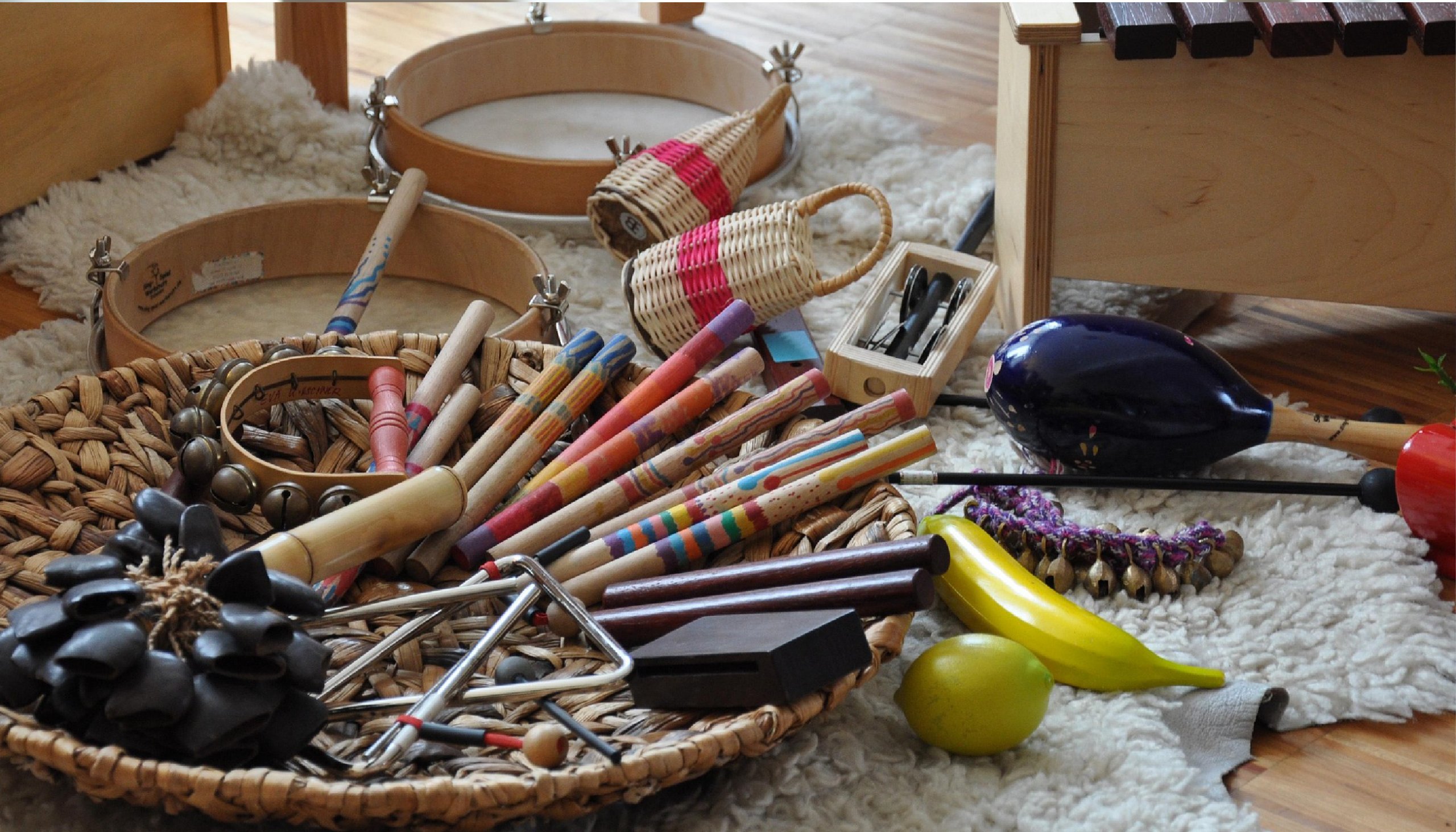



Sensory Play for Rainy Days: Complete Indoor Setup Guide for Young Children
Table Of Contents
- Why Sensory Play Matters: The Developmental Benefits
- Essential Supplies for Indoor Sensory Play
- Age-Appropriate Sensory Play Setups
- Musical Sensory Activities for Enhanced Learning
- Managing the Mess: Practical Tips for Parents
- 5 Themed Sensory Bins You Can Create Today
- Incorporating Sensory Play into Your Daily Routine
The pitter-patter of raindrops against windows is a familiar soundtrack in Singapore, where sudden downpours can transform outdoor play plans in an instant. Yet for parents of young children, these rainy days present perfect opportunities for something equally valuable – sensory play. When developed thoughtfully, indoor sensory activities become more than just entertainment; they become powerful catalysts for cognitive development, fine motor skills, language acquisition, and creative expression.
At The Music Scientist, we understand that every interaction your child has with their environment shapes neural connections and builds foundations for future learning. Sensory play – activities that stimulate the senses of touch, smell, taste, sight, hearing, and movement – creates rich, multisensory experiences that are particularly crucial during the developmental window from 4 to 47 months. This period represents a time of extraordinary neurological growth when sensory experiences directly influence brain architecture.
In this comprehensive guide, we’ll walk you through creating developmentally appropriate indoor sensory play setups that transform rainy days from moments of confinement into opportunities for meaningful growth. From simple sensory bins for infants to complex musical explorations for preschoolers, you’ll discover how to create engaging activities that nurture multiple intelligences while keeping the mess manageable in your home.
Why Sensory Play Matters: The Developmental Benefits
Sensory play stands at the intersection of enjoyment and developmental advancement. When children engage their senses through play, they’re not just having fun – they’re building critical neural pathways that support cognitive development. Research in early childhood development consistently demonstrates that sensory experiences are fundamental building blocks for brain development, particularly during the first four years of life.
For children in the 4-47 month age range, sensory play offers specific developmental advantages that align perfectly with their natural curiosity and learning processes:
Cognitive Development: When a child explores different textures, temperatures, and substances, they develop classification skills, problem-solving abilities, and scientific thinking. They learn concepts like cause and effect (what happens when I pour this water?) and develop hypotheses about their world (will this float or sink?).
Language Development: Sensory play naturally encourages descriptive language as children encounter new sensations. Words like “squishy,” “rough,” “cold,” or “sticky” become meaningful through direct experience. Parents who engage in sensory play alongside their children have opportunities to model rich vocabulary in natural, contextual ways.
Fine Motor Skills: Manipulating sensory materials like rice, water beads, or playdough strengthens the small muscles in children’s hands and improves hand-eye coordination. These fine motor skills are precursors to more advanced abilities like writing, drawing, and self-care tasks.
Emotional Regulation: Sensory play can have a profoundly calming effect on children. Activities like squeezing playdough, running fingers through rice, or listening to soothing music helps children process emotions and develop self-regulation skills. This is particularly beneficial during rainy days when energy levels may be high but outdoor options limited.
Multiple Intelligences: Quality sensory play activates various learning pathways, supporting children who learn through different modalities. This aligns perfectly with the multiple intelligences approach we employ at The Music Scientist’s Tenderfeet program, where we recognize that children may have strengths in logical, musical, kinesthetic, or verbal learning styles.
Essential Supplies for Indoor Sensory Play
Creating a versatile sensory play setup doesn’t require expensive specialty items. Many effective sensory materials are already in your kitchen cupboards or can be purchased affordably. Here’s a practical list of supplies to keep on hand for rainy day sensory play:
Containment Essentials:
• Large plastic storage bins (approximately 28L capacity)
• Splash mats or plastic tablecloths
• Washable trays with raised edges
• Small individual sensory bins for younger babies
• Bathtub (an excellent location for water-based sensory play)
Base Materials:
• Uncooked rice (can be colored with food coloring)
• Dried beans and pasta in various shapes
• Clean play sand
• Water beads (supervision required for younger children)
• Cornstarch (for making oobleck – a fascinating non-Newtonian fluid)
• Shredded paper
• Cooked and cooled pasta
Sensory Enhancers:
• Essential oils for scent (lavender, orange, mint – just a drop is sufficient)
• Food coloring for visual appeal
• Small musical instruments like bells, shakers, or tambourines
• Natural items like pinecones, smooth stones, or seashells
• Measuring cups and spoons
• Funnels, colanders, and sieves
• Small figurines, vehicles, or animals for imaginative play
Creative Additions:
• Washable finger paints
• Homemade playdough (easily made with flour, salt, cream of tartar, and water)
• Bubble wrap
• Kinetic sand
• Gelatin (for squishy sensory play)
• Ice cubes (regular or colored)
When selecting materials, always consider your child’s developmental stage and supervise closely, especially with items that could pose choking hazards for younger children. The beauty of a well-stocked sensory play collection is that materials can be combined in countless ways to create fresh experiences, even during extended rainy periods.
Age-Appropriate Sensory Play Setups
Children’s sensory needs evolve dramatically between 4 and 47 months. What engages an infant differs significantly from what captures a preschooler’s imagination. Here’s how to tailor your sensory play setups to your child’s developmental stage:
For Infants (4-12 months)
During the infant stage, sensory exploration is primarily oral and tactile. Babies use their mouths and hands to discover the world, making safety paramount in any sensory setup.
Safe Sensory Bin Ideas:
• Fabric exploration bin with squares of different textures (silk, cotton, velvet, corduroy)
• Treasure basket with household items of varying textures (wooden spoons, silicone spatulas, metal whisks)
• Musical sensory mat with crinkly surfaces and attached soft instruments
Setup Tips for Infants:
Place infants on their tummies on a clean splash mat with 2-3 sensory items within reach. For sitting babies, create a contained space using a large shallow bowl or tray attached securely to a high chair tray. Our Tenderfeet program incorporates similar sensory foundations to develop cognitive connections alongside musical appreciation.
Limit sessions to 10-15 minutes and always provide direct supervision. For younger infants who put everything in their mouths, edible sensory play using yogurt, pureed fruit, or cooked pasta pieces can be both safe and engaging.
For Toddlers (12-24 months)
Toddlers bring newfound mobility and intense curiosity to sensory play. They delight in cause and effect relationships and repetitive actions.
Engaging Sensory Setups:
• Water play with cups, colanders, and funnels (in a bathtub or large storage bin)
• Rice bin with scoops, containers, and hidden toys
• Homemade playdough with rolling pins and cookie cutters
• Musical water play with different sized containers that make different sounds when tapped or filled
Setup Tips for Toddlers:
Create clear boundaries for sensory play using splash mats or by designating specific areas. Toddlers in our Happyfeet program demonstrate how combining sensory exploration with musical elements enhances engagement and learning retention.
Introduce simple rules like “sensory materials stay in the bin” and model appropriate play. Expect some boundary testing, but consistently redirecting will help establish expectations. Incorporate songs about cleaning up to make transitions smoother.
For Preschoolers (24-47 months)
Preschoolers bring language skills, imagination, and more sophisticated problem-solving abilities to sensory play, allowing for more complex setups.
Advanced Sensory Explorations:
• Themed sensory bins that support current interests (ocean, construction, space)
• Science-based sensory play like sink/float experiments or color mixing
• Sensory storytelling setups where materials enhance a favorite story
• Musical sensory bins where children discover instruments hidden in rice or beans
Setup Tips for Preschoolers:
Involve preschoolers in setting up and cleaning up sensory activities. This age group benefits from the additional layer of responsibility and process understanding. Children in our Scouts program show remarkable engagement when sensory exploration connects to educational themes like science concepts.
Extend the learning by adding literacy elements (letter magnets in water, writing in salt trays) or mathematical concepts (counting shells, measuring rice). These extensions align with skills being developed in our SMART-START English and SMART-START Chinese preschool readiness programs.
Musical Sensory Activities for Enhanced Learning
At The Music Scientist, we’ve observed how powerfully music amplifies sensory learning experiences. The combination creates multi-pathway neural connections that enhance memory formation and cognitive development. Here are specialized musical sensory activities perfect for rainy days:
Rhythm Rice: Fill a clear plastic container with uncooked rice and add small percussion instruments like bells or shakers. As children dig through the rice, they discover instruments to create rhythms. Guide them in creating simple patterns (fast-fast-slow or loud-soft-loud) to develop mathematical thinking alongside musical skills.
Water Xylophone: Fill glass jars with different levels of water and show children how to gently tap them with a wooden spoon to create different pitches. This activity, popular in our Groovers program, introduces concepts of sound production while engaging visual and auditory senses simultaneously.
Sensory Sound Matching: Create pairs of small sealed containers filled with different materials (rice, beans, paper clips). Children shake the containers to find matching sounds, developing discrimination skills essential for both music appreciation and phonological awareness.
Texture Orchestra: Gather household items with different textures (bubble wrap, sandpaper, silk) and demonstrate how each creates unique sounds when rubbed, tapped, or crinkled. Invite children to create a “texture orchestra” where they become conductors of these everyday sound makers.
Musical Playdough: Enhance standard playdough play by adding a musical dimension. Children can create “drums” by stretching playdough over containers or make simple shakers by placing beans inside playdough balls. This activity develops fine motor skills while introducing musical creation concepts.
Managing the Mess: Practical Tips for Parents
The potential for mess often discourages parents from offering sensory play, especially indoors during rainy days. With strategic planning, however, sensory play can be both enriching and manageable:
Preparation Strategies:
• Designate a specific sensory play space (bathroom, kitchen, or small area defined by a splash mat)
• Set clear physical boundaries using tape on the floor or splash mats
• Keep cleaning supplies nearby (handheld vacuum, dustpan and brush, damp cloth)
• Use fitted tablecloths on sensory tables to allow quick cleanup – gather corners together and empty
Material Selection for Minimal Mess:
• For very young children or mess-averse households, start with contained sensory bags – zip-lock bags filled with hair gel and small objects, sealed with strong tape
• Choose larger sensory materials for younger children (pasta shapes rather than rice)
• Consider water as a base material – while potentially splashy, it ultimately evaporates and leaves no residue
• Use slightly dampened materials like sand or rice which are less likely to scatter
Incorporating Cleanup into the Experience:
Make cleanup part of the sensory play experience rather than an unpleasant aftermath. Create playful cleanup routines with songs, countdowns, or games. In our programs, we use specifically composed cleanup melodies that signal transition time while making the process enjoyable.
Remember that messy play teaches valuable life skills including responsibility and respect for spaces. By demonstrating a positive attitude toward cleanup, you’re modeling important approaches to life’s messier moments.
5 Themed Sensory Bins You Can Create Today
Themed sensory bins extend play value by connecting to children’s interests while incorporating multiple development areas. Here are five comprehensive sensory bin ideas you can create with materials likely already available in your home:
1. Tropical Rainforest Discovery
Perfect for connecting to Singapore’s natural environment during rainy days.
Base: Green rice (color regular rice with food coloring and dry thoroughly)
Elements: Plastic insects, small toy animals, artificial leaves, twigs, stones
Tools: Magnifying glass, tweezers (for older children), small containers for collecting
Learning Extensions: Discuss habitats, count creatures, sort by type or color
2. Ocean Exploration
A calming sensory experience with rich vocabulary opportunities.
Base: Blue water with a drop of food coloring (or blue water beads for less mess)
Elements: Shells, smooth stones, toy fish or sea creatures
Tools: Sieves, cups, funnels, basters
Musical Connection: Play ocean sounds in the background or sing sea-themed songs from our Scouts program that teach about marine biology
3. Construction Zone
Particularly engaging for children who show interest in building and demolishing.
Base: A mixture of uncooked rice and dried beans
Elements: Small toy construction vehicles, popsicle sticks, wooden blocks
Tools: Small shovels, containers for hauling “materials”
Learning Extensions: Introduce vocabulary like excavate, construct, demolish; create small challenges like building a bridge
4. Kitchen Scientist
Combines sensory exploration with early science concepts.
Base: Baking soda in a deep container
Elements: Small containers of colored vinegar (use food coloring)
Tools: Pipettes, measuring spoons, small cups
Process: Children use pipettes to drop vinegar onto the baking soda, creating colorful fizzing reactions
Learning Extension: Discuss cause and effect, chemical reactions, and color mixing
5. Musical Rice Rainbow
A multi-sensory experience that combines color learning with musical discovery.
Base: Rainbow-colored rice layers (each color in a different section)
Elements: Small musical instruments hidden throughout the rice
Tools: Scoops, containers, sieves
Musical Connection: As children discover each instrument, teach them its name and demonstrate how to play it, similar to our approach in Groovers classes
Incorporating Sensory Play into Your Daily Routine
Rather than viewing sensory play as a special activity reserved for rainy days, consider integrating sensory experiences into your regular routine. This approach normalizes sensory exploration and distributes its developmental benefits consistently:
Morning Sensory Warm-Up: Begin the day with 10 minutes of calming sensory play like playdough manipulation or water play. This helps children regulate their sensory systems and prepare for the day’s activities.
Transition Time Sensory Breaks: Use quick sensory activities to mark transitions between different parts of the day. A 5-minute exploration of a texture bag or listening exercise can help children reset between activities.
Pre-Meal Sensory Play: Before lunch or dinner, offer sensory activities that develop fine motor skills used in eating, such as transferring materials with tongs or pinching small objects.
Bedtime Sensory Calm-Down: Incorporate calming sensory experiences into bedtime routines – lavender-scented playdough, a sound exploration with lullabies, or gentle touch activities like finger tracing on backs.
By establishing sensory play as a regular part of your routine, rainy days become opportunities to expand existing practices rather than introducing entirely new activities. This consistency benefits children who thrive on predictable routines while still allowing for the novelty and discovery that makes sensory play so engaging.
Consider creating a simple “sensory schedule” with your child, using pictures to represent different sensory activities available throughout the day. This visual aid helps children understand when sensory play happens and gives them agency in choosing activities, further enhancing the developmental benefits.
Rainy days in Singapore need not be times of confinement and limitation, but rather opportunities for rich sensory exploration that supports your child’s developing brain. By thoughtfully preparing sensory play experiences that align with your child’s developmental stage, you transform ordinary household materials into powerful learning tools that engage multiple senses and learning pathways.
The beauty of sensory play lies in its adaptability. As your child grows from infant to preschooler, the same fundamental materials can be presented in increasingly complex ways that continue to challenge and engage. From the simple fabric explorations of a 6-month-old to the elaborate themed sensory bins of a 3-year-old, each experience builds upon the last, creating a continuum of learning that parallels your child’s developmental journey.
At The Music Scientist, we understand the critical importance of these early sensory experiences in building neural connections that support later academic learning. Our programs deliberately integrate sensory elements with musical exploration to maximize cognitive development, language acquisition, and multiple intelligence pathways. We invite you to bring this same intentional approach to your home environment, especially during those rainy days when rich indoor experiences become essential.
Remember that in providing thoughtful sensory play opportunities, you’re not just keeping your child busy during rainstorms – you’re building brain architecture that will support them throughout life. Each sensory experience, from the simplest to the most elaborate, contributes to your child’s understanding of their world and their place within it.
Want to learn more about how music and sensory play can enhance your child’s development? Contact The Music Scientist today to discover our specialized programs for children ages 4-47 months. Our curriculum integrates music, movement, and sensory exploration to support whole-brain learning and prepare children for educational success.
Table Of Contents
The steady beat of a drum might seem simple, but for a toddler, it opens a world of neural connections and developmental possibilities. At The Music Scientist, we’ve observed firsthand how rhythmic activities create magical moments of learning in young children’s developing minds. Drum circles aren’t just fun—they’re a powerful vehicle for cognitive development, offering multisensory experiences that engage multiple intelligences simultaneously.
Between ages 1-3, toddlers experience explosive brain development as neural pathways form at astonishing rates. This critical period presents the perfect opportunity to introduce activities that stimulate various learning domains through joyful exploration. Drum circles provide this ideal balance of structured learning and creative play, helping toddlers develop everything from coordination to social awareness.
In this article, we’ll share five scientifically designed drum circle games that specifically target cognitive development in toddlers. These activities harness the brain-building power of rhythm while creating engaging, playful experiences your little one will love. Whether you’re a parent looking to support your child’s development at home or an educator seeking new tools for early childhood learning, these drum circle games offer accessible ways to boost neural connections through musical play.
Understanding the Impact of Rhythm on Toddler Brain Development
When toddlers engage with rhythm, something remarkable happens in their developing brains. Research in neuroscience has shown that rhythmic activities simultaneously activate multiple brain regions, creating rich neural networks that support cognitive development. The predictable patterns in music help toddlers develop their ability to recognize and anticipate sequences—a fundamental skill that transfers to language acquisition, mathematical thinking, and problem-solving.
Rhythm activities are particularly powerful because they engage what developmental psychologists call “whole-brain learning.” When your toddler plays a drum, they’re coordinating fine and gross motor skills (motor cortex), processing sound patterns (auditory cortex), and often following visual cues or instructions (visual processing areas). This cross-hemispheric brain activation creates stronger neural pathways, essentially building more efficient cognitive architecture.
For toddlers specifically, rhythm provides an accessible entry point to music because it aligns with their natural tendency toward movement and repetition. The simplicity of drumming—hit the surface and create a sound—makes it instantly rewarding, while the variations in patterns create just enough cognitive challenge to maintain engagement without frustration. This balance of accessibility and challenge creates what psychologists call the “optimal learning zone,” where development thrives.
At The Music Scientist, our curriculum is built around these neurological insights, integrating rhythmic activities that target specific developmental milestones across multiple intelligences—logical, musical, kinesthetic, and verbal—all through joyful musical experiences.
Setting Up a Toddler-Friendly Drum Circle
Creating an effective drum circle environment for toddlers requires thoughtful preparation that balances sensory stimulation with manageable parameters. Unlike drum circles for older children or adults, toddler drum circles need special considerations to accommodate shorter attention spans and developing motor skills.
First, consider the instruments. While professional drums are wonderful, they’re not necessary for meaningful play. Household items like plastic containers, oatmeal canisters, or pots and pans make excellent improvised drums. Pair these with soft mallets made from wooden spoons wrapped with felt or small stuffed socks. Ensure all items are sturdy enough to withstand enthusiastic playing but not so heavy that they pose safety risks. For those interested in purpose-designed instruments, child-sized bongos, frame drums, or hand drums with padded mallets provide excellent options.
The physical arrangement of your drum circle matters significantly. Create a circle where everyone can see each other, preferably on a carpeted floor or with cushions for comfortable seating. For toddlers who aren’t yet sitting independently or prefer to move, allow for flexible participation—standing, sitting, or moving while playing. Keep the circle small enough that children don’t need to project too much energy to be heard, yet large enough that each participant has adequate personal space.
Set a consistent rhythm environment by establishing simple ground rules appropriate for toddlers’ developmental stage. For example, use visual cues like holding up a special object to indicate listening time versus playing time. Remember that toddlers learn through repetition, so consistent structure around drum circle activities helps them feel secure and know what to expect, even as the specific games change.
5 Brain-Boosting Drum Circle Games
These carefully selected drum circle games are designed to target specific aspects of cognitive development while creating joyful musical experiences. Each activity has been tested in our Happyfeet program for toddlers and can be adapted for various ages and developmental stages within the 1-3 year range.
1. Echo Me: Rhythm Copying
Developmental Focus: Auditory processing, memory, concentration, and motor planning
In this fundamental drum circle game, the leader plays a simple pattern (2-3 beats for younger toddlers, 4-5 for older ones), and children attempt to echo it back. Begin with very basic patterns like “boom, boom” or “boom, boom, boom” before gradually increasing complexity. Use verbal cues like counting or adding syllables that match the rhythm (“ti-ti-ta”) to reinforce the pattern.
For toddlers just beginning, focus less on accuracy and more on the turn-taking aspect—understanding that first, they listen, and then they play. As children develop, you can introduce variations like changing volume (loud/soft) or using different parts of the drum for varied sounds. This seemingly simple activity actually exercises executive function, working memory, and impulse control as toddlers must remember the pattern, wait their turn, and execute the motor plan.
Brain benefit: Echo games strengthen auditory discrimination and sequencing abilities that form the foundation for phonological awareness—a critical pre-reading skill. The activity also builds neural pathways that connect hearing, memory, and motor control regions of the brain.
2. Start and Stop: Executive Function Game
Developmental Focus: Impulse control, attention regulation, and auditory-visual integration
This game develops critical executive function skills through musical play. Use a visual cue (like raising a colorful scarf) as the signal to play drums freely. When the scarf drops, everyone stops immediately. Start with longer playing periods and shorter stopping periods, gradually balancing them as children master the concept.
For added cognitive challenge with older toddlers, introduce a twist: when the green scarf raises, they play; when the red scarf raises, they stop. This requires mental flexibility and inhibitory control—the ability to override the established pattern and adapt to new rules. You can also introduce graduated volume changes, raising the scarf higher for louder playing and lower for softer sounds.
Brain benefit: The start-stop game strengthens the prefrontal cortex, which governs executive functions like impulse control and attention regulation. These skills transfer directly to classroom readiness, as children develop the ability to regulate their behavior according to external signals—a fundamental skill for successful learning environments, as emphasized in our SMART-START preschool readiness program.
3. Tempo Travelers: Speed Recognition
Developmental Focus: Tempo discrimination, rhythmic awareness, and gross motor coordination
This whole-body rhythm game connects tempo recognition with physical movement, creating powerful mind-body connections. Establish a steady beat on the drum, encouraging toddlers to march or move their bodies in sync with the tempo. Then, gradually increase or decrease the speed while verbalizing the change: “We’re going faster now!” or “Now we’re moving slowly.”
Toddlers naturally adjust their movements to match the changing tempo—walking, then trotting, then running in place as the beats quicken, or shifting to slow-motion movement as the tempo decreases. This physical response to auditory input creates multisensory learning pathways that reinforce mathematical concepts of speed and duration.
For added cognitive challenge, introduce the concepts of “allegro” (fast) and “adagio” (slow) for older toddlers, building vocabulary alongside musical concepts. You can also encourage children to take turns being the tempo leader, deciding whether the group will move quickly or slowly.
Brain benefit: Tempo discrimination activities strengthen mathematical thinking by helping toddlers internalize concepts of time, duration, and proportional relationships. The physical component activates the cerebellum (the brain’s movement center) and creates connections with higher-order processing centers, building neural architecture that supports both musical and mathematical abilities.
4. Animal Rhythms: Creative Expression
Developmental Focus: Symbolic thinking, language development, and creative expression
This imaginative game connects rhythm with representational thinking and vocabulary development. Begin by demonstrating how different animals might sound if they played drums: elephants might create slow, heavy beats with pauses between (BOOM…BOOM…BOOM), while rabbits might make quick, light taps (tap-tap-tap-tap). After introducing several examples, show pictures of animals and ask toddlers to create the rhythm they think matches that animal.
The cognitive power of this game comes from the symbolic thinking required—translating characteristics of animals into abstract sound patterns. This symbolism builds critical neural pathways that later support reading (where symbols represent sounds) and mathematical thinking (where symbols represent quantities).
Expand the activity by adding movement to the animal rhythms—stomping like elephants during heavy beats or hopping like rabbits during quick patterns. This integration of movement further cements learning through multisensory pathways, similar to approaches we use in our Groovers music and dance classes.
Brain benefit: Animal Rhythms builds abstract thinking and symbolism—cognitive skills that form the foundation for literacy and mathematical reasoning. The activity also stimulates language development as children discuss animal characteristics and movement qualities, expanding descriptive vocabulary through contextual learning.
5. Pass the Beat: Social Development
Developmental Focus: Social awareness, turn-taking, and interpersonal synchronization
This cooperative game transforms a simple rhythm activity into a powerful social learning experience. Sitting in a circle, the leader plays a single beat on their drum, then turns to the person beside them, making eye contact as that person plays their drum once. The beat continues around the circle with each player making eye contact with the next person as they “pass” the beat.
For younger toddlers (12-24 months), simply maintaining the circular progression is achievement enough. As children develop, introduce variations: passing two beats instead of one, changing direction when a special sound occurs, or having the leader play a pattern that everyone repeats before resuming the pass.
What makes this game particularly valuable is the social attunement it requires. Children must watch for their turn, recognize social cues, and regulate their responses accordingly. These are precisely the skills that build social intelligence and emotional regulation—capacities that strongly predict success in school and life.
Brain benefit: Pass the Beat strengthens the social brain networks that process facial expressions, turn-taking, and interpersonal timing. Research shows that synchronized musical activities increase prosocial behavior and cooperation by activating mirror neuron systems and reinforcing the neural mechanisms that underlie social bonding. These social connections form the foundation for cooperative learning, as emphasized in our Scouts program that combines music with early science concepts.
Developmental Benefits of Drum Circle Activities
The rhythmic games described above deliver multiple developmental advantages that extend far beyond musical skills. These benefits align with research in developmental psychology and neuroscience, showing how music experiences in early childhood create lasting positive effects on brain development.
From a cognitive perspective, drum circles enhance working memory and attention span as children remember patterns and maintain focus on rhythmic activities. The sequential nature of rhythm directly supports mathematical thinking through pattern recognition and counting, while also building phonological awareness that underpins reading readiness. These cognitive benefits explain why musical experiences correlate with higher academic performance in later childhood.
Physically, drum circles develop both fine and gross motor coordination. The precise movements required for drumming strengthen hand-eye coordination and bilateral integration (using both sides of the body in coordinated ways). For toddlers still developing motor control, drumming provides accessible success experiences that build confidence in physical abilities.
Perhaps most significantly, drum circles offer remarkable social-emotional benefits. The collaborative nature of group drumming teaches turn-taking, listening, and group awareness. The experience of creating music together generates positive emotional states and feelings of belonging. For toddlers navigating the sometimes challenging emotional terrain of early development, these positive social experiences build emotional regulation skills and secure attachments.
At The Music Scientist, we’ve structured our Tenderfeet program for infants and our Happyfeet program for toddlers around these developmental principles, creating progressive learning experiences that support whole-child development through carefully sequenced musical activities.
Integrating Drum Circles into Your Toddler’s Routine
Consistency creates the most significant developmental impact when introducing musical activities like drum circles. Rather than viewing these as special-occasion activities, consider how you might incorporate brief rhythmic sessions into your regular routine with these practical approaches.
Short, frequent sessions typically yield better results than occasional longer ones. For toddlers with developing attention spans, aim for 5-10 minute drum activities rather than expecting sustained interest for extended periods. These brief interactions, repeated regularly, build neural pathways more effectively than infrequent longer sessions.
Look for natural transition moments in your day that could benefit from rhythmic activities. Morning gathering time, transitions between activities, or pre-nap wind-down periods all present opportunities to incorporate short drum circle games. The predictable structure of rhythm activities makes them particularly effective for signaling transitions in the daily schedule.
Remember that toddlers learn through repetition, so don’t hesitate to repeat the same rhythm games many times. While adults might crave variety, toddlers often prefer the security and mastery that comes with familiar activities. As they gain confidence with basic patterns, gradually introduce small variations to extend their learning while maintaining the security of familiar structure.
For families interested in more structured musical development, The Music Scientist offers specialized programs that systematically build on these foundational musical experiences. Our SMART-START Chinese and SMART-START English programs extend rhythmic learning into comprehensive preschool preparation, helping children transition seamlessly from musical play to formal learning environments.
Conclusion: Nurturing Musical Minds
The simple act of beating a drum opens doorways to cognitive development that extend far beyond music itself. Through the five brain-boosting drum circle games we’ve explored—Echo Me, Start and Stop, Tempo Travelers, Animal Rhythms, and Pass the Beat—toddlers develop fundamental neural architecture that supports lifelong learning across multiple domains.
What makes these rhythmic activities so powerful is their ability to engage multiple learning pathways simultaneously. As your toddler plays with rhythm, they’re not just learning music; they’re building executive function, strengthening memory systems, developing mathematical thinking, enhancing language processing, and fostering social connections. This whole-brain approach creates rich neural networks that support overall cognitive development.
At The Music Scientist, we’ve witnessed the transformative impact of intentionally designed musical experiences on countless young children. We encourage you to approach these drum circle activities not merely as entertainment but as meaningful developmental tools that contribute to your child’s cognitive growth during this critical window of brain development.
Whether you implement these games at home or seek structured musical learning through programs like ours, remember that every rhythmic interaction creates lasting neural imprints. By nurturing your toddler’s musical mind through joyful rhythm exploration, you’re laying foundations for cognitive abilities that will serve them throughout their educational journey and beyond.
Want to experience how structured musical activities can enhance your child’s cognitive development? The Music Scientist offers specialized programs for infants, toddlers, and preschoolers that systematically build multiple intelligences through joyful musical exploration. Contact us today to discover the perfect program for your child’s developmental stage and learning needs.
Table Of Contents
- Understanding Early Music Education: More Than Just Music
- The Developmental Benefits of Music for Babies and Toddlers
- When to Start Music Lessons: Age-by-Age Guide
- Signs Your Child is Ready for Structured Music Learning
- Choosing the Right Music Program for Your Child’s Age
- The Importance of Parental Involvement in Early Music Education
- Frequently Asked Questions About Early Childhood Music Education
As parents, we’re constantly wondering about the best time to introduce our children to enriching activities like music lessons. You may have heard Mozart playing in nurseries or seen videos of toddlers banging on toy pianos and wondered: “Is my baby ready for music education? When should we actually start?”
The answer isn’t as simple as a specific age, but rather depends on understanding your child’s developmental journey and how music education can be tailored to complement each stage. Research consistently shows that early exposure to music creates neural pathways that benefit children far beyond musical ability—enhancing language development, spatial reasoning, and even social skills.
At The Music Scientist, we’ve designed developmentally appropriate music programs for children from 4 to 47 months, recognizing that each age group has unique learning capabilities and needs. In this comprehensive guide, we’ll explore when and how to introduce your child to music education, the developmental benefits at each stage, and how to recognize when your child is ready for more structured musical experiences.
Understanding Early Music Education: More Than Just Music
When we talk about “music lessons” for babies and toddlers, we’re not referring to formal instruction where your child sits at a piano for 30 minutes. Early childhood music education is a multisensory, playful experience that engages children through movement, listening, singing, and exploration of simple instruments.
The goal at this young age isn’t to create the next musical prodigy but to nurture a child’s natural affinity for music while supporting cognitive, physical, emotional, and social development. This developmental approach is what distinguishes quality early childhood music programs from simple music play.
Research from the field of neuroscience shows that the human brain is most receptive to musical training between birth and age seven. During this period, musical experiences actually shape the brain’s physical development, creating neural connections that benefit multiple areas of learning and development.
The Developmental Benefits of Music for Babies and Toddlers
Before discussing when to start music lessons, it’s important to understand why early music education matters. Research-backed benefits include:
- Cognitive Development: Music stimulates parts of the brain responsible for mathematics, language processing, reading, and problem-solving.
- Language Acquisition: Musical activities help children discern different sounds, expanding phonological awareness—a critical pre-reading skill.
- Fine and Gross Motor Skills: Actions like clapping, tapping, or playing simple instruments develop coordination and motor control.
- Social-Emotional Development: Group music activities teach turn-taking, sharing, and emotional expression through music.
- Memory Enhancement: Musical patterns and repetition strengthen memory pathways in developing brains.
- Focus and Attention: Participating in musical activities helps young children develop longer attention spans.
At The Music Scientist, we’ve designed our curriculum to target multiple intelligences through music, ensuring that children develop holistically rather than focusing solely on musical skills.
When to Start Music Lessons: Age-by-Age Guide
The ideal time to start music lessons depends on your child’s developmental stage. Let’s explore what’s appropriate at different ages:
Birth to 12 Months: Foundation Stage
Babies are naturally receptive to music from birth. In fact, they can recognize melodies they heard in the womb. During this foundational first year:
What’s developmentally appropriate: Gentle musical experiences focusing on bonding, sensory stimulation, and introduction to musical sounds. Babies benefit from being exposed to varied musical styles, simple rhythmic patterns, and soft singing.
Recommended activities: Singing lullabies and simple songs, gentle bouncing to rhythms, exploring soft instruments with different sounds, and parent-baby music classes that incorporate sensory experiences.
At The Music Scientist, our Tenderfeet program is specifically designed for this foundational stage, incorporating sensory-rich musical activities that support neural development while strengthening the parent-child bond through shared musical experiences.
12 to 24 Months: Exploration Stage
As babies become toddlers, their interest in cause-and-effect and their increasing mobility open new possibilities for musical engagement:
What’s developmentally appropriate: More interactive musical experiences that encourage movement, simple imitation, and exploration of sounds. Toddlers begin to respond intentionally to music by moving, making sounds, or using simple instruments.
Recommended activities: Action songs with simple movements, exploration of age-appropriate percussion instruments, dance-along activities, and interactive music classes that allow for both structured and free musical play.
Our Happyfeet program caters specifically to this age group, offering enrichment classes designed for 18-month-olds and toddlers that balance structure with exploration, encouraging musical discovery through play-based learning activities.
24 to 36 Months: Interactive Stage
During this period, children’s language skills expand rapidly, and their ability to follow directions and participate in group activities increases:
What’s developmentally appropriate: More structured musical activities that incorporate following simple directions, turn-taking, and expanded movement vocabulary. Children begin to sing along to parts of songs and show preferences for certain musical activities.
Recommended activities: Call-and-response songs, simple choreographed movement, basic rhythm instruments with guided play, and music classes that incorporate thematic learning through music.
The Groovers program at The Music Scientist builds on these developmental capabilities, incorporating dance elements with music to develop coordination, rhythm awareness, and early listening skills while making learning fun and engaging.
36 to 48 Months: Pre-Instrumental Stage
At this age, children’s fine motor skills, attention span, and cognitive abilities allow for more complex musical engagement:
What’s developmentally appropriate: More structured musical learning that introduces basic musical concepts like loud/soft, fast/slow, and high/low. Children can participate in longer activities and begin to understand music as a form of expression and communication.
Recommended activities: Rhythm games, introduction to musical notation through pictures and stories, structured instrument play, and music classes that integrate other learning domains like science, math, and literacy.
Our Scouts program embraces this developmental stage by fostering a love for science through catchy melodies, while our SMART-START English and SMART-START Chinese programs prepare children for preschool by integrating music with language acquisition and early academic skills.
Signs Your Child is Ready for Structured Music Learning
While developmental milestones provide general guidelines, each child is unique. Here are signs that your child might be ready for more structured musical experiences:
Shows sustained interest in music: Consistently responds positively to music by moving, vocalizing, or showing focused attention.
Can follow simple directions: Understands and follows basic instructions like “tap the drum” or “shake the bells.”
Demonstrates rhythmic awareness: Moves or claps in response to beat or rhythm, even if not perfectly synchronized.
Attempts to sing along: Joins in singing, even if just for parts of familiar songs.
Requests musical activities: Asks for songs or shows interest in instruments or dance.
Can participate in group settings: Comfortable in social environments and can engage with other children and adults in a class setting.
Remember that readiness doesn’t mean perfection—it’s about engagement and enjoyment. The right music program will meet your child where they are developmentally and provide appropriate challenges and support.
Choosing the Right Music Program for Your Child’s Age
When selecting a music program for your young child, consider these factors:
Developmental appropriateness: The program should be designed specifically for your child’s age group, with activities that match their cognitive, physical, and social capabilities.
Qualified instructors: Teachers should have training in both early childhood education and music to understand both musical concepts and how young children learn.
Parental involvement: For children under 3, programs should include parents or caregivers as active participants in the learning process.
Holistic approach: Look for programs that connect music to other developmental areas rather than focusing solely on musical skill development.
Play-based methodology: Young children learn best through play. Quality programs embed learning in joyful, playful experiences.
Consistent structure: Children thrive with predictable routines. The best programs balance novelty with familiar elements that help children feel secure.
At The Music Scientist, we’ve carefully designed age-specific programs that address each of these considerations, ensuring that every musical experience supports your child’s overall development while nurturing their musical potential.
The Importance of Parental Involvement in Early Music Education
Parents are their child’s first and most important music teachers. Your involvement amplifies the benefits of early music education in several ways:
Emotional security: Young children learn best when they feel safe and supported. Your presence provides the security they need to explore and take risks in musical activities.
Modeling engagement: When you participate enthusiastically in musical activities, you show your child that music is valuable and enjoyable.
Home reinforcement: Bringing musical activities from class into daily home life helps children internalize concepts and skills through repetition.
Observational learning: Parents who participate in classes learn about their child’s developmental stages and gain tools to support musical learning at home.
Strengthening bonds: Shared musical experiences create special moments of connection that strengthen parent-child attachment.
The Music Scientist programs are designed with meaningful parental participation in mind, guiding you to support your child’s musical journey both in class and at home.
Frequently Asked Questions About Early Childhood Music Education
Q: Does my baby need to show musical talent before starting lessons?
A: Absolutely not! Early childhood music programs are designed for all children, regardless of innate musical ability. The goal is developmental support and joyful learning, not identifying or training prodigies.
Q: How long should music sessions be for young children?
A: For babies under 12 months, 20-30 minutes is ideal. Toddlers (1-2 years) can engage for 30-35 minutes, while children 2-4 years might participate in classes lasting 35-45 minutes. Quality programs build in transitions and variety to match attention spans.
Q: Will early music classes give my child an academic advantage?
A: Research suggests that early music education positively impacts brain development in ways that support academic learning. While not a guarantee of academic success, music education develops skills like focused attention, pattern recognition, and auditory discrimination that support later academic learning.
Q: Is it better to start with group classes or private lessons?
A: For children under 4, group classes are generally more appropriate. They provide social learning opportunities and a playful environment that matches how young children naturally learn. Private lessons typically become appropriate around age 5-7, depending on the child’s interest and readiness for instrument-specific instruction.
Q: How do I know if a music program is high quality?
A: Look for programs with age-specific curricula, qualified teachers with early childhood expertise, parental involvement components, and a developmental (not performance) focus. Programs should emphasize joy and engagement while being guided by research in child development and music education.
The question of when to start music lessons doesn’t have a one-size-fits-all answer, but understanding your child’s developmental journey can help you make informed choices. The good news is that it’s never too early to begin nurturing your child’s relationship with music in developmentally appropriate ways.
At The Music Scientist, we believe that every child deserves access to quality music education that supports their holistic development. Our age-specific programs are designed to meet children where they are developmentally while providing the just-right challenges that foster growth across multiple domains.
The most important factor in your child’s early musical journey isn’t the perfect start date but the quality of their experiences. When music education is developmentally appropriate, joyful, and integrated with other learning domains, it becomes a powerful vehicle for supporting your child’s overall development while nurturing a lifelong relationship with music.
Whether your child is an infant experiencing the sensory richness of music for the first time or a preschooler ready for more structured musical concepts, the right program can make all the difference in their developmental journey.
Ready to explore the perfect music program for your child’s developmental stage? Contact us today to learn more about our age-specific programs and how we can support your child’s musical journey from infancy through preschool years.
Table Of Contents
- Introduction
- Understanding Singapore’s Commitment to Early Childhood Development
- Baby Bonus Scheme: The First Step in Funding Your Child’s Development
- Child Development Account (CDA): Maximizing Your Savings
- Enhanced Preschool Subsidy: Supporting Early Education
- MSE Subsidies for Arts and Music Programs
- CDA-Approved Institutions: Where Can You Use Your Funds?
- Optimizing Your Child’s Development Funds
- The Developmental Benefits of Investing in Early Enrichment
- Additional Financial Resources and Community Support
- Conclusion
Complete Guide to Singapore Grants & Subsidies for Child Enrichment Programs
As parents, we all want to provide the best possible start for our children. In Singapore, early childhood development is not just a parental priority but a national one, with the government offering various grants and subsidies to support your child’s growth journey. From newborn care to preschool education and enrichment programs, financial assistance is available to help nurture your little one’s potential.
Understanding these financial support systems can be overwhelming for busy parents. That’s why we’ve created this comprehensive guide to help you navigate the grants and subsidies landscape in Singapore, with a special focus on how these funds can be applied toward quality enrichment programs like music classes, which have been proven to enhance cognitive development during these crucial early years.
Whether you’re a new parent just beginning this journey or looking to maximize existing benefits for your growing toddler, this guide will help you make informed decisions about investing in your child’s development without straining your family budget.
Understanding Singapore’s Commitment to Early Childhood Development
Singapore’s approach to early childhood development is rooted in the understanding that the first few years of life are critical for brain development. Research shows that 90% of brain development occurs before age five, making early experiences and learning opportunities essential for building a strong foundation for future success.
The Singapore government has consistently demonstrated its commitment to supporting families in nurturing young children through various financial schemes. These initiatives are designed not only to alleviate the financial burden of raising children but also to encourage participation in quality developmental programs that enhance cognitive, social, and physical growth.
For parents, this means having access to resources that can significantly offset the costs of enrichment programs, including music-based developmental classes that stimulate multiple learning pathways in young children.
Baby Bonus Scheme: The First Step in Funding Your Child’s Development
The Baby Bonus Scheme is typically the first financial support program Singapore parents encounter. This two-part scheme includes a cash gift and a contribution to your child’s Child Development Account (CDA).
Cash Gift Component
For children born on or after January 1, 2015, eligible parents receive:
- First and second child: Up to $10,000 each
- Third and subsequent children: Up to $10,000 each
This cash gift is disbursed over 18 months following your child’s birth and provides immediate financial support for early care needs. While not directly applicable to enrichment programs, this support frees up family resources that can later be directed toward quality developmental activities.
Eligibility Criteria
To qualify for the Baby Bonus Scheme, the following conditions must be met:
- Your child must be a Singapore citizen
- Parents must be lawfully married
- Application must be submitted within 12 months of your child’s birth
The Baby Bonus serves as the foundation for your child’s developmental funding journey, setting the stage for additional support through the CDA system.
Child Development Account (CDA): Maximizing Your Savings
The Child Development Account (CDA) is a special savings account where the government matches your deposits dollar-for-dollar, effectively doubling your investment in your child’s development. This co-saving arrangement provides substantial financial leverage for parents planning their children’s educational journey.
Government Co-Matching Caps
The maximum government contribution varies based on your child’s birth order:
- First and second child: Up to $6,000 each
- Third and fourth child: Up to $12,000 each
- Fifth and subsequent children: Up to $18,000 each
CDA funds can be used until your child turns 12 years old, covering a wide range of development and healthcare expenses, including approved enrichment programs.
Using CDA Funds for Enrichment Programs
Your CDA funds can be directly used to pay for classes at CDA-approved institutions, including many music and developmental enrichment centers. This makes the CDA one of the most valuable resources for parents looking to enroll their children in programs like those offered by Tenderfeet for infants or Happyfeet for toddlers, which focus on early sensory development and cognitive stimulation through music.
By strategically using your CDA funds for quality enrichment programs, you’re not just receiving financial benefits but also investing in evidence-based developmental activities that can have lasting impacts on your child’s cognitive abilities and learning capacity.
Enhanced Preschool Subsidy: Supporting Early Education
Beyond the Baby Bonus and CDA, Singapore offers substantial subsidies for preschool education through the Enhanced Preschool Subsidy. These subsidies apply to childcare centers and kindergartens, many of which offer enrichment programs as part of their curriculum.
Basic Subsidy Structure
All Singaporean children are eligible for a basic subsidy:
- For full-day childcare: Up to $600 per month
- For half-day childcare: Up to $300 per month
- For kindergarten programs: Varies based on program type
Additional Subsidies Based on Income
Families with a monthly household income of $12,000 or less may qualify for additional subsidies under the Enhanced Preschool Subsidy scheme. These additional subsidies can significantly reduce the out-of-pocket expenses for quality preschool education, which often includes music and movement components similar to Groovers classes that combine music and dance for toddlers.
For families with per capita income of $3,000 or less, these additional subsidies can cover up to 80% of the remaining fees after the basic subsidy, making quality early education accessible to families across income brackets.
MSE Subsidies for Arts and Music Programs
The Ministry of Education (MOE) and Ministry of Culture, Community and Youth (MCCY) occasionally offer specific subsidies for arts education, including music programs. These specialized grants can provide additional financial support for children showing interest or aptitude in musical development.
Arts Education Programs
Various initiatives like the NAC-AEP (National Arts Council-Arts Education Programme) provide subsidized arts experiences for children, some of which begin as early as preschool age. These programs can complement structured music enrichment classes and provide additional exposure to developmental benefits of music education.
Accessing MSE Subsidies
Unlike the automatic eligibility for Baby Bonus and basic preschool subsidies, arts-specific grants often require application through schools or direct application to the relevant ministry. Parents interested in these opportunities should:
- Check the MOE and NAC websites regularly for grant announcements
- Inquire with your child’s school about partnership programs
- Contact arts institutions directly about subsidy opportunities
These specialized grants can be particularly valuable for children showing early interest in programs like Scouts, which foster a love for science through catchy melodies, combining multiple developmental domains.
CDA-Approved Institutions: Where Can You Use Your Funds?
To maximize the benefits of your CDA funds, it’s important to understand where these funds can be utilized. CDA-approved institutions include a wide range of service providers focused on childhood development.
Types of Approved Institutions
CDA funds can be used at:
- Licensed childcare centers and kindergartens
- Registered healthcare providers
- Approved providers of early intervention programs
- Approved developmental and enrichment program providers
- Pharmacies and optical shops (for healthcare needs)
Many quality music enrichment programs, including developmentally-focused classes like SMART-START English and SMART-START Chinese that prepare children for preschool, are offered through CDA-approved institutions.
Verifying Approval Status
Before enrolling your child in any program with the intention of using CDA funds, always verify the institution’s approval status. You can check the official Baby Bonus website or contact the institution directly to confirm their CDA-approved status.
Approved institutions will typically display the Baby Bonus logo and can provide information about how to make payment directly from your CDA, simplifying the administrative process for busy parents.
Optimizing Your Child’s Development Funds
With multiple funding sources available, strategic planning can help maximize the benefits for your child’s developmental journey.
Creating a Development Funding Strategy
Consider these approaches to optimize your child’s development funds:
- Early Contributions: Maximize government co-matching by contributing to your child’s CDA as early as possible
- Program Selection: Choose enrichment programs that offer multiple developmental benefits, such as music classes that simultaneously develop cognitive, motor, and social skills
- Long-term Planning: Create a developmental roadmap from infancy through early childhood, allocating funds across different developmental stages
- Complementary Programs: Select programs that complement each other, such as pairing music enrichment with language development
By thoughtfully planning how to use available subsidies and grants, parents can provide their children with rich developmental experiences without excessive financial strain.
The Developmental Benefits of Investing in Early Enrichment
When allocating your grant and subsidy funds, understanding the developmental returns on your investment can help guide your decisions. Research consistently shows that early music education offers multi-faceted benefits:
Cognitive Development Through Music
Quality music programs like those focused on developmentally appropriate activities for different age groups provide significant benefits:
- Enhanced neural connections that support language acquisition
- Improved mathematical reasoning abilities
- Strengthened memory and attention span
- Development of critical listening skills
- Enhanced spatial-temporal skills
Programs that integrate music with learning objectives, as seen in developmentally-sequenced classes for different age groups, maximize these benefits by targeting appropriate developmental milestones.
Social and Emotional Benefits
Beyond cognitive advantages, quality enrichment programs provide social and emotional development opportunities:
- Development of self-regulation and impulse control
- Practice in cooperative play and sharing
- Confidence building through skill mastery
- Emotional expression through artistic mediums
- Development of early friendships and social connections
These foundational skills support school readiness and contribute to long-term academic success, making them a worthwhile investment of your child development funds.
Additional Financial Resources and Community Support
Beyond government grants and subsidies, Singapore offers additional resources that can help support your child’s enrichment journey.
Community Development Councils (CDCs)
Each district’s CDC offers various local support schemes that may include:
- District-specific educational subsidies
- Local enrichment program grants
- Community-based learning opportunities
Contact your local CDC office to inquire about district-specific opportunities that could supplement national schemes.
Social Service Offices
For families facing financial challenges, Social Service Offices can provide guidance on additional assistance schemes that may help cover educational and developmental expenses. These offices can direct you to appropriate resources based on your family’s specific circumstances.
Private Sector Initiatives
Many private institutions, including banks and insurance companies, offer specialized children’s savings accounts or plans that can complement government schemes. While these aren’t subsidies, they can provide additional financial frameworks for planning your child’s educational journey.
Conclusion
Singapore’s comprehensive system of grants and subsidies reflects the nation’s commitment to supporting families and investing in the next generation. From the Baby Bonus Scheme to CDA accounts and specialized educational subsidies, parents have access to substantial financial support for their children’s developmental journey.
By understanding and strategically utilizing these resources, you can provide your child with quality enrichment experiences, including developmentally-focused music programs that support cognitive, social, and emotional growth during the crucial early years. These early investments in your child’s development can yield lifelong benefits, setting them on a path toward confidence, creativity, and academic success.
Remember that each child’s developmental journey is unique, and the best enrichment programs are those that address individual learning styles and developmental stages. By combining Singapore’s financial support systems with thoughtfully selected programs that match your child’s needs and interests, you’re providing them with the strongest possible foundation for future growth and learning.
Ready to explore how music-based developmental programs can benefit your child? Contact us today to learn more about our age-appropriate classes and how they can be funded through various government grants and subsidies. Our team is here to help you navigate both the enrollment process and the financial support options available to Singapore families.
Table Of Contents
- Why Early Music Education Matters
- Key Qualifications to Look for in a Baby Music Teacher
- Assessing Their Developmental Approach
- Evaluating the Classroom Environment
- Curriculum Structure and Content
- Teaching Style and Parent Involvement
- Tips for Observing a Trial Class
- Red Flags to Watch Out For
- Essential Questions to Ask Before Enrolling
- Finding the Perfect Musical Match for Your Baby
As parents, we intuitively understand that music has a special power to engage, soothe, and stimulate our babies. The gentle lullaby that calms a fussy infant or the rhythmic song that brings an immediate smile to a toddler’s face demonstrates music’s profound impact on developing minds. But when it comes to formal music education for babies and toddlers, how do we ensure we’re choosing the right teacher and program?
Early music education is far more than just a fun activity—it’s a powerful developmental tool that can enhance your child’s cognitive, physical, emotional, and social growth during their most formative years. Research shows that babies as young as 4 months can distinguish between harmonious and dissonant sounds, while musical experiences between 6-18 months can significantly impact brain development related to language acquisition and mathematical reasoning.
In this comprehensive guide, we’ll explore exactly what qualities, qualifications, and teaching approaches parents should look for when selecting a music teacher for their little ones. From educational background and developmental expertise to classroom environment and curriculum structure, we’ll provide you with a detailed checklist to help you make this important decision with confidence.
Parent’s Checklist: What to Look for in a Baby Music Teacher
Essential qualities for choosing the perfect music education for your little one
Educational Background
- Formal education in early childhood development
- Music education qualifications
- Certifications in recognized methodologies (Kindermusik, Orff, Dalcroze, etc.)
- Understanding of developmental milestones
Teaching Style
- Warm, responsive interactions with children
- Patient and adaptable to different temperaments
- Engages at child’s level (physically and developmentally)
- Balances structure with flexibility
Curriculum Design
- Age-appropriate activities and expectations
- Progressive skill-building approach
- Integrates multiple learning styles
- Balances repetition with new material
Benefits of Early Music Education
Enhanced language development
Improved mathematical reasoning
Developed motor skills
Enhanced social-emotional growth
Red Flags to Watch For
Excessive Performance Pressure
Early music education should focus on enjoyment and exploration, not performing skills perfectly.
Rigid Expectations
Teachers should adapt to each child’s unique learning style and development pace.
Unsafe Environment
Classroom space should be clean, sanitized, and free of choking hazards.
Lack of Age-Appropriate Activities
Curriculum should match developmental stages with suitable challenges.
Find the Perfect Music Program
The Music Scientist: Nurturing young minds through developmentally-focused music education
Why Early Music Education Matters
Before diving into what makes a great baby music teacher, it’s important to understand why early music education is so valuable. Between birth and age four, your child’s brain is forming neural connections at an astonishing rate—more than one million new neural connections every second. This period, often called the “critical window,” presents an unparalleled opportunity for development.
Research from neuroscience has repeatedly demonstrated that music education during this time can have remarkable effects on brain development. Children who engage in structured musical activities show enhanced:
- Language processing and vocabulary development
- Memory formation and recall abilities
- Fine and gross motor skill coordination
- Mathematical and spatial reasoning capabilities
- Social and emotional intelligence
The key is that these benefits are maximized when music education is developmentally appropriate and properly structured for each age group. This is precisely why choosing the right music teacher for your baby or toddler is so crucial.
Key Qualifications to Look for in a Baby Music Teacher
When evaluating potential music teachers for your baby, certain professional qualifications and personal attributes stand out as particularly important:
Educational Background
Look for teachers with formal education in early childhood development, music education, or both. While a degree in music is valuable, teaching babies requires specialized knowledge about developmental stages that goes beyond musical expertise. Ideally, your child’s teacher should have:
A combination of musical training and early childhood education qualifications is ideal. This ensures they understand not just music theory but also how to effectively engage young children at different developmental stages. Professional certifications in recognized early childhood music methodologies (such as Kindermusik, Orff, Dalcroze, or Kodály) can be particularly valuable indicators of specialized training.
Experience with Young Children
Teaching music to babies and toddlers differs dramatically from instructing older children or adults. Experience specifically with the 0-4 age group is crucial. A teacher may be an accomplished musician but lack the patience, flexibility, and understanding needed to engage very young children effectively.
Ask about their experience working with your child’s specific age group. A teacher who has spent years working with preschoolers may not necessarily understand how to engage 9-month-olds in meaningful musical experiences. Programs like Tenderfeet, which focuses on infant care classes and sensory development, demonstrate an understanding of the unique needs of the youngest music students.
Assessing Their Developmental Approach
A high-quality baby music teacher will have a clear understanding of developmental milestones and how their teaching methods align with these stages.
Age-Appropriate Expectations
The teacher should be able to articulate how their curriculum addresses the specific developmental needs of different age groups. For example, classes for 6-month-olds will look very different from those for 2-year-olds. The activities, duration, and goals should match your child’s current capabilities while gently stretching their abilities.
Programs like Happyfeet demonstrate this understanding by creating enrichment classes specifically designed for 18-month-olds and toddlers, recognizing the unique developmental stage of this age group.
Multiple Learning Styles
Children learn in different ways, and an effective music teacher will incorporate multiple approaches to engage various learning styles. Look for a teacher who combines:
Visual elements (colorful instruments, picture books, visual cues), auditory experiences (diverse musical sounds, verbal instructions, singing), kinesthetic opportunities (movement, dance, instrument play), and tactile exploration (touching instruments, feeling vibrations) should all be integrated into the learning experience. This multi-sensory approach ensures that every child has multiple pathways to engage with and absorb the musical concepts.
The Groovers program exemplifies this approach by combining music and dance for toddlers, addressing both auditory and kinesthetic learning styles simultaneously.
Evaluating the Classroom Environment
The physical space where music classes take place significantly impacts your child’s learning experience and should reflect thoughtful consideration of young children’s needs.
Safety and Cleanliness
For babies and toddlers who explore their world by touching and often mouthing objects, a clean, sanitized environment is non-negotiable. The space should be free of choking hazards and have appropriate safety measures in place. Instruments and props should be regularly cleaned, especially those that children put in their mouths.
Observe whether the teacher or staff sanitize instruments between classes and how they manage shared resources. Floor areas should be clean for babies who aren’t yet mobile, and any potential hazards should be well out of reach.
Sensory Considerations
Young children can be sensitive to overstimulation. The ideal music classroom balances stimulation with comfort. Consider:
- Acoustics: Is the space appropriately sized so that sound isn’t overwhelming?
- Lighting: Is lighting gentle rather than harsh or fluorescent?
- Visual elements: Are decorations engaging without being chaotic?
- Temperature: Is the room comfortable for active movement?
A thoughtfully designed environment allows children to focus on musical activities without becoming overwhelmed or distracted by environmental factors.
Curriculum Structure and Content
A high-quality baby music program should have a well-designed curriculum with clear developmental goals rather than simply being a collection of fun activities.
Progressive Learning
Look for programs that build skills progressively over time, with each class building upon previously introduced concepts while adding new elements. A spiral curriculum approach, where key concepts are revisited with increasing complexity, is particularly effective for young children.
The teacher should be able to articulate how their program develops over weeks and months, and what skills or concepts your child will gain from continued participation. Programs like SMART-START English and SMART-START Chinese demonstrate this approach by deliberately preparing children for formal education through progressive skill building.
Holistic Integration
Superior music programs for babies and toddlers integrate music with other developmental domains. Rather than teaching music in isolation, look for approaches that connect musical concepts with:
Language development (through songs with rich vocabulary), physical development (through movement activities), cognitive skills (through patterning and sequencing), and social-emotional growth (through shared musical experiences) should all be woven together. This integration reflects an understanding that children develop holistically rather than in isolated skill areas.
The Scouts program exemplifies this integrated approach by fostering a love for science through catchy melodies, combining cognitive learning with musical education.
Teaching Style and Parent Involvement
The teacher’s personal approach and philosophy regarding parent participation are crucial elements to consider.
Warmth and Responsiveness
Young children thrive in relationships with warm, responsive adults. Observe how the teacher interacts with children in the class. Do they get down on the children’s level? Do they respond to children’s cues and adjust activities when needed? Do they know how to gently redirect when children lose focus rather than forcing compliance?
A skilled baby music teacher understands that building trust comes before teaching skills. They should be able to connect with each child individually while managing the group dynamic, showing genuine delight in each child’s participation regardless of their level of engagement.
Parental Role in Classes
Programs differ in how they involve parents, and there’s no single correct approach. What matters is finding an approach that aligns with your parenting philosophy and comfort level. Some programs position parents as active co-teachers, demonstrating activities and actively participating throughout. Others may have parents observe more while children interact primarily with the teacher.
Consider which approach will work best for your child and your family. Some children thrive with parent participation, while others may actually engage more fully when given some independence from their caregivers. The best teachers will explain the reasoning behind their approach to parent involvement and how it benefits the children.
Tips for Observing a Trial Class
Most quality music programs offer trial classes or observation opportunities. Make the most of these by knowing what to look for:
Engagement Levels
Rather than focusing solely on whether children appear to be “having fun,” look deeper at their engagement. Are most children actively participating in their own developmentally appropriate ways? Remember that for very young children, observation is also a form of participation as they process new experiences.
Notice if the teacher is able to draw in children who are hesitant or overwhelmed. A skilled teacher will offer multiple entry points for participation and respect different temperaments rather than expecting all children to engage in identical ways.
Flow and Pacing
Pay attention to the class structure and flow. An effective baby music class will have:
- A consistent opening and closing ritual that provides security through predictability
- A mix of high-energy and calming activities that respect children’s attention spans
- Smooth transitions between activities that prevent children from becoming disengaged
- Repetition of key elements balanced with novel experiences
The pacing should feel neither rushed nor dragging, with the teacher responsive to the group’s energy level while still maintaining the overall structure.
Red Flags to Watch Out For
While evaluating potential music programs, be alert to these warning signs that may indicate a program isn’t developmentally appropriate:
Performance Pressure
Programs that emphasize performance outcomes over the process of musical exploration may not be appropriate for very young children. Be wary of approaches that push children to perform specific skills before they’re developmentally ready or that create stress around “correct” participation.
At the baby and toddler stage, the goal should be fostering a love of music and creating positive associations with musical experiences, not perfecting performance skills. While programs may include informal sharing opportunities, formal recitals with performance pressure are generally inappropriate for children under three.
Rigid Expectations
Teachers who show frustration with typical baby and toddler behaviors (short attention spans, mobility, exploration) may lack understanding of early childhood development. Similarly, programs that expect all children to participate in identical ways fail to recognize individual differences in development, temperament, and learning styles.
Look for teachers who can flexibly adapt to the needs of different children while still maintaining the integrity of their program. They should welcome various forms of engagement rather than having a narrow definition of “correct” participation.
Essential Questions to Ask Before Enrolling
Before making your final decision, consider asking these questions to gain deeper insight into the program:
- What specific developmental benefits does your program target, and how does your approach achieve these outcomes?
- How do you modify your teaching for different ages within the baby/toddler range?
- What training or professional development do your teachers receive specifically related to infant/toddler development?
- How do you handle children who are reluctant to participate or who participate in unconventional ways?
- What is your philosophy on repetition versus introducing new material?
- How do you communicate with parents about their child’s experience and progress?
- What musical concepts will my child be exposed to throughout the program?
- How do you sanitize instruments and maintain a healthy environment?
The answers to these questions will help you determine whether the program’s philosophy aligns with your goals for your child’s early music education experience.
Finding the Perfect Musical Match for Your Baby
Choosing the right music teacher for your baby is a decision that goes beyond finding someone who can sing in tune or play an instrument well. The ideal early childhood music educator brings together musical expertise, developmental knowledge, interpersonal warmth, and teaching skill to create meaningful experiences that nurture your child’s growing mind.
Remember that the best program for your family will depend on your unique child’s temperament, your family’s schedule and values, and practical considerations like location and cost. Take your time with this decision, observe classes whenever possible, and trust your instincts about what environment feels right for your child.
When you find that perfect match—a teacher who lights up when they see your child, who creates a space where music becomes a joyful medium for learning and connection—you’re giving your child more than just music lessons. You’re providing them with a foundation for lifelong learning, creativity, and self-expression that begins in these precious early years.
Early music education offers profound benefits for babies and toddlers when delivered by qualified, developmentally-focused teachers. By carefully evaluating potential music teachers using the criteria outlined in this guide—from their qualifications and teaching approach to classroom environment and curriculum structure—you can make an informed decision that will positively impact your child’s development.
The right music program will not only introduce your child to the joy of music but will support their cognitive, physical, social, and emotional growth during this critical developmental window. Whether you’re looking for infant-focused sensory experiences, toddler movement classes, or preschool readiness programs, taking the time to find the right musical match for your child is an investment in their future.
Ready to find the perfect music program for your little one? Contact The Music Scientist today to learn more about our developmentally appropriate music classes for babies and toddlers. Our expert teachers combine musical excellence with deep knowledge of early childhood development to create engaging, educational experiences that grow with your child.
Table Of Contents
- Introduction
- Understanding Gross Motor Development in Early Childhood
- Case Study Methodology: The 12-Week Music-Movement Program
- Assessment Methods for Measuring Gross Motor Skills
- Key Findings: Significant Improvements in Gross Motor Scores
- How Music Enhances Movement Patterns and Coordination
- Parent Observations and Feedback
- Long-Term Benefits of Early Music-Movement Integration
- Implementing Music-Movement Activities at Home
- Conclusion: The Science Behind Music and Motor Development
When a child jumps with both feet, climbs confidently, or throws a ball with increasing accuracy, they’re showcasing their developing gross motor skills – a crucial foundation for physical confidence and overall development. But what if there was a natural, engaging way to significantly enhance these essential skills during the critical early years?
At The Music Scientist, we’ve long observed the powerful connection between structured musical activities and physical development. While many recognize music’s cognitive benefits, its impact on motor development is equally profound yet often overlooked. This case study explores exactly how a carefully designed 12-week music-movement program led to measurable improvements in gross motor scores among children aged 24-47 months.
The results reveal not only statistical improvements but transformative changes in children’s physical confidence, coordination, and even social interactions – demonstrating that when developmental science meets musical engagement, remarkable growth can occur in relatively short timeframes. Let’s explore how rhythm, melody, and purposeful movement combined to enhance these fundamental developmental skills.
Understanding Gross Motor Development in Early Childhood
Gross motor development encompasses the child’s ability to use large muscle groups to perform coordinated movements like running, jumping, balancing, and climbing. Between ages 2-4, children experience rapid advancement in these skills, moving from basic walking to more complex physical achievements.
During this critical window, children typically master fundamental movements that become the building blocks for later physical activities and sports. According to developmental milestones, by age 3, most children should be able to run smoothly, climb well, pedal a tricycle, and throw a ball. By age 4, they should demonstrate improved balance, hop on one foot, catch a bounced ball, and coordinate more complex movements.
However, modern lifestyles often limit opportunities for diverse movement experiences. Research indicates that approximately 32% of preschoolers in urban environments like Singapore show delays in at least one gross motor skill area, often due to limited physical play spaces and increased screen time. This developmental gap can impact not just physical abilities but also cognitive development, as motor skills and cognitive functions develop in tandem during these formative years.
Music-movement integration offers a solution that addresses these challenges while creating an engaging, multisensory learning environment. When children respond physically to musical cues, they practice timing, spatial awareness, bilateral coordination, and cross-body movements – all essential components of robust gross motor development.
Case Study Methodology: The 12-Week Music-Movement Program
Our case study followed 28 children between 24 and 47 months who participated in a structured 12-week program specifically designed to enhance gross motor development through musical engagement. The program was conducted at The Music Scientist’s Singapore facility, with sessions held twice weekly for 45 minutes each.
The curriculum integrated elements from our Happyfeet program for 18-month-olds and toddlers and our Groovers music and dance classes, with specific adaptations focused on gross motor skill enhancement. Each session followed a consistent structure:
Program Structure
The 45-minute sessions were carefully structured to progress from simple to complex movements:
- Welcome and Warm-up (5 minutes): Rhythmic movements that prepared the body through simple marching, clapping, and full-body stretches
- Guided Exploration (10 minutes): Targeted activities focusing on specific gross motor skills like balance, coordination, or spatial awareness
- Musical Storytelling (15 minutes): Narrative-based movement where children physically interpreted stories through coordinated movements
- Instrument Play and Movement (10 minutes): Coordination exercises combining simple instrument play with whole-body movement
- Cool Down and Reflection (5 minutes): Gentle movements and breathing exercises to regulate energy levels
The program incorporated originally composed music with specific tempos and rhythmic patterns designed to facilitate particular movement types. For example, marching songs maintained a steady beat at 100-120 BPM to support coordinated walking, while jumping activities used music with clear accents that signaled when to jump.
Props and equipment including scarves, balance beams, hoops, balls, and rhythm sticks were introduced systematically to challenge different aspects of gross motor development. Importantly, the curriculum was progressive, with each week building upon skills from previous sessions while introducing new challenges.
Assessment Methods for Measuring Gross Motor Skills
To establish a baseline and track progress objectively, we employed multiple assessment methods before the program began and after its completion at 12 weeks:
Standardized Motor Assessments
Children were evaluated using an age-appropriate adaptation of the Peabody Developmental Motor Scales (PDMS-2), focusing specifically on the gross motor components. This standardized tool assessed:
- Stationary skills (balance and stability)
- Locomotion (running, jumping, hopping)
- Object manipulation (throwing, catching, kicking)
Each child received scores that were compared to age-appropriate norms, allowing for standardized comparison between pre-program and post-program abilities. Additionally, trained observers conducted structured observations during free-play sessions, recording instances of specific motor behaviors using a checklist format. Parents also completed weekly progress journals, noting any changes in physical abilities or confidence observed at home.
To ensure assessment reliability, two independent evaluators scored each child’s performance, with an inter-rater reliability coefficient of 0.91, indicating strong consistency between evaluators.
Key Findings: Significant Improvements in Gross Motor Scores
The 12-week music-movement program yielded significant improvements across all measured gross motor domains. Statistical analysis revealed:
Overall Motor Proficiency
The average gross motor standard score increased from 96.3 to 108.7 (an improvement of 12.4 points), representing a shift from the 39th to the 73rd percentile when compared to age-appropriate norms. This improvement was statistically significant (p<0.01).
Specific Skill Improvements
When broken down by skill category, the data revealed:
- Balance and Stability: 78% of participants showed improved balance abilities, with the average time maintaining balance on one foot increasing by 4.2 seconds
- Locomotion Skills: 82% demonstrated more coordinated running patterns, with 91% showing improved jumping abilities (average vertical jump height increased by 2.3 cm)
- Coordination and Object Control: 73% of children improved in ball-throwing accuracy, and 69% showed better catching abilities
Notably, children who began the program with below-average scores showed the most dramatic improvements, with an average increase of 15.8 points on standardized measures, suggesting the program was particularly beneficial for those with initial motor challenges.
Parent reports corroborated these findings, with 86% of parents noting observable improvements in their child’s physical confidence and willingness to attempt new physical challenges at home or on playgrounds. Many parents (67%) specifically mentioned improved balance and coordination in everyday activities.
How Music Enhances Movement Patterns and Coordination
The remarkable improvements observed in our case study can be attributed to several key mechanisms through which music facilitates motor development:
Temporal Processing and Motor Planning
Music provides a structured temporal framework that helps children organize their movements. The predictable beats in our specially composed music created anticipatory cues that helped children plan and execute movements with improved timing. This connection between auditory processing and motor planning strengthens neural pathways essential for coordinated movement.
In our Tenderfeet infant care classes, we introduce these concepts in their simplest forms, but by the age of our case study participants (24-47 months), children can engage with increasingly complex rhythmic patterns, allowing for more sophisticated motor planning.
Cross-Body Movements and Bilateral Integration
Many of our music-movement activities deliberately incorporated cross-lateral movements – actions that cross the body’s midline. These movements are crucial for developing connections between the brain’s hemispheres. When children performed movements like crossing arms to opposite knees while following musical cues, they strengthened neural pathways that support coordination and balanced development.
The brain processes different aspects of music in various regions, and when combined with movement, creates a rich network of neural connections. Research in neurodevelopment suggests that these connections formed during early childhood create foundations for both physical and cognitive abilities that persist throughout life.
Our Scouts program, which fosters love for science through catchy melodies, complements this approach by engaging children’s cognitive understanding of their bodies in space, enhancing body awareness alongside physical development.
Parent Observations and Feedback
Beyond the quantitative improvements measured in our assessments, parent feedback provided valuable insights into how these motor skill developments translated to everyday life:
Physical Confidence and Risk-Taking
“Before the program, Mei was hesitant to try the climbing frame at the playground, always asking for help. By week 8, she was confidently climbing independently and even helping her younger friends.” – Parent of 3-year-old participant
This observation was consistent across 79% of parent reports, noting increased willingness to attempt physically challenging activities that would have previously caused hesitation. This suggests that improved motor skills directly impact confidence and self-efficacy.
Transfer to Daily Activities
Parents reported improvements in everyday movement patterns, with 72% noting better coordination during routine activities like:
- Navigating stairs with alternating feet rather than two-foot stepping
- Successfully pouring from containers without spilling
- Improved precision when dressing themselves
- Better balance when putting on shoes while standing
These practical applications highlight how the structured music-movement activities translated into functional improvements in daily living skills – a key indicator of developmental progress.
Social Benefits
An unexpected finding from parent reports was the social impact of improved motor skills. 63% of parents mentioned that their children showed increased interest in physically active play with peers, with better turn-taking and cooperative movement games. This suggests that motor confidence may serve as a foundation for social confidence in early childhood play settings.
Long-Term Benefits of Early Music-Movement Integration
While our case study focused on immediate improvements over 12 weeks, research suggests that early music-movement integration offers significant long-term advantages:
Neurological Foundations
The neural connections formed through music-movement activities during ages 2-4 create foundations for later academic learning. Studies show that children with strong early gross motor skills often demonstrate better:
- Reading readiness and handwriting abilities
- Mathematical spatial reasoning
- Attention regulation and focus
- Working memory capacity
These connections illustrate why our SMART-START English and SMART-START Chinese programs incorporate movement elements – they prepare children not just physically but cognitively for later academic challenges.
Physical Activity Patterns
Children who develop strong gross motor skills and positive associations with movement in early childhood are more likely to maintain physically active lifestyles. In a society facing increasing childhood sedentary behavior and related health concerns, establishing these early patterns can have lifelong health implications.
Follow-up assessments conducted with participants from previous cohorts (6-12 months after program completion) showed that 84% maintained their improved motor skills, with many continuing to advance beyond expected developmental trajectories.
Implementing Music-Movement Activities at Home
Parents can extend and reinforce the benefits observed in our case study by incorporating simple music-movement activities at home:
Creating a Movement-Friendly Home Environment
Even in Singapore’s space-conscious living arrangements, families can create movement-friendly spaces by:
- Designating a small “movement corner” with a non-slip mat where music-movement activities can happen safely
- Using pillows, cushions, and soft furniture to create simple obstacle courses
- Providing scarves, bean bags, or soft balls that can be used with music for throwing and catching practice
Simple Activities to Try
These parent-child activities require minimal space and equipment:
- Freeze Dance: Play music and encourage dancing, then pause it randomly for children to practice balance by freezing in position
- Rhythm Walking: Walk, march, or tiptoe to different tempos, helping children match their movements to changing musical speeds
- Song Actions: Use songs with specific movement instructions like “Head, Shoulders, Knees, and Toes” to practice body awareness and coordination
Consistency is key – even 10-15 minutes of daily music-movement activities can help reinforce the neural connections established during structured programs. We encourage parents to view these not as additional tasks but as joyful bonding opportunities that simultaneously support development.
Conclusion: The Science Behind Music and Motor Development
Our 12-week case study demonstrates that structured music-movement integration isn’t simply a fun activity – it’s a powerful developmental tool that produces measurable improvements in gross motor skills. The significant gains observed across balance, coordination, and physical confidence highlight the effectiveness of this approach during the critical early childhood period.
What makes music-movement integration particularly valuable is its holistic nature. Unlike isolated physical exercises, it engages multiple developmental domains simultaneously – physical, cognitive, social, and emotional – creating rich learning experiences that align perfectly with how young children naturally learn and develop.
At The Music Scientist, we continue to refine our understanding of how musical elements can be precisely calibrated to support specific developmental outcomes. This case study reinforces our approach of using music not just as entertainment but as a scientific tool for nurturing young minds and bodies during their most formative years.
For parents seeking comprehensive development for their children, music-movement programs offer a research-backed approach that delivers measurable results while creating joyful, engaging experiences that children eagerly anticipate. As Singapore’s education landscape increasingly recognizes the importance of holistic development, such programs provide valuable foundations for both immediate developmental gains and long-term learning success.
The results of this 12-week case study clearly demonstrate that strategically designed music-movement programs can significantly enhance gross motor development in young children. With measurable improvements across all assessment areas – from balance and stability to locomotion and object control – participants showed not just statistical gains but meaningful developmental advances that translated to everyday confidence and capabilities.
What makes these findings particularly valuable is their practical application. The music-movement approach doesn’t require specialized equipment or extensive space – it can be implemented in various settings from dedicated enrichment centers to preschool classrooms and even home environments. The key lies in the thoughtful integration of developmentally appropriate musical elements with purposeful movement patterns.
As early childhood educators and parents in Singapore continue seeking evidence-based approaches to support holistic development, music-movement integration stands out as a method that aligns perfectly with how young children naturally learn – through multisensory, joyful engagement that builds critical foundations for future learning success.
Experience the Power of Music-Movement for Your Child’s Development
Would you like to see how our research-backed music and movement programs can enhance your child’s development? At The Music Scientist, we offer age-appropriate classes that combine music, movement, and sensory play to promote holistic development for children aged 4-47 months.
Contact us today to schedule a trial class or learn more about our programs tailored to your child’s developmental stage.
Table Of Contents
- Understanding Music-STEM Integration for Early Childhood
- Benefits of Structured Music-STEM Activities for Young Children
- How to Use Our Free Weekly Music-STEM Activity Planner
- Age-Appropriate Music-STEM Activities by Developmental Stage
- Sample Music-STEM Activities from Our Planner
- Tips for Success: Making the Most of Your Music-STEM Time
- Download Your Free Weekly Music-STEM Activity Planner
As parents and educators, we’re constantly seeking meaningful ways to engage our little ones while supporting their development. At The Music Scientist, we understand that the early years (from 4 to 47 months) represent a critical window for cognitive, social, and emotional growth. That’s why we’ve created a free printable weekly Music-STEM activity planner specifically designed to harness the powerful connection between music and STEM (Science, Technology, Engineering, and Mathematics) learning.
Research consistently shows that integrating music with STEM concepts creates multi-sensory learning experiences that help young minds build neural pathways more effectively. Our planner offers developmentally appropriate activities that combine rhythm, melody, and movement with foundational STEM concepts, creating an engaging framework for exploration that grows with your child.
Whether you’re a parent looking to enhance at-home learning or an educator seeking to enrich your curriculum, this free weekly planner provides structure while allowing for the spontaneity and wonder that makes early childhood learning so special. Let’s explore how structured music-STEM activities can transform everyday moments into opportunities for discovery and growth.
Understanding Music-STEM Integration for Early Childhood
Music and STEM might seem like separate domains, but they share fundamental principles that make them natural partners in early childhood education. At The Music Scientist, we’ve developed a curriculum that recognizes these connections and leverages them for holistic development.
Music education inherently incorporates mathematical concepts through rhythm, pattern recognition, and counting. When children clap to a beat or move to a tempo, they’re actually engaging with mathematical principles in a tangible, embodied way. Similarly, the physics of sound production connects music to science, while the exploration of different instruments introduces engineering concepts.
Our approach to Music-STEM integration follows these key principles:
Play-Based Learning: Young children learn best through play. Our activities incorporate playful exploration while subtly introducing foundational concepts that will support later formal learning.
Multiple Intelligence Engagement: We target logical, musical, kinesthetic, and verbal learning styles simultaneously, ensuring that every child can connect with the content in their preferred way.
Developmental Alignment: Each activity in our planner is carefully designed to match specific developmental milestones, ensuring age-appropriate challenges that build confidence rather than frustration.
Sensory Integration: By combining auditory, visual, and tactile elements, our Music-STEM activities create rich sensory experiences that enhance neural development and memory formation.
Benefits of Structured Music-STEM Activities for Young Children
When babies and toddlers engage with structured Music-STEM activities on a regular basis, they develop skills that extend far beyond music appreciation or scientific knowledge. Our curriculum research has identified several key benefits:
Enhanced Cognitive Development: The combination of music and STEM concepts stimulates multiple brain regions simultaneously, promoting cognitive flexibility and problem-solving abilities. For example, when toddlers experiment with cause and effect through musical instruments, they’re developing scientific thinking skills.
Improved Focus and Attention: Structured activities that incorporate rhythm and repetition help young children develop their attention spans. Our planner includes activities that gradually increase in duration to match developing attention capabilities.
Language and Communication Skills: Music naturally enhances phonological awareness, vocabulary development, and expression. When paired with STEM vocabulary and concepts, children build a rich foundation for both scientific and everyday communication.
Early Math Foundations: Through musical activities involving patterns, sequencing, and counting, children develop intuitive mathematical understanding that will support later formal math education.
Fine and Gross Motor Development: From the precise finger movements needed to manipulate small objects in our engineering activities to the whole-body movements in our musical movement games, our planner supports comprehensive motor skill development.
Social-Emotional Growth: Group music activities foster turn-taking, cooperation, and emotional expression. Many activities in our planner include modifications for both individual and group settings to support social development at appropriate stages.
How to Use Our Free Weekly Music-STEM Activity Planner
Our printable planner has been thoughtfully designed to be flexible enough for busy parents and structured enough for educators seeking curriculum support. Here’s how to make the most of this resource:
Weekly Structure: The planner provides five activities per week, allowing for consistent engagement while preventing overwhelm. We recommend setting aside 10-20 minutes daily (depending on your child’s age) for these structured activities.
Developmental Progression: Activities are organized by developmental stage rather than strict age ranges, acknowledging that children develop at different rates. Choose the section that best matches your child’s current abilities.
Materials List: Each week includes a simple materials list featuring items you likely already have at home. We’ve intentionally designed activities that require minimal preparation and use everyday objects when possible.
Learning Objectives: Every activity clearly states which developmental areas and STEM concepts it supports, helping you understand the purpose behind the play.
Adaptations and Extensions: For each activity, we provide suggestions for simplifying or making it more challenging, allowing you to tailor experiences to your child’s specific needs and interests.
Observation Prompts: The planner includes questions to guide your observations of your child’s engagement, helping you recognize and document developmental progress.
Age-Appropriate Music-STEM Activities by Developmental Stage
Our planner divides activities into developmental stages that align with our specialized programs at The Music Scientist:
Early Explorers (4-12 months)
At this stage, babies are developing sensory awareness and beginning to understand cause and effect. Our Tenderfeet program activities focus on:
Sensory Exploration: Simple activities like feeling different textures while listening to corresponding music (smooth textures with flowing melodies, rough textures with more staccato rhythms).
Cause and Effect: Guided exploration of how actions create sounds, such as gentle drumming activities with different materials.
Visual Tracking: Activities that combine visual stimuli with musical accompaniment to strengthen visual tracking skills and brain connectivity.
Active Discoverers (12-24 months)
Toddlers in this range are developing mobility, independence, and early language. Our Happyfeet program informs these activities:
Movement Exploration: Activities that encourage different movement qualities (fast/slow, high/low) with corresponding musical accompaniment.
Simple Classification: Musical sorting games that introduce scientific categorization in an accessible way.
Beginning Patterns: Introduction to simple patterns through rhythm and visual cues that build early mathematical thinking.
Curious Communicators (24-36 months)
Children at this stage are developing more complex language and social skills. Our Groovers program inspires activities focusing on:
Representational Thinking: Music-based activities that encourage children to represent ideas symbolically, building foundations for scientific modeling.
Simple Experiments: Guided exploration of how musical instruments work, introducing scientific concepts like vibration and resonance.
Collaborative Creation: Group activities that combine musical expression with construction challenges, developing both social skills and engineering thinking.
Growing Investigators (36-47 months)
Preschoolers in this range are preparing for more formal learning environments. Our Scouts and SMART-START English/Chinese programs inform these activities:
Hypothesis Testing: Simple prediction activities that pair musical concepts with scientific inquiry.
Engineering Challenges: Creating simple instruments that demonstrate scientific principles while developing fine motor skills.
Mathematical Music: Activities that explicitly connect mathematical concepts like counting, grouping, and patterns with musical expression.
Sample Music-STEM Activities from Our Planner
Here are a few sample activities from our weekly planner to give you a taste of how we integrate music and STEM learning:
Rhythm Shakers (18-36 months)
Materials: Small clear containers (like plastic bottles or jars), various filling materials (rice, beans, small pebbles, etc.), colorful tape to secure lids
Activity: Help your child fill different containers with various materials. Secure the lids with colorful tape. Play or sing a simple rhythm and demonstrate how to shake the containers in time with the beat. Encourage exploration of how different fillings create different sounds.
STEM Connections: This activity introduces concepts of sound production (science), comparison of volumes and weights (mathematics), and design considerations for effective instruments (engineering).
Developmental Benefits: Fine motor skills, cause and effect understanding, auditory discrimination, rhythm sense
Musical Water Exploration (24-47 months)
Materials: Glass bottles or jars of the same size, water, food coloring (optional), metal spoon
Activity: Fill bottles with different levels of water, adding food coloring if desired for visual appeal. Demonstrate how gently tapping each bottle with a metal spoon produces different tones. Explore arranging the bottles from lowest to highest tone, then play simple melodies together.
STEM Connections: Sound vibration (science), volume measurement (mathematics), relationship between water level and pitch (physics)
Developmental Benefits: Auditory discrimination, sequencing skills, fine motor control, early understanding of scientific variables
Dancing Scarves Science (12-24 months)
Materials: Lightweight scarves in different colors, fan or hair dryer (used only by adult), music with varying tempos
Activity: Give your child a scarf to hold and explore. Play music and model how to move the scarf to different tempos. Then, with adult control only, introduce gentle air from a fan to show how the scarf moves differently, creating a visual representation of air movement.
STEM Connections: Air movement and resistance (science), observation of cause and effect (scientific method), visual patterns (mathematics)
Developmental Benefits: Visual tracking, understanding of invisible forces (air), gross motor coordination, connecting movement to sound
Tips for Success: Making the Most of Your Music-STEM Time
Based on our experience working with thousands of young children in Singapore, here are our top recommendations for successful Music-STEM integration:
Follow Your Child’s Lead: While the planner provides structure, remain flexible and responsive to your child’s interests. If they show particular fascination with an activity, extend it or revisit it regularly.
Use Rich Language: Incorporate both musical terminology (loud/soft, fast/slow, high/low) and scientific vocabulary (float/sink, rough/smooth, predict/observe) naturally during activities.
Ask Open-Ended Questions: Rather than directing the exploration, use questions like “What do you think will happen if…?” or “What do you notice about…?” to promote critical thinking.
Document Growth: Consider keeping a simple journal or taking photos of your Music-STEM activities. This helps you recognize developmental progress that might otherwise go unnoticed.
Connect to Daily Life: Point out Music-STEM connections throughout your day, not just during planned activity time. For example, notice rhythm patterns in everyday sounds or discuss the science behind musical moments you encounter.
Celebrate Process Over Product: In early childhood Music-STEM activities, the exploration process is far more valuable than creating a perfect end product. Embrace messy learning and unexpected discoveries.
Download Your Free Weekly Music-STEM Activity Planner
Our printable Music-STEM Activity Planner is available in four developmental versions:
– Early Explorers (4-12 months)
– Active Discoverers (12-24 months)
– Curious Communicators (24-36 months)
– Growing Investigators (36-47 months)
Each planner includes:
– 8 weeks of developmentally appropriate activities (40 activities total)
– Simple materials lists for easy preparation
– Clear instructions with STEM learning connections
– Observation prompts to track your child’s development
– Extension ideas for continued exploration
We’ve designed these planners based on the same developmental principles that inform our specialized programs at The Music Scientist. Whether you’re currently enrolled in our classes or simply looking for quality activities to do at home, these planners will help you create meaningful music-infused STEM experiences for your little one.
By providing structure while honoring the natural curiosity and joy of early childhood, these planners support not just cognitive development, but also foster the confidence, creativity, and love of learning that will serve children throughout their educational journey.
Integrating music with STEM learning offers a powerful approach to early childhood development that engages multiple intelligences and learning styles. Our free Weekly Music-STEM Activity Planner provides a structured yet flexible framework that makes it easy for both parents and educators to implement these evidence-based practices.
At The Music Scientist, we believe that the early years represent a critical window for establishing neural pathways that will support lifelong learning. By thoughtfully combining musical experiences with foundational STEM concepts, we can nurture young minds holistically, supporting cognitive, physical, social, and emotional development simultaneously.
We encourage you to download our free planner and begin incorporating these activities into your regular routine. The consistent, intentional experiences you provide now will create a strong foundation for your child’s future learning journey. And remember, these structured activities aren’t meant to replace spontaneous play and exploration – they complement it, providing varied experiences that support well-rounded development.
We’d love to hear about your experiences with our Music-STEM Activity Planner! Share your stories, questions, or insights with us as you embark on this musical learning adventure with your little one.
Ready to take your child’s early development to the next level?
Download our free Music-STEM Activity Planner today and join our community of parents and educators committed to nurturing young minds through the power of music and STEM integration.
Download Your Free Planner Now
Have questions about our programs or how to implement these activities? Contact us today!
Table Of Contents
- Understanding Neuroplasticity: Your Child’s Adaptable Brain
- The Drumming-Brain Connection: What Happens When Children Drum?
- Cognitive Benefits: Problem-Solving, Focus, and Memory Enhancement
- Physical Development: How Drumming Builds Motor Skills
- Emotional and Social Growth Through Rhythmic Activities
- Age-Appropriate Drumming: From Infants to Preschoolers
- Integrating Drumming Activities at Home: Practical Tips for Parents
- What Scientific Research Tells Us About Music and Neuroplasticity
- Conclusion: Drumming as a Tool for Holistic Development
When your little one enthusiastically bangs on pots and pans in your kitchen, they’re doing much more than creating noise – they’re actively rewiring their brain. This natural attraction to creating rhythm isn’t just fun; it’s a window into the remarkable process of neuroplasticity, where your child’s brain physically changes and develops in response to experiences.
As parents, understanding how activities like drumming influence your child’s developing brain can transform how you view those impromptu percussion sessions. The rhythmic patterns, coordination challenges, and sensory feedback involved in drumming create a perfect neurological symphony that strengthens neural pathways across multiple regions of the brain simultaneously.
In this article, we’ll explore the fascinating science behind drumming and neuroplasticity, breaking down complex concepts into practical insights for parents. You’ll discover how simple drumming activities can enhance cognitive abilities, improve physical coordination, regulate emotions, and even strengthen social bonds – all while your child simply enjoys making music.
Let’s dive into how the science of drumming can be harnessed to support your child’s holistic development from infancy through the preschool years.
Understanding Neuroplasticity: Your Child’s Adaptable Brain
Neuroplasticity might sound like a complex scientific term, but its concept is beautifully simple: your child’s brain has the remarkable ability to reorganize itself by forming new neural connections throughout life. This adaptability is particularly pronounced during the first five years when the brain develops more rapidly than at any other time.
During early childhood, your little one’s brain creates an astonishing 1 million new neural connections every second. These connections form the foundation for how your child thinks, learns, moves, and relates to others. The experiences you provide during this critical window don’t just temporarily engage your child – they physically shape brain architecture for years to come.
This is where music education, particularly rhythmic activities like drumming, becomes extraordinarily valuable. When children engage in drumming, multiple brain regions activate simultaneously:
- The motor cortex coordinates the physical movements
- The sensory cortex processes the tactile feedback
- The auditory cortex analyzes the sounds produced
- The prefrontal cortex engages in planning and sequencing rhythms
This multi-regional activation strengthens neural networks across the brain, creating what neuroscientists call “cross-hemispheric integration” – essentially helping the left and right sides of the brain work together more efficiently. For young children whose neural pathways are still forming, this integration is particularly beneficial for laying the groundwork for complex thinking skills later in life.
The Drumming-Brain Connection: What Happens When Children Drum?
When your child picks up a drum or taps out a rhythm, their brain undergoes a fascinating transformation. The seemingly simple act of drumming creates a neurological domino effect that enhances brain function across multiple domains.
At its core, drumming is a multisensory experience. Your child must coordinate their movements precisely (motor skills), feel the impact of striking the drum (tactile feedback), hear the sound produced (auditory processing), maintain a rhythm (timing and sequencing), and often follow or create patterns (cognitive planning). This sensory-rich activity creates what neuroscientists call a “multi-pathway learning experience” that strengthens neural connections far more effectively than single-pathway activities.
Brain imaging studies have shown that drummers have different brain structures compared to non-musicians. Regular drumming leads to increased white matter in the corpus callosum – the bridge between the brain’s hemispheres – allowing for faster communication between left and right sides of the brain. Even in very young children, the foundations for these structural changes begin forming with regular rhythmic play.
Additionally, drumming stimulates the release of neurochemicals like dopamine (the “feel-good” hormone) and BDNF (Brain-Derived Neurotrophic Factor), which supports the growth of new neurons. This neurochemical cocktail not only makes drumming enjoyable but also creates optimal conditions for brain growth and learning.
Cognitive Benefits: Problem-Solving, Focus, and Memory Enhancement
The cognitive benefits of drumming extend far beyond music itself. When your child engages with rhythm, they’re building essential thinking skills that transfer to virtually every area of learning.
Research has demonstrated that children who participate in regular rhythm activities show measurable improvements in executive function – the set of mental skills that include working memory, flexible thinking, and self-control. These improvements occur because drumming requires children to hold patterns in mind (working memory), adapt to changing rhythms (cognitive flexibility), and control their movements with precision (inhibitory control).
Mathematical thinking also benefits significantly from drumming practice. Rhythm is essentially applied mathematics – children must count beats, understand fractions (quarter notes, half notes), and recognize patterns. This mathematical foundation is established naturally through play rather than through abstract instruction, making it particularly effective for young learners.
Perhaps most remarkably, drumming enhances a child’s ability to sustain attention. In our Scouts program, we’ve observed how rhythmic activities progressively extend children’s attention spans. The engaging nature of drumming motivates children to remain focused far longer than they might during other learning tasks, gradually strengthening their ability to concentrate in other contexts as well.
Memory formation and recall also improve through drumming. The combination of physical movement, auditory input, and pattern recognition creates multiple memory pathways, making information learned through rhythmic activities particularly resistant to forgetting. This is why children often remember songs and rhythms long after they’ve forgotten other lessons.
Physical Development: How Drumming Builds Motor Skills
The physical benefits of drumming are immediately apparent when you watch a child engage with percussion instruments. The controlled movements required develop both fine and gross motor skills in ways few other activities can match.
Gross motor development occurs as children use their arms, shoulders, and even their whole bodies to create sounds. The cross-body movements often used in drumming (like hitting a drum on the opposite side of the body) are particularly valuable for developing bilateral coordination – the ability to coordinate both sides of the body together. This skill is fundamental not just for physical activities but also for academic skills like writing and reading.
Fine motor skills develop simultaneously as children learn to hold mallets or use fingertips to create different sounds and control volume. These precise movements strengthen the same muscles needed for writing, buttoning clothes, and other daily tasks requiring dexterity.
For very young children in our Tenderfeet: Infant Care Classes, even simple guided tapping helps develop the neural pathways that control movement. As children progress to our Happyfeet program for toddlers, these movements become more refined and coordinated.
Drumming also uniquely develops proprioception – your child’s awareness of their body’s position in space. This body awareness is crucial for everything from posture to sports performance. The consistent feedback loop of movement and sensory response while drumming helps children develop this sense with remarkable precision.
Coordination and Rhythm: Building Neural Highways
The coordination developed through drumming creates what neuroscientists call “neural highways” – efficient pathways in the brain that allow for increasingly complex movement patterns. These pathways don’t just serve immediate drumming skills; they become the foundation for all coordinated movements your child will develop throughout life.
Research shows that children who engage in rhythmic activities like those in our Groovers: Music and Dance Classes demonstrate superior coordination compared to peers without such experiences. This advantage extends to skills like handwriting, sports, and even speech articulation, as the neural mechanisms for coordinating physical movements overlap significantly with those controlling speech production.
Emotional and Social Growth Through Rhythmic Activities
Beyond cognitive and physical benefits, drumming provides powerful support for emotional and social development. The rhythmic nature of drumming has a unique regulatory effect on the emotional centers of the brain.
When children drum, their brains naturally synchronize with the beat they’re creating. This synchronization activates the parasympathetic nervous system – responsible for “rest and digest” functions – which naturally counters stress responses. This is why drumming can be both energizing and calming for children, depending on the tempo and style of play.
For children still developing emotional regulation skills, drumming provides a healthy outlet for expression. Strong emotions that might be difficult to verbalize can be expressed through drumming intensity, speed, and pattern. This physical expression of emotion helps children recognize, process, and release their feelings in constructive ways.
Group drumming activities, like those incorporated in our SMART-START English and SMART-START Chinese programs, add another dimension of social development. When children drum together, they must:
- Listen to others (developing awareness and empathy)
- Synchronize their actions with the group (cooperation)
- Take turns as leaders and followers (understanding social dynamics)
- Contribute to a collective creation (collaborative skills)
This combination of emotional regulation and social skill development through drumming creates neurological patterns that support healthy relationship-building throughout life. The ability to “get in sync” with others is a fundamental social skill that rhythmic activities help develop at the neural level.
Age-Appropriate Drumming: From Infants to Preschoolers
The beauty of drumming as a developmental tool is that it can be adapted for children at every stage of development. Understanding how to match drumming activities to your child’s developmental stage maximizes the neuroplasticity benefits.
Infants (4-12 months): Sensory Foundations
Babies are natural rhythm seekers, often moving spontaneously to music they hear. For infants in our Tenderfeet program, we focus on sensory exploration of sound. Simple activities like guided hand tapping on different surfaces, feeling vibrations from drums, and exposure to varied rhythmic patterns lay the groundwork for future skills.
These early experiences create the first neural pathways for rhythm processing and help develop auditory discrimination – the ability to distinguish between different sounds. Even at this young age, the brain is forming specialized neural networks in response to these rhythmic experiences.
Toddlers (12-24 months): Movement Integration
As children enter the toddler stage like those in our Happyfeet program, drumming activities can incorporate more intentional movement. Call-and-response drumming, where you play a simple pattern and your child attempts to copy it, builds listening skills and memory while strengthening motor control.
Toddlers benefit enormously from whole-body drumming – using hands, feet, and even vocal sounds to create rhythms. This multi-limb coordination builds cross-hemispheric neural connections at a critical period when the brain is establishing fundamental movement patterns.
Preschoolers (2-4 years): Pattern and Complexity
Preschool-aged children in programs like our Groovers and Scouts classes are ready for more complex rhythmic activities. They can begin following simple notation (using pictures rather than traditional music notation), creating their own patterns, and participating in group drumming with distinct roles.
At this stage, the neuroplastic benefits expand to include higher-order thinking skills. Children can use drumming to represent concepts, tell stories, and solve problems. The neural connections formed now link rhythm skills with language development, mathematical thinking, and social understanding.
Integrating Drumming Activities at Home: Practical Tips for Parents
You don’t need specialized equipment or musical training to bring the neuroplasticity benefits of drumming into your home. Here are practical ways to incorporate rhythmic activities into daily life:
Create Home Instruments
Transform everyday items into percussion instruments: plastic containers with lids make excellent drums, wooden spoons become drumsticks, and rice-filled plastic bottles create perfect shakers. This not only provides drumming opportunities but also teaches creative problem-solving and resourcefulness.
Establish Rhythm Routines
Incorporate rhythmic activities into daily transitions. A specific beat pattern could signal cleanup time, while another might indicate bedtime is approaching. These auditory cues create predictable patterns that help children navigate daily routines while building rhythm recognition.
Explore Body Percussion
Clapping, patting knees, tapping shoulders, and stomping feet can create complex rhythms without any equipment. Body percussion is particularly effective for developing proprioception and can be done anywhere, anytime.
Practice Rhythmic Reading
As you read stories, tap out the rhythm of certain repeated phrases or encourage your child to drum along during exciting moments. This connects rhythm to language development and narrative understanding, strengthening neural pathways between these cognitive domains.
Listen for Rhythms in Nature
Draw attention to natural rhythms: raindrops falling, birds calling, even your walking pace. This heightens rhythmic awareness and helps children recognize patterns in their environment, a skill that transfers to mathematical and scientific thinking.
What Scientific Research Tells Us About Music and Neuroplasticity
The connection between music, particularly drumming, and brain development is more than just theoretical – it’s backed by substantial scientific evidence.
Neuroimaging studies have shown that musicians’ brains differ structurally from non-musicians, with increased volume in areas responsible for motor control, auditory processing, and integration of sensory information. While these studies primarily examine adults, longitudinal research indicates these changes begin forming in childhood with consistent musical engagement.
Research specifically on rhythm and drumming demonstrates several key findings relevant to child development:
- Children who participate in rhythm activities for just 15 minutes show immediate improvements in executive function tasks compared to control groups.
- Regular drumming practice over 8-12 weeks significantly improves attention span measurements in children across age groups.
- Children with rhythm training demonstrate superior phonological awareness – the foundation for reading skills.
- Group synchronization activities like drumming circles measurably increase prosocial behaviors and empathy.
Perhaps most compelling for parents is research showing that rhythmic activities create what scientists call “far transfer” – when skills learned in one domain (music) transfer to seemingly unrelated areas (mathematics, reading, social skills). This transfer occurs because the neural networks developed through rhythmic activities support fundamental cognitive processes used across learning domains.
The Singaporean Context: Local Research Insights
Research conducted in Singapore’s educational context adds another important dimension. Studies from the National Institute of Education have found that rhythmic musical training helps Singaporean children navigate bilingual learning environments more effectively. The temporal organization skills developed through drumming support the complex phonological demands of learning English and mother tongue languages simultaneously – a particular advantage for children in our multilingual society.
This research informs our approach at The Music Scientist, where our bilingual programs like SMART-START Chinese integrate rhythmic activities specifically designed to enhance language acquisition across multiple tongues.
Conclusion: Drumming as a Tool for Holistic Development
The science of drumming reveals why this seemingly simple activity has such profound effects on child development. Through neuroplasticity, drumming physically reshapes your child’s brain, creating stronger neural connections that benefit everything from motor skills to emotional regulation, cognitive abilities to social understanding.
What makes drumming particularly valuable is its accessibility. Regardless of musical background, language ability, or learning style, all children can participate in and benefit from rhythmic activities. The multi-sensory nature of drumming creates multiple pathways for learning, making it an inclusive developmental tool that works with children’s natural inclinations.
As parents in Singapore’s fast-paced educational landscape, it’s worth remembering that drumming isn’t just an extracurricular activity – it’s a fundamental developmental experience that creates neural architecture supporting academic, physical, and social-emotional success. The neural networks formed through early rhythmic play become the foundation for lifelong learning across domains.
The next time your little one reaches for those pots and pans or taps rhythmically on the table, remember: they’re not just making noise. They’re building a brain that’s more connected, integrated, and prepared for the complex learning challenges ahead.
The science of drumming offers a fascinating glimpse into how musical experiences shape your child’s developing brain. Through the mechanism of neuroplasticity, simple drumming activities create profound neural changes that support cognitive, physical, emotional, and social development during the critical early years.
At The Music Scientist, we’ve designed our programming to harness these neuroplastic benefits, incorporating age-appropriate rhythmic activities that build progressively as children develop. From the sensory exploration in our Tenderfeet infant program to the complex pattern creation in our SMART-START preschool readiness curriculum, each drumming experience contributes to your child’s holistic development.
By understanding the science behind drumming, you can more confidently support your child’s natural musical inclinations at home, knowing that each tap, beat, and rhythm strengthens neural connections that will serve them far beyond music itself.
Experience the Power of Rhythmic Learning
Want to see how our scientifically designed music programs can enhance your child’s development? Book a trial class today and witness the joy of learning through rhythm.
Table Of Contents
- Understanding Toddler Development Needs
- What Are Music Classes for Toddlers?
- What Is Gymboree for Toddlers?
- Key Differences Between Music Classes and Gymboree
- Cognitive and Brain Development Benefits
- Physical Development Comparison
- Social and Emotional Development
- Making the Right Choice for Your Toddler
- Combining Enrichment Programs
As parents, we all want to provide our little ones with the best possible start in life. Enrichment programs for toddlers have gained tremendous popularity in Singapore, with music classes and Gymboree being among the top choices for families seeking to support their child’s development. But how do you decide which program better suits your toddler’s needs, learning style, and personality?
The early years from 4 to 47 months represent a critical window for brain development, with toddlers absorbing new information like little sponges. During this formative period, structured enrichment programs can significantly enhance cognitive, physical, and social-emotional growth—but not all programs deliver the same developmental benefits.
In this comprehensive comparison, we’ll explore the unique advantages of music classes and Gymboree programs, analyzing their approaches to early childhood development, curriculum structures, and the specific skills they foster. By understanding the distinct benefits of each, you’ll be better equipped to select the enrichment program that aligns perfectly with your toddler’s individual developmental journey.
Understanding Toddler Development Needs
Before diving into specific enrichment programs, it’s essential to understand what toddlers need for optimal development. Between the ages of 1-4 years, children undergo remarkable growth across multiple developmental domains:
Cognitive Development: Toddlers are rapidly building neural connections, developing language skills, and beginning to understand cause and effect relationships. Their brains are particularly receptive to patterns, repetition, and sensory-rich experiences.
Physical Development: From wobbly first steps to confident running and jumping, toddlers are mastering gross motor skills while simultaneously refining fine motor control needed for tasks like holding crayons or manipulating small objects.
Social-Emotional Development: Young children are learning to recognize emotions, develop empathy, and navigate social interactions with peers and adults. They’re also building confidence and a sense of self.
Language Development: Vocabulary explosion typically occurs during this period, with children moving from single words to complex sentences. They’re learning not just to speak but to communicate effectively.
Quality enrichment programs should address these developmental domains in age-appropriate ways. The best programs recognize that toddlers learn primarily through play and multisensory experiences rather than direct instruction.
What Are Music Classes for Toddlers?
Music classes for toddlers, like those offered by The Music Scientist’s Tenderfeet program for infants and Happyfeet for toddlers 18 months and older, are specially designed developmental programs that use music as a powerful medium for learning.
These classes typically incorporate:
Musical Exploration: Children experience rhythm, melody, and tempo through singing, movement, and playing simple instruments. At The Music Scientist, classes feature originally composed music specifically designed to enhance memory, focus, and cognitive development.
Sensory Integration: Quality music programs engage multiple senses simultaneously, combining auditory stimulation with visual cues, tactile exploration of instruments, and kinesthetic learning through movement.
Language Development: Songs, rhymes, and musical stories build vocabulary and language comprehension. Programs like SMART-START English and SMART-START Chinese specifically target early literacy through musical activities.
Cognitive Challenges: Music classes often incorporate elements of general knowledge, mathematics (through counting and patterns), and science (through songs about natural phenomena), making them intellectually stimulating.
Parent-Child Bonding: Most toddler music classes encourage caregiver participation, creating meaningful shared experiences that strengthen attachment and provide models for musical interaction at home.
Advanced music enrichment programs like Groovers take this further by incorporating dance elements that enhance coordination and creative expression, while programs like Scouts use catchy melodies to foster a love for science and exploration.
What Is Gymboree for Toddlers?
Gymboree Play & Music programs focus primarily on physical development and play-based learning in a gym-like environment designed specifically for young children. These programs typically feature:
Physical Play Equipment: Specially designed play structures, slides, tunnels, and climbing apparatus that challenge children’s gross motor skills in a safe environment.
Movement Activities: Structured activities that develop balance, coordination, strength, and spatial awareness through guided play with balls, parachutes, and other props.
Sensory Experiences: Tactile exploration through various textures, materials, and sensory-rich equipment that stimulate multiple senses.
Social Play: Opportunities for parallel and interactive play with peers, helping children develop turn-taking, sharing, and other social skills.
Parent-Child Exercises: Guided activities that show parents how to support their child’s physical development and confidence through appropriate challenges.
Gymboree typically organizes classes by age group, with different equipment setups and activity focuses depending on developmental stages. The environment is colorful, energetic, and designed to encourage active exploration.
Key Differences Between Music Classes and Gymboree
While both music classes and Gymboree provide valuable developmental opportunities for toddlers, they differ significantly in their primary focus, learning approach, and the skills they prioritize:
Primary Developmental Focus
Music Classes: Primarily target cognitive and linguistic development, using music as a vehicle for enhancing memory, attention, pattern recognition, and language acquisition. Physical movement is incorporated but serves the musical experience.
Gymboree: Emphasizes physical development as the foundation, focusing on motor skills, coordination, strength, and spatial awareness. Cognitive learning happens through physical exploration.
Learning Environment
Music Classes: Typically take place in a classroom-like setting with instruments, props, and open space for movement. The atmosphere balances structure (during songs and activities) with creative exploration (during instrumental play).
Gymboree: Features a gym-like environment with specialized equipment, play structures, and larger spaces for movement. The atmosphere emphasizes physical freedom and exploration within safety parameters.
Class Structure
Music Classes: Usually follow a predictable sequence of welcome songs, themed musical activities, instrument exploration, and goodbye rituals. At The Music Scientist, classes incorporate logical sequencing of activities that follow developmental milestones.
Gymboree: Often includes free play periods interspersed with instructor-led activities, allowing children to explore equipment independently while also participating in guided movement experiences.
Cognitive and Brain Development Benefits
When considering cognitive stimulation and brain development, music classes and Gymboree offer different advantages:
Music Classes for Brain Development
Research has consistently shown that early musical exposure has profound effects on brain development. Children in music classes benefit from:
Enhanced Neural Connections: Music activates multiple brain regions simultaneously, strengthening connections between the auditory cortex, motor areas, and regions responsible for language processing. This integration is particularly valuable during the critical period of brain development between 4-47 months.
Mathematical Thinking: Musical patterns, rhythm counting, and tempo provide natural exposure to mathematical concepts. The Music Scientist’s curriculum deliberately incorporates these elements to develop logical-mathematical intelligence.
Advanced Language Processing: Music and language share neural pathways. Children exposed to varied musical experiences typically show accelerated vocabulary development, better phonological awareness (critical for later reading), and more sophisticated language structures.
Memory Enhancement: The combination of melody, rhythm, and lyrics creates multiple memory pathways, helping children remember information more effectively. This is why concepts taught through music tend to be retained longer.
Executive Function Skills: Musical activities require attention, impulse control, and working memory—all components of executive function that predict academic success. Following musical instructions, waiting for turns with instruments, and remembering song sequences all build these critical skills.
Gymboree for Cognitive Development
While Gymboree’s primary focus is physical, it supports cognitive development through:
Spatial Awareness: Navigating play structures and understanding concepts like over, under, through, and around develops spatial reasoning and vocabulary.
Problem-Solving: Physical challenges like figuring out how to climb a structure or go down a slide promote practical problem-solving skills and build persistence.
Sensory Integration: Multiple sensory experiences help the brain process and organize sensory information effectively, which is fundamental for later learning and attention.
Cause and Effect: Physical play provides immediate feedback (e.g., pushing a ball makes it roll), helping children understand causality through direct experience.
Physical Development Comparison
Both programs contribute to physical development, but with different emphases and approaches:
Music Classes for Physical Development
Music classes incorporate movement in several ways:
Fine Motor Skills: Manipulating instruments like shakers, drums, bells, and rhythm sticks develops hand-eye coordination and finger dexterity—precursors to writing skills.
Rhythmic Movement: Dancing, swaying, and moving to varied tempos improves coordination, balance, and the ability to control movement. Programs like Groovers specifically focus on enhancing these skills through dance.
Cross-Midline Movements: Many musical activities involve crossing the body’s midline (like touching opposite knees or elbows), which strengthens connections between the brain’s hemispheres.
Controlled Movements: Following movement instructions in songs (moving fast/slow, high/low) helps children gain better body awareness and control.
Gymboree for Physical Development
Gymboree provides comprehensive physical development through:
Gross Motor Skills: Climbing, sliding, jumping, and crawling through equipment develops large muscle groups and fundamental movement skills.
Balance and Coordination: Walking on balance beams, navigating uneven surfaces, and climbing challenges help develop the vestibular system.
Strength Building: Activities requiring pushing, pulling, and supporting body weight build core strength and muscle development.
Physical Confidence: Mastering physical challenges in a safe environment builds bodily confidence and willingness to try new physical activities.
Sensorimotor Integration: The combination of sensory input with physical responses helps children develop integrated sensory-motor systems.
Social and Emotional Development
Both enrichment approaches offer valuable but different social-emotional learning opportunities:
Music Classes for Social-Emotional Growth
Emotional Expression: Music provides a natural outlet for expressing and recognizing emotions. Songs about feelings help children identify and name emotional states.
Turn-Taking: Structured instrument sharing and solo opportunities in group settings teach patience and respect for others’ turns.
Group Cohesion: Singing together, moving in unison, and participating in musical games creates a sense of belonging and community.
Confidence Building: Mastering songs and musical activities provides regular opportunities for success and accomplishment, building self-esteem.
Emotional Regulation: The predictable structure of music classes with regular transitions helps children learn to manage changes and regulate their responses.
Gymboree for Social-Emotional Development
Risk-Taking and Resilience: Physical challenges encourage appropriate risk assessment and teach children to recover from small setbacks (like missing a step or sliding differently than expected).
Independence: Free exploration periods foster autonomy and independent decision-making within safe boundaries.
Peer Interaction: The physical nature of play encourages spontaneous peer interactions as children navigate shared equipment.
Emotional Regulation: Physical activity provides healthy outlets for energy and helps children manage excitement, frustration, and other big emotions.
Confidence Through Competence: Mastering physical skills builds a strong sense of capability that transfers to other areas of development.
Making the Right Choice for Your Toddler
When deciding between music classes and Gymboree, consider these factors to find the best fit for your child:
Consider Your Child’s Temperament
Children have natural inclinations that may make one program more immediately appealing:
For highly active children who need to move constantly, Gymboree might initially seem like the obvious choice. However, music classes can actually help these children develop the ability to focus and control their movements in response to external cues—a valuable skill for later classroom success.
For quieter, more observant children, music classes might provide a comfortable entry point into group activities. The predictable structure and gradual involvement opportunities allow hesitant children to participate at their comfort level.
For children who love music at home, specialized programs like those at The Music Scientist can deepen this natural interest while expanding it into a comprehensive learning experience that develops multiple intelligences.
Developmental Priorities
Consider which developmental areas you’d like to prioritize:
If language development and early literacy are priorities, music programs like SMART-START English offer targeted benefits through rhyming, vocabulary building, and narrative songs.
If bilingual development is important, programs like SMART-START Chinese can introduce language concepts through engaging musical activities.
If physical confidence and gross motor development are primary concerns, Gymboree’s equipment-based approach provides concentrated physical challenges.
If you’re looking for preschool readiness skills like listening, following directions, and group participation, structured music programs provide excellent preparation.
Practical Considerations
Class Size and Attention: Consider the teacher-to-student ratio and how much individual attention your child might receive in each setting.
Parent Involvement: Some children thrive with parent participation, while others become more independent when caregivers take a less active role. Consider which approach better suits your family dynamic.
Location and Scheduling: Practical matters like proximity to home and class timing can significantly impact your consistency and the overall experience.
Trial Classes: Most quality programs offer trial sessions. Observe how your child responds to each environment before committing to a full term.
Combining Enrichment Programs
Many families find that a combination approach provides the most comprehensive developmental support. If resources allow, there are benefits to participating in both types of enrichment:
Complementary Skills: Music classes and Gymboree develop different but equally important skill sets that work together to support whole-child development.
Varied Social Experiences: Exposing your child to different structured group settings helps them adapt to various social situations they’ll encounter in future educational settings.
Balance of Activities: Combining a more cognitive-focused program like music classes with a physically-oriented program like Gymboree creates a balanced activity schedule.
If choosing both isn’t practical, programs like The Music Scientist’s Groovers offer an excellent middle ground, combining musical learning with significant movement components.
For families focusing on cognitive development with a science interest, Scouts provides music-based learning with added STEM concepts—bringing another dimension to musical enrichment.
Conclusion: There’s No Wrong Choice
Both music classes and Gymboree offer valuable developmental benefits for toddlers during their critical early years. The best choice depends on your child’s individual needs, interests, and your family’s priorities for early development.
Music classes, especially comprehensive programs like those offered by The Music Scientist, provide exceptional cognitive, linguistic, and holistic developmental benefits through a research-based curriculum that engages multiple intelligences simultaneously. These programs are particularly valuable for building the foundations of lifelong learning, memory skills, and preschool readiness.
Gymboree excels in physical development, offering specially designed environments where children can build strength, coordination, and physical confidence through guided play and exploration.
Remember that early childhood development is interconnected—advances in one area often support growth in others. Whether you choose music classes, Gymboree, or a combination of both, your commitment to providing enriching experiences during these formative years is what matters most for your toddler’s development.
By observing your child’s responses, staying attuned to their changing needs, and selecting programs that align with their developmental stage, you’ll create a strong foundation for future learning and growth.
Experience The Music Scientist Difference
Want to see how our developmentally-focused music programs can benefit your toddler? We invite you to experience The Music Scientist’s unique approach to early childhood development through music.
Book a trial class today to witness firsthand how our research-backed curriculum engages multiple intelligences while creating joyful learning experiences for your little one.
Table Of Contents
- Understanding Sensory Play and Language Connection
- The Science Behind Sensory Play and Language Development
- Age-Appropriate Sensory Activities for Language Enrichment
- The Powerful Role of Music in Sensory-Rich Language Learning
- 7-Day Sensory Play Activity Plan for Language Development
- How to Observe and Measure Language Progress Through Play
- Conclusion: Creating a Language-Rich Sensory Environment
When a child squishes colorful playdough between their fingers while learning words like “soft,” “squeeze,” and “flatten,” they’re not just having fun—they’re building crucial neural pathways that support language development. Sensory play—activities that stimulate a child’s senses of touch, smell, taste, sight, hearing, balance, and body awareness—creates rich experiences that become the foundation for vocabulary growth, communication skills, and cognitive development.
At The Music Scientist, Singapore’s specialist in developmental music enrichment, we’ve observed how intentionally designed sensory experiences dramatically enhance language acquisition in children aged 4-47 months. The connection is powerful: when multiple senses are engaged simultaneously during play, children develop stronger, more diverse neural connections that support language learning at an accelerated pace.
In this comprehensive guide, we’ll explore the fascinating relationship between sensory play and language development, provide age-appropriate activity suggestions, and share a ready-to-implement 7-day activity plan that parents can use immediately. Whether you’re nurturing an infant’s first words or expanding a preschooler’s expressive language skills, you’ll discover how sensory-rich experiences can transform your child’s language journey.
Understanding Sensory Play and Language Connection
Sensory play encompasses any activity that stimulates a child’s senses. While we commonly think of the five primary senses—touch, taste, smell, sight, and hearing—comprehensive sensory play also addresses the vestibular sense (movement and balance) and proprioception (body awareness). When children engage in sensory play, they receive and process multiple streams of information simultaneously, creating rich experiences that their developing brains eagerly absorb and categorize.
Language development is intrinsically tied to these sensory experiences. Children need concrete, multisensory encounters with their environment to develop the mental concepts that words represent. Before a child can meaningfully use words like “sticky,” “rough,” or “melodic,” they need to experience these sensations firsthand. These experiences become the foundation upon which vocabulary is built.
Consider a simple water play activity: as a child pours water between containers, they experience concepts like “empty,” “full,” “pour,” and “splash.” When parents or educators provide these words during play, they’re creating powerful associative learning moments. The sensory experience of feeling water flow through fingers becomes linked with specific vocabulary, making the learning process more effective and memorable than flashcards or passive instruction could ever be.
This connection explains why children in sensory-rich environments typically demonstrate stronger language skills. Research shows that children who regularly engage in diverse sensory play activities develop larger vocabularies, more complex sentence structures, and better narrative abilities than peers with limited sensory experiences.
The Science Behind Sensory Play and Language Development
The neurological basis for sensory play’s impact on language development is fascinating. When children engage in sensory-rich activities, multiple areas of the brain activate simultaneously. This cross-activation strengthens neural pathways and creates new connections between brain regions—a process called neuroplasticity.
Specifically, sensory play stimulates the cerebral cortex, which processes sensory information, and Broca’s and Wernicke’s areas, which are responsible for language production and comprehension. As different brain regions work together during sensory play, the neural connections between them become stronger, creating an integrated network that supports language acquisition.
Research from developmental neuroscience confirms that multisensory learning experiences are more effective than single-sensory instruction. For example, when children learn new words while simultaneously seeing, touching, and manipulating related objects, they demonstrate significantly better vocabulary retention than when they merely hear the words. This multisensory approach activates more neural networks, creating redundant memory pathways that enhance recall and application.
Additionally, sensory play stimulates the release of dopamine, a neurotransmitter associated with pleasure and learning. This neurochemical response makes sensory learning experiences inherently rewarding, increasing a child’s motivation to engage and explore—a key factor in sustained language development.
Age-Appropriate Sensory Activities for Language Enrichment
Sensory play should evolve with your child’s developmental stage. Here are tailored activities that support language development across different age groups:
Infants (4-12 months)
During this foundational stage, infants are building basic sensory awareness that will later support language. Our Tenderfeet program for infants focuses on gentle sensory experiences that introduce fundamental concepts while stimulating language-processing centers in the brain.
Effective sensory activities for infants include:
Texture Exploration: Create a texture board with different fabrics (velvet, satin, burlap) and describe the sensations as your baby touches each one. Use descriptive language: “This is smooth silk. Feel how slippery it is!” These concrete sensory experiences form the foundation for understanding adjectives and descriptive language.
Musical Conversations: Introduce shakers, bells, and drums that produce different sounds when manipulated. Mirror your baby’s sounds and actions, creating a turn-taking pattern that mimics conversation. This back-and-forth exchange builds pre-verbal communication skills that later support dialogue.
Scented Playtime: During tummy time, place scented items like cinnamon sticks or vanilla beans in sealed, sensory-safe containers near your baby. Name each scent as your baby explores, building olfactory vocabulary that’s often overlooked in language development.
Toddlers (12-24 months)
Toddlers are experiencing a vocabulary explosion, making this an ideal time for sensory play that introduces new words and concepts. Our Happyfeet program harnesses this developmental window through activities that combine movement, sensory exploration, and language development.
Sensory Bins with Narration: Create themed sensory bins filled with rice, beans, or water beads along with related objects. For example, a “farm” bin might include toy animals buried in colored rice. As your toddler discovers each item, provide vocabulary: “You found a cow! Cows say ‘moo’ and give us milk.” This combines tactile exploration with vocabulary building.
Action Songs with Sensory Props: Enhance familiar songs like “Itsy Bitsy Spider” or “Wheels on the Bus” with sensory props that children can manipulate. For example, use a spray bottle for “rain” during the spider song. The combination of movement, sensory input, and language reinforces vocabulary through multiple pathways.
Taste Exploration with Description: During snack time, introduce varied flavors and textures while providing descriptive language: “This apple is crunchy and sweet. The yogurt is smooth and tangy.” These sensory-rich eating experiences build vocabulary for taste, texture, and preferences.
Preschoolers (24-47 months)
Preschoolers are developing complex language skills and benefit from sensory activities that encourage conversation, questioning, and storytelling. Our Groovers and Scouts programs build on these emerging skills with activities that challenge children’s sensory processing and language expression.
Science Sensory Stations: Create exploration stations focusing on scientific concepts like magnetism, buoyancy, or light refraction. As children experiment, engage them in discussion using open-ended questions: “What happened when you put the metal clip near the magnet? Why do you think some objects float while others sink?” These conversations build scientific vocabulary and complex sentence structures.
Sensory Storytelling: Provide sensory props that correspond to elements in a favorite story. As you read “We’re Going on a Bear Hunt,” for example, offer mud (chocolate pudding), grass (shredded paper), and water (blue water beads) for children to touch at appropriate moments. After reading, encourage children to retell the story using the sensory props, building narrative skills through multisensory engagement.
Emotion-Based Sensory Play: Create activities that connect sensory experiences with emotional vocabulary. Scented playdough in calming lavender might be “peaceful,” while a crunchy cornstarch mixture could be “exciting” or “surprising.” These connections help children develop emotional intelligence alongside sensory vocabulary.
The Powerful Role of Music in Sensory-Rich Language Learning
Music deserves special attention in any discussion of sensory play and language development. As specialists in music-based learning at The Music Scientist, we’ve observed the remarkable impact of musical activities on children’s language acquisition. Music engages multiple sensory systems simultaneously—auditory (hearing the melody and lyrics), kinesthetic (moving to the rhythm), visual (watching demonstrations), and sometimes tactile (playing instruments).
This multisensory nature makes music particularly effective for language learning. Research shows that musical training enhances phonological awareness—the ability to recognize and manipulate the sounds of language—which is a critical precursor to reading. Children who participate in regular musical activities typically demonstrate stronger vocabulary development and better grammatical understanding than peers without musical exposure.
Music supports language development in several key ways:
Rhythm and Timing: The rhythmic patterns in music mirror the prosodic features of speech (stress, intonation, and timing). When children engage with musical rhythm, they’re practicing the timing patterns essential for fluid speech.
Phonological Processing: Singing songs helps children distinguish between similar sounds and practice articulating specific phonemes, building the phonological processing skills essential for both spoken language and later reading ability.
Memory Enhancement: The melodic and rhythmic structure of songs makes information more memorable. Children often learn vocabulary, sequences, and concepts more easily when they’re embedded in songs, which is why our SMART-START English and SMART-START Chinese programs use originally composed music to enhance memory and language learning.
7-Day Sensory Play Activity Plan for Language Development
Implementing consistent sensory play opportunities doesn’t have to be complicated. Here’s a week-long plan featuring simple, effective activities that promote language development through sensory engagement:
Day 1: Texture Treasure Hunt
Hide objects with contrasting textures around a room. Guide your child to find each item, encouraging them to describe how it feels: “Is it rough or smooth? Soft or hard?” Extend the activity by categorizing objects by texture and creating texture-based stories: “The fuzzy teddy bear walked across the bumpy bridge.”
Day 2: Sound Exploration Station
Gather household items that make distinctive sounds—keys, paper to crumple, containers filled with rice or beans. Encourage your child to experiment with creating sounds, then introduce vocabulary like “jingling,” “crinkling,” “rattling,” and “chiming.” Play sound-matching games where you make a sound behind a screen and your child identifies which object produced it.
Day 3: Scented Art Experience
Add food extracts or spices to paint or playdough. As your child creates, discuss the scents, their intensity, and personal preferences: “The vanilla smells sweet and reminds me of ice cream. Does it remind you of something?” This activity builds sensory vocabulary while encouraging comparative language and personal narratives.
Day 4: Taste Adventure
Prepare a tasting tray with small portions of foods representing different taste categories: sweet (honey), sour (lemon), salty (pretzel), and umami (cheese). As your child tastes each item, introduce relevant vocabulary and encourage descriptions: “The lemon makes my mouth pucker because it’s so sour!” Discuss how different tastes make us feel and which combinations are enjoyable.
Day 5: Visual Patterns and Predictions
Create a simple pattern using colored blocks, beads, or drawings. Describe the pattern together, then ask your child to predict “what comes next.” This activity builds pattern recognition skills while encouraging the use of sequential language (“first,” “next,” “then”) and color vocabulary.
Day 6: Movement Story
Create a “movement story” where different actions represent characters or events. For example: “Tip-toe like a mouse, stomp like an elephant, twirl like falling leaves.” As your child performs each movement, describe how their body is moving, building kinesthetic vocabulary and narrative skills simultaneously.
Day 7: Water Play with Purpose
Fill a container with water and provide measuring cups, funnels, and containers of different sizes. Introduce vocabulary related to capacity (“full,” “empty,” “half”), movement (“pour,” “drip,” “splash”), and comparison (“more than,” “less than”). Ask prediction questions like “What will happen if we pour this tall container into these two smaller ones?”
How to Observe and Measure Language Progress Through Play
Parents often wonder how to track their child’s language development through sensory play. While professional assessments have their place, daily observation can provide valuable insights. Here are key indicators to watch for as your child engages in sensory activities:
Vocabulary Growth: Notice whether your child is using new words introduced during sensory play in other contexts. For example, if you introduced “squishy” during playdough time, do they later describe their stuffed animal as “squishy”?
Sentence Complexity: Track how your child’s descriptions evolve from single words (“wet”) to phrases (“very wet water”) to complete sentences (“The water feels cold and wet on my hands”). Sensory play typically accelerates this progression as it provides concrete experiences to describe.
Question Formation: Notice whether sensory experiences prompt your child to ask questions. Curiosity-driven questions like “Why does the ice melt?” or “How does the magnet stick?” indicate cognitive engagement and language development.
Narrative Skills: Observe whether your child begins to tell stories about their sensory experiences. Can they sequence events (“First I mixed the colors, then it turned green”) or create imaginative scenarios based on sensory play?
Conversational Turn-Taking: During sensory play, note whether your child engages in back-and-forth conversation, building on your comments and questions with relevant responses. This turn-taking is a crucial language skill that often develops naturally during engaging sensory activities.
Keep a simple journal noting new words, concepts, or language structures your child uses during and after sensory play sessions. Over time, you’ll see clear patterns of growth that validate the impact of these enriching experiences.
Conclusion: Creating a Language-Rich Sensory Environment
The relationship between sensory play and language development offers a powerful insight for parents: children learn language best when they experience the world through multiple senses. By creating opportunities for rich sensory exploration, you’re not just entertaining your child—you’re building the neural architecture that supports a lifetime of effective communication.
At The Music Scientist, our developmental approach emphasizes this sensory-language connection across all our programs. From the gentle sensory awakening in our Tenderfeet infant classes to the complex, music-enhanced learning in our SMART-START preschool readiness programs, we intentionally create environments where children develop language through meaningful multisensory experiences.
As you implement sensory play at home, remember that consistency matters more than complexity. Simple activities repeated regularly will have a greater impact than occasional elaborate experiences. Focus on engaging with your child during these activities—asking questions, providing vocabulary, and following their lead—rather than worrying about creating Pinterest-perfect sensory bins.
By integrating sensory play into your daily routines, you’ll create a language-rich environment where your child naturally absorbs vocabulary, grammar, and communication skills through joyful exploration. The words they learn through touching, tasting, hearing, seeing, and moving become not just vocabulary to memorize, but concepts deeply understood through direct experience—the strongest foundation for language development we can provide.
Want to experience how The Music Scientist enhances language development through music-based sensory learning? Book a trial class or contact us to learn more about our developmental programs for children aged 4-47 months. Our specialized curriculum is designed to nurture your child’s language skills alongside cognitive, physical, and social development.
Contact us today to discover how our uniquely designed music and movement classes can enhance your child’s language journey!