


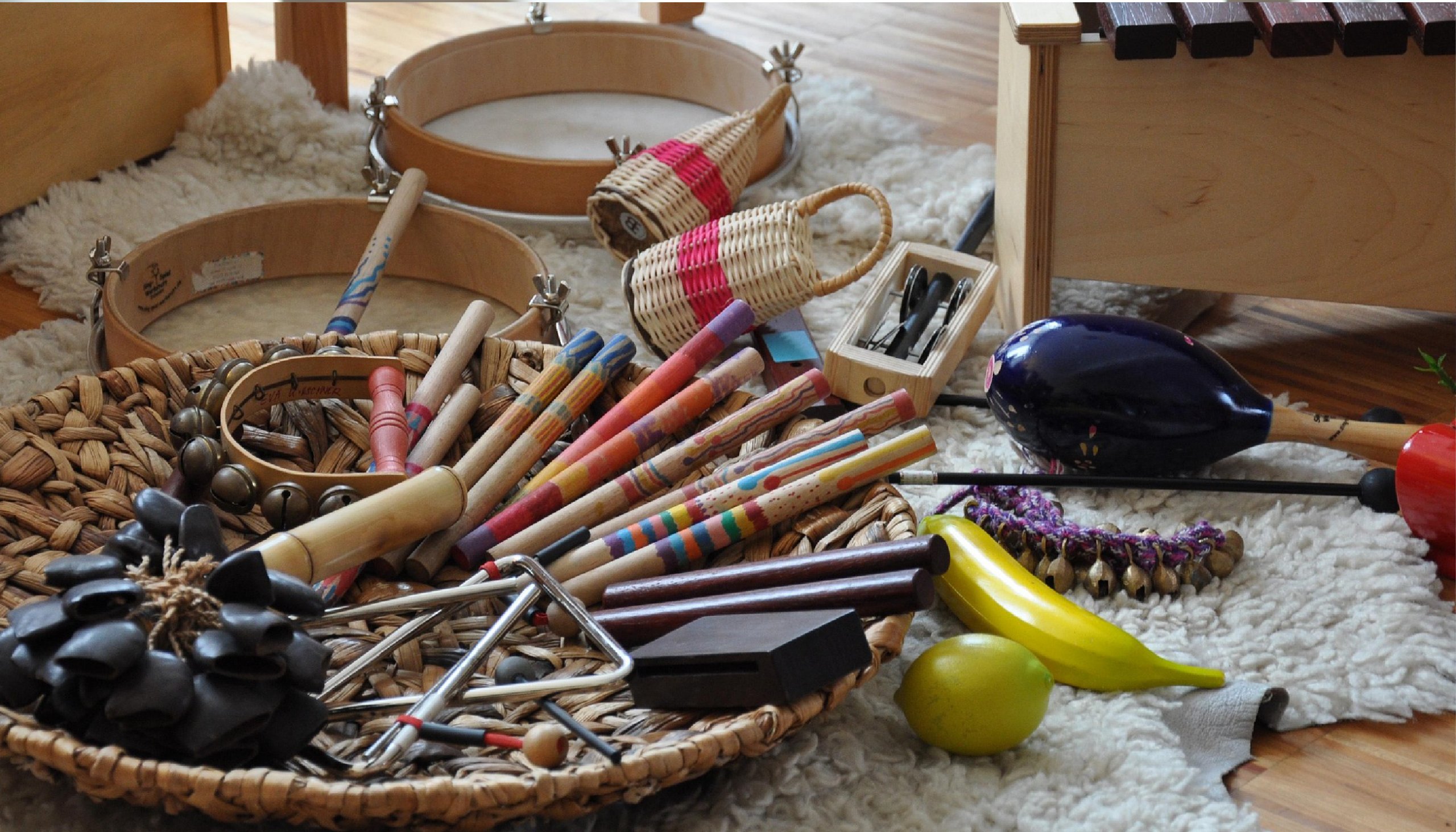



Sonic Pi Lesson Plan: Coding Beats for 6-Year-Olds Made Simple
Table Of Contents
- Understanding Sonic Pi for Young Learners
- Is Your 6-Year-Old Ready for Sonic Pi?
- Setting Up Your Sonic Pi Learning Environment
- The Complete Lesson Plan Structure
- Extension Activities for Continued Learning
- Common Challenges and Solutions
- Learning Outcomes and Skills Developed
Imagine your 6-year-old not just listening to music, but actually creating it through code. Sonic Pi, a free live-coding music synthesizer, opens up an exciting world where technology meets creativity, allowing young children to become composers, programmers, and sound experimenters all at once.
While Sonic Pi might seem advanced for early learners, with the right developmentally-appropriate approach, it becomes a powerful tool for introducing computational thinking through something children naturally love: making noise and creating rhythms. This lesson plan has been designed specifically for 6-year-olds, taking into account their emerging literacy skills, short attention spans, and need for hands-on, multisensory experiences.
At The Music Scientist, we understand that effective early learning happens when children engage multiple intelligences simultaneously. This Sonic Pi lesson plan integrates musical, logical, kinesthetic, and verbal learning styles to create an enriching experience that builds confidence while developing crucial 21st-century skills. Whether you’re a parent exploring coding activities at home or an educator seeking innovative ways to combine music and technology, this comprehensive guide will walk you through every step of introducing Sonic Pi to your young learner.
Understanding Sonic Pi for Young Learners
Sonic Pi is a free, open-source programming environment originally designed to teach coding concepts through music creation. Unlike traditional music software, Sonic Pi uses text-based commands to generate sounds, beats, and melodies. Think of it as giving instructions to a musical robot: you type what you want to hear, press play, and your code transforms into sound.
For 6-year-olds, the appeal lies in the immediate feedback. There’s no lengthy compilation or abstract output. When a child types play 60 and hits run, they instantly hear a musical note. This cause-and-effect relationship is perfectly suited to how young children learn, creating a satisfying loop of experimentation and discovery.
The platform’s simplicity belies its power. While professionals use Sonic Pi for live-coding performances, beginners can create impressive soundscapes with just a handful of commands. This scalability makes it ideal for early learners who can start with basic single notes and gradually build toward rhythmic patterns and loops as their confidence grows.
What makes Sonic Pi particularly valuable in early childhood education is its integration of multiple learning domains. Children practice pre-reading and reading skills by recognizing command words, develop mathematical thinking through number patterns and sequences, enhance creative expression through sound choices, and build problem-solving abilities by debugging their code when sounds don’t match their intentions.
Is Your 6-Year-Old Ready for Sonic Pi?
Before diving into coding beats, it’s important to assess whether your child has the foundational skills to benefit from this activity. At age 6, children vary significantly in their developmental stages, and that’s perfectly normal. Sonic Pi works best when children have certain readiness indicators, though the lesson can be adapted for different ability levels.
Key readiness skills include:
- Basic number recognition: Children should recognize numbers 1-10, as Sonic Pi uses numbers to represent musical notes and durations
- Letter awareness: Emerging literacy skills help children identify command words like “play” and “sleep,” even if they can’t read fluently yet
- Fine motor control: Ability to use a keyboard with assistance, including pressing specific keys and using the mouse to click buttons
- Following multi-step directions: Capacity to remember and execute a sequence like “type this word, then press this button”
- Sustained attention: Can focus on a guided activity for 10-15 minutes with support and engagement
- Rhythm awareness: Basic understanding of beat and pattern, such as clapping along to music or recognizing repeated sounds
If your child hasn’t fully developed all these skills, don’t worry. The lesson plan includes accommodations like visual cue cards, simplified commands, and plenty of movement breaks. Programs like Groovers and Scouts at The Music Scientist help build these foundational musical and cognitive skills through age-appropriate activities that naturally prepare children for more advanced learning experiences.
Setting Up Your Sonic Pi Learning Environment
Creating the right physical and digital environment sets your lesson up for success. A well-prepared space minimizes distractions and technical frustrations, allowing children to focus on the creative and cognitive aspects of music coding.
Technical requirements:
- Computer with Sonic Pi installed (download free from sonic-pi.net, compatible with Windows, Mac, and Raspberry Pi)
- Speakers or headphones appropriate for young children (over-ear headphones work better than earbuds for this age)
- Child-sized chair positioned so the child can reach the keyboard comfortably
- Large external monitor or tablet for displaying visual cue cards (optional but helpful)
Learning materials to prepare:
- Visual command cards with pictures: Create simple cards showing “play” with a musical note icon, “sleep” with a sleeping emoji, and numbers with corresponding dots
- Rhythm instruments for warm-up activities: Shakers, drums, or simple percussion
- Colored stickers to mark important keyboard keys (space bar, Enter/Run, and letter keys for commands)
- A “cheat sheet” poster with 3-4 basic commands in large, colorful print
- Timer for activity transitions
Position yourself beside or slightly behind the child rather than hovering over them. This supportive positioning allows you to point and guide without taking over their experience. Have the Sonic Pi interface already open and set to a blank buffer to avoid the overwhelming feeling of too many windows or options.
The Complete Lesson Plan Structure
This 60-minute lesson follows a carefully designed progression that respects young children’s learning rhythms. Each segment builds on the previous one while incorporating movement breaks and varied activities to maintain engagement. Feel free to split this into two shorter 30-minute sessions if your child’s attention span requires it.
Warm-Up: Sound Exploration (10 minutes)
Begin away from the computer with a playful sound exploration activity. This kinesthetic warm-up activates children’s listening skills and introduces key concepts they’ll use during coding.
Activity: “Copy My Beat”
Sit facing your child with a simple percussion instrument or just use body percussion (clapping, tapping knees). Create a simple two-beat pattern and have your child echo it back. Start with identical sounds (clap-clap-pause-clap), then introduce variation (clap-tap-pause-clap). This activity reinforces pattern recognition and sequencing, which are fundamental to coding.
After several rounds, introduce the concept of “rest” or silence between sounds. Explain that music isn’t just about the sounds we make, but also about the quiet spaces between them. This prepares children for the sleep command they’ll encounter in Sonic Pi, which creates pauses between notes.
Close the warm-up by explaining: “Today, we’re going to teach a computer to make music, just like we’ve been making patterns with our hands. Instead of clapping, we’ll type special words that tell the computer what sounds to make.”
Introduction to the Sonic Pi Interface (10 minutes)
Now transition to the computer. Before touching the keyboard, take a “tour” of the Sonic Pi window together, naming each part in simple terms.
Point to the large blank area on the left and explain: “This is our instruction box. This is where we’ll type our musical instructions.” Point to the Run button (usually highlighted or at the top): “This is our ‘play’ button. After we write our instructions, we press this to hear our music.”
Demonstration: Your First Sound
With your child watching, slowly type the simplest possible Sonic Pi command:
play 60
As you type, narrate each action: “I’m typing the word ‘play’ which tells the computer we want to hear a sound. Now I’m pressing the space bar to make a little gap. Now I’m typing the number 60, which is the name of this particular musical note.”
Click the Run button and let the single note sound. Watch your child’s face light up at the connection between text and sound. This magical moment is the foundation of computational thinking.
Demonstrate 2-3 more examples with different numbers (try 50, 70, 80) so children hear that different numbers create different pitched notes. Ask simple questions: “Was that sound higher or lower than the last one?” This bridges their existing musical understanding with the new coding context.
Guided Practice: Making First Beats (15 minutes)
Now it’s the child’s turn to be the coder. Use a highly scaffolded approach where you guide every step initially, then gradually release responsibility as confidence builds.
Step 1: Single Note Success
Clear the instruction box (or open a new buffer). Guide your child to type their first command. Use your visual cue card for “play” and let them choose any number between 50-80. Physically point to each key as they type, celebrating each correct keystroke. When they press Run and hear their chosen note, make a big celebration of their first program.
Step 2: Creating a Two-Note Sequence
Introduce the concept of multiple instructions. Explain: “Sonic Pi reads our instructions from top to bottom, like reading a book. Let’s give it two instructions.”
Help your child create:
play 60
play 50
When they run this, they’ll notice the notes play so quickly they almost sound like one note. This is the perfect teachable moment to introduce sleep. Explain: “The computer works really, really fast. We need to tell it to wait between notes so we can hear them separately.”
Step 3: Adding Pauses with Sleep
Guide them to modify the code:
play 60
sleep 1
play 50
The sleep command creates a one-second pause. Now the notes are clearly separated. Let your child experiment with different sleep numbers (0.5 for faster, 2 for slower). This experimentation phase is crucial; children learn that they can control timing and pacing through code.
Step 4: Building a Four-Beat Pattern
Now work together to create a simple four-note rhythm:
play 60
sleep 0.5
play 60
sleep 0.5
play 65
sleep 0.5
play 60
This creates a recognizable musical phrase. Let your child clap along with their creation, connecting the physical rhythm from the warm-up to the coded rhythm they’ve now created. This multisensory approach, similar to methods used in Happyfeet and other movement-based music programs, deepens understanding through multiple pathways.
Creative Exploration Time (15 minutes)
This is where children’s individual creativity flourishes. Step back from direct instruction and let them experiment within the structure they’ve learned. Provide gentle guidance and encouragement rather than specific directions.
Exploration prompts:
- “Can you make a pattern that goes high-low-high-low?”
- “What happens if you use really small numbers? Really big numbers?”
- “Can you create a surprise by making one note very different from the others?”
- “Try making a pattern that sounds happy/silly/mysterious”
During this phase, children will inevitably make mistakes (typing errors, forgotten sleep commands, numbers that don’t produce sounds). These errors are valuable learning opportunities. Rather than immediately correcting them, ask: “Hmm, that didn’t sound like you expected. What do you think might have happened?” This builds debugging skills and problem-solving resilience.
If your child creates something they particularly love, save it with their name. Seeing their work saved validates their effort and creates a portfolio they can revisit. Take a photo of them with their code on screen to commemorate their first programming experience.
Closing Circle and Reflection (10 minutes)
End the lesson away from the computer with reflection and movement. Sit together in a comfortable spot and discuss the experience using open-ended questions:
- “What was your favorite sound you created today?”
- “What was tricky about telling the computer what to do?”
- “If you could teach Sonic Pi to make any sound, what would it be?”
Do a final movement activity that reinforces the lesson’s concepts. Play a simple “human coding” game where you give your child verbal commands like “jump once, sleep two seconds, clap three times” and they execute the sequence. This embodied understanding of commands and sequences strengthens the abstract concepts they encountered on screen.
End with encouragement and forward-looking excitement: “Today you became a music programmer! You told a computer exactly what sounds to make, and it listened to you. Next time, we can learn even more ways to make music with code.”
Extension Activities for Continued Learning
Once your child has mastered basic note sequences, these extension activities deepen their skills while maintaining engagement and age-appropriate challenge levels.
1. Musical Emotions Coding
Challenge your child to create three short pieces that express different emotions: happy, sleepy, and excited. Guide them to discover that faster notes (shorter sleep times) often sound energetic, while slower, lower notes might sound calmer. This connects emotional intelligence with technical skills.
2. Pattern Detectives
Create a simple repeating pattern in Sonic Pi and have your child listen and identify what’s repeating. Then reverse roles: they create a pattern and you identify it. This develops both coding and analytical listening skills.
3. Story Soundtracks
Choose a simple story (perhaps one with animals or actions). Together, create short sound effects for different characters or moments using Sonic Pi. The elephant might be low, slow notes (play 40, sleep 1), while the bird might be high, quick notes (play 85, sleep 0.25).
4. Introducing Sample Commands
When your child is ready for the next level, introduce Sonic Pi’s built-in sounds using the sample command. Start with sample :drum_bass_hard which plays a drum sound. This opens up an entirely new palette of sounds beyond simple notes, reigniting excitement and exploration.
5. Family Coding Concert
Plan a special time when your child performs their Sonic Pi creations for family members. They can explain what each part of their code does, building both technical vocabulary and presentation confidence. This mirrors the confidence-building performances that are part of The Music Scientist’s SMART-START English program approach.
Common Challenges and Solutions
Even with the best-designed lesson plan, you’ll encounter challenges. Here are the most common issues when teaching Sonic Pi to 6-year-olds, along with practical solutions.
Challenge: “I can’t find the right letters on the keyboard”
Solution: Use colored stickers or tape to mark the frequently used keys (P, L, A, Y, S, E). Create a simplified keyboard reference sheet with large letters. Consider a keyboard with larger keys designed for children if this becomes an ongoing frustration. Remember that typing is a developing skill at this age; patience and physical supports are essential.
Challenge: Child gets frustrated when code doesn’t work
Solution: Normalize mistakes by sharing that all programmers make errors constantly and that finding and fixing mistakes is a regular part of coding. Create a “Bug Detective” game where finding the error becomes the fun challenge rather than a failure. Use error messages as learning tools: “Oh look, Sonic Pi is giving us a clue about what went wrong!”
Challenge: Attention wanders after 10-15 minutes
Solution: Build in movement breaks every 10-12 minutes. Have the child stand up and act out what their code does physically (jump for high notes, crouch for low notes, freeze for sleep commands). Split the lesson across multiple short sessions rather than one long sitting. This honors the developmental reality that 6-year-olds learn best in short, intensive bursts.
Challenge: Child wants to just randomly press keys
Solution: Honor this impulse for exploration while also setting boundaries. Offer: “Let’s do three minutes of free exploration where you try anything you want, then we’ll come back to our lesson.” Often, children who get this unstructured time are then more willing to engage with guided instruction. The urge to experiment is actually a positive sign of curiosity.
Challenge: No sound coming from Sonic Pi
Solution: Check volume settings, ensure the computer’s audio output is connected and selected, and verify that Sonic Pi’s audio system is initialized (restart the program if needed). Test with headphones to rule out speaker issues. Always test audio before beginning the lesson to avoid technical disruptions during learning time.
Learning Outcomes and Skills Developed
While the immediate experience of coding music is exciting and engaging, the deeper value lies in the foundational skills this lesson develops. Understanding these outcomes helps you recognize and celebrate learning that’s happening beneath the surface.
Computational Thinking Skills: Children develop sequencing abilities as they learn that code executes in order from top to bottom. They practice pattern recognition by creating and identifying repeated musical phrases. They build debugging skills by finding and correcting errors in their code. These are foundational computational concepts that will serve them throughout their education.
Musical Development: The lesson enhances pitch discrimination as children experiment with different note numbers and hear the results. It strengthens rhythmic awareness through the manipulation of sleep durations. Children begin understanding musical structure by creating patterns with beginning, middle, and end. These musical competencies complement the early music education provided by programs like Tenderfeet and other developmentally-focused music curricula.
Literacy and Numeracy: Sonic Pi provides authentic context for number recognition and comparison (understanding that 70 is larger than 60 and produces a higher sound). It supports emerging reading skills through repeated exposure to command words. Children practice fine motor skills necessary for writing as they develop keyboard proficiency.
Executive Function: Following multi-step instructions builds working memory. Experimenting with different values and commands develops flexible thinking. The iterative process of trying, evaluating, and adjusting strengthens self-regulation and goal-directed persistence.
Confidence and Self-Efficacy: Perhaps most importantly, successfully creating music through code builds children’s belief in themselves as capable learners and creators. This sense of “I can do hard things” transfers far beyond the Sonic Pi environment into general academic confidence and willingness to tackle new challenges.
At The Music Scientist, we recognize that powerful early learning experiences plant seeds that grow throughout childhood. When you introduce a 6-year-old to Sonic Pi through a thoughtfully designed, developmentally appropriate lesson plan, you’re not just teaching coding or music—you’re opening a door to creative problem-solving, logical thinking, and the joy of making something entirely their own.
Teaching Sonic Pi to 6-year-olds bridges two worlds that naturally belong together: the logical structure of coding and the creative expression of music. This lesson plan provides a roadmap for introducing these concepts in ways that respect young children’s developmental stages while challenging them to grow in new directions.
Remember that every child’s journey with Sonic Pi will look different. Some may grasp the commands immediately and hunger for more complexity, while others may need several sessions to feel comfortable with the basic structure. Both paths are valid and valuable. The key is maintaining the playful, exploratory spirit that makes this activity engaging rather than overwhelming.
As you implement this lesson plan, stay attuned to your child’s energy, interest level, and frustration points. The best learning happens in that sweet spot where challenge meets support—where children feel stretched but not stressed, curious but not confused. Your role is to hold that space for discovery, offering guidance when needed and stepping back when independence emerges.
Most importantly, celebrate the process rather than just the product. Each small success—typing a command correctly, understanding how sleep creates pauses, creating a pattern that sounds intentional—represents genuine learning and deserves recognition. These early experiences with music and technology lay groundwork for future learning, building both skills and confidence that will serve children throughout their educational journey.
Ready to explore more ways to nurture your child’s musical and cognitive development? At The Music Scientist, we specialize in creating engaging, developmentally-focused learning experiences for children from infancy through preschool. Our programs combine music, movement, and early learning concepts to build strong foundations for lifelong learning. Contact us today to discover how we can support your child’s unique learning journey.
Table Of Contents
Music and technology have always shared a beautiful relationship, and today, that connection is more accessible than ever. Building an Arduino-powered drum pad combines the joy of music-making with the satisfaction of creating something with your own hands. Whether you’re a parent looking to explore STEM activities, an educator seeking innovative ways to teach about sound and electronics, or simply someone curious about music technology, this beginner-friendly project opens doors to understanding how digital instruments work.
At its core, an Arduino drum pad transforms physical taps into digital sounds, using sensors to detect vibrations and convert them into MIDI signals or audio output. The beauty of this project lies not just in the final product, but in the learning journey itself. You’ll gain hands-on experience with basic electronics, programming concepts, and the physics of sound, all while creating an instrument you can actually play.
This guide walks you through every step of building your first Arduino drum pad, from gathering materials to troubleshooting common challenges. We’ll explain technical concepts in plain language, provide clear instructions suitable for absolute beginners, and explore how engaging with music technology can enhance learning for people of all ages. Just as music education programs use rhythm and melody to develop cognitive skills, this hands-on project combines multiple learning modalities to create a rich educational experience.
Why Build an Arduino-Powered Drum Pad?
Before diving into the technical details, it’s worth considering what makes this project particularly valuable. Building your own drum pad offers several compelling benefits that extend beyond simply having a new musical instrument. First, it demystifies technology by showing you exactly how electronic instruments function. When you understand that a drum pad is essentially a sensor detecting vibrations and translating them into signals, digital music becomes less mysterious and more accessible.
Second, this project represents an excellent entry point into the maker movement and electronics hobbyist community. The Arduino platform has become the gold standard for beginners because it combines relatively simple hardware with a supportive global community. Thousands of tutorials, forums, and resources exist to help you succeed, making your first electronics project far less intimidating than it might have been a decade ago.
Third, the skills you develop through this project transfer to countless other applications. The same principles that allow you to detect a drum hit can be applied to creating touch sensors, motion detectors, or interactive art installations. You’re not just building a drum pad; you’re developing foundational skills in physical computing that open doors to endless creative possibilities.
Finally, there’s something deeply satisfying about playing music on an instrument you’ve built yourself. Just as early childhood music programs like Groovers classes foster confidence through musical expression, creating and playing your own instrument builds self-efficacy and pride in your abilities. The combination of technical achievement and creative expression creates a uniquely rewarding experience.
Understanding the Basics: What You Need to Know
Before gathering materials and starting construction, let’s establish a foundation of understanding about how Arduino drum pads work. This knowledge will help you make informed decisions throughout the building process and troubleshoot issues if they arise.
Arduino boards are small computers designed for physical computing projects. They contain a microcontroller (a simple processor) that can read inputs from sensors and control outputs like lights, speakers, or motors. Think of the Arduino as the brain of your drum pad, processing information from the sensors and deciding what to do with it.
Piezo sensors are the components that detect when you hit the drum pad. These small discs generate a tiny electrical voltage when they experience mechanical stress or vibration. When you tap a surface with a piezo sensor attached, the vibration creates a voltage spike that the Arduino can detect and measure. The harder you hit, the larger the voltage spike, allowing your drum pad to respond to playing dynamics.
Resistors in this circuit protect your Arduino from voltage spikes and help create a stable reference point for measurements. While the technical details involve concepts like voltage division and input impedance, the practical takeaway is simple: they make your circuit work reliably and safely.
The basic signal flow works like this: you strike the pad, creating a vibration. The piezo sensor converts that vibration into an electrical signal. The Arduino reads that signal through one of its analog input pins. Your code (program) on the Arduino interprets the signal strength and timing, then triggers an appropriate response, whether that’s sending a MIDI note to music software or playing a sound directly.
Materials and Tools You’ll Need
One of the appealing aspects of this project is its accessibility. You don’t need a fully equipped electronics lab or expensive specialized tools. Here’s what you’ll need to gather before starting:
Essential Electronic Components:
- Arduino Uno or Nano – The Uno is slightly larger and easier to work with for beginners, while the Nano is more compact
- 4-8 Piezo sensors – Start with four for a basic setup; you can always expand later
- 1 Megohm resistors – One for each piezo sensor
- Breadboard – For prototyping without soldering
- Jumper wires – Various lengths for making connections
- USB cable – To connect your Arduino to your computer
Physical Construction Materials:
- Foam or rubber pads – EVA foam sheets work excellently and are affordable
- Mounting surface – Cardboard, wood, or plastic sheet (approximately 12″ x 12″)
- Adhesive – Double-sided tape, hot glue, or contact cement
- Optional: Drum practice pads – If you want a more authentic playing surface
Tools You’ll Need:
- Computer with USB port
- Scissors or craft knife
- Ruler or measuring tape
- Optional: Soldering iron for permanent connections (not required for initial build)
The total cost for this project typically ranges from $30 to $60, depending on whether you purchase components individually or as a kit, and whether you already own basic tools. Many electronics suppliers offer Arduino starter kits that include most components you’ll need.
Step-by-Step Building Guide
Now comes the exciting part: actually building your drum pad. We’ll break this process into manageable steps, explaining the purpose of each action as we go. Take your time with each step, and don’t worry if things don’t work perfectly on your first attempt. Iteration and troubleshooting are integral parts of any maker project.
Step 1: Set Up Your Arduino Environment
1. Download and install the Arduino IDE – Visit the official Arduino website and download the Integrated Development Environment (IDE) for your operating system. This free software is where you’ll write and upload code to your Arduino board. The installation process is straightforward and well-documented on their site.
2. Connect your Arduino to your computer – Use the USB cable to connect your Arduino board to your computer. You should see a small LED light up on the board, indicating it’s receiving power. Open the Arduino IDE and go to Tools > Board, then select your specific Arduino model. Under Tools > Port, select the port that appeared when you connected your Arduino.
3. Test the connection – Go to File > Examples > 01.Basics > Blink and click the upload button (right arrow icon). After a few seconds, the LED on your Arduino should start blinking. This confirms your setup is working correctly. If you encounter issues here, check your USB cable, selected board type, and port settings.
Step 2: Wire the Piezo Sensors
4. Understand the circuit layout – Each piezo sensor needs two connections: one wire goes to an analog input pin on the Arduino, and the other goes to ground (GND). The resistor connects between the analog input pin and ground, creating what’s called a pull-down resistor configuration. This ensures stable readings when the piezo isn’t being struck.
5. Connect your first piezo sensor – Take one piezo sensor and notice it has two wires, typically red and black. Connect the red wire to analog pin A0 on your Arduino using a jumper wire. Connect the black wire to one of the ground (GND) pins. Now take a 1 Megohm resistor and connect one leg to the same A0 pin and the other leg to ground. You can use a breadboard to make these connections easier.
6. Add additional sensors – Repeat the same process for each additional drum pad you want to create, using analog pins A1, A2, A3, and so on. Each sensor gets its own analog pin and its own resistor to ground. Keep your wiring organized and make sure connections are secure. Loose connections are the most common source of frustration in electronics projects.
Step 3: Create the Physical Drum Pads
7. Prepare your mounting surface – Cut your cardboard, wood, or plastic sheet to the desired size. A 12″ x 12″ surface works well for four pads arranged in a square pattern. Mark where you want each pad to be positioned, spacing them comfortably apart (at least 3-4 inches between pad centers).
8. Attach the piezo sensors – Place each piezo sensor at the marked positions and secure them to the mounting surface with adhesive. The sensor should be firmly attached but not overly compressed. Hot glue works well for this, or you can use strong double-sided tape. Make sure the wires can reach back to your Arduino without excessive tension.
9. Add the playing surface – Cut foam or rubber pads slightly larger than your piezo sensors (about 3-4 inches in diameter). Attach these pads directly over the piezo sensors. The foam serves two purposes: it provides a comfortable striking surface and helps distribute the impact across the piezo sensor for better detection. The playing surface should be thick enough to protect the piezo (about 1/4 to 1/2 inch) but not so thick that it dampens the vibration too much.
Step 4: Upload the Code
10. Copy the basic drum pad code – Open a new sketch in the Arduino IDE and enter the following basic code structure. This code reads the analog pins where your piezo sensors are connected and prints the values when they exceed a threshold, indicating a hit. You can find complete, tested code examples by searching for “Arduino piezo drum pad code” in the Arduino forums or GitHub repositories. The basic structure involves setting a threshold value, reading the analog pins in a loop, and triggering actions when readings exceed the threshold.
11. Customize the threshold values – The threshold determines how hard you need to hit the pad for it to register. Start with a value around 50-100 and adjust based on testing. If your pads are too sensitive, increase the threshold. If they’re not registering hits, decrease it. This calibration process is normal and helps you understand how the sensors respond to different materials and hitting strengths.
12. Upload the code to your Arduino – Click the verify button (checkmark icon) to check for errors, then click upload (right arrow icon). The Arduino will receive the code and begin running it immediately. Open the Serial Monitor (Tools > Serial Monitor) to see the values being read from your sensors.
Step 5: Test and Calibrate
13. Test each pad – With the Serial Monitor open, tap each pad and observe the values that appear. You should see numbers spike when you hit the pad. If a pad doesn’t respond, check its wiring connections and make sure the piezo is properly attached. Test different hitting strengths to see how the values change.
14. Adjust sensitivity and response – Based on your testing, modify the threshold values in your code to achieve the responsiveness you want. You may find that different pads need slightly different thresholds depending on their construction and piezo sensor characteristics. You can also add features like velocity sensitivity (where harder hits trigger louder sounds) by mapping the sensor reading to output volume.
15. Add sound output – For your drum pad to make sounds, you have several options. The simplest is connecting a small speaker or buzzer directly to the Arduino and using the tone() function to generate sounds. For more realistic drum sounds, you can send MIDI signals to music software on your computer using MIDI libraries, or connect the Arduino to a dedicated sound module. Many beginners start with the simple buzzer approach and upgrade later as they develop their skills.
Troubleshooting Common Issues
Even with careful construction, you may encounter some challenges. Here are solutions to the most common issues beginners face when building Arduino drum pads:
Pads not registering hits: Check that the piezo sensor is firmly attached to the mounting surface and that the foam pad makes good contact with it. Verify all wire connections are secure and that you’re reading from the correct analog pin in your code. Try lowering your threshold value to see if the sensor is generating any signal at all.
False triggers or pads triggering each other: This happens when vibrations travel through your mounting surface and trigger adjacent pads. Solutions include using a thicker or more rigid mounting surface, adding foam or rubber feet to isolate the structure from your table, or increasing the space between pads. You can also add a “cooldown period” in your code so a pad can’t trigger again for a brief moment after being hit.
Inconsistent sensitivity: If your pad responds differently each time you hit it, the piezo may not be securely attached, or your foam pad may be too thick or too soft. Try using a firmer foam or reducing its thickness. Also ensure your resistor value is correct (1 Megohm) as incorrect resistor values can cause erratic readings.
Arduino not connecting to computer: Try a different USB cable (some cables are power-only and don’t carry data). Check that you’ve selected the correct board and port in the Arduino IDE. Restart both the IDE and your computer if necessary. Make sure your Arduino drivers are properly installed.
Educational Benefits for Children and Families
While this project might seem primarily technical, it offers rich educational opportunities that parallel the developmental benefits of structured music programs. Building and playing an Arduino drum pad engages multiple learning modalities simultaneously, creating connections between abstract concepts and concrete experiences.
The hands-on nature of this project supports kinesthetic learning, just as movement-based music education helps children internalize rhythmic concepts. When you physically assemble the components, wire the circuits, and tap the pads, you’re engaging muscle memory and spatial reasoning alongside intellectual understanding. This multi-sensory approach to learning creates stronger, more lasting comprehension than passive observation alone.
The project naturally introduces logical-mathematical thinking through its requirement for sequential problem-solving and cause-and-effect reasoning. Understanding that a sensor reading must exceed a threshold value to trigger an action, or debugging why a circuit isn’t working, develops the same analytical skills that programs like Scouts classes foster through structured exploration of scientific concepts.
For families working on this project together, the experience creates opportunities for collaborative learning and intergenerational skill-sharing. Parents and children can explore technology together, with neither necessarily being the “expert.” This shared discovery builds confidence and models the growth mindset that learning is a continuous journey rather than a destination. The process also develops persistence and resilience as you work through challenges and iterate on your design.
The connection to music adds another dimension of value. Understanding how electronic instruments translate physical actions into sound deepens musical appreciation and opens conversations about sound physics, digital audio, and the technology behind the music we enjoy daily. For young children not quite ready for Arduino programming, simply observing the construction process and playing the finished instrument introduces technology concepts in an age-appropriate, engaging way, much like how infant care classes introduce musical concepts through sensory experiences before formal instruction begins.
Taking Your Project Further
Once you’ve successfully built a basic Arduino drum pad, numerous possibilities open up for expanding and improving your creation. Consider adding LED lights that illuminate when each pad is hit, providing visual feedback that makes playing more engaging and helps with timing practice. You could integrate your drum pad with music production software by implementing MIDI functionality, turning your DIY project into a legitimate music production tool.
Physical improvements might include building a more robust enclosure, experimenting with different playing surfaces to find the feel you prefer, or adding more pads to create a fuller drum kit layout. Some builders create mesh heads similar to commercial electronic drums for a more authentic playing experience. Others explore different sensor types, like force-sensitive resistors (FSRs), which respond differently than piezo sensors and might better suit your playing style.
Code enhancements offer another avenue for growth. You could add velocity sensitivity with multiple levels, create patterns that play back recorded sequences, or implement practice modes with metronomes and timing feedback. As your programming skills develop, you might explore more sophisticated sound generation or add features like adjustable pad sensitivity through potentiometers (knobs).
Perhaps most importantly, this project can serve as a gateway to understanding the intersection of art and technology. Whether you continue building music-related projects or branch into other areas of physical computing, you’ve developed foundational skills that apply broadly across the maker landscape. The confidence gained from completing a project that combines electronics, programming, and creative expression creates momentum for tackling increasingly ambitious challenges.
Building an Arduino-powered drum pad represents more than just a weekend project; it’s an entry point into understanding how the technology we interact with daily actually works. By combining basic electronics, simple programming, and physical construction, you’ve created something both functional and personally meaningful. The drum pad sitting on your desk is a testament to your ability to learn new skills, solve problems, and bring ideas to life through hands-on creation.
The journey from gathering components to playing your first rhythm mirrors the learning philosophy that underlies effective education at every age. Just as developmentally-focused music programs build skills progressively through engaging, multi-sensory experiences, this project has walked you through each concept sequentially, connecting abstract technical knowledge to concrete, tangible results. You’ve experienced firsthand how sensors translate physical phenomena into electrical signals, how code interprets data and makes decisions, and how thoughtful design choices affect user experience.
Whether you’re a parent exploring educational activities, an educator seeking innovative teaching tools, or an individual pursuing personal interests, projects like this demonstrate that technology is accessible and learnable. The skills you’ve developed extend far beyond this single project. The confidence to approach unfamiliar challenges, the persistence to work through obstacles, and the creativity to envision improvements all transfer to countless other endeavors. As you continue exploring the intersection of music, technology, and learning, remember that every expert started as a beginner, and every complex skill can be broken down into manageable steps.
Nurture Young Minds Through Music
While building music technology is rewarding at any age, introducing children to music during their early developmental years creates lasting benefits. The Music Scientist specializes in developmentally-focused music programs that combine melody, movement, and sensory play to promote cognitive development, motor skills, and confidence.
From infant sensory classes to preschool readiness programs, our curriculum uses music as a powerful learning medium to help young children develop essential skills while fostering a genuine love for learning.
Table Of Contents
There’s something magical about watching your toddler’s eyes light up when they hear live music for the first time. The drumbeat that makes them bounce, the guitar strings that capture their complete attention, the vocalist’s melody that has them swaying without a care in the world. These aren’t just cute moments – they’re powerful developmental experiences that shape how your child’s brain processes sound, rhythm, and language.
As Singapore’s cultural scene continues to flourish, more venues and organizers are recognizing the value of creating live music experiences specifically for our youngest audience members. But not all events labeled “family-friendly” are truly suitable for toddlers aged 18 to 36 months, whose developmental needs differ significantly from preschoolers and older children.
This guide helps you navigate Singapore’s live music landscape to find events that aren’t just entertaining, but developmentally appropriate for toddlers. We’ll explore what makes a music event truly toddler-friendly, highlight upcoming performances worth watching, and share how consistent musical engagement supports your child’s cognitive, motor, and social-emotional growth.
Why Live Music Matters for Toddler Development
Live music offers something that recorded tracks simply cannot replicate: a multi-sensory, interactive experience that engages toddlers on multiple developmental levels simultaneously. When your 18-month-old watches a musician strum a guitar, they’re not just hearing sounds – they’re connecting visual input with auditory feedback, observing cause and effect, and processing complex patterns of rhythm and melody.
Research consistently shows that musical experiences during the toddler years strengthen neural pathways related to language development, mathematical thinking, and spatial reasoning. The rhythmic patterns in music help toddlers develop temporal processing skills, which later support reading comprehension. The melodic variations expose them to tonal patterns that enhance their ability to distinguish phonemes in language.
Beyond cognitive benefits, live music events provide valuable opportunities for social learning. Toddlers observe how others respond to music, learn about shared attention, and practice regulating their excitement in group settings. These social-emotional skills become the foundation for successful preschool transitions and peer relationships.
For parents seeking to maximize these developmental benefits, programs like Happyfeet: Enrichment Classes for 18-Month-Olds & Toddlers offer structured musical experiences specifically designed around developmental milestones, complementing the spontaneous joy of live event attendance.
What to Look for in Toddler-Friendly Music Events
Not every concert marketed toward families will meet your toddler’s needs. Understanding what makes an event truly appropriate for this age group helps you choose experiences that will engage rather than overwhelm your child. Here are the key factors to consider when evaluating live music events for toddlers.
Duration and Timing
Toddler attention spans typically range from 15 to 30 minutes for structured activities. The best music events for this age group run 30-45 minutes maximum, allowing for engagement without exhaustion. Events scheduled during your child’s natural alert periods – typically mid-morning or early afternoon – tend to be more successful than evening performances that conflict with dinner and bedtime routines.
Interactive Elements
Passive listening doesn’t align with toddler developmental needs. Look for events that incorporate movement, allow for vocalization, and include opportunities for your child to participate. The best toddler music events feature moments where children can clap, dance, play simple instruments, or respond to the performers. This interactivity transforms music from background entertainment into an active learning experience.
Sensory Considerations
Toddlers are still developing their sensory processing abilities, making them sensitive to overstimulation. Events appropriate for this age group feature moderate volume levels, avoid strobe lighting or overwhelming visual effects, and provide space for movement. The acoustic environment should be clear enough for toddlers to distinguish individual instruments and voices, supporting their developing auditory discrimination skills.
Age-Appropriate Content
Musical content matters. Events featuring repetitive melodies, predictable patterns, and familiar themes work best for toddlers. Songs about animals, daily routines, body parts, and simple emotions resonate with their current cognitive understanding. Programs like Groovers: Music and Dance Classes for Toddlers demonstrate how thoughtfully selected musical content can target specific developmental goals while keeping young children engaged.
Upcoming Live Music Events for Toddlers
Singapore’s event landscape constantly evolves, with new performances and series launching throughout the year. Here’s what to watch for when planning your family’s music event calendar.
Outdoor Concert Series
Several Singapore parks and outdoor venues host family-focused music series during cooler months. These events typically feature local musicians performing acoustic sets with toddler-friendly repertoires. The outdoor setting provides natural space for movement, reducing the pressure to keep toddlers seated and still. Gardens by the Bay, Fort Canning Park, and various community centers regularly schedule such performances, often with free admission.
When attending outdoor concerts with toddlers, arrive early to secure a spot near the exit for easy departures if needed. Bring a picnic blanket, snacks, and consider timing your arrival to allow for exploration of the venue before the music begins.
Library and Community Center Programs
The National Library Board’s network of branches across Singapore frequently hosts music storytelling sessions and mini-concerts specifically designed for young children. These free programs typically run 30 minutes and incorporate picture books, songs, and simple instruments. While individual sessions book up quickly, they’re offered regularly throughout the year, making them accessible for most families.
Community centers island-wide also partner with local musicians and music educators to present toddler-focused performances. Check your neighborhood community center’s quarterly program guide for upcoming musical events.
Arts Center Performances
Esplanade – Theatres on the Bay regularly features its “Octoburst!” festival and other family-friendly programming that includes performances specifically for very young children. These professionally produced shows combine live music with puppetry, movement, and visual art. The venue’s commitment to early childhood arts programming means performances are thoughtfully designed with developmental appropriateness in mind.
Smaller arts venues like The Arts House and ArtScience Museum also periodically host sensory-friendly music events where toddlers can move freely and vocalize without disturbing other audience members. These relaxed performance environments acknowledge and accommodate toddler behavior patterns.
Shopping Mall Activations
Major shopping centers like VivoCity, Suntec City, and Jewel Changi Airport regularly schedule weekend entertainment that includes live music performances. While not always specifically designed for toddlers, these free events provide low-commitment opportunities to gauge your child’s interest in live music. The informal setting allows you to arrive and depart easily based on your toddler’s engagement level.
Venues Regularly Hosting Toddler Music Events
Certain venues have established reputations for quality early childhood music programming. Adding these to your watchlist ensures you won’t miss relevant performances as they’re announced.
Esplanade – Theatres on the Bay: Singapore’s premier arts venue maintains a robust early childhood programming calendar. Their Come Play series and annual Octoburst! festival feature music performances specifically created for young children. The venue’s commitment to accessibility and family-friendly amenities makes it an ideal first theater experience for toddlers.
Singapore Botanic Gardens: The outdoor amphitheater and various garden spaces host community concerts throughout the year. The Symphony in the Park series occasionally includes family-friendly matinee performances. The gardens’ natural environment provides an inherently toddler-friendly setting where movement and vocalization blend seamlessly with outdoor exploration.
National Library Building and Branch Libraries: With its extensive network of libraries island-wide, the National Library Board offers the most accessible regular music programming for toddlers. Their storytelling sessions frequently incorporate live music elements, introducing children to diverse musical instruments and styles in an educational context.
Goodman Arts Centre: This creative hub in Mountbatten regularly partners with arts organizations presenting work for young audiences. The center’s intimate performance spaces and community focus make it a natural fit for toddler-appropriate music events that emphasize participation over passive viewing.
The Artground: This organization specifically focuses on making arts accessible to young children and families. They collaborate with venues across Singapore to present performances, workshops, and festivals featuring live music designed for early childhood engagement. Following their programming schedule helps you discover events you might otherwise miss.
Tips for Attending Live Music Events with Toddlers
Even at the most toddler-friendly event, success depends partly on preparation. These practical strategies help you and your child enjoy the experience while supporting their developing regulation skills.
Set realistic expectations: Your toddler likely won’t sit attentively for an entire performance, and that’s developmentally normal. Plan to arrive and leave based on their engagement, not the official start and end times. A positive 15-minute experience beats a stressful 45-minute ordeal.
Choose your seating strategically: Position yourself near an exit for easy departures if your toddler becomes overwhelmed. Aisle seats or standing room areas give your child space to move without disturbing others. At outdoor events, stake out a spot on the periphery where your toddler can dance and explore safely.
Prepare your toddler beforehand: Talk about what they’ll see and hear using simple language. For children approaching 24 months and older, showing pictures or videos of similar events helps them build anticipation and understanding. Explaining that people will be playing instruments and singing prepares them for the experience.
Bring comfort items and snacks: Familiar objects help toddlers regulate in new environments. A favorite small toy, sippy cup, and simple snacks provide security and help manage waiting periods before the performance begins. Choose quiet snacks that won’t disrupt others’ experience.
Model engagement: Your toddler takes cues from your behavior. When you clap, sway, or show enthusiasm for the music, they learn appropriate ways to respond. Your relaxed presence signals that this is an enjoyable, safe experience worth engaging with.
Follow your child’s lead: If they want to stand rather than sit, dance rather than stay still, that’s okay. Toddler-friendly events explicitly accommodate these developmental needs. Forcing stillness creates negative associations with live music rather than building a love for musical experiences.
For parents seeking more consistent musical engagement that builds on these live event experiences, structured programs like Scouts: Fostering A Love for Science through Catchy Melodies provide weekly opportunities to deepen musical learning in developmentally appropriate ways.
Beyond One-Time Events: Building a Musical Foundation
While live music events create memorable experiences, consistent musical engagement provides the greatest developmental benefits for toddlers. Attending occasional concerts introduces your child to live performance, but regular participation in structured music programs builds the neural pathways that support long-term cognitive, linguistic, and motor development.
The difference lies in repetition and progression. At a single event, your toddler experiences novel stimulation. In an ongoing program, they encounter musical concepts repeatedly, allowing their brain to build and strengthen connections. They learn to anticipate patterns, remember songs from week to week, and develop increasingly sophisticated responses to musical elements.
This cumulative learning explains why music enrichment programs designed around developmental milestones complement live event attendance. Programs that target specific age groups recognize that an 18-month-old processes music differently than a 30-month-old, tailoring activities to match current abilities while gently stretching toward emerging skills.
For toddlers in the 18-24 month range, classes like Happyfeet focus on foundational skills: beat awareness, movement coordination, and beginning vocal exploration. As children approach preschool age, programs such as SMART-START English and SMART-START Chinese integrate musical learning with preschool readiness skills, using music as a medium for academic concept development.
The most effective approach combines both experiences: live events for exposure, joy, and family bonding, and structured programs for skill development and consistent learning. Together, they create a rich musical environment that supports your toddler’s overall development while nurturing a lifelong appreciation for music.
Making Music Part of Daily Life
Between live events and formal classes, you can support your toddler’s musical development through everyday moments. Singing during daily routines, playing various musical styles during playtime, and providing simple instruments for exploration all contribute to building musical intelligence.
When your toddler demonstrates sustained interest in music through these daily interactions and occasional live events, that’s often the right time to explore more structured learning environments. The skills they develop there will, in turn, enhance their ability to engage with and appreciate future live performances, creating a positive feedback loop of musical growth.
Singapore’s growing recognition of early childhood arts programming means more opportunities than ever to introduce your toddler to live music. From outdoor community concerts to professionally produced theater performances, the options span various formats, venues, and accessibility levels. The key is selecting experiences that match your child’s developmental stage while remaining flexible about how they engage.
Remember that building a strong musical foundation happens gradually, through accumulated experiences over time. Each live event, whether your toddler watches raptly or dances enthusiastically for just ten minutes, contributes to their developing relationship with music. These experiences plant seeds that grow into fuller appreciation as their cognitive abilities mature.
As you explore Singapore’s live music scene with your toddler, pay attention to what captures their interest. Do they gravitate toward specific instruments? Do they respond more to fast rhythms or gentle melodies? These observations help you understand your child’s unique musical preferences and can guide decisions about further musical engagement.
The toddler years represent a critical window for musical development, when the brain shows remarkable plasticity and openness to learning. By providing rich, varied musical experiences now, you’re not just entertaining your child—you’re supporting cognitive development, emotional regulation, social learning, and motor coordination. You’re also creating positive associations with music that can enrich their entire life.
Ready to Make Music a Regular Part of Your Toddler’s Development?
While live events create special moments, consistent musical learning provides lasting developmental benefits. At The Music Scientist, our programs are specifically designed to match your toddler’s developmental stage, using music as a powerful tool for cognitive, physical, and social-emotional growth. From Tenderfeet for infants to age-specific programs for toddlers and preschoolers, we create engaging musical experiences that prepare children for lifelong learning.
Table Of Contents
- Understanding What “Qualified” Really Means in Music Education
- Formal Qualifications and Certifications
- Singapore-Specific Requirements and Standards
- Why Experience and Practical Skills Matter
- Developmental Knowledge for Young Learners
- Your Complete Qualification Checklist
- Red Flags to Watch For
- Questions to Ask Potential Music Educators
Choosing the right music program for your child is one of the most important decisions you’ll make in their early development journey. With countless options available across Singapore, from individual tutors to established enrichment centers, how do you determine if a music educator is truly qualified to teach your little one?
The answer isn’t always straightforward. Unlike primary or secondary school teachers who must meet clear MOE requirements, music educators in the enrichment space operate with varying levels of qualifications, experience, and expertise. Some may have impressive performance credentials but lack pedagogical training, while others might have teaching qualifications but limited understanding of early childhood development.
For parents of babies, toddlers, and preschoolers, this distinction becomes even more critical. Teaching music to a 6-month-old requires vastly different skills than instructing a 10-year-old in piano technique. The most qualified music educators for young children combine musical expertise, teaching methodology, and deep understanding of developmental milestones to create meaningful learning experiences.
This comprehensive guide breaks down exactly what qualifications, certifications, and experience markers you should look for when evaluating music educators in Singapore, with a special focus on early childhood music education for children aged 4 to 47 months.
Understanding What “Qualified” Really Means in Music Education
The term “qualified music educator” encompasses multiple dimensions that go beyond simply being able to play an instrument well. In Singapore’s context, qualification involves a combination of formal education, recognized certifications, practical teaching experience, and specialized knowledge appropriate to the age group being taught.
For early childhood music education specifically, qualification means understanding how babies and toddlers learn differently from older children. A qualified educator recognizes that a 10-month-old experiences music through sensory exploration and movement, while a 36-month-old can begin engaging with rhythm patterns and simple melodies. This developmental awareness shapes how lessons are structured, what materials are used, and how progress is measured.
Parents should look for educators who can demonstrate both their musical competency and their understanding of child development. The intersection of these two areas creates the foundation for effective early childhood music education that supports cognitive growth, motor skill development, and social-emotional learning.
Formal Qualifications and Certifications
Music Degrees and Diplomas
Formal music education provides educators with comprehensive musical knowledge, theory understanding, and performance skills. In Singapore, several pathways demonstrate serious musical training:
- Bachelor’s or Master’s degree in Music from recognized institutions such as Yong Siew Toh Conservatory of Music (NUS), LASALLE College of the Arts, or overseas universities
- Diploma in Music from polytechnics or private music institutions
- Grade 8 certification from examination boards like ABRSM (Associated Board of the Royal Schools of Music), Trinity College London, or Yamaha
- Performance diplomas such as ATCL, LTCL, or FTCL (Trinity College) or DipABRSM, LRSM, FRSM (ABRSM)
While these qualifications demonstrate musical proficiency, they don’t automatically indicate teaching ability, especially for young children. A concert pianist with an LRSM diploma may not know how to engage a group of 18-month-olds in musical play. This is why additional pedagogical training is essential.
Teaching Certifications and Pedagogical Training
Teaching music requires different skills than performing it. Recognized pedagogical certifications indicate that an educator has studied how to effectively transmit musical knowledge to students:
- Kodály Method certification focusing on sequential music literacy through singing and movement
- Orff Schulwerk training emphasizing creative music-making through instruments, movement, and speech
- Dalcroze Eurhythmics qualification teaching music through movement and bodily expression
- Suzuki Method certification for instrument-specific teaching with emphasis on early start
- Music Together® training specifically designed for mixed-age groups of babies through preschoolers
- Kindermusik educator certification focused on research-based early childhood music and movement
These methodologies aren’t just teaching techniques; they’re comprehensive philosophies backed by decades of research into how children learn music. Educators trained in these approaches understand developmental progressions and can adapt their teaching to individual learning styles.
Early Childhood Specialization
For parents of babies, toddlers, and preschoolers, the most critical qualification is specialized training in early childhood education. Music educators working with children under five should ideally have:
- Early Childhood Care and Education (ECCE) qualifications such as Diploma in Early Childhood Education or Higher Certificate in Infant Care
- Child development coursework covering cognitive, physical, social-emotional, and language development milestones
- Age-specific music pedagogy training that addresses the unique needs of infants, toddlers, and preschoolers
- First Aid and CPR certification for child safety (especially important for infant programs)
At The Music Scientist’s Tenderfeet program, educators combine musical expertise with understanding of sensory development in infants aged 4-17 months. This specialized knowledge ensures activities support developmental milestones while introducing musical concepts through age-appropriate exploration.
Singapore-Specific Requirements and Standards
While Singapore doesn’t mandate specific licenses for music enrichment educators (as opposed to preschool or childcare teachers), several regulatory frameworks and quality standards are relevant:
SkillsFuture Singapore (SSG) Recognition: Music schools and educators can pursue SSG Training Partner status or align with Workforce Skills Qualifications (WSQ) frameworks. While not mandatory, this recognition demonstrates commitment to quality and continuous professional development. Educators may hold WSQ certifications in areas like “Train the Adult Learner” or “Facilitate Learning” that enhance their teaching effectiveness.
Early Childhood Development Agency (ECDA) Standards: For programs operating within preschools or childcare centers, educators must meet ECDA’s qualification requirements. This typically means holding at least a Certificate in Early Childhood Care and Education (Basic) for assistant teachers, with higher qualifications required for lead teachers.
CPE Registration: Music schools offering structured programs may choose to register with the Committee for Private Education (CPE), particularly if they issue certificates or diplomas. While enrichment programs for very young children typically don’t require CPE registration, schools pursuing it demonstrate commitment to regulatory compliance and quality assurance.
Professional Association Membership: Membership in organizations like the Music Teachers’ Association of Singapore (MTAS) or Early Childhood Music and Movement Association (Singapore chapter) indicates engagement with professional standards and ongoing learning within the education community.
Why Experience and Practical Skills Matter
Certificates and degrees provide important foundations, but practical teaching experience reveals an educator’s true capability. When evaluating experience, consider both quantity and quality.
Look for educators with at least two to three years of consistent teaching experience in early childhood music settings. However, five years teaching 10-year-olds piano isn’t equivalent to two years teaching toddler music classes. The experience should be relevant to the age group and teaching format your child will encounter.
Quality indicators in an educator’s experience include working with diverse learners, adapting to different developmental levels within the same class, managing group dynamics with very young children, and creating engaging lessons that balance structure with spontaneity. Ask about their experience specifically with your child’s age range and how they’ve adapted teaching approaches for different developmental stages.
Programs like Happyfeet for 18-month-olds and Groovers for toddlers require educators who understand the dramatic developmental differences between these age groups, even though they’re just months apart. Experienced educators recognize that an 18-month-old is developing walking stability and beginning to use words, while a 30-month-old can jump, run, and engage in simple conversations. This knowledge directly shapes lesson planning and activity selection.
Developmental Knowledge for Young Learners
Perhaps the most overlooked qualification is deep understanding of child development. For music education with babies, toddlers, and preschoolers, developmental knowledge isn’t just helpful; it’s essential for creating appropriate and effective programs.
Qualified early childhood music educators understand the multiple intelligences framework and recognize that young children learn through various modalities. They design activities that engage logical-mathematical intelligence through pattern recognition in rhythms, musical intelligence through melody and pitch exploration, bodily-kinesthetic intelligence through movement and dance, and verbal-linguistic intelligence through songs and rhymes.
They also understand sensory integration and how babies and toddlers make sense of their world through multi-sensory experiences. Quality programs incorporate visual elements (colorful instruments, props), auditory stimulation (varied musical styles, different instruments), tactile exploration (touching different textures, playing instruments), and kinesthetic engagement (moving to music, dancing, jumping).
Knowledge of developmental milestones allows educators to set appropriate expectations and celebrate genuine progress. They know that a 6-month-old shaking a maraca isn’t the same skill level as a 24-month-old playing it in rhythm, and they design activities that challenge without frustrating.
At programs like Scouts, educators integrate general knowledge themes with music to enhance memory and learning, understanding that preschoolers learn science concepts more effectively when they’re embedded in catchy melodies and engaging activities.
Your Complete Qualification Checklist
Use this comprehensive checklist when evaluating music educators or programs for your child. While not every educator will meet every criterion, qualified professionals should demonstrate strength in multiple areas:
Musical Qualifications:
- Holds at least Grade 8 certification or equivalent musical qualification
- Has formal music education (degree, diploma, or extensive conservatory training)
- Demonstrates proficiency in multiple instruments or voice
- Stays current with musical knowledge and continues personal development
Teaching Credentials:
- Has completed recognized pedagogical training (Kodály, Orff, Dalcroze, Suzuki, or early childhood music methods)
- Holds early childhood education qualifications (for infant/toddler programs)
- Possesses current First Aid and CPR certification
- Participates in ongoing professional development and workshops
Relevant Experience:
- Has at least 2-3 years teaching music to young children
- Specifically experienced with your child’s age range
- Comfortable managing group classes with multiple developmental levels
- Can provide references or testimonials from other parents
Developmental Understanding:
- Demonstrates knowledge of age-appropriate developmental milestones
- Explains how activities support cognitive, motor, and social-emotional development
- Adapts teaching to individual learning styles and needs
- Uses developmentally appropriate instruments, materials, and activities
Professional Practice:
- Associated with established, reputable music schools or institutions
- Follows structured curriculum aligned with developmental stages
- Maintains safe, clean, age-appropriate learning environments
- Communicates clearly with parents about child’s progress and development
Red Flags to Watch For
Just as important as knowing what to look for is recognizing warning signs that an educator may not be appropriately qualified:
Lack of formal training: Educators who rely solely on their love of music without any formal musical education or teaching training may lack the knowledge to create effective learning experiences.
No age specialization: Teachers who claim to teach all ages equally well (from infants to adults) without specialized training for different developmental stages may not understand the unique needs of each group.
Rigid, performance-focused approach: Programs that emphasize perfect performance over exploration and play, or that push young children toward recitals and competitions, may not align with developmentally appropriate practice.
Inability to explain methodology: Educators should be able to articulate their teaching philosophy, explain why they use specific activities, and describe how their program supports development beyond just musical skills.
Poor classroom management: If a teacher struggles to engage children, seems frustrated by typical toddler behavior, or can’t adapt when activities don’t go as planned, they may lack sufficient experience with young learners.
No safety certifications: Especially for infant and toddler programs, educators without current First Aid/CPR training represent a safety concern.
Questions to Ask Potential Music Educators
When visiting music schools or interviewing educators, come prepared with questions that reveal their qualifications and approach:
About their qualifications:
- What is your musical background and highest level of music training?
- What teaching certifications or pedagogical training have you completed?
- Do you have early childhood education qualifications?
- What professional development have you pursued in the last year?
About their experience:
- How long have you been teaching music to children in this age range?
- What is your experience specifically with [your child’s age]?
- Can you describe your most challenging teaching moment and how you handled it?
- May I speak with references from other parents whose children you’ve taught?
About their approach:
- What teaching method or philosophy guides your lessons?
- How do you adapt activities for different developmental levels within a class?
- How does your program support overall child development, not just musical skills?
- What role do parents play in your program?
About their curriculum:
- How is your curriculum structured to follow developmental progressions?
- What specific skills and concepts will my child develop at each stage?
- How do you assess progress in very young children?
- What happens if my child needs more time at a certain level?
The answers to these questions will reveal not just what qualifications educators hold on paper, but how they apply that knowledge in creating meaningful learning experiences for young children.
Programs like SMART-START English and SMART-START Chinese exemplify comprehensive approaches that combine music with preschool readiness, integrating multiple developmental domains through carefully structured, age-appropriate curriculum delivered by qualified educators who understand both musical and developmental progressions.
Choosing a qualified music educator for your child requires looking beyond impressive performance credentials to find professionals who combine musical expertise, pedagogical training, early childhood development knowledge, and relevant teaching experience. The most qualified educators understand that teaching music to babies, toddlers, and preschoolers is a specialized skill requiring different approaches than teaching older children or adults.
As you evaluate music programs in Singapore, use this checklist as your guide. Ask detailed questions, observe trial classes, and trust your instincts about whether an educator truly understands your child’s developmental needs. The right music educator won’t just teach your child songs; they’ll create rich, multisensory experiences that support cognitive development, motor skills, language acquisition, and social-emotional growth while fostering a lifelong love of music and learning.
Remember that quality early childhood music education is an investment in your child’s holistic development. By choosing educators with the right combination of qualifications, experience, and developmental understanding, you’re setting the foundation for musical appreciation, learning confidence, and developmental success that will benefit your child far beyond the music classroom.
Experience Music Education by Qualified Early Childhood Specialists
At The Music Scientist, our educators combine musical expertise with deep understanding of early childhood development to create enriching programs for babies, toddlers, and preschoolers aged 4 to 47 months. Our developmentally-focused curriculum integrates music, movement, and sensory play to support multiple intelligences and prepare children for lifelong learning success.
Contact us today to learn more about our programs and meet our qualified educators →
Table Of Contents
In Singapore’s competitive educational landscape, parents constantly seek programs that give their children an academic head start. Mandarin music classes have emerged as a popular choice, promising to blend language exposure with developmental benefits. But amid the marketing messages and glowing testimonials, one question remains: do these programs truly provide a bilingual edge, or are they simply capitalizing on parental anxiety?
The answer, as with most things in early childhood education, is nuanced. Research does support bilingual advantages in cognitive development, and music has proven connections to language acquisition. However, not all programs are created equal, and understanding what actually works versus what sounds appealing requires looking beyond the hype.
This article examines the science behind Mandarin music classes for young children, exploring the genuine benefits, potential limitations, and what parents should consider when evaluating these programs for babies, toddlers, and preschoolers. Whether you’re curious about language development timelines, the music-language connection, or simply trying to make an informed choice for your child, we’ll separate evidence from enthusiasm to help you decide if Mandarin music classes align with your family’s goals.
The Bilingual Advantage: What Research Actually Shows
The term “bilingual advantage” has become shorthand for a collection of cognitive benefits observed in children who grow up speaking two languages. But what does the research actually demonstrate, and how substantial are these advantages?
Studies consistently show that bilingual children develop enhanced executive function, the mental processes that help us plan, focus attention, remember instructions, and juggle multiple tasks. This occurs because managing two language systems requires the brain to constantly select the appropriate language, suppress the other, and switch between them when needed. This linguistic juggling act strengthens the brain’s control mechanisms, much like physical exercise strengthens muscles.
Bilingual children also demonstrate stronger metalinguistic awareness, meaning they develop a more sophisticated understanding of how language works as a system. They recognize earlier than monolingual peers that words are arbitrary symbols for objects and concepts, which can enhance literacy development and abstract thinking. Research from the National University of Singapore has shown that bilingual children often excel at tasks requiring pattern recognition and rule application, skills that extend beyond language into mathematical and logical reasoning.
However, it’s important to acknowledge the nuance in this research. The bilingual advantage is most pronounced in children who achieve genuine proficiency in both languages, not merely exposure. Additionally, some recent studies have challenged the universality of these benefits, suggesting that factors like socioeconomic status, quality of language instruction, and individual differences also play significant roles. The advantage exists, but it’s not automatic, and it depends heavily on the quality and consistency of bilingual exposure.
The Critical Period for Language Learning
If you’re considering Mandarin music classes for your young child, timing matters significantly. The concept of a critical period for language acquisition suggests that there’s an optimal window during early childhood when the brain is exceptionally receptive to learning languages.
From birth to approximately age seven, children’s brains possess remarkable neuroplasticity. During these formative years, they can distinguish and produce sounds from any language, absorb grammatical structures intuitively, and develop native-like pronunciation with seemingly effortless ease. This explains why young children in multilingual environments often switch between languages fluidly, while adults struggle with pronunciation and grammar despite dedicated study.
For Mandarin specifically, early exposure offers distinct advantages. Mandarin is a tonal language, meaning that the pitch contour of a syllable changes its meaning entirely. The word “ma,” for instance, can mean mother, hemp, horse, or scold depending on its tone. Research shows that babies exposed to tonal languages develop enhanced pitch perception abilities during their first year of life. Children who begin learning Mandarin after age eight often struggle to hear and reproduce these tonal distinctions accurately, even after years of study.
This doesn’t mean older children or adults cannot learn Mandarin successfully, but the neurological advantages of early exposure are genuine. Programs designed for babies and toddlers, like those offered through developmentally-focused music classes, capitalize on this critical window when the brain is primed for language acquisition. The key is providing consistent, engaging exposure during these precious early years when learning feels like play rather than work.
Why Music Accelerates Language Acquisition
The connection between music and language learning isn’t coincidental. Both music and language processing engage overlapping neural networks in the brain, and musical training has been shown to enhance various aspects of language development.
Prosody and rhythm form the foundation of both music and speech. Before babies understand words, they tune into the melodic contours, rhythms, and emotional tones of their caregivers’ voices. Musical activities strengthen this prosodic awareness, helping children distinguish the rise and fall of questions versus statements, the emphasis patterns that convey meaning, and the rhythmic flow that makes speech comprehensible. For Mandarin learners, this rhythmic and melodic sensitivity directly supports tone discrimination, making musical exposure particularly valuable.
Music also enhances auditory processing and memory. When children learn songs in Mandarin, they’re not just memorizing words; they’re training their brains to segment continuous sound streams into meaningful units, recognize patterns, and retrieve information through auditory cues. The repetition inherent in songs provides multiple exposures to vocabulary and grammatical structures without the tedium of drills. A catchy melody makes new words stick, transforming vocabulary acquisition from a memory challenge into an enjoyable activity.
Furthermore, music naturally incorporates movement and multisensory engagement. Programs that combine Mandarin songs with gestures, dance, and props leverage kinesthetic learning pathways. When a toddler learns the Mandarin word for “jump” (tiào) while physically jumping to music, the brain creates multiple associations, strengthening memory formation and retrieval. This multisensory approach aligns with how young children naturally learn, integrating physical, auditory, and visual information into cohesive understanding.
Research from the Brain and Creativity Institute at the University of Southern California found that musical training accelerates brain development in language acquisition and reading skills. Children who received music instruction showed enhanced processing of speech sounds and improved reading scores compared to peers without musical training. These findings suggest that music isn’t merely a pleasant vehicle for language exposure; it fundamentally enhances the neural mechanisms underlying language learning.
The Emotional Connection Factor
Beyond the neurological mechanisms, music creates positive emotional associations with language learning. When children associate Mandarin with joyful singing, playful movement, and social connection rather than pressure or correction, they develop intrinsic motivation to engage with the language. This emotional foundation proves crucial for long-term language retention and willingness to continue learning as they grow older.
The Mandarin-Specific Benefits
While bilingualism offers general cognitive advantages, learning Mandarin specifically provides unique benefits in Singapore’s context and beyond.
Cognitive complexity stands out as a primary advantage. Mandarin’s tonal nature, character-based writing system, and grammatical structures differ substantially from English, requiring learners to develop cognitive flexibility. Children learning Mandarin alongside English exercise different parts of their brains, potentially enhancing overall cognitive development. The visual-spatial skills required to recognize Chinese characters complement the phonetic skills developed through English literacy, creating a more comprehensive cognitive toolkit.
In Singapore’s bilingual education system, early Mandarin exposure provides practical advantages. Primary schools expect students to handle both English and their mother tongue from Primary One onward. Children who begin Mandarin learning during their preschool years enter formal education with foundational skills, confidence, and positive associations with the language. This early preparation can reduce stress and support academic success as they navigate increasingly demanding curricula.
From a cultural perspective, Mandarin opens doors to rich heritage, family connections, and cross-cultural understanding. For Chinese Singaporean families, Mandarin classes help children connect with grandparents, appreciate cultural traditions, and maintain linguistic heritage that might otherwise be lost. Even for non-Chinese families, Mandarin exposure fosters cultural awareness and respect in Singapore’s multicultural society.
Looking toward the future, economic and global opportunities make Mandarin proficiency increasingly valuable. As China’s influence in global economics, technology, and culture continues to grow, bilingual Mandarin-English speakers possess marketable skills. While parents shouldn’t choose language classes based solely on potential career advantages decades in the future, the practical value of Mandarin proficiency in an interconnected world represents a genuine consideration.
Setting Realistic Expectations for Parents
While the benefits of Mandarin music classes are real, maintaining realistic expectations ensures parents make informed decisions and avoid disappointment when results don’t match marketing promises.
First, understand that exposure doesn’t equal fluency. A weekly music class provides valuable language exposure, but it won’t independently produce a bilingual child. Research suggests children need substantial, consistent exposure—often estimated at 30% or more of their waking hours—to achieve functional bilingualism. Music classes serve as one component of language exposure, ideally complemented by Mandarin use at home, media consumption, and social interactions.
Second, progress appears differently in young learners. Babies and toddlers in Mandarin music programs may not produce recognizable words immediately, but they’re developing foundational skills: distinguishing Mandarin phonemes, recognizing familiar songs and phrases, and building positive associations with the language. This receptive language development precedes expressive language and represents genuine progress, even when it’s not obviously visible to parents.
Third, individual variation is normal and expected. Some children readily vocalize and participate, while others observe quietly, processing information internally. Neither approach is superior; both represent valid learning styles. Additionally, factors like temperament, home language environment, and developmental stage influence how children engage with Mandarin music classes. Comparing your child’s progress to others’ can create unnecessary anxiety and miss the unique benefits your child is receiving.
Finally, recognize that consistency matters more than intensity. Regular, enjoyable exposure through music classes, combined with supportive practice at home, typically produces better outcomes than intensive programs that risk overwhelming young children or creating negative associations with language learning. The goal during early childhood is building foundations and maintaining interest, not achieving mastery.
Choosing the Right Mandarin Music Program
Not all Mandarin music classes offer equal value. When evaluating programs for your child, consider these key factors:
Developmental Appropriateness
Quality programs design activities around children’s developmental stages rather than adopting a one-size-fits-all approach. Programs for babies should emphasize auditory exposure, gentle movement, and caregiver participation, while classes for preschoolers can incorporate more complex songs, vocabulary instruction, and interactive activities. Developmentally-focused curricula like those offered through Tenderfeet for infants, Happyfeet for 18-month-olds, and Groovers for toddlers recognize that different ages require different approaches.
Educational Philosophy
Examine whether the program views music as a gimmick to make language drills more palatable or as a genuine learning medium that enhances cognitive development. Programs that integrate music with broader developmental goals—motor skills, social interaction, cognitive growth—typically offer more comprehensive benefits than those focused narrowly on vocabulary memorization. Look for curricula that use originally composed music tailored to learning objectives rather than simply translating familiar English songs into Mandarin.
Integration with General Knowledge
The most effective programs connect language learning with meaningful content. Classes that teach Mandarin vocabulary through themes like animals, colors, numbers, and daily routines provide context that makes language relevant and memorable. Programs like Scouts, which foster science learning through catchy melodies, demonstrate how language and content can be integrated meaningfully, supporting multiple learning objectives simultaneously.
Preparation for Formal Education
For children approaching preschool age, consider whether the program provides appropriate preparation for Singapore’s education system. Specialized preschool readiness programs that offer systematic Mandarin instruction, like SMART-START Chinese, bridge the gap between playful early learning and formal classroom expectations, ensuring children transition confidently into Primary One.
Instructor Qualifications
Effective instructors possess both language proficiency and early childhood education expertise. Ask about teachers’ backgrounds, training, and experience working with young children. Instructors should demonstrate cultural sensitivity, patience, and ability to adapt activities to children’s responses rather than rigidly following scripts.
Parent Support and Resources
Quality programs recognize that parents are children’s primary teachers. Look for classes that provide resources for home practice, explain what children are learning, and offer guidance on supporting Mandarin development outside class time. Programs that treat parents as partners in the learning process typically produce better outcomes than those that view classes as isolated learning events.
Beyond the Hype: Making an Informed Decision
So, do Mandarin music classes offer a genuine bilingual edge or represent marketing hype? The evidence suggests they provide real benefits when approached appropriately, but they’re not magic solutions that automatically produce bilingual children.
The bilingual advantages are real: enhanced executive function, improved metalinguistic awareness, and cognitive flexibility. The critical period for language learning makes early exposure valuable, particularly for tonal languages like Mandarin. The music-language connection accelerates learning through prosody, rhythm, memory enhancement, and multisensory engagement. These aren’t marketing inventions; they’re research-supported phenomena.
However, the hype often lies in oversimplified promises and unrealistic expectations. Mandarin music classes alone won’t produce fluency. They won’t guarantee academic success. They won’t transform every child into a confident bilingual speaker overnight. What they can do, when implemented thoughtfully, is provide developmentally appropriate language exposure during a critical learning window, create positive associations with Mandarin, and build foundations that support continued learning.
The key is viewing Mandarin music classes as one valuable component of a broader approach to bilingual development. When combined with consistent home exposure, quality instruction, and patience with individual developmental timelines, these programs contribute meaningfully to children’s linguistic and cognitive growth. When approached as quick fixes or competitive advantages pursued from anxiety rather than genuine interest, they may create stress without delivering promised results.
Parents should ask themselves: What are our goals for language learning? Can we support Mandarin development at home? Does this program align with our child’s developmental stage and learning style? Are we choosing this program because of genuine belief in its value or from fear of our child falling behind? Honest answers to these questions help parents make decisions that serve their children’s actual needs rather than chasing trends.
Ultimately, the “bilingual edge” exists, but it’s not about gaining competitive advantage over other children. It’s about opening your child’s world to new sounds, meanings, cultural connections, and ways of thinking. When pursued with joy, consistency, and realistic expectations, Mandarin music classes offer genuine developmental benefits that extend far beyond language itself. That’s not hype; that’s the beautiful intersection of music, language, and early childhood development working exactly as research predicts.
Mandarin music classes represent a thoughtful investment in your child’s cognitive and linguistic development when chosen carefully and approached with realistic expectations. The research supporting bilingual advantages, the critical period for language learning, and the music-language connection provides solid evidence that these programs offer genuine value beyond marketing claims.
Rather than asking whether Mandarin music classes provide an edge or represent hype, consider whether they align with your family’s values, your child’s developmental needs, and your ability to support language learning at home. The most successful bilingual journeys combine quality instruction with consistent exposure and genuine enjoyment of the learning process.
Whether you’re just beginning to explore language learning options for your baby or seeking preschool preparation for your toddler, choosing a developmentally-focused program that integrates music with broader educational goals ensures your child receives maximum benefit from this critical learning period.
Ready to Explore Music-Based Mandarin Learning?
Discover how The Music Scientist’s developmentally-focused programs combine music, movement, and language learning to support your child’s bilingual journey. From infant classes to preschool readiness programs, we offer age-appropriate curricula designed to nurture cognitive development while building strong language foundations.
Table Of Contents
Choosing the right early learning program for your child ranks among the most important decisions you’ll make as a parent. With so many options available in Singapore’s competitive early childhood education landscape, from traditional preschools to specialized enrichment programs, the process can feel overwhelming. Many parents find themselves awake at odd hours, questions swirling through their minds about curriculum approaches, developmental appropriateness, and whether their child is truly ready for structured learning.
This is where 24-hour parent hotlines and educational consultation services become invaluable resources. These support systems exist to help you navigate the enrollment decision with confidence, providing expert guidance when you need it most. However, to make the most of these consultations, whether they happen at 2 PM or 2 AM, you need to know which questions will yield the most useful information for your family’s specific situation.
This comprehensive guide will equip you with essential questions to ask before enrolling your child in any early learning program, from infant sensory classes to preschool readiness courses. We’ll explore developmental considerations, curriculum evaluation, teaching methodologies, and practical logistics, helping you gather the information needed to make an informed decision that supports your child’s unique learning journey.
Understanding 24-Hour Parent Hotlines and Their Role
Before diving into specific questions, it’s helpful to understand what 24-hour parent hotlines and educational consultation services can realistically provide. These resources typically offer guidance on program selection, developmental concerns, curriculum questions, and general early childhood education advice. Some are provided by educational institutions themselves, while others operate as independent parenting support services throughout Singapore.
When you contact a parent hotline or schedule a consultation about early learning programs, you’re speaking with professionals who understand child development, educational approaches, and age-appropriate learning activities. They can help you evaluate whether a program aligns with your child’s developmental stage, learning style, and your family’s educational philosophy. However, they cannot make the enrollment decision for you. Instead, their role is to provide information and perspective that empowers you to choose confidently.
The best time to use these resources is before you’ve made any commitments, ideally when you’re researching multiple options. Come prepared with specific questions about your child’s age, temperament, and any developmental considerations. The more specific your questions, the more tailored and useful the guidance you’ll receive.
Developmental Readiness Questions to Ask
One of the most critical aspects of enrollment decisions involves understanding whether the program matches your child’s current developmental stage. Every child develops at their own pace, and what works beautifully for one 18-month-old might overwhelm or underwhelm another. When speaking with parent hotlines or program consultants, prioritize questions that help you assess developmental appropriateness.
Start by asking about age-specific programming: “What developmental milestones does this program target for my child’s age group?” Quality early learning programs, like infant sensory development classes, should align their activities with recognized developmental milestones. For babies aged 4 to 12 months, this might include sensory exploration, cause-and-effect learning, and early social interaction. For toddlers, expect focus on motor skills, language development, and emerging independence.
Key Developmental Questions to Pose
- How does the program accommodate different developmental timelines? Not all children reach milestones simultaneously, and programs should have flexibility built in.
- What happens if my child seems ahead or behind their age group developmentally? Understanding the program’s approach to developmental diversity is crucial.
- Which intelligences does the curriculum target? Research supports that children learn through multiple intelligences including musical, kinesthetic, logical, and verbal pathways.
- How is progress tracked and communicated to parents? You should receive regular updates on your child’s developmental achievements within the program.
- What’s the teacher-to-student ratio, and how does it support individual developmental needs? Smaller ratios typically allow for more personalized developmental support.
For parents of toddlers exploring programs like enrichment classes for 18-month-olds, ask specifically about how the curriculum bridges the significant developmental leap that happens between infancy and the toddler years. Programs should demonstrate clear understanding of emerging language skills, increased mobility, and the toddler’s growing desire for independence and exploration.
Questions About Curriculum and Teaching Approach
The curriculum forms the backbone of any early learning program, yet many parents struggle to evaluate whether a curriculum is truly evidence-based and developmentally sound. When consulting with parent hotlines or educational advisors, don’t hesitate to ask detailed questions about what children actually do during program time and why those activities matter.
Ask directly: “Can you walk me through a typical session?” This question reveals whether the program follows a structured curriculum or takes a more free-form approach. Both can be effective, but you should understand which philosophy the program follows and whether it aligns with your preferences. Quality programs will describe a logical flow that includes warm-up activities, core learning experiences, and wind-down time appropriate for the age group.
Curriculum-Specific Inquiries
Dig deeper into the educational philosophy by asking whether the curriculum is original or adapted from another source. Programs that invest in developing their own content often demonstrate deeper commitment to their educational approach. For instance, music-based learning programs that compose original songs specifically tied to learning objectives show intentionality that generic recorded music cannot match.
Ask about cross-curricular integration: “How does the program connect different learning domains?” The most effective early childhood programs don’t teach skills in isolation. Instead, they integrate multiple learning areas simultaneously. A high-quality music and movement class, for example, might simultaneously develop rhythm (musical intelligence), coordination (kinesthetic intelligence), counting skills (logical-mathematical intelligence), and vocabulary (linguistic intelligence) all within a single engaging activity.
For parents considering programs that incorporate sensory play, movement, and music, ask: “How does the program use these elements to support cognitive development?” Programs like music and dance classes for toddlers should articulate clear connections between movement activities and brain development, explaining how dancing to rhythm patterns strengthens neural pathways that later support reading and mathematics.
Music-Based Learning and Multiple Intelligences
If you’re considering music enrichment programs, you’ll want to ask specific questions about how music functions as a learning medium rather than simply as entertainment. Music-based early learning has substantial research backing, but not all programs leverage music’s educational potential equally effectively.
Start with this foundational question: “How does your program use music to support learning beyond musical skills?” Quality music enrichment programs recognize that music serves as a powerful vehicle for developing memory, focus, language, motor skills, and even early literacy. The program should be able to explain these connections clearly, with specific examples of how musical activities translate to broader developmental gains.
Understanding the Educational Music Approach
Ask whether the program incorporates general knowledge themes into musical content. Programs that weave educational concepts such as colors, numbers, animals, or science themes into their songs help children learn and retain information more effectively. Music naturally enhances memory formation, so when educational content is set to melody and rhythm, children absorb and recall information more readily than through traditional teaching methods alone.
Inquire about the balance between structured musical instruction and exploratory play: “How much time is devoted to free musical exploration versus guided activities?” Young children need both structure and freedom. They benefit from learning specific songs, movements, and rhythms, but they also need opportunities to experiment with instruments, create their own sounds, and move their bodies freely in response to music.
For parents interested in programs that prepare children for formal schooling, such as English preschool readiness programs, ask how musical activities specifically support school-readiness skills. These might include following multi-step directions through song, developing phonological awareness through rhyming games, or building pre-writing skills through movement activities that strengthen hand and finger muscles.
Practical and Logistical Considerations
While educational philosophy and developmental appropriateness matter tremendously, practical considerations can make or break your family’s experience with an early learning program. Use your consultation time to address logistics that will affect your daily life and your child’s comfort.
Begin with location and scheduling questions: “What are the available class times, and how flexible is the schedule?” For working parents especially, program timing can be a deciding factor. Ask whether make-up classes are offered if your child is sick, and what the policy is regarding holidays and school breaks. Understanding these details upfront prevents frustration later.
Questions About Separation and Parental Involvement
One of the most significant practical considerations involves whether parents attend classes with their children or whether classes are drop-off. Ask: “What is the parent participation expectation for this age group?” Programs for very young babies typically require parent presence, while programs for older toddlers and preschoolers often transition to independent participation. Some programs offer both options, allowing you to choose based on your child’s temperament and readiness for separation.
If parent participation is required, clarify what that involvement looks like. Will you be actively participating in activities alongside your child, or will you be observing from the sidelines? Both approaches have merits, but you should know what to expect so you can dress appropriately and mentally prepare for the experience.
Financial and Commitment Questions
- What is the total cost including registration fees, materials, and any additional expenses? Get a complete financial picture before committing.
- What is the minimum commitment period? Some programs require term-long enrollment while others offer more flexibility.
- Is there a trial class option? Many quality programs offer trial sessions so children and parents can experience the program before enrolling.
- What is the refund or withdrawal policy? Life circumstances change, and you need to understand your options if your family’s situation shifts.
- Are materials and instruments provided, or do families need to purchase them? This affects both cost and convenience.
Red Flags and Warning Signs
While most early learning programs operate with children’s best interests in mind, knowing what red flags to watch for helps you avoid programs that may not meet quality standards. When speaking with parent hotlines or program representatives, pay attention not just to what they say but how they respond to your questions.
Vague or evasive answers about curriculum, teacher qualifications, or developmental approaches should concern you. Quality programs can articulate their educational philosophy clearly and explain the reasoning behind their methods. If a representative cannot explain why they do what they do, or if they rely heavily on marketing language without substantive content, consider that a warning sign.
Be cautious of programs that promise unrealistic outcomes: “Your child will be reading by age two” or “We guarantee enrollment in top preschools.” Child development doesn’t follow guaranteed timelines, and ethical programs focus on developmental appropriateness rather than pushing children beyond their natural readiness. Programs should support development, not rush it.
Safety and Credential Concerns
Always ask about teacher qualifications and background checks. In Singapore’s regulated early childhood education environment, quality programs employ teachers with relevant certifications and experience. Don’t hesitate to ask: “What qualifications do your teachers hold, and what early childhood training have they completed?” Teachers working with young children should have specific early childhood education credentials, not just general teaching certificates or music performance degrees.
Inquire about safety protocols, especially for very young children. Ask about illness policies, hygiene practices, emergency procedures, and how the physical space is safety-proofed for your child’s age group. Programs should have clear, written policies on these matters and should be happy to discuss them with you.
Preparing for Preschool Transitions
If you’re enrolling your child in early learning programs partly to prepare them for eventual preschool entry, you’ll want to ask specific questions about how the program supports this transition. The gap between home life and formal schooling can feel enormous, and quality enrichment programs serve as a bridge, helping children develop the skills and confidence they’ll need.
Ask directly: “How does this program prepare children for preschool?” Strong answers will address multiple dimensions of school readiness, not just academic skills. Look for programs that mention developing independence (following routines, managing personal belongings), social skills (sharing, taking turns, interacting with peers), emotional regulation (managing frustration, coping with separation), and pre-academic skills (following directions, participating in group activities, basic literacy and numeracy exposure).
For parents specifically seeking preschool preparation, programs like bilingual preschool readiness courses should demonstrate clear alignment with preschool expectations in Singapore. Ask whether the program’s structure mirrors preschool routines, whether it introduces concepts like circle time and structured transitions, and how it gradually increases expectations for independence and focus as children progress.
Continuity and Progression Questions
Understanding how programs scaffold learning as children grow helps you plan for continuity in your child’s education. Ask: “What is the progression pathway within your programs?” Quality enrichment schools offer age-appropriate levels that build upon each other, allowing children to grow within a familiar environment while continuing to be challenged at their developmental level.
For instance, a comprehensive program might guide children from infant sensory classes through toddler enrichment, then to more structured learning for preschoolers, and finally to dedicated school-readiness programs. This progression provides consistency while ensuring content remains appropriately challenging. Programs like thematic learning classes that use music to teach science concepts represent the kind of sophisticated curriculum that bridges play-based learning with academic content preparation.
Finally, ask whether the program provides any transition support when children do move on to preschool. Some programs offer progress reports, developmental assessments, or guidance for parents on selecting preschools that will continue supporting their child’s learning style and strengths. This continuity of educational approach can make the preschool transition significantly smoother for both children and parents.
Enrolling your child in an early learning program represents a significant step in their educational journey and your parenting experience. By asking thoughtful, detailed questions when you contact parent hotlines or consult with program representatives, you gather the information needed to make a confident decision that truly serves your child’s developmental needs.
Remember that the right program for your family balances educational excellence with developmental appropriateness, practical logistics with philosophical alignment, and structured learning with joyful exploration. The best early learning programs recognize that young children learn most effectively when education feels like play, when activities engage multiple senses and intelligences simultaneously, and when the environment supports each child’s unique developmental timeline.
Trust your instincts as you navigate this decision. If a program’s representatives welcome your questions enthusiastically, explain their approach clearly, and demonstrate genuine interest in your child’s individual needs, you’ve likely found a program that prioritizes children’s wellbeing alongside educational outcomes. The time you invest in asking the right questions now will pay dividends throughout your child’s early learning experience and beyond.
Ready to Explore Developmentally-Focused Music Enrichment?
At The Music Scientist, we combine music, movement, and sensory play to support your child’s cognitive development through programs designed specifically for Singapore families. Whether you’re seeking infant sensory classes, toddler enrichment, or preschool readiness preparation, our evidence-based curriculum nurtures multiple intelligences while fostering a genuine love for learning.
Table Of Contents
Choosing the right enrichment program for your child is one of the most important decisions you’ll make in their early years. At The Music Scientist, we understand that parents want to experience our approach firsthand before committing to a full term. That’s why we offer carefully structured trial classes throughout Q2 2026, giving your little one the opportunity to explore music, movement, and sensory play in a nurturing, developmentally-focused environment.
Our trial classes provide a genuine glimpse into how we combine originally composed music with age-appropriate activities to support cognitive development, motor skills, and early literacy. Whether you’re considering classes for your 4-month-old baby or preparing your preschooler for formal education, our Q2 calendar offers multiple opportunities to join us and discover which program best suits your child’s developmental stage and learning style.
This guide walks you through our Q2 2026 trial classes calendar, helping you understand what each program offers, when classes are available, and how to make the most of your trial experience. Let’s find the perfect musical journey for your child.
Why Trial Classes Matter for Your Child’s Development
Trial classes serve as more than just a preview of our curriculum. They represent a crucial opportunity for both you and your child to experience how music-based learning can unlock early cognitive potential. Research consistently shows that early exposure to structured music education enhances neural connections, particularly during the critical developmental window from infancy to preschool years.
At The Music Scientist, our trial classes are designed to demonstrate our unique approach to targeting multiple intelligences. You’ll observe how we engage logical thinking through pattern recognition in rhythms, develop musical intelligence through melody and harmony exploration, strengthen kinesthetic abilities through purposeful movement, and enhance verbal skills through songs that introduce new vocabulary and concepts. This multi-sensory approach ensures that children with different learning styles all find pathways to success.
A trial class also allows your child to acclimate to our learning environment without pressure. Some children dive right into activities with enthusiasm, while others prefer to observe initially. Our experienced instructors understand these varied temperaments and create a welcoming space where every child can participate at their own comfort level. This first impression sets the foundation for a positive, long-term relationship with learning through music.
Q2 2026 Trial Classes Calendar Overview
Our Q2 2026 trial classes run from April through June, strategically scheduled to accommodate families preparing for mid-year enrollment or planning ahead for the new academic term. We’ve expanded our trial class offerings this quarter to provide maximum flexibility for working parents and families with multiple children.
April 2026 Trial Sessions: Available during the first and third weekends, with morning slots (9:00 AM – 12:00 PM) and afternoon options (2:00 PM – 5:00 PM). Weekday trials are scheduled on Wednesdays and Thursdays between 10:00 AM and 4:00 PM for families with more flexible schedules.
May 2026 Trial Sessions: Increased availability throughout the month to accommodate higher demand as families plan for preschool transitions. Weekend sessions expand to include all Saturdays, with additional evening slots (5:30 PM – 7:00 PM) introduced for working parents. Mid-week options remain on Tuesdays through Thursdays.
June 2026 Trial Sessions: As we approach the academic year transition, June offers the most comprehensive trial schedule. Special preschool readiness trial classes for our SMART-START programs are available every Saturday morning, while our infant and toddler programs maintain regular weekday and weekend schedules throughout the month.
All trial classes are 45 minutes long, matching the duration of our regular sessions. This gives your child adequate time to engage with activities, interact with other children, and experience the full arc of a typical class structure, from welcome songs to closing routines.
Available Programs by Age Group
The Music Scientist offers six distinct programs, each carefully calibrated to match specific developmental milestones. During your trial class, you’ll experience the exact curriculum your child would receive as a regular student, allowing you to assess the appropriateness and engagement level firsthand.
Tenderfeet: For Babies 4-11 Months
Our Tenderfeet infant care classes focus on sensory development through gentle music, tactile exploration, and bonding activities. Parents participate alongside their babies in this nurturing introduction to musical sounds, rhythms, and movements. Trial classes demonstrate how we support tummy time, visual tracking, and auditory processing through age-appropriate songs and instruments. The intimate class size ensures personalized attention and allows you to ask questions about your baby’s specific developmental stage.
Happyfeet: For Toddlers 12-23 Months
The Happyfeet enrichment classes cater to newly mobile toddlers who are eager to explore their environment. Trial sessions showcase activities that develop gross motor skills, encourage early language development, and introduce simple cause-and-effect concepts through interactive musical play. You’ll observe how we channel your toddler’s natural curiosity into structured learning experiences while respecting their need for movement and hands-on exploration.
Groovers: For Toddlers 24-35 Months
Our Groovers music and dance classes combine energetic movement with foundational music concepts. During trial classes, you’ll see how we introduce rhythm patterns, spatial awareness, and social interaction through group activities. This age group particularly benefits from the structure that music provides, helping them develop focus and following instructions while still having tremendous fun through creative expression and imaginative play.
Scouts: For Preschoolers 36-47 Months
The Scouts program introduces more complex concepts through thematic units that explore science, nature, and general knowledge topics. Trial classes demonstrate how catchy, originally composed melodies make learning facts memorable and enjoyable. Your preschooler will engage with activities that build pre-literacy skills, mathematical thinking, and scientific curiosity, all woven seamlessly into musical experiences that feel like play rather than formal instruction.
SMART-START English: Preschool Readiness
Our SMART-START English program specifically prepares children for the transition to formal preschool education. Trial classes showcase our comprehensive approach to early literacy, numeracy, and social-emotional skills. Parents appreciate seeing how we balance academic readiness with creative expression, ensuring children enter preschool with both the skills and confidence they need to thrive.
SMART-START Chinese: Bilingual Preschool Readiness
The SMART-START Chinese program offers the same comprehensive preschool preparation with instruction delivered in Mandarin. Trial sessions allow you to assess your child’s comfort level with Chinese language instruction and experience how we introduce characters, tones, and vocabulary through musical mnemonics. This program is ideal for families seeking bilingual education or those preparing children for Chinese-medium preschools.
What to Expect During Your Trial Class
Your trial class experience is thoughtfully designed to give you an authentic preview of our programs while ensuring your child feels comfortable and welcomed. Understanding the structure helps you and your child arrive prepared and confident.
Arrival and Welcome (5 minutes): You’ll be greeted by our instructor and invited into the learning space. For younger children, parents stay throughout the entire session. For preschool-aged children in our SMART-START programs, you may choose to observe from a designated area or participate alongside your child during the trial, depending on their comfort level.
Circle Time and Opening Song (5-7 minutes): Classes begin with a consistent welcome routine that helps children transition into learning mode. You’ll experience one of our signature greeting songs that incorporates name recognition and social connection. This ritual provides structure that young children find reassuring and helps them understand what comes next.
Main Activities (25-30 minutes): The heart of the class includes multiple activities that rotate between active movement, focused listening, hands-on exploration with instruments or props, and creative expression. You’ll notice how seamlessly our instructors transition between activities, maintaining engagement while introducing educational concepts through music and play. Each activity targets specific developmental goals while building on previous learning.
Closing Routine (5-7 minutes): Classes end with a calming cooldown activity and goodbye song that signals the end of the session. This helps children develop a sense of completion and makes transitions easier for parents managing the rest of their day.
Parent Consultation (5-10 minutes): After class, our instructor will answer your questions, provide insights about your child’s engagement and developmental stage, and explain enrollment options. This is your opportunity to discuss any concerns, learn about scheduling, and determine the best program fit for your family.
Tips for Choosing the Right Program
Selecting the appropriate program for your child involves more than just matching age ranges. Consider these factors to ensure your trial class provides the most valuable experience for your family’s decision-making process.
Assess Your Child’s Current Developmental Stage: While our age ranges provide guidance, children develop at individual rates. If your child is at the younger or older end of an age bracket, discuss with our team whether they might benefit from trying the class aligned with their developmental stage rather than strictly their chronological age. Some children thrive with slightly older peers, while others need the pacing of a younger group.
Consider Your Long-Term Goals: Are you seeking general enrichment and socialization, or are you specifically preparing your child for preschool entry? Families focused on school readiness may want to trial our SMART-START programs even if their child could fit into Scouts, as the preschool readiness curriculum offers more targeted academic preparation alongside musical learning.
Think About Schedule Sustainability: When booking your trial, choose a time slot that mirrors when you could realistically attend regular classes. A Saturday morning trial won’t be helpful if your family’s sustainable schedule requires weekday afternoon classes. Experiencing the program at your actual available time helps you assess whether the timing works for your child’s energy levels and attention span.
Language Preference for Bilingual Families: If you’re considering our Chinese program, reflect on your child’s current language exposure and your family’s language goals. The trial class will help you gauge whether your child has sufficient Mandarin familiarity to benefit from instruction in Chinese or whether building a foundation in our English program first might be more appropriate.
How to Prepare for Your First Visit
A little preparation ensures your trial class experience is smooth and enjoyable for both you and your child. These practical steps help minimize stress and maximize your child’s engagement during their first visit to The Music Scientist.
Dress for Movement: Choose comfortable clothing that allows your child to move freely, sit on the floor, and participate in active play without restriction. Avoid clothing with zippers, buttons, or embellishments that might be distracting or uncomfortable during floor activities. Soft-soled shoes or socks work well, as many activities involve sitting or moving on carpeted surfaces.
Time Your Visit Strategically: Schedule your trial when your child is typically well-rested and fed. A hungry or tired toddler won’t give you an accurate picture of how they’ll respond to the program. For babies, timing around naps is especially critical. If your child typically sleeps during your scheduled time, contact us to find an alternative slot that better matches their natural rhythm.
Prepare Your Child: For toddlers and preschoolers who understand preparation, briefly mention that you’ll be visiting a special music class where they’ll sing songs, play instruments, and meet new friends. Keep explanations simple and positive without creating pressure. Avoid promising specific activities or outcomes, as flexibility helps if the class unfolds differently than expected.
Bring Essentials: Pack a small bag with necessities like water, diapers for younger children, a comfort item if your child is particularly attached to something, and a change of clothes if your child is prone to accidents. While activities aren’t messy, having backup items reduces parent stress and allows you to focus on observing the class rather than worrying about logistics.
Arrive Slightly Early: Plan to arrive about 10 minutes before class starts. This buffer allows time for parking, finding the room, using the restroom if needed, and letting your child adjust to the new environment before the structured class begins. Rushing in at the last minute can leave both you and your child feeling flustered.
Next Steps After Your Trial Class
Your trial class experience provides valuable information to guide your enrollment decision, but you don’t need to commit immediately. We encourage families to reflect on the experience and consider how the program aligns with their child’s needs and family goals.
Reflect on Your Child’s Engagement: After the class, think about your child’s participation level, their response to the instructor, and how they interacted with activities and other children. Remember that some children need multiple exposures to warm up to new environments, so initial hesitation doesn’t necessarily indicate poor fit. Consider whether the activities seemed developmentally appropriate and whether your child showed signs of enjoyment, even if they were initially reserved.
Evaluate the Learning Environment: Consider whether our teaching philosophy aligns with your educational values. Did you appreciate the balance between structure and creative freedom? Did the instructor’s approach resonate with your parenting style? The relationship between your family and your child’s learning environment significantly impacts long-term outcomes, so trusting the approach matters as much as the activities themselves.
Enrollment Information: If you decide to enroll, our team will provide information about available class times, term schedules, and registration procedures. We offer flexible enrollment options, including full-term commitments and trial-to-enrollment transitions that honor any trial fees paid. Class sizes are intentionally small to maintain quality, so securing your spot soon after your trial ensures availability in your preferred time slot.
Additional Trials: If you’re undecided between two programs or want your child to experience another session before committing, we can arrange additional trial classes. Some families find it helpful to try both our English and Chinese programs, or to experience weekday versus weekend class dynamics, before making their final decision.
Questions and Ongoing Support: Our team remains available to answer questions even after your trial. Whether you need clarification about curriculum details, want to discuss your child’s specific developmental needs, or simply need help choosing between programs, we’re here to support your decision-making process. Building a partnership with families is central to our philosophy, and that relationship begins from your very first interaction with The Music Scientist.
The Q2 2026 trial classes calendar at The Music Scientist offers multiple opportunities to discover how music-based learning can enrich your child’s early developmental journey. From our sensory-focused Tenderfeet classes for the youngest babies to our comprehensive SMART-START preschool readiness programs, each age group receives carefully designed curriculum that respects developmental milestones while fostering a genuine love for learning through music.
Trial classes provide more than just a preview of activities. They offer insights into your child’s learning style, their response to structured group environments, and how our unique approach to integrating music with cognitive development might benefit your family. Whether you’re seeking general enrichment, socialization opportunities, or targeted preschool preparation, experiencing a class firsthand is the best way to understand what The Music Scientist can offer your child.
Spaces in our trial classes fill quickly, particularly during the popular May and June periods when families are planning for the new academic term. We encourage you to review the calendar, consider your family’s schedule and your child’s developmental needs, and secure your spot in a program that aligns with your goals.
Ready to Book Your Trial Class?
Join us for a trial class this Q2 and discover how The Music Scientist’s developmentally-focused programs can nurture your child’s cognitive growth, confidence, and love for learning. Our experienced instructors are ready to welcome your family into our musical community.
Table Of Contents
- Understanding Early Childhood Music Programs
- Gymboree Play & Music: The Play-Based Pioneer
- Kindermusik: A Global Tradition Since 1978
- The Music Scientist: Singapore’s Developmentally-Focused Approach
- Curriculum and Teaching Philosophy Comparison
- Age-Appropriate Programming: Which Program Suits Your Child?
- Developmental Outcomes and Learning Benefits
- Practical Considerations for Singapore Parents
- Making the Right Choice for Your Family
Choosing the right music enrichment program for your child can feel overwhelming, especially when faced with well-established names like Gymboree and Kindermusik alongside local specialists such as The Music Scientist. As a parent in Singapore, you want to ensure your investment in early childhood education delivers genuine developmental benefits while nurturing your child’s natural love for music and learning.
Music enrichment programs offer far more than entertainment. Research consistently demonstrates that structured music education during the early years strengthens neural pathways, enhances language development, improves motor coordination, and builds social-emotional skills that form the foundation for lifelong learning. However, not all programs are created equal, and understanding the differences between these three popular options can help you make an informed decision that aligns with your child’s needs and your family’s goals.
This comprehensive comparison examines Gymboree Play & Music, Kindermusik, and The Music Scientist, exploring their teaching philosophies, curriculum structures, age-appropriate offerings, and unique strengths. Whether you’re looking for infant sensory classes, toddler music and movement sessions, or preschool readiness programs, this guide will help you identify which approach best supports your child’s developmental journey.
Which Music Program Is Right for Your Child?
A complete comparison of Gymboree, Kindermusik & The Music Scientist
🎯Quick Comparison at a Glance
Gymboree
Focus: Play-based exploration
Best for: Fun & confidence building
Singapore availability: Limited
Kindermusik
Focus: Research-based curriculum
Best for: Musical foundations
Singapore availability: Varies by educator
The Music Scientist
Focus: Cognitive development
Best for: Preschool readiness
Singapore availability: Local specialist
🎵Key Differences That Matter
1
Educational Philosophy
Gymboree emphasizes play and exploration. Kindermusik focuses on whole-child development. The Music Scientist integrates music with cognitive development and academic preparation.
2
Curriculum Content
Gymboree uses familiar songs and free movement. Kindermusik employs original music for developmental milestones. The Music Scientist creates original music embedding general knowledge themes (animals, colors, numbers, science).
3
Singapore Context
International programs offer global consistency but may not address local needs. The Music Scientist provides bilingual preschool readiness (English & Chinese) specifically designed for Singapore’s education system.
Age-Appropriate Program Comparison
👶
Infants
4-12 months
Tenderfeet (TMS)
Sensory development focus
🚼
Young Toddlers
12-24 months
Happyfeet (TMS)
Language development
🎨
Older Toddlers
24-48 months
Groovers & Scouts (TMS)
Cognitive skills
🎓
Preschool Ready
36-47 months
SMART-START (TMS)
English & Chinese
✨What Makes The Music Scientist Different
🧠 Multiple Intelligence Development
Targets logical, musical, kinesthetic, and verbal learning styles simultaneously
🌏 Singapore-Specific Design
Curriculum aligned with local preschool expectations and bilingual education needs
📚 Integrated Learning Content
Original music embedding general knowledge themes as mnemonic learning devices
🎯 Preschool Readiness Focus
Dedicated programs preparing children for Singapore’s formal education system
Ready to Choose the Best Program for Your Child?
Consider your priorities: fun exploration, musical foundations, or comprehensive cognitive development with preschool readiness
Schedule a Trial ClassExperience the Music Scientist difference
TMS = The Music Scientist | Programs designed for Singapore families seeking comprehensive early childhood development
Understanding Early Childhood Music Programs
Early childhood music programs serve as structured environments where babies, toddlers, and preschoolers explore sound, rhythm, and movement in developmentally appropriate ways. Unlike casual music exposure at home, these programs follow research-based curricula designed to target specific developmental milestones while making learning enjoyable and engaging.
Quality music enrichment programs typically incorporate several key elements: age-appropriate musical activities, sensory exploration opportunities, movement and coordination exercises, caregiver involvement, and consistent lesson structures that help young children feel secure while learning. The best programs also recognize that children develop at different rates and engage multiple learning styles, including auditory, visual, kinesthetic, and social learning pathways.
When evaluating music programs, parents should consider the curriculum’s developmental foundation, teacher training and qualifications, class size and ratios, program progression as children grow, and how well the teaching philosophy aligns with their educational values. Let’s examine how Gymboree, Kindermusik, and The Music Scientist approach these fundamental aspects of early childhood music education.
Gymboree Play & Music: The Play-Based Pioneer
Gymboree Play & Music has established itself as a recognizable international brand focused on play-based learning experiences. Founded in 1976, Gymboree built its reputation on creating colorful, stimulating environments where children explore physical play alongside musical activities.
Gymboree’s Approach and Philosophy
Gymboree emphasizes child-led exploration within structured class formats. Their music classes typically combine singing, instrument play, movement activities, and parachute games in brightly decorated spaces filled with age-appropriate equipment. The program values parental participation and aims to build confidence through positive reinforcement and non-competitive activities.
The Gymboree curriculum draws from various educational philosophies but maintains a primary focus on play as the vehicle for learning. Classes often incorporate popular children’s songs alongside original Gymboree music, and instructors encourage children to move freely and express themselves without rigid performance expectations.
Strengths and Considerations
Gymboree’s strength lies in creating welcoming, fun environments that help children associate learning with positive experiences. The franchise model means programs are available in multiple locations globally, offering convenience for families who relocate. However, the play-based approach, while valuable, may offer less structured developmental progression compared to programs with more targeted cognitive and linguistic learning objectives.
For Singapore families, availability can be limited, and the primarily Western-oriented curriculum may not address specific local educational needs such as bilingual development or preparation for Singapore’s preschool system.
Kindermusik: A Global Tradition Since 1978
Kindermusik represents one of the longest-established music education programs for young children, with a history spanning more than four decades. The program originated from founder Dan Pratt’s observation of successful early childhood music education in Germany, which he adapted and introduced internationally.
Kindermusik’s Educational Framework
Kindermusik bases its curriculum on research in early childhood development, music education, and brain development. The program emphasizes shared music-making experiences that strengthen bonds between children and caregivers while supporting whole-child development across cognitive, physical, social-emotional, and language domains.
Classes follow structured lesson plans with specific learning objectives tied to developmental milestones. Kindermusik provides extensive take-home materials, including recordings, books, and instruments, allowing families to reinforce learning throughout the week. The curriculum progresses through distinct age-based levels, each designed to match children’s evolving capabilities.
The Kindermusik Difference
Kindermusik distinguishes itself through comprehensive teacher training and standardized curriculum quality across locations. Licensed educators receive ongoing professional development and access to detailed lesson plans, ensuring consistency in program delivery. The company’s commitment to research-based practices and its employee-owned structure prioritize educational quality over profit-driven expansion.
For internationally mobile families, Kindermusik’s global presence offers continuity when relocating. However, the program operates through licensed educators who may adapt the curriculum differently, and availability in Singapore varies. Additionally, while research-informed, Kindermusik’s curriculum follows a more generalized developmental approach rather than incorporating specific academic content or local educational priorities.
The Music Scientist: Singapore’s Developmentally-Focused Approach
The Music Scientist offers a distinctly Singapore-based alternative, specifically designed to address the developmental needs and educational context of children in Singapore’s early childhood landscape. Unlike international franchises, this locally-developed program integrates music education with targeted cognitive development and preschool readiness objectives.
Curriculum Philosophy and Structure
The Music Scientist’s approach centers on using music as a powerful learning medium to develop multiple intelligences simultaneously. The curriculum combines originally composed music with general knowledge themes, creating memorable learning experiences that enhance cognitive skills, language development, motor coordination, and early literacy.
Rather than focusing solely on musical skills or free play, The Music Scientist designs lessons that systematically build developmental competencies aligned with Singapore’s educational standards. This integration approach helps children develop the focus, memory, and learning strategies that support academic success while maintaining the joy and engagement that music naturally provides.
Age-Specific Programs
The Music Scientist offers carefully structured programs for specific developmental stages. Tenderfeet classes provide infant care and sensory development for the youngest learners, establishing neural foundations through carefully calibrated sensory experiences. As children grow, Happyfeet enrichment classes cater specifically to 18-month-olds and toddlers, addressing their emerging independence and language development.
The progression continues with Groovers music and dance classes for active toddlers, followed by Scouts programs that foster a love for science through catchy melodies. This structured developmental pathway ensures children build upon previously acquired skills while being appropriately challenged at each stage.
Bilingual Preschool Readiness
A distinguishing feature of The Music Scientist is its dedicated preschool readiness programming. Both SMART-START English and SMART-START Chinese programs specifically prepare children for seamless transitions into Singapore’s formal education system. These programs address the bilingual reality of Singapore education while maintaining music-based learning as the core methodology.
This focus on preschool readiness represents a significant advantage for Singapore families concerned about their children’s preparedness for structured learning environments. By developing school-readiness skills through music rather than traditional academic drilling, children build genuine competencies while maintaining intrinsic motivation and curiosity.
Curriculum and Teaching Philosophy Comparison
Understanding the philosophical differences between these programs helps clarify which approach best matches your educational priorities and your child’s learning style.
Educational Objectives
Gymboree prioritizes building confidence and joy through play-based exploration. The program values the process of discovery over specific learning outcomes, emphasizing social development and positive associations with group activities.
Kindermusik focuses on whole-child development through shared music-making experiences. The curriculum targets developmental milestones across cognitive, physical, social-emotional, and language domains using research-based music education principles.
The Music Scientist integrates music education with targeted cognitive development and academic preparation. The curriculum deliberately develops multiple intelligences, including logical, musical, kinesthetic, and verbal learning styles, while incorporating general knowledge content that builds schema for future learning.
Music and Content Integration
All three programs use music as the primary vehicle for learning, but they differ significantly in content approach. Gymboree incorporates familiar children’s songs and free-form movement activities. Kindermusik employs professionally produced original music designed to support specific developmental objectives while building musical literacy.
The Music Scientist takes integration further by composing original music that embeds general knowledge themes within memorable melodies. This approach transforms music from an isolated subject into a powerful mnemonic device for learning about animals, colors, numbers, science concepts, and other foundational knowledge domains.
Parental Involvement
All three programs encourage caregiver participation, recognizing that parental involvement strengthens learning and supports parent-child bonding. Gymboree and Kindermusik both emphasize the importance of shared experiences during class time.
The Music Scientist similarly values parental participation while also equipping parents with strategies to support developmental progress beyond the classroom. This educational partnership approach helps parents understand not just what their children are learning but why specific activities support developmental milestones.
Age-Appropriate Programming: Which Program Suits Your Child?
Developmental appropriateness is crucial in early childhood education, as children’s needs, capabilities, and learning styles change dramatically during the first five years.
Infant Programs (4-12 Months)
During infancy, sensory development and secure attachment form the foundation for all future learning. Programs for this age group should provide rich sensory experiences while supporting the caregiver-infant bond.
Gymboree offers infant classes with gentle activities and sensory stimulation. Kindermusik provides level-appropriate programming that introduces infants to varied musical styles and sounds. The Music Scientist’s Tenderfeet program specifically focuses on infant care and systematic sensory development, carefully calibrating stimulation to support optimal neural pathway formation without overwhelming developing sensory systems.
Young Toddler Programs (12-24 Months)
This developmental stage brings emerging mobility, rapidly expanding receptive language, and growing independence. Effective programs for young toddlers balance structure with exploration opportunities while supporting emerging communication skills.
All three programs offer toddler-specific classes, but their emphases differ. Gymboree focuses on physical exploration and social exposure. Kindermusik continues building musical foundations while supporting language development. The Music Scientist’s Happyfeet classes specifically target 18-month-olds with activities designed to support this critical language development period, incorporating vocabulary building and early verbal expression through musical frameworks.
Older Toddler and Preschool Programs (24-48 Months)
As children approach preschool age, programs should increasingly support pre-literacy skills, early numeracy concepts, social competencies, and self-regulation abilities. This age group benefits from more structured activities that build foundational academic skills while maintaining playful engagement.
Gymboree continues its play-based approach with age-appropriate complexity. Kindermusik introduces more sophisticated musical concepts and collaborative activities. The Music Scientist offers both Groovers and Scouts programs that systematically build learning competencies, followed by dedicated English and Chinese SMART-START programs that specifically prepare children for Singapore’s preschool environment.
Developmental Outcomes and Learning Benefits
While all quality music programs offer developmental benefits, understanding the specific outcomes each program prioritizes helps align your choice with your goals for your child’s growth.
Cognitive and Language Development
Music education inherently supports cognitive development by engaging multiple brain regions simultaneously. Pattern recognition, memory development, sequential processing, and auditory discrimination all strengthen through musical activities.
Gymboree’s cognitive benefits emerge primarily through general play-based exploration. Kindermusik deliberately targets cognitive milestones through its structured curriculum. The Music Scientist specifically integrates cognitive development objectives into every lesson, using music to teach general knowledge content that builds conceptual frameworks children will use throughout their education. This approach to developing multiple intelligences simultaneously offers particularly strong support for early literacy and numeracy foundations.
Motor Skills and Physical Development
Movement and music naturally complement each other, making music classes ideal environments for developing both gross and fine motor skills. Dancing, marching, instrument manipulation, and gesture-based songs all contribute to physical development.
All three programs incorporate movement activities, though Gymboree places particular emphasis on physical play. The Music Scientist integrates motor development systematically throughout its developmental progression, ensuring activities appropriately challenge children’s evolving coordination and control at each stage.
Social-Emotional Growth
Group music classes provide valuable opportunities for children to develop social awareness, sharing behaviors, emotional regulation, and comfort in structured group settings. These competencies become increasingly important as children approach preschool age.
Gymboree emphasizes building confidence and positive peer interactions. Kindermusik develops these skills through shared music-making experiences. The Music Scientist incorporates social-emotional development while also preparing children for the behavioral expectations of Singapore’s preschool environments, helping ease what can otherwise be challenging transitions.
Practical Considerations for Singapore Parents
Beyond curriculum and philosophy, practical factors significantly influence which program works best for your family’s circumstances.
Availability and Accessibility
Program availability varies considerably in Singapore. Gymboree’s presence has fluctuated over recent years, with limited locations. Kindermusik operates through independent licensed educators, meaning availability depends on individual instructors maintaining their licensure and studio operations.
The Music Scientist, as a Singapore-based organization, offers consistent programming specifically designed for the local market. Their establishment of partnerships with preschools also means families may access their curriculum through existing educational institutions.
Local Educational Context
Singapore’s unique educational landscape includes bilingual expectations, competitive preschool admissions, and specific developmental benchmarks that local programs better understand and address.
International programs like Gymboree and Kindermusik offer globally-standardized curricula that may not specifically address Singapore’s educational priorities. The Music Scientist’s local development means its curriculum explicitly supports the competencies Singapore preschools value and incorporates bilingual education through its dedicated English and Chinese SMART-START programs.
Preschool Preparation
For parents concerned about preschool readiness, the extent to which a program prepares children for structured learning environments varies significantly. While Gymboree and Kindermusik develop general developmental competencies, The Music Scientist’s explicit focus on preschool readiness offers more targeted preparation for Singapore’s specific educational context.
Making the Right Choice for Your Family
Selecting the best music enrichment program requires considering your child’s individual needs, your family’s values, and your educational goals alongside the practical realities of availability and cost.
Questions to Guide Your Decision
Consider asking yourself: What are my primary goals for enrolling my child in a music program? Am I prioritizing fun and socialization, musical skill development, general developmental support, or academic preparation? Does my child need particular support in areas like language development, motor skills, or social confidence?
Also consider: How important is continuity if we relocate internationally versus optimization for Singapore’s specific educational context? What teaching philosophy aligns best with our family’s educational values? What is our timeline for preschool enrollment, and how prepared do we want our child to be for that transition?
Matching Program Strengths to Your Priorities
If your primary goal is creating joyful play experiences with music in a familiar international brand environment, Gymboree’s play-based approach may suit your needs. If you value established research-based curricula with global recognition and strong musical foundations, Kindermusik offers these benefits with its long-standing reputation.
If you prioritize comprehensive developmental support specifically designed for Singapore’s educational context, systematic cognitive development alongside musical learning, bilingual education options, and explicit preschool readiness preparation, The Music Scientist’s locally-developed, developmentally-focused curriculum offers distinct advantages. The integration of music with general knowledge content and multiple intelligence development provides a more comprehensive learning experience that extends beyond musical skills to build broad cognitive foundations.
Taking the Next Step
Most programs offer trial classes or observation opportunities. Experiencing each program firsthand helps you assess teaching quality, class management, your child’s engagement level, and whether the program’s atmosphere feels right for your family. Trust your observations of how instructors interact with children, how well the curriculum matches your child’s current developmental stage, and whether the program’s values align with your educational philosophy.
Remember that the best music enrichment program is one that your child enjoys attending while systematically building the developmental competencies that will serve them throughout their educational journey. The investment you make in quality early childhood music education creates foundations that extend far beyond the classroom, nurturing not just musical appreciation but the cognitive, social, and emotional capabilities that support lifelong learning.
Choosing between Gymboree, Kindermusik, and The Music Scientist ultimately depends on your specific priorities, educational values, and practical circumstances. Each program offers valuable experiences for young children, but they differ significantly in their approaches, developmental focus, and alignment with Singapore’s educational context.
Gymboree provides internationally recognized play-based experiences emphasizing joy and exploration. Kindermusik offers time-tested, research-informed curricula with strong musical foundations and global consistency. The Music Scientist delivers locally-developed programming specifically designed to support comprehensive cognitive development within Singapore’s educational landscape, with particular strengths in integrated learning, bilingual education, and preschool readiness.
For Singapore families seeking music enrichment that extends beyond entertainment to systematically build multiple intelligences and prepare children for academic success, The Music Scientist’s developmentally-focused approach offers distinct advantages. The program’s integration of original music with general knowledge content, progression through carefully designed age-appropriate stages, and dedicated preschool readiness programming creates a comprehensive early childhood education experience uniquely suited to local needs.
Whichever program you choose, your investment in early music education provides your child with invaluable developmental benefits. Music education during these formative years strengthens neural pathways, enhances learning capabilities, and creates positive associations with education that last a lifetime. By choosing thoughtfully and prioritizing quality, developmentally-appropriate programming, you’re giving your child a powerful foundation for future learning success.
Discover The Music Scientist Difference
Experience how music-based learning can nurture your child’s cognitive development, build multiple intelligences, and prepare them for preschool success. Our Singapore-designed programs offer comprehensive developmental support through the joy of music.
Table Of Contents
- Understanding the Updated MOE Early Childhood Framework
- The Elevated Role of Music in Preschool Education
- How Music Connects to the Six Learning Areas
- Developmental Benefits Recognized by the Framework
- What This Means for Preschool Programs
- Choosing Music Enrichment That Aligns with MOE Standards
- How The Music Scientist Supports Framework Goals
Singapore’s Ministry of Education continues to refine its approach to early childhood education, recognizing that the foundation years are critical for lifelong learning success. The updated framework for preschools places renewed emphasis on holistic development, with music education emerging as a cornerstone for cognitive, social, and emotional growth during these formative years.
For parents navigating Singapore’s competitive education landscape, understanding how music fits into the official preschool framework can help you make informed decisions about your child’s early learning journey. The framework acknowledges what developmental research has long confirmed: music is not merely an extracurricular activity but a powerful medium that enhances learning across all developmental domains.
This article breaks down the key elements of MOE’s approach to music in preschool education, explains the developmental science behind these guidelines, and shows you how quality music programs can prepare your child for seamless transition into formal schooling while nurturing their natural love for learning.
MOE Music Framework at a Glance
Essential insights for Singapore parents on music’s role in preschool education
🎯 What Changed?
The updated MOE framework now recognizes music as a cornerstone for holistic development—not just an extracurricular activity. Music is integrated across all six learning areas to enhance cognitive, social, and emotional growth.
6 Learning Areas Enhanced by Music
📚
Language & Literacy
Songs boost phonemic awareness
🔢
Numeracy
Rhythm teaches patterns & counting
🤸
Motor Skills
Movement develops coordination
❤️
Social-Emotional
Group activities build empathy
🌏
Discovery
Songs explore science & culture
🎨
Aesthetics
Creative expression through sound
🧠 Key Developmental Benefits
1
Enhanced Memory & Attention
Musical patterns help children organize and retain information longer than other activities
2
Accelerated Language Acquisition
Melodic elements make it easier for children to perceive speech sounds across multiple languages
3
Executive Function Development
Musical activities strengthen memory, focus, impulse control—predicting academic success
4
Emotional Intelligence
Music helps children recognize emotions, build empathy, and develop prosocial behavior
✅ What Parents Should Look For
🎵 Active Participation
Children sing, move & create—not just listen passively
🎯 Intentional Integration
Music woven throughout the day, not isolated sessions
👶 Age-Appropriate
Activities match developmental stage & capabilities
🌈 Multi-Domain Focus
Explicit connections to broader learning goals
💡 The Bottom Line
Quality music education during preschool years creates neural foundations that support learning across all domains—preparing your child cognitively, physically, socially, and emotionally for lifelong success.
Looking for music programs aligned with MOE framework principles?
Explore developmentally-focused programs that nurture holistic growth through music
Understanding the Updated MOE Early Childhood Framework
Singapore’s Ministry of Education framework for kindergartens and preschools is built on the principle of nurturing the whole child. Rather than focusing exclusively on academic preparation, the framework emphasizes integrated learning experiences that develop children across multiple dimensions simultaneously. This holistic approach recognizes that young children learn best through play, exploration, and meaningful engagement with their environment.
The framework is structured around six interconnected learning areas: aesthetics and creative expression, discovery of the world, language and literacy, motor skills development, numeracy, and social and emotional development. What makes the updated framework particularly significant is its explicit recognition of arts education, especially music, as a vehicle that naturally bridges these learning domains rather than existing in isolation.
This integrated perspective reflects current understanding in early childhood neuroscience. Research consistently shows that musical experiences activate multiple brain regions simultaneously, creating neural connections that support learning in seemingly unrelated areas. When a toddler claps to a rhythm while singing about numbers, they’re simultaneously developing motor coordination, mathematical concepts, language skills, and social awareness if done in a group setting.
The framework also emphasizes developmentally appropriate practices, meaning that educational activities must match children’s cognitive, physical, and emotional capabilities at each stage. This is particularly relevant for music education, where age-appropriate engagement looks vastly different for an 8-month-old compared to a 3-year-old, even though both benefit tremendously from musical experiences.
The Elevated Role of Music in Preschool Education
Within the aesthetics and creative expression learning area, music holds a prominent position as both an art form to be appreciated and a tool for learning. The framework encourages preschools to provide regular opportunities for children to experience music through listening, singing, moving, and creating. This goes beyond occasional music sessions to incorporate musical elements throughout the daily routine.
The updated guidance recognizes several key functions of music in early childhood settings. First, music serves as a cultural connector, introducing children to diverse musical traditions and helping them develop appreciation for Singapore’s multicultural heritage. Second, music functions as an emotional language, giving young children who are still developing verbal skills a way to express feelings and connect with others. Third, music acts as a cognitive scaffold, making abstract concepts more concrete and memorable through melody and rhythm.
Importantly, the framework distinguishes between passive music exposure and active musical engagement. Simply playing background music during activities provides minimal developmental benefit. Instead, quality music education involves children as active participants who sing, move, create sounds, and make decisions about musical elements. This active engagement is what drives the cognitive and developmental benefits that research associates with early music education.
The framework also acknowledges that music education in preschools doesn’t require expensive instruments or specialized music rooms. Effective music learning happens through everyday materials, body percussion, vocal exploration, and simple instruments. What matters most is the intentionality of the experience and how well it’s matched to children’s developmental stage and integrated with other learning objectives.
How Music Connects to the Six Learning Areas
One of the framework’s strengths is its recognition that quality learning experiences don’t fit neatly into single categories. Music exemplifies this integrated approach, naturally touching all six learning areas when thoughtfully implemented.
Language and Literacy Development
Songs and chants are powerful language learning tools. The rhythmic structure of music helps children perceive the phonological patterns in language, which is foundational for later reading success. When children sing songs with repetitive phrases, they develop phonemic awareness, expand vocabulary, and practice articulation in an enjoyable context. Musical activities that incorporate actions or props also help children connect words with meanings, strengthening comprehension.
Numeracy and Mathematical Thinking
Music is inherently mathematical. Rhythm involves patterns, counting, and temporal sequencing. When children clap to a steady beat or recognize that a song has a beginning, middle, and end, they’re developing early mathematical concepts. Songs that incorporate counting, spatial concepts (up, down, around), or quantity comparisons provide concrete experiences with abstract mathematical ideas. The framework encourages educators to make these mathematical connections explicit during musical activities.
Motor Skills Development
Movement and music are natural partners in early childhood. Dancing, playing instruments, and action songs all develop both gross and fine motor skills. Gross motor development occurs through whole-body movements like marching, jumping, and swaying to music. Fine motor control is refined through precise movements required to play instruments, do finger plays, or coordinate hand clapping with rhythmic patterns. These physical experiences also build body awareness and spatial orientation.
Social and Emotional Development
Group musical activities are inherently social experiences. Children learn to take turns, listen to others, coordinate actions, and work toward a common goal when making music together. Music also provides a safe channel for emotional expression and regulation. Calm music can help soothe distressed children, while energetic music provides an appropriate outlet for exuberance. Participating successfully in musical activities builds confidence and self-efficacy.
Discovery of the World
Music can be a vehicle for exploring concepts across science, culture, and the environment. Songs about weather, animals, or natural phenomena make learning memorable and engaging. Exploring how sounds are made introduces basic physics concepts. Learning songs from different cultures builds awareness of global diversity. The framework encourages using music as an entry point for broader investigation and discovery.
Developmental Benefits Recognized by the Framework
The framework’s emphasis on music is grounded in substantial research on early childhood development. Understanding these evidence-based benefits can help parents appreciate why quality music education matters during the preschool years.
Enhanced memory and attention: Musical patterns create mental structures that help children organize and retain information. The repetitive nature of songs strengthens memory pathways, while the engaging quality of music helps sustain young children’s attention for longer periods than many other activities. Children can often remember song lyrics long before they can memorize other types of information.
Accelerated language acquisition: The melodic and rhythmic elements of music highlight the prosodic features of language, making it easier for children to perceive and reproduce speech sounds. This is particularly valuable for children learning multiple languages, as musical training enhances phonological awareness across languages. Research shows that preschoolers with regular music education often demonstrate advanced vocabulary and stronger pre-reading skills.
Executive function development: Musical activities require children to remember sequences, follow multi-step instructions, inhibit impulses (like waiting for their turn), and shift attention between different elements. These are all components of executive function, the cognitive control system that predicts academic success and life outcomes. Even simple musical games strengthen these crucial mental capacities.
Emotional intelligence: Music education helps children recognize and label emotions, both in themselves and others. Discussing how music makes them feel, or what emotion a song conveys, builds emotional vocabulary and empathy. The shared emotional experience of group music-making also strengthens social bonds and develops prosocial behavior.
Cultural awareness and identity: In Singapore’s multicultural context, music provides an accessible way for children to experience diverse cultural traditions. Learning songs in different languages, exploring various musical styles, and understanding that different cultures have unique musical expressions builds respect for diversity while helping children appreciate their own cultural heritage.
What This Means for Preschool Programs
The framework’s emphasis on music has practical implications for how preschools structure their programs and what parents should look for when evaluating early childhood education options.
Quality preschools implementing the framework should incorporate music throughout the day, not just during designated music time. Morning circle time might include welcome songs, transition times can use cleanup chants, and outdoor play can involve movement to music. This integration helps children experience music as a natural part of learning rather than an isolated subject.
Educators should receive training in developmentally appropriate music education practices. This doesn’t mean every teacher needs to be a musician, but they should understand how to use music effectively to support learning objectives across different domains. They should know age-appropriate vocal ranges, how to choose songs that match children’s developmental stage, and how to facilitate rather than perform musical experiences.
The learning environment should include accessible musical instruments and materials that children can explore independently during free play. A well-designed music area might include shakers, drums, bells, scarves for movement, and recordings of diverse musical styles. The goal is to make music-making part of children’s self-directed exploration, not just teacher-led activities.
Assessment practices should recognize musical development as part of holistic growth. Educators might document children’s musical behaviors, such as how they respond to rhythm, whether they sing spontaneously during play, or how they coordinate movements with music. These observations provide insights into development across multiple domains and help teachers tailor experiences to individual needs.
Choosing Music Enrichment That Aligns with MOE Standards
While preschools incorporate music into their programs, many parents seek specialized music enrichment to provide more focused musical experiences. Understanding how to evaluate these programs in light of the MOE framework ensures your investment supports your child’s holistic development.
Look for programs that explicitly connect musical activities to broader developmental goals. The best music enrichment doesn’t just teach musical skills in isolation but intentionally develops language, cognitive, motor, and social-emotional capacities through musical experiences. Programs should be able to articulate how their curriculum supports the six learning areas outlined in the MOE framework.
Developmentally appropriate practice is crucial. Programs should group children by developmental stage, not just age, and adjust activities to match where children are in their growth trajectory. For infants and young toddlers, appropriate music education emphasizes sensory exploration, attachment through shared musical experiences, and gross motor development. For older toddlers and preschoolers, activities can incorporate more complex patterns, explicit concept teaching, and collaborative music-making.
Quality programs use originally composed or carefully selected music that serves specific learning objectives. Generic children’s music may be entertaining, but educational music should be purposefully designed to teach concepts, support developmental milestones, or build specific skills. The musical content should be age-appropriate in terms of melody range, lyrical complexity, and thematic content.
Active participation should be the norm, with children spending most of the session engaged in singing, moving, playing instruments, or creating sounds rather than passively watching demonstrations. The best programs also provide strategies for parents to continue musical learning at home, recognizing that regular exposure creates the greatest impact.
How The Music Scientist Supports Framework Goals
At The Music Scientist, our curriculum has been intentionally designed to align with and extend the MOE early childhood framework. We recognize that parents want enrichment programs that complement and enhance what their children experience in preschool, not create conflicting approaches or add unnecessary academic pressure.
Our developmentally sequenced programs address children at different stages of early childhood. Tenderfeet serves the youngest learners with sensory-rich musical experiences that support infant development and parent-child bonding. As children grow, Happyfeet and Groovers provide age-appropriate progressions that match toddlers’ expanding capacities for movement, language, and social interaction.
We’ve integrated general knowledge themes with our originally composed music, creating memorable learning experiences that span the framework’s six learning areas. Our Scouts program, for example, uses catchy melodies to make scientific concepts accessible and engaging, exemplifying how music serves as a powerful vehicle for discovery of the world.
Our approach targets multiple intelligences, recognizing that children have diverse learning preferences. Musical intelligence is developed through melody, rhythm, and tonal exploration. Kinesthetic learners engage through movement and instrument play. Logical-mathematical thinking is strengthened through pattern recognition and sequencing. Verbal-linguistic capacities grow through song lyrics and vocabulary expansion. This multi-intelligence approach ensures every child can access learning through their strengths while developing emerging capacities.
For families preparing for the transition to formal schooling, our SMART-START English and SMART-START Chinese programs specifically address preschool readiness. These programs use music to build the focus, memory, motor skills, and early literacy foundations that children need for successful kindergarten entry, all while maintaining the joyful, play-based approach that characterizes quality early childhood education.
We also collaborate directly with preschools, bringing our holistic development approach into educational institutions. This partnership model ensures continuity between what children experience in their regular preschool environment and specialized music enrichment, maximizing developmental impact while avoiding contradictory methodologies.
Throughout all our programs, we emphasize the joy of learning and music-making. The framework recognizes that fostering positive dispositions toward learning is as important as developing specific skills. Children who experience music as joyful, engaging, and rewarding are more likely to maintain curiosity, persistence, and confidence as they progress through their educational journey.
Singapore’s MOE framework for early childhood education reflects a sophisticated understanding of how young children learn and develop. By elevating music’s role in preschool education, the framework acknowledges what developmental science has consistently demonstrated: musical experiences during the early years create neural foundations that support learning across all domains.
For parents, this framework validation of music education should inform decisions about both preschool selection and enrichment activities. Quality music programs that align with the framework’s principles provide more than entertainment or basic music instruction. They offer integrated learning experiences that prepare children cognitively, physically, socially, and emotionally for the educational journey ahead.
As you consider your child’s early learning environment, look for approaches that use music intentionally and developmentally, connecting musical experiences to broader learning goals. The foundation years pass quickly, but the neural pathways, learning dispositions, and skills developed during this period last a lifetime. Choosing educational experiences that truly support holistic development, as outlined in the MOE framework, is one of the most valuable investments you can make in your child’s future.
Discover How Music Can Transform Your Child’s Learning Journey
Experience our developmentally-focused music programs that align with MOE framework principles while nurturing your child’s natural love for learning. From sensory-rich infant classes to preschool readiness programs, we offer age-appropriate pathways that support holistic development through the power of music.
If you’re enrolling your baby, toddler, or preschooler in music classes, you’ve likely wondered: how much practice is actually expected? Should your 18-month-old be sitting still for structured practice sessions? Are you falling behind if your three-year-old doesn’t want to practice daily? The answers might surprise you.
The reality is that top music schools and established music education methods have very specific, research-backed policies about practice for young children, and they look quite different from what many parents imagine. Unlike formal instrument instruction for older children, early childhood music education prioritizes developmental appropriateness, sensory exploration, and joyful engagement over rigid practice schedules.
In this comprehensive guide, we’ll explore what leading music education institutions actually recommend for children under five, provide age-specific guidelines that respect developmental milestones, and help you understand how to support your child’s musical journey without pressure or unrealistic expectations. Whether you’re considering music classes or already enrolled, this information will help you set realistic goals and create positive musical experiences for your little one.
Practice Expectations at Top Music Schools
What Leading Institutions Really Recommend for Young Children
🎯 The Surprising Truth
Leading music schools for babies, toddlers, and preschoolers don’t expect formal practice sessions. Instead, they emphasize playful exposure, sensory exploration, and music-rich environments that feel natural—not forced.
Age-Specific Practice Guidelines
👶
Babies
(4-12 months)
15-20 min/day
Listening, singing, gentle movement
🧸
Toddlers
(12-24 months)
20-30 min/day
Songs, dancing, simple instruments
🎨
Preschoolers
(2-4 years)
30-50 min/day
Playful practice, musical games
What Top Music Methods Say
🎻 Suzuki Method
Ages 3-5: Only 5-10 minutes daily in game-like sessions. Focus on daily listening (10-15 min) over formal practice.
🎵 Kindermusik
Under 3: Explicit “no-homework” policy. Weekly class is sufficient. Home music should be playful and optional.
🎼 Kodály Method
Under 5: No traditional practice. 15-30 min daily of songs distributed throughout routines naturally.
💡 Key Principle
Quality beats quantity every time!
A joyful, engaged 5-minute session provides more developmental benefit than a forced 30-minute session. For young children, practice should feel like play, not work.
🚩 Red Flags: Unrealistic Expectations
✗
Required practice logs for children under 5
✗
Expectations of performance accuracy from toddlers
✗
Daily practice exceeding 20 minutes for preschoolers
✗
Pressure to practice when children resist
✨ Remember
The early years are for building positive associations and intrinsic motivation. Technical skills develop naturally when children love music. Make practice playful, keep it brief, and follow your child’s lead.
Understanding Practice for Very Young Learners
Before diving into specific practice policies, it’s essential to reframe what “practice” means for babies, toddlers, and preschoolers. For children under five, particularly those under three, the concept of formal practice sessions doesn’t align with how young brains develop and learn.
Neuroscience research shows that children in the first four years of life learn most effectively through repeated exposure, playful exploration, and multisensory experiences rather than structured repetition. Their attention spans are naturally brief (generally 2-3 minutes per year of age), their motor skills are still developing, and their capacity for self-directed focus is limited. This doesn’t mean they can’t learn music; it means the learning must be embedded in activities that feel natural and enjoyable to them.
Leading early childhood music educators consistently emphasize that for this age group, “practice” should be woven into daily life rather than treated as a separate, formal activity. Singing during bath time, dancing to music while getting dressed, or playing rhythm games during car rides all constitute valuable musical practice. The goal is to create a music-rich environment where exposure happens organically, building neural pathways associated with rhythm, pitch, melody, and movement without the stress of performance or correctness.
This developmental approach recognizes that forcing young children into adult-style practice sessions can actually be counterproductive. When music becomes associated with pressure, resistance, or negative emotions during these formative years, it can create lasting aversion rather than the love of music that early childhood programs aim to cultivate. Quality programs like Tenderfeet for infants and Happyfeet for toddlers understand this principle and design curricula that engage children through sensory play and movement rather than formal instruction.
What Top Music Schools Actually Recommend
Established music education institutions worldwide have developed evidence-based guidelines for early childhood music learning. Let’s examine what the most respected methods and schools actually say about practice expectations for young children.
The Suzuki Method Approach
The Suzuki Method, one of the world’s most recognized music education approaches, begins formal instrument instruction around age three or four. However, their philosophy emphasizes that even before this age, children benefit from what Shinichi Suzuki called the “mother-tongue approach” to music. The Suzuki Association of the Americas specifically states that for children under five, practice should consist of daily listening to music (10-15 minutes) and informal play with instruments rather than structured practice sessions.
For children just beginning formal Suzuki instruction (typically ages 3-5), the recommended practice time starts at just 5-10 minutes daily, broken into even smaller segments if needed. The emphasis is on frequency and positive experience rather than duration. Suzuki teachers are trained to help parents make these brief sessions feel like games, with playful language and immediate rewards to maintain enthusiasm. This gradual approach respects the child’s developmental capacity while building the habit of regular musical engagement.
Kindermusik International Standards
Kindermusik, which serves children from birth through age seven in over 70 countries, takes an explicitly no-homework approach for their youngest learners. Their certified educators are trained to communicate to parents that the weekly class is sufficient structured learning time for babies and toddlers. Instead of practice assignments, Kindermusik provides families with music and materials to enjoy at home if they choose, with the explicit message that this should be playful, optional, and parent-led.
According to Kindermusik’s educational framework, the “home practice” for children under three consists of simply living in a music-rich environment: playing the class music during daily routines, singing familiar songs together, and allowing children to explore simple instruments during free play. There are no performance expectations or specific time requirements. For preschoolers (ages 3-5), Kindermusik suggests that families might engage with provided materials for 10-15 minutes several times per week, but again emphasizes that this should feel spontaneous rather than obligatory.
Kodály Method for Early Years
The Kodály Method, developed in Hungary and now implemented worldwide, begins formal music education around age six or seven. However, their early childhood programs for younger children focus entirely on musical play and singing games. The Organization of American Kodály Educators clearly states that children under five should not have traditional “practice” expectations.
Instead, Kodály-based early childhood programs encourage parents to sing with their children throughout the day, incorporating the songs learned in class during natural moments: lullabies at bedtime, action songs during playtime, and simple rhymes during transitions. The recommendation is that children hear and participate in music for a total of 15-30 minutes daily, but this should be distributed throughout the day in natural, contextual moments rather than consolidated into a practice session. This approach aligns with how children naturally acquire language, through repeated exposure in meaningful contexts.
Singapore Music Education Institutions
Singapore’s established music schools and enrichment centers that serve young children typically follow similar developmental principles. Programs accredited by Early Childhood Development Agency (ECDA) or affiliated with international music education standards maintain that structured practice is inappropriate for children under three and should be minimal for preschoolers.
Quality Singapore-based programs like The Music Scientist design their curricula around the understanding that the class itself is the primary learning experience for very young children. Programs such as Groovers for toddlers and Scouts that combine music with science concepts focus on creating rich, multisensory experiences during class time, with the expectation that parents will naturally reinforce this learning through playful interactions at home rather than formal practice routines.
Age-Specific Practice Guidelines
While individual children develop at different rates, research-backed guidelines provide helpful benchmarks for age-appropriate musical engagement. These recommendations synthesize policies from leading music education institutions and developmental psychology research.
Babies (4-12 Months)
For infants, the word “practice” doesn’t truly apply. Instead, focus on creating a sensory-rich musical environment. At this age, babies are absorbing the fundamental elements of music—rhythm, pitch patterns, timbre—through passive and active listening. Their brains are forming neural pathways that will support later musical learning, but this happens through exposure rather than repetition of specific skills.
Recommended daily musical engagement for babies:
- Listening to live or recorded music: 15-20 minutes total throughout the day in short segments
- Parent singing to baby: Multiple times daily during routines (diaper changes, feeding, bath time)
- Gentle movement to music: 5-10 minutes of swaying, rocking, or bouncing baby to music
- Sensory exploration of sound: Brief opportunities to touch instruments or sound-making objects under supervision
The key principle for this age is that musical experiences should be integrated into loving interactions with caregivers. The emotional connection and multisensory engagement matter far more than the specific musical content. Programs like Tenderfeet are specifically designed for this developmental stage, offering weekly classes where the primary learning happens in that structured, expert-led environment, with home reinforcement being casual and parent-directed.
Toddlers (12-24 Months)
Toddlers become more physically active and begin intentional participation in musical activities. However, their attention spans remain very brief (approximately 2-6 minutes for focused activity), and they learn best through repetition with variation rather than drilling specific skills. At this stage, “practice” means playful repetition of songs, movements, and activities introduced in class.
Recommended daily musical engagement for toddlers:
- Singing familiar songs together: 10-15 minutes total, distributed throughout the day
- Dancing and movement to music: 10-15 minutes of free movement or simple action songs
- Playing simple instruments: 5-10 minutes of exploration with shakers, drums, or bells
- Listening to varied music: 10-20 minutes as background during play or meals
At this age, the parent’s role shifts slightly from primarily providing musical experiences to also participating alongside the child. Toddlers learn tremendously through imitation, so when parents enthusiastically sing, clap, or move to music, toddlers naturally join in. The goal isn’t perfection or even accuracy—it’s building positive associations with musical participation. Enrichment classes designed for 18-month-olds recognize this developmental reality and create opportunities for parallel parent-child participation rather than expecting independent performance from the child.
Preschoolers (2-4 Years)
Preschoolers develop longer attention spans (approximately 6-15 minutes for engaging activities), more refined motor skills, and emerging abilities to follow multi-step instructions. This is when very gentle, game-like practice routines can begin to be introduced, but they should still feel like play rather than work. At this stage, children can start understanding that “practicing” something helps them get better at it, but intrinsic motivation remains far more effective than external pressure.
Recommended daily musical engagement for preschoolers:
- Structured musical activities: 10-20 minutes that might include singing specific songs, playing simple rhythm patterns, or movement games
- Free musical play: 15-20 minutes of child-directed exploration with instruments, music, or dance
- Music listening: 15-30 minutes of varied musical styles
- Musical elements in learning: Integration of songs into other learning activities (counting songs, alphabet songs, etc.)
For preschoolers enrolled in comprehensive programs like SMART-START English or SMART-START Chinese, which integrate music with preschool readiness skills, the “practice” naturally extends beyond music to include the cognitive concepts being reinforced through musical learning—counting, vocabulary, patterns, and early literacy skills. This integrated approach means children are practicing multiple skills simultaneously in a context that feels engaging rather than tedious.
Even at age four, formal practice sessions should rarely exceed 15-20 minutes, and should always include elements of choice and play. Breaking this time into two shorter sessions (perhaps 10 minutes in the morning and 10 minutes before bed) often works better with preschoolers’ natural rhythms and attention patterns.
Why Quality Matters More Than Duration
A consistent message across all leading music education institutions is that for young children, the quality of musical experiences far outweighs the quantity of practice time. A fully engaged, joyful five-minute session provides more developmental benefit than a 30-minute session where the child is resistant, distracted, or stressed.
High-quality musical experiences for young children share several characteristics: they are multisensory (engaging hearing, movement, touch, and often visual elements), emotionally positive (associated with fun, connection, and success), developmentally appropriate (matching the child’s current abilities with slight challenges), and relationally embedded (happening in connection with trusted caregivers or teachers).
Research in early childhood development consistently shows that learning accelerates when children are in a state of “relaxed alertness”—engaged and attentive but not stressed. Brief, high-quality interactions create this state far more reliably than lengthy sessions. This is why effective early childhood music programs structure their classes with frequent activity changes, varied sensory input, and opportunities for both active participation and observation.
For parents, this means that three minutes of enthusiastic, focused singing together while your toddler is engaged and happy provides more learning value than fifteen minutes of trying to get them to sit still and repeat something when they’re resistant. Reading your child’s cues and keeping sessions brief and positive will build stronger neural pathways and more positive associations with music than pushing for longer duration.
Making Practice Feel Like Play
The most successful approaches to home musical practice with young children disguise repetition as play. When musical activities feel like games rather than lessons, children naturally engage for longer periods and absorb more learning.
Strategies recommended by top music educators include:
- Use stuffed animals or dolls as participants: “Let’s teach teddy this song!” transforms practice into pretend play
- Create movement variations: Sing the same song while marching, tiptoeing, swaying, or jumping to maintain interest through physical variation
- Turn practice into treasure hunts: Hide instrument “treasures” around the room and play them when found
- Use visual props: Scarves, ribbons, pictures, or puppets add multisensory elements that extend engagement
- Follow the child’s lead: If your child spontaneously starts singing a class song or picking up an instrument, join in rather than waiting for a designated practice time
- Make it social: Practice with siblings, parents, or even video calls with grandparents to add social motivation
It’s also valuable to integrate music into activities children already enjoy. If your toddler loves bath time, that becomes a perfect opportunity for water-themed songs or floating instruments. If your preschooler loves helping in the kitchen, cooking can be accompanied by rhythm games or counting songs. This integration approach means musical learning becomes woven into the fabric of daily life rather than being another item on the to-do list.
Many parents find that establishing musical rituals works better than scheduled practice sessions with young children. A good-morning song after waking, a clean-up song before transitions, or a lullaby routine at bedtime creates predictable musical moments that children look forward to and participate in without resistance.
Red Flags: When Practice Expectations Are Unrealistic
While quality early childhood music programs have developmentally appropriate expectations, not all programs understand the research on how young children learn. Parents should be cautious of programs or philosophies that expect too much too soon, as these can create stress and potentially diminish a child’s natural love of music.
Warning signs that practice expectations are inappropriate for young children include:
- Required daily practice logs or reports for children under five: This treats music as homework rather than exploration
- Expectations of performance accuracy from toddlers or young preschoolers: At this age, approximate participation is developmentally appropriate
- Practice requirements exceeding 20 minutes daily for preschoolers: This exceeds most young children’s attention capacity
- Pressure to practice when children are resistant: Forcing practice creates negative associations that can last years
- Comparison between children or “progress” assessments before age five: Young children develop at vastly different rates
- Programs that require instrument purchases and daily practice for children under three: This is developmentally premature
If your child’s music program is creating stress, resistance, or anxiety around musical activities, it’s worth reassessing whether the expectations are appropriate. The early years should be about building positive associations, fundamental skills, and intrinsic motivation. Technical skill development can come later, once the foundation of musical love is established.
Reputable programs understand that some days children won’t be interested in musical activities, and that’s completely normal and acceptable. Flexibility and following the child’s natural interests and energy levels produces better long-term outcomes than rigid adherence to practice schedules.
The Critical Role of Parent Involvement
One principle that all leading music education approaches agree on is that parent involvement is the single most important factor in young children’s musical development. For babies, toddlers, and preschoolers, the parent (or primary caregiver) serves as the bridge between classroom learning and home reinforcement.
Research consistently shows that children whose parents actively participate in musical activities develop stronger musical skills, broader musical vocabularies, and more sustained interest in music. This doesn’t mean parents need musical training themselves; it means they need to be willing to sing, move, play, and be playfully “silly” alongside their children. When children see trusted adults enthusiastically engaging with music, they internalize the message that music is valuable, joyful, and worth participating in.
Effective parent involvement in early childhood music includes: attending classes with full attention and participation (not checking phones), recreating class songs and activities at home in simplified forms, maintaining a positive attitude even when children are having off days, and most importantly, modeling enthusiasm rather than perfectionism. Parents who sing off-key but joyfully teach far more valuable lessons than parents who only play recorded music because they’re self-conscious about their own abilities.
Many top programs, including The Music Scientist’s curricula, are specifically designed for parent-child participation rather than drop-off classes for young children. This structure recognizes that the parent-child musical interaction is where the deepest learning occurs. The teacher facilitates and models, but the parent-child dyad is the primary learning relationship. Home “practice” then becomes simply extending the positive interactions that began in class, with parents equipped with songs, activities, and techniques they’ve learned alongside their children.
For parents juggling multiple responsibilities, it’s encouraging to know that consistency matters more than duration. Brief daily musical interactions—even just five minutes of singing together before bed—create more developmental benefit than longer, occasional sessions. The goal is to make music a regular, positive part of your child’s daily experience, woven into routines you’re already doing rather than added as another obligation.
The practice expectations from top music schools for babies, toddlers, and preschoolers are far more relaxed and developmentally sensitive than many parents assume. Rather than formal practice sessions, leading music education institutions recommend creating music-rich environments where children absorb musical concepts through play, daily routines, and positive interactions with caregivers.
For infants, musical “practice” simply means exposure—listening to varied music, being sung to, and experiencing gentle movement to rhythm. For toddlers, it evolves into brief, playful repetition of songs and movements, always following the child’s interest and energy. For preschoolers, practice can become slightly more structured but should still be limited to 10-20 minutes daily and should always maintain elements of play and choice.
The overarching message from research and from established methods like Suzuki, Kindermusik, and Kodály is clear: the early years are for building foundations of musical love, sensory awareness, and positive associations. Technical skill development comes later, built on this foundation. Quality programs understand this developmental reality and create experiences that engage young children where they are, respecting their attention spans, motor abilities, and emotional needs.
If you’re seeking music education for your young child that understands these developmental principles and creates joyful, research-backed musical experiences, explore programs that prioritize play-based learning and parent-child participation. The investment you make in creating positive early musical experiences will pay dividends throughout your child’s life, whether they eventually pursue music seriously or simply carry a lifelong love of musical expression.
Discover Developmentally-Appropriate Music Programs for Your Child
At The Music Scientist, we create music-rich learning experiences designed specifically for babies, toddlers, and preschoolers. Our programs combine music, movement, and sensory play to support your child’s natural development—without pressure or unrealistic practice expectations. Explore our age-appropriate classes and discover how music can nurture your child’s growing mind.