





Enrichment Trial Classes Calendar: Book Your Child’s First Music Session
Table Of Contents
Choosing the right enrichment program for your child is one of the most important decisions you’ll make in their early years. At The Music Scientist, we understand that parents want to experience our approach firsthand before committing to a full term. That’s why we offer carefully structured trial classes throughout Q2 2026, giving your little one the opportunity to explore music, movement, and sensory play in a nurturing, developmentally-focused environment.
Our trial classes provide a genuine glimpse into how we combine originally composed music with age-appropriate activities to support cognitive development, motor skills, and early literacy. Whether you’re considering classes for your 4-month-old baby or preparing your preschooler for formal education, our Q2 calendar offers multiple opportunities to join us and discover which program best suits your child’s developmental stage and learning style.
This guide walks you through our Q2 2026 trial classes calendar, helping you understand what each program offers, when classes are available, and how to make the most of your trial experience. Let’s find the perfect musical journey for your child.
Why Trial Classes Matter for Your Child’s Development
Trial classes serve as more than just a preview of our curriculum. They represent a crucial opportunity for both you and your child to experience how music-based learning can unlock early cognitive potential. Research consistently shows that early exposure to structured music education enhances neural connections, particularly during the critical developmental window from infancy to preschool years.
At The Music Scientist, our trial classes are designed to demonstrate our unique approach to targeting multiple intelligences. You’ll observe how we engage logical thinking through pattern recognition in rhythms, develop musical intelligence through melody and harmony exploration, strengthen kinesthetic abilities through purposeful movement, and enhance verbal skills through songs that introduce new vocabulary and concepts. This multi-sensory approach ensures that children with different learning styles all find pathways to success.
A trial class also allows your child to acclimate to our learning environment without pressure. Some children dive right into activities with enthusiasm, while others prefer to observe initially. Our experienced instructors understand these varied temperaments and create a welcoming space where every child can participate at their own comfort level. This first impression sets the foundation for a positive, long-term relationship with learning through music.
Q2 2026 Trial Classes Calendar Overview
Our Q2 2026 trial classes run from April through June, strategically scheduled to accommodate families preparing for mid-year enrollment or planning ahead for the new academic term. We’ve expanded our trial class offerings this quarter to provide maximum flexibility for working parents and families with multiple children.
April 2026 Trial Sessions: Available during the first and third weekends, with morning slots (9:00 AM – 12:00 PM) and afternoon options (2:00 PM – 5:00 PM). Weekday trials are scheduled on Wednesdays and Thursdays between 10:00 AM and 4:00 PM for families with more flexible schedules.
May 2026 Trial Sessions: Increased availability throughout the month to accommodate higher demand as families plan for preschool transitions. Weekend sessions expand to include all Saturdays, with additional evening slots (5:30 PM – 7:00 PM) introduced for working parents. Mid-week options remain on Tuesdays through Thursdays.
June 2026 Trial Sessions: As we approach the academic year transition, June offers the most comprehensive trial schedule. Special preschool readiness trial classes for our SMART-START programs are available every Saturday morning, while our infant and toddler programs maintain regular weekday and weekend schedules throughout the month.
All trial classes are 45 minutes long, matching the duration of our regular sessions. This gives your child adequate time to engage with activities, interact with other children, and experience the full arc of a typical class structure, from welcome songs to closing routines.
Available Programs by Age Group
The Music Scientist offers six distinct programs, each carefully calibrated to match specific developmental milestones. During your trial class, you’ll experience the exact curriculum your child would receive as a regular student, allowing you to assess the appropriateness and engagement level firsthand.
Tenderfeet: For Babies 4-11 Months
Our Tenderfeet infant care classes focus on sensory development through gentle music, tactile exploration, and bonding activities. Parents participate alongside their babies in this nurturing introduction to musical sounds, rhythms, and movements. Trial classes demonstrate how we support tummy time, visual tracking, and auditory processing through age-appropriate songs and instruments. The intimate class size ensures personalized attention and allows you to ask questions about your baby’s specific developmental stage.
Happyfeet: For Toddlers 12-23 Months
The Happyfeet enrichment classes cater to newly mobile toddlers who are eager to explore their environment. Trial sessions showcase activities that develop gross motor skills, encourage early language development, and introduce simple cause-and-effect concepts through interactive musical play. You’ll observe how we channel your toddler’s natural curiosity into structured learning experiences while respecting their need for movement and hands-on exploration.
Groovers: For Toddlers 24-35 Months
Our Groovers music and dance classes combine energetic movement with foundational music concepts. During trial classes, you’ll see how we introduce rhythm patterns, spatial awareness, and social interaction through group activities. This age group particularly benefits from the structure that music provides, helping them develop focus and following instructions while still having tremendous fun through creative expression and imaginative play.
Scouts: For Preschoolers 36-47 Months
The Scouts program introduces more complex concepts through thematic units that explore science, nature, and general knowledge topics. Trial classes demonstrate how catchy, originally composed melodies make learning facts memorable and enjoyable. Your preschooler will engage with activities that build pre-literacy skills, mathematical thinking, and scientific curiosity, all woven seamlessly into musical experiences that feel like play rather than formal instruction.
SMART-START English: Preschool Readiness
Our SMART-START English program specifically prepares children for the transition to formal preschool education. Trial classes showcase our comprehensive approach to early literacy, numeracy, and social-emotional skills. Parents appreciate seeing how we balance academic readiness with creative expression, ensuring children enter preschool with both the skills and confidence they need to thrive.
SMART-START Chinese: Bilingual Preschool Readiness
The SMART-START Chinese program offers the same comprehensive preschool preparation with instruction delivered in Mandarin. Trial sessions allow you to assess your child’s comfort level with Chinese language instruction and experience how we introduce characters, tones, and vocabulary through musical mnemonics. This program is ideal for families seeking bilingual education or those preparing children for Chinese-medium preschools.
What to Expect During Your Trial Class
Your trial class experience is thoughtfully designed to give you an authentic preview of our programs while ensuring your child feels comfortable and welcomed. Understanding the structure helps you and your child arrive prepared and confident.
Arrival and Welcome (5 minutes): You’ll be greeted by our instructor and invited into the learning space. For younger children, parents stay throughout the entire session. For preschool-aged children in our SMART-START programs, you may choose to observe from a designated area or participate alongside your child during the trial, depending on their comfort level.
Circle Time and Opening Song (5-7 minutes): Classes begin with a consistent welcome routine that helps children transition into learning mode. You’ll experience one of our signature greeting songs that incorporates name recognition and social connection. This ritual provides structure that young children find reassuring and helps them understand what comes next.
Main Activities (25-30 minutes): The heart of the class includes multiple activities that rotate between active movement, focused listening, hands-on exploration with instruments or props, and creative expression. You’ll notice how seamlessly our instructors transition between activities, maintaining engagement while introducing educational concepts through music and play. Each activity targets specific developmental goals while building on previous learning.
Closing Routine (5-7 minutes): Classes end with a calming cooldown activity and goodbye song that signals the end of the session. This helps children develop a sense of completion and makes transitions easier for parents managing the rest of their day.
Parent Consultation (5-10 minutes): After class, our instructor will answer your questions, provide insights about your child’s engagement and developmental stage, and explain enrollment options. This is your opportunity to discuss any concerns, learn about scheduling, and determine the best program fit for your family.
Tips for Choosing the Right Program
Selecting the appropriate program for your child involves more than just matching age ranges. Consider these factors to ensure your trial class provides the most valuable experience for your family’s decision-making process.
Assess Your Child’s Current Developmental Stage: While our age ranges provide guidance, children develop at individual rates. If your child is at the younger or older end of an age bracket, discuss with our team whether they might benefit from trying the class aligned with their developmental stage rather than strictly their chronological age. Some children thrive with slightly older peers, while others need the pacing of a younger group.
Consider Your Long-Term Goals: Are you seeking general enrichment and socialization, or are you specifically preparing your child for preschool entry? Families focused on school readiness may want to trial our SMART-START programs even if their child could fit into Scouts, as the preschool readiness curriculum offers more targeted academic preparation alongside musical learning.
Think About Schedule Sustainability: When booking your trial, choose a time slot that mirrors when you could realistically attend regular classes. A Saturday morning trial won’t be helpful if your family’s sustainable schedule requires weekday afternoon classes. Experiencing the program at your actual available time helps you assess whether the timing works for your child’s energy levels and attention span.
Language Preference for Bilingual Families: If you’re considering our Chinese program, reflect on your child’s current language exposure and your family’s language goals. The trial class will help you gauge whether your child has sufficient Mandarin familiarity to benefit from instruction in Chinese or whether building a foundation in our English program first might be more appropriate.
How to Prepare for Your First Visit
A little preparation ensures your trial class experience is smooth and enjoyable for both you and your child. These practical steps help minimize stress and maximize your child’s engagement during their first visit to The Music Scientist.
Dress for Movement: Choose comfortable clothing that allows your child to move freely, sit on the floor, and participate in active play without restriction. Avoid clothing with zippers, buttons, or embellishments that might be distracting or uncomfortable during floor activities. Soft-soled shoes or socks work well, as many activities involve sitting or moving on carpeted surfaces.
Time Your Visit Strategically: Schedule your trial when your child is typically well-rested and fed. A hungry or tired toddler won’t give you an accurate picture of how they’ll respond to the program. For babies, timing around naps is especially critical. If your child typically sleeps during your scheduled time, contact us to find an alternative slot that better matches their natural rhythm.
Prepare Your Child: For toddlers and preschoolers who understand preparation, briefly mention that you’ll be visiting a special music class where they’ll sing songs, play instruments, and meet new friends. Keep explanations simple and positive without creating pressure. Avoid promising specific activities or outcomes, as flexibility helps if the class unfolds differently than expected.
Bring Essentials: Pack a small bag with necessities like water, diapers for younger children, a comfort item if your child is particularly attached to something, and a change of clothes if your child is prone to accidents. While activities aren’t messy, having backup items reduces parent stress and allows you to focus on observing the class rather than worrying about logistics.
Arrive Slightly Early: Plan to arrive about 10 minutes before class starts. This buffer allows time for parking, finding the room, using the restroom if needed, and letting your child adjust to the new environment before the structured class begins. Rushing in at the last minute can leave both you and your child feeling flustered.
Next Steps After Your Trial Class
Your trial class experience provides valuable information to guide your enrollment decision, but you don’t need to commit immediately. We encourage families to reflect on the experience and consider how the program aligns with their child’s needs and family goals.
Reflect on Your Child’s Engagement: After the class, think about your child’s participation level, their response to the instructor, and how they interacted with activities and other children. Remember that some children need multiple exposures to warm up to new environments, so initial hesitation doesn’t necessarily indicate poor fit. Consider whether the activities seemed developmentally appropriate and whether your child showed signs of enjoyment, even if they were initially reserved.
Evaluate the Learning Environment: Consider whether our teaching philosophy aligns with your educational values. Did you appreciate the balance between structure and creative freedom? Did the instructor’s approach resonate with your parenting style? The relationship between your family and your child’s learning environment significantly impacts long-term outcomes, so trusting the approach matters as much as the activities themselves.
Enrollment Information: If you decide to enroll, our team will provide information about available class times, term schedules, and registration procedures. We offer flexible enrollment options, including full-term commitments and trial-to-enrollment transitions that honor any trial fees paid. Class sizes are intentionally small to maintain quality, so securing your spot soon after your trial ensures availability in your preferred time slot.
Additional Trials: If you’re undecided between two programs or want your child to experience another session before committing, we can arrange additional trial classes. Some families find it helpful to try both our English and Chinese programs, or to experience weekday versus weekend class dynamics, before making their final decision.
Questions and Ongoing Support: Our team remains available to answer questions even after your trial. Whether you need clarification about curriculum details, want to discuss your child’s specific developmental needs, or simply need help choosing between programs, we’re here to support your decision-making process. Building a partnership with families is central to our philosophy, and that relationship begins from your very first interaction with The Music Scientist.
The Q2 2026 trial classes calendar at The Music Scientist offers multiple opportunities to discover how music-based learning can enrich your child’s early developmental journey. From our sensory-focused Tenderfeet classes for the youngest babies to our comprehensive SMART-START preschool readiness programs, each age group receives carefully designed curriculum that respects developmental milestones while fostering a genuine love for learning through music.
Trial classes provide more than just a preview of activities. They offer insights into your child’s learning style, their response to structured group environments, and how our unique approach to integrating music with cognitive development might benefit your family. Whether you’re seeking general enrichment, socialization opportunities, or targeted preschool preparation, experiencing a class firsthand is the best way to understand what The Music Scientist can offer your child.
Spaces in our trial classes fill quickly, particularly during the popular May and June periods when families are planning for the new academic term. We encourage you to review the calendar, consider your family’s schedule and your child’s developmental needs, and secure your spot in a program that aligns with your goals.
Ready to Book Your Trial Class?
Join us for a trial class this Q2 and discover how The Music Scientist’s developmentally-focused programs can nurture your child’s cognitive growth, confidence, and love for learning. Our experienced instructors are ready to welcome your family into our musical community.
Table Of Contents
- Understanding Early Childhood Music Programs
- Gymboree Play & Music: The Play-Based Pioneer
- Kindermusik: A Global Tradition Since 1978
- The Music Scientist: Singapore’s Developmentally-Focused Approach
- Curriculum and Teaching Philosophy Comparison
- Age-Appropriate Programming: Which Program Suits Your Child?
- Developmental Outcomes and Learning Benefits
- Practical Considerations for Singapore Parents
- Making the Right Choice for Your Family
Choosing the right music enrichment program for your child can feel overwhelming, especially when faced with well-established names like Gymboree and Kindermusik alongside local specialists such as The Music Scientist. As a parent in Singapore, you want to ensure your investment in early childhood education delivers genuine developmental benefits while nurturing your child’s natural love for music and learning.
Music enrichment programs offer far more than entertainment. Research consistently demonstrates that structured music education during the early years strengthens neural pathways, enhances language development, improves motor coordination, and builds social-emotional skills that form the foundation for lifelong learning. However, not all programs are created equal, and understanding the differences between these three popular options can help you make an informed decision that aligns with your child’s needs and your family’s goals.
This comprehensive comparison examines Gymboree Play & Music, Kindermusik, and The Music Scientist, exploring their teaching philosophies, curriculum structures, age-appropriate offerings, and unique strengths. Whether you’re looking for infant sensory classes, toddler music and movement sessions, or preschool readiness programs, this guide will help you identify which approach best supports your child’s developmental journey.
Which Music Program Is Right for Your Child?
A complete comparison of Gymboree, Kindermusik & The Music Scientist
🎯Quick Comparison at a Glance
Gymboree
Focus: Play-based exploration
Best for: Fun & confidence building
Singapore availability: Limited
Kindermusik
Focus: Research-based curriculum
Best for: Musical foundations
Singapore availability: Varies by educator
The Music Scientist
Focus: Cognitive development
Best for: Preschool readiness
Singapore availability: Local specialist
🎵Key Differences That Matter
1
Educational Philosophy
Gymboree emphasizes play and exploration. Kindermusik focuses on whole-child development. The Music Scientist integrates music with cognitive development and academic preparation.
2
Curriculum Content
Gymboree uses familiar songs and free movement. Kindermusik employs original music for developmental milestones. The Music Scientist creates original music embedding general knowledge themes (animals, colors, numbers, science).
3
Singapore Context
International programs offer global consistency but may not address local needs. The Music Scientist provides bilingual preschool readiness (English & Chinese) specifically designed for Singapore’s education system.
Age-Appropriate Program Comparison
👶
Infants
4-12 months
Tenderfeet (TMS)
Sensory development focus
🚼
Young Toddlers
12-24 months
Happyfeet (TMS)
Language development
🎨
Older Toddlers
24-48 months
Groovers & Scouts (TMS)
Cognitive skills
🎓
Preschool Ready
36-47 months
SMART-START (TMS)
English & Chinese
✨What Makes The Music Scientist Different
🧠 Multiple Intelligence Development
Targets logical, musical, kinesthetic, and verbal learning styles simultaneously
🌏 Singapore-Specific Design
Curriculum aligned with local preschool expectations and bilingual education needs
📚 Integrated Learning Content
Original music embedding general knowledge themes as mnemonic learning devices
🎯 Preschool Readiness Focus
Dedicated programs preparing children for Singapore’s formal education system
Ready to Choose the Best Program for Your Child?
Consider your priorities: fun exploration, musical foundations, or comprehensive cognitive development with preschool readiness
Schedule a Trial ClassExperience the Music Scientist difference
TMS = The Music Scientist | Programs designed for Singapore families seeking comprehensive early childhood development
Understanding Early Childhood Music Programs
Early childhood music programs serve as structured environments where babies, toddlers, and preschoolers explore sound, rhythm, and movement in developmentally appropriate ways. Unlike casual music exposure at home, these programs follow research-based curricula designed to target specific developmental milestones while making learning enjoyable and engaging.
Quality music enrichment programs typically incorporate several key elements: age-appropriate musical activities, sensory exploration opportunities, movement and coordination exercises, caregiver involvement, and consistent lesson structures that help young children feel secure while learning. The best programs also recognize that children develop at different rates and engage multiple learning styles, including auditory, visual, kinesthetic, and social learning pathways.
When evaluating music programs, parents should consider the curriculum’s developmental foundation, teacher training and qualifications, class size and ratios, program progression as children grow, and how well the teaching philosophy aligns with their educational values. Let’s examine how Gymboree, Kindermusik, and The Music Scientist approach these fundamental aspects of early childhood music education.
Gymboree Play & Music: The Play-Based Pioneer
Gymboree Play & Music has established itself as a recognizable international brand focused on play-based learning experiences. Founded in 1976, Gymboree built its reputation on creating colorful, stimulating environments where children explore physical play alongside musical activities.
Gymboree’s Approach and Philosophy
Gymboree emphasizes child-led exploration within structured class formats. Their music classes typically combine singing, instrument play, movement activities, and parachute games in brightly decorated spaces filled with age-appropriate equipment. The program values parental participation and aims to build confidence through positive reinforcement and non-competitive activities.
The Gymboree curriculum draws from various educational philosophies but maintains a primary focus on play as the vehicle for learning. Classes often incorporate popular children’s songs alongside original Gymboree music, and instructors encourage children to move freely and express themselves without rigid performance expectations.
Strengths and Considerations
Gymboree’s strength lies in creating welcoming, fun environments that help children associate learning with positive experiences. The franchise model means programs are available in multiple locations globally, offering convenience for families who relocate. However, the play-based approach, while valuable, may offer less structured developmental progression compared to programs with more targeted cognitive and linguistic learning objectives.
For Singapore families, availability can be limited, and the primarily Western-oriented curriculum may not address specific local educational needs such as bilingual development or preparation for Singapore’s preschool system.
Kindermusik: A Global Tradition Since 1978
Kindermusik represents one of the longest-established music education programs for young children, with a history spanning more than four decades. The program originated from founder Dan Pratt’s observation of successful early childhood music education in Germany, which he adapted and introduced internationally.
Kindermusik’s Educational Framework
Kindermusik bases its curriculum on research in early childhood development, music education, and brain development. The program emphasizes shared music-making experiences that strengthen bonds between children and caregivers while supporting whole-child development across cognitive, physical, social-emotional, and language domains.
Classes follow structured lesson plans with specific learning objectives tied to developmental milestones. Kindermusik provides extensive take-home materials, including recordings, books, and instruments, allowing families to reinforce learning throughout the week. The curriculum progresses through distinct age-based levels, each designed to match children’s evolving capabilities.
The Kindermusik Difference
Kindermusik distinguishes itself through comprehensive teacher training and standardized curriculum quality across locations. Licensed educators receive ongoing professional development and access to detailed lesson plans, ensuring consistency in program delivery. The company’s commitment to research-based practices and its employee-owned structure prioritize educational quality over profit-driven expansion.
For internationally mobile families, Kindermusik’s global presence offers continuity when relocating. However, the program operates through licensed educators who may adapt the curriculum differently, and availability in Singapore varies. Additionally, while research-informed, Kindermusik’s curriculum follows a more generalized developmental approach rather than incorporating specific academic content or local educational priorities.
The Music Scientist: Singapore’s Developmentally-Focused Approach
The Music Scientist offers a distinctly Singapore-based alternative, specifically designed to address the developmental needs and educational context of children in Singapore’s early childhood landscape. Unlike international franchises, this locally-developed program integrates music education with targeted cognitive development and preschool readiness objectives.
Curriculum Philosophy and Structure
The Music Scientist’s approach centers on using music as a powerful learning medium to develop multiple intelligences simultaneously. The curriculum combines originally composed music with general knowledge themes, creating memorable learning experiences that enhance cognitive skills, language development, motor coordination, and early literacy.
Rather than focusing solely on musical skills or free play, The Music Scientist designs lessons that systematically build developmental competencies aligned with Singapore’s educational standards. This integration approach helps children develop the focus, memory, and learning strategies that support academic success while maintaining the joy and engagement that music naturally provides.
Age-Specific Programs
The Music Scientist offers carefully structured programs for specific developmental stages. Tenderfeet classes provide infant care and sensory development for the youngest learners, establishing neural foundations through carefully calibrated sensory experiences. As children grow, Happyfeet enrichment classes cater specifically to 18-month-olds and toddlers, addressing their emerging independence and language development.
The progression continues with Groovers music and dance classes for active toddlers, followed by Scouts programs that foster a love for science through catchy melodies. This structured developmental pathway ensures children build upon previously acquired skills while being appropriately challenged at each stage.
Bilingual Preschool Readiness
A distinguishing feature of The Music Scientist is its dedicated preschool readiness programming. Both SMART-START English and SMART-START Chinese programs specifically prepare children for seamless transitions into Singapore’s formal education system. These programs address the bilingual reality of Singapore education while maintaining music-based learning as the core methodology.
This focus on preschool readiness represents a significant advantage for Singapore families concerned about their children’s preparedness for structured learning environments. By developing school-readiness skills through music rather than traditional academic drilling, children build genuine competencies while maintaining intrinsic motivation and curiosity.
Curriculum and Teaching Philosophy Comparison
Understanding the philosophical differences between these programs helps clarify which approach best matches your educational priorities and your child’s learning style.
Educational Objectives
Gymboree prioritizes building confidence and joy through play-based exploration. The program values the process of discovery over specific learning outcomes, emphasizing social development and positive associations with group activities.
Kindermusik focuses on whole-child development through shared music-making experiences. The curriculum targets developmental milestones across cognitive, physical, social-emotional, and language domains using research-based music education principles.
The Music Scientist integrates music education with targeted cognitive development and academic preparation. The curriculum deliberately develops multiple intelligences, including logical, musical, kinesthetic, and verbal learning styles, while incorporating general knowledge content that builds schema for future learning.
Music and Content Integration
All three programs use music as the primary vehicle for learning, but they differ significantly in content approach. Gymboree incorporates familiar children’s songs and free-form movement activities. Kindermusik employs professionally produced original music designed to support specific developmental objectives while building musical literacy.
The Music Scientist takes integration further by composing original music that embeds general knowledge themes within memorable melodies. This approach transforms music from an isolated subject into a powerful mnemonic device for learning about animals, colors, numbers, science concepts, and other foundational knowledge domains.
Parental Involvement
All three programs encourage caregiver participation, recognizing that parental involvement strengthens learning and supports parent-child bonding. Gymboree and Kindermusik both emphasize the importance of shared experiences during class time.
The Music Scientist similarly values parental participation while also equipping parents with strategies to support developmental progress beyond the classroom. This educational partnership approach helps parents understand not just what their children are learning but why specific activities support developmental milestones.
Age-Appropriate Programming: Which Program Suits Your Child?
Developmental appropriateness is crucial in early childhood education, as children’s needs, capabilities, and learning styles change dramatically during the first five years.
Infant Programs (4-12 Months)
During infancy, sensory development and secure attachment form the foundation for all future learning. Programs for this age group should provide rich sensory experiences while supporting the caregiver-infant bond.
Gymboree offers infant classes with gentle activities and sensory stimulation. Kindermusik provides level-appropriate programming that introduces infants to varied musical styles and sounds. The Music Scientist’s Tenderfeet program specifically focuses on infant care and systematic sensory development, carefully calibrating stimulation to support optimal neural pathway formation without overwhelming developing sensory systems.
Young Toddler Programs (12-24 Months)
This developmental stage brings emerging mobility, rapidly expanding receptive language, and growing independence. Effective programs for young toddlers balance structure with exploration opportunities while supporting emerging communication skills.
All three programs offer toddler-specific classes, but their emphases differ. Gymboree focuses on physical exploration and social exposure. Kindermusik continues building musical foundations while supporting language development. The Music Scientist’s Happyfeet classes specifically target 18-month-olds with activities designed to support this critical language development period, incorporating vocabulary building and early verbal expression through musical frameworks.
Older Toddler and Preschool Programs (24-48 Months)
As children approach preschool age, programs should increasingly support pre-literacy skills, early numeracy concepts, social competencies, and self-regulation abilities. This age group benefits from more structured activities that build foundational academic skills while maintaining playful engagement.
Gymboree continues its play-based approach with age-appropriate complexity. Kindermusik introduces more sophisticated musical concepts and collaborative activities. The Music Scientist offers both Groovers and Scouts programs that systematically build learning competencies, followed by dedicated English and Chinese SMART-START programs that specifically prepare children for Singapore’s preschool environment.
Developmental Outcomes and Learning Benefits
While all quality music programs offer developmental benefits, understanding the specific outcomes each program prioritizes helps align your choice with your goals for your child’s growth.
Cognitive and Language Development
Music education inherently supports cognitive development by engaging multiple brain regions simultaneously. Pattern recognition, memory development, sequential processing, and auditory discrimination all strengthen through musical activities.
Gymboree’s cognitive benefits emerge primarily through general play-based exploration. Kindermusik deliberately targets cognitive milestones through its structured curriculum. The Music Scientist specifically integrates cognitive development objectives into every lesson, using music to teach general knowledge content that builds conceptual frameworks children will use throughout their education. This approach to developing multiple intelligences simultaneously offers particularly strong support for early literacy and numeracy foundations.
Motor Skills and Physical Development
Movement and music naturally complement each other, making music classes ideal environments for developing both gross and fine motor skills. Dancing, marching, instrument manipulation, and gesture-based songs all contribute to physical development.
All three programs incorporate movement activities, though Gymboree places particular emphasis on physical play. The Music Scientist integrates motor development systematically throughout its developmental progression, ensuring activities appropriately challenge children’s evolving coordination and control at each stage.
Social-Emotional Growth
Group music classes provide valuable opportunities for children to develop social awareness, sharing behaviors, emotional regulation, and comfort in structured group settings. These competencies become increasingly important as children approach preschool age.
Gymboree emphasizes building confidence and positive peer interactions. Kindermusik develops these skills through shared music-making experiences. The Music Scientist incorporates social-emotional development while also preparing children for the behavioral expectations of Singapore’s preschool environments, helping ease what can otherwise be challenging transitions.
Practical Considerations for Singapore Parents
Beyond curriculum and philosophy, practical factors significantly influence which program works best for your family’s circumstances.
Availability and Accessibility
Program availability varies considerably in Singapore. Gymboree’s presence has fluctuated over recent years, with limited locations. Kindermusik operates through independent licensed educators, meaning availability depends on individual instructors maintaining their licensure and studio operations.
The Music Scientist, as a Singapore-based organization, offers consistent programming specifically designed for the local market. Their establishment of partnerships with preschools also means families may access their curriculum through existing educational institutions.
Local Educational Context
Singapore’s unique educational landscape includes bilingual expectations, competitive preschool admissions, and specific developmental benchmarks that local programs better understand and address.
International programs like Gymboree and Kindermusik offer globally-standardized curricula that may not specifically address Singapore’s educational priorities. The Music Scientist’s local development means its curriculum explicitly supports the competencies Singapore preschools value and incorporates bilingual education through its dedicated English and Chinese SMART-START programs.
Preschool Preparation
For parents concerned about preschool readiness, the extent to which a program prepares children for structured learning environments varies significantly. While Gymboree and Kindermusik develop general developmental competencies, The Music Scientist’s explicit focus on preschool readiness offers more targeted preparation for Singapore’s specific educational context.
Making the Right Choice for Your Family
Selecting the best music enrichment program requires considering your child’s individual needs, your family’s values, and your educational goals alongside the practical realities of availability and cost.
Questions to Guide Your Decision
Consider asking yourself: What are my primary goals for enrolling my child in a music program? Am I prioritizing fun and socialization, musical skill development, general developmental support, or academic preparation? Does my child need particular support in areas like language development, motor skills, or social confidence?
Also consider: How important is continuity if we relocate internationally versus optimization for Singapore’s specific educational context? What teaching philosophy aligns best with our family’s educational values? What is our timeline for preschool enrollment, and how prepared do we want our child to be for that transition?
Matching Program Strengths to Your Priorities
If your primary goal is creating joyful play experiences with music in a familiar international brand environment, Gymboree’s play-based approach may suit your needs. If you value established research-based curricula with global recognition and strong musical foundations, Kindermusik offers these benefits with its long-standing reputation.
If you prioritize comprehensive developmental support specifically designed for Singapore’s educational context, systematic cognitive development alongside musical learning, bilingual education options, and explicit preschool readiness preparation, The Music Scientist’s locally-developed, developmentally-focused curriculum offers distinct advantages. The integration of music with general knowledge content and multiple intelligence development provides a more comprehensive learning experience that extends beyond musical skills to build broad cognitive foundations.
Taking the Next Step
Most programs offer trial classes or observation opportunities. Experiencing each program firsthand helps you assess teaching quality, class management, your child’s engagement level, and whether the program’s atmosphere feels right for your family. Trust your observations of how instructors interact with children, how well the curriculum matches your child’s current developmental stage, and whether the program’s values align with your educational philosophy.
Remember that the best music enrichment program is one that your child enjoys attending while systematically building the developmental competencies that will serve them throughout their educational journey. The investment you make in quality early childhood music education creates foundations that extend far beyond the classroom, nurturing not just musical appreciation but the cognitive, social, and emotional capabilities that support lifelong learning.
Choosing between Gymboree, Kindermusik, and The Music Scientist ultimately depends on your specific priorities, educational values, and practical circumstances. Each program offers valuable experiences for young children, but they differ significantly in their approaches, developmental focus, and alignment with Singapore’s educational context.
Gymboree provides internationally recognized play-based experiences emphasizing joy and exploration. Kindermusik offers time-tested, research-informed curricula with strong musical foundations and global consistency. The Music Scientist delivers locally-developed programming specifically designed to support comprehensive cognitive development within Singapore’s educational landscape, with particular strengths in integrated learning, bilingual education, and preschool readiness.
For Singapore families seeking music enrichment that extends beyond entertainment to systematically build multiple intelligences and prepare children for academic success, The Music Scientist’s developmentally-focused approach offers distinct advantages. The program’s integration of original music with general knowledge content, progression through carefully designed age-appropriate stages, and dedicated preschool readiness programming creates a comprehensive early childhood education experience uniquely suited to local needs.
Whichever program you choose, your investment in early music education provides your child with invaluable developmental benefits. Music education during these formative years strengthens neural pathways, enhances learning capabilities, and creates positive associations with education that last a lifetime. By choosing thoughtfully and prioritizing quality, developmentally-appropriate programming, you’re giving your child a powerful foundation for future learning success.
Discover The Music Scientist Difference
Experience how music-based learning can nurture your child’s cognitive development, build multiple intelligences, and prepare them for preschool success. Our Singapore-designed programs offer comprehensive developmental support through the joy of music.
Table Of Contents
- Understanding the Updated MOE Early Childhood Framework
- The Elevated Role of Music in Preschool Education
- How Music Connects to the Six Learning Areas
- Developmental Benefits Recognized by the Framework
- What This Means for Preschool Programs
- Choosing Music Enrichment That Aligns with MOE Standards
- How The Music Scientist Supports Framework Goals
Singapore’s Ministry of Education continues to refine its approach to early childhood education, recognizing that the foundation years are critical for lifelong learning success. The updated framework for preschools places renewed emphasis on holistic development, with music education emerging as a cornerstone for cognitive, social, and emotional growth during these formative years.
For parents navigating Singapore’s competitive education landscape, understanding how music fits into the official preschool framework can help you make informed decisions about your child’s early learning journey. The framework acknowledges what developmental research has long confirmed: music is not merely an extracurricular activity but a powerful medium that enhances learning across all developmental domains.
This article breaks down the key elements of MOE’s approach to music in preschool education, explains the developmental science behind these guidelines, and shows you how quality music programs can prepare your child for seamless transition into formal schooling while nurturing their natural love for learning.
MOE Music Framework at a Glance
Essential insights for Singapore parents on music’s role in preschool education
🎯 What Changed?
The updated MOE framework now recognizes music as a cornerstone for holistic development—not just an extracurricular activity. Music is integrated across all six learning areas to enhance cognitive, social, and emotional growth.
6 Learning Areas Enhanced by Music
📚
Language & Literacy
Songs boost phonemic awareness
🔢
Numeracy
Rhythm teaches patterns & counting
🤸
Motor Skills
Movement develops coordination
❤️
Social-Emotional
Group activities build empathy
🌏
Discovery
Songs explore science & culture
🎨
Aesthetics
Creative expression through sound
🧠 Key Developmental Benefits
1
Enhanced Memory & Attention
Musical patterns help children organize and retain information longer than other activities
2
Accelerated Language Acquisition
Melodic elements make it easier for children to perceive speech sounds across multiple languages
3
Executive Function Development
Musical activities strengthen memory, focus, impulse control—predicting academic success
4
Emotional Intelligence
Music helps children recognize emotions, build empathy, and develop prosocial behavior
✅ What Parents Should Look For
🎵 Active Participation
Children sing, move & create—not just listen passively
🎯 Intentional Integration
Music woven throughout the day, not isolated sessions
👶 Age-Appropriate
Activities match developmental stage & capabilities
🌈 Multi-Domain Focus
Explicit connections to broader learning goals
💡 The Bottom Line
Quality music education during preschool years creates neural foundations that support learning across all domains—preparing your child cognitively, physically, socially, and emotionally for lifelong success.
Looking for music programs aligned with MOE framework principles?
Explore developmentally-focused programs that nurture holistic growth through music
Understanding the Updated MOE Early Childhood Framework
Singapore’s Ministry of Education framework for kindergartens and preschools is built on the principle of nurturing the whole child. Rather than focusing exclusively on academic preparation, the framework emphasizes integrated learning experiences that develop children across multiple dimensions simultaneously. This holistic approach recognizes that young children learn best through play, exploration, and meaningful engagement with their environment.
The framework is structured around six interconnected learning areas: aesthetics and creative expression, discovery of the world, language and literacy, motor skills development, numeracy, and social and emotional development. What makes the updated framework particularly significant is its explicit recognition of arts education, especially music, as a vehicle that naturally bridges these learning domains rather than existing in isolation.
This integrated perspective reflects current understanding in early childhood neuroscience. Research consistently shows that musical experiences activate multiple brain regions simultaneously, creating neural connections that support learning in seemingly unrelated areas. When a toddler claps to a rhythm while singing about numbers, they’re simultaneously developing motor coordination, mathematical concepts, language skills, and social awareness if done in a group setting.
The framework also emphasizes developmentally appropriate practices, meaning that educational activities must match children’s cognitive, physical, and emotional capabilities at each stage. This is particularly relevant for music education, where age-appropriate engagement looks vastly different for an 8-month-old compared to a 3-year-old, even though both benefit tremendously from musical experiences.
The Elevated Role of Music in Preschool Education
Within the aesthetics and creative expression learning area, music holds a prominent position as both an art form to be appreciated and a tool for learning. The framework encourages preschools to provide regular opportunities for children to experience music through listening, singing, moving, and creating. This goes beyond occasional music sessions to incorporate musical elements throughout the daily routine.
The updated guidance recognizes several key functions of music in early childhood settings. First, music serves as a cultural connector, introducing children to diverse musical traditions and helping them develop appreciation for Singapore’s multicultural heritage. Second, music functions as an emotional language, giving young children who are still developing verbal skills a way to express feelings and connect with others. Third, music acts as a cognitive scaffold, making abstract concepts more concrete and memorable through melody and rhythm.
Importantly, the framework distinguishes between passive music exposure and active musical engagement. Simply playing background music during activities provides minimal developmental benefit. Instead, quality music education involves children as active participants who sing, move, create sounds, and make decisions about musical elements. This active engagement is what drives the cognitive and developmental benefits that research associates with early music education.
The framework also acknowledges that music education in preschools doesn’t require expensive instruments or specialized music rooms. Effective music learning happens through everyday materials, body percussion, vocal exploration, and simple instruments. What matters most is the intentionality of the experience and how well it’s matched to children’s developmental stage and integrated with other learning objectives.
How Music Connects to the Six Learning Areas
One of the framework’s strengths is its recognition that quality learning experiences don’t fit neatly into single categories. Music exemplifies this integrated approach, naturally touching all six learning areas when thoughtfully implemented.
Language and Literacy Development
Songs and chants are powerful language learning tools. The rhythmic structure of music helps children perceive the phonological patterns in language, which is foundational for later reading success. When children sing songs with repetitive phrases, they develop phonemic awareness, expand vocabulary, and practice articulation in an enjoyable context. Musical activities that incorporate actions or props also help children connect words with meanings, strengthening comprehension.
Numeracy and Mathematical Thinking
Music is inherently mathematical. Rhythm involves patterns, counting, and temporal sequencing. When children clap to a steady beat or recognize that a song has a beginning, middle, and end, they’re developing early mathematical concepts. Songs that incorporate counting, spatial concepts (up, down, around), or quantity comparisons provide concrete experiences with abstract mathematical ideas. The framework encourages educators to make these mathematical connections explicit during musical activities.
Motor Skills Development
Movement and music are natural partners in early childhood. Dancing, playing instruments, and action songs all develop both gross and fine motor skills. Gross motor development occurs through whole-body movements like marching, jumping, and swaying to music. Fine motor control is refined through precise movements required to play instruments, do finger plays, or coordinate hand clapping with rhythmic patterns. These physical experiences also build body awareness and spatial orientation.
Social and Emotional Development
Group musical activities are inherently social experiences. Children learn to take turns, listen to others, coordinate actions, and work toward a common goal when making music together. Music also provides a safe channel for emotional expression and regulation. Calm music can help soothe distressed children, while energetic music provides an appropriate outlet for exuberance. Participating successfully in musical activities builds confidence and self-efficacy.
Discovery of the World
Music can be a vehicle for exploring concepts across science, culture, and the environment. Songs about weather, animals, or natural phenomena make learning memorable and engaging. Exploring how sounds are made introduces basic physics concepts. Learning songs from different cultures builds awareness of global diversity. The framework encourages using music as an entry point for broader investigation and discovery.
Developmental Benefits Recognized by the Framework
The framework’s emphasis on music is grounded in substantial research on early childhood development. Understanding these evidence-based benefits can help parents appreciate why quality music education matters during the preschool years.
Enhanced memory and attention: Musical patterns create mental structures that help children organize and retain information. The repetitive nature of songs strengthens memory pathways, while the engaging quality of music helps sustain young children’s attention for longer periods than many other activities. Children can often remember song lyrics long before they can memorize other types of information.
Accelerated language acquisition: The melodic and rhythmic elements of music highlight the prosodic features of language, making it easier for children to perceive and reproduce speech sounds. This is particularly valuable for children learning multiple languages, as musical training enhances phonological awareness across languages. Research shows that preschoolers with regular music education often demonstrate advanced vocabulary and stronger pre-reading skills.
Executive function development: Musical activities require children to remember sequences, follow multi-step instructions, inhibit impulses (like waiting for their turn), and shift attention between different elements. These are all components of executive function, the cognitive control system that predicts academic success and life outcomes. Even simple musical games strengthen these crucial mental capacities.
Emotional intelligence: Music education helps children recognize and label emotions, both in themselves and others. Discussing how music makes them feel, or what emotion a song conveys, builds emotional vocabulary and empathy. The shared emotional experience of group music-making also strengthens social bonds and develops prosocial behavior.
Cultural awareness and identity: In Singapore’s multicultural context, music provides an accessible way for children to experience diverse cultural traditions. Learning songs in different languages, exploring various musical styles, and understanding that different cultures have unique musical expressions builds respect for diversity while helping children appreciate their own cultural heritage.
What This Means for Preschool Programs
The framework’s emphasis on music has practical implications for how preschools structure their programs and what parents should look for when evaluating early childhood education options.
Quality preschools implementing the framework should incorporate music throughout the day, not just during designated music time. Morning circle time might include welcome songs, transition times can use cleanup chants, and outdoor play can involve movement to music. This integration helps children experience music as a natural part of learning rather than an isolated subject.
Educators should receive training in developmentally appropriate music education practices. This doesn’t mean every teacher needs to be a musician, but they should understand how to use music effectively to support learning objectives across different domains. They should know age-appropriate vocal ranges, how to choose songs that match children’s developmental stage, and how to facilitate rather than perform musical experiences.
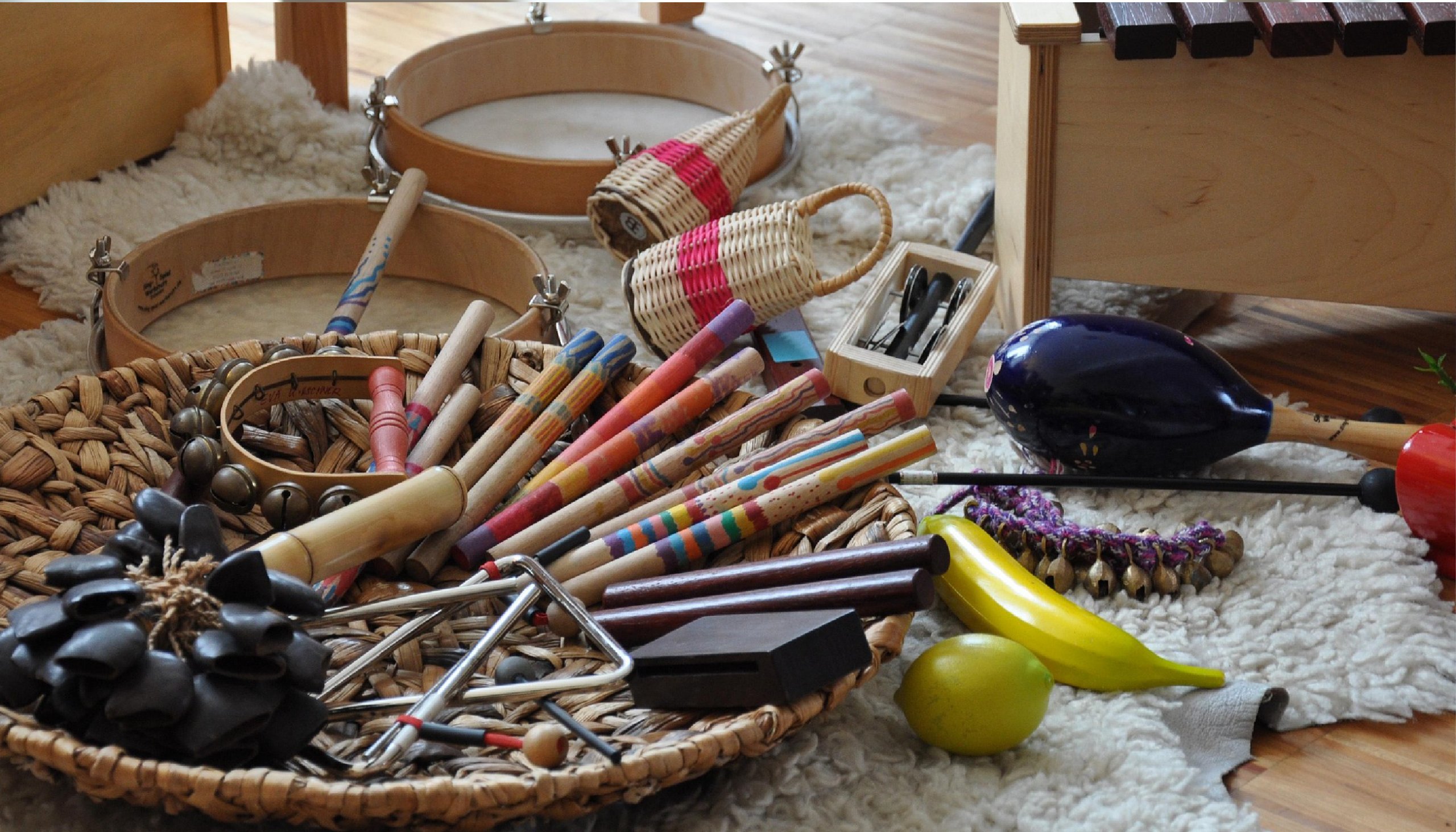
The learning environment should include accessible musical instruments and materials that children can explore independently during free play. A well-designed music area might include shakers, drums, bells, scarves for movement, and recordings of diverse musical styles. The goal is to make music-making part of children’s self-directed exploration, not just teacher-led activities.
Assessment practices should recognize musical development as part of holistic growth. Educators might document children’s musical behaviors, such as how they respond to rhythm, whether they sing spontaneously during play, or how they coordinate movements with music. These observations provide insights into development across multiple domains and help teachers tailor experiences to individual needs.
Choosing Music Enrichment That Aligns with MOE Standards
While preschools incorporate music into their programs, many parents seek specialized music enrichment to provide more focused musical experiences. Understanding how to evaluate these programs in light of the MOE framework ensures your investment supports your child’s holistic development.
Look for programs that explicitly connect musical activities to broader developmental goals. The best music enrichment doesn’t just teach musical skills in isolation but intentionally develops language, cognitive, motor, and social-emotional capacities through musical experiences. Programs should be able to articulate how their curriculum supports the six learning areas outlined in the MOE framework.
Developmentally appropriate practice is crucial. Programs should group children by developmental stage, not just age, and adjust activities to match where children are in their growth trajectory. For infants and young toddlers, appropriate music education emphasizes sensory exploration, attachment through shared musical experiences, and gross motor development. For older toddlers and preschoolers, activities can incorporate more complex patterns, explicit concept teaching, and collaborative music-making.
Quality programs use originally composed or carefully selected music that serves specific learning objectives. Generic children’s music may be entertaining, but educational music should be purposefully designed to teach concepts, support developmental milestones, or build specific skills. The musical content should be age-appropriate in terms of melody range, lyrical complexity, and thematic content.
Active participation should be the norm, with children spending most of the session engaged in singing, moving, playing instruments, or creating sounds rather than passively watching demonstrations. The best programs also provide strategies for parents to continue musical learning at home, recognizing that regular exposure creates the greatest impact.
How The Music Scientist Supports Framework Goals
At The Music Scientist, our curriculum has been intentionally designed to align with and extend the MOE early childhood framework. We recognize that parents want enrichment programs that complement and enhance what their children experience in preschool, not create conflicting approaches or add unnecessary academic pressure.
Our developmentally sequenced programs address children at different stages of early childhood. Tenderfeet serves the youngest learners with sensory-rich musical experiences that support infant development and parent-child bonding. As children grow, Happyfeet and Groovers provide age-appropriate progressions that match toddlers’ expanding capacities for movement, language, and social interaction.
We’ve integrated general knowledge themes with our originally composed music, creating memorable learning experiences that span the framework’s six learning areas. Our Scouts program, for example, uses catchy melodies to make scientific concepts accessible and engaging, exemplifying how music serves as a powerful vehicle for discovery of the world.
Our approach targets multiple intelligences, recognizing that children have diverse learning preferences. Musical intelligence is developed through melody, rhythm, and tonal exploration. Kinesthetic learners engage through movement and instrument play. Logical-mathematical thinking is strengthened through pattern recognition and sequencing. Verbal-linguistic capacities grow through song lyrics and vocabulary expansion. This multi-intelligence approach ensures every child can access learning through their strengths while developing emerging capacities.
For families preparing for the transition to formal schooling, our SMART-START English and SMART-START Chinese programs specifically address preschool readiness. These programs use music to build the focus, memory, motor skills, and early literacy foundations that children need for successful kindergarten entry, all while maintaining the joyful, play-based approach that characterizes quality early childhood education.
We also collaborate directly with preschools, bringing our holistic development approach into educational institutions. This partnership model ensures continuity between what children experience in their regular preschool environment and specialized music enrichment, maximizing developmental impact while avoiding contradictory methodologies.
Throughout all our programs, we emphasize the joy of learning and music-making. The framework recognizes that fostering positive dispositions toward learning is as important as developing specific skills. Children who experience music as joyful, engaging, and rewarding are more likely to maintain curiosity, persistence, and confidence as they progress through their educational journey.
Singapore’s MOE framework for early childhood education reflects a sophisticated understanding of how young children learn and develop. By elevating music’s role in preschool education, the framework acknowledges what developmental science has consistently demonstrated: musical experiences during the early years create neural foundations that support learning across all domains.
For parents, this framework validation of music education should inform decisions about both preschool selection and enrichment activities. Quality music programs that align with the framework’s principles provide more than entertainment or basic music instruction. They offer integrated learning experiences that prepare children cognitively, physically, socially, and emotionally for the educational journey ahead.
As you consider your child’s early learning environment, look for approaches that use music intentionally and developmentally, connecting musical experiences to broader learning goals. The foundation years pass quickly, but the neural pathways, learning dispositions, and skills developed during this period last a lifetime. Choosing educational experiences that truly support holistic development, as outlined in the MOE framework, is one of the most valuable investments you can make in your child’s future.
Discover How Music Can Transform Your Child’s Learning Journey
Experience our developmentally-focused music programs that align with MOE framework principles while nurturing your child’s natural love for learning. From sensory-rich infant classes to preschool readiness programs, we offer age-appropriate pathways that support holistic development through the power of music.
If you’re enrolling your baby, toddler, or preschooler in music classes, you’ve likely wondered: how much practice is actually expected? Should your 18-month-old be sitting still for structured practice sessions? Are you falling behind if your three-year-old doesn’t want to practice daily? The answers might surprise you.
The reality is that top music schools and established music education methods have very specific, research-backed policies about practice for young children, and they look quite different from what many parents imagine. Unlike formal instrument instruction for older children, early childhood music education prioritizes developmental appropriateness, sensory exploration, and joyful engagement over rigid practice schedules.
In this comprehensive guide, we’ll explore what leading music education institutions actually recommend for children under five, provide age-specific guidelines that respect developmental milestones, and help you understand how to support your child’s musical journey without pressure or unrealistic expectations. Whether you’re considering music classes or already enrolled, this information will help you set realistic goals and create positive musical experiences for your little one.
Practice Expectations at Top Music Schools
What Leading Institutions Really Recommend for Young Children
🎯 The Surprising Truth
Leading music schools for babies, toddlers, and preschoolers don’t expect formal practice sessions. Instead, they emphasize playful exposure, sensory exploration, and music-rich environments that feel natural—not forced.
Age-Specific Practice Guidelines
👶
Babies
(4-12 months)
15-20 min/day
Listening, singing, gentle movement
🧸
Toddlers
(12-24 months)
20-30 min/day
Songs, dancing, simple instruments
🎨
Preschoolers
(2-4 years)
30-50 min/day
Playful practice, musical games
What Top Music Methods Say
🎻 Suzuki Method
Ages 3-5: Only 5-10 minutes daily in game-like sessions. Focus on daily listening (10-15 min) over formal practice.
🎵 Kindermusik
Under 3: Explicit “no-homework” policy. Weekly class is sufficient. Home music should be playful and optional.
🎼 Kodály Method
Under 5: No traditional practice. 15-30 min daily of songs distributed throughout routines naturally.
💡 Key Principle
Quality beats quantity every time!
A joyful, engaged 5-minute session provides more developmental benefit than a forced 30-minute session. For young children, practice should feel like play, not work.
🚩 Red Flags: Unrealistic Expectations
✗
Required practice logs for children under 5
✗
Expectations of performance accuracy from toddlers
✗
Daily practice exceeding 20 minutes for preschoolers
✗
Pressure to practice when children resist
✨ Remember
The early years are for building positive associations and intrinsic motivation. Technical skills develop naturally when children love music. Make practice playful, keep it brief, and follow your child’s lead.
Understanding Practice for Very Young Learners
Before diving into specific practice policies, it’s essential to reframe what “practice” means for babies, toddlers, and preschoolers. For children under five, particularly those under three, the concept of formal practice sessions doesn’t align with how young brains develop and learn.
Neuroscience research shows that children in the first four years of life learn most effectively through repeated exposure, playful exploration, and multisensory experiences rather than structured repetition. Their attention spans are naturally brief (generally 2-3 minutes per year of age), their motor skills are still developing, and their capacity for self-directed focus is limited. This doesn’t mean they can’t learn music; it means the learning must be embedded in activities that feel natural and enjoyable to them.
Leading early childhood music educators consistently emphasize that for this age group, “practice” should be woven into daily life rather than treated as a separate, formal activity. Singing during bath time, dancing to music while getting dressed, or playing rhythm games during car rides all constitute valuable musical practice. The goal is to create a music-rich environment where exposure happens organically, building neural pathways associated with rhythm, pitch, melody, and movement without the stress of performance or correctness.
This developmental approach recognizes that forcing young children into adult-style practice sessions can actually be counterproductive. When music becomes associated with pressure, resistance, or negative emotions during these formative years, it can create lasting aversion rather than the love of music that early childhood programs aim to cultivate. Quality programs like Tenderfeet for infants and Happyfeet for toddlers understand this principle and design curricula that engage children through sensory play and movement rather than formal instruction.
What Top Music Schools Actually Recommend
Established music education institutions worldwide have developed evidence-based guidelines for early childhood music learning. Let’s examine what the most respected methods and schools actually say about practice expectations for young children.
The Suzuki Method Approach
The Suzuki Method, one of the world’s most recognized music education approaches, begins formal instrument instruction around age three or four. However, their philosophy emphasizes that even before this age, children benefit from what Shinichi Suzuki called the “mother-tongue approach” to music. The Suzuki Association of the Americas specifically states that for children under five, practice should consist of daily listening to music (10-15 minutes) and informal play with instruments rather than structured practice sessions.
For children just beginning formal Suzuki instruction (typically ages 3-5), the recommended practice time starts at just 5-10 minutes daily, broken into even smaller segments if needed. The emphasis is on frequency and positive experience rather than duration. Suzuki teachers are trained to help parents make these brief sessions feel like games, with playful language and immediate rewards to maintain enthusiasm. This gradual approach respects the child’s developmental capacity while building the habit of regular musical engagement.
Kindermusik International Standards
Kindermusik, which serves children from birth through age seven in over 70 countries, takes an explicitly no-homework approach for their youngest learners. Their certified educators are trained to communicate to parents that the weekly class is sufficient structured learning time for babies and toddlers. Instead of practice assignments, Kindermusik provides families with music and materials to enjoy at home if they choose, with the explicit message that this should be playful, optional, and parent-led.
According to Kindermusik’s educational framework, the “home practice” for children under three consists of simply living in a music-rich environment: playing the class music during daily routines, singing familiar songs together, and allowing children to explore simple instruments during free play. There are no performance expectations or specific time requirements. For preschoolers (ages 3-5), Kindermusik suggests that families might engage with provided materials for 10-15 minutes several times per week, but again emphasizes that this should feel spontaneous rather than obligatory.
Kodály Method for Early Years
The Kodály Method, developed in Hungary and now implemented worldwide, begins formal music education around age six or seven. However, their early childhood programs for younger children focus entirely on musical play and singing games. The Organization of American Kodály Educators clearly states that children under five should not have traditional “practice” expectations.
Instead, Kodály-based early childhood programs encourage parents to sing with their children throughout the day, incorporating the songs learned in class during natural moments: lullabies at bedtime, action songs during playtime, and simple rhymes during transitions. The recommendation is that children hear and participate in music for a total of 15-30 minutes daily, but this should be distributed throughout the day in natural, contextual moments rather than consolidated into a practice session. This approach aligns with how children naturally acquire language, through repeated exposure in meaningful contexts.
Singapore Music Education Institutions
Singapore’s established music schools and enrichment centers that serve young children typically follow similar developmental principles. Programs accredited by Early Childhood Development Agency (ECDA) or affiliated with international music education standards maintain that structured practice is inappropriate for children under three and should be minimal for preschoolers.
Quality Singapore-based programs like The Music Scientist design their curricula around the understanding that the class itself is the primary learning experience for very young children. Programs such as Groovers for toddlers and Scouts that combine music with science concepts focus on creating rich, multisensory experiences during class time, with the expectation that parents will naturally reinforce this learning through playful interactions at home rather than formal practice routines.
Age-Specific Practice Guidelines
While individual children develop at different rates, research-backed guidelines provide helpful benchmarks for age-appropriate musical engagement. These recommendations synthesize policies from leading music education institutions and developmental psychology research.
Babies (4-12 Months)
For infants, the word “practice” doesn’t truly apply. Instead, focus on creating a sensory-rich musical environment. At this age, babies are absorbing the fundamental elements of music—rhythm, pitch patterns, timbre—through passive and active listening. Their brains are forming neural pathways that will support later musical learning, but this happens through exposure rather than repetition of specific skills.
Recommended daily musical engagement for babies:
- Listening to live or recorded music: 15-20 minutes total throughout the day in short segments
- Parent singing to baby: Multiple times daily during routines (diaper changes, feeding, bath time)
- Gentle movement to music: 5-10 minutes of swaying, rocking, or bouncing baby to music
- Sensory exploration of sound: Brief opportunities to touch instruments or sound-making objects under supervision
The key principle for this age is that musical experiences should be integrated into loving interactions with caregivers. The emotional connection and multisensory engagement matter far more than the specific musical content. Programs like Tenderfeet are specifically designed for this developmental stage, offering weekly classes where the primary learning happens in that structured, expert-led environment, with home reinforcement being casual and parent-directed.
Toddlers (12-24 Months)
Toddlers become more physically active and begin intentional participation in musical activities. However, their attention spans remain very brief (approximately 2-6 minutes for focused activity), and they learn best through repetition with variation rather than drilling specific skills. At this stage, “practice” means playful repetition of songs, movements, and activities introduced in class.
Recommended daily musical engagement for toddlers:
- Singing familiar songs together: 10-15 minutes total, distributed throughout the day
- Dancing and movement to music: 10-15 minutes of free movement or simple action songs
- Playing simple instruments: 5-10 minutes of exploration with shakers, drums, or bells
- Listening to varied music: 10-20 minutes as background during play or meals
At this age, the parent’s role shifts slightly from primarily providing musical experiences to also participating alongside the child. Toddlers learn tremendously through imitation, so when parents enthusiastically sing, clap, or move to music, toddlers naturally join in. The goal isn’t perfection or even accuracy—it’s building positive associations with musical participation. Enrichment classes designed for 18-month-olds recognize this developmental reality and create opportunities for parallel parent-child participation rather than expecting independent performance from the child.
Preschoolers (2-4 Years)
Preschoolers develop longer attention spans (approximately 6-15 minutes for engaging activities), more refined motor skills, and emerging abilities to follow multi-step instructions. This is when very gentle, game-like practice routines can begin to be introduced, but they should still feel like play rather than work. At this stage, children can start understanding that “practicing” something helps them get better at it, but intrinsic motivation remains far more effective than external pressure.
Recommended daily musical engagement for preschoolers:
- Structured musical activities: 10-20 minutes that might include singing specific songs, playing simple rhythm patterns, or movement games
- Free musical play: 15-20 minutes of child-directed exploration with instruments, music, or dance
- Music listening: 15-30 minutes of varied musical styles
- Musical elements in learning: Integration of songs into other learning activities (counting songs, alphabet songs, etc.)
For preschoolers enrolled in comprehensive programs like SMART-START English or SMART-START Chinese, which integrate music with preschool readiness skills, the “practice” naturally extends beyond music to include the cognitive concepts being reinforced through musical learning—counting, vocabulary, patterns, and early literacy skills. This integrated approach means children are practicing multiple skills simultaneously in a context that feels engaging rather than tedious.
Even at age four, formal practice sessions should rarely exceed 15-20 minutes, and should always include elements of choice and play. Breaking this time into two shorter sessions (perhaps 10 minutes in the morning and 10 minutes before bed) often works better with preschoolers’ natural rhythms and attention patterns.
Why Quality Matters More Than Duration
A consistent message across all leading music education institutions is that for young children, the quality of musical experiences far outweighs the quantity of practice time. A fully engaged, joyful five-minute session provides more developmental benefit than a 30-minute session where the child is resistant, distracted, or stressed.
High-quality musical experiences for young children share several characteristics: they are multisensory (engaging hearing, movement, touch, and often visual elements), emotionally positive (associated with fun, connection, and success), developmentally appropriate (matching the child’s current abilities with slight challenges), and relationally embedded (happening in connection with trusted caregivers or teachers).
Research in early childhood development consistently shows that learning accelerates when children are in a state of “relaxed alertness”—engaged and attentive but not stressed. Brief, high-quality interactions create this state far more reliably than lengthy sessions. This is why effective early childhood music programs structure their classes with frequent activity changes, varied sensory input, and opportunities for both active participation and observation.
For parents, this means that three minutes of enthusiastic, focused singing together while your toddler is engaged and happy provides more learning value than fifteen minutes of trying to get them to sit still and repeat something when they’re resistant. Reading your child’s cues and keeping sessions brief and positive will build stronger neural pathways and more positive associations with music than pushing for longer duration.
Making Practice Feel Like Play
The most successful approaches to home musical practice with young children disguise repetition as play. When musical activities feel like games rather than lessons, children naturally engage for longer periods and absorb more learning.
Strategies recommended by top music educators include:
- Use stuffed animals or dolls as participants: “Let’s teach teddy this song!” transforms practice into pretend play
- Create movement variations: Sing the same song while marching, tiptoeing, swaying, or jumping to maintain interest through physical variation
- Turn practice into treasure hunts: Hide instrument “treasures” around the room and play them when found
- Use visual props: Scarves, ribbons, pictures, or puppets add multisensory elements that extend engagement
- Follow the child’s lead: If your child spontaneously starts singing a class song or picking up an instrument, join in rather than waiting for a designated practice time
- Make it social: Practice with siblings, parents, or even video calls with grandparents to add social motivation
It’s also valuable to integrate music into activities children already enjoy. If your toddler loves bath time, that becomes a perfect opportunity for water-themed songs or floating instruments. If your preschooler loves helping in the kitchen, cooking can be accompanied by rhythm games or counting songs. This integration approach means musical learning becomes woven into the fabric of daily life rather than being another item on the to-do list.
Many parents find that establishing musical rituals works better than scheduled practice sessions with young children. A good-morning song after waking, a clean-up song before transitions, or a lullaby routine at bedtime creates predictable musical moments that children look forward to and participate in without resistance.
Red Flags: When Practice Expectations Are Unrealistic
While quality early childhood music programs have developmentally appropriate expectations, not all programs understand the research on how young children learn. Parents should be cautious of programs or philosophies that expect too much too soon, as these can create stress and potentially diminish a child’s natural love of music.
Warning signs that practice expectations are inappropriate for young children include:
- Required daily practice logs or reports for children under five: This treats music as homework rather than exploration
- Expectations of performance accuracy from toddlers or young preschoolers: At this age, approximate participation is developmentally appropriate
- Practice requirements exceeding 20 minutes daily for preschoolers: This exceeds most young children’s attention capacity
- Pressure to practice when children are resistant: Forcing practice creates negative associations that can last years
- Comparison between children or “progress” assessments before age five: Young children develop at vastly different rates
- Programs that require instrument purchases and daily practice for children under three: This is developmentally premature
If your child’s music program is creating stress, resistance, or anxiety around musical activities, it’s worth reassessing whether the expectations are appropriate. The early years should be about building positive associations, fundamental skills, and intrinsic motivation. Technical skill development can come later, once the foundation of musical love is established.
Reputable programs understand that some days children won’t be interested in musical activities, and that’s completely normal and acceptable. Flexibility and following the child’s natural interests and energy levels produces better long-term outcomes than rigid adherence to practice schedules.
The Critical Role of Parent Involvement
One principle that all leading music education approaches agree on is that parent involvement is the single most important factor in young children’s musical development. For babies, toddlers, and preschoolers, the parent (or primary caregiver) serves as the bridge between classroom learning and home reinforcement.
Research consistently shows that children whose parents actively participate in musical activities develop stronger musical skills, broader musical vocabularies, and more sustained interest in music. This doesn’t mean parents need musical training themselves; it means they need to be willing to sing, move, play, and be playfully “silly” alongside their children. When children see trusted adults enthusiastically engaging with music, they internalize the message that music is valuable, joyful, and worth participating in.
Effective parent involvement in early childhood music includes: attending classes with full attention and participation (not checking phones), recreating class songs and activities at home in simplified forms, maintaining a positive attitude even when children are having off days, and most importantly, modeling enthusiasm rather than perfectionism. Parents who sing off-key but joyfully teach far more valuable lessons than parents who only play recorded music because they’re self-conscious about their own abilities.
Many top programs, including The Music Scientist’s curricula, are specifically designed for parent-child participation rather than drop-off classes for young children. This structure recognizes that the parent-child musical interaction is where the deepest learning occurs. The teacher facilitates and models, but the parent-child dyad is the primary learning relationship. Home “practice” then becomes simply extending the positive interactions that began in class, with parents equipped with songs, activities, and techniques they’ve learned alongside their children.
For parents juggling multiple responsibilities, it’s encouraging to know that consistency matters more than duration. Brief daily musical interactions—even just five minutes of singing together before bed—create more developmental benefit than longer, occasional sessions. The goal is to make music a regular, positive part of your child’s daily experience, woven into routines you’re already doing rather than added as another obligation.
The practice expectations from top music schools for babies, toddlers, and preschoolers are far more relaxed and developmentally sensitive than many parents assume. Rather than formal practice sessions, leading music education institutions recommend creating music-rich environments where children absorb musical concepts through play, daily routines, and positive interactions with caregivers.
For infants, musical “practice” simply means exposure—listening to varied music, being sung to, and experiencing gentle movement to rhythm. For toddlers, it evolves into brief, playful repetition of songs and movements, always following the child’s interest and energy. For preschoolers, practice can become slightly more structured but should still be limited to 10-20 minutes daily and should always maintain elements of play and choice.
The overarching message from research and from established methods like Suzuki, Kindermusik, and Kodály is clear: the early years are for building foundations of musical love, sensory awareness, and positive associations. Technical skill development comes later, built on this foundation. Quality programs understand this developmental reality and create experiences that engage young children where they are, respecting their attention spans, motor abilities, and emotional needs.
If you’re seeking music education for your young child that understands these developmental principles and creates joyful, research-backed musical experiences, explore programs that prioritize play-based learning and parent-child participation. The investment you make in creating positive early musical experiences will pay dividends throughout your child’s life, whether they eventually pursue music seriously or simply carry a lifelong love of musical expression.
Discover Developmentally-Appropriate Music Programs for Your Child
At The Music Scientist, we create music-rich learning experiences designed specifically for babies, toddlers, and preschoolers. Our programs combine music, movement, and sensory play to support your child’s natural development—without pressure or unrealistic practice expectations. Explore our age-appropriate classes and discover how music can nurture your child’s growing mind.
Table Of Contents
Saturday morning at a bustling Singapore mall looks different when you’re a parent of a baby or toddler. While some families browse shops or grab brunch, you’re heading to something special: a weekend baby jam session where your little one’s eyes light up at the sound of music, where tiny hands reach for colorful instruments, and where developmental magic happens through rhythm and song.
Weekend baby music classes at shopping malls have become increasingly popular among Singapore families, and for good reason. They offer convenience, accessibility, and a chance to turn routine weekend errands into enriching experiences for young children. But with so many options across different malls and providers, how do you know which program is right for your family?
We’ve gathered honest reviews and experiences from parents across Singapore who’ve tried various mall-based baby music programs. From the convenient central region to neighborhood malls in the heartlands, discover what real families have to say about their weekend jam sessions, what surprised them, what their children gained, and what you should consider before signing up.
Weekend Baby Jam Sessions
What Singapore Parents Really Think
🎵 Top 3 Reasons Parents Choose Mall Music Classes
🅿️
Easy Access
Ample parking & stroller-friendly
🛍️
Multi-Purpose
Combine errands with enrichment
👶
Community
Meet your “mom tribe”
📍 Reviews By Region
Central Region
✨ Professional setup with well-designed curriculum
“Teachers understand child development deeply” – Rachel, Orchard
East Region
🏘️ Strong community feel & age-appropriate progression
“Children formed little friendships” – Melissa, Tampines
North Region
👨👩👧 Smaller class sizes with personal attention
“Convenience without compromising quality” – Kenneth, Woodlands
West Region
📚 Educational themes integrated with music
“Learned to count through song before regular teaching” – Priya, Jurong
🌟 Developmental Benefits Parents Notice
💬
Language Skills
Vocabulary growth & enhanced listening
🤸
Motor Skills
Improved coordination & body awareness
😊
Social Growth
Confidence & emotional regulation
🧠
Cognitive Skills
Pattern recognition & memory
✅ Parent Tips for Success
1
Time It Right
Schedule around naps and meals for well-rested participation
2
Manage Expectations
Observation is learning too – give it time to click
3
Practice at Home
Sing songs during car rides to reinforce learning
4
Build Community
Connect with other parents for playdates and support
🎼 Ready to Find Your Perfect Weekend Class?
Explore developmentally-focused programs that combine music, movement, and sensory play for babies and toddlers across Singapore.
Why Parents Choose Mall-Based Baby Music Classes
The rise of baby music classes in shopping malls isn’t just about convenience, though that’s certainly a major factor. Parents consistently mention several compelling reasons for choosing mall-based programs over standalone music schools or home-based sessions.
Accessibility and parking top the list for most families. Shopping malls offer ample parking, easy access via public transport, and stroller-friendly environments. When you’re managing a diaper bag, your little one, and possibly older siblings, these practical considerations matter enormously. One parent from Tampines shared: “With a baby and a preschooler, I need everything to be as hassle-free as possible. The mall location means we can park easily, attend class, and still have time for lunch or grocery shopping without feeling rushed.”
Multi-purpose trips make weekend logistics smoother. Many parents appreciate combining their child’s enrichment class with other errands or family activities. The mall environment allows one parent to attend class while another shops, or the whole family can enjoy additional activities before or after the music session.
Social opportunities extend beyond the classroom. Mall-based programs often attract families from the same neighborhood, leading to playdates, parent friendships, and a sense of community. Several parents mentioned meeting their “mom tribe” through these weekend classes, turning what could be an isolated parenting experience into a socially connected one.
Parent Reviews: What Families Are Saying
Every mall and program offers a unique experience, and parent reviews reveal the nuances that matter when choosing where to invest your time and money. Here’s what families across Singapore are sharing about their weekend baby jam sessions.
Central Region Mall Programs
Central region malls attract families from across Singapore, offering both convenience for residents and accessibility for those willing to travel for quality programs. Parents reviewing programs in areas like Orchard, River Valley, and Novena consistently mention the professional setup and well-designed curriculum.
Rachel, mother of 14-month-old Ethan, attends weekend classes at a central mall: “I was initially hesitant about the travel time from our home in the East, but the quality of instruction made it worthwhile. The teachers understand child development deeply. They don’t just play music; they design activities that target specific developmental milestones. Ethan’s vocabulary has expanded noticeably, and I believe the musical repetition and themed songs contribute significantly.”
Parents in central locations also appreciate the variety of class times typically offered. With higher demand, providers often schedule multiple sessions throughout the weekend, accommodating different family routines and nap schedules. However, some parents note that central locations can feel more crowded, with larger class sizes that might not suit every child’s temperament.
East Region Mall Programs
East region malls, including those in Tampines, Bedok, and Pasir Ris, host numerous weekend baby music programs that have garnered devoted followings among neighborhood families. The community feel in these locations receives consistent praise.
Melissa, whose daughter attended infant care classes focused on sensory development starting at six months, shared her experience: “We started when Sophie was barely sitting up, and watching her progress through the program has been incredible. The sensory play combined with music really engaged her. Now at 20 months, she recognizes songs, anticipates movements, and has developed such confidence. The East side location means we see the same families week after week, and the children have actually formed little friendships.”
Parents in the East frequently mention age-appropriate progression as a key factor in their satisfaction. Programs that offer clear pathways from infant classes through toddler and preschool-age groups allow families to continue with familiar teachers and environments as their children grow. One father noted: “We didn’t have to shop around for new programs every six months. The structure naturally evolved with our son’s abilities, which gave us confidence that the curriculum was truly developmentally focused.”
North Region Mall Programs
Families in the North, including areas like Woodlands, Yishun, and Sembawang, value the accessibility of quality programs closer to home. Parents consistently praise the neighborhood convenience that reduces travel stress.
Kenneth, father of twins attending weekend sessions in a northern mall, explained his family’s experience: “With twins, everything is twice as complicated. Finding a weekend program within 15 minutes of home was essential. What surprised me was that convenience didn’t mean compromising quality. The structured approach to teaching rhythm, movement, and early literacy through music has been fantastic. Both boys respond differently to various elements, which shows how the multi-sensory approach reaches different learning styles.”
North region parents also appreciate smaller class sizes that some locations offer. While central areas might attract larger crowds, neighborhood malls sometimes provide more intimate settings where teachers can give individual attention to each child. This personalized approach particularly benefits children who need extra time to warm up or who have specific developmental considerations.
West Region Mall Programs
West region families, from Jurong to Clementi and Bukit Batok, have access to several established programs in their neighborhood malls. Reviews from this region emphasize program consistency and teacher quality.
Priya, whose son transitioned from toddler enrichment classes at 18 months to more advanced programs, reflected on their journey: “We’ve been attending weekend sessions for over a year now, and the consistency has been remarkable. Same day, same time, same familiar faces. This routine has been wonderful for my son’s sense of security. He knows what to expect, which allows him to fully engage rather than feeling anxious. The teachers remember every child’s name, their preferences, and their progress, which creates such a warm, nurturing environment.”
West side parents also mention the integration of educational themes with music as a standout feature. Rather than just singing nursery rhymes, quality programs weave in concepts like colors, numbers, animals, and nature through originally composed songs. One mother noted: “My daughter learned to count to ten through a catchy song before she could do it through regular teaching. The music made it stick in a way that felt effortless and fun.”
What to Expect at Your First Weekend Jam Session
Walking into your first baby music class can feel both exciting and slightly nerve-wracking. Parents who’ve been there offer insights into what typically happens and how to prepare for the experience.
Most weekend sessions run between 45 to 60 minutes, carefully designed to match young children’s attention spans while providing sufficient time for meaningful engagement. Classes generally begin with a welcome song that becomes familiar over time, helping children transition into the learning space.
The structure usually includes several distinct segments:
- Warm-up activities that might involve greeting songs, name recognition, and gentle movement to ease children into the session
- Instrument exploration where children experiment with age-appropriate instruments like shakers, drums, or bells under guided instruction
- Movement and dance incorporating gross motor skill development through structured activities and free expression
- Themed learning segments where music integrates with educational concepts appropriate to the age group
- Sensory play elements that might include scarves, bubbles, parachutes, or other engaging materials
- Cool-down activities with calmer songs and movements to help transition out of the energetic session
Sarah, attending her first class with her 10-month-old, recalled: “I didn’t know whether to actively participate or just let my baby explore. The teacher made it clear that there’s no wrong approach. Some parents are very hands-on, others let their children lead. The environment felt judgment-free, which helped me relax and just enjoy watching my daughter’s wonder at all the sounds and colors.”
Parent participation varies by program philosophy and age group. Infant-focused programs typically require active parent involvement, as babies need caregivers for security and physical support. As children progress to toddler music and dance classes, some programs encourage gradual independence while others maintain parent-child bonding as a core element.
Beyond the Music: Developmental Benefits Parents Notice
While the joy of music itself brings families to weekend jam sessions, parents consistently report observing unexpected developmental gains that extend far beyond musical appreciation. Understanding these benefits helps contextualize why quality early childhood music programs invest in developmentally-focused curriculum rather than simple entertainment.
Language and communication skills show remarkable growth, even in pre-verbal babies. The repetition, rhythm, and melody of songs create powerful memory pathways. Parents report their children using words from songs before other vocabulary, humming melodies before forming sentences, and demonstrating enhanced listening skills.
Jennifer shared her daughter’s progress: “At 16 months, Chloe started singing recognizable parts of the songs we learned in class. Her pediatrician was impressed by her vocabulary development and asked what we were doing differently. The combination of visual cues, hand movements, and melodic repetition from music class created multiple pathways for language learning.”
Motor skill development accelerates through music and movement activities. Both fine motor skills (grasping instruments, coordinating hand movements) and gross motor skills (dancing, marching, balancing) receive targeted attention in well-designed programs. Parents of children who attended programs incorporating movement elements like those in toddler dance classes note improved coordination and body awareness.
Social-emotional growth emerges in multiple ways. Taking turns with instruments, participating in group activities, and experiencing music with peers builds early social skills. The emotional regulation that comes from structured routines, the confidence from mastering new skills, and the bonding from shared musical experiences contribute to emotional development.
Marcus, father of a typically shy three-year-old, observed significant changes: “My son would hide behind me in any social situation. After several months in weekend music class, he started volunteering to play instruments in front of the group. The non-threatening, supportive environment gave him a space to build confidence. That confidence has transferred to other areas of his life.”
Cognitive development receives a boost from music education that targets multiple intelligences. Programs that integrate themes like science, nature, or mathematics through music (such as those in science-focused musical programs) help children develop logical thinking, pattern recognition, and memory skills alongside musical knowledge.
How to Choose the Right Program for Your Family
With numerous weekend baby music programs available across Singapore malls, selecting the right fit requires considering several factors beyond just location and price. Parents who’ve navigated this decision offer valuable insights.
Consider your child’s developmental stage and temperament. Programs designed specifically for different age ranges will better serve your child’s needs than one-size-fits-all approaches. If your infant is in the early months, look for sensory-focused infant programs. For toddlers showing high energy, programs emphasizing movement and dance might be ideal. For children approaching preschool age, consider whether preschool readiness programs that combine music with early literacy might serve your longer-term goals.
Evaluate the curriculum philosophy. Quality programs should articulate clear developmental goals beyond entertainment. Ask questions about how the curriculum aligns with early childhood development milestones, how it integrates multiple learning modalities, and how it progresses as children grow. Programs rooted in educational research and child development theory typically deliver more substantial long-term benefits.
Assess teacher qualifications and training. The instructor makes or breaks the experience. Look for teachers with early childhood education backgrounds, music training, and genuine warmth with children. During trial classes, observe how teachers handle different child personalities, manage group dynamics, and communicate with parents about developmental progress.
Examine class size and ratios. Smaller classes generally allow for more individual attention and better accommodate different developmental paces. Consider whether your child thrives in intimate settings or draws energy from larger groups. Most parents find that ratios of one teacher to 8-10 parent-child pairs work well for baby and toddler classes.
Trial before committing. Most quality programs offer trial classes or observation opportunities. Use these to assess the environment, approach, and fit for your family. Watch how your child responds, how comfortable you feel with the teaching style, and whether the practical elements (timing, location, facilities) work with your family’s routine.
Parent Tips for Weekend Class Success
Veteran parents of the weekend baby jam session circuit have learned strategies that maximize enjoyment and developmental benefit while minimizing stress. Their collective wisdom can help new families navigate the experience more smoothly.
Timing matters more than you think. Schedule classes around your child’s natural rhythm rather than forcing them to adapt. If your baby naps late morning, an afternoon slot will likely be more successful than a 10 AM session. Well-rested, well-fed children engage more fully and enjoy the experience rather than fighting fatigue or hunger.
Manage expectations, especially initially. Your child might not participate fully in the first few sessions, and that’s completely normal. Some children need time to observe before engaging. Others might seem more interested in watching other children than following the teacher’s directions. This observation phase is valuable learning, even when it doesn’t look like active participation.
Kavita shared her experience: “My daughter sat in my lap for the entire first month, just watching. I felt embarrassed when other toddlers were dancing and playing instruments while mine clung to me. The teacher assured me this was normal. By week five, something clicked, and she suddenly joined in. Now she’s one of the most enthusiastic participants. I’m so glad we didn’t give up during those early weeks.”
Extend learning beyond the classroom. The 45-60 minute weekly session plants seeds, but reinforcement at home multiplies the benefits. Sing the songs during car rides, practice the movements during playtime, and talk about the themes introduced in class. This repetition strengthens memory, builds confidence, and shows your child that learning extends beyond structured class time.
Connect with other parents. The community aspect of weekend classes can be as valuable as the program itself. Exchange contact information with families whose children are similar ages. Arrange playdates, share parenting experiences, and build a support network. Many parents report that friendships formed in baby music classes have become central to their parenting journey.
Document the journey. Take occasional videos or photos (when permitted) to capture your child’s progression. Looking back at early sessions compared to later months reveals growth that’s easy to miss in the day-to-day. These memories also become treasured family keepsakes.
Communicate with teachers. Share relevant information about your child’s development, interests, or challenges. Quality instructors genuinely want this information to better serve each child. If your child has specific needs, early communication allows teachers to provide appropriate support and adaptations.
Stay consistent but remain flexible. Regular attendance helps children benefit from routine and progressive learning. However, don’t stress if you occasionally miss sessions due to illness, family commitments, or simply needing a break. The goal is enrichment and joy, not adding pressure to already busy family lives.
Weekend baby jam sessions at Singapore malls offer far more than just a pleasant way to spend Saturday morning. As parent reviews consistently reveal, these programs provide developmental benefits, social connections, and joyful experiences that ripple through many aspects of childhood growth.
From the convenience of central region malls to the community feel of neighborhood locations in the East, North, and West, families across Singapore have found programs that fit their needs and exceed their expectations. The common thread in positive reviews is clear: quality matters. Programs rooted in child development principles, taught by trained educators who genuinely love working with young children, and designed to target multiple areas of growth deliver results that parents can see and celebrate.
Whether your baby is just beginning to explore sounds and movement or your toddler is ready for more structured musical learning, weekend jam sessions provide a foundation that extends well beyond music appreciation. The language skills, motor development, social confidence, and cognitive growth that emerge from these programs prepare children not just for future music education, but for learning and thriving in all areas of life.
As you consider options for your family, remember that the best program is one that aligns with your child’s developmental stage, your family’s practical needs, and your values around early childhood education. Trust your instincts, give new experiences time to unfold, and enjoy watching your little one discover the joy of music and movement in a supportive, enriching environment.
Ready to Start Your Child’s Musical Journey?
Discover how The Music Scientist’s developmentally-focused programs can nurture your child’s potential through music, movement, and play. From sensory-rich infant classes to preschool readiness programs, we offer age-appropriate curricula designed by early childhood education experts.
Table Of Contents
- Understanding Music Education for Young Children
- Bukit Timah: The Education Hub
- Tampines: The Heartland Favourite
- What Matters Most When Choosing a Music School
- The Developmental Approach to Music Learning
- Age-Appropriate Music Programs: What to Look For
- Making Your Decision: Bukit Timah or Tampines?
As a parent in Singapore, you want the very best for your child’s early development. Music education has emerged as one of the most powerful tools for nurturing young minds, but the question remains: where should you look for quality music enrichment programs?
Two of Singapore’s most popular residential areas, Bukit Timah and Tampines, both offer a range of educational opportunities for families. Each neighborhood has its own character, accessibility, and selection of enrichment centers. But when it comes to finding a music school that truly understands early childhood development, the location matters less than the approach.
In this comprehensive guide, we’ll explore what makes each area unique, what you should prioritize when selecting a music program for your little one, and how a developmentally-focused approach to music education can benefit children from 4 to 47 months old. Whether you’re considering Bukit Timah’s established education scene or Tampines’ family-friendly environment, you’ll discover what truly matters in your child’s musical journey.
Choosing the Right Music School for Your Child
Location matters less than learning approach—here’s what to prioritize
🎵
Developmental Focus
Programs designed around milestones, not just music
🧠
Multiple Intelligences
Cognitive, motor, social-emotional & language skills
🎯
Age-Appropriate
Curriculum tailored to 4-47 month age bands
🏘️ Neighborhood Comparison
Bukit Timah
- Education hub reputation
- Premium facilities & services
- Downtown Line MRT access
- Higher price points
- Established community
Tampines
- Family-centric heartland
- Diverse price options
- Two MRT lines (EW & DT)
- Integrated shopping convenience
- Tight-knit community
💡 Key Insight
The “best” location depends on your family’s routine, not neighborhood prestige. Prioritize developmental curriculum quality and accessibility over area reputation.
📋 Questions to Ask Any Music School
1
How is your curriculum designed around developmental milestones?
2
What learning objectives guide each class beyond musical skills?
3
How do you differentiate programming for different age groups?
4
What training do instructors have in early childhood development?
5
How do you integrate music with other learning domains?
🎓 What Quality Music Education Delivers
✓ Enhanced Memory & Focus
✓ Improved Motor Skills
✓ Social-Emotional Growth
✓ Language Development
✓ Preschool Readiness
Understanding Music Education for Young Children
Before comparing neighborhoods, it’s essential to understand what quality music education looks like for babies, toddlers, and preschoolers. Unlike traditional music lessons that focus on instrument mastery, early childhood music programs should prioritize holistic development through musical experiences.
Research consistently shows that music education during the critical early years supports cognitive development, enhances memory and focus, improves motor skills, and builds social-emotional competencies. The key is finding programs that integrate music with movement, sensory play, and age-appropriate learning objectives rather than simply teaching songs or instrument basics.
For children under four years old, the best music programs work with developmental milestones, not against them. They recognize that a 6-month-old experiences music differently than a 24-month-old, and they design curriculum accordingly. This developmental awareness separates enrichment programs that truly nurture young minds from those that simply entertain.
Bukit Timah: The Education Hub
Bukit Timah has long been recognized as one of Singapore’s premier education districts. With its proximity to top primary schools, established enrichment centers, and well-educated resident population, this area naturally attracts families who prioritize their children’s educational development.
The neighborhood’s accessibility is a major advantage. Served by the Downtown Line MRT, Bukit Timah is easily reachable from various parts of Singapore. The area also offers ample parking options, which matters significantly when you’re managing a young child, a diaper bag, and all the necessities that come with early childhood outings.
Bukit Timah’s enrichment scene tends to reflect its demographic. You’ll find a concentration of premium educational services, from language centers to specialized learning studios. The competition among providers generally drives quality upward, though it can also mean higher price points. For parents seeking music enrichment specifically, the area offers various options, though not all emphasize the developmental approach that benefits the youngest learners.
What Bukit Timah Offers Families
Beyond education, Bukit Timah provides a complete family ecosystem. The neighborhood features parks, family-friendly cafes, and community spaces where parents naturally connect. This social infrastructure matters when you’re navigating early parenthood and seeking communities of like-minded families.
The area’s established nature means facilities are generally well-maintained and professional. Enrichment centers here tend to have invested in quality spaces, proper equipment, and trained staff. For music programs specifically, this often translates to dedicated studios with appropriate acoustics and age-suitable instruments.
Tampines: The Heartland Favourite
Tampines represents a different Singapore experience. As one of the largest and most developed heartland towns, it embodies the mature HDB estate model with comprehensive amenities, strong community bonds, and a decidedly family-centric atmosphere.
What Tampines may lack in educational prestige compared to Bukit Timah, it compensates for with accessibility and community spirit. The area is exceptionally well-connected, served by both the East-West and Downtown MRT lines. For families living in the eastern region, Tampines offers unparalleled convenience.
The enrichment landscape in Tampines tends to be more diverse in terms of price points and approaches. You’ll find everything from neighborhood-based programs in community centers to premium enrichment studios in shopping malls. This variety gives parents options, though it also requires more careful evaluation to identify programs that align with developmental best practices.
The Tampines Family Advantage
Tampines shines in its family infrastructure. Multiple shopping malls (Tampines Mall, Century Square, Tampines 1) provide convenient locations for enrichment classes alongside other family errands. The integrated planning means you can potentially combine your child’s music class with grocery shopping or other necessities, maximizing your time efficiency.
The community in Tampines tends to be tight-knit, with many multi-generational families choosing to remain in the area. This creates a supportive environment where parents can share experiences, recommendations, and support. For first-time parents navigating the world of enrichment classes, this peer network can be invaluable.
What Matters Most When Choosing a Music School
Whether you’re considering Bukit Timah, Tampines, or any other Singapore neighborhood, the location should be secondary to the program quality. Here’s what truly matters when selecting a music enrichment program for your young child.
Developmental Appropriateness
The single most important factor is whether the program is designed around child development principles. Does the curriculum acknowledge that different ages require different approaches? Are activities aligned with what children can actually achieve at their developmental stage?
For instance, infant care classes should focus on sensory development and bonding rather than attempting to teach musical concepts. As children grow into the toddler years, programs like enrichment classes for 18-month-olds should introduce more structured musical play while still honoring their developmental capabilities.
Integration of Multiple Learning Domains
Quality music programs don’t just teach music; they use music as a vehicle for broader learning. Look for programs that integrate:
- Cognitive development: Memory, attention, problem-solving, and early literacy skills
- Motor development: Both fine motor skills (finger movements) and gross motor skills (whole-body movement)
- Social-emotional learning: Turn-taking, emotional expression, and peer interaction
- Language development: Vocabulary building, phonological awareness, and communication skills
Programs that target multiple intelligences, including logical, musical, kinesthetic, and verbal learning styles, provide more comprehensive developmental benefits than those focused solely on musical outcomes.
Curriculum Quality and Original Content
Be wary of programs that rely primarily on existing children’s songs without a structured curriculum. The best music enrichment programs feature originally composed music designed specifically to meet learning objectives. When music is purposefully created to teach concepts, enhance memory, or build specific skills, it becomes a far more powerful educational tool.
Additionally, quality programs integrate general knowledge themes into their musical content. This approach helps children build broader understanding of the world while developing musical abilities. For example, programs that foster a love for science through catchy melodies demonstrate how music can serve as a gateway to curiosity and learning across domains.
Preschool Readiness Focus
As your child approaches preschool age, music programs should intentionally support school readiness. This means building skills like following instructions, participating in group activities, self-regulation, and basic academic foundations.
Look for programs offering structured preschool readiness curricula in both English and Chinese if bilingual development is important to your family. These programs should create seamless transitions into formal education while maintaining the joy and engagement that makes music such an effective learning medium.
The Developmental Approach to Music Learning
Understanding the developmental approach helps you evaluate any music program, regardless of location. This philosophy recognizes that children’s brains develop in predictable patterns, and educational experiences should align with these developmental trajectories.
During the first four years of life, children’s brains form over one million neural connections every second. This explosive growth creates windows of opportunity for learning, but it also means that developmentally inappropriate experiences can cause frustration rather than growth. A two-year-old forced to sit still for 45 minutes isn’t learning discipline; they’re fighting their biological development.
The developmental approach to music education means starting where children are, not where we wish they were. It means recognizing that movement is learning for young children, that repetition builds neural pathways, and that playful exploration creates deeper understanding than rote instruction.
How Development Informs Music Programs
In practice, developmentally-focused music programs structure their offerings around age bands that reflect meaningful developmental differences. A program serving 4 to 47-month-olds might offer distinct experiences for infants, young toddlers, older toddlers, and preschoolers, each designed around that group’s capabilities and learning needs.
For the youngest children, programs emphasize sensory experiences, caregiver bonding, and exposure to musical elements like rhythm and melody. As children develop, programs gradually introduce more structured activities, collaborative play, and intentional skill-building, all while maintaining the joyful, playful nature that makes music engaging.
This progression honors how children actually develop while building a strong foundation for lifelong musical appreciation and broader learning capabilities.
Age-Appropriate Music Programs: What to Look For
Quality music schools structure their offerings to match developmental stages. Here’s what appropriate programming looks like across the early childhood years.
For Babies (4-12 months)
At this stage, music education is primarily about sensory exposure and bonding. Look for programs that encourage caregiver participation, use gentle instruments and sounds, and incorporate movement and touch. The focus should be on creating positive associations with music and supporting sensory development rather than teaching specific musical concepts.
Quality infant programs create multi-sensory experiences through sound, movement, visual stimuli, and tactile exploration. These experiences build neural pathways that support all future learning, not just musical development.
For Young Toddlers (12-24 months)
As children become mobile and more interactive, music programs should incorporate more movement and exploration. Music and dance classes for toddlers at this stage should allow for free movement, provide opportunities for instrument exploration, and begin introducing simple musical concepts through play.
The best programs for this age group balance structure with flexibility, recognizing that toddlers need both routine and freedom. Activities should be short and varied, matching toddlers’ developing but still limited attention spans.
For Older Toddlers (24-36 months)
By age two, children can participate in more structured musical activities while still learning primarily through play. Quality programs introduce concepts like fast and slow, loud and soft, and high and low through engaging activities. Group participation becomes more possible, though parallel play (playing alongside rather than with peers) remains common.
Look for programs that build language skills through musical activities, as this age represents a critical period for language development. Songs, chants, and musical stories can significantly enhance vocabulary and phonological awareness.
For Preschoolers (36-47 months)
Approaching preschool age, children can handle more complex musical concepts and structured learning activities. Quality programs for this age group introduce musical literacy foundations, more sophisticated rhythm and melody patterns, and collaborative musical experiences.
This is also the ideal time for programs that explicitly support preschool readiness, using music to build school-ready skills like following multi-step instructions, working in groups, and managing emotions and behavior.
Making Your Decision: Bukit Timah or Tampines?
After exploring both neighborhoods and understanding what quality music education requires, how should you make your decision?
The truth is that the “best” location depends less on the neighborhood’s reputation and more on practical factors specific to your family. Consider your home location, your regular travel patterns, and your family’s routine. A slightly less convenient program that you’ll actually attend consistently beats a perfect program that’s too difficult to reach regularly.
That said, both Bukit Timah and Tampines can provide excellent music enrichment opportunities if you prioritize program quality over location prestige. The key is finding a program that embodies developmental best practices, regardless of which neighborhood it calls home.
Questions to Ask Any Music School
Whether you’re visiting programs in Bukit Timah, Tampines, or elsewhere in Singapore, ask these questions:
- How is your curriculum designed around developmental milestones?
- What learning objectives guide each class, beyond musical skills?
- How do you differentiate programming for different age groups?
- What training do your instructors have in early childhood development?
- How do you integrate music with other learning domains?
- What role do parents/caregivers play in your programs?
- How do you prepare children for preschool transitions?
The answers to these questions will tell you far more about program quality than the neighborhood address ever could.
Beyond Geography: The Right Fit for Your Child
Ultimately, the best music school for your child is one that understands early childhood development, uses music as a tool for holistic growth, and creates joyful learning experiences that build both skills and confidence. Whether that program is located in Bukit Timah’s education hub or Tampines’ heartland community matters less than its educational philosophy and execution.
Consider trying trial classes at programs in both areas if geography allows. Observe how instructors interact with children, how the curriculum is structured, and whether the approach aligns with your parenting values and your child’s temperament. The right fit will be evident in your child’s engagement and growth over time.
Music education during the early years is an investment in your child’s broader development. It builds neural pathways, enhances cognitive abilities, supports emotional development, and creates joy. Finding a program that honors child development while making music education engaging and effective is worth the research, regardless of which Singapore neighborhood becomes your musical home.
Choosing between Bukit Timah and Tampines for your child’s music education journey doesn’t have to be an either-or decision based on neighborhood prestige. Both areas offer unique advantages for families, and both can provide access to quality music enrichment programs.
What matters most is finding a program that takes a developmentally-focused approach to music education, one that recognizes your child’s current abilities while nurturing their potential. Whether you’re looking for sensory-rich experiences for your infant, engaging musical play for your toddler, or preschool readiness programs for your older child, the right program will use music as a powerful medium for holistic development.
The best music schools don’t just teach songs; they nurture young minds, build confidence, and foster a love for both music and learning. They understand that the early years represent a unique window of opportunity, and they design their curriculum to maximize this critical developmental period.
As you evaluate options in Bukit Timah, Tampines, or any other Singapore neighborhood, keep your focus on what truly matters: developmental appropriateness, curriculum quality, and the overall approach to early childhood education. Your child’s musical journey deserves a foundation built on expertise, care, and genuine understanding of how young children learn best.
Ready to Explore Developmentally-Focused Music Education for Your Child?
Discover how The Music Scientist’s research-based programs can nurture your child’s development through the power of music, movement, and play. Our age-appropriate curriculum is designed specifically for children aged 4 to 47 months, targeting multiple intelligences and developmental milestones.
Table Of Contents
- Why Music-Friendly Playgrounds Matter for Early Development
- 1. Bishan-Ang Mo Kio Park: Harmony Playground
- 2. Jacob Ballas Children’s Garden: Musical Playground Zone
- 3. Admiralty Park: Sound and Sensory Play Area
- 4. Jurong Lake Gardens: Clusia Cove with Musical Elements
- 5. Pasir Ris Park: Musical Playground
- How to Maximize Your Music Playground Visits
- Building Foundations Through Play
As parents in Singapore, we’re constantly seeking enriching experiences that go beyond simple entertainment for our little ones. What if your next playground visit could do more than tire out energetic toddlers? Music-friendly playgrounds across Singapore offer unique opportunities to nurture your child’s development through the powerful combination of sound, movement, and sensory exploration.
These specially designed play spaces integrate musical instruments, sound-making features, and rhythm-based activities that align perfectly with early childhood development principles. From babies discovering cause-and-effect relationships through simple percussion to preschoolers developing coordination while creating melodies, these playgrounds offer developmental benefits that extend far beyond the playground gates.
Drawing on our expertise in music-based early learning, we’ve curated five exceptional music-friendly playgrounds in Singapore that support multiple intelligences including musical, kinesthetic, and logical development. Each location offers unique features that can complement your child’s learning journey, whether they’re exploring sensory play as infants or building confidence through creative expression as toddlers.
Singapore’s Top Music Playgrounds
Where Sound, Movement & Development Come Together
✓Why Musical Play Matters
🧠
Builds Neural Pathways
🤸
Enhances Motor Skills
👫
Fosters Social Growth
🎵The Top 5 Locations
1
Bishan-Ang Mo Kio Park
Large-scale metallophones & drums at varied heights
Ages 18m-8y📍 Bishan MRT
2
Jacob Ballas Children’s Garden
Nature-integrated musical zone with wind chimes
Ages 12m-7y📍 Botanic Gardens MRT
3
Admiralty Park
Integrated sound features throughout climbing zones
Ages 2-6y📍 Admiralty MRT
4
Jurong Lake Gardens
Collaborative instruments encouraging ensemble play
Ages 18m-8y📍 Chinese Garden MRT
5
Pasir Ris Park
Comprehensive collection with xylophones & chimes
Ages 2-10y📍 Pasir Ris MRT
💡Pro Tips for Parents
⏰
Visit weekday mornings for quieter exploration
🎨
Let children explore without directing play
🧴
Bring hand sanitizer for shared instruments
📸
Document experiences to build reflection skills
Essential Items Checklist
☀️ Sun Protection💧 Water Bottles🍎 Healthy Snacks👕 Extra Clothes🩹 First Aid Kit
🎼 Take Development to the Next Level
Combine playground exploration with structured music programs designed for Singapore’s youngest learners. From sensory-rich baby classes to preschool readiness, discover how The Music Scientist uses music to unlock your child’s full potential.
Why Music-Friendly Playgrounds Matter for Early Development
Music-friendly playgrounds represent far more than novelty additions to Singapore’s outdoor spaces. They create environments where children naturally engage with fundamental developmental concepts while playing freely. When your toddler strikes a outdoor xylophone or explores different drum sounds, they’re actually building neural pathways that support mathematical thinking, pattern recognition, and spatial awareness.
Research consistently demonstrates that musical play enhances motor skill development. The act of reaching, grasping, and striking musical instruments strengthens both fine and gross motor abilities. These same movements that create satisfying sounds also build hand-eye coordination and bilateral coordination skills that your child will use throughout their lives. For babies and young toddlers, this kind of sensory-rich play supports the developmental milestones we focus on in our Tenderfeet infant care classes, where sensory exploration meets purposeful learning.
Beyond physical development, musical playgrounds foster social-emotional growth. Children learn to take turns, collaborate in creating sounds together, and express themselves through rhythm and melody. The confidence gained from producing pleasant sounds and experimenting with musical cause-and-effect relationships builds self-esteem that transfers to other learning contexts.
These outdoor musical experiences also complement structured music education beautifully. While programs like our Happyfeet enrichment classes for 18-month-olds and toddlers provide systematic musical learning, free play at music-friendly playgrounds allows children to apply concepts, experiment independently, and develop intrinsic motivation for musical exploration.
1. Bishan-Ang Mo Kio Park: Harmony Playground
Nestled within one of Singapore’s most beloved parks, Harmony Playground at Bishan-Ang Mo Kio Park stands out as a premier destination for music-loving families. This thoughtfully designed space features an impressive array of outdoor musical instruments specifically engineered to withstand Singapore’s tropical climate while producing quality sounds that genuinely engage children.
The playground’s centerpiece includes large-scale metallophones and drums mounted at various heights, making them accessible for toddlers through early primary school children. These aren’t toy instruments—they produce clear, pleasant tones that encourage sustained engagement. Parents often observe their children spontaneously creating melodies, testing different striking techniques, and even collaborating with other children to produce harmonious sounds.
Developmental Highlights: The variety of instruments supports kinesthetic learning while building auditory discrimination skills. Children develop understanding of volume control, rhythm patterns, and pitch variation through hands-on experimentation. For toddlers working on gross motor development, the physical movement required to play these larger instruments builds core strength and coordination.
Best for: Children aged 18 months to 8 years. The varied instrument heights and types mean both toddlers and older children find appropriate challenges.
Parent Tips: Visit during weekday mornings for quieter exploration time. The nearby water play area provides excellent opportunities for transitioning between activities, and the sheltered seating allows comfortable supervision. Pack hand sanitizer, as the instruments are frequently touched by many hands throughout the day.
Getting There: Bishan-Ang Mo Kio Park, nearest to Bishan MRT Station. The Harmony Playground is located near Pond Gardens, easily accessible via the park connector network.
2. Jacob Ballas Children’s Garden: Musical Playground Zone
Asia’s first children’s garden continues to impress with its dedicated musical playground zone that seamlessly integrates nature, play, and sound exploration. This shaded wonderland offers respite from Singapore’s heat while providing rich opportunities for musical discovery within a lush botanical setting.
What distinguishes Jacob Ballas is the thoughtful integration of musical elements within a broader sensory environment. Children encounter chimes that respond to wind, percussion instruments nestled among plantings, and sound-making features that encourage exploration of natural acoustics. The garden’s design philosophy aligns beautifully with developmentally-appropriate practice, offering open-ended play opportunities that follow each child’s interests and pace.
Developmental Highlights: The natural setting enhances sensory integration, combining auditory exploration with visual richness and tactile experiences. This multi-sensory approach supports the kind of holistic development we emphasize in our Groovers music and dance classes for toddlers. Children practice focusing attention, following natural curiosity, and making connections between sounds and their physical sources.
Best for: Children aged 12 months to 7 years, with particularly strong offerings for preschoolers who benefit from the combination of structured and unstructured play opportunities.
Parent Tips: Entry requires booking through the National Parks website, which helps manage crowd sizes for more peaceful visits. The garden’s extensive grounds mean you can easily spend 2-3 hours exploring. Mornings offer the most pleasant temperatures, and the garden provides excellent photography opportunities to document your child’s musical discoveries.
Getting There: Located within Singapore Botanic Gardens, accessible via Botanic Gardens MRT Station. Follow signs to Jacob Ballas Children’s Garden within the larger gardens complex.
3. Admiralty Park: Sound and Sensory Play Area
Admiralty Park’s innovative playground design earned recognition as one of Singapore’s most creative play spaces, and its sound and sensory features justify this reputation. The playground incorporates musical elements throughout rather than segregating them to one zone, creating opportunities for children to discover sound-making features organically during exploratory play.
The park features percussion panels integrated into climbing structures, melodic chimes positioned along pathways, and sound tubes that demonstrate acoustic principles through play. This distributed approach means children naturally encounter musical elements while engaging in physical play, reinforcing connections between movement and sound creation.
Developmental Highlights: The integration of musical features with climbing, balancing, and spatial navigation activities supports cross-lateral movement patterns crucial for brain development. Children build problem-solving skills as they discover how different actions produce various sounds. The design encourages the kind of exploratory learning that builds intrinsic motivation for discovery.
Best for: Active toddlers and preschoolers aged 2 to 6 years who benefit from environments that combine physical challenges with sensory stimulation.
Parent Tips: The playground includes excellent shade coverage, making afternoon visits more comfortable than at fully exposed locations. The adjacent Admiralty Park facilities include clean restrooms and water fountains. Consider combining your visit with the nearby water play area for extended outdoor time.
Getting There: Admiralty Park, 31 Riverside Road, nearest to Admiralty MRT Station. The main playground is clearly visible from the park’s central area.
4. Jurong Lake Gardens: Clusia Cove with Musical Elements
Jurong Lake Gardens’ Clusia Cove playground represents Singapore’s commitment to nature-integrated play spaces, and its musical features complement the broader emphasis on environmental connection. While not exclusively music-focused, the playground incorporates several high-quality musical installations that produce genuinely pleasant tones.
The outdoor drums and metallophones here are positioned to encourage collaborative music-making. Parents frequently observe children naturally organizing themselves into informal ensembles, taking turns creating rhythms, and building on each other’s musical ideas. This social dimension adds significant developmental value beyond individual instrument exploration.
Developmental Highlights: The musical elements support early literacy development through rhythm awareness and pattern recognition. The collaborative nature of the installations builds communication skills, turn-taking abilities, and cooperative play. Children practice listening skills as they distinguish between different tones and respond to sounds created by peers.
Best for: Children aged 18 months to 8 years, with particularly strong appeal for preschoolers developing social play skills.
Parent Tips: The gardens are expansive, so plan sufficient time for exploration beyond just the playground. The nearby Grasslands area offers picnic opportunities, and the Forest Ramble provides educational nature experiences. Weekend mornings can be crowded; weekday visits offer more relaxed exploration time.
Getting There: Jurong Lake Gardens, Yuan Ching Road entrance provides closest access to Clusia Cove. Chinese Garden MRT Station is the nearest transit option, followed by approximately 10 minutes walking.
5. Pasir Ris Park: Musical Playground
Pasir Ris Park’s dedicated musical playground offers one of the most comprehensive collections of outdoor musical instruments in Singapore. The playground features multiple instrument types including xylophones, drums of varying sizes, chime systems, and percussion panels, creating genuine opportunities for musical composition and experimentation.
What makes this location particularly valuable is the quality and maintenance of the instruments. The sounds produced are clear and pleasant, encouraging sustained engagement rather than the brief experimentation that poorly maintained installations inspire. Children can genuinely explore musical concepts like melody, rhythm, and harmony through these well-designed features.
Developmental Highlights: The variety of instruments supports exploration of different musical concepts that complement structured learning. Children develop auditory memory as they attempt to recreate melodies, build sequencing skills through rhythm patterns, and enhance fine motor control through varied striking and playing techniques. These experiences align with the developmental approach in our Scouts program, where catchy melodies support broader learning objectives.
Best for: Children aged 2 to 10 years. The playground’s size and instrument variety accommodate wide age ranges, with younger toddlers enjoying sensory exploration while older children engage in more complex musical creation.
Parent Tips: Pasir Ris Park offers extensive amenities including covered picnic areas, bicycle rentals, and coastal pathways. The playground benefits from sea breezes that provide natural cooling. Consider visiting during late afternoon when temperatures moderate but before the dinner crowd arrives. The nearby Pasir Ris Beach and mangrove boardwalk extend your outdoor experience.
Getting There: Pasir Ris Park, accessible via Pasir Ris MRT Station followed by bus service or approximately 15-minute walk. The musical playground is located in Playground Area 1, well-signposted throughout the park.
How to Maximize Your Music Playground Visits
Visiting music-friendly playgrounds offers wonderful opportunities, but a few strategies can transform casual outings into truly developmental experiences. Rather than rushing through instrument exploration, allow your child sufficient time to experiment, repeat actions, and make discoveries at their own pace. The repetition that sometimes feels tedious to adults represents crucial learning for young children building neural pathways.
Engage Without Directing: Resist the urge to show your child the “correct” way to use instruments. Open-ended exploration builds problem-solving skills and creativity. Instead of instructions, offer observations like “That made a deep sound” or “You’re creating a pattern.” This language supports their awareness without limiting their experimentation.
Bring Musical Learning Home: After playground visits, reference the experience during daily routines. Sing songs about the sounds you heard, create rhythm patterns during car rides, or encourage your child to recreate playground melodies with household items. This connection between experiences strengthens memory and understanding.
Consider Complementary Structured Learning: While free play at musical playgrounds offers tremendous value, pairing these experiences with developmentally-focused music programs creates powerful learning synergies. Our programs, from SMART-START English to SMART-START Chinese, provide systematic musical skill-building that enhances what children discover through playground exploration.
Document and Reflect: Take photos or short videos of your child’s musical playground experiences. These become wonderful conversation starters that encourage reflection and language development. Asking “What sounds did you make today?” or “Which instrument did you like best?” builds verbal skills while reinforcing learning.
What to Bring for Music Playground Visits
- Sun protection: Hats, sunscreen, and protective clothing for tropical weather
- Hydration: Water bottles to maintain energy during active play
- Hand sanitizer: Musical instruments are high-touch surfaces
- Comfortable clothing: Outfits allowing full range of movement for instrument play
- Snacks: Healthy options to refuel between exploration sessions
- Change of clothes: Many playgrounds combine musical and water features
- Small first aid kit: Basic supplies for minor scrapes during active play
Building Foundations Through Play
Singapore’s music-friendly playgrounds offer far more than weekend entertainment. These thoughtfully designed spaces provide rich environments where your child naturally develops musical intelligence, physical coordination, social skills, and cognitive abilities through joyful, self-directed play. Each visit represents an investment in your child’s holistic development, building foundations that support learning across all domains.
As you explore these playgrounds with your little ones, you’re not just filling time between structured activities. You’re offering opportunities for discovery, creativity, and the kind of intrinsic motivation that fuels lifelong learning. The confidence your toddler gains from creating pleasant sounds, the pattern recognition your preschooler develops through rhythm experimentation, and the social skills built through collaborative music-making all contribute to developmental progress that extends well beyond the playground.
Whether you’re seeking complementary experiences to enhance your child’s musical learning or discovering entry points into music education, these five playgrounds offer accessible, engaging environments for musical exploration. The combination of outdoor play, sensory richness, and musical discovery creates the kind of memorable childhood experiences that nurture both immediate joy and long-term development.
Ready to take your child’s musical development to the next level? At The Music Scientist, we combine the joy of musical play with developmentally-focused curriculum designed specifically for Singapore’s youngest learners. From sensory-rich experiences for babies to preschool readiness programs that build confidence and early literacy, our programs complement the natural musical exploration your child enjoys at playgrounds with systematic skill-building and milestone-appropriate challenges. Contact us today to discover how music can unlock your child’s full potential across all areas of development.
Table Of Contents
- Understanding Baby Bonus CDA for Enrichment Programs
- What Qualifies as an Approved Music-STEM Program
- Step-by-Step: How to Claim CDA Funds
- Maximizing Your CDA Benefits for Early Development
- Choosing the Right Music-STEM Program for Your Child
- Common Questions About CDA Claims
As Singapore parents navigate the evolving landscape of early childhood education, understanding how to effectively use your Baby Bonus Child Development Account (CDA) has never been more important. With enrichment programs playing an increasingly vital role in preparing children for future academic success, many families are discovering the tremendous value of music-STEM integrated learning experiences.
The Baby Bonus CDA isn’t just for healthcare expenses and childcare fees. Parents can leverage these funds to invest in approved enrichment programs that combine music education with STEM concepts, offering children a comprehensive developmental foundation during their most formative years. These programs engage multiple intelligences simultaneously, supporting cognitive growth, motor skill development, and early literacy in ways that traditional programs cannot.
This comprehensive guide walks you through everything you need to know about claiming CDA funds for music-STEM enrichment camps and programs. Whether your child is an infant exploring sensory experiences or a preschooler preparing for primary school, understanding the claiming process ensures you can make the most of this valuable government benefit while giving your child the best possible start.
Baby Bonus CDA for Music-STEM Camps
Your Complete Guide to Claiming Enrichment Benefits
💰CDA Matching Benefits
$3,000
1st & 2nd Child
Matching Cap
Matching Cap
$9,000
3rd+ Child
Matching Cap
Matching Cap
Government matches dollar-for-dollar! Your CDA investment doubles automatically for approved enrichment programs until your child turns 12.
✓What Qualifies for CDA Payment
✓ Approved Merchants
Institution must have Baby Bonus Merchant status
✓ Developmental Focus
Educational objectives, not pure entertainment
✓ Structured Curriculum
Progressive lessons with clear learning goals
✓ Qualified Instructors
Teachers with early childhood certifications
📋5 Simple Steps to Claim
1
Verify Merchant Status
Confirm institution is an approved Baby Bonus Merchant
2
Enroll in Program
Complete registration and indicate CDA payment intention
3
Provide Authorization
Complete GIRO arrangement or payment authorization form
4
Confirm Transaction
Check CDA balance through Baby Bonus portal within days
5
Monitor Balance
Track remaining funds to maximize benefits strategically
🎯Why Music-STEM Integration Matters
🧠
Enhanced Cognition
Builds neural pathways for future learning
🎵
Multi-sensory Learning
Engages auditory, visual & kinesthetic modes
🚀
School Readiness
Prepares for academic success confidently
Required Documents Checklist
✓ Child’s Birth Certificate
✓ Parent’s NRIC
✓ CDA Account Details
✓ Enrollment Confirmation
💡 Pro Tip: Maximize Benefits During Critical Development Years
The early years (birth to 5) offer the highest return on enrichment investment. Music-STEM programs during this window build foundational skills that support all future learning while your CDA matching benefits are active.
Understanding Baby Bonus CDA for Enrichment Programs
The Baby Bonus Scheme remains one of Singapore’s most generous family support initiatives, providing direct financial assistance to help parents nurture their children’s development. The Child Development Account component allows parents to use government-matched savings for a wide range of approved expenses, extending well beyond basic childcare and medical needs.
Under current regulations, CDA funds can be used at approved institutions offering enrichment and educational programs. This includes music schools, STEM learning centers, and hybrid programs that integrate both disciplines. The government recognizes that quality early childhood education encompasses more than academic preparation alone. Programs focusing on creative development, physical coordination, and cognitive skills through music and movement fall squarely within approved usage categories.
The CDA matching scheme works on a dollar-for-dollar basis up to specific caps depending on your child’s birth order. For first and second children, the government matches up to $3,000, while third and subsequent children receive matching up to $9,000. These funds remain available until your child turns 12 years old, though the enrichment program window is most impactful during the early years when neural development occurs most rapidly.
Key CDA Benefits for Enrichment:
- Government co-matching doubles your investment in your child’s development
- Funds can be used at any institution with Baby Bonus Merchant status
- No restrictions on combining music and STEM-focused programs
- Flexibility to choose programs matching your child’s developmental stage
- Unused funds can support siblings’ enrichment needs
What Qualifies as an Approved Music-STEM Program
Not all enrichment programs qualify for CDA payment. The institution offering the program must be registered as an approved Baby Bonus Merchant with the relevant government agencies. For parents considering music-STEM integrated programs, this means verifying that your chosen provider has completed the necessary registration and compliance requirements.
Approved music-STEM programs typically combine elements that stimulate multiple areas of child development simultaneously. These programs go beyond simple entertainment, incorporating evidence-based pedagogical approaches that align with developmental milestones. When evaluating whether a program qualifies, look for structured curricula that clearly articulate learning objectives across different domains.
Qualifying Program Characteristics:
- Developmental Focus: Programs designed around age-appropriate milestones rather than pure entertainment
- Educational Framework: Clear learning objectives incorporating music theory, movement, cognitive skills, or STEM concepts
- Qualified Instructors: Teachers with relevant certifications in early childhood education or music pedagogy
- Structured Curriculum: Progressive lesson plans that build skills systematically over time
- Multi-sensory Engagement: Activities incorporating auditory, visual, kinesthetic, and tactile learning
Programs specifically designed for babies, toddlers, and preschoolers that integrate music with general knowledge themes represent ideal CDA-eligible options. For instance, classes that use originally composed music to teach concepts like numbers, colors, animals, or scientific principles combine artistic and logical intelligence development. Similarly, programs incorporating movement and dance alongside musical education support kinesthetic learning while building motor skills essential for school readiness.
Age-Appropriate Program Categories
Different developmental stages require different approaches to music-STEM integration. Infant programs typically emphasize sensory exploration through sound, texture, and movement, laying foundational neural pathways for future learning. Infant care classes focusing on sensory development introduce babies to musical concepts through gentle exposure, building auditory discrimination and spatial awareness.
As children approach toddlerhood, programs can introduce more structured activities that combine music with early cognitive challenges. Enrichment classes for 18-month-olds and toddlers often incorporate simple instruments, rhythmic patterns, and movement sequences that develop both musical appreciation and logical thinking. These classes build the foundation for more complex STEM understanding while nurturing creativity and self-expression.
For older toddlers and preschoolers, integrated programs can tackle increasingly sophisticated concepts. Music and dance classes refine motor control and coordination while introducing pattern recognition and sequencing. Programs that foster a love for science through catchy melodies demonstrate how music serves as a powerful mnemonic device, making abstract STEM concepts accessible and memorable for young minds.
Step-by-Step: How to Claim CDA Funds
The process of using your CDA funds for enrichment programs is straightforward once you understand the mechanics. Most approved institutions have streamlined systems that make payment simple and transparent. Here’s exactly what you need to know to successfully claim your benefits.
1. Verify Merchant Status – Before enrolling in any program, confirm that the institution is an approved Baby Bonus Merchant. Reputable providers display their approval status prominently on their website or can provide confirmation upon request. This verification step prevents disappointment and ensures your payment will be processed correctly.
2. Enroll in Your Chosen Program – Complete the standard enrollment process for your selected music-STEM enrichment program. During registration, indicate your intention to pay using CDA funds. Most institutions will request your child’s birth certificate number and other identifying information to facilitate the claim.
3. Provide CDA Payment Authorization – You’ll need to authorize payment from your CDA account to the merchant. This typically involves completing a GIRO arrangement or providing written authorization for the institution to deduct fees from your CDA balance. Some providers offer online authorization systems that streamline this process.
4. Review and Confirm Transaction – After the institution processes your payment, check your CDA balance through the Baby Bonus online portal or mobile app. Transactions usually appear within a few business days. Keep documentation of your enrollment and payment for your records.
5. Track Your Benefits Usage – Monitor your CDA balance regularly to understand how much funding remains available. This helps you plan for future enrichment opportunities and ensures you maximize your benefits before your child ages out of eligibility.
Required Documentation
Having the right documentation ready expedites the claiming process. Gather these items before initiating your CDA payment:
- Your child’s birth certificate (original or certified copy)
- NRIC or identification for the parent making the claim
- CDA account details (available through the Baby Bonus portal)
- Program enrollment confirmation from the institution
- Payment authorization form (provided by the enrichment center)
Maximizing Your CDA Benefits for Early Development
Strategic use of your CDA funds can significantly amplify your child’s developmental outcomes during the critical early years. Rather than viewing the account as simply a payment mechanism, consider it an investment portfolio for your child’s cognitive, social, and creative growth. The most successful parents approach CDA usage with intentionality, selecting programs that build upon each other to create comprehensive developmental support.
Early intervention in music and STEM education delivers compounding benefits that extend far beyond the immediate learning experience. Research consistently demonstrates that children exposed to music education during infancy and toddlerhood show enhanced language acquisition, improved mathematical reasoning, and stronger executive function skills. By investing CDA funds in quality music-STEM programs during these formative years, you’re not just paying for classes but building neural architecture that supports all future learning.
Consider diversifying your CDA usage across different developmental domains. A child attending both music-movement classes and science-exploration sessions receives more comprehensive stimulation than one focused exclusively in a single area. The beauty of integrated music-STEM programs is they naturally address multiple intelligences simultaneously, making them particularly efficient uses of your CDA allocation.
Strategic Investment Timeline
Timing your CDA investments to match developmental windows maximizes their impact. During the first 18 months, prioritize programs emphasizing sensory integration and basic musical exposure. These experiences establish foundational neural pathways and create positive associations with learning environments. As your child develops mobility and language skills, transition to programs incorporating more active participation and interactive elements.
The preschool transition period represents another crucial investment window. Programs specifically designed for school readiness, particularly those combining music with literacy and numeracy foundations, prepare children for academic success while maintaining engagement through creative expression. SMART-START English and SMART-START Chinese programs exemplify this approach, using music as a vehicle for delivering essential pre-academic skills while building confidence and enthusiasm for formal education.
Choosing the Right Music-STEM Program for Your Child
With numerous enrichment options available across Singapore, selecting the program that best serves your child’s unique needs and developmental stage requires careful consideration. The right program balances structure with creativity, challenges without overwhelming, and engages your child’s natural curiosity while systematically building competencies.
Start by assessing your child’s current developmental level and learning preferences. Some children thrive in high-energy group settings with lots of movement and interaction, while others prefer smaller classes with more individual attention. Observing how your child responds to different sensory inputs, social situations, and activity types provides valuable guidance for program selection.
Evaluation Criteria for Quality Programs:
- Age-appropriate curriculum: Content and activities specifically designed for your child’s developmental stage
- Qualified instructors: Teachers with early childhood education credentials and music pedagogy training
- Class size ratios: Appropriate student-teacher ratios that allow personalized attention
- Progressive skill building: Clear learning pathways that advance as children develop
- Parent involvement opportunities: Programs that welcome or encourage parent participation for younger children
- Safety and facility standards: Clean, child-friendly environments meeting safety regulations
- Developmental assessment: Regular feedback on your child’s progress and milestone achievement
Visit potential programs before committing. Most quality institutions offer trial classes or observation opportunities that let you assess the learning environment firsthand. Watch how instructors interact with children, the energy level in the classroom, and whether children appear engaged and happy. These observations reveal far more than promotional materials ever could.
Red Flags to Avoid
While many excellent programs exist, certain warning signs should prompt caution. Programs making unrealistic promises about outcomes, such as guaranteeing specific IQ increases or exceptional talents, often prioritize marketing over genuine developmental support. Similarly, be wary of institutions that cannot clearly articulate their educational philosophy or provide information about instructor qualifications.
Excessive focus on performance or competition in programs for very young children represents another concern. Early childhood enrichment should emphasize exploration, creativity, and building positive associations with learning rather than achievement pressure. Programs that prioritize developmental appropriateness over impressive demonstrations create healthier foundations for long-term educational success.
Common Questions About CDA Claims
Parents frequently encounter similar questions when navigating CDA usage for enrichment programs. Understanding these common scenarios helps you use your benefits confidently and effectively.
Can I use CDA for holiday camps and special workshops?
Yes, provided the holiday camp or workshop is offered by an approved Baby Bonus Merchant and maintains educational objectives rather than purely recreational purposes. Many music-STEM enrichment providers offer intensive holiday programs that qualify for CDA payment. These condensed programs can be excellent opportunities for skill acceleration or introduction to new concepts.
What happens if I change programs mid-term?
CDA payment terms follow the individual institution’s refund and transfer policies. If you withdraw from a program, any refund would be returned to your CDA account according to the provider’s standard procedures. Before enrolling, review the institution’s policies regarding schedule changes, withdrawals, and makeup classes to understand your flexibility.
Can siblings share CDA benefits?
Each child has their own separate CDA account, and funds cannot be directly transferred between siblings. However, if one child’s CDA account has excess funds approaching the age limit, strategically using those benefits for programs that indirectly benefit younger siblings (such as programs encouraging sibling participation) maximizes your overall family benefit.
Are online music-STEM programs eligible?
Eligibility for online programs depends on the provider’s Baby Bonus Merchant status and how the program is structured. Some institutions offering hybrid models with both in-person and virtual components may accept CDA payment for the entire package. However, purely digital products like recorded courses or apps generally do not qualify. Contact the provider directly to confirm their CDA acceptance policies for online offerings.
How do I check my remaining CDA balance?
Access your CDA balance anytime through the official Baby Bonus website or mobile app. You’ll need your Singpass credentials to log in. The portal displays your current balance, transaction history, and matching status. Regularly monitoring your account helps you plan future enrichment investments and ensures you’re aware of any pending transactions.
Investing your Baby Bonus CDA funds in quality music-STEM enrichment programs represents one of the most impactful decisions you can make for your child’s early development. These integrated learning experiences do more than teach isolated skills; they build comprehensive cognitive frameworks, nurture creativity, develop motor coordination, and establish positive relationships with learning that last a lifetime.
The claiming process, while initially unfamiliar, becomes straightforward once you understand the basic requirements. By choosing approved programs that align with your child’s developmental stage and learning style, you transform government support into tangible developmental advantages. The early years pass quickly, but the neural foundations built during this period support all future academic and creative pursuits.
As you explore music-STEM enrichment options for your child, remember that quality matters far more than quantity. A well-designed program delivered by qualified educators in a nurturing environment delivers exponentially greater benefits than multiple mediocre alternatives. Your CDA funds represent a precious resource, so invest them thoughtfully in experiences that genuinely serve your child’s developmental needs while fostering joy, curiosity, and confidence.
Ready to invest your CDA funds in comprehensive music-STEM enrichment that nurtures your child’s full developmental potential? The Music Scientist offers age-appropriate programs from infancy through preschool, combining original music composition with evidence-based early childhood education. Our approved Baby Bonus Merchant status makes claiming simple, while our developmentally-focused curriculum ensures every session builds essential cognitive, motor, and social-emotional skills. Contact us today to learn how our music-integrated learning approach can give your child the best possible start.
Table Of Contents
- Understanding Music Lesson Pricing in Singapore
- Piano Lesson Costs: What to Expect
- Violin Lesson Pricing and Investment Considerations
- Drum Lesson Rates Across Different Formats
- Factors That Influence Music Lesson Pricing
- When Are Children Developmentally Ready for Formal Lessons?
- Better Alternatives for Babies, Toddlers, and Preschoolers
- Maximizing Your Music Education Investment
As parents in Singapore increasingly recognize the cognitive and developmental benefits of music education, understanding the financial investment required for quality instruction has become essential to family planning. Whether you’re considering piano, violin, or drum lessons for your child, navigating the pricing landscape can feel overwhelming with rates varying significantly based on instructor qualifications, lesson format, and program structure.
This comprehensive price guide examines current market rates for violin, piano, and drum lessons across Singapore’s music education sector, helping you understand what influences pricing and what to expect as you budget for your child’s musical journey. More importantly, we’ll explore the critical question many parents overlook: when is your child actually developmentally ready for formal instrument instruction, and what music enrichment options better serve younger learners?
Understanding both the financial investment and the developmental timeline will help you make informed decisions that set your child up for genuine musical success rather than premature frustration. Let’s break down the pricing structures, examine what drives costs, and discover how early music exposure through developmentally-appropriate programs can build the foundation that makes future instrument lessons far more effective.
Music Lesson Pricing Guide
Singapore’s Complete Investment Breakdown for Piano, Violin & Drums
💰Monthly Investment Overview
🎹 PIANO
$160-$360
per month
🎻 VIOLIN
$200-$400
per month
🥁 DRUMS
$180-$380
per month
First Year Total: Expect $2,500-$5,000+ including lessons, instruments, books, and examination fees
📊What Affects the Price?
1
Instructor Qualifications
Conservatory-trained teachers charge 40-60% more than self-taught instructors
2
Lesson Format
Individual lessons cost 30-50% more than group classes but offer personalized pacing
3
Location & Facilities
Central district studios charge premium rates versus neighborhood home studios
⚠️ The Most Important Question
When Is Your Child Actually Ready?
🎹
Age 6-7
Piano readiness emerges
🎻
Age 7-8
Violin coordination develops
🥁
Age 7-9
Drum independence ready
Starting too early leads to frustration, wasted investment, and poor technical habits that require extensive correction later
✨Better Investment for Ages 4-47 Months
Developmentally-Designed Music Enrichment
🎵
Builds foundations that make future instrument lessons more successful
🧠
Supports cognitive development through multi-sensory musical experiences
💰
Costs less than formal lessons while providing broader developmental benefits
😊
Creates positive associations with music learning for lifelong enjoyment
Discover how The Music Scientist’s programs build musical foundations for babies, toddlers & preschoolers
Key Takeaway: The best music investment during early childhood is developmentally-appropriate enrichment, not premature formal lessons
Understanding Music Lesson Pricing in Singapore
The music education market in Singapore operates across a spectrum of pricing models, each reflecting different value propositions and teaching approaches. Private music schools, independent instructors, and enrichment centers each structure their fees differently based on overhead costs, instructor credentials, and program comprehensiveness. As of 2026, parents can expect monthly investments ranging from $120 to over $400 for regular weekly lessons, depending on the instrument and lesson format selected.
Most music instruction follows either a per-lesson pricing model or a monthly package structure. Per-lesson rates typically range from $30 to $120 for a single session, while monthly packages often provide slight discounts for commitment. Group lessons generally cost 30-50% less than individual instruction but offer less personalized attention and slower progression for students who need customized pacing.
Location significantly impacts pricing, with music schools in central districts and premium shopping areas commanding higher rates than neighborhood studios. Additionally, instructor qualifications create substantial price variations. Teachers with performance degrees from conservatories, extensive performance backgrounds, or specialized pedagogical certifications typically charge premium rates that reflect their expertise and proven teaching methodologies.
Understanding these baseline factors helps parents evaluate whether quoted prices represent fair market value or premium positioning. However, price alone doesn’t determine educational quality. The critical question becomes whether the instruction matches your child’s developmental stage and learning needs, making the investment genuinely productive rather than simply expensive.
Piano Lesson Costs: What to Expect
Piano remains Singapore’s most popular instrument choice, creating a competitive market with pricing options across every budget level. Individual piano lessons from qualified instructors typically range from $40 to $90 per 45-minute session, with monthly commitments averaging $160 to $360 for weekly instruction. Teachers with advanced diplomas (ATCL, LTCL, FTCL) or conservatory degrees often charge $70 to $120 per session, reflecting their higher-level training and pedagogical expertise.
Group piano classes offer more affordable entry points, with rates between $25 to $50 per session depending on class size and curriculum structure. These group formats work well for absolute beginners learning basic concepts, though students typically transition to private lessons as they advance beyond foundational skills. Some music schools offer tiered pricing where students start in group settings and progress to individual instruction as their skills develop.
Beyond lesson fees, piano students face additional costs including method books ($15-$30 each), examination fees for ABRSM or other grading systems ($80-$200 per level), and potential accompanist fees for examinations ($100-$200). Families without home pianos must also budget for instrument purchase or rental, with digital pianos starting around $800 and acoustic uprights beginning at $3,000 for entry-level models.
The total first-year investment for piano education typically ranges from $2,500 to $5,000 when including lessons, books, examination fees, and instrument costs. This substantial commitment underscores why developmental readiness matters so critically. Starting formal piano instruction before children possess the necessary fine motor control, attention span, and cognitive readiness often leads to frustration and wasted investment.
Violin Lesson Pricing and Investment Considerations
Violin instruction generally commands slightly higher rates than piano lessons due to the specialized teaching skills required and smaller instructor pool. Private violin lessons from qualified teachers range from $50 to $100 per session, with monthly packages for weekly instruction typically costing $200 to $400. Teachers with orchestral performance backgrounds or Suzuki method certification often position at the higher end of this spectrum.
The Suzuki method, particularly popular for violin education, often involves both private lessons and group classes, potentially increasing monthly costs to $250-$450 when both components are included. This approach emphasizes early starting ages and parental involvement, though developmental experts increasingly question whether very young children truly benefit from the formal technical demands or simply learn to imitate without genuine musical understanding.
Instrument costs present additional considerations for violin students. Children require properly sized violins as they grow, necessitating multiple instrument changes during their developmental years. Rental programs typically cost $30-$60 monthly, while purchasing fractional-size student violins ranges from $300 to $1,200. Ongoing costs include replacement strings ($30-$60 annually), bow rehairing ($40-$80), and regular maintenance.
The physical demands of violin playing require specific developmental readiness that most children don’t achieve until age 6-8. Proper posture, left-hand finger strength, bow hold, and coordinated bilateral movements demand motor skills that simply haven’t developed in toddlers and preschoolers. Starting too early often creates poor technical habits that require extensive correction later, making the initial investment counterproductive to long-term musical development.
Drum Lesson Rates Across Different Formats
Drum lessons in Singapore typically range from $45 to $95 per individual session, with monthly packages for weekly instruction averaging $180 to $380. The pricing reflects both the specialized teaching skills required and the soundproofed studio spaces necessary for drum instruction. Rock and pop drumming lessons often cost slightly less than jazz or orchestral percussion instruction, which requires more extensive musical theory and reading skills.
Group drum classes provide budget-friendly alternatives at $30-$55 per session, particularly effective for beginners learning basic rhythm patterns and coordination. Some music schools offer ensemble-based drum programs where students learn within band contexts, adding musical collaboration to technical skill development. These ensemble formats typically cost $200-$300 monthly and provide valuable performance experience alongside instruction.
Equipment considerations significantly impact total investment costs. While music schools provide drum kits for lessons, serious students eventually need home practice setups. Electronic drum kits suitable for home use start around $600, while acoustic kits begin at $1,200 for entry-level sets. Practice pads offer minimal investment options at $30-$80 but provide limited skill development compared to full kit practice.
Drums naturally appeal to energetic children, but effective drum instruction requires sustained focus, pattern recognition, limb independence, and the ability to follow complex sequential instructions. These cognitive and physical capabilities typically emerge around age 7-9 for most children. Younger children certainly enjoy hitting drums, but genuine technical instruction proves frustrating and largely ineffective before adequate developmental readiness emerges.
Factors That Influence Music Lesson Pricing
Several key variables create the wide pricing ranges observed across Singapore’s music education landscape. Understanding these factors helps parents evaluate whether premium pricing reflects genuinely superior instruction or simply higher overhead costs that don’t necessarily translate to better learning outcomes for their specific child.
Instructor Qualifications and Experience
Teacher credentials significantly impact pricing structures. Instructors with performance degrees from recognized conservatories (Royal College of Music, Berklee, Juilliard) typically charge 40-60% more than teachers with teaching diplomas or self-taught backgrounds. Similarly, active performing musicians often command premium rates based on their professional credibility. However, performance excellence doesn’t automatically translate to teaching effectiveness, particularly with young learners who need developmentally-informed pedagogy rather than advanced technical expertise.
Lesson Duration and Format
Standard lesson lengths range from 30 to 60 minutes, with pricing generally proportional to duration. Individual lessons cost substantially more than group instruction but provide customized pacing and immediate feedback. Online lessons have emerged as budget alternatives at 20-30% lower rates than in-person instruction, though they sacrifice hands-on correction of technique and posture issues that younger students particularly need.
Curriculum Structure and Materials
Comprehensive programs that include theory instruction, aural training, sight-reading development, and performance opportunities typically cost more than lessons focused solely on instrument technique. Examination-oriented programs preparing students for ABRSM, Trinity, or other grading systems often charge premium rates reflecting the structured curriculum and proven progression pathways. Some schools bundle materials costs into lesson fees while others charge separately for books and resources.
Studio Location and Facilities
Premium locations in Orchard, Marina Bay, or other central districts carry higher rental costs that translate to increased lesson fees. Studios with specialized equipment, recording capabilities, or performance spaces justify higher pricing through enhanced learning environments. Conversely, neighborhood instructors teaching from home studios often offer competitive rates while still providing quality instruction, particularly for beginner and intermediate students.
While these factors legitimately influence pricing, the most critical consideration remains whether the instruction matches your child’s developmental stage. The most expensive lessons prove worthless if your child lacks the cognitive, physical, and emotional readiness to absorb the instruction being offered.
When Are Children Developmentally Ready for Formal Lessons?
Despite marketing claims suggesting benefits of starting instrument lessons as young as age 3 or 4, developmental research presents a more nuanced picture of genuine readiness for formal instruction. Understanding the specific cognitive, physical, and emotional capabilities required for successful instrument learning helps parents make timing decisions that set children up for enjoyment rather than frustration.
Piano readiness typically emerges around age 6-7 for most children, when they’ve developed sufficient fine motor control for independent finger movement, hand-eye coordination for reading notation while playing, attention spans lasting 30-45 minutes, and the cognitive ability to understand abstract symbols representing sounds. Starting earlier often means children learn through rote imitation without genuine musical understanding, creating mechanical playing that lacks musicality or personal expression.
Violin readiness generally appears slightly later, around age 7-8, due to the complex bilateral coordination required. Children need adequate shoulder and neck development to hold the instrument comfortably, left-hand finger strength and independence for proper intonation, right-arm control for bow technique, and the ability to process multiple simultaneous technical demands. The Suzuki method’s emphasis on early starting ages has been challenged by researchers who note that young children’s apparent success often reflects sophisticated imitation rather than genuine musical comprehension.
Drum readiness varies by approach but generally requires age 7-9 for formal technical instruction. While young children naturally enjoy rhythm and percussion, effective drum education requires limb independence, pattern sequencing abilities, sustained concentration, and the cognitive capacity to understand rhythmic notation. Earlier percussion experiences should focus on exploration and natural rhythm development rather than technical instruction that children cannot yet meaningfully absorb.
These readiness timelines don’t suggest avoiding music during early childhood. Quite the opposite – the years from birth to age 6 represent a critical window for musical development. However, this development happens most effectively through playful, multi-sensory music experiences rather than formal instrument instruction. Programs designed around developmental stages build musical foundations that make future instrument lessons far more successful and enjoyable.
Better Alternatives for Babies, Toddlers, and Preschoolers
Rather than premature formal lessons, young children from infancy through preschool years benefit profoundly from developmentally-designed music programs that integrate movement, sensory exploration, and playful learning. These programs build the foundational musical concepts, body awareness, listening skills, and cognitive connections that make future instrument study far more effective when children reach appropriate readiness.
For babies and young toddlers aged 4-18 months, programs like Tenderfeet infant care classes introduce music through sensory-rich experiences that support overall developmental milestones. These classes integrate auditory stimulation with visual, tactile, and kinesthetic experiences, helping infants develop the neural pathways that support later musical learning. Parents and caregivers participate actively, learning how to incorporate music into daily routines that enhance bonding while supporting cognitive development.
As toddlers reach 18 months and beyond, enrichment classes designed for this developmental stage focus on movement exploration, basic rhythm concepts, and beginning language development through music. These programs recognize that toddlers learn through whole-body experiences rather than sedentary instruction, creating active engagement that builds gross motor skills alongside musical awareness. The emphasis remains on joyful participation rather than performance outcomes or technical mastery.
For children approaching preschool age, programs like music and dance classes for toddlers and science-focused musical programs expand musical concepts while integrating other learning domains. These classes build beat awareness, melodic memory, basic notation concepts, and ensemble skills through age-appropriate activities. Children develop listening discrimination, pattern recognition, and symbolic thinking that create strong foundations for later formal music study.
Preschool-aged children benefit tremendously from comprehensive readiness programs that use music as a learning medium across multiple developmental domains. The SMART-START English and SMART-START Chinese programs demonstrate how music integration enhances literacy development, mathematical thinking, social-emotional skills, and school readiness while simultaneously building sophisticated musical understanding.
These developmentally-appropriate approaches cost substantially less than formal instrument lessons while providing far greater overall developmental benefit during early childhood years. Investment in comprehensive early music enrichment creates children who approach later instrument study with strong musical foundations, positive associations with music learning, and the cognitive readiness to absorb technical instruction efficiently. The result is faster progression, greater enjoyment, and superior long-term musical development compared to children who start formal lessons prematurely.
Maximizing Your Music Education Investment
Whether you’re budgeting for future instrument lessons or choosing current music programs for young children, several strategies help maximize the educational value of your financial investment while supporting genuine musical development.
Match programs to developmental stage rather than aspirational goals. A 3-year-old in a playful music enrichment program receives far greater benefit than the same child struggling through formal piano lessons they’re not ready to absorb. The money saved by choosing developmentally-appropriate programs can be invested in quality instruments when children reach genuine readiness, creating better long-term outcomes.
Prioritize instructor expertise in child development over performance credentials alone. For young children, teachers who understand how children learn, recognize developmental milestones, and create engaging age-appropriate experiences provide superior value compared to concert performers without pedagogical training. As children mature into formal lessons, instructor qualifications become increasingly important, but early childhood music education requires specialized developmental knowledge.
Consider program comprehensiveness beyond just musical content. Programs that integrate multiple developmental domains (cognitive, physical, social-emotional, linguistic) alongside musical learning provide broader educational value than music-only instruction. This integration particularly matters during early childhood when neural development benefits from multi-sensory, interconnected learning experiences.
Evaluate consistency and commitment requirements realistically. Young children benefit from regular exposure rather than intensive instruction, making programs with manageable weekly commitments more sustainable and effective than ambitious schedules that lead to burnout. Consistency matters more than intensity during foundational stages.
The music education journey spans many years, and the most valuable investment during early childhood differs significantly from optimal choices for school-age children ready for formal instruction. Understanding these distinctions helps families allocate resources strategically, building strong foundations during early years and transitioning to appropriate instrument instruction when developmental readiness emerges. This phased approach creates superior outcomes while often costing less than premature formal lessons that frustrate children and waste family resources.
Understanding the pricing landscape for violin, piano, and drum lessons in Singapore empowers families to budget appropriately for quality music education. With individual lesson rates ranging from $40 to $120 per session and monthly commitments typically between $160 and $400, plus additional costs for instruments, materials, and examinations, music education represents a significant family investment that deserves careful consideration and strategic timing.
However, the most important insight extends beyond pricing comparisons: genuine readiness for formal instrument instruction typically emerges around age 6-9 depending on the instrument and individual child development. Starting formal lessons before children possess the necessary cognitive, physical, and emotional capabilities often proves counterproductive, creating frustration and negative associations that undermine long-term musical development regardless of how much families invest.
For babies, toddlers, and preschoolers, developmentally-designed music enrichment programs provide superior value by building foundational musical concepts, cognitive skills, and positive relationships with music learning. These early experiences create children who approach later instrument study with strong preparation, genuine enthusiasm, and the developmental readiness to absorb technical instruction efficiently. The result is not just better musical outcomes but also more enjoyable learning experiences and more effective use of family education budgets across the complete musical development timeline.
Give Your Child the Gift of Developmentally-Appropriate Music Education
Before investing in formal instrument lessons, discover how The Music Scientist’s specialized programs build the musical foundations that make future learning more successful and enjoyable. Our developmentally-focused classes for children aged 4-47 months integrate music, movement, and multi-sensory learning to support cognitive development, school readiness, and a lifelong love of music.
Table Of Contents
- What Is a Backyard Sound Hunt?
- The Developmental Benefits of Sound-Based Play
- Age-Appropriate Adaptations for Different Developmental Stages
- How to Organize Your Backyard Sound Hunt
- Creative Variations to Keep Children Engaged
- Extending the Learning Beyond the Backyard
- Common Challenges and Solutions
In our increasingly screen-dominated world, children’s natural connection to their environment often gets overlooked. Yet some of the most powerful learning experiences happen when little ones simply stop, listen, and engage with the soundscape around them. A backyard sound hunt transforms an ordinary outdoor space into an auditory adventure that builds critical developmental skills while fostering a deeper appreciation for nature.
This nature-based listening game goes far beyond simple entertainment. When children actively listen for and identify environmental sounds, they’re developing auditory discrimination skills that form the foundation for language acquisition, reading readiness, and musical understanding. These same skills that help a toddler distinguish between a bird’s chirp and a cricket’s song will later enable them to differentiate between phonemes, recognize patterns in music, and focus amid classroom distractions.
Whether you’re a parent seeking meaningful outdoor activities or an educator looking to enrich your early childhood curriculum, the backyard sound hunt offers a flexible, developmentally-appropriate activity that requires minimal preparation yet delivers maximum learning value. Let’s explore how this simple yet powerful activity can support your child’s cognitive, linguistic, and sensory development.
Backyard Sound Hunt
Nature-Based Listening for Early Development
🎯 What Is It?
An auditory exploration activity where children venture outdoors to identify, collect, and categorize environmental sounds, transforming passive hearing into active listening and building critical developmental skills.
🌟 Key Developmental Benefits
👂
Auditory Skills
Discrimination & phonological awareness
🎯
Focus
Sustained attention & concentration
🧠
Memory
Cognitive processing & categorization
💬
Language
Vocabulary expansion & descriptive skills
👶 Age-Appropriate Adaptations
4-12 Months
Sensory exposure: Narrate sounds, pause for processing, build associations
12-24 Months
Interactive: Point & walk toward sounds, freeze & listen games
24-36 Months
Structured: Picture charts, categorization, sound recreation
3-4 Years
Advanced: Tally sheets, drawing, counting challenges, recordings
📋 How to Organize Your Sound Hunt
1
Set the Stage
Explain the listening adventure before heading outside
2
Listening Warm-Up
Sit quietly for 30-60 seconds with eyes closed
3
Identify Together
Name the first sound and discuss its source
4
Explore & Document
Move freely with guided prompts, mark discoveries
5
Reflect & Recreate
Review sounds together, recreate with voices or bodies
🎨 Creative Variations
🎯 Themed Hunts
🗺️ Sound Mapping
🎵 Musical Hunts
🤫 Silent Hunts
🔨 Sound Creation
💡 Why Sound Hunts Matter
Auditory discrimination skills developed through sound hunts form the foundation for reading readiness, language acquisition, and musical understanding — transforming simple listening into powerful learning.
✨ The same skills that help a toddler distinguish between a bird’s chirp and a cricket’s song will later enable them to differentiate between phonemes and recognize patterns in music.
What Is a Backyard Sound Hunt?
A backyard sound hunt is an auditory exploration activity where children venture outdoors with the specific goal of identifying, collecting, and categorizing different sounds in their environment. Unlike visual scavenger hunts that focus on finding objects, this sensory game trains children to use their ears as the primary learning tool, transforming passive hearing into active listening.
The beauty of this activity lies in its simplicity and adaptability. In its most basic form, a sound hunt involves taking children outside and encouraging them to identify what they hear: the rustling of leaves, distant traffic, bird calls, wind chimes, or buzzing insects. For older preschoolers, the activity can become more structured with sound collection sheets, categorization challenges, or even attempts to recreate the sounds they’ve discovered.
This nature-based approach aligns perfectly with research showing that outdoor sensory experiences contribute significantly to early childhood development. When children engage with natural soundscapes, they’re not just learning about their environment but also developing the neural pathways necessary for sophisticated auditory processing. These pathways support everything from speech comprehension to musical appreciation, making the backyard sound hunt a foundational activity for multiple areas of development.
The Developmental Benefits of Sound-Based Play
Sound-based activities like the backyard sound hunt offer remarkable developmental benefits that extend across multiple domains of early learning. Understanding these benefits helps parents and educators maximize the educational value of this simple outdoor activity.
Auditory Discrimination and Phonological Awareness
When children practice identifying different environmental sounds, they’re developing auditory discrimination, the ability to recognize subtle differences between sounds. This skill directly translates to phonological awareness, which is one of the strongest predictors of reading success. A child who can distinguish between the high-pitched chirp of a sparrow and the lower caw of a crow is developing the same auditory processing abilities needed to differentiate between similar-sounding letters like “b” and “p” or “m” and “n.”
Research in early literacy consistently demonstrates that children with strong auditory discrimination skills have an easier time learning to read and spell. The backyard becomes a natural classroom where these essential pre-reading skills develop through joyful exploration rather than formal instruction.
Focus and Sustained Attention
In a world filled with constant stimulation, the ability to focus attention on a single sensory input has become increasingly valuable. Sound hunts require children to filter out background noise and concentrate on specific auditory inputs, building their capacity for sustained attention. This executive function skill supports success in structured learning environments like preschool and kindergarten, where children must follow verbal instructions and maintain focus during group activities.
At Tenderfeet, our infant care classes emphasize sensory development through similar focused listening activities, recognizing that attention skills begin developing from the earliest months of life.
Memory and Cognitive Processing
Identifying, remembering, and categorizing different sounds exercises working memory and cognitive processing skills. When a child hears a sound, identifies it as a bird call, remembers other bird sounds they’ve heard, and categorizes this new sound accordingly, they’re engaging in sophisticated cognitive work. These mental processes strengthen neural connections and build the cognitive flexibility necessary for complex problem-solving later in life.
Language Development and Vocabulary Expansion
Sound hunts create natural opportunities for vocabulary building and descriptive language practice. Children learn words like “rustling,” “chirping,” “buzzing,” and “whistling” in context, making these words more meaningful and memorable than they would be in isolation. Parents and educators can introduce comparative language (“louder,” “softer,” “higher,” “lower”), directional concepts (“the sound is coming from above us”), and scientific vocabulary (“that’s called a cicada”) organically during the activity.
This contextual vocabulary learning is particularly powerful for young children, whose language acquisition thrives on meaningful, multi-sensory experiences. Programs like Happyfeet leverage this principle, integrating music and movement with vocabulary development for 18-month-olds and toddlers.
Age-Appropriate Adaptations for Different Developmental Stages
The versatility of the backyard sound hunt allows it to be adapted for children at various developmental stages, from infants to preschoolers. Understanding how to modify the activity ensures it remains engaging and appropriately challenging for your child’s current abilities.
For Infants (4-12 Months)
At this stage, sound hunts are primarily about sensory exposure and building awareness. Take your baby outside in a carrier or stroller during times when natural sounds are prominent, like early morning bird activity or late afternoon when wind picks up. Narrate what you hear: “Do you hear that bird singing? Tweet, tweet!” or “Listen to the leaves rustling in the wind.” Pause after identifying sounds to give your infant time to process the auditory information.
Even at this young age, babies are forming associations between sounds and their sources, building the foundation for later auditory discrimination. The gentle, unhurried nature of outdoor listening also supports emotional regulation and provides valuable sensory input without overwhelming developing nervous systems.
For Young Toddlers (12-24 Months)
As toddlers become mobile and begin developing expressive language, sound hunts can become more interactive. Encourage your toddler to point toward sounds or walk toward their source. Model simple sound words and encourage imitation: “What does the dog say? Woof, woof!” You might play a simple game where you both freeze and listen when you hear something new, then try to find the source together.
At this stage, keep sessions short (10-15 minutes) and follow your child’s lead. If they become fascinated by one particular sound, explore it thoroughly rather than rushing to find others. This deep engagement with individual sounds builds sustained attention and curiosity. The approach mirrors the Groovers program philosophy, where toddlers explore music and movement at their own developmental pace.
For Older Toddlers and Young Preschoolers (24-36 Months)
Children at this stage can participate in more structured sound hunts with simple collection goals. Create a basic picture chart showing common backyard sounds (bird, wind, car, dog, airplane) and check them off together as you identify each one. Introduce categorization concepts: “Is that a nature sound or a people sound?” or “Is that coming from an animal or from the wind?”
This age group also enjoys recreating sounds they’ve discovered. After your sound hunt, spend time making the sounds you heard together, which reinforces memory and adds a kinesthetic element to the auditory learning. Children might flap their arms while making bird sounds or sway while recreating wind noises, integrating movement with auditory memory.
For Older Preschoolers (3-4 Years)
Preschoolers are ready for more sophisticated sound hunts that incorporate counting, comparative thinking, and documentation. They can keep their own tally sheets, draw pictures of sound sources, or even use simple recording devices (with supervision) to capture sounds for later playback and discussion. Challenge them to find specific numbers of sounds: “Can we find five different animal sounds?” or “How many sounds can we hear that are louder than a whisper?”
At this developmental stage, children can also begin making connections between sounds and scientific concepts. Discussions about why leaves rustle (wind movement), how birds make different calls (communication), or why some sounds are louder than others (distance and volume) introduce early scientific thinking. This inquiry-based approach aligns with programs like Scouts, which fosters a love for science through engaging, multi-sensory experiences.
How to Organize Your Backyard Sound Hunt
Successful sound hunts require minimal equipment but benefit from thoughtful planning. Here’s how to set up an engaging auditory adventure that maximizes learning while maintaining the spontaneity that makes outdoor exploration so magical.
What You’ll Need
- A quiet outdoor space: Your backyard, a nearby park, or any natural area where children can safely explore
- Simple documentation tools: A notebook, clipboard with paper, or printed sound collection sheet (optional for younger children, helpful for preschoolers)
- Crayons or markers: For checking off or drawing sounds discovered
- A blanket or sitting mat: For moments of still listening
- Appropriate clothing: Comfortable clothes suitable for sitting on grass and weather conditions
- A positive, patient attitude: The most important ingredient for any successful learning adventure
Step-by-Step Guide
1. Set the Stage – Before heading outside, briefly explain to your child that you’re going on a special listening adventure. For younger children, you might say, “We’re going to use our listening ears to find sounds in the backyard!” For older preschoolers, you can be more specific: “We’re going to be sound scientists today, discovering all the different sounds nature makes.”
2. Begin with a Listening Warm-Up – Start by sitting quietly together for 30-60 seconds with eyes closed (or looking down). Ask your child to simply notice what they hear without trying to identify anything yet. This initial period of receptive listening helps children transition from the visual dominance of indoor activities to auditory awareness.
3. Identify the First Sound Together – After your quiet listening moment, ask your child to share one sound they noticed. Name it together and discuss what’s making that sound and why. This models the identification and reflection process you want children to continue throughout the activity.
4. Explore Freely with Guided Prompts – Allow children to move around the space while staying within safe boundaries. Offer occasional prompts to maintain engagement: “I wonder if we can hear any sounds coming from up high?” or “Let’s walk very quietly to this tree and listen for sounds nearby.” Balance structured guidance with child-led discovery.
5. Document Discoveries – For children using collection sheets, pause periodically to mark or draw the sounds you’ve found. For younger children, verbal acknowledgment is sufficient: “Yes! You found another bird sound. That’s three bird sounds now!” Documentation helps children see their progress and builds a sense of accomplishment.
6. Include Movement and Stillness – Alternate between active exploration (walking to different areas, following sounds) and moments of still listening. This variation maintains engagement while giving children practice with both active sound seeking and receptive listening, which use different cognitive skills.
7. Reflect and Recreate – Conclude your sound hunt with a reflection period. Review the sounds you discovered together, perhaps recreating them with your voices or bodies. Ask questions like “Which sound was the loudest?” or “Which sound was your favorite?” This reflection consolidates learning and improves memory retention.
Creative Variations to Keep Children Engaged
Once children are familiar with basic sound hunts, introducing variations maintains novelty and challenges them to develop their listening skills in new ways. These adaptations also address different learning objectives and can target specific developmental areas.
Themed Sound Hunts
Focus each sound hunt on a specific category to develop classification skills and sustained attention. You might have an “Animal Sound Day” where you only count sounds made by living creatures, or a “Wind Sound Hunt” where you listen specifically for how wind interacts with different objects (leaves, chimes, flags). Themed hunts help children develop the ability to filter relevant information from background noise, a critical skill for classroom success.
Sound Mapping
For older preschoolers, create a simple map of your outdoor space and mark where different sounds originated. This activity integrates spatial reasoning with auditory learning and helps children understand that sounds have directionality and distance. Children might draw a tree where they heard birds, mark an X where they heard a car pass, or indicate the fence where wind chimes hang.
Musical Sound Hunts
Extend the activity into musical territory by asking children to identify whether sounds are high or low in pitch, fast or slow in rhythm, or loud or quiet in volume. These musical concepts support broader auditory discrimination and introduce the language of music in a natural context. You might recreate the sounds you’ve heard using your voice, adding melody and rhythm to transform environmental sounds into musical expressions.
This musical extension complements the developmentally-focused music curriculum offered through SMART-START English and SMART-START Chinese programs, where originally composed music and movement activities prepare children for preschool success.
Silent Sound Hunts
Challenge older children to complete an entire sound hunt in complete silence, communicating only through gestures and pointing. This variation dramatically increases the difficulty and requires exceptional focus and self-regulation. It also creates a quieter environment where softer, more subtle sounds become noticeable, expanding children’s awareness of the complete soundscape.
Sound Creation Adventures
Flip the activity by having children create sounds for others to identify. Provide natural materials like sticks, leaves, stones, and pine cones, and let children experiment with different ways to produce sounds. This variation develops creativity, cause-and-effect understanding, and fine motor skills while maintaining the auditory focus.
Extending the Learning Beyond the Backyard
The learning potential of sound hunts extends well beyond the initial outdoor activity. Thoughtful follow-up activities deepen understanding, strengthen memory, and connect auditory experiences to other developmental domains.
Sound Journals and Documentation
Create an ongoing sound journal where children can draw or dictate descriptions of interesting sounds they’ve discovered. Over time, this journal becomes a record of seasonal changes (different bird sounds in spring versus fall), weather variations (rain sounds, wind sounds, sunny day sounds), and growing observational skills. Reviewing past entries helps children notice patterns and changes in their environment.
Sound Story Creation
Use the sounds discovered during your hunt as inspiration for storytelling. A bird call might become a character in a story, or the sequence of sounds you heard (wind, then birds, then a dog barking) might form a narrative structure. This extension develops narrative skills, creativity, and the ability to sequence events, all important pre-literacy competencies.
Sound Recreation with Instruments
Gather simple instruments or household items and experiment with recreating the sounds you discovered. Can you make a rustling sound like leaves with paper? Can you tap sticks together to sound like woodpeckers? This creative exploration develops problem-solving skills, understanding of sound properties, and fine motor coordination.
Research and Investigation
For children showing particular interest in specific sounds, extend learning through age-appropriate research. Look at picture books about birds if your child was fascinated by bird calls, or watch short videos showing how wind chimes work if that sound captured their attention. This follow-up transforms casual interest into deeper knowledge and models how curiosity can lead to learning.
Common Challenges and Solutions
While backyard sound hunts are generally straightforward activities, parents and educators sometimes encounter challenges. Understanding common obstacles and their solutions helps ensure successful, enjoyable experiences for all participants.
Challenge: Limited Outdoor Space or Noisy Environments
Not everyone has access to quiet, spacious backyards. Urban environments present particular challenges with constant traffic noise and limited green space. However, sound hunts can be adapted to any environment. In noisier settings, focus on identifying and categorizing the sounds present rather than seeking natural sounds exclusively. Urban sound hunts might include identifying different vehicle sounds, construction noises, or human activity sounds. These adaptations still develop auditory discrimination and attention skills while acknowledging environmental realities.
Challenge: Short Attention Spans
Young children, particularly toddlers, may struggle to maintain focus on auditory input when visual stimuli are also present. If attention wanes quickly, shorten the activity to just 5-10 minutes initially, gradually extending duration as children’s focus improves. Incorporate more movement into the hunt, following sounds from place to place rather than sitting still. Physical engagement helps maintain interest while still developing listening skills.
Challenge: Difficulty Identifying Sounds
Some children may hear sounds but struggle to identify their sources, leading to frustration. Support identification skills by narrowing possibilities: “I hear that sound too. Do you think it’s coming from something in the sky, on the ground, or in a tree?” Provide gentle guidance rather than immediately supplying answers, which builds problem-solving skills alongside auditory learning.
Challenge: Weather Limitations
Inclement weather can cancel outdoor plans, but it also creates unique sound opportunities. Light rain offers wonderful auditory experiences (rain on leaves, puddles forming, distant thunder), and children bundled in rain gear often find rainy sound hunts especially memorable. Alternatively, bring the sound hunt indoors by opening windows and listening from inside, or create indoor sound hunts where children identify household sounds (appliances, plumbing, creaky floors).
The backyard sound hunt represents far more than a simple outdoor activity. It’s a gateway to developing critical auditory discrimination skills that support reading readiness, musical understanding, and focused attention. By encouraging children to actively listen to their environment rather than passively hear it, we’re building neural pathways that will serve them throughout their educational journey and beyond.
What makes this activity particularly valuable is its accessibility and adaptability. Whether you have a sprawling garden or a small urban balcony, whether your child is 8 months or 4 years old, the fundamental practice of stopping, listening, and identifying sounds can be tailored to meet them exactly where they are developmentally. The investment required is minimal, just time and attention, while the returns span multiple domains of early learning.
As you incorporate sound hunts into your routine, remember that consistency matters more than perfection. Even brief, informal listening moments, a pause during a walk to identify a bird call or a quiet minute on the porch noticing environmental sounds, contribute to your child’s developing auditory awareness. These accumulated experiences build the foundation for sophisticated listening skills that support communication, literacy, and lifelong learning.
The soundscape surrounding your child is a rich, constantly changing curriculum waiting to be explored. By guiding young learners to engage with it intentionally, you’re offering them both a deeper connection to their environment and essential skills for academic success. The simple act of listening becomes a powerful learning tool when approached with curiosity, patience, and developmental understanding.
Nurture Your Child’s Development Through Music and Movement
At The Music Scientist, we specialize in developmentally-focused programs that combine music, movement, and sensory play to promote cognitive development in babies, toddlers, and preschoolers. Our curriculum integrates auditory learning with kinesthetic activities to support multiple intelligences and prepare children for academic success.
Discover how our evidence-based programs can support your child’s early learning journey.