


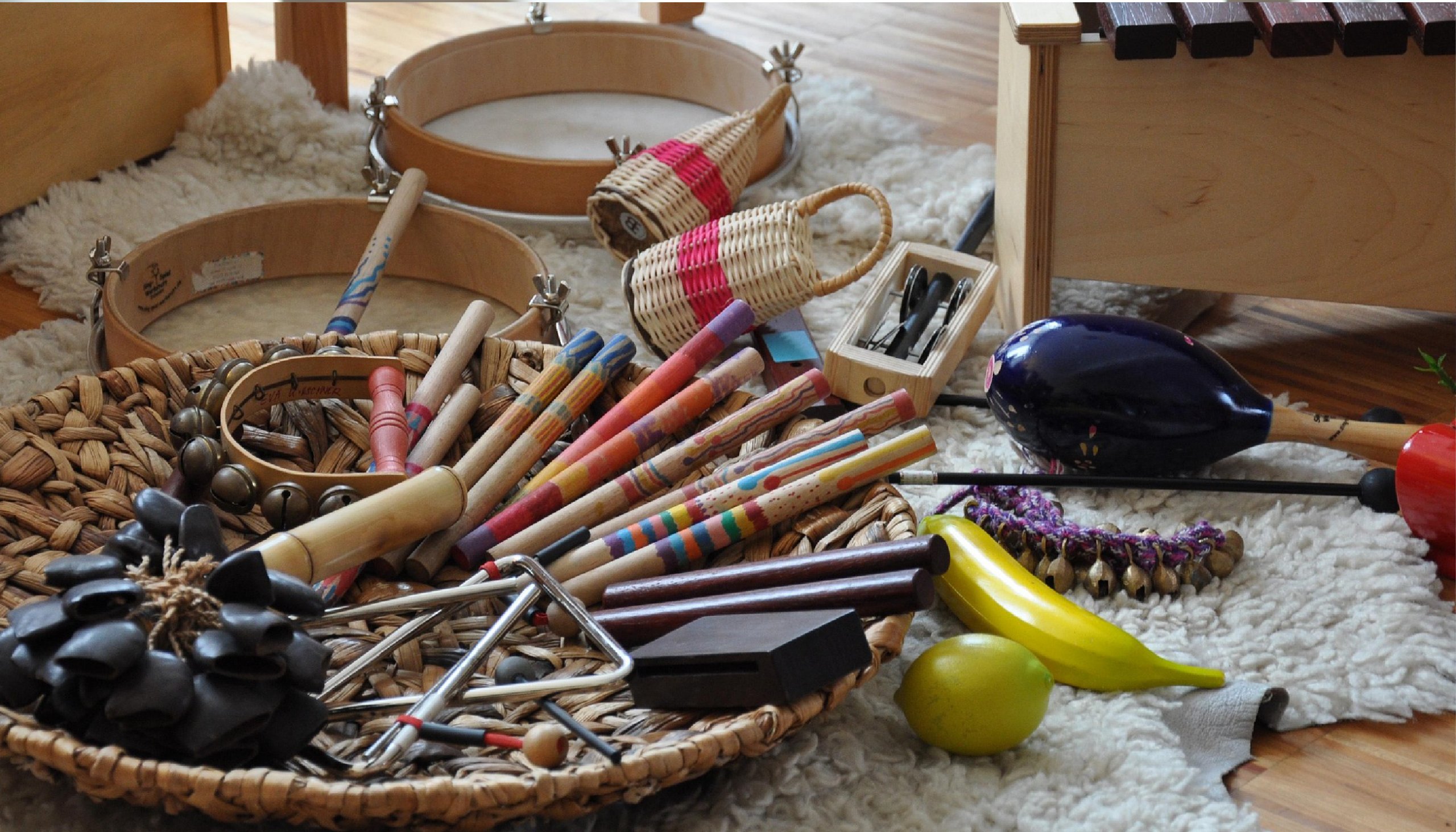



Travel-Size Sensory Kits: Plane-Ready Ideas for Babies and Toddlers
Table Of Contents
- Why Sensory Kits Make Flying with Young Children Easier
- The Developmental Benefits of Travel Sensory Play
- Age-Appropriate Kit Ideas by Developmental Stage
- Essential Items for Every Travel Sensory Kit
- Incorporating Musical Elements for Enriched Travel
- Smart Packing Tips for Plane-Friendly Sensory Kits
- Managing Common In-Flight Sensory Challenges
- Preparing Your Child Before the Flight
Traveling by plane with babies and toddlers can feel overwhelming, especially when you’re confined to a small seat for hours. Young children have intense sensory needs that don’t pause for travel convenience. They need to touch, explore, move, and engage with their environment to feel regulated and content. When these needs go unmet in the restrictive airplane setting, both children and parents can experience considerable stress.
Travel-size sensory kits offer a thoughtful solution to this common challenge. These carefully curated collections of developmentally appropriate items provide the tactile, auditory, and visual stimulation that young minds crave while remaining compact and flight-appropriate. Rather than relying solely on screen time or hoping your child will sleep through the journey, sensory kits tap into your child’s natural curiosity and developmental needs.
This guide draws on principles from early childhood music enrichment and sensory development to help you create effective travel kits for children aged 4 to 47 months. You’ll discover age-specific ideas, understand the developmental reasoning behind each suggestion, and learn practical strategies for keeping your little one engaged during air travel. Whether you’re planning your first flight with an infant or traveling with an energetic preschooler, these plane-ready sensory kit ideas will transform your travel experience.
Travel-Size Sensory Kits
Plane-Ready Ideas for Babies & Toddlers
✓Why Sensory Kits Work
🧠 Multi-Sensory Engagement
Activates multiple learning pathways simultaneously
🎯 Natural Development
Channels innate drives into appropriate activities
😌 Emotional Regulation
Provides control and prevents meltdowns
Age-Appropriate Kit Ideas
👶
4-12 Months
Infants
- Silicone teething toys
- Soft fabric books
- Wooden rings
- Textured cards
- Quiet rattles
🧒
12-24 Months
Young Toddlers
- Stacking cups
- Busy boards
- Reusable stickers
- Sensory balls
- Water reveal pads
👧
24-47 Months
Preschoolers
- Play dough
- Lacing cards
- Mini puzzles
- Pipe cleaners
- Pattern blocks
🎵Musical Elements for Enrichment
Soft Instruments
Egg shakers, rain sticks, or finger cymbals for cause-and-effect learning
Recorded Music
Playlists with familiar songs and varied tempos using child-safe headphones
Your Voice
The most valuable instrument—sing familiar songs for comfort and connection
💡Essential Items for Every Kit
Textured fabrics
Resealable bags
Washi tape
Small mirrors
Multiple containers
Developmental Benefits
✋
Fine Motor Skills
Strengthens hands and fingers
🧩
Cognitive Growth
Builds problem-solving
💬
Language Skills
Expands vocabulary
❤️
Emotional Regulation
Develops coping strategies
🎯 Smart Packing Pro Tips
1
Multiple small containers prevent overwhelming dumps and create novelty
2
Save new items for difficult moments—wrapped toys buy 20-30 minutes
3
Test at home first to ensure plane-appropriate and child-familiar
4
Keep in personal item under your seat for easy access anytime
✨ Sensory kits do more than entertain—they support whole-child development through multi-sensory engagement, just like quality music enrichment programs combine auditory, kinesthetic, and cognitive learning.
Transform travel stress into developmental opportunity! ✈️
Why Sensory Kits Make Flying with Young Children Easier
Air travel presents unique sensory challenges for young children. The unfamiliar environment bombards their senses with new sounds, changed air pressure, restricted movement, and altered routines. For babies and toddlers who are still developing their ability to self-regulate, these disruptions can quickly lead to distress. Traditional entertainment options often fall short because they don’t address the underlying sensory needs driving the behavior.
Sensory kits work because they provide appropriate outlets for natural developmental drives. When a toddler needs to manipulate objects with their hands, they’re not being difficult—they’re following an innate drive to learn through tactile exploration. When they vocalize or make sounds, they’re experimenting with cause and effect. A well-designed sensory kit channels these impulses into plane-appropriate activities that satisfy rather than suppress developmental needs.
Research in early childhood development shows that children learn best through multi-sensory experiences that engage different types of intelligence. This is the foundation of programs like Tenderfeet, which combines sensory play with music for holistic infant development. The same principles apply during travel: when you engage multiple senses simultaneously, children remain more focused and content for longer periods.
Additionally, sensory kits give children a sense of control in an environment where they have very little autonomy. Choosing which item to explore next, discovering how materials feel and sound, and experiencing novelty within a contained space all contribute to emotional regulation. This proactive approach prevents meltdowns rather than simply reacting to them.
The Developmental Benefits of Travel Sensory Play
While the immediate goal of a travel sensory kit is keeping your child occupied during the flight, the benefits extend far beyond distraction. Thoughtfully chosen sensory materials actively support cognitive, motor, and emotional development even in the confines of an airplane seat. Understanding these benefits helps you select items that provide genuine enrichment rather than just passing time.
Fine motor development receives significant support from sensory kit activities. Items that require pinching, grasping, turning, and manipulating strengthen the small muscles in hands and fingers. These skills form the foundation for later abilities like holding utensils, using scissors, and eventually writing. Simple activities like threading large beads, opening and closing containers, or peeling reusable stickers all build these essential capacities.
Cognitive growth happens as children explore cause-and-effect relationships, solve simple problems, and categorize objects by their properties. When a toddler discovers that squeezing a soft toy produces a quiet sound, or that textured fabric feels different from smooth plastic, they’re building neural connections that support logical thinking. These are the same principles emphasized in programs like Scouts, which foster curiosity about how the world works.
Language development benefits when parents narrate the sensory experience. Describing textures (“That felt bumpy!”), sounds (“You made it crinkle!”), and actions (“You’re twisting the toy!”) builds vocabulary and comprehension. Musical elements in sensory kits, such as quiet shakers or humming tubes, support both musical intelligence and verbal skills as children begin to differentiate sounds and rhythms.
Emotional regulation improves as children learn to self-soothe through sensory engagement. Repetitive motions like running fingers over textured surfaces or gentle manipulations of squishy materials can be genuinely calming. This supports the development of coping strategies that children will use throughout their lives when facing stressful or overstimulating situations.
Age-Appropriate Kit Ideas by Developmental Stage
The most effective travel sensory kits are tailored to your child’s specific developmental stage. What captivates a six-month-old will bore a two-year-old, while items perfect for preschoolers may pose safety risks for infants. By aligning your kit contents with developmental milestones, you ensure both engagement and safety.
Infants (4-12 Months): Sensory Exploration Basics
Infants at this stage are discovering their senses and developing hand-eye coordination. Their attention spans are brief, so variety matters more than complexity. Safety is paramount since everything will likely go into their mouths as they explore through oral sensory input. The focus should be on items that provide rich tactile and visual experiences while being completely safe for mouthing.
Ideal items for infant travel kits include:
- Silicone teething toys with varied textures and shapes that are easy to grasp and clean
- Soft fabric books with high-contrast patterns or crinkly pages that make gentle sounds
- Wooden rings or links that can be mouthed, grasped, and transferred between hands
- Small, soft scarves in different textures for peek-a-boo games and tactile exploration
- Textured teething cards made from food-grade silicone with raised patterns
- Quiet rattles with gentle sounds that won’t disturb other passengers
Programs like Tenderfeet emphasize the importance of sensory experiences during infancy as building blocks for later learning. During flights, rotate items every 10-15 minutes to maintain interest. Pair each object with simple songs, gentle movements, or narration to create a multi-sensory experience that supports the integrated development approach that benefits infants most.
Young Toddlers (12-24 Months): Movement and Discovery
Young toddlers are developing independence, refining motor skills, and beginning to understand how objects relate to each other. They want to be active participants rather than passive observers. Their growing attention spans allow for slightly more complex activities, though they still benefit from frequent changes. This age group particularly struggles with the movement restrictions of air travel, making it essential to provide activities that create the illusion of freedom within boundaries.
Effective sensory kit items for young toddlers:
- Stacking cups or nesting containers that fit inside each other and can be filled with small items
- Busy boards or quiet books with zippers, buttons, snaps, and velcro to manipulate
- Reusable sticker scenes where stickers can be placed and removed repeatedly
- Textured sensory balls (small, soft ones) that can be squeezed and rolled on the tray table
- Simple musical instruments like egg shakers or small tambourines with volume control
- Magnetic drawing boards for early mark-making without mess
- Water reveal activity pads that show pictures when painted with water
This developmental stage aligns with the approach used in Happyfeet classes, which combine sensory exploration with early problem-solving. On the plane, these materials allow toddlers to make choices, see immediate results from their actions, and experience success through completion of simple tasks. Include at least one musical element, as rhythm and melody naturally capture attention and can help with transitions between activities.
Older Toddlers and Preschoolers (24-47 Months): Engaged Learning
Children in this age range are developing longer attention spans, engaging in more sophisticated pretend play, and ready for activities with multiple steps. They can follow simple instructions and understand basic concepts like sorting, matching, and sequencing. Their sensory kits can incorporate early learning concepts while still providing the tactile and sensory experiences that remain important for regulation and engagement.
Sensory kit essentials for older toddlers and preschoolers:
- Play dough or modeling clay in travel-size containers with simple tools for shaping
- Lacing cards with chunky laces for developing fine motor skills and patience
- Matching games with themes your child enjoys (animals, vehicles, colors)
- Pipe cleaners or wikki stix for creating shapes and designs without mess
- Mini puzzles (12-24 pieces) appropriate for their skill level
- Pattern blocks or tangram sets for early geometry exploration
- Sticker activity books with scenes to complete
- Miniature instruments like a harmonica or small kalimba for musical exploration
This stage mirrors the developmental focus of programs like Groovers and Scouts, which incorporate thematic learning through music and movement. During flights, you can extend activities by creating simple stories around the materials, encouraging your child to describe what they’re doing, or introducing gentle challenges (“Can you sort these by color?”). The preschool readiness programs like SMART-START English and SMART-START Chinese emphasize this combination of structured learning with playful exploration.
Essential Items for Every Travel Sensory Kit
Beyond age-specific toys and activities, certain foundational items benefit children across all developmental stages. These versatile elements provide sensory input, support multiple types of play, and help create a cohesive travel kit that addresses various needs throughout the flight. Think of these as your sensory kit’s building blocks, around which you’ll add age-appropriate materials.
Textured materials are crucial for tactile exploration. Include small squares of different fabrics—satin, corduroy, velvet, burlap, or fleece. These can be used for peek-a-boo games with babies, sorting activities with toddlers, or simply as comforting objects to touch. Textured items help children regulate when feeling overwhelmed and provide a quiet, contained sensory experience perfect for tight spaces.
Resealable bags or pouches serve multiple purposes beyond organization. Clear bags become discovery tools when filled with small items like buttons, pom-poms, or sequins sealed inside (for supervised viewing without choking risks). They can hold sensory materials like hair gel mixed with food coloring for squishy bags that change shape when pressed. Pouches with different closures (zipper, snap, velcro) become activities themselves for developing fine motor skills.
Washi tape or painter’s tape offers surprisingly versatile play opportunities with no mess. Create temporary roads on the tray table for toy cars, make simple patterns, or let older toddlers tear and stick pieces to create designs. Unlike stickers, tape can be removed and repositioned multiple times, extending play value. It also can be used to temporarily attach items to surfaces, preventing drops during turbulence.
Small mirrors captivate babies and toddlers alike. Unbreakable acrylic mirrors provide endless fascination as children explore their reflections, make faces, and discover cause and effect. Mirrors can be incorporated into peek-a-boo games, used to reflect light in interesting ways (when permitted by flight crew), or simply held while you sing songs together.
Incorporating Musical Elements for Enriched Travel
Music provides unique benefits during air travel because it engages auditory processing, supports emotional regulation, and can mask unsettling airplane sounds. Research consistently shows that musical experiences support cognitive development, memory formation, and language acquisition. These benefits don’t require formal instruction—simple musical elements in your sensory kit create rich learning opportunities while keeping your child content.
Choose instruments that produce soft, pleasant sounds rather than loud noise. Small egg shakers, rain sticks, or finger cymbals give children control over sound-making without disturbing fellow passengers. For infants, even crinkly paper or fabric provides satisfying auditory feedback. The key is offering cause-and-effect sound experiences where children’s actions directly produce the auditory result.
Recorded music serves as another valuable tool, though it requires headphones appropriate for young children’s hearing protection. Create playlists featuring familiar songs from home, calming instrumental music, and selections with varied tempos. Songs with hand motions work particularly well since they combine auditory input with movement, addressing multiple sensory needs simultaneously. The approach used in music enrichment programs recognizes that combining music with physical movement and visual elements creates more powerful learning and engagement.
Your voice remains the most valuable musical instrument, requiring no packing space or batteries. Singing familiar songs provides comfort through routine and strengthens your emotional connection with your child during the stress of travel. Create simple travel-themed songs using familiar melodies (“The wheels on the plane go round and round…”), narrate your flight with melodic speech patterns, or hum quietly during moments when your child needs calming. This mirrors the integrated approach of programs that combine originally composed music with developmental goals.
Musical elements also help mark transitions between activities. Singing a specific song can signal that it’s time to put away one sensory kit item and choose another, or that a meal or diaper change is coming. These musical cues provide structure and predictability, which are especially valuable when your child’s normal routine has been disrupted by travel.
Smart Packing Tips for Plane-Friendly Sensory Kits
How you organize and pack your sensory kit significantly impacts its effectiveness during the flight. Even the best collection of items becomes frustrating if you can’t easily access them or if they create clutter in the already cramped space. Strategic packing transforms your kit from a chaotic bag of toys into a smoothly functioning system that supports rather than stresses you.
Use multiple small containers rather than one large bag. Pencil pouches, makeup bags, or fabric snack bags work perfectly for grouping items thematically or by activity type. This organization allows you to present one container at a time, creating novelty and preventing your child from dumping everything out at once. Clear containers let children see what’s inside, building anticipation and allowing choice without full access to all items simultaneously.
Introduce novelty strategically. While some familiar favorites provide comfort, save a few completely new items for difficult moments during the flight. Wrap new toys in tissue paper or place them in small gift bags so the unwrapping itself becomes an activity. The excitement of something new can buy you 20-30 minutes of focused attention during a challenging phase of the flight.
Consider the complete sensory profile of your kit. Ensure you have items that address different sensory needs: tactile (textured materials), auditory (musical elements), visual (books, cards with pictures), proprioceptive (resistive materials like therapy putty), and oral (safe teething toys for younger children). This variety allows you to address whatever sensory need your child is expressing at any given moment.
Test everything at home first. Ensure all components are truly plane-appropriate—nothing that rolls away easily, requires too much space, or makes excessive noise. Practice with your child so they understand how each item works, reducing frustration during the flight. Check that all pieces are accounted for and that containers open easily but securely.
Keep your sensory kit in your personal item, not the overhead bin. Access matters more than space savings. Store the kit under the seat in front of you where you can reach items without disturbing your child or neighbors. Pack the items you’ll likely need during takeoff and landing at the very top for easiest access during times when you cannot move about the cabin.
Managing Common In-Flight Sensory Challenges
Even with the most thoughtfully prepared sensory kit, air travel presents unavoidable challenges for young children. Understanding the specific sensory issues that arise during flights helps you respond effectively and select kit components that address rather than merely distract from these difficulties. Proactive strategies make the difference between barely surviving the flight and actually managing it with relative calm.
Ear pressure and discomfort affect children more intensely than adults because their Eustachian tubes are smaller and less efficient at equalizing pressure. For infants, nursing or bottle-feeding during ascent and descent helps significantly. Include a pacifier in your kit even if your child doesn’t regularly use one. For toddlers, provide safe chewable items, encourage yawning, or offer a drink with a straw. Singing songs that encourage mouth movements can also help without your child realizing they’re addressing ear pressure.
Restricted movement creates genuine distress for children who are wired to explore through their bodies. While you can’t eliminate this constraint, you can provide movement opportunities within the limited space. Resistance bands designed for children, squishy stress balls that require squeezing, or therapy putty that demands strong finger work all provide proprioceptive input that partially satisfies the need for larger movements. During times when the seatbelt sign is off, take brief walks up the aisle or do simple stretches in the galley area if flight attendants permit.
Sensory overload from unfamiliar sounds, changing air pressure, and crowded conditions overwhelms sensitive children. Create a small “calm-down” section in your sensory kit with specifically soothing items: soft fabric to stroke, a small stuffed animal, or a simple fidget toy. Noise-reducing headphones designed for children help tremendously, even without music playing. Sometimes simply closing your child’s eyes while you describe calming imagery or sing quietly can reset their sensory system.
Disrupted routines unsettle children who depend on predictability. While you cannot maintain normal routines exactly, you can incorporate familiar elements. If bedtime includes specific songs, sing those songs during the flight when you hope your child will rest. If certain toys signal quiet time at home, include those in your travel kit. The developmental approach emphasized in quality early childhood programs recognizes that children thrive on appropriate structure even in varying circumstances.
Preparing Your Child Before the Flight
Preparation significantly impacts how well your sensory kit performs during the actual flight. Children who understand what to expect experience less anxiety, which means they’re more capable of engaging with activities you offer. The preparation itself can become a bonding experience that builds excitement rather than fear about the upcoming journey.
For older toddlers and preschoolers, read books about airplane travel in the days leading up to your trip. Look at pictures of planes together, watch age-appropriate videos showing what happens at airports and during flights, and talk through the sequence of events. Use language that builds anticipation: “The plane will make loud sounds when it starts moving!” rather than warnings that create worry. This preparation mirrors how quality educational programs introduce new concepts—building familiarity before immersion.
Involve your child in preparing their sensory kit. Let them choose some items to include (within boundaries you’ve set). Pack together, talking about what each item does and when you might use it. This involvement creates ownership and increases the likelihood they’ll actually engage with the materials during the flight. For younger children who can’t make deliberate choices, let them explore items before packing so the materials feel familiar rather than completely novel.
Practice “airplane behavior” through pretend play. Set up chairs as plane seats, secure stuffed animals in seatbelts, and go through the motions of a flight at home. Use your sensory kit items during this practice flight, establishing the expectation that these special materials appear in this specific context. This rehearsal approach helps children understand the unique constraints of air travel in a low-stress environment.
Adjust your own expectations and mindset. Your child will sense your stress and mirror it. Remind yourself that you’re giving your child valuable experiences in adaptability and resilience. Even if the flight doesn’t go perfectly, you’re teaching your child that new situations can be managed. This perspective shift—from fearing the worst to embracing the learning opportunity—fundamentally changes your energy and your child’s response.
Traveling by plane with babies and toddlers doesn’t have to be an ordeal you merely endure. With thoughtfully prepared travel-size sensory kits, you can address your child’s developmental needs while managing the unique challenges of air travel. The most effective kits combine age-appropriate activities, multi-sensory elements, and strategic organization to keep young children engaged and regulated throughout the journey.
Remember that these sensory materials do more than simply pass time. They support cognitive development, build fine motor skills, encourage emotional regulation, and provide learning opportunities even in the confines of an airplane seat. By incorporating musical elements, varied textures, and activities that align with your child’s developmental stage, you’re offering genuine enrichment alongside practical behavior management.
The principles behind effective travel sensory kits mirror the integrated developmental approach used in quality early childhood education. Just as music enrichment programs combine auditory, kinesthetic, and cognitive learning to support whole-child development, your travel kit should engage multiple senses and intelligence types. This holistic approach respects your child’s natural learning style while providing the structure needed in challenging environments.
As you prepare for your next flight, view your sensory kit as an investment in both immediate peace and long-term development. Each carefully chosen item serves a purpose beyond distraction—it nurtures your child’s growing mind while helping them develop coping strategies for stressful situations. With preparation, appropriate expectations, and a well-stocked sensory kit, air travel with your little one can shift from something you dread to an experience you successfully navigate together.
Nurture Your Child’s Development Through Music and Sensory Play
While travel sensory kits support your child during journeys, consistent music enrichment programs provide ongoing developmental benefits. At The Music Scientist, we combine music, movement, and sensory play to promote cognitive development, motor skills, and early literacy for children aged 4 to 47 months. Our programs align with developmental milestones and prepare children for successful transitions into formal education.
Table Of Contents
Water beads have become a popular sensory play material, beloved for their squishy texture and vibrant colors. However, recent safety concerns have prompted many parents and educators to search for safer alternatives. These gel-like polymer beads can pose serious choking hazards and have been linked to emergency room visits when swallowed by young children.
If you’re looking for water bead alternatives that offer the same sensory benefits without the risks, you’re in the right place. The good news is that numerous safe, engaging sensory fillers can provide similar tactile experiences while supporting your child’s development through hands-on exploration.
At The Music Scientist, we understand that sensory play forms a crucial foundation for early learning. Our programs incorporate various sensory experiences alongside music and movement because we know that children learn best through multi-sensory engagement. This comprehensive guide will introduce you to 15 tested alternatives that are safer for babies, toddlers, and preschoolers, while still delivering the developmental benefits that make sensory play so valuable.
15 Safe Water Bead Alternatives
Safer Sensory Fillers for Babies & Toddlers
⚠️ Why Avoid Water Beads?
🚨 Choking Hazard
Small when dry, expand inside body
🏥 Emergency Risk
Multiple ER visits reported
👁️ Hard to See
Transparent, blend into surfaces
Safe Alternative Categories
🍝
Edible Options
5 safe choices for babies
🌿
Natural Items
4 nature-based fillers
🏠
Household Items
4 everyday materials
🎨
Commercial Safe
3 tested products
Top 5 Edible Sensory Fillers (Perfect for Babies)
1
Cooked Pasta
Slippery texture, various shapes, safe if eaten
2
Cooked Rice or Quinoa
Flowing, scoopable, supports fine motor skills
3
Cheerios or Large Cereal
Threading activities, hand-eye coordination
4
Jello or Gelatin
Jiggly, cool, perfect for discovery games
5
Whipped Cream or Yogurt
Cloud-like, great for supervised messy play
🎯 Key Selection Criteria
✓ Age Appropriate
Edible for under 18 months
✓ Size Matters
Too large to swallow or safe if ingested
✓ Texture Variety
Supports tactile development
✓ Easy Cleanup
Containment and mess management
✓ Developmental Value
Fine motor and cognitive benefits
✓ Allergy Aware
Check for common allergens
🌟 Developmental Benefits of Sensory Play
🧠 Cognitive Development
✋ Fine Motor Skills
💬 Language Growth
😌 Emotional Regulation
🔬 Scientific Thinking
💡 Remember: Supervision is Essential!
Even with safer alternatives, constant supervision ensures children explore freely while staying safe. Match materials to your child’s developmental stage and always watch for mouthing behaviors.
Why Parents Are Avoiding Water Beads
Water beads, also known as gel beads or sensory beads, have raised significant safety red flags in recent years. These super-absorbent polymer balls start small but expand dramatically when placed in water, which creates several concerning hazards for young children.
Choking and ingestion risks top the list of concerns. When dry, water beads are small enough to be swallowed easily. Once inside the body, they continue to expand, potentially causing intestinal blockages that require surgical intervention. The U.S. Consumer Product Safety Commission has reported multiple cases of children requiring emergency medical treatment after ingesting water beads.
Beyond choking hazards, water beads can be difficult to see once they’ve expanded and become translucent. They blend into carpets, can be accidentally stepped on, and create slip hazards on hard floors. For babies and toddlers who explore the world through mouthing objects, these risks multiply significantly.
The visual similarity between water beads and food items like grapes or candy also increases the risk of accidental ingestion. Young children haven’t yet developed the judgment to distinguish between edible and non-edible items that look appealing, making supervision challenging even for attentive caregivers.
How to Choose Safe Sensory Fillers
Before diving into specific alternatives, it’s important to understand what makes a sensory filler safe and developmentally appropriate for your child’s age. The ideal sensory material should engage multiple senses, support developmental milestones, and minimize safety risks.
When evaluating sensory fillers, consider these key factors:
- Age appropriateness: For children under 18 months who frequently mouth objects, edible or large non-toxic items are safest
- Size considerations: Materials should be either too large to swallow or safe if ingested
- Texture variety: Different textures support tactile development and sensory integration
- Cleanup factor: Consider both mess level and ease of containment
- Developmental benefits: Look for materials that support fine motor skills, cognitive development, and sensory processing
- Allergy awareness: Be mindful of common allergens, especially with edible options
The sensory experiences we incorporate into programs like Tenderfeet for infant development and Happyfeet for toddlers prioritize both engagement and safety. This same principle should guide your choice of sensory fillers at home.
Edible Sensory Fillers for Babies and Young Toddlers
For babies and young toddlers who are still in the oral exploration phase, edible sensory materials provide the safest option. These alternatives eliminate choking concerns while still delivering rich sensory experiences that support development.
Cooked Pasta
Cooked pasta offers wonderful tactile variety depending on the shape you choose. Penne, rigatoni, and large shells provide different textures and sizes for exploration. You can leave pasta plain or add food coloring for visual stimulation. The slippery, squishy texture appeals to many children, and because it’s fully cooked and soft, it’s safe if eaten during play. Store cooked pasta in the refrigerator and use within 24 hours to prevent bacterial growth.
Cooked Rice or Quinoa
These grains create a flowing, scoopable sensory experience similar to sand. Cooked rice provides a sticky texture that clumps together, supporting fine motor development as children squeeze and mold it. Quinoa adds interesting visual elements with its tiny spiral tails. Both are safe for tasting and offer cultural learning opportunities as you discuss different foods from around the world.
Cheerios or Large Cereal Pieces
Dry cereal like Cheerios serves double duty as both a sensory filler and a snack. The O-shape is perfect for threading activities that develop hand-eye coordination. These work beautifully in sensory bins, providing satisfying sounds as little hands scoop and pour. The familiar food item also helps children feel comfortable during sensory exploration.
Jello or Gelatin
Homemade gelatin creates a jiggly, cool sensory experience that fascinates young children. Cut it into cubes for grabbing practice or leave it in a large pan for squishing. The transparent quality allows you to hide small toys inside for discovery games. While messy, gelatin is completely safe for consumption and easy to clean with warm water.
Whipped Cream or Yogurt
For supervised messy play, whipped cream or thick yogurt provides a cloud-like sensory experience. Children can spread, swirl, and explore these materials freely. Adding a drop of food coloring turns this into a painting activity. These work especially well during bath time when cleanup is simplified. The cool temperature adds another sensory dimension to the experience.
Natural Water Bead Alternatives
Natural materials bring children closer to the world around them while providing rich sensory experiences. These alternatives work well for children over 18 months who have moved past the constant mouthing stage, though supervision remains essential.
Dry Rice, Beans, or Lentils
Dried legumes and grains create flowing, pourable sensory bins that produce satisfying sounds. Different varieties offer size and texture variations – from tiny lentils to large kidney beans. These materials are excellent for scooping, pouring, and burying activities. While not intended for eating in their dry state, they’re non-toxic natural materials. Store in airtight containers to prevent moisture and pest issues.
Sand (Play Sand or Kinetic Sand)
Play sand provides endless molding and building opportunities. Kinetic sand offers a unique alternative that sticks to itself rather than spreading everywhere, making it more suitable for indoor use. Both materials support the development of hand strength and fine motor control. Sand play encourages imaginative scenarios and can be combined with small toys for extended creative play.
Water with Natural Additives
Plain water remains one of the best sensory materials available. You can enhance water play by adding ice cubes, flower petals, or herbs like mint for scent exploration. Colored ice cubes create visual interest as they melt and blend. Water play supports understanding of scientific concepts like volume, temperature, and absorption while providing calming sensory input.
Leaves, Pinecones, and Natural Materials
Outdoor treasures bring nature exploration indoors. Collect large pinecones, leaves, acorns, and smooth stones for sensory bins that change with the seasons. These materials offer varied textures, colors, and scents. They’re excellent for sorting activities, pattern making, and nature-based learning. Ensure items are large enough to prevent choking and check for sharp edges before use.
Household Items as Sensory Fillers
Some of the best sensory materials are already in your home, offering cost-effective solutions that work beautifully for exploration and play. These everyday items provide familiar starting points for children who may be hesitant about new sensory experiences.
Shredded Paper
Shredded paper creates a rustling, crunchy sensory bin that children love to dig through. Use a paper shredder to create long strips, or hand-tear newspaper and junk mail. The lightweight material is easy for small hands to manipulate and can be recycled after use. Hide small toys or objects inside for treasure hunt games that build cognitive skills.
Cotton Balls or Pompoms
Soft and lightweight, cotton balls and craft pompoms provide gentle tactile experiences. They’re ideal for children who are sensitive to messy textures. Use them for color sorting, counting practice, or simply for the satisfying feeling of running hands through soft materials. The quiet nature of these fillers makes them perfect for calm-down sensory activities.
Fabric Scraps
Different fabric textures create a rich tactile learning experience. Collect silk, velvet, cotton, burlap, and fleece scraps for children to touch, sort, and compare. This activity builds vocabulary as you introduce words like “rough,” “smooth,” “soft,” and “scratchy.” Fabric play supports the sensory awareness we develop through programs like Groovers music and dance classes, where children experience different textures through movement props.
Ice Cubes
Ice provides temperature exploration alongside tactile and visual learning. Freeze water in different shaped containers, add food coloring for color learning, or freeze small toys inside ice blocks for melting experiments. Ice play teaches scientific concepts while providing sensory stimulation. This works best in bathtubs or outdoor settings where melting water isn’t a concern.
Commercial Safe Sensory Products
If you prefer purpose-made sensory materials, several commercial products offer safe alternatives to water beads while delivering engaging sensory experiences.
Cloud Dough or Moon Sand
Cloud dough (made from flour and oil) creates a moldable, flowing texture that’s mesmerizing to manipulate. Commercial versions like Moon Sand offer mess-free alternatives that hold shape better than homemade versions. These materials support imaginative play, fine motor development, and creative expression. They’re reusable and can be stored in airtight containers for extended use.
Playdough or Modeling Clay
Classic playdough remains a sensory superstar. Whether homemade or store-bought, this malleable material strengthens hand muscles crucial for writing development. Rolling, squishing, cutting, and molding playdough builds the fine motor skills emphasized in our SMART-START English and Chinese preschool readiness programs. Add tools like cookie cutters, rolling pins, and plastic scissors to extend the learning possibilities.
Sensory Balls or Textured Toys
Specialized sensory balls come in various textures, sizes, and densities. Spiky massage balls, squishy stress balls, and bumpy textured balls each provide different tactile input. These are particularly valuable for children with sensory processing needs who benefit from targeted sensory experiences. They’re durable, easy to clean, and safe for all ages when appropriately sized.
Developmental Benefits of Sensory Play
Understanding why sensory play matters helps you appreciate the value of incorporating these water bead alternatives into your child’s routine. At The Music Scientist, we’ve witnessed how sensory experiences amplify learning across all developmental domains.
Cognitive development flourishes through sensory exploration. When children manipulate different materials, they build neural pathways that support problem-solving, memory, and abstract thinking. Comparing textures, predicting outcomes (will this pour or clump?), and discovering cause-and-effect relationships all exercise developing brains.
Fine motor skills develop naturally during sensory play. Pinching, grasping, pouring, and scooping strengthen the small muscles in hands and fingers. These movements lay the foundation for future skills like writing, buttoning clothes, and using utensils. The repetitive actions children naturally engage in during sensory play provide the practice needed for motor skill mastery.
Language development expands as children describe what they’re experiencing. Sensory play offers authentic opportunities to introduce descriptive vocabulary: squishy, rough, cold, slippery, crunchy. These concrete experiences help children understand and remember new words more effectively than abstract teaching methods.
Emotional regulation benefits significantly from sensory activities. Many children find tactile experiences calming and focusing. The rhythmic, repetitive nature of sensory play can help anxious children settle, while active sensory engagement can help restless children channel energy productively. This aligns with how we use music and movement in programs like Scouts to support emotional development through multi-sensory engagement.
Scientific thinking begins with hands-on exploration. Sensory play naturally introduces scientific concepts like states of matter, temperature, volume, and transformation. Children become young scientists as they experiment, observe, and draw conclusions about the materials they’re manipulating.
Supervision and Safety Guidelines
Even with safer alternatives, proper supervision remains essential for successful sensory play. Creating a safe environment allows children to explore freely while you maintain appropriate boundaries.
Age-appropriate selection should guide your choice of materials. For babies and young toddlers under 18 months, stick with edible options or very large items that cannot be swallowed. As children develop better self-regulation and move past the oral exploration phase, you can gradually introduce smaller non-edible materials with close supervision.
Constant supervision doesn’t mean hovering, but it does mean staying present and attentive. Position yourself where you can easily observe your child’s play. Watch for any attempts to put non-edible items in mouths, especially when first introducing new materials. Your calm presence allows children to explore confidently while you ensure safety.
Containment strategies minimize mess and make cleanup manageable. Use large plastic bins, baby pools, or shower curtains spread on the floor to define play spaces. Consider setting up sensory activities in bathtubs, outdoor spaces, or areas with easy-to-clean floors. Having wet wipes or damp cloths nearby helps you address spills quickly.
Clear boundaries help children understand expectations. Before beginning sensory play, explain simple rules: “The rice stays in the bin,” or “We keep the pasta on the mat.” Young children need consistent reminders, so state expectations calmly and redirect when needed rather than ending play abruptly.
Allergy awareness is crucial, especially with edible sensory materials. Be mindful of common allergens like wheat (pasta, flour), dairy (yogurt), and various legumes. If your child has known allergies or you’re facilitating group play, choose allergen-free alternatives or verify ingredients carefully.
Hygiene practices protect health during sensory play. Wash hands before and after activities. Replace edible sensory materials daily and store them properly between uses. Clean reusable materials like fabric scraps, plastic toys, and containers regularly with soap and water or mild disinfectant solutions.
Finding safe water bead alternatives doesn’t mean sacrificing the developmental benefits of sensory play. From edible options perfect for babies to natural materials that connect toddlers with the world around them, you now have a comprehensive toolkit of safer sensory fillers to choose from.
The key is matching materials to your child’s developmental stage, interests, and sensory preferences. Some children gravitate toward wet, messy experiences while others prefer dry, flowing materials. Pay attention to what engages your child most deeply and build from there.
Remember that sensory play doesn’t need to be complicated or expensive. Some of the most valuable experiences come from simple household items explored with curiosity and imagination. Whether you’re using cooked pasta, dried beans, or shredded paper, what matters most is creating opportunities for hands-on exploration that support your child’s growing mind and body.
At The Music Scientist, we believe that rich sensory experiences combined with music and movement create the ideal environment for early learning. By incorporating these safe sensory fillers into your home routine, you’re providing the multi-sensory engagement that helps young minds thrive.
Discover How Multi-Sensory Learning Supports Your Child’s Development
At The Music Scientist, we combine music, movement, and sensory play to create developmentally-focused programs that nurture young minds. From infant care classes to preschool readiness programs, we offer age-appropriate enrichment that builds confidence and supports multiple learning styles.
Table Of Contents
- Why Zip Bags Are Perfect for Sensory Play
- Developmental Benefits of Sound-Sensory Activities
- Getting Started: Materials and Safety Tips
- Sound-Sensory Activities for Infants (4-12 Months)
- Sound-Sensory Activities for Toddlers (12-24 Months)
- Sound-Sensory Activities for Preschoolers (24+ Months)
- Integrating Music with Sensory Exploration
- Tips for Success and Common Questions
As parents and caregivers, we all want to provide enriching sensory experiences for our little ones, but the thought of cleanup after messy play can be overwhelming. What if you could offer your child engaging sound-sensory activities that stimulate multiple areas of development without the stress of extensive cleaning afterward?
Enter the humble zip bag—a simple household item that transforms into a powerful learning tool. These versatile bags create contained environments where babies, toddlers, and preschoolers can explore textures, sounds, and visual stimulation through safe, tactile play. When combined with sound-producing materials, zip bags become multisensory learning experiences that engage your child’s auditory, visual, and kinesthetic senses simultaneously.
In this comprehensive guide, we’ll explore how to create captivating sound-sensory activities using zip bags that align with your child’s developmental stage. Whether you’re looking for activities to complement your early childhood enrichment routine or seeking new ways to engage your little one at home, these no-mess solutions offer educational value without the hassle. Let’s discover how this simple approach can support your child’s cognitive development, fine motor skills, and early learning foundation.
No-Mess Sound-Sensory Play Guide
Engaging Zip Bag Activities for Every Stage
✨ Why Zip Bags Work Wonders
🎯
Zero Cleanup
Fully contained sensory exploration without the mess
🧠
Multi-Sensory
Engages hearing, sight, and touch simultaneously
💰
Budget-Friendly
Uses simple household items you already own
🎵 Developmental Benefits
👂
Auditory Processing
Sound discrimination skills
✋
Fine Motor Skills
Hand-eye coordination
🔬
Cognitive Growth
Cause-and-effect learning
😌
Emotional Balance
Self-regulation & focus
📦 Essential Materials
Sound Makers
- Uncooked rice (rustling)
- Jingle bells (musical tones)
- Dried beans (rattling)
- Buttons (clicking)
- Bubble wrap (popping)
Visual Additions
- Food coloring
- Glitter or sequins
- Water beads
- Colorful ribbons
- Small foam shapes
Pro Tip: Use heavy-duty freezer bags and secure seals with packing tape. Double-bag for extra safety with infants!
👶 Activities by Age Group
4-12 Months
Gentle Rain Sound Bag
Rice + food coloring for tummy time & visual tracking
12-24 Months
Sound Matching Bags
Pairs of identical sounds for auditory discrimination
24+ Months
Pattern Sound Bags
Layered materials for pattern recognition & sequencing
🎼 Musical Integration Ideas
🎵
Rhythm Accompaniment
Shake bags along to favorite songs
💃
Movement & Sound
Coordinate shaking with dance moves
🎭
Tempo Exploration
Practice fast/slow, loud/quiet concepts
🌟 Transform simple play into powerful learning moments that nurture cognitive growth, motor skills, and musical understanding—all without the cleanup stress!
Why Zip Bags Are Perfect for Sensory Play
Zip bags have become a favorite tool among early childhood educators and parents for good reason. They offer a unique combination of accessibility, versatility, and practicality that few other materials can match. The transparent nature of zip bags allows children to observe and explore without direct contact, making them ideal for introducing new textures and materials that might otherwise create extensive cleanup challenges.
The containment aspect addresses one of parents’ biggest concerns about sensory play. Young children are naturally inclined to explore with their mouths, hands, and entire bodies. While this exploration is crucial for development, it can result in materials scattered across floors, furniture, and sometimes even walls. Zip bags eliminate this concern by creating a secure boundary that keeps materials contained while still allowing full sensory engagement through touch, sight, and sound.
From a developmental perspective, zip bags introduce children to cause-and-effect relationships. When babies press on a bag filled with bells or rice, they immediately hear the resulting sound and see the visual movement. This instant feedback loop reinforces neural pathways and encourages repeated exploration, which is fundamental to early learning. The tactile resistance of the bag itself also provides proprioceptive input, helping children develop body awareness and fine motor control.
Developmental Benefits of Sound-Sensory Activities
Sound-sensory activities using zip bags target multiple developmental domains simultaneously, making them exceptionally valuable for early childhood growth. Understanding these benefits helps parents appreciate the educational value beyond simple entertainment and allows for more intentional play experiences.
Auditory Processing and Discrimination
When children interact with sound-producing zip bags, they develop crucial auditory processing skills. Different materials create distinct sounds—rice produces a gentle rustling, bells create clear chimes, and water beads make soft clicking noises. As children experiment with these various sounds, they learn to discriminate between different auditory inputs, a foundational skill for language development and musical understanding. This aligns with the approach used in programs like Tenderfeet: Infant Care Classes and Sensory Development, where multisensory experiences support early cognitive growth.
Fine Motor Development and Hand-Eye Coordination
Manipulating zip bags requires children to use different hand movements—pressing, squeezing, shaking, and patting. These varied movements strengthen the small muscles in hands and fingers, preparing children for later skills like writing, self-feeding, and buttoning clothes. The visual tracking required to follow moving objects inside the bag further develops hand-eye coordination, creating neural connections that support numerous daily activities.
Cognitive Development and Problem-Solving
Sound-sensory bags encourage children to engage in experimentation and hypothesis testing, albeit at a developmentally appropriate level. A toddler might discover that shaking a bag produces louder sounds than gently moving it, or that pressing on one side causes items to shift to another area. These discoveries build logical-mathematical intelligence and cause-and-effect understanding that forms the foundation for later scientific thinking.
Emotional Regulation and Focus
The contained, predictable nature of zip bag activities provides a calming influence for many children. The repetitive motions and soothing sounds can help little ones develop self-regulation skills, an essential component of emotional intelligence. Additionally, the focused attention required to explore these bags builds concentration abilities that will serve children throughout their educational journey.
Getting Started: Materials and Safety Tips
Creating effective sound-sensory zip bags requires minimal investment and preparation, but attention to safety and quality ensures the best experience for your child. Let’s explore what you’ll need and how to set up these activities safely.
Essential Materials
Zip Bags: Choose heavy-duty freezer bags rather than standard sandwich bags. Freezer bags have thicker plastic and more robust seals, reducing the risk of tears or leaks. For younger infants who explore with their mouths, consider double-bagging for extra security. Gallon-sized bags work well for larger activities, while quart-sized bags are perfect for portable options.
Sound-Producing Fillers: The materials you choose will determine the auditory experience your child receives. Safe options include:
- Uncooked rice or pasta (gentle rustling sounds)
- Small jingle bells (clear, musical tones)
- Dried beans or lentils (moderate rattling sounds)
- Water beads (soft clicking and visual appeal)
- Buttons (varied sounds depending on material)
- Bubble wrap pieces (satisfying popping sounds when pressed)
- Crinkly cellophane or tissue paper (high-pitched crinkling)
Additional Elements: Consider adding visual interest with food coloring in water-based bags, glitter for sparkle, or small foam shapes. These additions create multisensory experiences that engage multiple learning pathways simultaneously.
Safety Considerations
While zip bags significantly reduce mess and risk, proper safety precautions ensure worry-free play. Always supervise young children during sensory activities, particularly infants who are still learning what should and shouldn’t go in their mouths. Before each use, inspect bags for any tears, weak spots, or compromised seals—even small openings can allow contents to escape.
Secure the seal with heavy-duty packing tape or duct tape, running the tape completely across the seal and folding it over the edges. This extra measure prevents curious fingers from opening the bag. For children who are particularly determined or have emerged teeth, consider sewing the bag closed with a sewing machine before taping, creating a double barrier.
Choose materials appropriate for your child’s developmental stage. Avoid small items that could pose choking hazards if the bag were to open. Items should be large enough that even if they escaped, they wouldn’t fit through a toilet paper tube—a standard guideline for choking hazard assessment. For water-based bags, use distilled water to prevent bacterial growth, and replace the bags regularly.
Sound-Sensory Activities for Infants (4-12 Months)
Infants are discovering their world through sensory exploration, and sound-sensory bags provide safe opportunities for this crucial learning. At this stage, activities should focus on simple cause-and-effect relationships and provide clear, predictable sensory feedback.
Gentle Rain Sound Bag
1. Fill a gallon-sized freezer bag about one-third full with uncooked rice. This amount allows the rice to move freely when the bag is tilted or shaken, creating gentle sounds similar to rainfall. The partial filling prevents the bag from becoming too heavy for little hands to manipulate.
2. Add a few drops of blue food coloring to create visual interest. While the rice won’t absorb much color, the scattered drops create an appealing aesthetic that attracts infant attention. You can skip this step if you prefer to avoid food coloring.
3. Remove excess air and seal the bag securely. Press gently on the bag while sealing to eliminate air pockets, then reinforce the seal with clear packing tape. Double-bag if your infant is in the mouthing exploration stage.
Engagement Tips: Place the bag on your infant’s tummy during tummy time to encourage lifting their head and upper body for a better view. The gentle sounds provide auditory motivation, while the visual movement of rice supports visual tracking skills. You can also hold the bag vertically and slowly tilt it back and forth, allowing your baby to watch and hear the rice cascading from one side to another. This activity supports the sensory development emphasized in Tenderfeet programs, where age-appropriate stimulation nurtures cognitive growth.
Musical Jingle Discovery Bag
1. Place 4-6 small jingle bells inside a quart-sized freezer bag. Choose bells with different sizes if possible, as this creates varied tones when shaken. Ensure the bells are large enough that they wouldn’t pose a choking hazard even if somehow removed from the bag.
2. Add strips of colorful ribbon or fabric (2-3 inches long). These provide visual contrast against the bells and create interesting patterns as they move. The fabric also slightly dampens the sound, preventing overstimulation from excessively loud jingling.
3. Seal and secure thoroughly, then attach the bag to a play mat or high chair tray with tape. This allows your infant to explore freely without the bag sliding away, supporting independent discovery.
Engagement Tips: Demonstrate gentle shaking to produce sounds, then pause and wait for your baby to attempt interaction. This turn-taking builds early communication skills. Name the sounds your baby creates: “You made jingle sounds!” or “Listen to the bells ring!” This language-rich interaction supports verbal development and creates positive associations with musical exploration.
Ocean Wave Sound Bag
1. Fill a gallon freezer bag halfway with water (use distilled water for longevity). Add 2-3 tablespoons of clear hair gel to thicken the liquid slightly, which slows movement and creates more visible waves.
2. Add blue food coloring and small floating items like plastic fish or shells. These items move slowly through the thickened water, creating engaging visual stimulation alongside the gentle sloshing sounds.
3. Remove all air bubbles before sealing. This creates a more ocean-like appearance and ensures the water fills the bag completely for optimal movement.
Engagement Tips: Place the bag on a flat surface and encourage your infant to pat or press on it, watching the resulting waves and listening to the water sounds. This activity is particularly calming and can be incorporated into quiet time or pre-nap routines. The slow, predictable movement supports visual tracking without overstimulation.
Sound-Sensory Activities for Toddlers (12-24 Months)
Toddlers are developing more refined motor skills and longer attention spans, allowing for more complex sound-sensory activities. At this stage, children benefit from activities that incorporate matching, sorting concepts, and more varied auditory experiences. These activities complement the learning objectives found in Happyfeet: Enrichment Classes for 18-Month-Olds & Toddlers, which focus on building confidence and cognitive skills through multisensory engagement.
Sound Matching Bags
1. Create pairs of bags with identical contents. Make two bags with rice, two with beans, two with bells, and two with buttons. Each pair should look similar from the outside but contain the same sound-producing materials.
2. Secure all bags with your standard safety measures. Because this activity involves more active handling and potential shaking, double-check that seals are especially robust.
3. Introduce the matching concept gradually. Start by presenting just one pair, shaking each bag and emphasizing that they sound “the same.” Once your toddler grasps this concept, introduce additional pairs.
Engagement Tips: Shake one bag and ask your toddler to find the one that sounds the same. This activity develops auditory discrimination skills and introduces early matching concepts that form the foundation for mathematical thinking. Celebrate successful matches enthusiastically, and demonstrate the correct pairing when needed without correction-focused language. This preserves the joy of discovery while still providing learning guidance.
Loud and Quiet Discovery Bags
1. Create bags representing different volume levels. Fill one bag generously with jingle bells or buttons for loud sounds, and another sparsely with rice for quiet sounds. Make the visual difference obvious—the loud bag should look full while the quiet bag appears mostly empty.
2. Introduce volume concepts through demonstration. Shake the loud bag enthusiastically while saying “LOUD!” with an excited voice, then gently move the quiet bag while whispering “quiet.” This multisensory presentation (visual, auditory, and now verbal) reinforces the concept through multiple learning pathways.
3. Encourage your toddler to experiment with different movements. Show how gentle shaking produces softer sounds while vigorous shaking increases volume. This teaches children that they can control and modify sensory experiences through their actions.
Engagement Tips: Turn this into a simple game by requesting “Can you make a loud sound?” or “Can you find the quiet bag?” This activity builds vocabulary, introduces musical concepts of dynamics, and develops self-regulation skills as children practice controlling their movements to achieve desired sound levels.
Textured Sound Bag
1. Layer different materials in a gallon bag to create varied tactile and auditory experiences. Start with a layer of rice at the bottom, add a middle layer of bubble wrap pieces, and top with crinkly cellophane or tissue paper.
2. Press air pockets out gradually as you seal. You want some air remaining around the bubble wrap to preserve the popping sensation, but not so much that the bag becomes overly puffy.
3. Present this bag on a flat surface rather than for shaking. The activity focuses on pressing different areas to discover varied sounds and sensations.
Engagement Tips: Guide your toddler’s hands to different sections, narrating the experience: “This part makes a crunchy sound!” or “Can you find where it pops?” This activity supports spatial awareness and helps children understand that objects have different properties in different areas, a foundational concept for later science learning.
Sound-Sensory Activities for Preschoolers (24+ Months)
Preschoolers are ready for activities that incorporate more complex concepts like patterns, sequences, and creative expression. These activities can align beautifully with structured learning programs like Groovers: Music and Dance Classes for Toddlers or Scouts: Fostering A Love for Science through Catchy Melodies, where children explore more sophisticated concepts through play.
Pattern Sound Bags
1. Create bags that represent simple patterns using different materials. For example, make a bag with alternating layers (visible from the side) of rice, beans, rice, beans. Or create a bag with bells arranged in a visual pattern on one side of the bag, secured with clear tape inside before final sealing.
2. Introduce pattern recognition through both visual and auditory exploration. Help your preschooler notice the visual pattern, then explore how shaking or tilting produces different sounds as materials move through the pattern.
3. Encourage your child to create their own pattern bags. Under supervision, allow preschoolers to select materials and arrange them in patterns before you seal the bags. This ownership increases engagement and allows creative expression.
Engagement Tips: Use pattern language: “What comes next?” or “Can you see the pattern?” This mathematical thinking supports early numeracy skills and logical reasoning. You can also incorporate pattern concepts into rhythm activities, clapping the pattern you see or hear.
Story Sound Bags
1. Create bags that represent different elements of a favorite story. For a story about rain, make bags with water sounds. For a story featuring bells or music, create jingle bags. This activity bridges literacy and sensory exploration.
2. Read the story together, allowing your child to use the sound bags as props. When the story mentions rain, your preschooler can shake the rain bag. When bells appear in the narrative, they can ring the jingle bag.
3. Encourage storytelling using the sound bags. Ask your child to create their own story using the sounds as inspiration. This develops narrative skills and creative thinking.
Engagement Tips: This activity beautifully demonstrates how sounds can represent ideas and emotions, a foundational concept in both literacy and music. It also builds symbolic thinking, where children understand that one thing can represent something else—crucial for reading readiness where letters represent sounds.
Scientific Sound Investigation
1. Create hypothesis-testing opportunities with sound bags. Make several bags with different quantities of the same material—one bell, three bells, six bells. Ask your preschooler to predict which will be loudest before testing.
2. Guide simple experiments: “What happens if we shake it fast? What about slow?” This introduces the scientific method in an accessible, hands-on way that preschoolers can understand and engage with meaningfully.
3. Record discoveries through drawings or simple charts. Even basic documentation like drawing happy faces for loud bags and small faces for quiet bags introduces data recording concepts.
Engagement Tips: Use science-friendly language like “predict,” “test,” and “discover.” This activity aligns with the approach used in Scouts programs, where scientific concepts are introduced through engaging, age-appropriate exploration. The combination of sensory experience and cognitive challenge creates powerful learning opportunities.
Integrating Music with Sensory Exploration
Sound-sensory bags become even more valuable when integrated with musical activities, creating rich multisensory experiences that engage children on multiple levels. Music and sensory play naturally complement each other, and combining them amplifies the developmental benefits of both.
Rhythm Accompaniment
Use sound bags as gentle instruments to accompany songs. Choose bags with distinct sounds—rice bags for soft shushing sounds, bell bags for clear tones, and button bags for moderate percussion. As you sing familiar songs, encourage your child to shake their sound bag along with the rhythm. This activity develops musical timing and rhythm recognition while reinforcing the connection between movement and sound.
Start with simple songs that have clear, steady beats like “Twinkle, Twinkle, Little Star” or “The Wheels on the Bus.” As children become comfortable with steady beat, introduce songs with varied rhythms or dynamic changes. Pause during songs to create silent moments, helping children develop musical awareness and listening skills.
Movement and Sound Coordination
Combine sound bags with movement activities to develop kinesthetic intelligence alongside musical and auditory skills. Create simple choreography where children shake their bags high, then low, then all around. This integration of music, movement, and sensory exploration mirrors the approach used in programs like Groovers, where children develop multiple intelligences simultaneously through integrated activities.
Try freeze dance with sound bags—when the music plays, children move and shake their bags; when the music stops, they freeze with silent bags. This classic game develops impulse control and auditory attention while providing sensory engagement and physical activity.
Tempo and Dynamics Exploration
Use sound bags to teach musical concepts of tempo (speed) and dynamics (volume). Demonstrate fast shaking versus slow shaking, connecting these movements to musical terms “fast” and “slow.” Similarly, show gentle shaking for quiet sounds and enthusiastic shaking for loud sounds, introducing the concepts of “forte” and “piano” in child-friendly language.
Create simple conducting games where you (or your child) act as conductor, indicating through gestures whether sound bag players should play loudly or softly, quickly or slowly. This activity builds musical understanding while developing attention skills and following directions capabilities.
Tips for Success and Common Questions
Even with the best preparation, questions and challenges may arise as you implement sound-sensory bag activities. Here are solutions to common situations and answers to frequently asked questions.
My child isn’t interested in the bags. What should I try?
Interest levels vary significantly based on temperament, developmental stage, and current mood. If your child shows little interest, try modeling enthusiastic engagement yourself. Children are often drawn to activities when they see adults enjoying them. Alternatively, the timing might not be right—some children engage better with quiet sensory activities after active play, while others need sensory input before they can settle into calm activities.
Consider whether the sensory input matches your child’s preferences. Some children are sensory-seeking and need more dramatic sounds and movements, while sensory-sensitive children prefer gentler options. Adjust the intensity of your bags accordingly. You might also try presenting bags in different contexts—during stroller time, in the bath (sealed bags can go in water!), or attached to a car seat for travel entertainment.
How long do these bags last?
Lifespan depends on usage intensity and storage conditions. Dry material bags (rice, beans, bells) can last several months with proper care. Water-based bags typically last 2-4 weeks before you’ll want to replace them to ensure freshness. Inspect all bags before each use, and discard any showing signs of wear, tears, or compromised seals immediately.
Store bags flat in a cool, dry location when not in use. Avoid leaving water bags in direct sunlight, which can promote bacterial growth or cause the bags to weaken. Proper storage significantly extends bag lifespan while maintaining safety.
Can these activities work for multiple children of different ages?
Absolutely! One of the beautiful aspects of sound-sensory bags is their adaptability across developmental stages. When facilitating activities for multiple children, create bags of varying complexity. Younger children can explore basic cause-and-effect with simple single-material bags, while older children engage with matching games or pattern activities using the same materials.
Encourage older children to demonstrate for younger siblings, which builds leadership skills and reinforces their own learning through teaching. Just ensure supervision remains consistent, as the developmental needs and safety considerations differ across ages.
How do I incorporate these into a learning routine?
Sound-sensory bags work beautifully as part of structured learning time or as transitional activities between other engagements. Consider using them during designated sensory playtime, as calming activities before nap or bedtime, or as quiet entertainment during sibling activities that require concentration.
For families following structured early learning programs, these bags complement formal curriculum beautifully. If your child attends enrichment classes like those offered through SMART-START English or SMART-START Chinese programs, sound-sensory bags provide valuable reinforcement of concepts like patterns, sorting, and sound discrimination at home.
What if a bag does break during use?
Despite best precautions, bags occasionally develop tears or openings. If this happens during supervised play, calmly remove the bag and contents from your child’s reach. Clean up materials promptly, checking carefully for any small items that might have scattered. Use this as a learning opportunity to discuss safety rather than creating anxiety around the incident.
To minimize this risk, always supervise young children during sensory bag play, double-bag when working with determined explorers or teething infants, and inspect bags thoroughly before each use. These simple practices make breaks rare occurrences rather than regular problems.
Sound-sensory activities using zip bags offer a perfect balance of educational value and practical convenience for busy families. These simple yet powerful tools provide rich multisensory experiences that support cognitive development, fine motor skills, auditory processing, and musical understanding—all without the cleanup stress that often accompanies traditional sensory play.
From gentle rain bags for young infants discovering cause-and-effect relationships to complex pattern bags for preschoolers exploring scientific concepts, these activities adapt beautifully across developmental stages. The integration of sound and sensory exploration creates learning experiences that engage multiple intelligences simultaneously, supporting holistic development in the crucial early years.
As you implement these activities with your child, remember that the goal extends beyond simple entertainment. You’re creating opportunities for discovery, building neural pathways through repetition and exploration, and fostering a love for learning through joyful, pressure-free engagement. The sounds, sights, and tactile experiences your child encounters through these bags form building blocks for future academic and creative pursuits.
Whether you’re supplementing structured early learning programs or creating enriching experiences at home, sound-sensory zip bags provide accessible, affordable, and effective developmental support. Watch your child’s eyes light up with discovery, observe their growing confidence as they master new skills, and enjoy these special moments of shared exploration and learning.
Ready to Enrich Your Child’s Learning Journey?
While sound-sensory activities at home provide wonderful developmental benefits, structured early childhood programs offer comprehensive learning experiences designed around developmental milestones. The Music Scientist combines music, movement, and sensory play in expertly crafted programs for children aged 4 to 47 months.
Discover how our developmentally-focused approach can nurture your child’s cognitive growth, motor skills, and love for learning through the power of music and multisensory engagement.
Table Of Contents
- Why 3-Minute Music Sessions Work Better Than Longer Lessons
- The Science Behind Micro-Lessons for Young Learners
- Getting Started: Setting Up Your 3-Minute Music Routine
- 3-Minute Lessons for Infants (4-18 Months)
- 3-Minute Lessons for Toddlers (18-30 Months)
- 3-Minute Lessons for Preschoolers (30-47 Months)
- How to Incorporate Music Into Your Daily Family Routine
- Tracking Your Child’s Musical Development
- Overcoming Common Challenges With Micro-Lessons
- Taking Your Child’s Musical Journey Further
Between work commitments, household responsibilities, and the constant juggling act of modern family life in Singapore, finding time for your child’s musical development can feel overwhelming. Many parents want to nurture their child’s musicality but believe they need 30-minute blocks of dedicated time or expensive equipment to make a meaningful impact. The truth is far more encouraging.
Research shows that short, consistent musical interactions are often more effective than infrequent longer sessions, especially for children under four years old. Three-minute musicianship micro-lessons offer busy families a practical solution that fits seamlessly into daily routines while delivering genuine developmental benefits. These brief, focused activities leverage your child’s natural attention span and work with the way young brains actually learn.
In this comprehensive guide, you’ll discover age-appropriate 3-minute music activities designed specifically for babies, toddlers, and preschoolers aged 4 to 47 months. Each micro-lesson targets multiple intelligences through music, movement, and sensory play, supporting cognitive development, motor skills, and early literacy. Whether you’re cooking dinner, getting ready for bed, or waiting for the school bus, you’ll find simple ways to weave musicianship into moments you’re already spending together.
3-Minute Music Magic
Quick Daily Activities That Build Musical Skills for Busy Families
⏱️ Why 3 Minutes Works
✓
Matches Natural Attention Spans
Works with how young brains actually learn
✓
Builds Stronger Neural Pathways
Daily repetition beats weekly long sessions
✓
Eliminates Pressure
Easy to commit, sustainable long-term
🎵 Age-Appropriate Activities
INFANTS (4-18 months)
Sensory Foundations
- Bouncing Rhythm Time: Lap bounces to steady beats
- Instrument Exploration: Touch & sound discovery
- Lullaby Sway: Calming movement & melody
TODDLERS (18-30 months)
Movement & Language
- Body Part Beat: Name & touch to rhythm
- Animal Movement Dance: Imaginative play
- Echo Clapping: Rhythm imitation games
PRESCHOOLERS (30-47 months)
Musical Concepts
- Pitch Matching Games: Echo singing patterns
- Pattern Building: Create rhythm sequences
- Freeze Dance: Listening & impulse control
🧠 Developmental Benefits Beyond Music
🗣️
Language Skills
Phonological awareness & vocabulary
🤸
Motor Development
Coordination & body awareness
💭
Cognitive Growth
Memory & pattern recognition
❤️
Emotional Bonding
Secure attachment & connection
📅 Perfect Times for Micro-Lessons
🌅 Morning Wake-Up
🍽️ After Meals
🚗 Car Rides
🛁 Bath Time
🌙 Bedtime Wind-Down
🎯 Quick Start Guide
1
Pick Your Time
Choose one daily routine moment
2
Start Simple
Use your voice—no equipment needed
3
Stay Consistent
Daily practice beats perfection
💡 Remember: Just 3 minutes daily creates lasting impact!
Consistency matters more than duration. Start today and watch your child’s musical abilities flourish.
Why 3-Minute Music Sessions Work Better Than Longer Lessons
The magic of 3-minute micro-lessons lies in their alignment with early childhood development. Young children have naturally short attention spans that vary by age. Infants can focus for just a few minutes, toddlers for about 5-10 minutes, and preschoolers typically maintain attention for 10-15 minutes on a single activity. By keeping music sessions to three minutes, you work with your child’s natural capacity rather than against it.
Consistency matters more than duration when building neural pathways. Daily three-minute musical interactions create stronger learning patterns than weekly 30-minute sessions because repetition and frequency strengthen memory formation in developing brains. When children experience music every day, even briefly, they develop recognition, anticipation, and eventually mastery of musical concepts like rhythm, pitch, and tempo.
Short sessions also eliminate the pressure that often derails good intentions. Parents feel more confident committing to three minutes daily than finding larger blocks of time several times per week. This sustainability leads to actual consistency, which translates into measurable developmental gains. Children benefit from stress-free musical experiences where the focus remains on joy and exploration rather than completing a lengthy curriculum.
Finally, micro-lessons prevent overstimulation. Young children can become overwhelmed by extended activities, leading to fussiness and negative associations with music. Three-minute sessions end while interest is still high, leaving children wanting more and building positive anticipation for tomorrow’s musical moment.
The Science Behind Micro-Lessons for Young Learners
Musicianship micro-lessons deliver powerful developmental benefits that extend far beyond simply learning songs. Music engages both hemispheres of the brain simultaneously, creating unique neural connections that support multiple areas of development. When children participate in musical activities, they activate regions responsible for language processing, motor coordination, emotional regulation, and mathematical thinking all at once.
For babies and toddlers, musical experiences enhance auditory discrimination skills that form the foundation for language development. Distinguishing between different pitches, rhythms, and tempos trains the brain to notice subtle differences in sounds. This same skill set supports phonological awareness, which children need for reading readiness. The melodic patterns in simple songs help young children recognize language patterns and develop vocabulary through repetition and context.
Movement combined with music strengthens both gross and fine motor skills. When toddlers clap to a beat, march to rhythm, or wave scarves during a song, they develop coordination, balance, and body awareness. These physical activities build neural pathways that support all movement-based learning, from writing to sports participation later in childhood.
Musical activities also nurture emotional and social development. Singing together creates bonding moments between parent and child, building secure attachment and emotional connection. Group music experiences teach turn-taking, sharing, and cooperative play. Children learn to express emotions through sound and movement, developing emotional literacy that serves them throughout life.
Getting Started: Setting Up Your 3-Minute Music Routine
Creating a successful micro-lesson routine requires minimal preparation but thoughtful planning. Start by identifying natural moments in your daily schedule where three minutes of music makes sense. Morning wake-up time, after-meal transitions, before nap or bedtime, and the period just before or after childcare drop-off all offer excellent opportunities for brief musical interactions.
You don’t need specialized equipment or musical training to implement effective micro-lessons. Your voice is your most powerful tool. Simple household items like wooden spoons, plastic containers, scarves, and stuffed animals transform into musical instruments and props. If you choose to invest in a few items, consider rhythm shakers, a small xylophone or bells, and a Bluetooth speaker for playing recorded music.
Create a small “music corner” in your home where instruments and props stay accessible. This dedicated space signals to your child that music time is special and makes it easier for you to grab what you need quickly. Even a basket or small shelf works perfectly for storing a few simple instruments and songbooks.
Establish a consistent cue that signals music time is starting. This might be a specific phrase you always say, a particular movement, or sitting in a designated spot. Young children thrive on predictability, and these cues help them transition their attention and prepare to engage.
Essential Elements of Effective Micro-Lessons
Every successful 3-minute music session includes several key components that maximize learning within the short timeframe:
- Clear focus: Each session targets one specific skill or concept, such as steady beat, pitch matching, or body part identification
- Active participation: Children engage physically through movement, vocalization, or instrument play rather than passive listening
- Repetition with variation: Core elements repeat daily while small changes maintain interest and engagement
- Positive closure: Sessions end on a high note, creating anticipation for the next day’s activity
- Parent involvement: Your engagement models enthusiasm and helps your child stay focused
3-Minute Lessons for Infants (4-18 Months)
Infants absorb musical experiences through their senses, using sound, movement, and touch to understand their environment. At this stage, musicianship micro-lessons focus on bonding, sensory stimulation, and introducing basic musical concepts like rhythm and melody. These activities align beautifully with the developmental goals of Tenderfeet: Infant Care Classes and Sensory Development, where music serves as a powerful medium for early cognitive growth.
Bouncing Rhythm Time
Hold your baby securely on your lap or in your arms and gently bounce to the steady beat of a simple song. Choose songs with clear, consistent rhythms like “Row, Row, Row Your Boat” or “Twinkle, Twinkle, Little Star.” Make eye contact while you bounce and sing, creating a multisensory experience that combines physical movement, auditory input, and emotional connection. This three-minute activity builds your baby’s sense of steady beat while strengthening core muscles and vestibular development.
Instrument Exploration
Place two or three simple instruments within your baby’s reach. Shakers, small drums, or soft rattles work well. Demonstrate each instrument briefly, then allow your baby to explore freely. Narrate what they’re doing: “You’re shaking the maraca! Listen to that sound!” This builds cause-and-effect understanding while introducing different timbres and textures. Keep the exploration to three minutes to maintain engagement without overstimulation.
Lullaby Sway
Hold your baby close and sway gently side to side while singing a soothing lullaby. The combination of your heartbeat, voice, and gentle movement creates a deeply calming experience. This works particularly well as part of a bedtime routine. Even though the activity is simple, it teaches your baby about melodic contour and peaceful musical expression while building secure attachment.
Hello and Goodbye Songs
Create simple ritual songs for transitions. A “Hello Song” can greet your baby each morning with their name embedded in a cheerful melody. A “Goodbye Song” can mark departure for childcare or bedtime. These three-minute rituals use music to help babies anticipate and navigate transitions while building name recognition and language skills.
3-Minute Lessons for Toddlers (18-30 Months)
Toddlers are natural movers with growing vocabularies and emerging independence. Micro-lessons for this age group emphasize movement, language development, and beginning musical skills like pitch matching and rhythm imitation. These activities complement the developmental approach found in Happyfeet: Enrichment Classes for 18-Month-Olds & Toddlers, supporting the whole child through integrated musical experiences.
Body Part Beat
Sing songs that name body parts while touching or moving each one. “Head, Shoulders, Knees and Toes” works perfectly, but you can also create your own simple verses. Touch each body part as you name it, moving to a steady beat. This three-minute activity builds body awareness, vocabulary, rhythm, and coordination simultaneously. Encourage your toddler to lead sometimes, choosing which body part comes next.
Animal Movement Dance
Choose three animals and spend one minute moving like each one to music. “Let’s hop like a bunny! Now let’s stomp like an elephant! Now let’s slither like a snake!” This playful activity develops gross motor skills, imaginative play, and tempo awareness as children adjust their movements to match different animals. The variety within the three minutes maintains toddler attention perfectly.
Echo Clapping
Clap a simple rhythm pattern and invite your toddler to copy it. Start with just two or three claps, then gradually add variety. Clap fast, clap slow, clap loud, clap quiet. This call-and-response format teaches rhythm imitation, auditory memory, and listening skills while building fine motor control. Keep patterns short and success-oriented to build confidence.
Scarf Dancing
Give your toddler a lightweight scarf or ribbon and play music with varying tempos. Encourage free movement, waving the scarf high, low, fast, and slow. Demonstrate different movements like twirling, swaying, and floating. This three-minute sensory-rich activity develops spatial awareness, creative expression, and tempo comprehension while allowing toddlers to move energetically in a structured way.
3-Minute Lessons for Preschoolers (30-47 Months)
Preschoolers possess longer attention spans, more sophisticated language skills, and emerging understanding of musical concepts. Micro-lessons for this age introduce early music literacy, more complex rhythms, and beginning instrument skills. These activities align with programs like Groovers: Music and Dance Classes for Toddlers and Scouts: Fostering A Love for Science through Catchy Melodies, where music integrates with broader learning themes.
Pitch Matching Games
Sing simple melodic patterns using neutral syllables like “loo” or “la” and invite your preschooler to echo them back. Start with just two or three notes moving up or down. Make it playful by pretending you’re calling to each other across a mountain or that you’re birds singing. This foundational skill develops pitch discrimination and vocal control, preparing children for accurate singing and eventual music reading.
Pattern Building
Use simple instruments to create patterns. “Drum, drum, shake, shake” or “tap, tap, tap, rest.” Have your child repeat the pattern, then let them create one for you to copy. This three-minute activity builds mathematical thinking through patterning while developing rhythm skills and encouraging creative expression. Patterns form the foundation for understanding musical form and structure.
Musical Storytelling
Choose a very short story or scenario and add sound effects using voice and simple instruments. “The rain starts falling (tap fingers on lap), then the thunder rumbles (drum), then the sun comes out (play ascending notes on bells).” This integrates language, sequencing, and musical expression while developing narrative skills and cause-and-effect understanding.
Freeze Dance Focus
Play music for movement, then pause it suddenly. When the music stops, children freeze in position. This classic game builds impulse control, listening skills, and body awareness. Add challenges like “freeze like a statue” or “freeze on one foot” to increase difficulty. The three-minute format provides just enough repetition to reinforce the skill without becoming tedious.
Counting Songs
Use songs that incorporate counting, like “Five Little Ducks” or “Ten in the Bed.” These integrate mathematical concepts with music, supporting early numeracy while developing singing skills. The repetitive structure helps children anticipate what comes next, building sequencing and memory skills that support school readiness programs like SMART-START English and SMART-START Chinese.
How to Incorporate Music Into Your Daily Family Routine
The power of micro-lessons multiplies when they become woven into your family’s natural rhythms. Rather than viewing music time as another task on your to-do list, consider how three-minute musical moments can enhance transitions and routines you’re already navigating.
Morning Rituals
Start the day with an energizing wake-up song that includes your child’s name. Keep it consistent so your child begins to anticipate this musical greeting. Three minutes of movement songs while getting dressed transforms a potentially challenging routine into a playful one. Sing about putting on clothes, brushing teeth, or eating breakfast, turning mundane tasks into opportunities for language development and positive interaction.
Transition Times
Use specific songs to signal transitions between activities. A cleanup song makes tidying toys feel less like a chore. A car ride song helps children settle into their seats. A handwashing song ensures proper hygiene while making the task enjoyable. These musical anchors help young children navigate changes more smoothly because they know what to expect.
Mealtime Music
While cooking, involve your child in kitchen rhythm time. Let them tap wooden spoons on pots, shake containers with dried beans, or simply clap along to music playing in the background. During meals, sing simple songs about food or create silly rhymes about what’s on the plate. These informal musical moments build connection while making necessary daily activities more engaging.
Bedtime Wind-Down
End the day with calming musical activities. Gentle lullabies, quiet humming, or soft instrumental music signals to your child’s body and brain that sleep approaches. Three minutes of slow, soothing songs helps regulate emotions after busy days and creates positive sleep associations. This consistent routine supports better sleep patterns while providing one more opportunity for musical development.
Weekend Family Time
When schedules allow slightly more flexibility, extend micro-lessons into longer musical play without pressure. Have a weekend dance party, create instruments from recyclables together, or attend family-friendly musical performances. These experiences build on daily micro-lessons while creating joyful family memories centered on music.
Tracking Your Child’s Musical Development
Young children’s musical growth unfolds gradually through consistent exposure and practice. While you shouldn’t expect overnight transformations, you can observe meaningful developmental markers that indicate your micro-lessons are making an impact.
Developmental Milestones to Watch For
Infants typically begin responding to music by moving their bodies, making sounds, or changing their facial expressions. Around 6-12 months, they may start bouncing to music or attempting to imitate sounds. By 18 months, toddlers often sway to music, attempt to sing parts of familiar songs, and show clear preferences for certain tunes.
Between 24-36 months, toddlers increasingly match pitch on simple songs, keep a steady beat with their whole body, and remember complete songs. They begin experimenting with volume (loud and soft) and tempo (fast and slow). By age three and beyond, preschoolers can sing entire songs mostly on pitch, match increasingly complex rhythms, and express themselves creatively through music and movement.
Simple Ways to Document Progress
Keep a simple music journal noting which songs your child enjoys most, new skills you observe, and funny or touching musical moments. Take occasional video recordings during micro-lessons so you can look back over months and see how much has changed. These videos also provide wonderful memories while documenting authentic development.
Notice improvements in non-musical areas that music supports. Is your child’s vocabulary expanding? Are they showing better ability to follow multi-step directions? Can they regulate their emotions more effectively? Musical activities contribute to these broader developmental gains, even when the connection isn’t immediately obvious.
Overcoming Common Challenges With Micro-Lessons
Even with the best intentions, you may encounter obstacles as you establish your musical routine. Most challenges have simple solutions that help you stay consistent without adding stress.
“My Child Doesn’t Seem Interested”
Young children’s interests fluctuate daily. If your child resists a particular activity, try a different one or simply make the session shorter. Sometimes one minute is enough. Follow their lead and let them choose songs or movements when possible. Make sure you’re offering activities appropriate for their developmental stage. What bores a two-year-old might perfectly engage a six-month-old, and vice versa.
“I Can’t Sing Well”
Your child doesn’t need perfect pitch or professional quality singing. They need your authentic engagement and the sound of your voice, which they love regardless of your singing ability. If you truly feel uncomfortable singing, play recorded music and focus on movement activities, rhythm games, or instrument exploration. Your enthusiasm matters far more than your vocal technique.
“We Keep Forgetting to Do It”
Attach your musical micro-lesson to an existing habit that happens daily without fail. Right after breakfast, immediately before bath time, or while buckling into the car all work well. Set a daily phone reminder if needed. Remember that missing a day doesn’t mean failure. Simply start again the next day without guilt or pressure.
“We Don’t Have Any Instruments”
Your voice and body are instruments. Clapping, stomping, snapping, and singing require no equipment. Household items like wooden spoons, plastic containers, and scarves work perfectly for musical play. Start with what you have and add items only if desired, not because they’re necessary for meaningful musical experiences.
Taking Your Child’s Musical Journey Further
Three-minute micro-lessons at home create an excellent foundation for musical development, but many families eventually want to expand their child’s musical experiences through structured programs designed by early childhood music specialists.
Professionally designed music programs offer several advantages that complement home practice. Expert instructors understand developmental progressions and can identify your child’s emerging abilities, offering appropriately challenging activities that maintain engagement. Group classes provide social musical experiences where children learn from peers while developing important skills like turn-taking, following group instructions, and performing for others.
Structured curricula ensure balanced exposure to various musical elements including rhythm, pitch, dynamics, tempo, and musical form. Programs integrate originally composed music with age-appropriate themes, building comprehensive musical understanding while supporting broader cognitive development. The best programs, like those offered by The Music Scientist, align musical activities with developmental milestones, ensuring that each child receives experiences matched to their stage of growth.
When your home micro-lessons have helped your child develop comfort and enthusiasm for musical experiences, consider exploring formal music enrichment programs. Look for programs that emphasize play-based learning, incorporate multiple intelligences, and maintain small class sizes for individualized attention. The most effective early childhood music programs view parents as partners, providing strategies and songs you can continue using at home.
Your daily three-minute commitment has likely already created positive changes in your child’s development and your family’s routines. Whether you continue with micro-lessons indefinitely or expand into formal music education, you’ve given your child a gift that extends far beyond musical skills. You’ve shown them that learning can be joyful, that consistency builds mastery, and that music offers a powerful way to connect, express, and grow.
Three-minute musicianship micro-lessons prove that meaningful musical development doesn’t require extensive time commitments or expensive resources. By offering brief, consistent musical interactions tailored to your child’s developmental stage, you create powerful learning experiences that fit naturally into even the busiest family schedules. These simple activities support language development, motor skills, cognitive growth, and emotional well-being while strengthening your bond with your child.
The beauty of micro-lessons lies in their sustainability. When musical experiences feel manageable and enjoyable rather than burdensome, you’re far more likely to maintain consistency. That daily consistency, even in tiny doses, creates the repetition and familiarity that young brains need to build strong neural pathways and develop genuine musical understanding.
Remember that every family’s musical journey looks different. Some days your three-minute session might expand naturally into five or ten minutes of engaged play. Other days, you might manage just one quick song. Both scenarios represent success because you’re maintaining the connection between your child and music. The goal isn’t perfection but rather creating a foundation of positive musical experiences that will serve your child throughout their life.
As you continue incorporating music into your daily routines, trust your instincts about what works for your family. Follow your child’s interests, celebrate small victories, and remember that you’re already giving them tremendous advantages simply by making music a regular part of your time together. Whether your child eventually pursues formal music education or simply carries a lifelong love of music, these early experiences shape how they understand and interact with the world around them.
Ready to Take Your Child’s Musical Journey Further?
While 3-minute micro-lessons at home provide an excellent foundation, our professionally designed programs at The Music Scientist offer comprehensive musical experiences tailored to your child’s developmental stage. From infant sensory classes to preschool readiness programs, we combine music, movement, and play to support your child’s cognitive, physical, and emotional growth.
Discover how our evidence-based curriculum and expert instructors can complement your home practice and help your child thrive musically, academically, and socially.
Table Of Contents
- Understanding Shyness in Early Childhood Development
- Case Study Background: Meeting Emma
- The Music Intervention Framework
- Implementation: Three Phases of Musical Engagement
- Observable Changes and Developmental Milestones
- Key Elements That Made the Difference
- Practical Applications for Parents and Educators
- Long-Term Benefits of Music-Based Social Development
When three-year-old Emma first arrived at our music enrichment classroom, she clutched her mother’s hand so tightly her knuckles turned white. During group activities, she remained silent, refusing to participate in songs or movement exercises that her peers embraced enthusiastically. Her case represented a common challenge in early childhood education: how do we help shy, socially anxious preschoolers develop confidence and peer engagement skills during these critical developmental years?
Research consistently demonstrates that approximately 15-20% of children exhibit temperamental shyness, characterized by behavioral inhibition in unfamiliar social situations. For these children, traditional classroom approaches often fall short, potentially reinforcing withdrawal patterns rather than building social competence. However, emerging evidence suggests that structured music interventions offer a unique pathway to social-emotional development, leveraging rhythm, movement, and sensory engagement to create safe spaces for hesitant children to emerge from their shells.
This case study examines Emma’s six-month journey through a carefully designed music intervention program, documenting the specific strategies, activities, and developmental milestones that transformed her from an anxious observer to an engaged, confident participant. The insights gained from this experience illuminate how music-based learning environments can address shyness while simultaneously supporting cognitive, motor, and linguistic development in preschool-aged children.
Music Intervention for Shy Preschoolers
How Rhythm & Movement Build Confidence
📊 Understanding Preschool Shyness
15-20%
of children exhibit temperamental shyness
Ages 2-5
Critical window for social-emotional development
Temperamental shyness involves heightened sensitivity to environmental stimuli and behavioral inhibition in unfamiliar social situations.
🎵 Emma’s 6-Month Journey
WEEKS 1-4
Observation Phase
Silent observer → First tactile engagement → Independent instrument exploration
WEEKS 5-12
Parallel Participation
Quiet drumming alongside peers → First whispered vocalization → Regular participation at own intensity
WEEKS 13-24
Interactive Engagement
Partner activities → Group circle games → Spontaneous peer initiation → Full participation
🎯 Four Core Intervention Principles
🔄
Predictable Structure
Consistent routines reduce anxiety
📈
Graduated Exposure
Small steps at child’s own pace
🙌
Non-Verbal Options
Clapping, movement, instruments first
👥
Peer Modeling
Learn by observing without pressure
✨ Developmental Outcomes
1
Social-Emotional Growth
From complete avoidance to spontaneous peer initiation and interaction
2
Communication Skills
Silence to age-appropriate vocalization, singing, and verbal expression
3
Motor Development
Increased gross and fine motor confidence through movement and instruments
4
Cognitive Enhancement
Improved attention span, pattern recognition, and memory skills
Key Takeaway
Music interventions provide predictable structure, non-verbal participation options, and joyful contexts that help shy preschoolers gradually expand their comfort zones while building comprehensive developmental skills across cognitive, motor, linguistic, and social-emotional domains.
The Music Scientist offers developmentally-focused programs for children aged 4-47 months, combining music, movement, and sensory play to nurture confidence and comprehensive early childhood development.
Understanding Shyness in Early Childhood Development
Before examining the intervention itself, we must distinguish between temperamental shyness and developmental reserve. Temperamental shyness reflects an innate behavioral tendency toward caution in novel situations, involving heightened sensitivity to environmental stimuli and slower warm-up periods. This differs from situational hesitancy that most children experience when encountering new environments or people.
Children with shy temperaments often demonstrate specific behavioral patterns that affect their early learning experiences. They may avoid eye contact with unfamiliar adults, position themselves at the periphery of group activities, speak in whispers or refuse verbal communication entirely, and show heightened anxiety during transitions or changes in routine. These behaviors, while protective mechanisms, can create barriers to the social engagement necessary for comprehensive early childhood development.
The preschool years represent a critical window for social-emotional development. Between ages two and five, children develop fundamental skills in peer interaction, emotional regulation, and self-expression. When shyness prevents participation in group learning experiences, children miss opportunities to develop these essential capabilities. However, research in developmental psychology suggests that appropriate interventions during this period can significantly alter developmental trajectories, helping children build confidence that extends far beyond early childhood.
Music interventions prove particularly effective because they address shyness on multiple levels simultaneously. The predictable structure of musical activities reduces anxiety, rhythmic elements provide non-verbal participation opportunities, and group music-making creates belonging without demanding direct social confrontation. These characteristics make music uniquely suited for supporting hesitant learners in early childhood settings.
Case Study Background: Meeting Emma
Emma joined our program two months after her third birthday. Her parents described her as “extremely shy” and expressed concern that her reluctance to engage with peers and adults outside the immediate family might affect her readiness for preschool. During the initial assessment, Emma exhibited classic signs of behavioral inhibition: she avoided eye contact, remained physically close to her mother, and showed visible distress when encouraged to join group activities.
Her developmental profile revealed typical cognitive and motor skills for her age, indicating that her hesitancy stemmed from temperament rather than developmental delays. She understood instructions clearly and could follow multi-step directions when working individually. However, her communication in group settings was non-existent. When other children sang, danced, or responded to musical prompts, Emma stood motionless, observing without participating.
This presentation aligned with research on temperamental shyness, which identifies physiological markers including elevated cortisol levels in novel situations and heightened amygdala reactivity to unfamiliar stimuli. Understanding Emma’s behavior through this lens helped frame the intervention approach not as correcting a problem, but as providing scaffolding to help her navigate situations that felt genuinely threatening to her nervous system.
The Music Intervention Framework
The intervention program drew from established principles in music therapy, early childhood education, and developmental psychology. The framework incorporated elements specifically designed to address behavioral inhibition while promoting multiple dimensions of development. Our approach at The Music Scientist emphasizes developmentally-focused programming that targets multiple intelligences, making it particularly suited for children like Emma who need differentiated support.
The intervention rested on four foundational principles that guided all activities and interactions. First, we established predictable structure and routine, using consistent opening and closing songs, predictable activity sequences, and clear transitional cues. This predictability reduced anxiety by helping Emma anticipate what would happen next, lowering her cognitive load and freeing mental resources for engagement.
Second, we implemented graduated exposure, never forcing participation but systematically reducing the steps required for involvement. This principle recognized that for shy children, participation itself feels risky. By breaking engagement into smaller, manageable steps, we allowed Emma to approach activities at her own pace while still moving forward developmentally.
Third, we prioritized non-verbal participation opportunities. Music naturally accommodates multiple forms of expression beyond spoken language. Clapping, swaying, instrument playing, and movement all constitute meaningful participation without requiring the verbal communication that Emma found most threatening. This allowed her to be “part of” activities before feeling ready to be “vocal in” them.
Finally, we created peer modeling without direct pressure. Rather than singling Emma out or creating situations where her non-participation was conspicuous, we structured activities where she could observe peers engaging joyfully with music. This vicarious learning proved powerful, as she witnessed other children’s positive experiences without feeling spotlighted herself.
Implementation: Three Phases of Musical Engagement
Phase One: Observation and Sensory Familiarization (Weeks 1-4)
The initial phase focused entirely on helping Emma feel safe in the music classroom environment. We made no demands for participation, instead allowing her to observe while gradually introducing sensory experiences that required minimal active engagement. Activities during this phase drew from our Tenderfeet sensory development approach, adapted for Emma’s age and needs.
During week one, Emma sat on her mother’s lap throughout the entire 45-minute session, watching but not participating. We acknowledged her presence warmly but avoided direct attention that might increase her anxiety. The predictable routine began establishing itself: the same welcome song, the same sequence of rhythm activities, the same goodbye ritual. By week two, Emma began showing subtle signs of engagement, swaying slightly during familiar songs while still maintaining her observer position.
Week three brought the first breakthrough. During a parachute activity with gentle recorded music, Emma reached out to touch the colorful fabric as it passed near her. This tactile engagement, though brief, represented significant progress. It demonstrated that the environment felt safe enough for her to extend beyond her protective bubble, even momentarily. We responded by incorporating more sensory elements that invited touch without demanding performance: texture scarves, rhythm sticks she could hold, and soft shaker eggs that made gentle sounds.
By week four, Emma had begun exploring instruments independently during free exploration time, though she remained silent and avoided eye contact with peers. This marked the transition readiness for phase two, as her comfort level had increased sufficiently to support more active participation attempts.
Phase Two: Parallel Participation (Weeks 5-12)
Phase two introduced what developmental psychologists call “parallel play” in musical contexts. Emma began participating in activities alongside peers rather than directly with them, engaging with the same materials and music but not yet in coordinated interaction. This phase incorporated elements from our Happyfeet program for toddlers, which emphasizes individual exploration within group contexts.
The strategy involved creating activities where Emma could succeed without needing to match others’ intensity or timing. During rhythm activities, we introduced “find your own beat” exercises where children explored different percussion instruments at their own pace. Emma began participating by tapping quietly on a small drum, her contributions barely audible but nonetheless present. We acknowledged all participation equally, avoiding comparisons that might highlight her quieter engagement style.
Movement activities progressed similarly. Rather than choreographed dances requiring synchronized group movement, we introduced exploratory movement prompts: “Show me how you would move like falling leaves” or “Let your body sway like trees in the breeze.” These open-ended invitations eliminated “wrong” responses and allowed Emma to move in whatever ways felt comfortable, gradually building her movement vocabulary and confidence.
Around week eight, Emma produced her first vocalization during music time. During a familiar animal sounds song, she whispered “moo” during the cow verse. Though barely audible, this represented monumental progress. Her willingness to produce sound, even quietly, indicated growing trust in the environment and reduced fear of being heard. We built on this foundation by incorporating more animal songs, sound effects activities, and vocal exploration exercises that normalized a range of volume levels.
By week twelve, Emma participated in most activities, though still at reduced intensity compared to peers. She played instruments during rhythm time, moved during dance activities, and occasionally contributed vocal sounds during songs. Her mother reported that Emma talked about music class at home, singing some of the songs and demonstrating movements she had learned. This transfer of learning to home environments signaled that the experiences were becoming integrated into her broader developmental framework.
Phase Three: Interactive Engagement (Weeks 13-24)
The final phase focused on fostering direct peer interaction through musical activities. This phase incorporated collaborative music-making that required coordination with others, drawing from our Groovers program, which emphasizes group music and dance experiences for toddlers transitioning to more social learning environments.
We introduced partner activities gradually, beginning with simple turn-taking exercises. Emma and a peer would alternate playing a xylophone, creating a back-and-forth musical conversation. These structured interactions provided clear frameworks for social engagement, reducing the unpredictability that typically triggered Emma’s anxiety. The musical context gave the interaction purpose and structure, making it less threatening than open-ended social situations.
Group circle games represented another milestone. Activities like passing a shaker around the circle while singing required Emma to coordinate with peers, make brief eye contact during exchanges, and participate in group timing. Initially, she needed adult support for these activities, but gradually she managed them independently. The repetitive nature of circle games, combined with the supportive musical structure, created success experiences that built her confidence in group participation.
By week eighteen, Emma began initiating peer interactions during free exploration time, inviting another child to play drums together or offering to share instruments. These spontaneous social overtures, unthinkable during the early weeks, demonstrated that her social confidence had generalized beyond structured activities. The music classroom had become a space where she felt competent and safe enough to take social risks.
The final weeks saw Emma participating fully in all activities, singing at normal volume, moving expressively during dance time, and interacting readily with peers and teachers. While she retained some temperamental characteristics (she still needed transition warnings and preferred familiar activities to novel ones), she had developed the regulatory skills and social confidence to engage successfully in group learning environments.
Observable Changes and Developmental Milestones
Emma’s transformation across the six-month intervention involved measurable changes across multiple developmental domains. Tracking these changes provided insight into how music intervention affects not just social behavior but comprehensive child development. The progress documented in Emma’s case aligns with research demonstrating that music-based learning supports multiple intelligences simultaneously, including the logical, kinesthetic, musical, and verbal learning styles that The Music Scientist’s curriculum intentionally targets.
Social-Emotional Development: Emma progressed from no peer interaction to spontaneous social initiation. Her ability to maintain proximity to peers during activities increased from complete avoidance to comfortable close-range interaction. She developed emotional regulation skills, showing reduced distress during transitions and demonstrating increased tolerance for novel activities. Parent reports indicated that this confidence transferred to other settings, with Emma showing increased willingness to engage with unfamiliar children at playgrounds and family gatherings.
Communication Skills: Her verbal participation evolved from complete silence to age-appropriate vocalization and singing. She began using longer sentences to express preferences during music activities and started asking questions about instruments and songs. The music context provided low-stakes opportunities for verbal expression, gradually building her confidence in using her voice in group settings. This linguistic development particularly benefited from the originally composed music in our curriculum, which introduces vocabulary through catchy, memorable melodies.
Motor Development: Emma’s gross motor confidence increased dramatically. Initially hesitant to move her body in space, she became comfortable with running, jumping, spinning, and dancing during music activities. Her fine motor coordination improved through instrument play, particularly activities involving precise timing and coordination. These motor gains supported her overall physical confidence, which in turn reinforced her social boldness.
Cognitive Growth: Emma demonstrated improved attention span, progressing from brief engagement to sustained focus throughout 45-minute sessions. She began recognizing and predicting musical patterns, anticipating what came next in familiar songs. Her memory skills strengthened as she learned lyrics, melodies, and movement sequences. These cognitive gains aligned with research showing that musical training enhances executive function skills in young children, including working memory, inhibitory control, and cognitive flexibility.
Key Elements That Made the Difference
Analyzing Emma’s case reveals specific elements that proved essential to successful intervention. Understanding these components helps educators and parents create effective music-based approaches for shy children in various settings. The success factors identified through Emma’s experience inform our broader curriculum development at The Music Scientist, particularly our SMART-START English and SMART-START Chinese preschool readiness programs.
Consistent Routine and Predictability: The unwavering structure of each session provided Emma with the security needed to gradually expand her comfort zone. Knowing exactly what to expect reduced anxiety and freed cognitive resources for learning and engagement. Even small changes to routine were introduced gradually with advance preparation, honoring her need for predictability while still promoting flexibility.
Adult Responsiveness Without Pressure: Teachers maintained warm, encouraging presences while never forcing participation. This balance proved critical: Emma needed to feel welcomed and valued, but also needed autonomy over her engagement level. Adults narrated activities and modeled enthusiasm without creating pressure, allowing Emma to observe positive emotions around music-making without feeling those expectations directed at her personally.
Sensory-Rich Experiences: The multisensory nature of music activities provided multiple entry points for engagement. Emma could participate through touch (holding instruments), sight (watching others), hearing (listening to music), and movement (swaying or stepping) before adding the more threatening element of vocal contribution. This sensory richness accommodated her learning style while providing the stimulation necessary for cognitive engagement.
Peer Modeling in Low-Pressure Contexts: Observing peers enjoying music activities proved powerfully motivating. However, the intervention’s success required that this modeling occur naturally, without adults drawing comparisons or using peers as examples of “correct” participation. Emma needed to witness joyful engagement without feeling that it highlighted her own hesitancy.
Graduated Challenge Levels: Each phase introduced slightly more challenging expectations, but only after Emma had thoroughly mastered the previous level. This scaffolding approach prevented overwhelming her while ensuring continuous developmental progress. Activities were designed with multiple difficulty levels built in, allowing Emma to participate successfully while still being challenged at her current ability level.
Emphasis on Non-Verbal Expression: The intervention’s success depended heavily on valuing non-verbal participation as genuine engagement. By treating Emma’s quiet instrument play or subtle movement as meaningful contributions rather than inadequate substitutes for louder, more obvious participation, we validated her engagement style while gradually expanding her expression repertoire.
Practical Applications for Parents and Educators
Emma’s case offers concrete strategies that parents and educators can implement when supporting shy preschoolers. These applications translate research and clinical observation into actionable approaches for various settings, from home environments to formal early childhood classrooms.
For parents working with shy children at home, establishing a daily music routine provides structure and repeated exposure that builds comfort. Choose a consistent time for music activities, even if initially brief (10-15 minutes). Start with listening and simple movement, allowing your child to engage at whatever level feels comfortable. Avoid pressuring vocal participation; instead, model singing yourself while accepting your child’s choice to listen or hum quietly. Gradually introduce instruments, beginning with shakers or rhythm sticks that require simple, non-intimidating actions.
Creating low-pressure music experiences within family contexts helps shy children build confidence. Rather than performances where the child feels spotlighted, incorporate music into daily routines: singing during cleanup time, playing background music during meals, or having dance parties where everyone moves however they choose. These integrated experiences normalize music participation as a natural part of life rather than a special, potentially anxiety-inducing event.
Educators working with shy students in classroom settings can structure music activities to accommodate various participation levels simultaneously. Design activities with core elements everyone can access (like listening or simple clapping) and extension opportunities for children ready for more complex engagement (like instrument solos or leading movements). This differentiation allows shy children to participate successfully while more extroverted peers extend their skills, preventing the shy child from feeling their reduced engagement is inadequate.
Group music activities benefit from thoughtful logistical planning when including shy children. Position hesitant children where they can see the teacher clearly but don’t feel spotlighted (typically off to the side rather than directly in front). Pair them with patient, gentle peers during partner activities rather than more intense, energetic children who might overwhelm them. Provide advance notice before transitions or new activities, giving shy children mental preparation time that reduces anxiety.
When shy children do take engagement risks (like vocalizing for the first time or volunteering for an activity), respond with warm acknowledgment that doesn’t overwhelm. A simple smile and nod often works better than effusive praise that draws attention and potentially triggers self-consciousness. The goal is helping the child feel that their participation is valued and normal, not exceptional or surprising.
Documentation and communication between home and school settings amplify intervention effectiveness. When parents and teachers share observations about what activities the child enjoys, what triggers anxiety, and what small steps forward have occurred, everyone can reinforce progress consistently. This collaboration ensures the child experiences coherent support across environments rather than disconnected approaches that might confuse or contradict each other.
Long-Term Benefits of Music-Based Social Development
The benefits Emma gained through music intervention extend far beyond the immediate social-emotional progress observed during the six-month program. Research on early music education reveals lasting impacts on multiple developmental trajectories, suggesting that the skills built through musical engagement create foundations for continued growth throughout childhood and beyond.
From a neurological perspective, musical training during early childhood appears to strengthen neural pathways supporting executive function, emotional regulation, and social cognition. These brain changes persist even after formal music education ends, creating lasting enhancements in cognitive flexibility, attention control, and emotional intelligence. For shy children like Emma, these neurological benefits complement the behavioral changes, supporting continued social development as they encounter new situations throughout childhood.
The confidence built through successful music participation often generalizes to other domains. Children who overcome anxiety in musical contexts develop self-efficacy (belief in their ability to meet challenges) that transfers to academic learning, physical activities, and social situations. Emma’s willingness to try new activities in music class laid groundwork for approaching other novel experiences with increased courage rather than avoidance.
Music intervention also provides shy children with a positive identity dimension. Rather than being defined primarily by their shyness, they develop competence in music that becomes part of their self-concept. This additional identity facet provides social opportunities (talking about favorite songs, showing others what they’ve learned) and creates contexts where they feel knowledgeable and capable, balancing situations where shyness might limit them.
Longitudinal research suggests that children who participate in early music programs demonstrate enhanced social skills throughout elementary school, including greater peer acceptance, improved conflict resolution abilities, and increased collaborative learning success. These long-term social benefits prove particularly valuable for temperamentally shy children, who face ongoing challenges in social navigation that persist beyond early childhood.
The specific skills developed through music interventions particularly support preschool readiness, addressing the concerns Emma’s parents originally raised. Group music participation builds the exact capabilities needed for successful preschool transition: following group instructions, managing emotions in stimulating environments, engaging appropriately with peers and teachers, and participating in structured learning activities. This preparation happens naturally through joyful musical engagement rather than through direct academic instruction, making it particularly effective for young children. Our Scouts program, which fosters love for science through catchy melodies, exemplifies how musical learning prepares children for formal education by building knowledge foundations while simultaneously developing learning behaviors.
Perhaps most importantly, music intervention helps shy children develop resilience and adaptive coping strategies. Rather than learning to avoid anxiety-triggering situations, they learn to navigate discomfort while still engaging meaningfully. This resilience serves them throughout life as they encounter countless situations requiring courage to participate despite hesitation. The specific context is music, but the broader lesson is that they can gradually expand their comfort zones through repeated, supported exposure to challenges.
Emma’s journey from anxious observer to confident participant illustrates the transformative potential of thoughtfully designed music interventions for shy preschoolers. Her case demonstrates that shyness, while representing genuine temperamental challenges, need not limit children’s developmental trajectories when appropriate support is provided during critical early childhood years.
The success of music-based intervention for behavioral inhibition rests on its unique ability to address multiple developmental needs simultaneously while accommodating diverse participation styles. Music provides structure that reduces anxiety, offers non-verbal engagement opportunities that lower participation barriers, creates joyful contexts that motivate gradual risk-taking, and builds skills across cognitive, motor, linguistic, and social-emotional domains. These characteristics make music particularly powerful for children who struggle in traditional early childhood environments that may inadvertently reinforce withdrawal patterns.
For parents and educators supporting shy preschoolers, Emma’s story offers both hope and practical guidance. Change occurs gradually through consistent, pressure-free exposure to engaging musical experiences that honor children’s individual timelines while gently encouraging forward movement. The specific activities matter less than the principles underlying them: predictability, graduated challenge, multiple entry points for participation, and warm responsiveness without performance pressure.
As we continue developing and refining programs at The Music Scientist, cases like Emma’s remind us why developmentally-focused, individualized approaches matter so profoundly. Every child deserves learning environments where their unique temperament is understood and accommodated, where their small steps forward are recognized and celebrated, and where their inherent potential can unfold at its own pace. Music provides a remarkable vehicle for creating exactly these conditions, transforming early childhood education from a one-size-fits-all model to a responsive, inclusive approach that nurtures every child’s development.
Is Your Child Ready to Build Confidence Through Music?
Discover how The Music Scientist’s developmentally-focused programs support shy preschoolers in building social confidence, communication skills, and school readiness through joyful musical engagement. Our specially designed curriculum accommodates individual learning styles while fostering growth across all developmental domains.
As a parent, you want to give your child every opportunity to thrive during those critical early years. Music education stands out as one of the most powerful tools for supporting cognitive development, motor skills, language acquisition, and social-emotional growth in babies and toddlers. But with so many music curricula and teaching methods available, how do you know which approach will best serve your child’s unique developmental needs?
The landscape of early childhood music education has evolved significantly over the past few decades. From internationally recognized programs like Music Together and Kindermusik to time-tested pedagogical approaches such as Kodály, Orff, and Suzuki, parents now have access to diverse options, each with distinct philosophies and methodologies. Understanding these differences can help you make an informed decision that aligns with your child’s learning style and your family’s goals.
In this comprehensive review, we’ll explore the most popular toddler music curricula available today, examining their underlying philosophies, teaching methods, developmental benefits, and ideal age ranges. Whether your little one is a wiggly infant discovering sounds for the first time or a curious preschooler ready for more structured musical experiences, this guide will help you navigate the options and find the perfect musical starting point for your child’s educational journey.
🎵 Choosing the Perfect Music Program
Your quick guide to toddler music curricula
1Why Music Matters for Your Toddler
🧠
Cognitive Growth
Enhances memory, pattern recognition, and spatial-temporal reasoning
💬
Language Skills
Builds vocabulary and phonemic awareness crucial for reading
❤️
Social-Emotional
Develops emotional expression, self-regulation, and social skills
2Popular Music Curricula Compared
| Program | Best For | Key Feature | Age Range |
|---|---|---|---|
| Music Together | Family bonding | Mixed-age classes | 0-8 years |
| Kindermusik | Structured learning | Themed units | 0-7 years |
| Musikgarten | Sequential skills | Quality instruments | 0-5+ years |
| Kodály Method | Vocal development | Folk music focus | All ages |
| Orff Approach | Creative play | Movement & drama | All ages |
| Suzuki Method | Ear training | Parent involvement | 3+ years |
3Match Program to Your Child’s Age
4-18 months
Focus: Caregiver bonding, gentle movement, sensory exploration
Best Programs: Music Together, Kindermusik Beginnings, Tenderfeet
18-35 months
Focus: Active participation, rhythm instruments, movement games
Best Programs: Orff-inspired, Kodály-based, Happyfeet, Groovers
36-47 months
Focus: Structured learning, musical concepts, preschool readiness
Best Programs: Scouts, SMART-START programs, Suzuki prep classes
4Key Selection Factors
👶
Learning Style
Visual, aural, or kinesthetic?
👨👩👧
Family Time
Schedule & commitment level
🎓
Teacher Quality
Training & engagement style
🎯
Your Goals
Skills, social, or creativity?
✨ The Bottom Line
The best music program is one that brings joy and engagement to both you and your child. Trust your instincts, try trial classes, and choose what feels right for your family!
Consistency and regular exposure matter more than finding the “perfect” program.
Why Music Education Matters in Early Childhood
Before diving into specific curricula, it’s essential to understand why music plays such a vital role in early childhood development. Research consistently demonstrates that musical experiences during the first years of life create lasting impacts across multiple developmental domains.
Cognitive Development and Brain Growth
Music engages multiple areas of the brain simultaneously, creating rich neural connections that support learning across all subjects. Studies have shown that children who participate in structured music programs demonstrate enhanced spatial-temporal reasoning, improved memory skills, and stronger pattern recognition abilities. These cognitive benefits extend beyond music itself, supporting early math concepts, language development, and problem-solving skills that form the foundation for future academic success.
The patterns inherent in music help young children learn to anticipate sequences and understand cause-and-effect relationships. When toddlers hear repeated melodic phrases or rhythmic patterns, their brains are actively working to process, predict, and internalize these structures. This type of cognitive exercise strengthens the same neural pathways used for reading comprehension and mathematical thinking.
Language Acquisition and Motor Skills
Music and language share remarkable connections in the developing brain. Exposing children to music during early development helps them learn the sounds and meanings of words while building vocabulary through songs and musical games. The rhythmic and melodic elements of music enhance phonemic awareness, which is crucial for learning to read.
Physical development also flourishes through musical activities. Dancing, clapping, playing instruments, and moving to rhythms help children develop both gross motor skills (large movements involving arms, legs, and torso) and fine motor skills (precise hand and finger movements). These physical capabilities lay the groundwork for everything from sports participation to handwriting.
Social-Emotional Growth
Music naturally brings people together, creating opportunities for social interaction and emotional development. In group music classes, toddlers learn to take turns, share instruments, listen to others, and participate as part of a community. These early social experiences build confidence and help children understand their place within a group setting.
Music also provides a powerful outlet for emotional expression. Songs about feelings help babies and toddlers learn words to describe their emotional experiences, while the soothing nature of music supports self-regulation and stress management from an early age.
Popular Toddler Music Curricula: A Detailed Review
Several well-established music programs have earned recognition for their research-based approaches to early childhood music education. Let’s examine the most popular options in detail.
Music Together
Philosophy and Approach: Music Together operates on the principle that all children are musical and can achieve basic music competence, which includes singing in tune and moving with accurate rhythm. The program emphasizes family-style learning where adults and children of various ages make music together in a playful, non-performance-oriented environment.
Age Range: Music Together welcomes babies, toddlers, preschoolers, and children up to age 8, often in mixed-age classes that mirror the natural family dynamic. This mixed-age approach allows younger children to learn by observing older participants while giving older children leadership opportunities.
Class Structure: Sessions typically run 45 minutes weekly and feature a carefully curated song collection that changes every semester. The curriculum includes songs in various tonalities and meters, exposing children to diverse musical patterns. Classes are highly interactive, incorporating movement, instrument play, and group activities. Every family receives recordings of the songs to use at home, reinforcing learning through repetition in daily life.
Key Features:
- Teachers are required to play instruments live and sing without recorded accompaniment
- Emphasis on developmentally appropriate activities rather than performance
- Research-based curriculum developed over 30+ years
- Focus on parent education to extend musical learning beyond the classroom
- Use of natural materials like silk scarves rather than plastic props
Developmental Benefits: Music Together’s mixed-age format supports social development as children interact with peers of different ages. The parent-child bonding fostered through shared musical experiences strengthens attachment and creates positive associations with music-making. The program’s emphasis on informal, playful music-making helps children develop musical competence without performance pressure.
Considerations: Some parents find Music Together’s unstructured, play-based approach less directive than they expected. The mixed-age format means activities must accommodate a wide developmental range, which may feel too simple for older toddlers or overwhelming for very young infants depending on class composition.
Kindermusik
Philosophy and Approach: Kindermusik follows a whole-child development philosophy, using music to enhance not just musical abilities but also social-emotional skills, cognitive development, and physical coordination. The curriculum is carefully sequenced to match children’s developmental stages.
Age Range: Kindermusik offers level-specific programs for different age groups, including dedicated classes for newborns (0-18 months), young toddlers (18 months-3 years), older toddlers/preschoolers (3-5 years), and older children (5-7 years). This age-specific approach allows for more targeted developmental activities.
Class Structure: Classes typically last 30-45 minutes and follow a more structured format than Music Together. Each session includes singing, movement activities, instrument play, and stories, all centered around a specific theme. Families receive home materials including a book, CD, and sometimes an instrument to continue learning at home.
Key Features:
- Age-divided classes with developmentally specific curriculum
- Themed units that integrate music with general knowledge concepts
- Comprehensive take-home materials for continued practice
- Activities designed to support pre-math, pre-reading, and language skills
- Focus on creating musical routines for daily life
Developmental Benefits: The research-based curriculum focuses on whole-child development, strengthening not only musical abilities but also cognitive skills, emotional regulation, and social competence. The age-specific approach ensures activities are optimally challenging for each developmental stage. Take-home materials encourage family engagement and create consistency between classroom and home environments.
Considerations: Kindermusik classes tend to use more recorded music than programs requiring live instrumentation, which some parents find less authentic. The program can be more expensive than alternatives due to the materials package. Teacher quality varies significantly since the training is conducted through distance learning rather than intensive in-person preparation.
Musikgarten
Philosophy and Approach: Founded by Dr. Lorna Heyge, Musikgarten is built on the belief that making music joyfully and purposefully provides children with self-recognition that helps them enjoy the act of learning. The program combines singing, movement, instrument play, and listening to create a comprehensive musical experience.
Age Range: Musikgarten offers programs for infants (birth-18 months), toddlers (18 months-3.5 years), preschoolers (3.5-5 years), and older children, with curriculum carefully sequenced across these age groups.
Class Structure: Classes typically run 30-45 minutes and include a balanced mix of activities that engage multiple senses. The curriculum progresses systematically, building upon previous learning. Musikgarten emphasizes the use of wooden instruments and natural materials rather than plastic alternatives.
Key Features:
- Strong emphasis on keyboard/piano introduction in later levels
- Use of natural, high-quality materials including wooden instruments
- Progressive curriculum that builds sequentially across age levels
- Integration of music with movement and language
- Focus on folk music and culturally diverse repertoire
Developmental Benefits: Musikgarten’s systematic approach helps children develop musical literacy step by step, preparing them for potential formal instrument study. The use of quality materials and instruments exposes children to authentic musical sounds. The curriculum’s emphasis on listening skills supports both musical and language development.
Considerations: Availability may be limited compared to more widespread programs like Music Together or Kindermusik. The more formal, sequential approach may feel less playful to some families who prefer spontaneous musical exploration.
The Music Class
Philosophy and Approach: The Music Class uses research-based activities designed to nurture young children’s musical development by motivating parents and caregivers to engage in musical activities with their children. The program emphasizes creating a stimulating musical environment both in class and at home.
Age Range: The Music Class offers programs for babies (birth-18 months), toddlers and preschoolers (18 months-4 years), older children (4-6 years), and school-based programs for infants through kindergarten.
Class Structure: Parent-child classes typically run 45 minutes and feature singing, dancing, movement, and instrument play. The curriculum includes three years of different music collections, each with accompanying lesson plans. Every family receives music to take home each session.
Key Features:
- Award-winning original music written and recorded specifically for the program
- Three-year rotating curriculum with extensive song repertoire
- Strong focus on parent education and modeling
- Programs available for both family classes and preschool/childcare settings
- Emphasis on creating musical environments for ongoing learning
Developmental Benefits: The Music Class’s teacher modeling helps parents learn how to create musical experiences at home effectively. The extensive, high-quality music collection provides rich listening experiences. The program’s dual offerings for families and schools create opportunities for musical consistency across settings.
Considerations: As a newer program compared to Music Together or Kindermusik, The Music Class may have fewer available locations in some regions. The original music, while high-quality, may be less familiar than traditional children’s songs.
Traditional Music Education Methods for Toddlers
Beyond commercial curricula, several time-tested pedagogical approaches have shaped music education for generations. While originally designed for older children, these methods have been adapted for toddler and preschool programs.
Kodály Method
Philosophy and Approach: Developed by Hungarian composer Zoltán Kodály, this method is built on the belief that music education is most effective when started early and that everyone is capable of musical literacy. The approach uses folk music and high-quality composed music as the foundation for learning.
Key Principles for Young Children:
- Singing is the foundation of all musical learning
- Music education begins with the mother tongue (folk songs from the child’s culture)
- Sequential learning from simple to complex concepts
- Use of solfège hand signs to teach pitch relationships
- Emphasis on inner hearing and musical literacy
Toddler Applications: When adapted for toddlers, Kodály-inspired programs focus on singing games, movement to music, and developing steady beat awareness. Young children learn through playful experiences before formal concepts are introduced. The emphasis on singing as the primary instrument makes this approach accessible even for very young children.
Developmental Benefits: The Kodály method develops strong aural skills and pitch awareness from an early age. The use of culturally relevant folk music creates connections to heritage and community. The sequential, building-block approach provides a solid foundation for future musical learning and literacy.
Considerations: True Kodály method requires teachers with specialized training and deep musical knowledge. The traditional approach may need significant adaptation to make it fully appropriate for babies and toddlers. Cultural considerations are important when selecting repertoire for diverse classrooms.
Orff Schulwerk Approach
Philosophy and Approach: Created by German composer Carl Orff, this approach combines music, movement, drama, and speech into lessons that are similar to a child’s natural world of play. Orff Schulwerk is less a method than a philosophy of making music accessible through elemental, creative experiences.
Key Principles for Young Children:
- Learning through imitation, exploration, improvisation, and composition
- Beginning with the body as the first instrument (clapping, stomping, patting)
- Integration of music, movement, and language
- Use of specially designed percussion instruments accessible to children
- Emphasis on creativity and improvisation over performance
Toddler Applications: Orff-inspired toddler programs emphasize movement and rhythm exploration using body percussion before introducing instruments. The playful, improvisational nature aligns well with toddlers’ natural curiosity and need for active engagement. Activities often involve storytelling, drama, and creative expression through multiple modalities.
Developmental Benefits: The Orff approach nurtures creativity and imagination through open-ended musical exploration. The emphasis on movement supports kinesthetic learning and motor development. The integration of multiple art forms appeals to diverse learning styles and intelligences.
Considerations: The true Orff approach requires specialized instruments (xylophones, metallophones, etc.) which can be expensive. The less structured, improvisational nature may feel too unstructured for parents seeking more systematic instruction. Teacher training and expertise significantly impact the quality of Orff-based programs.
Suzuki Method
Philosophy and Approach: Developed by Japanese violinist Shinichi Suzuki, this method is based on the principle that children can learn music the same way they learn their native language—through listening, imitation, and repetition in a supportive environment. The approach emphasizes parent involvement and early start.
Key Principles for Young Children:
- Learning through the “mother-tongue” approach (listening before reading)
- Daily listening to high-quality recordings
- Parental involvement in lessons and home practice
- Delayed introduction of music reading in favor of ear training
- Creating a nurturing, positive learning environment
Toddler Applications: Traditional Suzuki instruction typically begins around age 3-4, but Suzuki-inspired activities for younger children focus on extensive listening experiences, simple rhythm games, and exposure to live music. Parents create a musical environment at home by playing quality recordings regularly. Pre-Suzuki classes may introduce basic rhythm and movement concepts while building listening skills.
Developmental Benefits: The Suzuki method develops exceptional listening skills and musical memory through its ear-training focus. The structured, sequential approach builds discipline, focus, and attention span from an early age. Strong parental involvement strengthens the parent-child bond through shared musical experiences.
Considerations: The Suzuki method requires significant parental commitment, with parents attending lessons and facilitating daily practice. The emphasis on aural learning may delay note-reading skills compared to other approaches. The traditional method is instrument-specific (usually violin or piano), making it less applicable to general toddler music classes.
Comparing Approaches: What Works Best for Different Ages
Understanding how these various approaches align with different developmental stages can help you choose the right program for your child’s current needs.
Infants (4-18 Months)
At this stage, babies are developing basic sensory awareness and beginning to respond to sounds and rhythms. The most effective programs for infants emphasize:
- Caregiver participation: Programs like Music Together and Kindermusik Beginnings that include parent-child bonding through shared musical experiences
- Gentle movement: Rocking, bouncing, and swaying activities that support vestibular development
- Diverse sounds: Exposure to various timbres, tonalities, and rhythmic patterns
- Repetition: Familiar songs and activities that build recognition and anticipation
- Sensory experiences: Safe instruments and materials for exploration
Programs like Tenderfeet are specifically designed for this age group, combining music with sensory development activities that support infant care and early learning.
Young Toddlers (18-35 Months)
Toddlers benefit from more active participation in music-making, with opportunities to explore rhythm instruments, engage in musical games, and begin developing vocal control. Effective programs for this age include:
- Movement activities: Dancing, marching, and creative movement to music
- Rhythm exploration: Simple percussion instruments and body percussion
- Interactive songs: Action songs with repetitive movements and predictable patterns
- Social opportunities: Group activities that encourage turn-taking and shared experiences
- Language development: Songs and chants that introduce new vocabulary and concepts
Both Orff-inspired and Kodály-influenced approaches work particularly well for toddlers, as do programs like Happyfeet and Groovers that emphasize active music and movement exploration.
Preschoolers (36-47 Months)
Preschoolers are ready for more structured musical activities that build pre-literacy skills and prepare them for potential instrumental study. The best programs for this age offer:
- Structured activities: More complex games and activities with clear learning objectives
- Musical concepts: Introduction to basic concepts like loud/soft, fast/slow, high/low
- Literacy connections: Activities that support pre-reading and language skills
- Creativity opportunities: Improvisation and composition experiences
- Ensemble skills: Playing and singing together as a group
Programs like Scouts, which foster a love for learning through catchy melodies, and preschool readiness programs such as SMART-START English and SMART-START Chinese integrate music with comprehensive school preparation.
How to Choose the Right Music Program for Your Toddler
With so many excellent options available, selecting the right program for your child involves considering several key factors.
Consider Your Child’s Learning Style
Children learn through different modalities. Kinesthetic learners who need to move and touch will thrive in active, movement-based programs like those using Orff approaches. Aural learners who process information through listening may connect well with Suzuki-inspired or Kodály-based programs. Visual learners benefit from programs that incorporate props, pictures, and visual cues.
Most very young children engage with music through multiple sensory channels, so programs that integrate various teaching methods often work best for toddlers.
Evaluate Family Logistics and Commitment
Consider your family’s schedule, resources, and long-term musical goals. Some programs require significant parental involvement, with parents attending every class and facilitating home practice. Others are more flexible, with less intensive home expectations. Think about:
- Time commitment for classes and home practice
- Program costs including tuition and materials
- Proximity and convenience of class locations
- Your own musical background and comfort level
- Whether you prefer mixed-age or age-specific classes
Assess Program Quality and Teacher Credentials
The teacher’s expertise and enthusiasm matter more than the specific curriculum. Look for teachers with:
- Formal training in early childhood music education
- Understanding of child development and age-appropriate activities
- Warm, engaging teaching style that connects with children
- Flexibility to adapt to individual children’s needs
- Strong communication with parents about their child’s progress
Many programs offer free trial classes. Take advantage of these opportunities to observe the teacher, class dynamics, and your child’s response before committing.
Align with Your Developmental Goals
Different families have different priorities for music education. Consider what matters most to you:
- Musical skill development: Programs with sequential, skill-building curricula
- Social-emotional growth: Programs emphasizing group interaction and emotional expression
- Cognitive development: Programs integrating music with language, math, and literacy
- Cultural awareness: Programs featuring diverse musical styles and traditions
- Creative expression: Programs emphasizing improvisation and composition
- School readiness: Programs that prepare children for academic settings
The most comprehensive programs address multiple developmental domains simultaneously, supporting the whole child through music.
Creating a Musical Foundation for Life
The early years represent a unique window of opportunity for musical development. During this critical period, children’s brains are extraordinarily receptive to musical patterns, sounds, and experiences that will shape their lifelong relationship with music. Whether you choose a well-established curriculum like Music Together or Kindermusik, a traditional pedagogical approach like Kodály or Orff, or a comprehensive program that integrates multiple methodologies, the most important factor is that your child experiences music in a joyful, supportive environment.
The ideal music program recognizes that every child develops at their own pace and through their own unique path. It respects the important role of play in learning, honors the parent-child bond, and creates opportunities for exploration without pressure to perform. Quality early childhood music education doesn’t rush children toward adult standards but instead meets them where they are developmentally, providing rich musical experiences that nurture natural musicality.
As you consider different options, remember that consistency and regular exposure matter more than finding the “perfect” program. Children benefit most from ongoing musical experiences that become part of their daily lives, whether through structured classes, informal singing at home, or spontaneous dance parties in the living room. The program you choose should enhance and support the musical environment you create at home, where the real foundation for lifelong music appreciation is built.
Most importantly, trust your instincts as a parent. You know your child better than anyone. If a program brings joy, engagement, and positive experiences for both you and your little one, you’ve found the right fit. Music education in the early years should be a source of delight, connection, and discovery—a gift that keeps giving throughout your child’s entire life.
Discover the Music Scientist Difference
At The Music Scientist, we’ve thoughtfully integrated the best elements from various music education approaches to create developmentally-focused programs that truly nurture young minds. From sensory-rich classes for infants to comprehensive preschool readiness programs for older toddlers, our curriculum is designed to support every stage of your child’s early development.
Our programs target multiple intelligences—logical, musical, kinesthetic, and verbal—through originally composed music and engaging activities that make learning natural and fun. Whether you’re looking for infant care classes, toddler enrichment, or bilingual preschool preparation, we’re here to help your child build confidence and foster a love for both music and learning.
Ready to give your child the gift of music?Contact us today to learn more about our programs and schedule a trial class. Let’s create a musical foundation for your child’s bright future together!
Table Of Contents
- Why Parent-Child Music Classes Matter for Early Development
- Optimal Age Groups and Developmental Windows
- Best Practices: Curriculum Design and Structure
- Best Practices: Maximizing Parent Involvement
- Age-Appropriate Music Activities That Work
- Proven Developmental Outcomes from Music Classes
- Choosing the Right Parent-Child Music Program
- Making the Most of Your Music Class Experience
When you watch your toddler spontaneously bounce to music or your baby’s eyes light up at the sound of your singing, you’re witnessing something profound. These aren’t just adorable moments; they’re glimpses into how young minds naturally connect with rhythm, melody, and sound as fundamental learning tools.
Parent-child music classes have evolved from simple sing-along sessions into sophisticated developmental programs backed by decades of research in early childhood education and neuroscience. These classes create unique environments where babies, toddlers, and preschoolers develop crucial cognitive, motor, social, and linguistic skills while strengthening the parent-child bond through shared musical experiences.
But not all music classes are created equal. The difference between a truly transformative program and a pleasant but forgettable experience often comes down to pedagogical approach, developmental appropriateness, and how effectively parents are engaged as active participants in their child’s learning journey. This comprehensive guide explores the evidence-based best practices that define exceptional parent-child music programs and the remarkable developmental outcomes that result when music education is done right during those critical early years.
Parent-Child Music Classes
Evidence-Based Best Practices & Developmental Outcomes
🎵 Why Music Classes Matter
🧠
Brain Development
Activates multiple brain regions simultaneously during critical development windows
❤️
Bonding & Connection
Strengthens parent-child attachment through shared joy and discovery
👥
Social Skills
First structured group experiences in supportive environments
📊 Developmental Outcomes Across Domains
📚
Cognitive & Academic Readiness
Enhanced executive function, pattern recognition, memory formation, and language development including phonemic awareness
🤸
Motor Skills Development
Gross motor coordination through movement and fine motor precision through instrument play and finger activities
😊
Social-Emotional Growth
Turn-taking, sharing, emotional literacy, self-regulation, confidence, and healthy self-concept development
👶 Age-Appropriate Approaches
Infants (4-12 Months)
Focus: Sensory exploration, bonding, sound discrimination
Activities: Gentle singing, soft movements, tactile exploration with scarves, lap-based activities
Young Toddlers (12-24 Months)
Focus: Movement, early communication, vocabulary development
Activities: Action songs, body parts learning, simple instruments, gross motor skill development
Preschoolers (24-47 Months)
Focus: Complex learning, socialization, academic concepts
Activities: Ensemble playing, early music literacy, cross-curricular learning, school readiness preparation
✨ Best Practices for Quality Programs
🎯
Developmental Alignment
Activities mapped to recognized milestones
🌈
Multi-Sensory Learning
Engaging multiple intelligences simultaneously
👨👩👧
Active Parent Participation
Parents as co-learners, not spectators
🎼
Original Curriculum Music
Purpose-built songs teaching specific concepts
🔄
Structured Flexibility
Responsive teaching adapting to group needs
🏠
Home Extension Support
Tools for daily musical integration
🔍 Choosing the Right Program
✓ Qualified Instructors
Early childhood development expertise, not just musical training. Look for warmth, flexibility, and developmental knowledge.
✓ Clear Curriculum Philosophy
Articulated learning objectives aligned with early childhood frameworks. Intentional sequencing and skill progression.
✓ Appropriate Class Size
Typically 8-12 parent-child pairs maximum for adequate individual attention and safe, engaging environments.
💡 Key Takeaway: Quality parent-child music programs combine developmental expertise, active parent participation, and age-appropriate curricula to create powerful learning experiences that benefit children far beyond musical skills—supporting cognitive growth, motor development, language acquisition, and social-emotional wellbeing during critical early years.
Why Parent-Child Music Classes Matter for Early Development
The first few years of life represent a period of extraordinary brain development, with neural connections forming at a rate that will never be matched again. During this window, children’s brains are exceptionally receptive to musical input, making early childhood the optimal time to introduce structured music experiences.
Research consistently demonstrates that music activates multiple brain regions simultaneously, including areas responsible for language processing, motor control, emotional regulation, and memory formation. When babies and toddlers participate in music classes with their parents, they’re not just learning songs; they’re building foundational neural pathways that support learning across all domains. The multisensory nature of music education engages visual, auditory, tactile, and kinesthetic learning channels simultaneously, creating rich learning experiences that accommodate different learning styles and intelligences.
Perhaps equally important is the social-emotional dimension. Parent-child music classes create nurturing environments where attachment bonds are strengthened through shared joy, play, and discovery. When parents sing to their children, move together rhythmically, or explore instruments side-by-side, they’re engaging in meaningful interactions that build trust, security, and emotional connection. These early bonding experiences through music provide children with the secure foundation they need to explore, learn, and develop confidence in their abilities.
The group setting of music classes also introduces young children to early socialization experiences in a supportive context. They observe other children and adults, learn to share space and materials, and begin developing the social awareness that will serve them throughout life. For many families, these classes represent children’s first structured group experiences, making them valuable stepping stones toward future educational settings.
Optimal Age Groups and Developmental Windows
Effective parent-child music programs recognize that developmental stages require distinctly different approaches. Quality programs design age-specific curricula that align with children’s cognitive, physical, and social-emotional capabilities at each stage.
Infants (4-12 Months): Sensory Exploration and Bonding
The infant stage focuses primarily on sensory stimulation, parent-child bonding, and early sound discrimination. Babies at this age are developing auditory processing skills and learning to distinguish between different pitches, timbres, and rhythmic patterns. Programs like Tenderfeet create gentle, sensory-rich environments where infants experience diverse musical sounds through parent-led activities. Classes at this level incorporate soft singing, gentle movement, tactile exploration with scarves and soft instruments, and plenty of lap-based activities that keep babies feeling secure while they explore new sensations.
Best practices for infant classes include shorter session durations (typically 30-40 minutes), flexible structures that accommodate feeding and comfort needs, and emphasis on parent confidence-building. Parents learn how to use music in daily routines at home, transforming diaper changes, bath time, and bedtime into musical bonding opportunities.
Young Toddlers (12-24 Months): Movement and Early Communication
As children become mobile and begin developing language, music classes shift to incorporate more movement-based activities and vocabulary development. This stage capitalizes on toddlers’ natural desire to move, explore, and imitate. Programs designed for this age group, such as Happyfeet, integrate music with gross motor skill development, early language acquisition, and cognitive concept learning.
Activities include action songs that teach body parts and spatial concepts, simple instrument play that develops fine motor skills, and movement sequences that build coordination and rhythm. The curriculum acknowledges toddlers’ limited attention spans and high energy levels, incorporating frequent activity changes and opportunities for free exploration alongside structured learning.
Older Toddlers and Preschoolers (24-47 Months): Complex Learning and Socialization
As children approach three and four years old, their capacity for complex learning, social interaction, and self-regulation expands dramatically. Music classes for this age group can incorporate more sophisticated musical concepts, longer activity sequences, and group collaboration. Programs like Groovers and Scouts leverage music to teach academic concepts, scientific principles, and advanced motor skills while preparing children for the social expectations of formal schooling.
At this stage, classes may introduce early music literacy concepts, ensemble playing experiences, and cross-curricular learning that connects music with mathematics, science, and language arts. The balance begins shifting from parent-led to child-initiated activities, though parent participation remains valuable for modeling, encouragement, and reinforcement of learning at home.
Best Practices: Curriculum Design and Structure
The most effective parent-child music programs share several key curricular characteristics that distinguish them from recreational sing-along sessions. These programs are intentionally designed with specific developmental objectives, sequential skill-building, and evidence-based pedagogical approaches.
Developmental Milestone Alignment
Superior programs map their curricula directly to recognized developmental milestones, ensuring that activities are appropriately challenging without being frustrating. This means understanding not just musical development, but cognitive, physical, social-emotional, and linguistic development at each age. Activities are selected and sequenced to support skills that children are naturally developing at that stage, using music as the vehicle for learning.
For example, when working with 15-month-olds who are developing object permanence and cause-and-effect understanding, effective programs might use peek-a-boo songs, instruments that produce sounds when shaken or struck, and musical hiding games. These activities aren’t just fun; they’re strategically designed to reinforce cognitive concepts through musical play.
Multi-Sensory and Multi-Intelligence Approaches
Research on learning styles and Howard Gardner’s theory of multiple intelligences informs best-practice curriculum design. Effective programs recognize that children learn through diverse pathways and incorporate activities that engage:
- Musical-rhythmic intelligence: Through melody, harmony, and rhythm experiences
- Bodily-kinesthetic intelligence: Through movement, dance, and instrument manipulation
- Linguistic intelligence: Through songs with vocabulary, storytelling, and rhyming
- Logical-mathematical intelligence: Through pattern recognition, counting songs, and sequencing
- Spatial intelligence: Through movement through space, positional concepts, and visual props
- Interpersonal intelligence: Through group activities, partner songs, and social interaction
By engaging multiple intelligences within each session, programs ensure that every child finds entry points that resonate with their natural strengths while also developing areas that may need support.
Original Music with Educational Content
While traditional children’s songs have value, leading programs often incorporate originally composed music that intentionally teaches specific concepts. These purpose-built songs can address everything from color and number recognition to scientific principles and emotional vocabulary. The advantage of original compositions is that they can be precisely calibrated to developmental levels, cultural contexts, and specific learning objectives.
Quality original music maintains the catchiness and appeal of traditional children’s songs while embedding curriculum content in ways that enhance memory and understanding. When children sing about the water cycle, life cycles, or healthy habits through engaging melodies, they’re encoding information in multiple memory systems, making recall easier and more durable.
Structured Flexibility and Responsive Teaching
The best music educators maintain planned lesson structures while remaining responsive to children’s energy levels, interests, and needs in the moment. This requires skilled facilitation that can extend activities when children are deeply engaged or pivot when an approach isn’t resonating. Classes should have predictable opening and closing rituals that provide security, with flexible middle segments that can adapt to the group’s dynamics.
Effective programs also build in choices, allowing children to select instruments, suggest movements, or choose between activity options. This autonomy supports motivation, engagement, and the development of decision-making skills.
Best Practices: Maximizing Parent Involvement
The “parent-child” component of these classes is not incidental; it’s central to their effectiveness. Parents are their children’s first and most influential teachers, and their active participation dramatically amplifies learning outcomes both during class and in daily life.
Parents as Active Co-Learners
In high-quality programs, parents are not spectators but full participants in the musical experience. They sing, move, play instruments, and explore alongside their children. This modeling is essential because young children learn primarily through imitation. When parents demonstrate enthusiasm for music-making, children internalize the message that music is valuable, enjoyable, and accessible to everyone, regardless of musical background.
Effective instructors explicitly guide parents on how to engage, offering specific suggestions like making eye contact during singing, matching their child’s energy level during movement activities, or narrating what they observe their child doing. This coaching helps parents become more attuned observers and responsive interaction partners.
Education for Home Extension
The learning that happens in a 45-minute weekly class, while valuable, is significantly enhanced when parents extend musical activities into daily routines. Best-practice programs educate parents about the developmental objectives behind each activity and provide concrete suggestions for home practice.
This might include lyric sheets with suggested movements, playlists for different daily activities, or simple instrument-making projects families can do together. When parents understand that singing during car rides, creating rhythm games during walks, or incorporating music into cleanup time all contribute to their child’s development, they become empowered to create rich musical environments throughout the week.
Building Parent Communities
Beyond the parent-child dyad, effective programs foster connections among families. Parent-child music classes often become important social networks where caregivers share experiences, advice, and support. Instructors can facilitate this community-building through partner activities, informal pre- or post-class conversation time, and online platforms where families can connect.
These peer connections combat the isolation that many parents of young children experience and create communities of practice where families learn from each other’s experiences and insights.
Age-Appropriate Music Activities That Work
Understanding the types of activities that resonate at different developmental stages helps parents and educators create engaging, effective musical experiences.
Foundational Activities Across Ages
Certain activity types provide value across the entire early childhood spectrum, though they evolve in complexity as children develop:
- Lap songs and bouncing rhymes: These create physical connection and introduce rhythm through whole-body movement, evolving from gentle bounces with infants to energetic jouncing with toddlers
- Movement songs: Starting with simple rocking or swaying with babies, progressing to marching, galloping, and creative movement with preschoolers
- Instrument exploration: Beginning with passive listening and gentle shaking with infants, advancing to purposeful playing and simple ensemble experiences with older children
- Musical storytelling: From simple sound effects with babies to complex narrative songs with multiple characters and plot developments for preschoolers
- Lullabies and quiet songs: Teaching emotional regulation and providing calming transitions across all ages
Specialized Activities by Developmental Stage
For infants, particularly effective activities include visual tracking exercises using scarves or ribbons moved to music, tummy-time songs that encourage head lifting and strengthening, and sensory exploration with different textures paired with varying musical styles. The focus remains on gentle stimulation, secure attachment, and building positive associations with musical experiences.
Young toddlers thrive with activities that channel their emerging mobility and language. Action songs teaching body parts, animal movement songs, simple instrument passing games, and songs with repeated simple phrases they can begin to vocalize all align beautifully with this developmental stage. The emphasis shifts toward active participation, gross motor development, and early vocabulary acquisition.
Older toddlers and preschoolers can engage with more complex activities including simple partner dances, call-and-response songs, beginning rhythm pattern replication, musical games with rules, and songs that teach academic content like counting, colors, shapes, and early literacy concepts. Programs like SMART-START English and SMART-START Chinese leverage this expanded capacity to prepare children for formal schooling through music-based learning.
Proven Developmental Outcomes from Music Classes
The benefits of high-quality parent-child music programs extend far beyond musical skill development, influencing nearly every aspect of early childhood development.
Cognitive Development and Academic Readiness
Research consistently demonstrates connections between early music education and enhanced cognitive functioning. Music training supports the development of executive function skills including attention control, working memory, and cognitive flexibility. The pattern recognition inherent in music supports mathematical thinking, while the sequential nature of songs and musical activities reinforces memory and ordering skills.
Language development receives particular benefits from musical participation. The melodic and rhythmic elements of music help children discern the phonological components of language, supporting phonemic awareness that is crucial for literacy development. Vocabulary acquisition accelerates when new words are embedded in songs, as the musical context provides multiple memory cues. Children in quality music programs often demonstrate advanced verbal skills and larger vocabularies compared to peers without such exposure.
Motor Skills and Physical Development
The movement components of music classes significantly contribute to both gross and fine motor development. Dancing, marching, and creative movement to music build coordination, balance, and body awareness. The cross-lateral movements often incorporated in music activities (reaching across the body, alternating sides) support the neural integration crucial for later skills like reading and writing.
Fine motor development benefits from instrument manipulation, finger plays, and action songs. The precise movements required to shake a maraca, tap a drum, or perform finger plays strengthen the small muscles and neural pathways that will later support pencil grasp, writing, and other detailed hand movements.
Social-Emotional Growth and Regulation
Music classes provide structured environments for developing crucial social-emotional skills. Children learn to take turns, share space and materials, observe social cues, and participate in group activities. The emotional content of music helps children identify and express feelings, supporting emotional literacy and regulation.
The success experiences inherent in music-making (everyone can participate regardless of skill level) build confidence and self-efficacy. Children learn that practice leads to improvement, that mistakes are part of learning, and that their contributions are valued, all of which support healthy self-concept development.
Parent-Child Relationship Enhancement
Perhaps one of the most valuable outcomes is the strengthening of parent-child bonds through shared musical experiences. The positive emotions associated with music-making create lasting positive associations between parent and child. Parents often report feeling more confident in their ability to support their child’s development and more attuned to their child’s communication and needs after participating in music classes together.
The skills parents develop in music classes transfer to other contexts, improving the overall quality of parent-child interactions beyond the music classroom.
Choosing the Right Parent-Child Music Program
With numerous options available, particularly in education-focused environments like Singapore, selecting the right program requires careful consideration of several factors.
Instructor Qualifications and Approach
The instructor’s expertise makes an enormous difference in program quality. Look for educators with backgrounds in early childhood development, not just musical training. The best instructors understand developmental milestones, age-appropriate pedagogy, and how to create inclusive, responsive learning environments. They should demonstrate warmth and patience with both children and parents, and show flexibility in adapting to individual needs within the group setting.
Observe how instructors interact with children at different engagement levels. Do they have strategies for including hesitant children without pressure? Can they redirect challenging behaviors positively? Do they provide meaningful feedback to parents about their child’s development?
Curriculum Philosophy and Developmental Focus
Investigate the program’s underlying educational philosophy. Does the curriculum align with recognized early childhood development frameworks? Are learning objectives clearly articulated? Is there intentional sequencing and skill progression, or are classes simply collections of random activities?
Programs that integrate music with broader developmental goals (cognitive, motor, linguistic, social-emotional) typically provide more comprehensive benefits than those focused narrowly on musical skill development alone. Look for curricula that explicitly connect musical activities to developmental outcomes.
Class Structure and Environment
Practical considerations matter significantly for family participation and enjoyment. Age-appropriate class sizes ensure adequate individual attention (typically 8-12 parent-child pairs maximum for toddler groups). Session length should match developmental attention spans without overwhelming young children. The physical environment should be safe, clean, and designed for young learners with appropriate instruments, props, and space for movement.
Consider whether the program offers trial classes, allowing you to experience the approach before committing. This helps ensure the teaching style, pace, and environment suit your child’s temperament and your family’s preferences.
Cultural Relevance and Language Considerations
In multicultural contexts like Singapore, consider how programs address cultural diversity and language development. Programs offering instruction in different languages or incorporating multicultural musical traditions can support bilingual development and cultural awareness. Ensure the program’s cultural approach aligns with your family’s values and goals.
Making the Most of Your Music Class Experience
Active participation and intentional engagement transform music classes from pleasant weekly outings into powerful developmental experiences.
Commit to Consistent Attendance
Regular attendance allows children to develop familiarity with routines, songs, and classmates, reducing anxiety and increasing engagement. The cumulative nature of skill development means that consistent participation yields significantly greater benefits than sporadic attendance. Children learn to anticipate the class structure, which supports security and allows them to focus energy on learning rather than orienting to new environments.
Follow Your Child’s Lead While Staying Engaged
Effective participation means balancing gentle encouragement with respect for your child’s engagement style. Some children dive enthusiastically into every activity while others prefer to observe before participating. Both approaches are valid. Your role is to model engagement (participating yourself even if your child hesitates), provide gentle invitations without pressure, and remain emotionally present and positive.
Avoid forcing participation in activities that genuinely distress your child, but do encourage trying new experiences. Often children who observe for several weeks will suddenly begin participating once they feel secure and ready.
Extend Learning Beyond Class Time
The families who see the greatest benefits from music classes are those who integrate musical activities into daily life. Sing songs from class during car rides, bath time, or before bed. Create simple rhythm games during walks. Use musical transitions to signal routine changes. This consistent musical engagement throughout the week exponentially increases the developmental impact.
Keep expectations realistic and playful. Home musical activities should be joyful bonding experiences, not pressured practice sessions. Even brief daily musical interactions (a single song before naptime, a quick dance party before dinner) accumulate meaningful benefits over time.
Connect with Other Families
Building relationships with other families in your class enriches the experience for both you and your child. These connections often develop into playgroups and friendships that extend beyond class time, providing valuable social networks and support systems. Children benefit from seeing familiar friends in class, which increases comfort and engagement.
Communicate with Instructors
Share relevant information about your child’s development, interests, and any concerns with instructors. This helps them tailor their approach and provide more personalized support. Ask questions about developmental milestones, activity purposes, and strategies for home extension. Quality programs welcome this communication and see parent-instructor partnership as essential to maximizing outcomes.
Parent-child music classes represent far more than entertainment for young children. When designed with developmental expertise, grounded in research-based pedagogy, and delivered by skilled educators, these programs become powerful vehicles for holistic early childhood development. The integration of music with movement, language, cognitive challenges, and social interaction creates multisensory learning experiences that build neural pathways supporting everything from mathematical thinking to emotional regulation.
The inclusion of parents as active co-participants amplifies these benefits exponentially. Children learn more effectively when their most important attachment figures participate alongside them, and parents develop skills and confidence that enhance their interactions with their children long after class ends. The shared joy of musical discovery strengthens bonds, creates positive associations with learning, and establishes foundations for lifelong musical engagement.
As research continues to illuminate the profound connections between early music education and developmental outcomes across cognitive, linguistic, motor, and social-emotional domains, the value of quality parent-child music programs becomes increasingly clear. For families seeking to support their young children’s development during those crucial early years, engaging with a well-designed, developmentally-focused music program offers benefits that extend far beyond the music room, shaping learning trajectories and nurturing capabilities that will serve children throughout their lives.
Ready to Experience the Power of Music for Your Child’s Development?
Discover how The Music Scientist’s developmentally-focused programs can nurture your child’s cognitive, motor, linguistic, and social-emotional growth through the joy of music. With specialized curricula for every stage from infancy through preschool, we combine evidence-based pedagogy with engaging, age-appropriate activities that children love and parents trust.
Table Of Contents
When parents in Singapore begin exploring music enrichment options for their little ones, the advertised class fees seem straightforward enough. However, many families discover that the journey involves expenses they never anticipated, from instrument purchases to performance costumes, transportation costs to sibling care arrangements. These hidden costs can quickly transform what seemed like an affordable monthly commitment into a significant financial burden.
Understanding these less obvious expenses before enrolling your child can help you make informed decisions that align with both your developmental goals and your family budget. More importantly, knowing where costs typically hide allows you to identify programs that offer genuine value rather than simply the lowest sticker price. The good news is that quality music enrichment doesn’t have to drain your wallet when you know what to look for and how to maximize your investment.
In this comprehensive guide, we’ll uncover the hidden costs that catch many parents by surprise, explore the critical difference between cost and value in early childhood music education, and share practical strategies to ensure your child receives developmentally-focused music enrichment without unnecessary financial stress. Whether you’re considering programs for your infant, toddler, or preschooler, these insights will help you navigate the landscape with confidence and clarity.
Hidden Costs of Music Enrichment
What parents need to know before enrolling
💸The 30-50% Budget Gap
Most families spend 30-50% more than expected due to hidden costs beyond advertised tuition fees.
🎸
Materials & Instruments
SGD 50-300+ for instruments, learning materials, and activity kits
📋
Registration Fees
SGD 50-150 annually plus materials & admin fees
🎭
Performance Costs
SGD 150-300 for costumes, photos, and event fees
🎯 Smart Saving Strategies
1
Choose All-Inclusive Pricing
Programs with materials included often cost less overall than low-tuition options with add-ons
2
Start with Age-Appropriate Programs
Movement-based programs for younger children avoid expensive instrument purchases
3
Seek Integrated Programs
Multi-benefit programs replace multiple separate classes, reducing total costs
4
Leverage Discounts
Sibling discounts (10-20% off), prepayment savings, and referral credits add up
5
Prioritize Flexible Policies
Generous make-up classes protect your investment when life happens
💡 Cost vs. Value: What Matters Most
During the critical years (birth to 4 years), the brain forms over 1 million neural connections per second. Quality matters more than cost.
👨🏫
Qualified Instructors
📚
Research-Based Curriculum
👶
Small Class Sizes
🎯
Developmental Focus
✨ Key Takeaway
The cheapest option rarely provides the best developmental value. Focus on programs delivering comprehensive benefits at sustainable costs rather than simply the lowest price tag.
💬 Questions to ask before enrolling:
"What expenses should I anticipate beyond monthly tuition?"
Understanding the True Cost of Music Enrichment
The advertised tuition fee represents just the tip of the iceberg when it comes to music enrichment programs. While a program might promote an attractive monthly rate, the total investment often includes numerous additional expenses that accumulate over time. For Singapore parents juggling multiple financial priorities, understanding this complete picture is essential for realistic budgeting and avoiding unpleasant surprises mid-semester.
Many families report that their actual spending on music enrichment exceeds their initial budget by 30-50%, not because of hidden fees or deceptive pricing, but simply due to costs they hadn’t considered during the decision-making process. These additional expenses aren’t necessarily indicators of a problematic program; rather, they’re often inherent aspects of music education that become apparent only after enrollment. The key is identifying which costs are unavoidable investments in your child’s development and which represent opportunities for smart savings.
Unlike one-time purchases, music enrichment involves recurring expenses that compound over months and years. This ongoing nature means that even small additional costs can significantly impact your family budget when multiplied across a full academic year. Before committing to any program, parents benefit from calculating not just the monthly tuition, but the comprehensive annual investment including all foreseeable supplementary expenses.
Hidden Costs Parents Often Overlook
Materials and Instrument Expenses
Many music programs require families to purchase instruments, learning materials, or activity kits separately from tuition fees. While some schools provide all necessary materials as part of their program fee, others expect parents to acquire rhythm instruments, shakers, scarves, or age-appropriate musical toys for home practice. These purchases can range from SGD 50 to over SGD 300 depending on the program’s requirements and instrument quality expectations.
For programs targeting older preschoolers, the expectation to purchase actual instruments like keyboards, ukuleles, or percussion sets can represent a substantial investment. Parents should clarify upfront whether the program includes instrument use during class only, or if home instrument access is required for practice between sessions. Some programs offer instrument rental options, which can provide significant savings for families uncertain about long-term commitment or dealing with rapidly changing developmental stages.
Registration and Administrative Fees
Beyond monthly tuition, many enrichment centers charge annual registration fees, assessment fees, or administrative costs that aren’t always prominently advertised. These fees typically range from SGD 50 to SGD 150 and may recur annually even for continuing students. Some programs also charge materials fees, facility usage fees, or technology fees as separate line items, which can add another SGD 100-200 to your annual expenses.
Replacement costs for lost or damaged materials represent another potential expense. Young children learning through sensory exploration and movement naturally experience more wear and tear on learning materials. Understanding the program’s policy on material replacement before enrollment can prevent unexpected mid-term charges.
Performance and Event Costs
Year-end concerts, seasonal performances, and showcase events create wonderful developmental opportunities for young learners, but they often come with additional costs. Performance participation fees, costume purchases, video recordings, and professional photography packages can collectively add SGD 150-300 to your annual program investment. While these events provide valuable experiences in confidence-building and goal achievement, families should understand these costs upfront rather than discovering them weeks before a performance.
Some programs make performance participation optional, while others integrate it as a core curriculum component with mandatory fees. Neither approach is inherently superior, but knowing the expectations allows families to budget appropriately and make informed decisions aligned with their child’s developmental readiness and family values.
Transportation and Time Costs
The often-overlooked expense of getting to and from classes can significantly impact your true program cost, particularly in Singapore where transportation options vary by location. Families using private vehicles must consider parking fees, which at some enrichment centers can add SGD 10-20 per session. Those relying on public transportation or ride-sharing services face different but equally real costs that accumulate over a full academic year.
Time costs, while not directly financial, carry real economic weight for working parents. Classes scheduled at inconvenient times may require adjusted work schedules, hired caregivers, or lost productivity. For families with multiple children, the logistical complexity multiplies as parents juggle drop-offs, pickups, and care for siblings during class times. Programs offering convenient scheduling, sibling-friendly environments, or condensed session formats can provide substantial value by reducing these indirect costs.
Make-Up and Replacement Class Policies
Life with young children involves inevitable illnesses, family commitments, and unexpected schedule conflicts. Programs with restrictive or nonexistent make-up class policies essentially require families to forfeit the value of missed sessions, which can total hundreds of dollars over a year. Some centers charge additional fees for make-up classes or offer them only within narrow time windows that don’t accommodate all family situations.
Understanding the program’s approach to absences, trial class policies, and mid-term withdrawal refunds before enrollment helps prevent situations where you’re paying for services your child cannot access. Flexible policies represent genuine value that should factor into your cost-benefit analysis alongside tuition rates.
The Cost-Quality Balance: What Really Matters
While managing costs is important for every family, the cheapest option rarely provides the best developmental value for young children. During the critical early years from birth to 4 years old, brain development occurs at an extraordinary pace, with over one million neural connections forming every second. The quality of early learning experiences during this window has lasting implications for cognitive development, social-emotional growth, and lifelong learning attitudes.
Developmentally-focused music enrichment programs designed around research-based principles offer benefits that extend far beyond simple musical skill acquisition. Programs like Tenderfeet for infants and Happyfeet for toddlers integrate sensory development, motor skill enhancement, and early cognitive stimulation through carefully sequenced musical activities. These holistic approaches target multiple intelligences simultaneously, providing developmental benefits that generic music classes cannot replicate.
When evaluating program costs, consider the instructor qualifications, curriculum design, class sizes, and developmental appropriateness of activities. A program charging SGD 50 more per month but offering specialized early childhood music educators, research-based curriculum, and optimal teacher-student ratios often delivers exponentially greater value than bargain-priced classes led by instructors without early childhood development expertise. The question isn’t simply what you’re paying, but what your child is gaining in return.
Smart Saving Strategies for Budget-Conscious Parents
Look for All-Inclusive Program Pricing
Programs that include all materials, instruments, and resources within their tuition fees eliminate the surprise of additional purchases and provide clearer budget visibility. While the upfront monthly cost might appear slightly higher, the total annual investment often proves more economical than programs with lower base tuition but extensive additional expenses. All-inclusive pricing also removes the burden of researching, purchasing, and transporting materials, saving both money and valuable family time.
Ask prospective programs directly about their fee structure: “What expenses should I anticipate beyond the monthly tuition?” The transparency and completeness of their response often indicates their overall approach to family partnerships and value delivery.
Consider Age-Appropriate Developmental Progressions
Rather than enrolling very young children in programs requiring expensive instrument purchases, consider starting with sensory-focused, movement-based music programs that use the body and voice as primary instruments. Programs like Groovers for toddlers emphasize developmentally appropriate music and movement activities that build foundational skills without requiring costly equipment investments.
This progressive approach allows children to develop genuine interest and aptitude before families commit to significant instrument expenses. It also ensures that early music experiences remain joyful and exploratory rather than technique-focused, which research shows is more beneficial for long-term musical engagement and overall development during the preschool years.
Maximize Value Through Integrated Programs
Programs that combine multiple developmental goals within music enrichment provide exceptional value by eliminating the need for separate classes addressing different skill areas. For example, science-focused music programs integrate general knowledge themes with musical learning, addressing cognitive development and content knowledge simultaneously. Similarly, preschool readiness programs that incorporate music, movement, early literacy, and social skills preparation can replace multiple separate enrichment classes.
This integrated approach not only reduces total enrichment costs but also decreases the logistical complexity and time investment of managing multiple programs, providing additional indirect savings for busy families.
Take Advantage of Sibling and Package Discounts
Many quality enrichment programs offer sibling discounts, multi-term registration savings, or referral benefits that can substantially reduce per-child costs. Families with multiple children in appropriate age ranges can achieve significant savings by enrolling siblings together, particularly in programs offering age-appropriate tracks that allow simultaneous but developmentally distinct experiences.
Before committing to a single trial class, inquire about all available discount structures, including:
- Sibling enrollment discounts (often 10-20% off for second and subsequent children)
- Annual or semester prepayment discounts
- Early bird registration promotions
- Referral credits when friends enroll
- Bundled program discounts for families enrolling in multiple classes
Prioritize Flexible Attendance Policies
Programs offering generous make-up class policies, flexible scheduling, or class credit systems provide real financial value by ensuring you receive the full benefit of your tuition investment even when inevitable schedule conflicts arise. A program charging SGD 30 more per month but offering unlimited make-up classes may deliver better actual value than a cheaper program where missed classes represent lost money.
Similarly, programs with reasonable withdrawal or class transfer policies protect your investment if your child’s needs, interests, or your family circumstances change mid-term. These flexible policies represent a form of insurance that budget-conscious families should value highly.
Maximizing Value from Your Music Enrichment Investment
Extend Learning Beyond the Classroom
The developmental benefits of music enrichment multiply exponentially when families reinforce concepts at home between sessions. Programs that provide resources for home extension, teach parents techniques to incorporate music into daily routines, or share class songs and activities enable families to maximize their investment without additional costs. These practices transform a one-hour weekly class into a pervasive developmental tool woven throughout the week.
Simple strategies like singing class songs during car rides, incorporating learned rhythms into meal preparation, or using music to support transitions between activities cost nothing but dramatically enhance the value your child receives from formal instruction.
Focus on Developmental Appropriateness
Programs carefully designed around developmental milestones and age-appropriate expectations provide superior value because they work with rather than against your child’s natural learning trajectory. A program perfectly suited to your 18-month-old’s motor capabilities, attention span, and cognitive stage will yield far greater benefits than an age-inappropriate class, regardless of cost differences.
Look for programs that clearly articulate how their curriculum aligns with early childhood development research and adjust activities to match children’s emerging capabilities. This developmental precision ensures that every class session contributes meaningfully to growth rather than simply providing generic entertainment.
Choose Programs with Transferable Skills
Music enrichment programs that intentionally develop transferable skills like focus, listening, following instructions, spatial awareness, and social interaction provide value extending far beyond musical development. These foundational capabilities support success across all learning domains and ease transitions into formal schooling environments.
Programs incorporating multiple intelligence approaches that address logical, kinesthetic, verbal, and musical learning styles simultaneously ensure that children with diverse strengths all find entry points for engagement and growth. This inclusive design maximizes developmental returns for the broadest range of learners.
Choosing the Right Program: Beyond the Price Tag
When evaluating music enrichment options, develop a comprehensive decision framework that weighs multiple factors against your family’s specific needs, values, and circumstances. Cost certainly matters, but it represents just one consideration among many that determine whether a program will truly serve your child’s development and your family’s goals.
Start by identifying your primary objectives. Are you seeking social interaction opportunities for an only child? Preparing your preschooler for the structured expectations of formal schooling? Supporting specific developmental areas where your child needs additional practice? Different programs excel in different areas, and the best value comes from alignment between program strengths and your specific goals.
Consider these essential questions when comparing options:
- What qualifications and training do instructors possess in early childhood development and music education specifically for young children?
- How does the curriculum sequence activities to match developmental progressions across the age range served?
- What is the student-teacher ratio, and does it allow for individualized attention and responsive teaching?
- How does the program integrate music with broader developmental goals like motor skills, language development, and cognitive growth?
- What support does the program provide for families to extend learning at home?
- How does the program handle developmental diversity, supporting both children who are progressing quickly and those who need additional time?
Programs demonstrating strong performance across these dimensions provide superior developmental value regardless of whether they’re the cheapest option available. For families with children aged 4 to 47 months, programs specifically designed for these formative developmental stages offer benefits that generic music classes serving wide age ranges cannot match.
The physical environment also matters significantly for young learners. Spaces designed with appropriate acoustics, safe exploration areas, and age-appropriate instruments create optimal learning conditions that enhance every session’s effectiveness. While these environmental factors don’t appear on tuition invoices, they directly impact the developmental returns on your investment.
Finally, consider the program’s approach to parent involvement and family partnerships. Programs that view parents as essential partners in their child’s musical and developmental journey, providing clear communication about progress and concrete strategies for home support, deliver exponentially greater value than those treating families as mere customers. This collaborative approach ensures that your investment yields benefits extending far beyond class hours into daily family life.
Understanding the hidden costs of music enrichment empowers families to make informed decisions that balance developmental benefits with financial realities. While surprise expenses can strain budgets, smart program selection focused on comprehensive value rather than simply the lowest price ensures your child receives quality early learning experiences without unnecessary financial stress.
The most effective approach combines realistic cost awareness with clear prioritization of what matters most for your child’s development during these crucial early years. Programs offering all-inclusive pricing, developmentally appropriate curriculum, qualified instructors, and genuine family partnerships provide the best return on investment by maximizing both immediate engagement and long-term developmental benefits.
Remember that the goal isn’t finding the cheapest option, but rather identifying programs delivering exceptional developmental value at a cost your family can sustain comfortably. When music enrichment aligns with your child’s developmental stage, engages multiple learning modalities, and integrates naturally into your family life, the investment pays dividends far exceeding the financial cost through enhanced cognitive abilities, improved motor skills, increased confidence, and a lifelong love for learning and music.
Experience Quality Music Enrichment Designed for Singapore Families
Discover developmentally-focused programs that combine exceptional educational value with transparent, family-friendly pricing. From sensory development for infants to preschool readiness programs, The Music Scientist offers age-appropriate music enrichment that supports your child’s growth across multiple developmental domains.
Table Of Contents
- Understanding the Basics: What Makes Each Instrument Unique
- Size and Physical Differences That Matter for Small Hands
- Age and Developmental Readiness: When to Start
- How Each Instrument Supports Motor Skill Development
- Learning Curve and Early Success
- Practical Considerations for Parents
- Making the Right Decision for Your Child
Choosing your child’s first stringed instrument can feel overwhelming, especially when you’re concerned about whether their little hands can comfortably reach the strings and frets. If you’re navigating the decision between a ukulele and a guitar for your young learner, you’re not alone. Many parents wonder which instrument will set their child up for musical success while supporting their physical development.
The good news is that both the ukulele and guitar offer wonderful pathways into the world of music, each with distinct advantages for children with small hands. Understanding the differences between these instruments goes beyond simply comparing their sizes. It involves considering your child’s age, developmental stage, learning goals, and how each instrument can foster essential skills like fine motor coordination, focus, and confidence.
At The Music Scientist, we believe that early musical experiences should be developmentally appropriate and joyful. Just as our programs for babies, toddlers, and preschoolers are carefully designed to match each child’s cognitive and physical capabilities, selecting the right instrument requires understanding how it fits with your child’s current abilities and growth trajectory. In this comprehensive guide, we’ll explore everything you need to know about ukuleles and guitars for small hands, helping you make an informed decision that will nurture your child’s love for music and learning.
Ukulele vs Guitar for Small Hands
A Quick Parent’s Decision Guide
🎸
Ukulele
✓ BEST FOR AGES
5-7 years old
✓ SIZE ADVANTAGE
35-50% smaller than guitars
✓ STRINGS
4 soft nylon strings
✓ PRICE RANGE
$50-$100 for quality beginner
TIME TO FIRST SONG
2-3 weeks
🎸
Guitar
✓ BEST FOR AGES
8+ years old
✓ SIZE OPTIONS
1/4, 1/2, 3/4, full sizes
✓ STRINGS
6 nylon or steel strings
✓ PRICE RANGE
$150+ for decent quality
TIME TO FIRST SONG
2-3 months
Why Size Matters for Small Hands
✋
FRET SPACING
Closer frets = less stretching required
💪
FINGER STRENGTH
Nylon strings need less pressure
⚖️
WEIGHT
Ukuleles are half as heavy
🎯
CHORD SIMPLICITY
Many 1-2 finger chords on uke
🌟 Key Developmental Benefits
FINE MOTOR SKILLS
Develops finger dexterity and hand-eye coordination
COGNITIVE GROWTH
Enhances spatial-temporal skills and brain development
CONFIDENCE BUILDING
Quick success creates positive learning associations
Decision Flowchart
How old is your child?
Ages 5-7
→ Start with
UKULELE
Ages 8+
→ Consider
GUITAR
Pro Tip: Ukulele skills transfer beautifully to guitar later! Many children master ukulele first, then transition to guitar with a strong foundation.
Ready to Start Your Child’s Musical Journey?
Build foundational music skills with developmentally-focused programs designed for young learners in Singapore.
Understanding the Basics: What Makes Each Instrument Unique
Before diving into which instrument suits small hands better, let’s establish what distinguishes the ukulele from the guitar. While they may look similar at first glance, these instruments have fundamental differences that significantly impact playability for young learners.
The Ukulele: A Compact Introduction to Strings
The ukulele is a small, four-stringed instrument that hails from the islands of Hawaii. Its compact design and cheerful sound have made it increasingly popular in early childhood music education. A typical ukulele has a figure-eight body shape made of wood and 4 nylon strings. The nylon strings are notably softer than guitar strings, making them gentler on developing fingertips.
Ukuleles come in four main sizes: soprano (about 21 inches), concert (23 inches), tenor (26 inches), and baritone (30 inches). Due to its small size, the soprano ukulele is easy for small hands to handle. For most young children just starting their musical journey, the soprano or concert size provides the ideal balance of playability and authentic sound quality.
The Guitar: A Versatile Musical Foundation
The guitar is larger and more complex, typically featuring six strings made of steel or nylon (in classical guitars). This instrument with its versatile sound has been a staple in the world of music for centuries. Guitars come in acoustic and electric varieties, with acoustic guitars further divided into classical (nylon string) and steel-string models.
For children, guitars are available in fractional sizes: 1/4, 1/2, 3/4, and full size. Smaller body sizes, such as 3/4 or parlour guitars, can be more manageable for young players. These scaled-down versions attempt to make the guitar more accessible to children, though they still present more challenges than a ukulele for the youngest learners.
Size and Physical Differences That Matter for Small Hands
The physical characteristics of each instrument directly impact how comfortable and successful your child will be in their early learning stages. Size isn’t just about aesthetics; it’s about ergonomics, reach, and the ability to develop proper technique from the start.
Overall Dimensions and Weight
On average, ukuleles are around 35% to 50% smaller than most guitars. This substantial size difference means that even a young child can wrap their arms around a ukulele comfortably, hold it securely, and reach all areas of the instrument without straining. Ukuleles are smaller and lighter than guitars, usually half as light.
The lightweight nature of the ukulele reduces physical fatigue, allowing children to practice for longer periods without discomfort. This is particularly important for maintaining engagement and building positive associations with music practice. In contrast, even child-sized guitars can feel bulky and heavy for a five or six-year-old, potentially leading to poor posture or frustration during practice sessions.
String Count and Spacing
One of the most significant differences for small hands is the number of strings to manage. Ukulele has four nylon strings, while the guitar usually comprises six strings. Since there are lesser strings to manage, it simplifies the playing technique and reduces the complex chord formation. With fewer strings, children can focus on mastering fundamental techniques without feeling overwhelmed.
String spacing also plays a crucial role in playability. In a guitar example, the shape requires the guitarist’s hand to contort into a shape that is not very doable for small hands. On a ukulele, the same chord requires one finger only! This simplified chord structure means children can experience success more quickly, building confidence and motivation to continue learning.
Fret Spacing and Neck Width
The ukulele is much smaller and more compact than a guitar, making it easier to handle, especially for children and individuals with smaller hands. Due to the smaller size, the frets are closer and require less stretching and finger strength to form chords. This closer fret spacing is particularly beneficial for young children whose finger span is still developing.
The narrower neck of a ukulele means that small fingers can reach across all four strings more easily when forming chords. On a guitar, even with a reduced-size model, the wider neck and greater string span can require uncomfortable stretches that may impede proper technique development and discourage continued practice.
String Material and Tension
Ukulele strings are typically made of nylon which has a lower tension than the steel strings used on the guitar. The lower tension makes pressing the string on the freeboard require less finger strength. This is a critical consideration for young children whose hand strength is still developing.
Since the ukulele uses nylon strings, the playability is a bit easier as well, and students will experience less finger soreness from long periods of playing. Steel-string guitars, in particular, can cause discomfort and even pain for beginners, potentially creating a negative association with practice. Classical guitars with nylon strings offer a middle ground, though they still require more finger strength than a ukulele due to their larger size and longer scale length.
Age and Developmental Readiness: When to Start
Choosing the right instrument isn’t just about hand size; it’s about matching the instrument to your child’s overall developmental stage. At The Music Scientist, we understand that children develop at different rates, and what works for one six-year-old might not suit another. However, general guidelines can help you determine the most appropriate starting point.
Recommended Starting Ages
Due to their small size and lightweight build ukuleles are suitable for children as young as 6 years old. Some children may even start successfully at age five, particularly if they’ve had prior musical exposure through programs like our Happyfeet: Enrichment Classes for 18-Month-Olds & Toddlers or Groovers: Music and Dance Classes for Toddlers.
Guitar may be more appropriate for children aged 8 and older, as they require more finger strength and reach. While some seven-year-olds with larger hands and greater finger strength may handle a guitar successfully, most children find greater early success with the ukulele. This doesn’t mean the guitar is off-limits; rather, starting with ukulele can build foundational skills that transfer beautifully to guitar later.
Fine Motor Skill Development Considerations
The development of fine motor skills varies considerably among children. Young students who lack fully developed fine motor skills or hands big enough to navigate the neck of a guitar, will find a ukulele far more satisfying and a great way to build confidence. These skills continue developing through early childhood, which is why age recommendations serve as guidelines rather than rigid rules.
If your child has participated in activities that develop finger dexterity, such as our Tenderfeet: Infant Care Classes and Sensory Development program, they may be better prepared for the physical demands of playing an instrument. The sensory play and movement activities in early childhood music programs lay important groundwork for later instrumental learning.
Attention Span and Cognitive Readiness
Beyond physical capabilities, cognitive readiness matters too. Learning an instrument requires sustained attention, the ability to follow instructions, and persistence when faced with challenges. Most children develop these capabilities around age six or seven, coinciding with the age when ukulele learning becomes feasible.
The ukulele’s simpler chord structures and quicker path to playing recognizable songs align well with the attention spans and reward needs of younger children. They can experience success within weeks rather than months, maintaining motivation during the critical early learning period. This aligns with our philosophy at The Music Scientist, where we design age-appropriate programs that meet children at their developmental level rather than pushing them beyond their current capabilities.
How Each Instrument Supports Motor Skill Development
One of the most valuable aspects of early music education is its contribution to overall development, particularly fine motor skills, hand-eye coordination, and bilateral coordination. Both the ukulele and guitar offer these benefits, though in slightly different ways and timelines.
Fine Motor Skills and Finger Dexterity
Playing the ukulele can help children to develop their fine motor skills. The small size of the ukulele makes it an ideal instrument for children to learn, as it allows them to easily hold and strum the instrument. This can help to improve their dexterity and hand-eye coordination. These skills transfer to many other activities, including writing, drawing, and manipulating small objects.
Practising the guitar strengthens your child’s finger strength and hand-eye coordination, helping improve his or her fine motor skills. However, the greater finger strength and stretch required for guitar means these benefits develop more gradually and may be accompanied by more frustration in the early stages, particularly for younger children with smaller hands.
Bilateral Coordination
Both instruments require children to coordinate two hands performing different tasks simultaneously. The fretting hand must form precise shapes while the strumming hand maintains rhythm and patterns. This bilateral coordination is a sophisticated skill that strengthens neural pathways and supports cognitive development.
The ukulele’s simpler chord shapes mean children can focus more attention on coordinating both hands together, rather than struggling to form the chords themselves. This allows them to develop bilateral coordination skills more quickly and with less frustration. As these coordination patterns become established, they create a foundation for learning more complex instruments, including the guitar, in the future.
Cognitive Benefits Beyond Physical Skills
Playing a musical instrument can help to improve children’s cognitive abilities. Studies have shown that learning to play a musical instrument can increase children’s spatial-temporal skills, which are important for problem-solving and learning math and science. Additionally, playing an instrument requires children to use both sides of their brain at the same time, which can lead to improved coordination and overall brain development.
These cognitive benefits align perfectly with The Music Scientist’s mission of targeting multiple intelligences through music education. Just as our Scouts: Fostering A Love for Science through Catchy Melodies program integrates learning across domains, instrumental music education supports development across cognitive, physical, and emotional areas simultaneously.
Learning Curve and Early Success
The speed at which children experience success with an instrument significantly impacts their motivation to continue practicing and learning. For young children especially, early wins build confidence and establish positive associations with music that can last a lifetime.
Time to First Song
In comparison to guitar the ukulele has a much simpler chord structure, making it easier for children to learn them quickly. They can even start playing many songs by just learning a few basic chords. This helps foster a sense of accomplishment in them. Many children can play simple songs within their first few weeks of ukulele lessons, providing immediate gratification and motivation.
With guitar, particularly steel-string acoustic guitar, the timeline to playing recognizable songs typically extends longer. The need to build finger strength, master more complex chord shapes, and overcome initial finger soreness can mean it takes months before children feel truly successful. For some children, this longer timeline works fine, but for others, especially younger learners, it can lead to discouragement.
Chord Complexity and Progression
Chord fingering shapes are often simpler on ukulele compared to the guitar. Many basic ukulele chords require only one or two fingers, whereas the same chords on guitar might require three or four fingers in more complex positions. This difference allows ukulele students to build a repertoire of songs more quickly, maintaining engagement and enthusiasm.
As children progress, both instruments offer pathways to greater complexity. The ukulele student can explore more advanced strumming patterns, fingerpicking, and complex chord voicings. The guitar student who perseveres through the initial challenges gains access to a wider range of musical possibilities, including bass lines, complex chord progressions, and diverse musical styles.
Building Musical Confidence
Learning to play a ukulele involves much simpler techniques and therefore the progress is quick. Rapid success can be a powerful motivator for young learners. This aligns with developmental psychology principles that emphasize the importance of self-efficacy in maintaining motivation, especially for children.
At The Music Scientist, we’ve seen firsthand how musical success builds broader confidence. Children who feel accomplished in their music learning often demonstrate increased confidence in other areas, from academics to social interactions. Starting with an instrument that allows for quick wins can set a positive trajectory for your child’s entire musical journey and beyond.
Practical Considerations for Parents
Beyond the musical and developmental factors, practical considerations play an important role in choosing between a ukulele and guitar. Budget, space, portability, and long-term goals all deserve consideration as you make this decision for your family.
Cost Comparison
Ukuleles are quite affordable. Their budget-friendly nature makes them a good choice for beginners. Besides, nowadays, you can find good-quality ukuleles at reasonable prices.You can buy a very good beginner ukulele for $50 to $100. This might seem like a lot, but in the realm of acoustic instruments it’s actually pretty cheap.
A decent beginner guitar (by my standards) is going to cost a bare minimum of $150, and guitars in this price range often need adjustments and setup work before they’ll play comfortably. If you’re on a budget or looking for an instrument for a child, it makes more sense to buy a good uke for under $100 instead of a so-so guitar for over $150. This price difference can be significant, especially if you’re uncertain whether your child will maintain interest in music lessons.
Portability and Storage
The ukulele’s compact size makes it remarkably portable. Children can easily carry it to lessons, to grandparents’ homes, or on family trips. This portability encourages more frequent practice and allows music to become part of your family’s daily life rather than something confined to a practice room.
Guitars, even child-sized models, require more storage space and are less convenient to transport. While this might seem like a minor consideration, the practical reality of lugging a guitar case versus a small ukulele bag can impact how often children actually practice and engage with their instrument.
Transition to Other Instruments
The ukulele is the most basic stringed instrument. Thus, after kids master a ukulele, it’s easier to learn other stringed instruments. Many parents worry that starting with ukulele will delay their child’s guitar learning, but the opposite is often true. The foundational skills developed on ukulele translate directly to guitar, and the confidence gained from early success creates a more positive approach to learning the larger instrument.
That said, if your child has expressed a strong, specific desire to play guitar and is old enough to handle the physical demands (typically age 8 or older), starting directly with guitar can work well. Older students with more advanced fine motor skills will benefit from starting on guitar, if that’s the ultimate end goal. The key is matching the instrument to your individual child’s age, interest level, and physical capabilities.
Long-Term Musical Goals
Consider your child’s long-term musical interests if they’ve expressed them. A guitar will allow you to access more riffs, chords, and intervals than a ukulele. Besides, the range of notes of a guitar is wider than that of a ukulele. So, the sounds produced by a guitar are more diverse. You can play many musical styles. If you want your child to follow the professional musical path, a guitar is more suitable.
However, for most young children, especially those under eight, starting with ukulele provides a gentler introduction to stringed instruments that builds essential skills and confidence. They can always transition to guitar later with a strong foundation in place, often progressing more quickly than they would have if they’d struggled with guitar from the start.
Making the Right Decision for Your Child
After exploring all the factors that distinguish ukuleles and guitars for small hands, how do you make the final decision? The answer lies in considering your individual child’s characteristics, interests, and your family’s circumstances.
Choose Ukulele If:
- Your child is between ages 5-7, or has particularly small hands for their age
- You want your child to experience early success and quick progress to maintain motivation
- Budget is a primary concern and you want a quality instrument at a lower price point
- Portability and ease of transport are important for your family’s lifestyle
- Your child is still developing finger strength and fine motor skills
- You want a gentle introduction to stringed instruments that can later transition to guitar
Choose Guitar If:
- Your child is age 8 or older with well-developed fine motor skills
- They have expressed a strong, specific desire to play guitar
- Your child has prior musical experience that has developed their finger strength and coordination
- They are particularly motivated and willing to persist through a longer initial learning period
- You’re seeking an instrument with wider versatility across musical genres
- Long-term guitar playing is a clear goal, and your child has the patience to work toward it
Involve Your Child in the Decision
Whenever possible, bring your child along to try both instruments before making a purchase. Let them hold each one, feel the difference in size and weight, and strum a few strings. Their comfort level and enthusiasm will give you valuable insight into which instrument feels right for them. Children who feel involved in the decision-making process often demonstrate greater commitment to practicing and learning.
The Role of Quality Music Education
Regardless of which instrument you choose, the quality of music education matters enormously. Just as The Music Scientist designs developmentally appropriate programs that meet children where they are, look for music instruction that emphasizes enjoyment, age-appropriate challenges, and holistic development rather than just technical skill acquisition.
If your child is younger than typical instrumental learning age, consider starting with foundational music programs. Our SMART-START English and SMART-START Chinese programs integrate music with general knowledge and school readiness skills, building the attention, focus, and fine motor capabilities that will later support instrumental learning.
Remember: There’s No Wrong Choice
Both the ukulele and guitar are wonderful instruments that can enrich your child’s life in countless ways. The ukulele offers a gentler entry point with quicker initial success, particularly beneficial for younger children and those with smaller hands. The guitar provides a longer-term investment in a versatile instrument, though it requires more patience and physical development to master.
What matters most isn’t which instrument you choose, but that you’re providing your child with musical opportunities at all. Both the ukulele and the guitar offer fantastic opportunities for children to embark on a musical journey that can enrich their lives in countless ways. The ukulele’s small size, simplicity, and affordability make it an excellent choice for young beginners, while the guitar’s versatility and long-term potential cater to those with broader musical aspirations.
Music education supports cognitive development, emotional expression, social skills, and self-confidence. Whether your child strums their first ukulele chord or masters their first guitar scale, they’re developing skills and passions that will serve them throughout their lives. Trust your instincts as a parent, consider your child’s unique characteristics, and choose the instrument that feels right for your family. The most important thing is to begin the musical journey and nurture your child’s love for music and learning.
Choosing between a ukulele and guitar for your child with small hands ultimately comes down to matching the instrument to their developmental stage, physical capabilities, and learning style. The ukulele stands out as the more accessible option for younger children (ages 5-7) and those with smaller hands, offering quicker success, gentler learning curves, and lower barriers to entry. Its compact size, nylon strings, simpler chord structures, and affordable price point make it an ideal first stringed instrument for most young learners.
The guitar, while more challenging initially, offers greater versatility and long-term potential for older children (age 8+) who have developed the finger strength, reach, and patience needed to navigate its complexities. Rather than viewing these instruments as competitors, consider them as different entry points into the wonderful world of stringed instruments, with skills from ukulele transferring beautifully to guitar when the time is right.
At The Music Scientist, we believe that music education should meet children at their developmental level, fostering joy and confidence while building essential cognitive and motor skills. Whether you choose ukulele or guitar, you’re giving your child a precious gift: the opportunity to express themselves through music, develop discipline and focus, and experience the pride that comes from mastering a new skill. These benefits extend far beyond music itself, supporting your child’s overall development and preparing them for success in school and life.
Ready to Nurture Your Child’s Musical Journey?
Before your child picks up their first instrument, build the foundational skills that will set them up for musical success. The Music Scientist offers developmentally-focused music enrichment programs designed specifically for babies, toddlers, and preschoolers in Singapore. Our programs integrate music, movement, and sensory play to develop the fine motor skills, focus, and love for learning that will support instrumental music education later.
Discover how our age-appropriate programs can prepare your child for their musical future while promoting cognitive development, confidence, and joy in learning today.
Table Of Contents
- Understanding the Role of Nursery Rhymes in Early Development
- When to Introduce Musical Instruments: Developmental Readiness Signs
- Age-Appropriate Instruments for Different Developmental Stages
- Bridging the Gap: Integrating Singing and Playing
- Common Challenges and How to Overcome Them
- The Benefits of a Structured Music Enrichment Program
Every parent delights in singing nursery rhymes with their little ones, watching as tiny faces light up to familiar melodies like “Twinkle, Twinkle, Little Star” or “The Wheels on the Bus.” These simple songs form the foundation of musical awareness, but they’re just the beginning of your child’s musical journey. As your toddler grows more coordinated and curious, you might wonder: when is the right time to introduce actual musical instruments, and how do you make that transition smoothly?
The shift from passive listening and singing to active instrument playing represents a significant developmental milestone. It requires physical coordination, cognitive understanding, auditory discrimination, and sustained attention. While some parents worry about introducing instruments too early or too late, the truth is that this transition should be gradual, developmentally appropriate, and, most importantly, joyful.
This comprehensive guide explores the developmental journey from nursery rhymes to instruments, helping you understand the optimal timing, recognize readiness signs, choose age-appropriate instruments, and create musical experiences that nurture your child’s cognitive, motor, and emotional development. Whether your child is just discovering rhythm or ready to explore melodic instruments, you’ll find practical strategies to support their musical growth.
From Nursery Rhymes to Instruments
Your Child’s Musical Development Journey
🎵 Why This Transition Matters
Moving from singing to playing instruments is a significant developmental milestone that requires physical coordination, cognitive understanding, and sustained attention. This journey should be gradual, developmentally appropriate, and joyful.
Developmental Timeline & Instruments
4-12 MONTHS
Sensory Exploration
Rattles, shakers, soft musical toys
Focus: Passive listening & cause-effect
12-18 MONTHS
Simple Percussion
Tambourines, drums, bells
Focus: Guided exploration & rhythm
18-30 MONTHS
Active Playing
Xylophones, kazoos, rhythm sticks
Focus: Coordination & pitch awareness
30-47 MONTHS
Complex Exploration
Glockenspiels, ukuleles, keyboards
Focus: Melody & technique
4+ YEARS
Formal Learning
Instrument-specific lessons
Focus: Skill development & practice
🎯 Signs Your Child Is Ready
✓ Physical Readiness
Secure grasp, independent hand coordination, purposeful movement
✓ Cognitive Readiness
Understands cause-effect, follows simple instructions, sustained interest
✓ Emotional Readiness
Tolerates frustration, takes turns, expresses through sound
💡 Key Success Strategies
- Keep it short: 5-10 min for toddlers, 10-15 min for preschoolers
- Integrate singing & playing: Don’t abandon nursery rhymes
- Celebrate exploration: Praise effort over perfection
- Follow their lead: Respect preferences and individual pace
- Use action songs: Natural bridge between singing and instruments
🎼 Benefits of Structure
- Expert guidance on developmental appropriateness
- Social learning with peers as models
- Diverse instruments without major investment
- Progressive curriculum aligned with milestones
- Parent support and community connection
🌟 Remember: Make It Joyful!
The goal isn’t creating child prodigies—it’s fostering a lifelong love for music. Every shake, tap, and note builds neural pathways supporting academic learning, emotional regulation, and social connection. Trust your child’s cues, celebrate small victories, and keep the experience playful and pressure-free.
Understanding the Role of Nursery Rhymes in Early Development
Before diving into instrument introduction, it’s essential to appreciate why nursery rhymes remain irreplaceable in early childhood development. These seemingly simple songs accomplish remarkable developmental work that prepares children for more complex musical engagement. Nursery rhymes establish rhythmic awareness, introduce basic musical concepts like pitch variation and tempo, and create positive emotional associations with music.
Research in early childhood education consistently demonstrates that nursery rhymes enhance language development, memory formation, and phonological awareness. The repetitive patterns help children predict what comes next, strengthening cognitive pathways that support learning across all domains. When toddlers clap along to “Pat-a-Cake” or bounce to “Humpty Dumpty,” they’re developing the body awareness and rhythmic competence that will later translate to instrument playing.
At Tenderfeet, our infant care classes recognize this foundational importance. We combine nursery rhymes with sensory experiences and gentle movement, creating multi-sensory musical encounters that engage babies’ developing brains. This approach honors the developmental principle that musical learning begins long before a child can hold a tambourine or strike a drum.
The key insight for parents is that nursery rhymes and instruments aren’t opposing stages but complementary elements. Singing should continue throughout childhood, even as instrumental skills develop. The voice is, after all, the first and most natural instrument every child possesses.
When to Introduce Musical Instruments: Developmental Readiness Signs
There’s no universal age when all children should start using instruments, because development unfolds at individual rates. However, certain behavioral and physical milestones signal readiness for different types of instrumental exploration. Observing your child carefully provides better guidance than adhering to rigid age rules.
Physical readiness indicators include the ability to grasp objects securely, coordinate both hands independently, and demonstrate purposeful rather than random movement. When your toddler can pass toys from one hand to another, stack blocks, or turn pages in a book, they’re developing the fine motor control needed for simple percussion instruments. Gross motor milestones like walking steadily, dancing to music, and clapping in rhythm also indicate readiness for instruments that involve whole-body engagement.
Cognitive readiness signs include understanding cause and effect (“when I shake this, it makes sound”), following simple instructions, and showing sustained interest in musical activities for several minutes. If your child consistently seeks out music, experiments with making sounds using household objects, or shows excitement when instruments appear, they’re demonstrating the curiosity that makes instrument exploration meaningful.
Emotional and social readiness matters too. Children who can tolerate some frustration, take turns in group settings, and express themselves through gesture and sound are better prepared for structured musical activities. Our Happyfeet enrichment classes are specifically designed for 18-month-olds and toddlers at this transitional stage, where we introduce instruments alongside singing, movement, and social music-making.
A General Developmental Timeline
While every child is unique, most children can benefit from instrument exposure according to this approximate timeline:
- 4-12 months: Exploration of rattles, shakers, and soft musical toys during sensory play; passive listening to nursery rhymes and lullabies
- 12-18 months: Introduction to simple percussion like tambourines, drums, and bells with adult guidance
- 18-30 months: Active use of rhythm instruments, xylophones, and simple wind instruments like kazoos
- 30-47 months: Exploration of melodic percussion (xylophones, glockenspiels), introduction to ukuleles or keyboards, and more complex rhythm instruments
- 4+ years: Readiness for formal lessons on specific instruments based on interest and physical development
Age-Appropriate Instruments for Different Developmental Stages
Selecting instruments that match your child’s developmental capabilities ensures frustration-free exploration and builds confidence. Instruments that are too complex can discourage participation, while appropriately challenging ones create engagement and learning opportunities.
Infants and Young Toddlers (4-18 Months)
At this stage, instruments should be safe, easy to grasp, and produce sound with minimal effort. The goal isn’t musical proficiency but sensory exploration and cause-effect understanding. Shakers and maracas with secure closures allow babies to create sound through natural arm movements. Soft drums with padded surfaces let them experiment with hitting while developing hand-eye coordination. Bells attached to wrist bands or ankle straps connect movement with sound in delightful ways.
Safety considerations are paramount. Instruments should have no small parts that could detach, smooth edges, and non-toxic finishes. Size matters too: handles should be thick enough for chubby fingers to grip securely. During this phase, instruments serve as sensory objects as much as musical tools, so expect your child to mouth, bang, and drop them as part of exploration.
Older Toddlers (18-30 Months)
As coordination improves and attention spans lengthen, toddlers can handle more varied instruments and begin understanding basic musical concepts. Hand drums and bongos allow experimentation with different striking techniques and introduce the concept of volume control. Rhythm sticks develop bilateral coordination and can be tapped together or against surfaces. Tambourines combine shaking and striking, offering multiple ways to produce sound.
This is an excellent age to introduce simple xylophones with colorful bars. Melodic percussion instruments help children hear pitch differences and begin associating visual cues (different colored bars) with auditory outcomes (different notes). They also develop the precision of striking specific targets. Our Groovers music and dance classes for toddlers incorporate these instruments within structured activities that combine movement, rhythm, and early melodic exploration.
Egg shakers, castanets, and jingle bells continue to be valuable at this stage, especially during group music activities where children learn to play together, stop and start on cue, and match rhythms. These experiences build the auditory processing and social skills essential for later musical collaboration.
Preschoolers (30-47 Months)
Preschoolers demonstrate increased fine motor control, longer attention spans, and growing interest in creating recognizable melodies. They’re ready for instruments that require more precise technique and offer expanded creative possibilities. Glockenspiels and metallophones with removable bars allow parents to simplify songs by using only necessary notes, setting children up for success as they learn to play simple melodies.
Ukuleles designed for children (typically half-size or soprano ukuleles) introduce string instruments in an accessible format. While children this age won’t master chord changes, they can learn to strum rhythmically and may begin understanding basic finger placement. Small keyboards or melodicas offer visual mapping of pitch (low notes to high notes) and tactile feedback that helps children understand musical relationships.
Rhythm instruments become more sophisticated too. Wood blocks, triangles, and guiros introduce different timbres and playing techniques. Frame drums allow exploration of various hand drumming techniques, developing both musical expression and fine motor differentiation. At this stage, children can participate in simple ensemble playing, where different children play different instruments to create layered musical textures.
Our Scouts program leverages this developmental window by fostering a love for science through catchy melodies and age-appropriate instruments. We integrate instrumental activities with thematic learning, so children might explore animal sounds on instruments while singing about habitats, or create weather sounds while learning meteorology concepts. This approach recognizes that preschoolers learn best when music serves multiple developmental domains simultaneously.
Bridging the Gap: Integrating Singing and Playing
The most effective transition from nursery rhymes to instruments doesn’t abandon singing in favor of playing. Instead, successful approaches integrate both, creating richer musical experiences than either alone could provide. This integration supports multiple aspects of development while keeping music-making joyful and accessible.
Action songs with instruments provide a natural bridge. Songs like “If You’re Happy and You Know It” can incorporate instrument playing (“shake your shaker,” “tap your drum”) alongside traditional clapping and stomping. This maintains the familiarity of beloved nursery rhymes while adding instrumental dimensions. Children experience instruments as tools for musical expression rather than separate, intimidating objects.
Echo activities combine singing and playing beautifully. An adult sings a simple pattern, then the child echoes it on an instrument, or vice versa. This develops auditory discrimination, memory, and the understanding that instruments can “speak” musical ideas just as voices do. As children become more confident, these echoes can evolve into musical conversations where adult and child take turns creating and responding to musical phrases.
Story-songs with sound effects engage children’s imagination while introducing instrumental techniques. A song about rain might incorporate finger taps on drums for light drizzle, hand strikes for heavier rain, and shaker movements for thunder. Children learn that instruments can represent ideas and emotions, not just produce random sounds. This narrative approach to instruments mirrors how nursery rhymes often tell stories, creating continuity in children’s musical experience.
The Music Scientist’s curriculum exemplifies this integrated approach. Our programs don’t compartmentalize singing, movement, and instrument playing into separate activities. Instead, we create holistic musical experiences where children might sing about concepts, move to express musical ideas, and use instruments to explore sounds—all within a single engaging activity. This mirrors how professional musicians actually make music: using multiple modalities to create complete artistic expressions.
Common Challenges and How to Overcome Them
Even with developmentally appropriate instruments and thoughtful planning, parents often encounter challenges during the transition to instrumental music-making. Understanding these common hurdles and having strategies ready makes the journey smoother for everyone involved.
Challenge: Short attention spans – Toddlers and preschoolers rarely sustain focus on a single activity for extended periods. Solution: Keep instrumental activities brief (5-10 minutes for toddlers, 10-15 for preschoolers) and varied. Alternate between different instruments, combine playing with singing or movement, and end activities while children are still engaged rather than waiting until they lose interest. Multiple short musical encounters throughout the day prove more valuable than one lengthy session.
Challenge: Frustration with technique – Young children want immediate results and may become upset when they can’t produce desired sounds. Solution: Choose instruments with low entry barriers that produce pleasing sounds with minimal technique. Celebrate exploration over perfection, praising effort and creativity rather than accuracy. Model the same instruments yourself, showing that adults also experiment and make unexpected sounds. Avoid correcting technique too much; allow discovery through play.
Challenge: Overwhelming noise – Multiple instruments played enthusiastically by young children can create cacophony that stresses both children and adults. Solution: Establish simple musical games around concepts like loud/soft and start/stop. Practice “freeze music” where instruments play during music and stop when music stops. Introduce instruments gradually rather than offering the entire collection at once. Create “quiet instruments” time using softer sounds like finger cymbals or ocean drums.
Challenge: Instrument preferences and refusal – Some children fixate on one instrument exclusively or refuse certain instruments entirely. Solution: Respect preferences while gently offering variety. If a child loves drums, explore different types (hand drums, mallets, brushes) before pushing melodic instruments. Frame new instruments as friends the preferred instrument wants to play with. Model enthusiasm for all instruments without pressure, trusting that children’s interests will naturally expand over time.
Challenge: Comparison with peers – In group settings, parents may worry if their child seems less coordinated or interested than others. Solution: Remember that developmental timelines vary widely, and musical aptitude emerges at different rates. Focus on your individual child’s progress rather than comparative milestones. Some children are auditory learners who excel with instruments, while others are kinesthetic learners who prefer movement. Both approaches are equally valid and developmentally beneficial.
The Benefits of a Structured Music Enrichment Program
While informal music-making at home provides wonderful benefits, structured music enrichment programs offer unique advantages during the transition from nursery rhymes to instruments. Professionally designed curricula sequence activities according to developmental research, introducing skills in optimal progression while maintaining age-appropriate expectations.
Expert guidance on developmental appropriateness helps parents understand what to expect at each stage and how to support emerging skills. Qualified music educators recognize subtle readiness signs and can suggest specific activities or instruments that match individual children’s capabilities. They also model effective teaching techniques that parents can replicate at home, extending learning beyond class time.
Social learning opportunities in group settings provide motivation and modeling that individual practice cannot replicate. Children observe peers trying new instruments, which reduces anxiety about unfamiliar objects. They learn musical concepts like taking turns, playing together, and listening to others—skills that form the foundation of lifelong musical collaboration. The joy on a child’s face when an entire class plays rhythm sticks together demonstrates the unique power of collective music-making.
Access to diverse, quality instruments allows exploration without significant financial investment. Music programs typically offer instrument collections that would be impractical for individual families to maintain. Children can experiment with various instruments to discover preferences before parents purchase specific tools for home use. Exposure to professional-grade instruments designed for small hands also ensures successful first experiences that build confidence.
Structured progression aligned with developmental milestones ensures children neither stagnate nor face excessive challenge. At The Music Scientist, our age-specific programs reflect deep understanding of cognitive, physical, and emotional development. Our SMART-START English and SMART-START Chinese preschool readiness programs integrate musical instrument exploration with early literacy, numeracy, and social skills, recognizing that musical development doesn’t occur in isolation but supports overall school readiness.
Our curriculum targets multiple intelligences—logical, musical, kinesthetic, and verbal—through integrated activities. When children play instruments to reinforce counting concepts or use rhythm to remember vocabulary, they’re building neural connections across cognitive domains. This holistic approach reflects current research in early childhood education, which emphasizes interconnected learning rather than siloed skill development.
Importantly, structured programs also support parents. You gain confidence in your own ability to facilitate musical experiences, learn songs and activities to use at home, and connect with other families navigating similar developmental stages. This community aspect reduces the isolation many parents feel and creates networks of support that extend beyond music education.
The journey from nursery rhymes to musical instruments represents far more than adding new toys to your child’s collection. It’s a developmental progression that builds cognitive capabilities, refines motor skills, enhances auditory processing, and nurtures creative expression. By understanding developmental readiness signs, choosing age-appropriate instruments, and integrating singing with playing, you create musical experiences that honor where your child is while gently inviting growth.
Remember that this transition should unfold gradually, playfully, and without pressure. Some children will eagerly grasp every new instrument, while others will prefer singing and movement before embracing instrumental play. Both paths are developmentally valid and lead to musical competence when supported with patience and encouragement. The goal isn’t to create child prodigies but to foster lifelong love for music and learning.
Whether you’re exploring instruments at home or considering a structured music enrichment program, trust your child’s cues, celebrate small victories, and keep music-making joyful. The neural pathways being built through these early musical experiences will support academic learning, emotional regulation, and social connection for years to come. Every shake of a maraca, tap on a drum, and note on a xylophone is an investment in your child’s holistic development.
Ready to support your child’s musical journey with expert guidance? The Music Scientist offers developmentally focused music enrichment programs specifically designed for babies, toddlers, and preschoolers in Singapore. Our curriculum seamlessly integrates nursery rhymes, instruments, movement, and sensory play to promote cognitive development, motor skills, and early literacy. From our Tenderfeet infant classes through our SMART-START preschool readiness programs, we provide the structured progression and professional expertise that makes musical transitions smooth and joyful. Contact us today to discover which program best matches your child’s developmental stage and begin building a foundation for lifelong musical learning.