


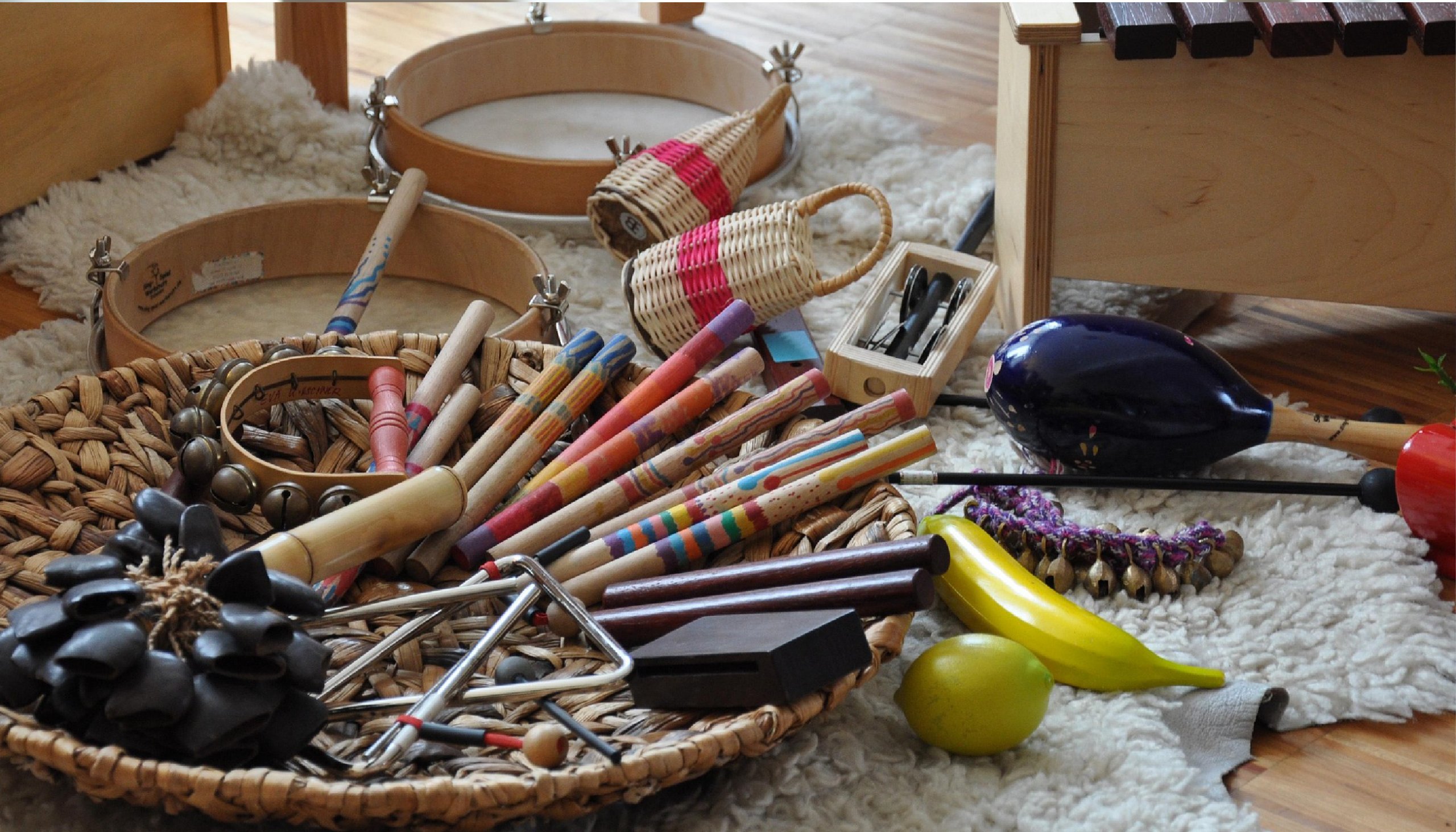



Music Activities for Preschoolers: 30 Ideas Sorted by Skill Goal
Music and early childhood are a natural match — but did you know that the type of music activity you choose can directly shape which developmental skills your preschooler strengthens? A child banging on a homemade drum isn’t just having fun; they’re building rhythm awareness, gross motor coordination, and auditory processing all at once. When activities are intentionally matched to specific skill goals, music becomes one of the most powerful educational tools in the early years.
This guide brings together 30 music activities for preschoolers, thoughtfully sorted by developmental skill goal. Whether you’re a parent looking for weekend ideas, a home educator planning a curriculum, or a teacher searching for classroom-ready activities, you’ll find something here that fits. From gross motor movement games to language-rich song activities, each idea is grounded in what we know about how young children actually learn — through play, repetition, sensory engagement, and joyful exploration.
Read on to discover activities sorted across five key developmental domains: gross motor, fine motor, language and early literacy, memory and cognitive development, and social-emotional skills.
Why Music Activities Matter for Preschoolers
Research consistently shows that music engages more areas of the brain simultaneously than almost any other activity. For preschoolers, this full-brain engagement supports everything from spatial reasoning and working memory to emotional regulation and vocabulary acquisition. Songs with repeating patterns help children anticipate and predict — a foundational cognitive skill. Rhythmic movement strengthens the neural pathways involved in reading. Even simply listening to music activates the auditory cortex, the motor system, and the limbic system (responsible for emotion) all at once.
At The Music Scientist, this science sits at the heart of every program. Music isn’t treated as an add-on or entertainment — it’s the learning medium itself. When you pick activities that align with a child’s current developmental stage and a specific skill goal, you’re not just filling time. You’re building the very foundations that support school readiness, confidence, and a lifelong love of learning.
Gross Motor Skills: Activities 1–6
Gross motor development involves the large muscle groups used for whole-body movement — running, jumping, balancing, and coordinating arms and legs together. Music provides an irresistible cue for movement, making it ideal for gross motor practice. When children respond physically to rhythm and melody, they’re also developing body awareness and spatial orientation.
1. Freeze Dance
Play upbeat music and let children dance freely. When the music stops, everyone freezes. This classic activity builds listening skills, impulse control, and large muscle coordination simultaneously. Try playing music of varying tempos to challenge children to adjust their movement speed — slow motion to fast and back again.
2. Ribbon Wand Movement
Attach ribbons or streamers to a short dowel or cardboard tube and invite children to move them through the air in time with music. Encourage big sweeping circles, figure eights, and high-low movements. This builds shoulder girdle strength, bilateral coordination, and spatial awareness — all while children feel like they’re performing.
3. Musical Hoop Jumping
Place hula hoops on the floor in a scattered pattern. While music plays, children move around the room; when it stops, each child jumps into the nearest hoop. Vary the challenge by reducing the number of hoops or asking children to jump on one foot. This integrates listening, reaction time, and lower-body motor control.
4. Animal Movement Song
Choose songs that name different animals and their movement styles (stomp like an elephant, hop like a frog, slither like a snake). Children perform the movements as each animal is called. This is especially effective for toddlers and younger preschoolers who benefit from concrete, familiar references — and it sneak-teaches body vocabulary and balance at the same time.
5. Scarf Toss and Catch
Play slow, flowing music and provide each child with a light chiffon scarf. Ask them to toss it up, watch it float, and catch it before it lands. The unpredictable float of the scarf encourages visual tracking, hand-eye coordination, and whole-body movement. For added challenge, have children move under the scarf before catching it.
6. Drum March
Use homemade drums (tin cans with a stretched balloon top, or upturned pots) and march around the space in time with the beat. Let children take turns leading the tempo — fast, slow, loud, quiet. Marching in rhythm builds midline crossing, bilateral coordination, and proprioceptive awareness, all of which lay groundwork for later reading and writing skills.
Fine Motor Skills: Activities 7–12
Fine motor development involves the smaller muscle groups in the hands, fingers, and wrists. For preschoolers, these skills underpin everything from drawing and writing to self-care tasks like buttoning and using scissors. Music-based fine motor activities offer a joyful, pressure-free way to strengthen these muscles and refine control.
7. DIY Shaker Eggs
Fill plastic Easter eggs with small amounts of rice, dried beans, or lentils and seal them with tape. Children decorate the outside with stickers or markers, then shake them in time with music. The process of grasping, shaking, and controlling the intensity of movement builds hand strength and wrist rotation. Decorating also develops the tripod grip used in writing.
8. Rubber Band Guitar
Stretch several rubber bands of varying thickness across an open tissue box or small wooden frame. Children strum and pluck the bands to make different sounds. Plucking individual strings requires precise finger isolation — a skill that directly supports pencil control. Exploring how thickness changes the sound also introduces early science concepts about vibration.
9. Popsicle Stick Harmonica
Layer two popsicle sticks with a strip of wax paper sandwiched between them, secured by rubber bands at each end. Children blow through the sides to produce a buzzing harmonica sound. Making the instrument requires careful layering and fine motor precision. Playing it builds awareness of breath control and lip placement — skills also important for speech development.
10. Bead Necklace Rhythm Maker
Thread large wooden beads onto pipe cleaners to make wearable shakers. Children shake their wrists in time with music, creating a soft percussive sound. Threading the beads is excellent for pincer grip development and hand-eye coordination. Once finished, children can wear their instruments while dancing — combining fine and gross motor activity naturally.
11. Finger Puppet Song Performance
Make or purchase simple finger puppets and use them to act out nursery rhymes or simple songs. Manipulating a different puppet on each finger builds individual finger control and dexterity. Children who perform the songs with their puppets also benefit from the language repetition embedded in the rhymes — making this a dual fine motor and literacy activity.
12. Water Xylophone
Line up glass jars or clear plastic cups filled with varying water levels and provide a wooden stick or pencil for tapping. Children experiment to find different notes and eventually play simple melodies. Tapping requires controlled wrist movement and precise aim. The visual difference between water levels also introduces early measurement and science reasoning alongside the music.
Language and Early Literacy: Activities 13–18
Music is one of the most effective vehicles for language development in early childhood. Songs introduce new vocabulary in context, rhyming builds phonological awareness (the ability to hear and manipulate sounds in words), and repeated song structures help children internalize sentence patterns. These activities are particularly well-aligned with early literacy goals.
13. Action Rhyme Call-and-Response
Choose or create simple call-and-response chants where you sing a phrase and children echo it back with an action. “I clap my hands (clap clap clap) — you clap your hands!” This builds listening comprehension, turn-taking in conversation, and the natural cadence of language. The rhythmic structure makes phrases easier to remember and reproduce.
14. Name Song Circle
Sit in a circle and sing a simple melody where each child’s name is inserted into the song: “Hello to [Name], hello to you!” Hearing their own name in a song is deeply engaging for young children. More importantly, it draws attention to syllables — children naturally clap or tap the beats in their names, building phonemic awareness and a sense of word structure.
15. Story Song Retelling
Choose a picture book with a musical version or a strong rhythmic read-aloud quality (think “We’re Going on a Bear Hunt” or “Down in the Jungle”). After reading and singing together, invite children to retell the story in their own words, using props or puppets. Narrative retelling is a strong early literacy predictor, and the musical structure of the original makes recall significantly easier.
16. Rhyming Word Song
Create a simple tune around a rhyming pattern: “Cat sat on the mat, mat, mat — what rhymes with that, that, that?” Invite children to contribute new rhyming words. This activity builds phonological awareness in a highly engaging format. Children who can identify and generate rhymes are better prepared for decoding written words — a core reading readiness skill.
17. Alphabet Song Variations
Move beyond the standard ABC song by trying slower, faster, and different melodic versions of the alphabet. Segment the letters into smaller groups with pauses so children can process each one. You can also sing the alphabet while pointing to letters on a chart or felt board, building the crucial letter-name knowledge that underpins early reading. Programs like SMART-START English integrate music precisely this way to build literacy foundations.
18. Song-Based Vocabulary Expansion
Choose songs that are rich in descriptive language — words like “enormous,” “shimmer,” “gallop,” or “beneath.” After singing, pause to explore what these words mean using gestures, pictures, or real objects. Vocabulary learned in a musical context tends to stick more effectively than vocabulary from word lists alone, because the melody provides an additional memory cue.
Memory and Cognitive Development: Activities 19–24
Music is a powerful memory aid. The brain stores musical information differently from spoken language — which is why a melody you haven’t heard in years can come back to you instantly. For preschoolers, this means songs and rhythmic patterns are outstanding vehicles for encoding information, building working memory, and practicing sequencing.
19. Song Cubes
Write or draw different songs on the faces of a large foam cube. Children roll the cube and whatever song it lands on becomes the next one to sing together. This simple game builds decision-making and memory while keeping group music time fresh and interactive. Over several sessions, children internalize a growing repertoire of songs — building musical memory and vocabulary simultaneously.
20. Musical Pattern Clapping
Clap a short rhythmic pattern and ask children to clap it back. Start simple (two claps and a pause) and gradually add complexity. This activity directly trains working memory and auditory processing. Children must hold the pattern in mind, decode it, and reproduce it — a sequencing challenge that mirrors the kind of processing needed in mathematics and language.
21. Themed Knowledge Songs
Set factual content to a catchy tune — number sequences, days of the week, colors, shapes, animal names, or even basic science facts. The melody acts as a retrieval cue, helping children recall the information far more easily than rote repetition alone. At The Music Scientist, originally composed music woven with general knowledge themes is a cornerstone of programs like Scouts, which uses catchy melodies to bring science concepts to life for young learners.
22. Musical Memory Match
Create pairs of cards — one with a picture of an instrument and one with a description of its sound. Turn them face down and play a matching game, but with a musical twist: when a child finds a pair, they sing a short line about that instrument or make its sound. Adding a musical action to the memory task deepens encoding and makes the game more engaging than a standard memory match.
23. Cumulative Song Sequencing
Songs like “There Was an Old Lady Who Swallowed a Fly” or “Green Grass Grew All Around” build cumulatively — each verse adds a new element while repeating all the previous ones. Following along requires children to hold a growing sequence in memory, which is a direct workout for working memory capacity. The humorous, predictable structure keeps children motivated to keep up.
24. Body Percussion Sequences
Teach a sequence of body percussion sounds: snap, clap, tap knees, stomp — and practice them in order to a beat. Once children master the sequence, add variations: reverse it, speed it up, or insert a pause. This builds procedural memory, sequencing, and the kind of pattern recognition that supports mathematical thinking. It also requires the body and mind to coordinate in a demanding, enjoyable way.
Social-Emotional Skills: Activities 25–30
Some of the most underappreciated benefits of music for preschoolers are social and emotional. Group music-making teaches children to listen to others, synchronize their actions, take turns, and contribute to something bigger than themselves. Music also provides a safe space for emotional expression — children can use rhythm and melody to process feelings they don’t yet have words for.
25. Partner Rhythm Mirror
Pair children up and ask one to tap or clap a rhythm while the other mirrors it exactly. Then swap roles. This activity builds empathy and careful listening, because the “mirror” child must pay close attention to their partner rather than to themselves. It’s also a wonderful introduction to taking turns as a shared experience rather than an interruption of play.
26. Emotion Songs
Sing short songs about different feelings — happy, sad, frustrated, excited, calm — with facial expressions and body language to match. “When I’m happy, I clap and smile!” encourages children to name and recognize emotions in a low-stakes, playful context. This kind of emotional vocabulary work is strongly linked to self-regulation and prosocial behavior in the preschool years.
27. Group Percussion Ensemble
Give every child a different homemade percussion instrument — shakers, drums, bells — and conduct a simple group performance. Assign each group a turn to play while others listen, then bring everyone in together. Children experience what it means to contribute their individual voice to a group sound, to wait their turn, and to listen as an audience member. These are the building blocks of collaboration.
28. Goodbye and Greeting Songs
Use consistent, predictable songs to mark transitions — a welcoming song at the start of a session and a farewell song at the end. Routine music cues give children a sense of safety and structure. They also help children who struggle with transitions (a common challenge at this age) because the familiar melody signals what’s coming next, reducing anxiety and easing change.
29. Cardboard Microphone Sharing Circle
Make simple microphones from cardboard tubes and foil balls. Pass the microphone around a circle — whoever holds it gets to sing a line, make up a word, or contribute a sound to a group song. Holding the microphone builds confidence in speaking and performing. Waiting your turn and cheering for others builds patience and a sense of community.
30. Collaborative Musical Mural
Play a variety of music types (fast, slow, soft, loud, classical, rhythmic) while children paint or draw on a large shared paper. When the music changes, they change their mark-making style. Discuss what each piece of music felt like and what colors or shapes seemed to match it. This activity builds emotional vocabulary, cooperative art-making, and the understanding that music communicates feeling — an early foundation for musical appreciation and empathy.
Tips for Making Music Activities Work at Home
Choosing the right activity is just the start. How you facilitate music time makes an enormous difference in how much children benefit. Here are a few guiding principles that hold across all age groups and skill goals:
- Follow the child’s lead. If a child wants to repeat the same song fifteen times, let them. Repetition is how preschoolers consolidate learning, not a sign of boredom.
- Keep sessions short and joyful. Ten to fifteen focused, enthusiastic minutes is worth more than a forced forty-five-minute session. Leave children wanting more.
- Participate yourself. Children take cues from adults. When you sing, move, and engage enthusiastically (even imperfectly), you signal that music is worth doing.
- Embrace the mess and noise. A preschooler banging a pot loudly and joyfully is doing exactly the right thing. Resist the urge to correct and redirect — exploration precedes mastery.
- Link music to everyday moments. Sing while tidying up, hum while cooking, tap rhythms on the table. The more embedded music is in daily life, the more deeply children absorb its benefits.
- Choose activities that grow with your child. Many of these ideas can be adjusted for difficulty. A rhythm clapping game can be simple for a two-year-old and complex for a five-year-old — the same activity, different developmental challenge.
For families who want structured, professionally guided music learning built around developmental milestones, programs like Happyfeet (for toddlers from 18 months) and Groovers (for older toddlers and young preschoolers) offer expertly designed music and movement experiences that go far beyond what a single at-home activity can deliver. For the youngest learners, Tenderfeet brings music-based sensory development to infants in a safe, nurturing environment. And for children preparing for formal schooling, the SMART-START Chinese and SMART-START English programs use music as the bridge to academic readiness.
Conclusion
Music activities for preschoolers are most powerful when they’re chosen with purpose. A song isn’t just a song — it can be a tool for building memory, a vehicle for emotional expression, a workout for small fingers, or a bridge into literacy. By matching the activity to the skill goal, you transform playtime into meaningful developmental work that children won’t even realize they’re doing, because they’re having too much fun.
Whether you start with a simple freeze dance, a name song circle, or a homemade percussion ensemble, every musical moment you create for your preschooler is an investment in their cognitive, physical, social, and emotional development. The thirty activities in this guide give you a starting point sorted by what matters developmentally — but the most important ingredient is always the same: your enthusiastic presence alongside your child, making music together.
Ready for Professionally Guided Music Learning?
At The Music Scientist, we design every class around what your child’s brain and body are ready to learn — combining original music, movement, and sensory play to build real developmental skills. From our infant sensory classes to our preschool readiness programs, there’s a programme for every stage of your child’s early learning journey.
There is something almost instinctive about the way young children respond to music. A familiar melody starts playing, and suddenly little feet are tapping, arms are swinging, and faces light up with delight. This is not just charming — it is developmental gold. Music and movement for preschoolers is one of the most powerful and research-backed tools in early childhood education, stimulating the brain across multiple domains at once in a way that few other activities can match.
For parents and educators of children aged 3 to 6, understanding what actually happens developmentally during these sessions — and knowing how to structure them well — can transform an ordinary playtime into a rich learning experience. Whether you are leading a group at home, in a classroom, or at an enrichment centre, this guide walks you through the key skills music and movement build, and gives you a practical framework for leading a session that children will love and benefit from deeply.
Why Music and Movement Matter in the Preschool Years
The preschool years, roughly ages 3 to 6, represent a period of extraordinary brain development. Neural connections are forming at a rapid pace, and the brain is particularly receptive to experiences that involve multiple senses simultaneously. Music does exactly this — it engages hearing, memory, language processing, and emotional response all at once. Add physical movement into the equation, and you also activate the cerebellum (responsible for coordination and balance), the motor cortex, and proprioceptive pathways that help children understand where their bodies are in space.
This is why music and movement is not simply a “fun break” from learning — it is learning. When a child marches to a beat, claps out syllables, or spins and freezes on cue, they are practising attention, timing, body awareness, and social responsiveness all in a single moment. Research in early childhood development consistently shows that children who engage regularly in structured music and movement activities demonstrate stronger outcomes across language, mathematics, executive function, and social skills compared to peers who do not have this exposure.
In Singapore’s early childhood landscape, where parents are increasingly thoughtful about the quality and intent behind enrichment programmes, understanding the “why” behind music and movement helps families make more intentional choices for their children’s early years.
The Skills Music and Movement Build in Preschoolers
Gross and Fine Motor Development
When preschoolers jump, stomp, sway, or march during a music session, they are actively strengthening the large muscle groups that underpin physical coordination. These gross motor activities build balance, spatial awareness, and the kind of body control that children need for everyday tasks like climbing, running, and sitting still in a classroom. Over time, repeated movement patterns set through music help children develop greater physical confidence and coordination.
Fine motor skills get a workout too, particularly through instrument play and action songs. Activities like plucking a xylophone, shaking a maraca, or performing the hand movements in “The Itsy Bitsy Spider” require precision and control from small hand and finger muscles. These are the same muscles children will rely on when learning to hold a pencil, cut with scissors, or button their uniforms — making music and movement an unexpectedly practical preparation for school life.
Language and Early Literacy
Songs are essentially structured language. The rhythm, rhyme, and repetition built into children’s music are not accidental — they are among the most effective vehicles for building phonological awareness, which is the ability to hear and manipulate the sounds within words. When children clap out syllables, sing rhyming pairs, or chant along with a melody, they are internalising patterns of sound that will directly support their ability to read and write later on.
Vocabulary also grows naturally through music. Songs that incorporate themes — animals, colours, numbers, nature, the human body — introduce new words in a memorable, contextualised way. Children are far more likely to retain a new word they have sung about and acted out than one introduced through a flashcard alone. This is why programmes that pair original music with curriculum themes, such as The Music Scientist’s Scouts programme, which uses catchy melodies to explore science concepts, are particularly effective at building both language and general knowledge simultaneously.
Cognitive Skills and Memory
Music is one of the brain’s most powerful memory aids. We remember things we have sung far longer than things we have simply heard or read — a fact that educators and advertisers alike have relied upon for decades. For preschoolers, this means that songs are an incredibly effective way to consolidate learning across subjects, from counting sequences to the alphabet to days of the week.
Beyond memory, music and movement also build executive function skills, including attention, working memory, and cognitive flexibility. Following the rules of a freeze dance game requires impulse control. Learning a new action song requires holding a sequence of steps in mind. Responding to changes in tempo or dynamics requires sustained attention. These are not trivial skills — they are foundational to school readiness and academic success, and music and movement sessions provide a joyful, low-stakes environment in which to practise them repeatedly.
Social and Emotional Growth
Participating in group music and movement activities teaches children some of the most important social skills they will need throughout life. Taking turns with an instrument, moving in sync with peers, listening for cues, and celebrating each other’s efforts all require a degree of social attunement that develops naturally through shared musical experiences. Children also begin to understand the concept of a group identity — that they are part of something bigger than themselves — which builds a sense of belonging and community.
On the emotional side, music is uniquely capable of both reflecting and regulating feelings. Upbeat, energetic songs help children release physical energy and shift into a positive mood. Slower, gentler melodies can calm and settle a restless group. Over time, children who are regularly exposed to varied musical experiences develop a broader emotional vocabulary and better capacity for self-regulation — qualities that are essential not just in early childhood, but throughout life. Programmes like Happyfeet and Groovers at The Music Scientist are designed with this social-emotional dimension in mind, creating group environments where children learn together and support one another.
School Readiness and Focus
One of the less-discussed benefits of structured music and movement is its direct contribution to school readiness. Children who participate in regular, intentional music programmes tend to transition more smoothly into formal learning environments because they have already practised the behavioural and cognitive routines that classrooms require: listening carefully, following multi-step instructions, waiting for their turn, focusing on a shared activity, and managing transitions between tasks. The predictable structure of a well-run music session mirrors the rhythm of a school day in a way that is accessible and enjoyable for young children.
The Music Scientist’s SMART-START English and SMART-START Chinese preschool readiness programmes are built around precisely this insight — that music, when used with intention and developmental awareness, is one of the most effective tools for preparing children for the transition to formal education.
How to Lead a Music and Movement Session for Preschoolers
Leading a music and movement session for preschoolers does not require formal musical training, but it does benefit from thoughtful structure. A well-designed session moves through distinct phases that mirror a child’s natural energy arc — starting with gentle engagement, building to active participation, and winding down with calm activities. Here is a practical framework you can follow:
- Welcome and Gathering (2–3 minutes) – Begin with a consistent “hello song” that signals the start of the session. Using the same opening song every time creates a ritual that helps children feel safe and oriented. Greet each child by name within the song if possible, as personalised acknowledgement builds connection and attentiveness right from the start.
- Warm-Up Movement (3–5 minutes) – Transition into gentle, whole-body movement that gets children physically engaged without overstimulating them. This might include stretching to slow music, swaying side to side, or simple mirroring exercises where children copy the leader’s movements. The goal is to shift children from passive to active mode gradually.
- Main Activity: Songs with Movement (8–12 minutes) – This is the heart of the session. Choose two or three songs that target different skill areas — for example, one action song for gross motor development, one rhyming song for phonological awareness, and one counting song for early numeracy. Vary the tempo and energy level between songs to keep children engaged and to naturally regulate the group’s energy.
- Instrument Exploration or Creative Play (5–8 minutes) – Introduce simple percussion instruments such as shakers, drums, or rhythm sticks, or use scarves and ribbons for expressive movement. Allow some free exploration within a guided structure — for instance, play a beat on the drum and invite children to copy it, or play slow versus fast music and invite children to move their scarves accordingly. This phase encourages creativity and develops listening discrimination.
- Cool-Down and Closing (3–5 minutes) – Bring the energy down with a slower song, a breathing exercise set to music, or a quiet listening moment where children close their eyes and notice the sounds around them. End with a consistent closing song or ritual that signals the session is complete. This predictable ending helps children process the transition back to their regular environment.
Consistency is key across all phases. When children know what to expect, they spend less mental energy on uncertainty and more on participation and learning. Keep instructions simple, demonstrate movements physically rather than just describing them verbally, and always model enthusiasm — young children take strong emotional cues from the adults leading them.
Music and Movement Activity Ideas for Preschoolers
Within the session framework above, there is enormous room for variety and creativity. Here are some activity ideas well-suited to the preschool age group that target different developmental domains:
- Freeze Dance: Play upbeat music and invite children to dance freely. When the music pauses, everyone freezes. This builds impulse control, listening skills, and body awareness in a high-energy, joyful format.
- Syllable Clapping: Sing a familiar word or name and clap out its syllables together. This is one of the most effective and simple phonological awareness exercises, and it can be woven into almost any song.
- Call and Response Songs: Sing a phrase and invite children to echo it back, either with their voices or with a movement. This builds listening focus, working memory, and the social experience of musical dialogue.
- Tempo Walks: Play music at different speeds and ask children to walk, march, or tiptoe to match the tempo. Slowing and speeding up helps children internalise rhythm and practise body control.
- Animal Movement Songs: Songs that invite children to move like different animals (hop like a frog, slither like a snake, stomp like an elephant) combine imagination, gross motor development, and vocabulary building in a playful way.
- Scarves and Ribbons: Use lightweight scarves or ribbon sticks to encourage expressive movement. Children follow musical cues — floating the scarf high for high notes, bringing it low for low notes — developing listening discrimination and creativity simultaneously.
The best activities are those that children want to repeat. When you notice a particular song or game generating genuine excitement, return to it across multiple sessions to deepen engagement and allow children to experience the satisfaction of growing mastery.
Tips for Making Every Session a Success
Even with the best plan in place, working with preschoolers means embracing a degree of beautiful unpredictability. A few guiding principles help ensure sessions feel productive and positive regardless of what the children bring on the day:
- Match your energy to the children’s needs. If the group arrives already wound up, start with slightly more active songs to meet them where they are, then guide them gradually toward calmer activities. If children seem tired or low-energy, warm up slowly and build gently rather than forcing high-energy engagement immediately.
- Keep sessions short and purposeful. For preschoolers aged 3 to 5, a focused session of 20 to 30 minutes is typically more effective than a longer one where attention begins to fragment. Quality of engagement matters far more than duration.
- Repetition is learning, not boredom. Children learn through repetition, and returning to the same songs across multiple sessions deepens processing and builds confidence. Do not feel pressure to introduce something new every time.
- Create a predictable physical space. Designate a consistent area for music and movement, even if it is simply pushing furniture aside to create an open floor space. Children associate the space with the activity, which helps them shift into the right mindset more quickly.
- Follow the children’s lead. Genuine curiosity and spontaneous participation are far more valuable than perfect execution. If children begin to spontaneously extend an activity in a new direction, consider following them — this kind of child-led exploration is some of the richest learning of all.
When a Structured Programme Makes the Difference
While home-based music and movement activities are wonderfully valuable, there is a distinct benefit that comes from participating in a professionally structured programme designed around developmental milestones. When curriculum is intentionally sequenced — so that each session builds on the last, and activities are matched to what a child’s brain and body are ready to learn at each stage — the outcomes are significantly stronger than ad-hoc exposure alone.
The Music Scientist’s programmes are built precisely on this principle. From the sensory-rich Tenderfeet classes for infants to the toddler-focused Happyfeet and Groovers programmes, and through to the school-readiness focused SMART-START curriculum for preschoolers, every element is grounded in child development research and brought to life through originally composed music that makes learning irresistible. For families in Singapore looking to give their children the fullest possible early start, a programme that combines music, movement, sensory play, and curriculum depth offers something genuinely distinctive.
The Bottom Line
Music and movement for preschoolers is far more than a classroom activity to fill time between lessons. It is a developmentally rich experience that simultaneously builds motor skills, language, memory, social confidence, emotional regulation, and school readiness — all while giving children genuine joy. Whether you are a parent looking to enrich your child’s time at home or an educator designing a more engaging classroom routine, the principles in this guide provide a strong foundation to start from.
The key is intentionality. When music and movement are offered with purpose, structure, and developmental awareness, the results are remarkable. And when that intentionality is embedded in a professionally designed curriculum, the results can be even more transformative for young learners.
Ready to See the Difference Music Can Make?
If you would like to learn more about how The Music Scientist’s developmentally grounded programmes can support your child’s growth, we would love to hear from you. Our team is happy to help you find the right programme for your child’s age and stage.
Long before a child can read a single word or solve a simple equation, they are already learning — through sound, rhythm, and movement. Music has a remarkable ability to reach young minds in ways that traditional instruction simply cannot replicate. For preschoolers aged roughly two to five years old, music and movement activities are not just fun extras to fill time; they are foundational experiences that shape how children think, communicate, and connect with the world around them.
This complete activity library brings together a wide range of preschool music and movement activities designed with developmental science in mind. Whether you are a parent looking for fresh ideas to try at home, a caregiver seeking structured play inspiration, or an educator building a more dynamic early childhood environment, this guide offers something for every child and every setting. You will also discover why these activities work, so you can make intentional choices that truly support your child’s growth.
♪ Activity Library
Preschool Music & Movement
A complete guide to activities that build cognitive, motor, and social skills in young children aged 2–6
🎵 Rhythm💬 Language🏃 Movement🌟 Creativity👁 Sensory
Why It Works
Music activates the auditory cortex, motor cortex, limbic system, and language centres simultaneously — making it the most efficient early learning tool.
Prime Window
Ages 2–6 represent the most rapid period of brain development in the human lifespan. Musical play during this window creates lasting neural connections.
📈 Why Music Matters in Early Childhood
4+Brain regions activated by music
5Core activity categories in this library
5+Developmental domains supported
5minDaily minimum for meaningful musical habit
🌟 5 Key Developmental Benefits
Language & LiteracySongs expose children to phonemic patterns and vocabulary, strengthening pre-reading skills
Memory & FocusRhythmic melodies provide emotional anchors that help children retain information more easily
Social & EmotionalGroup music builds turn-taking, listening, and community — key emotional regulation skills
Cognitive GrowthCounting songs and rhythm patterns strengthen logical thinking and problem-solving abilities
Motor DevelopmentClapping, dancing, and playing instruments build coordination and body awareness naturally
🎼 10 Must-Try Activities
1
Rhythm
Body Percussion Circles
Clap, stomp, and tap in patterns as a group. Take turns being the rhythm leader — builds beat awareness and listening skills.
2
Rhythm
Homemade Shaker Parade
Fill bottles with rice or beans, march to music, and change tempo — slow like a turtle, fast like a rabbit — for tempo sensitivity.
3
Language
Theme-Based Song Sets
Sing several songs around one theme (animals, weather, food) to deepen vocabulary and make learning feel cohesive.
4
Language
Finish-the-Lyric Games
Pause at the last word of each song line and let children fill the gap — builds phonemic awareness and active listening.
5
Motor
Musical Statues
Dance freely, freeze when music stops. Vary music styles — slow and floaty to fast and bouncy — to develop motor control and musical sensitivity.
6
Motor
Animal Movement Journeys
Call out animals while music plays — slither like a snake, gallop like a horse, hop like a frog. Combines imagination and whole-body movement.
7
Sensory
Painting to Music
Play different musical styles while children paint freely — big sweeping strokes or tiny dots. Blends sensory play and music listening.
8
Sensory
Silk Scarf Movement
Move lightweight scarves with gentle music — swirling and floating. Develops visual tracking, hand-eye coordination, and sensory awareness.
9
Creative
Mood Music Movement
Play clips in different moods — happy, mysterious, sleepy — and ask children to move how the music makes them feel. Builds emotional vocabulary.
10
Creative
Story Sound Effects
Assign an instrument to each story character. Children play their sounds at the right moment — develops listening comprehension and musical timing.
💡 4 Principles for Daily Musical Life
⏰ Consistency First
5 minutes of singing daily beats occasional elaborate sessions. Short, regular moments build meaningful musical habits.
🧐 Follow Their Lead
Let your child’s energy guide the session. Both enthusiastic movement and quiet observation are valid forms of engagement.
🎵 Sing Real Things
Use music in transitions — tidy-up songs, hand-washing rhymes, bedtime lullabies. This connects music to everyday life.
🎉 Celebrate All Participation
Never pressure joining in. Curiosity and comfort grow at their own pace — watching is also a form of learning.
🏁 Developmental Learning Pathways
🇴 Tenderfeet
Sensory-rich musical introduction for babies and young infants
Infants
🇳 Happyfeet
Song-based language building in warm, playful group settings
18 Months+
🇺 Groovers
Music-led physical play building body confidence through movement
Toddlers
🇸 SMART-START
Literacy, numeracy, and social skills for preschool readiness
Pre-School
♪ Every Song Is a Step Forward
Music and movement are not luxuries — they are necessities. Explore developmentally-focused programmes that nurture your child’s mind, body, and confidence through the power of music.
Why Music and Movement Matter in the Preschool Years
The preschool years, roughly spanning ages two to six, represent one of the most rapid periods of brain development in the entire human lifespan. Neural connections form at an extraordinary rate during this window, and the experiences children have during this time leave lasting imprints on how they learn, relate, and grow. Music, perhaps more than any other medium, activates multiple areas of the brain simultaneously — the auditory cortex, the motor cortex, the limbic system, and the language centres all light up in response to musical stimulation. This makes music one of the most efficient and enjoyable tools available for early childhood development.
Movement is equally essential. Gross motor development — the ability to control large muscle groups for walking, jumping, and balancing — and fine motor development — the precision needed for tasks like drawing or fastening buttons — both progress significantly during the preschool years. When music and movement are combined, children receive a multi-sensory experience that reinforces learning across multiple developmental domains at once. This is why programmes designed around music and physical play have long been considered best practice in early childhood education.
The Developmental Benefits of Musical Play
Understanding the why behind music and movement activities helps parents and educators make more intentional choices. Research in early childhood development consistently highlights several key benefits:
- Language and literacy: Songs, rhymes, and chants expose children to phonemic patterns, vocabulary, and sentence structure in an engaging, memorable format. Children who sing regularly often develop stronger pre-reading skills.
- Memory and focus: Repetitive melodies and predictable musical structures help preschoolers retain information. Concepts taught through song are recalled more easily because music provides an emotional and rhythmic anchor.
- Social and emotional development: Group music activities teach turn-taking, active listening, and cooperation. Singing or dancing together builds a sense of community and helps children regulate their emotions.
- Cognitive development: Counting songs, pattern recognition in rhythm, and call-and-response activities all strengthen logical thinking and problem-solving skills from a very early age.
- Motor development: Clapping, stomping, dancing, and playing simple instruments all build coordination, balance, and body awareness in ways that feel completely natural to young children.
These benefits are not incidental — they are the very reason that music-integrated early learning has become a cornerstone of quality preschool education worldwide. At The Music Scientist, this developmental philosophy underpins every programme we offer, from our Tenderfeet infant care and sensory development classes through to our more advanced preschool readiness offerings.
A Complete Activity Library: Music and Movement for Preschoolers
The activities below are organised by developmental focus. Most can be adapted for different ages and abilities, and many require little to no equipment. The goal is to give children rich, joyful experiences — not to create performance pressure. Follow your child’s lead, keep sessions short and playful, and celebrate participation over perfection.
Rhythm and Beat Activities
A strong sense of rhythm is one of the earliest musical skills to emerge and one of the most far-reaching in its developmental impact. Rhythm awareness is closely linked to reading fluency, mathematical pattern recognition, and even attention regulation. These activities help preschoolers internalise beat and rhythm in a hands-on, body-centred way.
- Body percussion circles: Gather children in a circle and create simple rhythmic patterns using clapping, patting knees, stomping feet, and tapping shoulders. Start with a steady beat, then introduce simple patterns like clap-clap-stomp. Take turns being the leader who sets the rhythm for others to follow.
- Homemade shaker parade: Fill small plastic bottles or tins with rice, dried beans, or buttons to create simple shakers. Play a familiar song and march around the room, shaking in time with the beat. Change tempo — slow like a turtle, fast like a rabbit — to develop tempo sensitivity.
- Drum along storytime: Read a picture book aloud and incorporate simple drumming on a table or upturned container at key moments — every time a character speaks, or when an exciting event happens. This pairs literacy and rhythm in a memorable, multisensory way.
Singing and Language Development Activities
Singing is one of the most powerful language-building tools available to early childhood educators and caregivers. Songs stretch vocabulary, reinforce phonological awareness, and make grammar feel intuitive rather than instructional. The key is choosing songs with clear pronunciation, repetition, and meaningful content that children can connect with.
- Theme-based song sets: Organise singing sessions around a simple theme — animals, weather, food, transport. Singing several songs on the same theme deepens vocabulary around that concept and makes learning feel cohesive rather than random.
- Finish-the-lyric games: Sing a familiar song and pause before the last word of each line, letting children fill in the gap. This builds phonemic awareness, encourages active listening, and gives children a satisfying sense of accomplishment when they get it right.
- Name songs and personalisation: Create simple songs that substitute children’s names or personal details into familiar tunes. “Old MacDonald had a farm” becomes “[Child’s name] had a pet…” — this personalisation deepens engagement and strengthens a child’s sense of identity and belonging.
Our Happyfeet enrichment classes for 18-month-olds and toddlers use precisely this kind of song-based approach to build early language skills in a warm, playful group environment.
Movement and Gross Motor Skills Activities
Preschoolers are naturally driven to move — sitting still for extended periods goes against their developmental design. Channelling that energy through structured music and movement activities satisfies their physical need for action while simultaneously building coordination, spatial awareness, and body control.
- Musical statues: Play music and encourage children to dance freely. When the music stops, they freeze in place. Vary the style of music — slow and floaty, fast and bouncy, dramatic and marching — to inspire different movement qualities and develop musical sensitivity alongside motor control.
- Animal movement journeys: Play music and call out different animals for children to imitate — slither like a snake, gallop like a horse, hop like a frog. This combines imaginative play with whole-body movement and listening skills.
- Obstacle course with a musical twist: Set up a simple indoor or outdoor obstacle course (crawl under a table, jump over a cushion, spin in a hula hoop) and play different music for each station. The music signals which station is active and adds an auditory dimension to the physical challenge.
The Groovers music and dance classes for toddlers at The Music Scientist are designed around exactly this kind of joyful, purposeful movement — helping children build body confidence through music-led physical play.
Sensory and Fine Motor Music Activities
Not all music and movement activities need to involve large, energetic actions. Some of the most developmentally rich experiences involve careful, precise movements paired with sensory exploration. These activities are especially valuable for younger preschoolers who are still developing their fine motor control and sensory processing skills.
- Painting to music: Provide large sheets of paper and washable paint, then play different styles of music while children paint freely. Encourage them to think about how the music feels — does it make them want to use big sweeping strokes or tiny dots? This activity blends sensory play, creative expression, and music listening.
- Instrument exploration baskets: Create a basket of simple instruments — bells, wooden blocks, a small xylophone, castanets — and allow children to explore freely. Ask open questions: “Which one sounds loud?” “Which one sounds soft?” “Can you make a sound that feels like rain?” This builds auditory discrimination and fine motor skills simultaneously.
- Silk scarf movement: Give each child a lightweight silk or chiffon scarf and play gentle, flowing music. Encourage them to move the scarf with the music — swirling, floating, tapping — while following its path with their eyes. This develops visual tracking, hand-eye coordination, and sensory awareness in a beautifully calming way.
Creative Expression Through Music
Creative musical activities give children the freedom to express thoughts and feelings that they may not yet have the language to articulate. They also build confidence, foster imagination, and lay the groundwork for divergent thinking — a skill increasingly valued in education and the workplace. The goal here is open-ended exploration, not technical achievement.
- Compose a classroom song: Work with children to create a simple song together about something meaningful to them — their favourite animal, their family, something they learned that week. Even a four-line melody with a repeated chorus gives children enormous pride and a sense of creative ownership.
- Mood music movement: Play short clips of music in different moods — happy, mysterious, sleepy, excited — and ask children to move in whatever way the music makes them feel. Debrief gently afterwards: “What did that music make you think of?” This builds emotional vocabulary alongside physical expression.
- Story sound effects: Tell a simple story and assign a sound or instrument to each character or event. Children play their sounds at the right moment in the story. This develops listening comprehension, narrative understanding, and musical timing all at once.
For children who are ready to explore science concepts through music, The Music Scientist’s Scouts programme weaves catchy original melodies into science learning — a beautiful example of how creative musical expression and curriculum content can work hand in hand.
Tips for Making Music and Movement Part of Daily Life
You do not need a specially equipped classroom or a musical background to bring the benefits of music and movement into your child’s everyday life. Some of the most powerful musical experiences happen in ordinary moments — in the kitchen, in the car, or during bathtime. Here are a few simple principles to keep in mind:
- Consistency matters more than perfection. Short, regular musical moments throughout the week are far more valuable than occasional elaborate sessions. Even five minutes of singing or movement daily builds a meaningful musical habit.
- Follow your child’s energy. Some days children will leap into movement activities with enthusiasm; other days they may prefer quieter, more observational engagement. Both are valid. Let your child’s cues guide the session.
- Sing about real things. Incorporate music into everyday transitions — a tidy-up song, a hand-washing rhyme, a goodnight lullaby. This connects music to real life and gives children a sense of structure and predictability.
- Celebrate all forms of participation. Some children will throw themselves into movement; others will sit on the side and watch carefully before joining in. Both are forms of engagement. Never pressure participation — curiosity and comfort will grow at their own pace.
The Role of Structured Music Programmes in Preschool Readiness
While home-based music and movement activities are enormously valuable, there is also a unique benefit to structured programmes led by trained early childhood music educators. These environments offer peer interaction, carefully scaffolded activities that build progressively on each other, and exposure to a wider range of musical instruments, styles, and concepts than most families can provide at home. They also give children the experience of learning within a group — a skill that becomes essential when they transition into formal schooling.
At The Music Scientist, our approach brings all of these elements together in a developmentally sequenced curriculum that grows with your child. For the youngest learners, our Tenderfeet programme provides a gentle, sensory-rich musical introduction for babies and young infants. As children grow, programmes like Happyfeet and Groovers build on that foundation with increasingly dynamic musical and movement experiences. For children approaching the preschool transition, our SMART-START English and SMART-START Chinese programmes use music as a powerful vehicle for building the literacy, numeracy, and social skills children need to thrive in formal education.
The combination of home-based musical play and structured enrichment creates the richest possible early musical environment — one where children experience music not as a subject to be studied, but as a natural, joyful part of how they experience the world.
Every Song Is a Step Forward
Music and movement are not luxuries in early childhood — they are necessities. From the first time a baby bobs their head to a familiar tune to the moment a preschooler leads a homemade marching band around the living room, these experiences are quietly building the neural architecture of a lifelong learner. Every song sung, every beat clapped, every dance improvised is a step forward in your child’s development.
Use this activity library as a starting point, not a prescription. The most important ingredient in any of these activities is a warm, present adult who genuinely enjoys the experience alongside their child. When children see the grown-ups in their lives delighting in music and movement, they learn something that no curriculum can teach — that curiosity, creativity, and joy are worth pursuing throughout a lifetime.
Ready to Give Your Child the Gift of Music?
Discover how The Music Scientist’s developmentally focused programmes can nurture your child’s mind, body, and confidence through the power of music. From sensory play for babies to preschool readiness programmes for older toddlers, we have a learning journey designed just for your child.
There is something almost magical about the way a young child responds to music. A familiar melody can calm a restless toddler, a steady drumbeat can get a whole classroom moving in sync, and a silly song about colours or animals can embed a concept in a child’s memory far more effectively than any flashcard ever could. If you are a preschool teacher planning your weekly lessons or a parent looking for meaningful ways to engage your little one at home, preschool music activities are among the most powerful tools you have.
Research consistently shows that music engages multiple areas of the brain simultaneously, strengthening neural pathways linked to language, memory, attention, and even mathematical reasoning. For children aged two to six, this period of rapid brain development means that musical experiences are not just fun — they are genuinely formative. The activities in this list have been chosen with developmental milestones in mind, covering rhythm, movement, singing, listening, and early literacy so that you have a well-rounded toolkit ready to go. Whether you are working with a group of energetic four-year-olds or sitting on the living room floor with your toddler, there is something here for every setting and every child.
Why Music Matters in the Preschool Years
Before diving into the activities themselves, it helps to understand why music is such an effective developmental tool for young children. When a child claps to a beat, they are not simply having fun — they are building cross-lateral brain coordination, practising impulse control, and strengthening the timing mechanisms that underpin reading fluency later in life. Singing introduces children to the melodic contours of language, making it easier for them to distinguish between phonemes and develop vocabulary. Movement tied to music supports gross and fine motor development, spatial awareness, and body confidence.
At The Music Scientist, this understanding sits at the heart of everything we do. Our programmes for babies, toddlers, and preschoolers are built around the idea that music is not a subject to be taught in isolation — it is a medium through which children absorb knowledge about the world, develop their identities, and build the foundations for lifelong learning. With that philosophy in mind, here are 25 preschool music activities you can start using this week.
Rhythm and Beat Activities
A strong sense of pulse and rhythm is one of the earliest musical skills to emerge, and it has ripple effects across cognitive and physical development. These activities help children internalise beat in a way that feels playful and natural.
1. Body Percussion Warm-Up
Start any music session by tapping different body parts to a steady beat — clap hands, pat knees, stomp feet, and tap shoulders. Call out each body part and let children follow along. This simple routine builds body awareness, listening skills, and rhythmic coordination all at once, and it requires no materials whatsoever.
2. DIY Shaker Exploration
Fill small sealed containers (plastic bottles, cardboard tubes with taped ends) with different materials — rice, dried beans, sand, or buttons. Let children shake them, listen, and sort them from quietest to loudest. This combines music with early science thinking and sensory exploration, encouraging children to describe what they hear using their own words.
3. Echo Clapping
Clap a short rhythmic pattern and ask children to echo it back exactly. Start simple with two or three claps, then gradually introduce rests, syncopation, and longer sequences as children grow more confident. Echo clapping sharpens auditory memory and teaches children to listen actively before responding.
4. Drum Circle with Found Objects
Gather upturned plastic containers, wooden spoons, and biscuit tins to create a simple classroom drum circle. Assign different objects to different children and take turns keeping the beat together. The shared experience of making rhythm as a group teaches children about timing, turn-taking, and the joy of collaborative music-making.
5. Freeze and Go
Play music and encourage children to move freely. When the music stops, they freeze completely. This classic activity develops beat awareness, listening skills, and self-regulation — all while burning plenty of energy in the best possible way.
Movement and Dance Activities
When music and movement combine, children engage their kinesthetic intelligence alongside their musical intelligence. These activities channel natural energy into purposeful, developmental experiences that support gross motor skills, spatial reasoning, and emotional expression.
6. Scarves and Slow Music
Give each child a lightweight scarf and play a slow, flowing piece of music. Encourage them to move the scarf through the air in time with the music — swooping, spinning, and drifting. Scarves provide visual feedback on movement quality, helping children understand dynamics like fast and slow, loud and soft, in a deeply physical way.
7. Animal Movement Songs
Choose songs that describe how different animals move — stomping like elephants, hopping like frogs, slithering like snakes — and invite children to act them out. These songs build vocabulary, imaginative play, and coordination simultaneously, and they are a wonderful entry point for children who are still warming up to group music activities.
8. Ribbon Wand Dancing
Attach ribbons to short dowel rods or sturdy straws to make simple ribbon wands. Play a variety of musical styles — classical, folk, pop, world music — and encourage children to respond to the mood and tempo of each piece. This open-ended activity develops aesthetic sensitivity and creative expression alongside fine and gross motor skills.
9. Mirroring Partners
Pair children up and designate one as the leader and one as the mirror. As music plays, the leader moves slowly while the partner mirrors every gesture. Switch roles after a minute or two. Mirroring builds empathy, concentration, and fine motor awareness while reinforcing the idea that music can guide and inspire movement.
10. Parachute Music Games
If you have access to a play parachute, it becomes a wonderful prop for music activities. Shake it gently to soft music, ripple it to medium-tempo songs, and lift it high for big crescendos. The parachute makes musical dynamics visible and tangible, giving children a concrete way to experience abstract concepts like crescendo and decrescendo.
For toddlers who are just beginning to explore structured movement, our Groovers music and dance classes offer a beautifully scaffolded environment where children can build confidence in movement at their own pace.
Singing and Voice Activities
The human voice is the first instrument every child owns, and singing is one of the most direct pathways to language development, emotional expression, and musical understanding. These activities celebrate the voice in all its forms.
11. Good Morning Name Song
Begin each day by singing a simple greeting song that includes each child’s name. Use a consistent melody so children can anticipate the structure, but vary the tempo or dynamics to keep things interesting. This ritual builds a sense of belonging, practises name recognition, and sets a warm, musical tone for the entire session.
12. Call and Response Songs
Choose songs where the teacher sings a phrase and children respond with a set answer — traditional songs like Bim Bum Bam or simple made-up call-and-response patterns work beautifully. This structure teaches children to listen carefully, predict patterns, and join in at the right moment, all of which are foundational literacy skills in musical form.
13. Sing the Instructions
Try giving everyday classroom instructions as a song rather than spoken words — sing “time to tidy up, tidy up, tidy up” to a simple tune. Children respond to sung instructions differently than spoken ones, often with more enthusiasm and compliance. It also makes transitions smoother and reinforces melodic memory.
14. Voice Exploration: Whispers to Roars
Guide children through a playful exploration of vocal dynamics — whisper like a mouse, speak normally, call out like you are across a field, and roar like a lion. This activity introduces the concept of volume while building vocal control and phonological awareness in a completely joyful context.
15. Theme-Based Songs
Choose songs that align with whatever topic your class is exploring that week — weather, numbers, the ocean, community helpers — and use them to reinforce learning. At The Music Scientist, our curriculum uses originally composed music built around general knowledge themes precisely because song is one of the most effective memory tools available to young learners.
Listening and Sound Exploration Activities
Active listening is a skill that must be taught and practised, and music provides the perfect context for developing it. These activities train children to hear the world with greater attention and curiosity.
16. Sound Walk
Take children on a short walk around the school or garden and ask them to listen in silence for thirty seconds. Back inside, discuss what they heard — birds, traffic, wind, voices. This simple exercise cultivates mindful listening and expands children’s sonic vocabulary, which in turn enriches their musical understanding.
17. Mystery Instrument
Play a recording or demonstrate an instrument from behind a screen or inside a bag and ask children to guess what it is. You might include familiar instruments like a triangle or tambourine alongside less familiar sounds. This activity builds auditory discrimination and sparks genuine curiosity about the world of instruments.
18. Mood Music Drawing
Play contrasting pieces of music — something joyful, something gentle, something mysterious — and invite children to draw or paint what the music makes them feel or imagine. There are no wrong answers here. This activity bridges music and visual art while encouraging children to articulate emotional responses, a key aspect of emotional intelligence.
19. High and Low Sound Sorting
Use a xylophone, a keyboard app, or your own singing voice to play high and low notes. Ask children to stand up for high sounds and crouch down for low sounds. This connects musical pitch to physical movement, making an abstract concept wonderfully concrete for young learners who think best with their whole bodies.
20. Lullaby Time
Dedicate a few minutes before quiet time to a gentle, consistent lullaby. The repetition of a familiar melody signals to children’s nervous systems that it is time to slow down, and over time this conditioned response makes transitions into rest much smoother. For babies and very young toddlers, lullabies are among the most developmentally rich musical experiences available, as explored in our Happyfeet classes for 18-month-olds and toddlers.
Music and Early Literacy Activities
The connection between music and language development is one of the most well-documented findings in early childhood research. These activities sit at that productive intersection, using musical structure to reinforce reading readiness, phonological awareness, and vocabulary building.
21. Syllable Clapping with Names
Say a child’s name and clap out each syllable — “A-bi-gail” gets three claps, “Ben” gets one. Extend this to classroom objects, animals, or vocabulary words from your current theme. Syllable awareness is a critical pre-reading skill, and setting it to a rhythmic context makes it both memorable and engaging.
22. Rhyme Time Rap
Create simple spoken-word rhymes with a steady beat and encourage children to fill in the final rhyming word. “I looked in a box and what did I see? A little brown mouse looking at ___!” The predictable structure of rhyme builds phonemic awareness and gives children a safe, low-pressure way to participate in language play.
23. Song Story Time
Choose a picture book with a rhythmic or repetitive text and read it aloud with a musical quality — varying your pitch, tempo, and volume for different characters or events. Better still, find a book with an accompanying song version. Research shows that children who are read to musically develop stronger comprehension and phonological skills than those exposed to flat, monotone reading.
24. Alphabet Melody
Instead of simply reciting the alphabet, explore singing it to different tunes — a waltz rhythm, a reggae beat, or a slow lullaby tempo. Changing the melody forces children to think about the letters themselves rather than relying on rote memorisation of one fixed song. This kind of flexible practice deepens genuine letter knowledge.
25. Vocabulary Song Builder
Pick five new vocabulary words from your current theme and work with children to build a simple song around them — it does not need to be polished or complex. The act of searching for words that fit a melody, finding rhymes, and repeating the song multiple times creates an exceptionally deep form of vocabulary encoding. This is precisely the approach taken in our SMART-START English programme and SMART-START Chinese programme, where originally composed songs anchor children’s learning in both languages.
Tips for Making Music Activities Work at Home and in Class
A few practical principles will help you get the most out of these activities regardless of the setting. First, consistency matters more than complexity. A short five-minute music moment repeated daily does more for a child’s development than an elaborate activity done once a month. Second, follow the child’s lead — if a particular song or activity sparks genuine excitement, stay with it longer. Intrinsic motivation is the most powerful learning driver available.
Third, resist the urge to correct. When a child sings out of tune or claps slightly off the beat, the goal at this age is engagement and enjoyment, not technical precision. Positive, enthusiastic participation builds the musical confidence that will serve children well for years to come. Finally, remember that you do not need to be a trained musician to use music powerfully with young children. Your genuine enthusiasm and willingness to be playful are far more important than your vocal range or rhythmic accuracy.
For parents specifically, everyday moments are full of musical opportunity. Narrate routines in a singing voice, tap rhythms on the steering wheel, make up silly songs about lunch. Children who grow up in musically rich environments — even informal ones — show measurably stronger language, social, and cognitive outcomes. Our Scouts programme is one beautiful example of how music can be woven into broader learning themes in ways that feel natural and joyful for both children and the grown-ups who love them.
Take It Further with Structured Music Learning
While home activities and classroom music moments are invaluable, there is also enormous benefit in giving children access to a structured, developmentally informed music curriculum. Programmes designed specifically for young children — those that account for attention spans, motor development, language acquisition stages, and sensory processing — offer a depth of musical and developmental scaffolding that is difficult to replicate informally.
At The Music Scientist, every programme from our infant Tenderfeet classes through to our preschool readiness tracks is built on the understanding that music is not an add-on to early childhood education — it is one of its most potent engines. If you are curious about what structured music enrichment looks like for your child’s specific age and stage, we would love to show you.
Music has a unique ability to reach children where they are — meeting them in their bodies, their imaginations, and their hearts — and then gently pulling them forward into new skills and understanding. The 25 preschool music activities in this list are designed to do exactly that: to make learning feel like play, to make play feel meaningful, and to give both teachers and parents a rich repertoire of musical tools to draw on every single week. Start with one or two that feel most natural to your context, build them into your routines, and watch what happens when music becomes a consistent, joyful presence in a young child’s day. The results, in confidence, curiosity, and capability, often surprise even the most seasoned educators.
Ready to Give Your Child a Richer Musical Start?
Whether your child is a curious infant, an energetic toddler, or a preschooler preparing for the next big step, The Music Scientist has a programme designed specifically for their developmental stage. Our experienced educators combine music, movement, and sensory play to nurture every child’s potential in a warm, research-backed environment.
When you start looking for a music class for your little one, the options can feel overwhelming. Colourful classrooms, catchy programme names, and cheerful promotional videos all compete for your attention — but beneath the marketing, the differences between programmes can be significant. Not every class that calls itself a preschool music class is designed with your child’s development in mind.
The good news is that once you know what to look for, evaluating a music enrichment programme becomes much clearer. A genuinely high-quality class does more than entertain — it actively supports your child’s cognitive growth, language development, motor skills, emotional regulation, and early social skills. And a programme that falls short in key areas isn’t just a missed opportunity; it can occasionally set unhelpful expectations or dampen a child’s natural enthusiasm for learning and music.
This guide breaks down exactly what quality looks like in an early childhood music class, the red flags that should prompt a second look, and the questions every parent should ask before enrolling. Whether your child is a baby, toddler, or preschooler, the principles are largely the same — and they’re grounded in decades of research on how young children actually learn.
Why Music Classes Matter More Than You Think
Music is far more than a pleasant extracurricular activity for young children. Research consistently shows that engaging with music early in life supports development across multiple domains simultaneously. Cognitive development, language acquisition, motor coordination, and social-emotional growth are all influenced by meaningful musical experiences in the early years — making music one of the most efficient and holistic investments you can make in a child’s development during the window from birth to six years old.
The science behind this is compelling. Musical patterns help young brains build the neural architecture needed for early literacy and numeracy. Rhythm and repetition strengthen memory. Movement to music builds motor coordination and body awareness. And the social nature of group music-making teaches turn-taking, listening, and emotional attunement. In short, when a music class is done right, children are building foundational skills across multiple areas of development — not just learning to clap in time.
This is why the quality of the programme matters so deeply. A class that reduces music to background entertainment misses this developmental potential entirely. Understanding what separates a genuinely effective programme from a well-marketed one is the first step to making a confident, informed choice for your child.
What a High-Quality Preschool Music Class Actually Looks Like
Parents sometimes worry they lack the musical knowledge to judge a programme’s quality. The reassuring truth is that the most important indicators aren’t musical at all — they’re developmental and pedagogical. Here is what quality genuinely looks like across five key dimensions.
1. A Developmentally Grounded Curriculum
The most important question to ask about any music programme is whether its curriculum is built around how children actually develop — not just around what sounds appealing to parents. A high-quality curriculum sequences activities to match developmental milestones: what a 12-month-old is ready for is fundamentally different from what a 3-year-old can engage with, and both differ from what a preschooler approaching formal schooling needs. Activities should grow in complexity in step with the child, rather than following a one-size-fits-all format applied across age groups.
A well-designed programme will also integrate music with broader learning themes rather than treating it as an isolated skill. When songs connect to concepts like the natural world, everyday routines, or early literacy themes, children make richer cognitive connections and retain learning more deeply. This is why programmes like Scouts at The Music Scientist weave science themes into catchy melodies — the music becomes a vehicle for broader knowledge-building, not just musical skill alone.
2. Movement and Multi-Sensory Learning at the Core
For babies, toddlers, and preschoolers, movement is not optional — it is essential. Young children experience and process the world through their bodies, and music learning is no different. A class where children are expected to sit still for extended periods is developmentally misaligned with how young brains actually work. In a quality programme, you should see children moving freely and purposefully: clapping, stomping, dancing, reaching, and responding physically to what they hear.
Multi-sensory engagement amplifies this. When music is paired with tactile props, visual stimuli, and whole-body movement, children process musical concepts more deeply and retain them more effectively. Programmes grounded in this understanding — like the sensory-focused Tenderfeet programme for infants, or the toddler-centred Happyfeet classes — build this multi-sensory approach into every session by design, not as an afterthought.
3. An Educator Who Knows Children, Not Just Music
The quality of the teaching relationship is one of the strongest predictors of how much children benefit from any programme. For young children in particular, a warm, secure rapport with the educator is not a bonus — it is the foundation on which all learning rests. A skilled early childhood music educator is not simply a musician who has learned to work with children; they are someone who deeply understands child development and uses music as the medium through which they nurture it.
Observe how the teacher interacts during a trial class. Do they get down to the children’s level? Do they respond flexibly when a child needs a different kind of engagement? Are they genuinely warm and patient, or are they managing the group at arm’s length? A great early childhood music educator reads the room constantly — adjusting tempo, energy, and activity in real time to keep children genuinely engaged rather than merely compliant.
4. Clear Learning Goals with Age-Appropriate Progression
A quality programme can clearly articulate what it is trying to achieve developmentally, and parents should be able to see that progression reflected across sessions. This doesn’t mean rigid, test-driven benchmarks — at this age, developmental milestones are observed through natural play and participation, not formal assessment. But there should be a clear pedagogical thread running through the programme: activities build on one another, concepts are revisited and deepened over time, and children’s growing capabilities are acknowledged and stretched.
Programmes that target multiple intelligences — musical, kinesthetic, logical, and verbal — are particularly well-positioned to support the diverse ways young children learn. At The Music Scientist, the Groovers programme for toddlers and the SMART-START English and SMART-START Chinese preschool readiness programmes are designed precisely with this kind of structured, milestone-aligned progression in mind — preparing children not just musically, but holistically for the transitions ahead.
5. Children Who Look Genuinely Happy and Engaged
Perhaps the most immediate and reliable indicator of a quality programme is the simplest one: watch the children. Engaged, happy children are almost always the product of a well-designed, developmentally appropriate learning environment. If children look bored, anxious, restless in an unproductive way, or are frequently in distress during class activities, something about the programme is not working for them. The best early childhood music classes feel joyful — there is laughter, spontaneous movement, and an atmosphere where children feel free to participate at their own pace.
This doesn’t mean every moment is chaos-free. Young children are naturally exuberant, and a well-run class channels that energy productively rather than suppressing it. But there is a clear difference between the lively, purposeful energy of a great class and the disengaged restlessness of children who are not being met where they are developmentally.
Red Flags to Watch Out For
Knowing what to look for is one side of the coin; recognising warning signs is the other. The following are genuine red flags that should prompt you to look more carefully — or look elsewhere.
- Passive, performance-style learning: If a class is primarily about children watching and listening to a teacher perform rather than actively participating, it is not aligned with how young children learn. Passive observation has its place, but it should be a small fraction of session time, not the dominant mode.
- A rigid, inflexible format: Classes that follow an identical script session after session, regardless of the children’s energy or engagement that day, suggest a programme that is designed for operational convenience rather than developmental responsiveness. Good educators adapt.
- Excessive screen time or technology dependence: At the youngest ages, development happens best through direct human interaction and hands-on sensory experience. Programmes that rely heavily on screens or pre-recorded content as primary teaching tools are not leveraging the relational and sensory richness that makes music classes genuinely valuable for this age group.
- Unclear or absent developmental rationale: If you ask the school or teacher what developmental goals the programme is working toward and receive a vague or purely musical answer, take note. A programme designed for early childhood should be able to explain clearly how its activities support cognitive, language, motor, or social-emotional development — not just describe what instruments are used.
- Classes that are too long or over-structured for the age group: Toddlers and young preschoolers have short attention spans by design. Classes that run much longer than the developmental norm for the age group, or that impose lengthy structured routines without sufficient free movement and play, often result in children becoming distressed or disengaged — and can even reduce their natural enthusiasm for music over time.
- No communication with parents: Quality programmes keep parents informed and involved. If a school is reluctant to let parents observe, provides little feedback on how individual children are progressing, or discourages questions, this reflects a lack of the transparency that characterises genuinely excellent early childhood programmes.
- Staff with no early childhood education background: Musical talent and a love of children are wonderful, but they are not sufficient on their own. Look for educators who have training or meaningful experience in early childhood development, not just performance or music theory.
Questions to Ask Before You Enrol
Armed with this knowledge, here are the practical questions to bring to any trial class or school enquiry. Clear, confident answers are a positive sign; deflection or vague generalities are not.
- How does your curriculum align with developmental milestones for my child’s specific age group?
- What is the training and background of your educators in early childhood development?
- How do your classes balance structure with free play and movement?
- How do you adapt sessions when individual children have different needs or energy levels on a given day?
- How do you communicate progress or observations to parents?
- What makes your programme different from simply attending a general music class?
- Can I observe or attend a trial session before committing?
A programme that welcomes these questions and answers them with genuine specificity and enthusiasm is one that has thought deeply about what it is doing and why. That confidence is itself a strong indicator of quality.
Finding the Right Fit in Singapore
Singapore’s early childhood enrichment landscape is rich and varied, which is both a strength and a source of decision fatigue for parents. The key is to move beyond aesthetics — the beautiful classroom, the polished marketing — and evaluate programmes on the developmental substance that actually shapes how your child grows. Music enrichment done well is genuinely one of the most powerful things you can offer a young child in their earliest years, simultaneously nurturing their brain, body, language, and emotional world in a single, joyful experience.
Whether your child is just beginning to discover sound and rhythm as an infant, exploring music and movement as a toddler, or preparing for the leap into formal schooling as a preschooler, the right programme will feel purposeful, warm, and alive. It will leave your child asking to go back — and that, more than any credential or curriculum document, is perhaps the most meaningful sign of all that you have found something truly good.
Choosing a preschool music class is ultimately a choice about how you want to invest in your child’s earliest years of growth. The best programmes are not simply enjoyable — they are intentionally designed around how young children develop, taught by educators who combine genuine musical knowledge with deep early childhood expertise, and structured to grow with your child from one milestone to the next. Use the green flags and red flags in this guide as your compass, and trust what you observe in the room as much as what you read in a brochure.
When music education is designed with purpose and delivered with care, it becomes something that shapes not just a child’s relationship with music, but the kind of curious, confident, capable learner they are becoming. That is the standard worth looking for — and it is entirely possible to find it.
Ready to See What Quality Looks Like in Person?
At The Music Scientist, every programme — from our infant sensory classes right through to our preschool readiness programmes — is built around your child’s developmental milestones, not just musical activities. Our educators combine early childhood expertise with a genuine passion for nurturing young minds through music, movement, and discovery.
We’d love to show you what a purposefully designed, developmentally grounded music class feels and looks like. Come and visit us, ask us all your questions, and let your child experience it for themselves.
Music has a remarkable way of sneaking learning in through the back door. A child who cannot yet sit still for a storybook will happily sing the same song twelve times in a row, absorbing rhythm, vocabulary, and emotional cues with every repetition. For educators and parents thinking about early childhood education, this is not just a charming observation — it is a powerful pedagogical opportunity. A well-designed preschool music curriculum transforms that natural love of sound and movement into a structured, purposeful journey through some of the most critical developmental years a child will ever experience.
But what does it actually mean to plan music learning across an entire year? How do you sequence activities so they build on one another? How do you balance free musical play with intentional skill development? And how do you make sure the curriculum genuinely serves children at different developmental stages rather than simply filling time with singing games? This article walks through the key principles and practical steps behind designing a year of music learning for preschoolers — drawing on developmental science, curriculum theory, and the kind of real-world experience that comes from working with young learners every day.
Why a Structured Music Curriculum Matters for Preschoolers
It is tempting to treat preschool music as something that simply happens — a spontaneous burst of song during circle time, a nursery rhyme before nap, a tambourine shaken at a birthday party. And while spontaneous musical moments are genuinely valuable, they are not the same as a curriculum. A curriculum implies intention: a deliberate sequence of experiences designed to move children progressively toward broader developmental and musical goals.
Research consistently shows that music engages multiple areas of the brain simultaneously, activating regions responsible for language processing, motor control, emotional regulation, and memory. For preschoolers, whose brains are in a period of extraordinary plasticity, this multi-sensory engagement creates unusually rich learning conditions. A structured music curriculum harnesses this by ensuring children are not just encountering music randomly but building skills — rhythmic awareness, pitch discrimination, coordination, listening — in a way that compounds over time.
There is also a social-emotional dimension that a well-planned curriculum can explicitly nurture. Group music-making teaches turn-taking, listening to others, and the satisfaction of contributing to something larger than oneself. These are exactly the dispositions preschoolers need as they prepare to enter formal schooling. Curriculum design makes it possible to build these experiences in deliberately rather than leaving them to chance.
The Foundations of a Strong Preschool Music Curriculum
Before mapping out a single lesson, it helps to be clear about what a preschool music curriculum is actually trying to achieve. At this age, the goal is rarely technical proficiency in the traditional sense. Instead, a strong early childhood music curriculum typically targets four overlapping areas of development.
- Musical foundations: Developing a natural sense of beat, an ear for pitch, familiarity with basic musical concepts like loud and soft, fast and slow, and exposure to a variety of musical styles and cultures.
- Language and literacy: Using song, rhyme, and chant to build phonological awareness, vocabulary, and narrative comprehension — skills that are directly predictive of reading success.
- Motor development: Coordinating gross motor movement through dance and action songs, and building fine motor skills through simple instruments and finger play.
- Cognitive and social development: Strengthening memory, attention, sequencing, and emotional expression while building the habits of cooperative group participation.
With these goals in mind, curriculum design becomes a matter of choosing activities, materials, and sequences that serve all four areas rather than any single one in isolation. The best preschool music curricula do not feel like isolated music lessons — they feel like a coherent world that children return to and grow within across the year.
Building a Year-Long Framework: Themes, Terms, and Milestones
One of the most practical tools for structuring a year of music learning is the thematic unit. Organising the curriculum around broad, child-relevant themes — animals, seasons, community helpers, the natural world — gives children a conceptual anchor for the music they encounter and makes it far easier for educators to integrate music with other areas of learning.
A typical year might be divided into three or four thematic terms, each running eight to twelve weeks. Within each term, there is a general progression from introduction to exploration to consolidation. In the early weeks of a theme, children encounter new songs, instruments, and movement patterns. In the middle weeks, they play with and vary these elements — perhaps changing the tempo of a familiar song, or adding a new instrument to an existing rhythm pattern. In the final weeks, they consolidate what they have learned, often through a small performance, a group project, or a creative activity that lets them express their own musical ideas.
Milestones within this framework are not rigid tests but observable moments: Can children clap a steady beat by week six? Are they beginning to recognise the difference between high and low pitch by the end of term two? Are they initiating their own musical play during free time? These markers help educators gauge whether the curriculum is genuinely working for the children in front of them or whether adjustments are needed.
Age-Appropriate Music Activities by Developmental Stage
Preschool covers a wide developmental span. A child of three years old and a child approaching six are in meaningfully different places cognitively, physically, and socially — and a good music curriculum accounts for this. While the specific age range of preschool varies by context, the following broad stages offer a useful guide for activity selection.
Younger Preschoolers (Ages 3–4)
At this stage, children are still developing basic motor coordination and working memory. Music activities should be highly repetitive, physically engaging, and centred on imitation. Call-and-response songs, simple percussion instruments like shakers and drums, and movement activities that mirror the educator’s actions all work extremely well. The priority is building a comfortable, joyful relationship with music-making rather than introducing complex concepts.
For families whose children are in this developmental window, programmes like Groovers at The Music Scientist offer structured music and dance experiences specifically designed around toddler development, combining movement, rhythm, and sensory play in ways that feel like pure fun while delivering genuine developmental value.
Older Preschoolers (Ages 4–6)
Children in this range can handle greater complexity. They can learn short melodic phrases, begin to understand basic notation concepts through visual cues, engage in simple part-work (where different groups sing or play different things simultaneously), and start to compose their own short musical ideas. Storytelling through music becomes a particularly rich avenue at this age, as children’s narrative understanding and imaginative play are flourishing simultaneously.
The Scouts programme at The Music Scientist is a compelling example of how music can be used at this stage to embed real-world knowledge — in this case science concepts — through catchy original melodies, helping children retain information while developing genuine musical skills. Similarly, the SMART-START English and SMART-START Chinese programmes use music as a vehicle for preschool readiness, building the language and cognitive foundations children need before they enter formal schooling.
Integrating Music Across the Wider Curriculum
One of the most powerful decisions a curriculum designer can make is to resist treating music as a standalone subject. When music is woven into mathematics (counting songs, rhythmic patterns), language arts (phonics chants, storytelling songs), science (songs about the water cycle, animal habitats, or the human body), and even social studies (music from different cultures), it amplifies learning across the board rather than just during the music session itself.
This integration also solves one of the perennial challenges of preschool programming: time. When music is embedded within other learning experiences rather than confined to a single weekly slot, children receive far more musical exposure overall — and that cumulative exposure is what builds genuine musical understanding over time. Effective curriculum design maps these integration points explicitly, identifying which concepts from other domains naturally find musical expression and planning accordingly.
For educators collaborating with specialist music providers, this integration is often already built in. The Music Scientist’s school partnership model, for example, is specifically designed to bring developmentally aligned music experiences into preschool settings in a way that complements rather than competes with the existing curriculum — making the partnership logistically simple and educationally coherent.
Tracking Progress Without Tests: How to Observe Musical Growth
Assessment in early childhood music education looks very different from the testing frameworks used in later schooling. Standardised tests are not only inappropriate for this age group but would actively undermine the joyful, exploratory relationship with music that the curriculum is trying to build. Instead, assessment is observational, ongoing, and embedded in everyday musical activity.
Educators can track musical growth by watching and listening for specific behaviours during sessions. Is a child who previously struggled to clap on the beat now finding it more naturally? Is a child who was initially reluctant to sing beginning to join in spontaneously? Is a child extending musical ideas from group sessions into their independent play? These qualitative observations, recorded systematically over the year, provide a meaningful picture of each child’s musical journey and inform any adjustments to the curriculum.
Documentation tools like learning journals, short video clips of group activities, and simple observation checklists all help make this invisible growth visible — both for the educators designing the next phase of the curriculum and for parents who want to understand what their child is gaining from music education beyond the obvious enjoyment.
Designing a Preschool Music Curriculum in the Singapore Context
Singapore’s early childhood education landscape has specific characteristics that any music curriculum designer working here should understand. The country’s emphasis on bilingual education, for instance, creates a natural opportunity to use music as a bridge between English and Mandarin — building phonological awareness in both languages simultaneously through carefully chosen songs, rhymes, and chants. Music is uniquely suited to this because melody and rhythm help fix sound patterns in memory in ways that simple spoken instruction cannot replicate.
Singapore’s structured preschool readiness expectations also mean that music curricula benefit from being explicitly mapped to the broader developmental outcomes that parents and educators are working toward. Rather than positioning music as enrichment that exists alongside the core learning agenda, the most effective programmes in this context demonstrate how music directly supports the cognitive, linguistic, and social-emotional competencies that children will need when they enter Primary One.
This is precisely the philosophy behind programmes like Happyfeet for younger toddlers and the broader suite of offerings from The Music Scientist, which are all grounded in developmental science and designed to support children at each specific stage of their journey — from the very earliest sensory experiences in Tenderfeet for infants, all the way through to preschool readiness programmes that prepare children for the transition into formal schooling.
The Year in Music: More Than a Curriculum
Designing a year of music learning for preschoolers is ultimately an act of trust — a belief that giving children a rich, joyful, structured musical world will pay dividends far beyond anything that shows up in a developmental checklist. The rhythms they internalise become the rhythms of focused thinking. The songs they memorise become the neural scaffolding for language. The group music-making they experience becomes the foundation of social confidence. And the sheer delight of music becomes a lifelong companion.
A thoughtfully designed preschool music curriculum does not have to be complicated. It needs clear developmental goals, a coherent thematic structure, age-appropriate activities that grow in complexity across the year, meaningful integration with other areas of learning, and a genuine commitment to observing each child’s individual journey. When those elements are in place, music stops being something that happens at preschool and starts being something that shapes the kind of learner — and person — a child is becoming.
Ready to See a Purposeful Music Curriculum in Action?
At The Music Scientist, every programme — from infant sensory exploration all the way through to preschool readiness — is built around the same core belief: that music is one of the most powerful tools we have for nurturing young minds. Whether you are a parent looking for the right enrichment environment for your child, or an educator exploring a school partnership, we would love to talk.
Long before your child can speak a full sentence, they are already responding to rhythm, melody, and the sound of your voice. That early sensitivity to music is not coincidental — it is biological. The period between birth and six years of age represents the most neurologically dynamic phase of human development, and music, it turns out, is one of the most powerful tools available to parents and educators during this time.
Whether you are a parent humming lullabies to a newborn, or looking for structured enrichment classes for your three-year-old, understanding early childhood music education can help you make more intentional choices. This guide unpacks the science behind why the 0–6 window matters so much, what different ages are developmentally ready for, and how music programmes designed around developmental milestones can give your child a meaningful head start — not just in music, but in learning itself.
Why the Early Years Are a Window You Can’t Afford to Miss
Neuroscientists often describe the first six years of life as a period of extraordinary brain plasticity. During this time, the brain forms synaptic connections at a rate that will never be replicated again. By age five, a child’s brain has already reached approximately 90% of its adult volume, and the neural pathways being established right now will shape how that child processes language, emotion, memory, and learning for decades to come.
Music engages more areas of the brain simultaneously than almost any other activity. When a toddler claps to a beat, sings along to a familiar song, or moves their body in response to changing rhythms, they are activating motor regions, auditory processing centres, language areas, and the limbic system all at once. This kind of whole-brain engagement makes music uniquely powerful during a developmental window when the brain is actively building its architecture. Missing this window does not make music learning impossible later, but it does mean missing the period when it comes most naturally and has the deepest impact.
What Music Actually Does to the Developing Brain
The research on music and early brain development is compelling. Studies from institutions including Harvard’s Centre on the Developing Child and the University of Washington have shown that early musical exposure strengthens phonological awareness — the ability to hear and distinguish individual sounds in language — which is one of the strongest predictors of reading success. Children who engage regularly with music before school age tend to demonstrate stronger vocabulary, better verbal memory, and more advanced sequencing skills.
Beyond language, music training in early childhood has been linked to improvements in executive function, the set of mental skills that includes working memory, cognitive flexibility, and impulse control. These are precisely the skills children need to thrive in formal educational settings. Rhythm, in particular, plays an important role in developing internal timing and attention regulation — children who can keep a steady beat have been shown in multiple studies to be better at focusing on tasks and filtering out distractions. Far from being a soft or supplementary subject, music is a cognitive workout with measurable developmental benefits.
Age-by-Age Breakdown: What Your Child Is Ready For
One of the most important things to understand about early music education is that it should be developmentally matched to where your child is right now. Placing a ten-month-old in a structured instrument lesson is neither appropriate nor effective. But immersing that same baby in a rich environment of rhythm, singing, and responsive musical interaction is exactly right. Here is what the developmental research suggests at each stage.
Ages 0–12 Months: Sound, Rhythm, and the Seeds of Connection
From the moment of birth — and even before, in the third trimester — babies are attuned to musical qualities in the sounds around them. Infants show a marked preference for infant-directed singing (what we commonly call ‘motherese’) over ordinary speech, and they are remarkably good at detecting changes in tempo and pitch. During these earliest months, the most valuable musical experiences are not lessons but relationships: a caregiver singing directly to a baby, responding to their coos with rhythm and melody, or gently bouncing them to music.
Structured sensory music programmes like Tenderfeet at The Music Scientist are designed with this developmental reality in mind, creating multi-sensory musical environments for infants from 4 months that support bonding, auditory development, and early sensory integration. At this age, the goal is not performance — it is immersion, security, and the building of a musical relationship between parent and child.
Ages 12–24 Months: Movement, Repetition, and Early Words
As children enter toddlerhood, their relationship with music becomes more physical and more participatory. They begin to sway, bounce, and clap in response to music with increasing intentionality. Repetition becomes critically important at this stage — toddlers do not tire of hearing the same song because each repetition is reinforcing neural pathways and building the kind of predictability that helps young children feel confident and capable.
This is also the period when music and language development are most visibly intertwined. The melodic contours of songs help toddlers segment words and sentences, making songs one of the most natural and enjoyable ways to build early vocabulary. Happyfeet at The Music Scientist speaks directly to this stage, offering enrichment classes for 18-month-olds that combine music with movement and play in ways that honour a toddler’s natural learning style — active, social, and driven by curiosity.
Ages 2–3 Years: Singing, Play, and Building Memory
Between ages two and three, children begin to sing recognisable pitches and simple melodic patterns. Their imaginative play deepens, and music becomes a natural part of storytelling, role-playing, and emotional expression. At this age, music programmes work best when they blend structured musical activities with free exploration, allowing children to follow their natural impulse to move, make sound, and engage creatively.
Memory and sequencing skills are also developing rapidly, and songs built around themes — counting, colours, nature, and everyday routines — help anchor new concepts to melody, making them far easier to retrieve later. The Groovers programme at The Music Scientist takes this approach seriously, combining music and dance in a way that builds both physical coordination and cognitive engagement through joyful, purposeful play.
Ages 3–6 Years: Structure, Creativity, and School Readiness
By age three, children are ready for slightly more structured musical experiences that introduce concepts like dynamics, rhythm patterns, and musical form — always in playful, age-appropriate ways. Their attention spans are growing, their social awareness is developing, and they are beginning to understand and follow simple multi-step instructions. This is the stage where music education can become a genuine bridge to school readiness.
Research consistently shows that children who engage in music education during preschool years enter formal schooling with stronger literacy foundations, better fine motor skills, greater emotional regulation, and more developed social confidence. Programmes like Scouts, which fuses science concepts with catchy melodies, and The Music Scientist’s SMART-START English and SMART-START Chinese preschool readiness programmes, are specifically crafted to prepare children for this transition in a way that feels like play but delivers measurable developmental gains.
Music and Multiple Intelligences: More Than Just Melody
Howard Gardner’s theory of multiple intelligences offers a useful lens for understanding why music education has such broad developmental reach. Music engages not just musical intelligence, but also logical-mathematical intelligence through pattern recognition and sequencing, bodily-kinesthetic intelligence through movement and dance, linguistic intelligence through the lyrics and stories embedded in songs, and interpersonal intelligence through group music-making and shared rhythm. When a music programme is thoughtfully designed, it does not just teach children about music — it uses music as a vehicle for developing the whole child.
This is a core philosophy at The Music Scientist, where originally composed music is paired with general knowledge themes to create learning experiences that are genuinely multi-dimensional. A song about the ocean is not just a song — it is an opportunity to build vocabulary, explore rhythm and dynamics, develop gross motor coordination through movement, and stimulate curiosity about the natural world. This integrative approach is what separates developmentally-focused music education from simple entertainment.
What to Look for in an Early Childhood Music Programme
With so many enrichment options available to Singapore parents, it can be difficult to know how to evaluate a music programme for young children. The most important question is not whether the programme is impressive — it is whether the programme is developmentally appropriate. Here are the key qualities worth looking for:
- Age-appropriate structure: The best programmes for babies and toddlers prioritise exploration, repetition, and sensory engagement over performance or formal instruction.
- Trained educators: Look for teachers who understand child development, not just music. Their ability to read a child’s cues and respond flexibly matters as much as their musical knowledge.
- Parent involvement (especially for under-3s): For very young children, programmes that actively include caregivers in the session strengthen the parent-child bond and reinforce learning beyond the classroom.
- Original, purposeful content: Songs and activities designed specifically for developmental goals are more valuable than generic nursery rhymes, though familiar songs certainly have their place.
- Integration of movement: Music and movement are inseparable for young children. A programme that keeps children seated and passive is missing a critical component of early musical learning.
These are not arbitrary preferences — they reflect what the developmental research tells us about how young children learn best. A programme that ticks these boxes is one that is genuinely serving your child’s development, not simply filling an hour on a Saturday morning.
How Parents Can Support Music Learning at Home
The impact of any music programme is significantly amplified when parents continue to engage musically at home. You do not need to be a trained musician to do this well. Singing to your child — even if you feel self-conscious about your voice — is one of the most developmentally powerful things you can do. Young children do not judge pitch accuracy; they respond to the emotional warmth, the eye contact, and the rhythmic engagement that singing naturally creates.
A few simple habits can make a meaningful difference. Play a variety of music at home, not just children’s songs — expose your child to different tempos, genres, and instruments. Create rituals around music, such as a morning song, a dancing session after dinner, or a calming lullaby routine before bed. Use songs to ease transitions (clean-up songs, goodbye songs, and good morning songs all help toddlers feel secure during moments that might otherwise feel abrupt). And when your child shows you their musical discoveries — a rhythm they tapped out, a made-up song — respond with genuine interest and enthusiasm. That responsiveness is where musical confidence is born.
Choosing the Right Fit for Your Child in Singapore
Singapore’s early childhood enrichment landscape is rich with options, but not all programmes are created equal. When evaluating music classes for your child, take the time to understand the underlying philosophy — ask whether the programme is designed around developmental milestones, whether the curriculum has been thoughtfully sequenced, and whether the educators are able to articulate why they make the choices they do.
The Music Scientist was built on the belief that music is not just an enrichment activity — it is a learning medium with the power to shape cognitive development, build emotional resilience, and foster a genuine love for learning. Their programmes, which span from infant sensory classes through to preschool readiness preparation in both English and Chinese, are structured to meet children exactly where they are developmentally and take them forward with intention and joy. In a city where parents are acutely aware of the importance of early education, that kind of evidence-informed, child-centred approach is exactly what the 0–6 window calls for.
The Takeaway for Parents
The years between birth and six are not just formative — they are foundational. The experiences your child has during this period, including the music they hear, the rhythms they move to, and the songs they learn to sing, are actively shaping the neural architecture that will support their learning, language, and emotional wellbeing for the rest of their lives. Early childhood music education, when delivered with developmental awareness and genuine care, is one of the most meaningful investments a parent can make.
You do not have to wait until your child can hold a pencil or sit still for a formal lesson. You can start today, with a song, a clap, and a little movement. And when you are ready to take that further, finding a programme that truly understands how young children grow and learn will make all the difference.
Ready to Give Your Child the Gift of Music?
Whether your little one is 4 months or 4 years old, The Music Scientist has a developmentally-designed programme waiting for them. From sensory-rich infant classes to preschool readiness programmes in English and Chinese, every session is crafted to nurture your child’s mind, body, and love for learning.
If you’ve typed “music lessons for toddlers Singapore” into a search bar lately, you already know the feeling: an overwhelming mix of options, prices, and promises, and a nagging question underneath it all — is any of this actually right for a two-year-old?
The short answer is yes — but the details matter enormously. Music at this age isn’t about scales and sight-reading. It’s about brain development, social confidence, movement, and building a relationship with sound that will shape how your child learns for years to come. The format you choose (group enrichment or private one-on-one instruction), the cost you invest, and the expectations you bring into that first class will all determine whether the experience is genuinely transformative or simply a fun way to fill a Saturday morning.
This guide cuts through the noise. We compare group and private music lessons honestly, break down real costs in Singapore, and — perhaps most usefully — tell you exactly what is realistic to expect when you enrol a toddler in a music programme. Whether your child is 18 months or 4 years old, you’ll leave with a clearer picture of what they’re ready for and how to choose well.
Why Music Matters So Much in the Toddler Years
The toddler brain is one of the most receptive environments on the planet. Between birth and age five, neural connections form at a rate that will never be matched again, and music is one of the most powerful stimuli available for accelerating that process. Research from the University of Southern California’s Brain and Creativity Institute found that musical experiences in childhood can accelerate brain development, particularly in language acquisition and reading skills — and these effects are strongest when exposure begins early.
Music doesn’t just train the ear. It works across multiple developmental domains simultaneously, which is precisely why it’s such an efficient early enrichment tool. Songs slow down speech, exaggerate vowel sounds, and repeat phrases in ways that help toddlers tune in to the rhythm and structure of language. Every time a child claps to a beat, marches in time, or shakes a rhythm stick, they are also building the gross and fine motor control that underpins writing, coordination, and physical confidence. And when that musical experience happens alongside other children, social and emotional development enters the picture too.
Almost every piece of music contains a pattern or sequence, and learning to anticipate those patterns builds early math and reading skills. Rhythm and repetition also strengthen memory, which is one of the reasons music-rich early childhood programmes tend to produce children who are better prepared for the demands of formal schooling. The developmental return on well-designed toddler music classes is genuinely broad — which is also why the quality and format of those classes matters so much.
Group vs Private Music Lessons: What’s the Real Difference?
Many parents assume music lessons look the same regardless of format — an instructor, a child, and an instrument. But for toddlers specifically, group and private settings offer fundamentally different experiences, and the distinction goes well beyond the number of children in the room.
In a group music class designed for toddlers, the focus is on shared musical experience rather than individual skill development. Children sing, move, play percussion instruments, and respond to music together. The class typically runs 30 to 45 minutes with a small group of children and their caregivers, and the structure is deliberately fluid — activities shift quickly to match toddler attention spans, and learning happens through play, imitation, and joyful repetition rather than direct instruction. The social environment itself is part of the curriculum.
In a private music lesson, one child works directly with one instructor on a specific instrument or skill set. The teacher can tailor every minute to that child’s current level, correct technique in real time, and progress at whatever pace the child sets. This is a powerful format for older, self-motivated learners with a clear instrument focus — but it assumes a level of attention, cooperation, and fine motor readiness that most children under five simply haven’t yet developed.
The question isn’t which format is inherently better. It’s which format matches where your child is right now, developmentally.
Why Group Classes Work Best for Most Toddlers
For children under five, group music classes consistently offer a more developmentally appropriate experience than private one-on-one instruction, and the reasons are rooted in how toddlers actually learn. Children at this stage are in what developmental researchers call the “observational learning” phase: they absorb enormous amounts of information by watching other children, imitating behaviour, and responding to social cues. A group setting doesn’t just provide those cues — it is built around them.
When a toddler watches a classmate successfully tap a drum or follow a movement pattern, something important happens. They see that the activity is achievable, they feel motivated to try, and they experience the satisfaction of joining in with the group. This peer modelling effect is entirely absent in private lessons, and for toddlers it is one of the most powerful learning mechanisms available. Shy children, in particular, often open up more readily when they can observe before they participate, rather than being the sole focus of an adult instructor’s attention.
Group classes also naturally build skills that go well beyond music. Children learn to take turns, listen while others are playing, follow shared instructions, and manage their emotions in a social setting. These are precisely the skills that preschools and primary schools will later expect — and a well-run group music class gives toddlers meaningful, enjoyable practice in all of them. The social confidence built in these early group experiences has a compounding effect on a child’s readiness for more formal educational environments.
There is also the matter of energy and pacing. A toddler group class is designed with movement at its core — singing, dancing, marching, shaking instruments, and responding to rhythm with their whole body. This full-body engagement supports gross motor development, body coordination, and the vestibular system (the body’s sense of balance) in ways that sitting at a piano for a private lesson simply cannot replicate at this age. The physical dimension of early music education is one of its most underappreciated benefits.
When Private Lessons Actually Make Sense
Private lessons are not the wrong choice — they are simply the wrong choice for most toddlers at this stage. As children grow and their developmental profile changes, individual instruction becomes not only appropriate but genuinely valuable. Understanding those transitions helps parents plan ahead rather than feeling pressured to choose one format permanently.
Most music educators recommend waiting until a child is at least five years old before beginning private instrument lessons, with many noting that six or seven is often the better window for sustained technical progress on instruments like piano or violin. At this age, fine motor skills are more refined, attention spans have lengthened, and children can follow structured sequential instruction in a way that makes one-on-one teaching genuinely efficient. Children who arrive at private lessons having already built a rich musical foundation through early enrichment programmes tend to progress significantly faster — they come with better listening skills, a more developed sense of rhythm, and a genuine love for music that makes practice feel less like a chore.
There are some instruments and contexts where earlier private instruction makes sense. The Suzuki method for violin and cello, for example, can begin around age three or four with very engaged parental involvement, though even then the format is highly play-based and parent-participatory rather than a conventional private lesson structure. Some children with exceptional focus and clear instrument interest may be ready for structured private instruction earlier than average. The key is reading your individual child’s readiness, not following a universal timeline.
A useful way to think about it: group music enrichment during the toddler and preschool years builds the soil. Private lessons are the seeds you plant once that foundation is in place. Children who skip the enrichment phase and jump directly into private instrument lessons often find the experience frustrating, and that frustration can create a negative relationship with music at precisely the age when a love for it should be forming.
What Music Lessons for Toddlers Actually Cost in Singapore
Cost is one of the first practical questions Singapore parents ask, and it’s worth being specific rather than vague. Prices vary considerably depending on format, provider, and what’s included — and understanding the full picture helps you make a genuinely informed comparison.
Group Music Enrichment Classes
Group music enrichment programmes for babies and toddlers in Singapore typically cost between $30 and $60 per session. Quality programmes generally run $800 to $2,880 annually depending on the format, provider, and frequency. Most schools structure these as term fees covering 8 to 12 weeks, so expect to pay somewhere between $480 and $1,440 upfront per term. Importantly, these programmes rarely require the purchase of an instrument, which keeps the total investment considerably lower than private lesson alternatives.
Private Instrument Lessons
Private music lessons from qualified instructors in Singapore typically cost $40 to $90 per 45-minute session, with monthly fees for weekly lessons averaging $160 to $360. Teachers with advanced performance diplomas or conservatory credentials often charge $70 to $120 per session. For context, that means a committed private lesson schedule can cost between $1,920 and $4,320 per year in tuition fees alone, before accounting for instrument purchase or rental, music books, and examination fees where applicable.
The Value Comparison
When evaluated purely on developmental return for children under five, group enrichment programmes represent exceptional value. They cost significantly less than private lessons while delivering broader developmental benefits across cognitive, social, motor, and language domains — all within a format that is genuinely matched to where toddlers are in their development. From a cost-value perspective, enrichment programmes in Singapore typically range from $800 to $2,000 annually with no instrument purchase required, making them a highly accessible choice for families who want high-quality developmental support through music without committing to the premium pricing of private lessons.
Setting Realistic Expectations: What Will Your Toddler Actually Learn?
This is the question that doesn’t get asked often enough, and it’s one of the most important things to get right before you walk into that first class. Realistic expectations don’t lower the bar — they protect your child’s relationship with music and ensure you’re measuring progress against the right outcomes.
A toddler in a music enrichment class is not going to emerge able to play an instrument, read notation, or perform a piece. What they will develop, gradually and cumulatively, is a set of foundational capacities that matter enormously: a more refined ear for rhythm and pitch, a growing vocabulary supported by songs and musical language, better coordination through movement-based activities, and an increasing ability to focus and follow group cues. The benefits of music education often unfold over time — some effects, like improved mood and engagement, are visible almost immediately, while others, like enhanced language development or cognitive processing, become evident over months and years of consistent participation.
Leading toddler music programmes deliberately avoid homework and formal practice expectations for children under three. Home music should be joyful, not pressured — a song before naptime, a spontaneous dance in the kitchen, a shared moment with a rhythm shaker. Even brief daily musical interactions accumulate meaningful developmental benefits over time. This is the realistic picture: steady, joyful growth across multiple domains, rather than measurable performance milestones in any single skill area.
One important expectation to set is that your child may not immediately throw themselves into class participation. Toddlers often need several sessions to feel comfortable in a new group environment, and some will observe quietly before they engage actively. This is entirely normal, and in a well-run group class, it is accommodated rather than corrected. Progress in early music education is best measured by your child’s growing comfort, increasing engagement, and the spontaneous ways they begin to bring music into their everyday play at home.
What to Look for in a Quality Toddler Music Programme
Not all toddler music classes are created equal. The format, curriculum design, and teaching approach make an enormous difference to both the developmental outcomes and the experience your child has in the room. Here are the elements worth prioritising when you’re evaluating options in Singapore:
- Developmental grounding: The curriculum should be explicitly designed around early childhood developmental milestones, not simply adapted from older-children content. Look for programmes that connect musical activities to cognitive, motor, social, and language outcomes.
- Appropriate class size: For toddler groups, a maximum of 8 to 12 parent-child pairs ensures that each child receives adequate attention and the environment remains manageable. Larger groups can become overstimulating for young children.
- Movement integration: Quality early music programmes treat movement as central to the curriculum, not optional. Full-body engagement through dance, marching, instrument play, and rhythm activities is developmentally essential at this age.
- Parent or caregiver participation: For children under three especially, having a familiar caregiver present in class significantly supports engagement and learning. The best programmes also equip parents with strategies to extend musical activity at home.
- Original, purposeful content: Look for programmes that use purpose-built musical content rather than simply replaying popular children’s songs. Curriculum-integrated music that connects melodies to concepts, vocabulary, and knowledge themes offers richer cognitive scaffolding.
- Trial class availability: A school that offers trial sessions is confident in its product and respects your child’s need to experience the environment before committing. This is worth prioritising.
- Qualified instructors: Teaching very young children requires specific early childhood training, not just musical expertise. Ask about your instructor’s background in both music and child development.
Finding the Right Fit at The Music Scientist
At The Music Scientist, every programme is designed from the ground up around the developmental science of early childhood — not adapted from adult or school-age frameworks. The curriculum integrates originally composed music with general knowledge themes, building cognitive connections while keeping every session genuinely joyful and age-appropriate. Here is how the programmes align with different stages of your child’s development:
- Tenderfeet supports sensory development and caregiver bonding through music and movement for infants from 4 months, creating the earliest and most foundational layer of musical experience.
- Happyfeet is designed for 18-month-olds and older toddlers, blending rhythm, song, and sensory play to support language development, motor skills, and emerging social awareness in a warm group environment.
- Groovers brings music and movement together for toddlers in a way that develops kinesthetic awareness and rhythmic coordination — skills that directly transfer into physical confidence and readiness for more structured learning.
- Scouts uses catchy original melodies to reinforce science and general knowledge concepts, training children’s ears and memories in ways that make later learning — including formal music instruction — feel natural and intuitive.
- SMART-START English and SMART-START Chinese prepare children approaching school age for a seamless transition into formal education, integrating music with preschool readiness across both English and Mandarin, so children enter school with listening skills, focus, and genuine confidence already established.
Each programme follows a carefully sequenced developmental pathway, meaning that as your child grows, the music they experience grows meaningfully with them. Children who flourish in music are those whose early experiences were joyful and developmentally appropriate — not those who were enrolled in the most intensive programme at the earliest possible age.
The Bottom Line for Singapore Parents
Choosing music lessons for your toddler comes down to one central question: what does your child actually need right now? For most children under five, a well-designed group music enrichment programme offers the best combination of developmental breadth, social learning, joyful engagement, and value for money. Private instrument lessons have their place, and for many children that place arrives naturally around age five to seven, especially when built on a strong enrichment foundation.
What matters most at this age is not how early you start formal training, but whether the music your child encounters is genuinely appropriate for where they are developmentally — and whether it feels joyful rather than pressured. A child who reaches primary school having spent three years singing, moving, and exploring music in a warm group setting is better prepared for formal music instruction than one who spent those same years in private lessons they weren’t quite ready for.
Invest in the foundation. The formal instruction, when the time is right, will be richer, faster, and far more enjoyable because of it.
Ready to Find the Right Programme for Your Child?
The Music Scientist offers developmentally designed music enrichment programmes for children from 4 months to 6 years old, in both English and Chinese. If you’re not sure which programme is the best fit for your child’s age and stage, our team is happy to help you find the right starting point.
Every parent who has watched their baby freeze mid-babble to turn towards a song, or seen a toddler instinctively bounce to a beat, already knows something researchers have been confirming for decades: children are born wired for music. But knowing that music is good for your child and knowing which music class to enrol them in are very different things. Walk into any enrichment centre or scroll through any parenting forum in Singapore, and you will quickly find yourself overwhelmed by options — sensory music play, structured instrument lessons, movement-based programmes, bilingual curricula, and more.
The truth is that the “best” music class does not exist in the abstract. It exists in relation to your child’s age, your family’s goals, and the kind of learning environment where your child naturally thrives. This guide will walk you through exactly how to think about each of those three factors so you can make a confident, well-informed choice — one that sets your child up for a genuine love of music and learning, not just a term of obligatory activities.
Why Age Is the First Thing to Consider
A music programme designed for a five-year-old learning to read notation is fundamentally different from one designed for a ten-month-old discovering that shaking a rattle produces sound. This seems obvious, but many parents evaluate music classes based on reputation or convenience without first asking whether the programme’s design actually matches where their child is developmentally. Before looking at curriculum content, teaching philosophy, or even location, age alignment is the non-negotiable starting point.
Young children develop in rapid, overlapping stages. Their sensory systems, motor skills, language acquisition, and social-emotional capacity all influence how they can meaningfully engage with music. A programme pitched below a child’s developmental stage can feel unstimulating; one pitched above it can cause frustration or a negative association with structured learning. Getting the age match right means your child is more likely to leave each session energised rather than overwhelmed.
A Practical Age-by-Age Guide to Music Classes
Babies (0–12 Months): Sensory and Bonding First
In the first year of life, a baby’s primary music “instrument” is their entire body. They respond to sound through micro-movements, changes in breathing, widened eyes, and early vocalisations. The most developmentally appropriate music programmes for infants are not performance-based at all — they are sensory-rich environments where caregivers and babies explore sound, texture, and gentle movement together. The caregiver’s presence and responsiveness are as important as the music itself, because secure attachment formed during these early interactions shapes the neural pathways that underpin learning for years to come.
Look for programmes that use live music (rather than exclusively recorded tracks), incorporate gentle percussion instruments for tactile exploration, and are structured around short, repeatable activities that accommodate infants’ limited attention windows. Classes designed specifically for this age, such as Tenderfeet at The Music Scientist, focus on infant care and sensory development through music, movement, and bonding — providing exactly the kind of intentional, caregiver-inclusive experience that supports this earliest developmental window.
Young Toddlers (12–24 Months): Movement Takes Centre Stage
Once a child is mobile, music becomes inseparable from movement. At this stage, children are compelled to respond physically to rhythm — swaying, bouncing, clapping, stamping. This is not just joyful chaos; it is the early integration of auditory processing with motor planning, a skill that later supports coordination, reading fluency, and even mathematical thinking. Music classes for this age group should embrace the natural exuberance of toddlerhood rather than try to contain it.
Programmes that combine singing with gross motor activities (such as jumping, spinning, or crawling to different beats) are particularly well-suited to this stage. Simple instrument play — shakers, drums, and bells — gives toddlers agency and develops fine motor control simultaneously. The Happyfeet programme, designed for children around 18 months, brings together music, movement, and sensory play in a structured yet playful format that meets young toddlers exactly where they are developmentally. For children moving into the 18–30-month range who are ready for more dynamic engagement, Groovers introduces music and dance in a way that channels toddler energy into joyful, purposeful exploration.
Older Toddlers (2–3 Years): Language, Rhythm, and Curiosity
Between two and three years of age, children undergo a language explosion that music can powerfully accelerate. Repetitive, melodic phrases build vocabulary, improve phonological awareness, and support memory consolidation. At the same time, children this age are beginning to develop genuine curiosity about the world around them — they want to know why things happen, not just that they happen. A music programme that weaves in thematic content around animals, nature, numbers, or science concepts can harness that curiosity and anchor new knowledge through melody.
This is also the stage where early peer awareness emerges, making small-group music classes valuable not just for musical development but for social learning. Children begin to take turns, imitate peers, and participate in group musical games — all of which build the social-emotional foundations they will need for preschool. The Scouts programme at The Music Scientist is a particularly strong example of this approach, using originally composed, catchy melodies to introduce science and general knowledge concepts to curious young learners in a way that makes learning feel like play.
Preschoolers (3–4 Years): Readiness and Structure
As children approach formal schooling, music classes can serve a dual purpose: deepening musical engagement and building the cognitive and language readiness that structured education requires. At this stage, children can follow multi-step instructions, sustain attention for longer periods, and begin to understand simple musical concepts such as loud and soft, fast and slow, or high and low. They are also emotionally ready to build confidence through performance and group participation.
For families focused on preschool readiness, bilingual programmes that combine music with early literacy and numeracy preparation are especially valuable. The Music Scientist’s SMART-START English and SMART-START Chinese programmes are specifically designed to bridge this gap, using music as a medium to develop the language, memory, and focus skills that children need for a smooth and confident transition into formal education.
Defining Your Goal: What Do You Want Music Classes to Do?
Once you have matched age to programme type, the next question is deceptively simple: what are you hoping music classes will do for your child? Parents’ goals vary widely, and being honest about yours will help you screen programmes far more efficiently than reading brochures alone.
Some common goals and what to look for:
- Cognitive development: Look for programmes that explicitly integrate music with memory exercises, general knowledge themes, or early literacy. Curriculum transparency is key — ask whether the programme follows developmental milestones and how progress is tracked.
- Social and emotional growth: Prioritise group classes with intentional peer interaction built into the structure, not just parallel play. Ask how the teacher manages group dynamics and supports quieter or more sensitive children.
- Physical development: Choose movement-forward programmes that incorporate gross motor activities (dancing, marching, jumping) alongside fine motor work (instrument play, clapping patterns).
- Language and literacy: Seek programmes that use original songs rich in vocabulary and phonetically varied language, delivered in the language or languages you want to strengthen.
- Love of music as an end in itself: Look for joy-driven classes where children’s intrinsic motivation is the priority, with no pressure to perform or achieve.
Most parents hold a blend of these goals, and that is perfectly fine. The key is to articulate them clearly before evaluating programmes so you are comparing like with like rather than getting swayed by surface-level features like classroom aesthetics or promotional offers.
Matching the Class Style to Your Child’s Learning Style
Even within the right age range and with aligned goals, not every class structure will suit every child. Young children, like adults, have natural learning style preferences. Some children are highly kinesthetic — they learn by doing and moving, and they disengage quickly when asked to sit still for even short periods. Others are more auditory-focused, happy to listen, sing along, and experiment with sound without requiring constant physical engagement. Still others are visual learners who respond strongly to colourful props, puppets, and visual cues.
When observing or trialling a class, notice whether the programme actively engages multiple intelligences rather than defaulting to a single mode of delivery. The best early childhood music programmes incorporate movement, listening, singing, instrument play, and storytelling — giving different types of learners multiple entry points into the same experience. A child who feels seen and engaged in a class is far more likely to develop a lasting love for music than one who is simply tolerating the format.
It is also worth considering your child’s temperament in group settings. Some children thrive in lively, larger groups; others do best in more intimate class sizes where the teacher can offer more individual attention. Asking about class size and teacher-to-child ratios before enrolling is a practical step that many parents overlook.
Green Flags and Red Flags When Evaluating a Programme
Armed with clarity on age, goals, and learning style, you can now evaluate specific programmes with greater confidence. Here are the signals worth paying attention to:
Green flags to look for:
- A clearly articulated developmental philosophy, not just a list of activities
- Teachers who are trained in early childhood development (not just in music performance)
- A curriculum built around original, purposefully composed music rather than generic playlist-based sessions
- Transparent class structures that match their stated age range
- Opportunities for caregivers to participate, especially for children under two
- A welcoming trial class or observation policy
Red flags to be cautious of:
- Programmes that claim to suit all ages from infancy through primary school without differentiating their approach
- Heavy reliance on screens or recorded music as the primary teaching medium for very young children
- Pressure-based environments where children are expected to perform or produce results quickly
- Vague or absent information about teacher qualifications and curriculum foundations
- Classes that feel like adult-imposed structured lessons rather than child-led exploration with scaffolding
A reputable programme will welcome your questions and make it easy for you to understand what your child is learning and why. Transparency is a reliable indicator of genuine educational intent.
Bringing It All Together
Choosing a music class for your young child does not need to be overwhelming. When you start with developmental age, clarify your goals, and consider how your child naturally engages with the world, the right programme becomes much easier to identify. Music has a unique capacity to reach children across all learning styles and developmental stages — but only when it is delivered with genuine understanding of how children grow and learn.
The most important thing is not finding the most prestigious programme or the one with the most instruments — it is finding the one where your child lights up, feels safe to explore, and leaves each session a little more curious, confident, and connected to the joy of sound. That experience, repeated over time, is what builds not just musicianship but the cognitive, emotional, and social foundations that will serve your child throughout their entire life.
Ready to Find the Right Programme for Your Child?
At The Music Scientist, every programme — from sensory music play for babies to preschool readiness for older toddlers — is designed with your child’s developmental stage at its heart. If you are ready to take the next step or simply want to learn more about which programme is the right fit, we would love to hear from you.
Every parent has stood in that moment of decision: scrolling through a list of enrichment options, wondering which activity will actually matter for their child’s growth. Music classes have a way of rising to the top of that list, and for good reason. Decades of research in early childhood development confirm that music is not simply entertainment. It is one of the most powerful tools available for building a young child’s brain, body, and confidence simultaneously.
But knowing that music is beneficial and knowing which music program to choose are two very different things. The market in Singapore is full of options, each promising joyful learning and developmental breakthroughs. How do you cut through the noise and make a genuinely informed decision for your child?
This buying framework is designed to help you do exactly that. Whether your little one is still a curious infant, a wobbly-kneed toddler, or a preschooler on the edge of formal schooling, this guide walks you through every key decision point: the right age to start, what types of programs exist, what developmental markers to look for, and the questions you should absolutely be asking before you sign up. Think of it as your complete parent’s compass for navigating the world of music education.
1. Why Music Classes Matter More Than You Think
It is tempting to think of music class as a pleasant add-on — something fun to fill a Tuesday afternoon. But the science tells a richer story. When a child engages with music, especially through movement, singing, and play, multiple regions of the brain activate at once. Neurological studies have shown that musical experiences in the first three years of life strengthen neural pathways associated with language acquisition, spatial reasoning, emotional regulation, and memory. In short, music is one of the few activities that develops the whole child at the same time.
Beyond brain development, music nurtures intelligences that formal schooling often reaches too late. Howard Gardner’s theory of multiple intelligences — which includes musical, logical-mathematical, kinesthetic, and verbal-linguistic intelligence — maps almost perfectly onto what a well-designed early childhood music program delivers. A child who learns to clap a rhythm is also learning sequencing. A child who sings about shapes is encoding vocabulary. A child who moves to a beat is developing gross motor control and body awareness. These are not coincidental side effects. They are the core mechanism of music-based learning.
For Singapore parents navigating a competitive early childhood education landscape, music enrichment is also a meaningful investment in preschool readiness. Children who have been immersed in structured musical play tend to transition more smoothly into formal learning environments, arriving with stronger attention spans, better listening skills, and greater comfort with group participation. The developmental dividends are real, and they compound over time.
2. What’s the Right Age to Start?
Here is a reassuring truth for parents: there is no single “perfect” age to begin music education. What matters far more is whether the program is developmentally appropriate for where your child is right now. That said, starting earlier does offer meaningful advantages, particularly in how foundational musical and cognitive structures are formed during the critical early years.
Babies and Young Infants (4 to 12 Months)
Infants are already primed for music. Research shows that babies respond to rhythm and melody even before birth, and by four months they can distinguish musical patterns. A well-designed infant music program focuses on sensory stimulation, caregiver bonding, and the early auditory foundations of language. Classes at this stage should feel gentle, exploratory, and deeply interactive between parent and child. If you have a little one in this window, programmes like Tenderfeet are specifically designed to nurture sensory development and early musical awareness through age-appropriate play.
Toddlers (12 to 30 Months)
Toddlerhood is a period of explosive motor and language development, and music is a natural fit. Children at this stage love repetition, movement, and anything that produces a satisfying sound. Group music classes that incorporate singing, dancing, and simple percussion instruments are ideal because they support social development alongside cognitive and physical growth. Look for programmes that celebrate the developmental leaps happening at this stage rather than trying to fast-forward past them. Happyfeet is tailored for 18-month-olds and older toddlers, while Groovers brings music and dance together for slightly older toddlers who are ready for more movement-based exploration.
Preschoolers (30 to 47 Months)
By the time children approach preschool age, they are ready for more structured musical experiences that also build the foundational skills needed for formal schooling. This is the stage where a good music programme can directly support early literacy, numeracy concepts, focus, and classroom-ready social behaviours. Programmes that blend music with general knowledge themes are particularly effective at this stage. Scouts combines catchy science-themed melodies with structured learning, while the SMART-START English and SMART-START Chinese programmes are purpose-built to prepare children for a seamless and confident transition into preschool.
3. Understanding the Types of Music Programs
Not all music programmes are built the same way, and understanding the key distinctions will save you a lot of time when evaluating options. At the broadest level, you will encounter two categories: enrichment-based programmes and instrument-focused lessons. For children under five, enrichment-based programmes are almost universally the more appropriate and effective choice.
Music enrichment programmes use music as a vehicle for holistic development. They integrate singing, movement, sensory play, and musical games to stimulate multiple areas of growth simultaneously. The emphasis is on joy, exploration, and building broad developmental foundations rather than mastering a specific instrument. These programmes are especially effective for babies, toddlers, and preschoolers because they honour where children actually are developmentally.
Instrument-focused lessons, whether private or in small groups, are typically introduced when a child has the fine motor skills, attention span, and emotional readiness required to engage with structured instruction on a specific instrument. For most children, this readiness emerges from around five or six years of age onwards. Rushing into formal instrument lessons before this window can actually create negative associations with music that are difficult to undo.
Group classes offer additional social benefits that private lessons cannot replicate: peer learning, the experience of making music together, and the development of turn-taking and listening within a group context. For young children in particular, the group setting mirrors the social dynamics they will encounter in school, making it an excellent preparatory environment.
4. What to Look For in a Music Enrichment School
Once you understand what type of programme suits your child’s age and stage, the next step is evaluating the quality of specific schools and providers. Here are the markers that separate truly developmental programmes from those that are simply entertaining.
- Curriculum grounded in child development: The best programmes follow recognised developmental milestones and adapt their content accordingly. Ask whether the school’s curriculum is designed with early childhood development principles in mind, not just musical instruction.
- Qualified and experienced educators: Teachers should understand both music and early childhood development. A great music enrichment educator knows how to read a room full of toddlers, manage varied developmental readiness within a group, and maintain an environment that is stimulating without being overwhelming.
- Multisensory approach: Young children learn through all their senses. Look for programmes that incorporate movement, tactile instruments, visual cues, and vocal play, not just passive listening.
- Originally composed or purposefully curated content: Music written specifically to support learning outcomes is more effective than repurposed popular songs. When a melody is designed to encode vocabulary, rhythm, or a concept, it becomes a cognitive tool rather than background noise.
- Manageable class sizes: Smaller groups allow educators to give each child meaningful individual attention while still maintaining the benefits of group learning.
- Positive reviews and observable outcomes: Speak to parents who have been through the programme. Look for evidence that children are genuinely engaged, that caregivers feel informed and included, and that the school can articulate what developmental progress looks like at each stage.
5. Matching the Programme to Your Child’s Developmental Stage
One of the most common mistakes parents make is choosing a programme based on general age ranges alone, without considering where their individual child sits developmentally. Two children of the same age can have meaningfully different readiness levels for structured group learning, and a good music school will have the flexibility and expertise to accommodate that range.
When evaluating fit, pay attention to your child’s current strengths and areas of growth. A child who is highly active and physical may thrive most in a movement-forward programme that channels their energy productively. A child who is more observational and language-oriented may respond beautifully to programmes that weave rich vocabulary into their musical content. The ideal programme does not require children to fit a mould; it is designed around the natural diversity of developmental paths.
It is also worth noting that developmental readiness for music enrichment looks different from readiness for formal instruction. Enrichment programmes are designed to meet children wherever they are. If your child is on the quieter, more cautious end of the spectrum, a well-run group enrichment class should feel safe and inviting, not pressuring. Watch for trial classes or observation opportunities that allow you to see how the educator responds to different temperaments before you commit.
6. Questions Every Parent Should Ask Before Enrolling
Before signing up for any programme, arm yourself with a short list of targeted questions. The answers will tell you a great deal about the school’s philosophy, the quality of its educators, and whether the programme genuinely aligns with your goals as a parent.
- What developmental milestones does this programme address, and how is progress tracked?
- How is the curriculum structured, and does it evolve as children grow through the age groups?
- What is the typical class size, and how does the educator manage varying developmental readiness within the group?
- Are caregivers involved in the class, and if so, what is the expected level of participation?
- Is the music content original and designed with learning outcomes in mind, or is it adapted from general children’s songs?
- What language options are available, particularly if bilingual development is a priority for your family?
- Can I attend a trial class before committing to a full term?
- Does the school have partnerships with preschools, and how does the programme support eventual school readiness?
The willingness and depth with which a school answers these questions is itself informative. Educators who are genuinely proud of their curriculum and developmental philosophy will welcome this kind of inquiry.
7. Making Music Part of Everyday Life at Home
The impact of music enrichment classes is significantly amplified when music becomes a natural part of your child’s home environment. You do not need instruments or a music degree to make this happen. Simple, consistent habits go a long way. Singing during bath time, clapping along to nursery rhymes, or making a ritual of listening to a favourite song before bed all reinforce the neural connections that music classes are building.
It is also worth paying attention to the music your child responds to most enthusiastically. Children who show strong reactions to particular rhythms, melodies, or genres are giving you valuable information about their musical intelligence and emotional relationship with sound. Follow those cues with curiosity rather than trying to direct their tastes too early.
If your child’s programme uses original songs tied to learning themes, ask the school whether recordings or at-home resources are available. Revisiting those songs between sessions deepens encoding and accelerates the cognitive benefits. Music that lives only in the classroom has half the developmental power of music that travels home with your child.
Frequently Asked Questions
How do I know if a music programme is developmentally appropriate for my child?
A developmentally appropriate programme is designed around what children at a specific stage are neurologically and physically capable of, and what they are naturally motivated to explore. It should not require children to sit still for extended periods, follow complex instructions, or perform on demand. Look for programmes that prioritise exploration, movement, and caregiver involvement, especially for children under three.
Can music classes genuinely help with preschool readiness?
Absolutely. Music enrichment programmes that are intentionally designed for preschool readiness build the foundational skills that formal schooling requires: listening attentively, following multi-step sequences, recognising patterns, developing vocabulary, and engaging comfortably in group settings. Programmes like SMART-START English and SMART-START Chinese are structured specifically around this goal.
Should I choose a bilingual music programme for my child?
If bilingualism is a developmental priority for your family, a music programme delivered in your target language can be a highly effective and enjoyable way to build early exposure. Music accelerates language acquisition by creating memorable, emotionally engaging contexts for vocabulary and phonological patterns. For Singapore families prioritising both English and Mandarin, look for schools that offer both language tracks with equal developmental rigour.
How often should my child attend music classes?
For early childhood, consistency matters more than frequency. A weekly class that your child can look forward to and build routine around is highly effective. The regularity allows children to develop familiarity and confidence within the programme, and it gives educators the opportunity to observe and respond to each child’s developmental progress over time.
Choosing a music programme for your child is one of those decisions that rewards careful thought. The right programme does not just teach children to clap along to a song. It builds the neural architecture for language, memory, focus, and confidence that will serve your child across every dimension of their early education and beyond. By understanding your child’s developmental stage, knowing the right questions to ask, and looking for programmes grounded in genuine early childhood science, you give your child access to one of the most powerful learning tools available. Music, at its best, does not simply entertain young minds. It shapes them.
Ready to Find the Perfect Programme for Your Child?
The Music Scientist offers developmentally-focused music enrichment programmes for babies, toddlers, and preschoolers aged 4 to 47 months in Singapore. Whether you are looking for sensory-rich infant classes, toddler movement programmes, or a preschool readiness track in English or Chinese, we have a programme designed specifically for where your child is right now.