





Developing Spatial Awareness Through Music and Movement
Have you ever watched a toddler confidently navigate a crowded playground or meticulously build an intricate tower of blocks? That amazing ability isn’t just luck; it’s spatial awareness in action! This is the skill we foster in every dance class for toddlers Singapore.
In simple terms, spatial awareness is the understanding of where your body is in space and how it relates to other objects and people around you. It’s a child’s internal GPS, helping them to move, play, and learn effectively. But how do we best teach such an abstract concept to a young child?
This is where The Music Scientist approach shines. We harness the power of movement & rhythmic play because we know that rhythm provides the structure for understanding space. When a child marches to a steady beat, they are internalizing patterns and intervals. When they dance freely and then freeze to the music, they are exploring the relationship between their body and the space it occupies. Our programs are specifically designed to combine intentional movement with musical cues, turning abstract concepts like ‘high,’ ‘low,’ ‘fast,’ and ‘slow’ into tangible, joyful experiences. We transform the learning process into a delightful dance, embedding crucial spatial skills in every beat and step.
The “Why” of Spatial Awareness: More Than Just Not Bumping Into Things
Developing strong spatial awareness is about much more than just avoiding the coffee table. It forms a critical foundation for a wide range of future learning and is a cornerstone of holistic growth in high-quality toddler classes in Singapore.
This single skill is vital for:
- Mathematical Concepts: Long before they learn about geometry, children use spatial awareness to understand concepts like size, shape, volume, and order. Stacking blocks is an early lesson in spatial reasoning!
- Reading and Writing: Successfully tracking words from left to right on a page, understanding the difference between a ‘b’ and a ‘d’, and correctly forming letters all rely on a strong sense of space and direction.
- Problem-Solving: Navigating a simple obstacle course or figuring out how to fit a puzzle piece requires a child to mentally manipulate objects and plan their movements in space.
- Physical Coordination: From catching a ball to riding a scooter, sports and physical activities depend on the brain’s ability to judge distance, speed, and position. This is a key focus in baby development classes and beyond.
How Music and Movement Build Spatial Understanding
So, how does a simple song or a fun dance translate into better spatial skills? It happens in three key ways.
1. Understanding Directions (Up, Down, In, Out)
Songs are filled with directional words that become concrete through action. When children sing “The Grand Old Duke of York,” they aren’t just singing; they are physically experiencing “up” and “down.” In songs like “Open Shut Them,” they explore concepts of “in” and “out” or “big” and “small” with their hands. Moving an instrument high above their head or low to the ground gives these abstract words a physical, memorable meaning.
2. Personal Space and Body Awareness
Group activities are central to music and dance for toddlers. A core concept we introduce is “bubble space”—the personal area around our bodies. Through music, we encourage children to move within their bubble without bumping into friends. Songs like “Head, Shoulders, Knees, and Toes” help children identify and isolate different body parts, building a mental map of their own bodies, which is the first step to understanding where that body is in space.
3. Navigating Space and Pathways
A dance class for toddlers Singapore is the perfect laboratory for exploring pathways. We encourage children to move freely around the room, navigating around obstacles (or other little dancers!). We create pathways with ribbons or tape on the floor for them to follow, helping them understand concepts like “forward,” “backward,” and “beside” as they march, tiptoe, or gallop along the line.
Practical Activities for Parents: Moving to Learn at Home
You can easily reinforce these concepts at home with simple, fun activities:
- Musical Statues/Freeze Dance: When the music stops, children have to freeze in their exact position. This encourages them to become instantly aware of their body’s shape and location in the room.
- Ribbon Dancing: Give your child a ribbon or a light scarf. Encourage them to make big circles, small circles, zig-zags, and wavy lines in the air. They are exploring the space around them and how their movements can fill it.
- Indoor Obstacle Courses: Use pillows to crawl over, chairs to crawl under, and boxes to crawl through. This is a playful and direct way to learn prepositions like “over,” “under,” and “through.”
- “Follow the Leader”: Take turns leading each other around the house, mimicking different movements like crawling like a crab, tiptoeing like a mouse, or stomping like an elephant. This teaches them to observe and replicate pathways in space.
How The Music Scientist Programs Nurture Spatial Awareness
At The Music Scientist, our curriculum is intentionally designed to build these skills. In our music and dance for toddlers classes, activities like circle dances help children understand their position relative to a group. When we march to a beat, we are practicing forward motion and rhythm. When we use props like colourful scarves and hoops, children explore the space above their heads, behind their backs, and all around them.
Our structured yet playful environment allows children to safely explore movement, take risks, and learn from their experiences. Our experienced instructors expertly guide them, using specific language like, “Can you make your scarf fly behind you?” or “Let’s all tiptoe to the front of the room,” seamlessly weaving spatial learning into every fun-filled session.
Dance Your Way to Better Spatial Skills
Music and movement are not just pastimes; they are fundamental tools that help your child build a strong internal map of their world. This foundational understanding impacts their academic learning, physical confidence, and problem-solving abilities for years to come.
Ready to see your child map their world with confidence? Discover how The Music Scientist’s dynamic dance class for toddlers Singapore provides an engaging and effective way to help your child understand and master their physical world. Explore our programs today!
Have you ever found yourself wishing your child could just focus a little longer, or pay closer attention to what you’re saying? In our busy lives, it’s easy for sounds to blend into the background. But there’s a real difference between simply hearing noise and truly listening to it.
Music offers a wonderful, engaging way to help your child develop those crucial listening skills and boost their brainpower. Programs like those at The Music Scientist are specifically designed to gently guide young children towards focused listening right from an early age, knowing how vital this skill is for everything they’ll learn.
Music and Auditory Processing: Helping Their Brains Tune In
Think of auditory processing as your child’s brain learning to “understand” what their ears hear. Music is an amazing tool for this.
When your child listens to different instruments, the high and low notes, and the steady beats, their ears are actually getting trained to discriminate subtle sounds. This means they get better at picking out small differences in sounds, which is incredibly important for language development – like telling similar-sounding words apart.
What’s more, when they start recognizing repeated melodies and rhythmic patterns in music, it really strengthens their brain’s ability for pattern recognition. This skill is a big deal for learning across the board, whether it’s understanding number sequences in math or seeing how sentences are built in language.
Enhancing Attention Span and Focus Through Music
Getting your child to stay focused can feel like a challenge sometimes, right? Music can make a real difference here.
When children follow a melody or a more complex piece of music, they naturally develop sustained attention. This means they’re practicing staying focused for longer periods, which is a fantastic outcome of engaging with musical activities.
Music also helps them learn selective attention. This is the ability to tune into a specific instrument or a voice even when other sounds are happening. It’s a skill that’s super useful in a classroom setting, where they’ll need to listen to their teacher even with other kids around. You’ll often notice that the engaging activities in well-structured music classes for toddlers naturally help extend a child’s attention span.
Cognitive Benefits: A Symphony for Their Brain
The positive effects of music go beyond just listening and attention; they truly contribute to your child’s overall brain development:
- Memory & Recall: When they memorize lyrics, melodies, or rhythmic sequences, they’re actively strengthening their working memory. This practice helps them hold onto information and recall it later, which is a key skill for school success.
- Problem-Solving: Understanding how a piece of music is put together, anticipating when the tempo might change, or noticing variations all involve a form of problem-solving.
- Abstract Thinking: Grasping musical concepts like harmony or dynamics – things you can’t actually touch – helps children develop their ability to think about ideas that aren’t concrete.
These brain-boosting benefits contribute to the overall development we aim for in effective baby development classes, where we prioritize experiences that engage multiple senses.
Practical Tips for Parents: Helping Them Become Active Listeners at Home
It’s easier than you think to bring active listening practices into your home:
- Dedicated Listening Time: Set aside short, regular times to simply listen to music without distractions. Encourage your child to just sit and soak in the sounds.
- “What Do You Hear?” Games: Play a piece of music and ask your child simple questions: “Can you hear the drums?” “Does the music sound happy or sad?” “What instruments do you hear?”
- Vary Music Genres: Let them listen to all sorts of music – classical, jazz, world music, and, of course, children’s songs. This wide exposure helps them appreciate different sounds.
- Sing and Discuss Lyrics: When you listen to songs with words, sing along and talk about what the words mean. This helps connect what they hear with what they understand.
- You might also find it helpful to attend early childhood workshops for parents that focus on cognitive development; these often offer more great ideas for fostering these skills.
How The Music Scientist Fosters Active Listening
At The Music Scientist, our curriculum is built around helping children truly listen. We focus on activities that encourage them to distinguish sounds, recognize rhythms, and follow musical cues. Our interactive sessions are designed to naturally require focused auditory attention, especially in our toddler classes here in Singapore. Our trained educators are skilled at guiding children’s listening experiences, helping them engage deeply with music and develop these vital cognitive skills.
Conclusion: The Wonderful Gift of Focused Ears
Active listening, nurtured through engaging with music, is a fundamental skill that supports learning, communication, and overall brain development. It truly helps children process information effectively and connect more deeply with the world around them.
We encourage parents to explore how specially designed music classes for toddlers can provide a fun and engaging environment to sharpen your child’s listening skills and support their full potential.
We’d love to hear from you: What musical moments have you noticed your child being most focused during?
For many parents, observing a child who is naturally reserved or shy in new environments is a common experience. A natural inclination is to seek supportive avenues for them to thrive and develop confidence. It is worth considering the significant potential of music, with its universal appeal and gentle nature, as a powerful catalyst for building self-assurance in young children.
Engagement with music consistently provides a unique and non-intimidating pathway for emotional expression and the cultivation of confidence. A core principle in early childhood education is fostering a nurturing environment where every child feels secure, thereby encouraging them to explore and articulate themselves freely.
Music’s Diverse Contributions to Confidence Building
Music offers an impressive spectrum of benefits, each directly contributing to a child’s self-esteem:
- Expression Beyond Words: For children who may find verbal communication challenging, music serves as an invaluable emotional outlet. Singing, humming, or even simply playing a basic instrument enables them to convey feelings and ideas when verbal articulation is difficult. This non-verbal form of expression can be remarkably liberating.
- A Sense of Accomplishment: Mastering a simple song, internalizing a rhythm, or successfully playing a basic instrument provides a tangible sense of achievement. The inherent joy derived from even a small “performance”—whether for family members or within a supportive group in a class—significantly enhances their self-efficacy.
- Fostering Social Connection: Participation in group musical activities naturally cultivates a sense of belonging. As children sing or move together, they experience shared joy and collaboration, which can effectively mitigate feelings of isolation often associated with shyness. This collaborative spirit is a defining characteristic of effective music and dance for toddlers programs.
Encouraging Children to Step Beyond Their Comfort Zones Through Music
Music provides a uniquely gentle approach for children to venture beyond their established comfort zones:
- A Secure Environment for Exploration: Music classes can offer a structured yet playful setting, allowing children to experiment and try new things without undue pressure. Here, the emphasis remains firmly on participation and enjoyment, rather than on achieving perfection.
- Imitation and Role-Playing: Many musical activities involve mimicking movements or sounds. This approach enables children to participate actively through imitation, gradually building their confidence before they initiate actions independently.
- Positive Reinforcement: The intrinsic enjoyment and positive feedback inherent in musical activities establish a rewarding cycle. This consistent positive reinforcement, a cornerstone of effective music classes for toddlers, encourages sustained engagement and diminishes apprehension.
Practical Strategies for Parents: Nurturing Confidence with Music at Home
Integrating music into your home routine to foster your child’s confidence can be surprisingly straightforward:
- Regular Shared Singing: Make singing a natural, joyful part of your daily life. Your vocal perfection is less important than the cherished shared experience.
- Empowering Choice: Allow your child to select the music you listen to or the songs you sing. This simple act provides them with a sense of control and ownership.
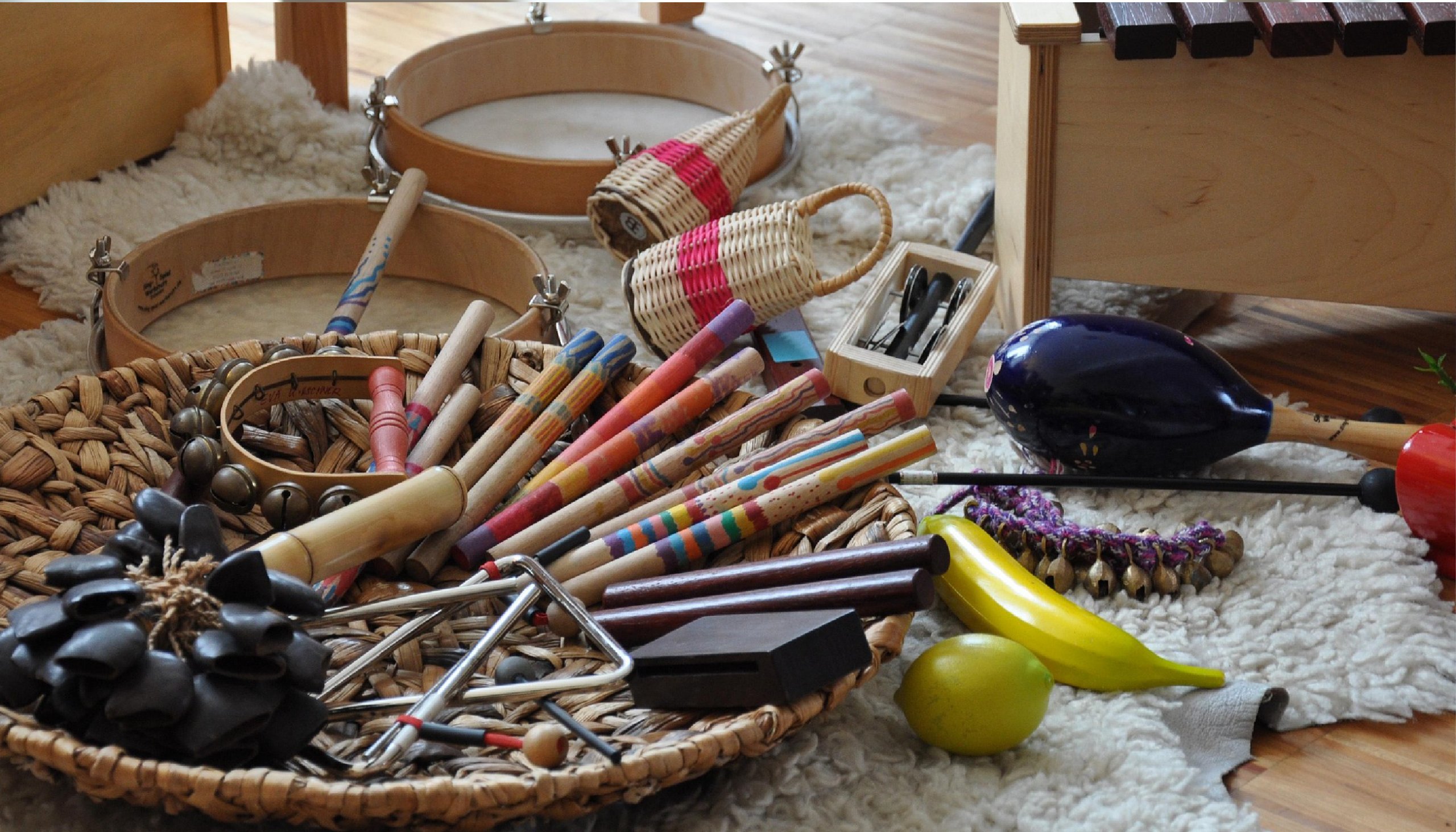
- Providing Simple Instruments: Offer basic instruments such as shakers, bells, or a toy drum. Encourage them to explore sounds and rhythms freely.
- Attending Child-Friendly Musical Events: Exposing them to live music or performances designed for children can be both inspiring and broaden their musical horizons.
- Prioritizing Effort and Enjoyment: Focus on the fun and effort involved, rather than demanding flawless performance. Celebrate their willingness to participate, regardless of the outcome.
How Music Programs Cultivate Self-Esteem
Well-designed music programs are often structured to nurture self-esteem. Inclusive class environments, such as those found in toddler classes Singapore and baby development classes, aim to ensure that every child feels valued and supported. Experienced educators skillfully guide activities, encouraging participation at each child’s individual comfort level and celebrating every incremental step forward. Ultimately, the shared joy of collaborative music-making and the positive experiences within such communities are instrumental in helping children build enduring inner confidence. The Music Scientist, for example, applies these principles in its programs.
Conclusion: Harmonizing for Self-Assured Children
Music stands as an extraordinarily powerful tool, empowering children to find their voice, cultivate self-esteem, and flourish socially. It offers a unique combination of emotional expression, skill development, and social interaction that is truly unparalleled.
Parents are encouraged to explore how engaging music classes for toddlers can unlock a child’s innate confidence and enable them to shine brightly.
We are keen to hear your experiences: What positive changes have you observed in your child’s confidence since they began engaging with music?
Observe any young child when music begins to play. Their natural inclination is often to move, to sway, to tap their feet. This innate response highlights a profound, yet frequently underestimated, connection: the link between music and physical development.
At The Music Scientist, we recognize this powerful relationship. Our music and dance for toddlers programs are not simply about introducing musical concepts; they are meticulously designed to foster essential motor skills, laying a robust foundation for your child’s physical capabilities.
Rhythm and Gross Motor Development: Cultivating Balance and Coordination
Gross motor skills involve the use of large muscle groups, crucial for movements like walking, running, and jumping. Music provides an exceptional framework for developing these abilities. When children march to a beat, sway to a melody, or engage in free-form dancing, they are actively enhancing their overall coordination & balance. Activities such as “follow-the-leader” or “freeze dance” encourage them to control their bodies in space, responding to cues and adapting their movements.
Furthermore, moving to music inherently helps children develop spatial awareness, enabling them to understand their body’s position relative to its surroundings. This dynamic interaction is a core component of what makes a high-quality dance class for toddlers Singapore so beneficial, promoting confident and controlled movement.
Music and Fine Motor Development: Refining Dexterity
Beyond large movements, music also plays a significant role in refining fine motor skills – those precise, small movements involving hands and fingers. When children engage with small instruments like shakers, bells, or tambourines, they are actively improving their hand-eye coordination. The act of grasping, shaking, and manipulating these objects demands focus and precision.
Moreover, handling musical props and instruments strengthens the muscles in their fingers and hands, contributing to the development of the pincer grasp & dexterity. This foundational strength and control are vital for tasks such as holding a pencil, buttoning clothes, and eventually, writing. This meticulous development is a key outcome we observe in a focused music class for toddlers Singapore.
The Brain-Body Connection: The Science Behind the Beat
The intricate relationship between music and motor skills is rooted in how our brains process rhythm. Music engages multiple areas of the brain, including those responsible for motor planning and execution. Consistent musical engagement strengthens the neural pathways that facilitate coordinated movement. This phenomenon, often referred to as “entrainment,” describes our natural tendency to synchronize our bodies with a rhythmic beat. This inherent connection makes music an incredibly effective, and enjoyable, medium for physical development.
Practical Ways to Promote Motor Skills Through Music at Home
You don’t need formal training to integrate music into your child’s motor skill development at home. Here are some simple, effective ideas:
- Encourage free dance: Play various types of music and allow your child to move freely and expressively.
- Rhythmic actions: Engage in clapping, stomping, and drumming along to songs using their hands or simple objects.
- Homemade instruments: Create shakers from rice in plastic bottles or drums from pots and pans, encouraging them to explore different sounds and rhythms.
- Movement games: Incorporate active listening with games like “Simon Says” that involve specific actions and body movements.
How The Music Scientist Tunes Up Motor Skills
At The Music Scientist, our curriculum is carefully crafted to leverage the power of music for motor skill development. Our toddler classes Singapore incorporate a diverse range of activities and instruments specifically chosen to target both gross and fine motor skills. From structured movement sequences to free exploration with musical props, our programs provide a stimulating environment where children can enhance their coordination, balance, and dexterity in a joyful setting. Our music and dance for toddlers curriculum is a testament to our commitment to holistic child development.
Conclusion: Stepping Towards Physical Confidence
Music is an invaluable tool for developing essential motor skills, encompassing everything from large, sweeping movements to small, precise actions. It provides a natural, engaging, and effective pathway to improved coordination and physical confidence.
We invite you to explore The Music Scientist’s engaging music class for toddlers Singapore. Discover how our programs can offer your child a joyful and effective journey toward enhanced physical capabilities and self-assurance.
We’re curious to know: What is your child’s favourite way to move to music?
In today’s digitally-driven world, the presence of screens in our children’s lives is undeniable. While technology offers valuable tools, many of us share a common concern about striking the right balance, ensuring our children genuinely engage with and experience the physical world around them through touch, feel, and exploration.
At The Music Scientist, we deeply value the profound impact of hands-on, multi-sensory learning. This is why we champion sensory play for babies and toddlers. It is not merely a contemporary trend; rather, it is a foundational approach for children’s learning and growth, providing a rich, tangible alternative to excessive screen time. We have consistently observed its remarkable benefits in our classrooms, and we are eager for you to discover them as well.
The Foundational Benefits of Sensory Play
Consider your child’s developing brain as a dynamic construction site. Each new sight, sound, smell, touch, and taste serves as a crucial building block, contributing to the intricate neural pathways that underpin all future learning. This is the essence of sensory play: it actively contributes to the architecture of their developing brain.
When children engage in activities such as squishing soft dough or sifting through rice, they are not simply playing. They are actively refining their motor skills, developing essential hand-eye coordination, and enhancing their problem-solving abilities. Through these natural and enjoyable interactions, they learn about textures, weights, and cause-and-effect. Furthermore, in moments when a child may feel overwhelmed, sensory experiences can be profoundly calming, assisting them in processing emotions and achieving emotional balance. This approach truly supports holistic development.
Practical and Impactful Sensory Activities for Home
Creating enriching sensory experiences does not require extensive resources or a large space. The effectiveness of sensory play often lies in its simplicity and the use of everyday items.
- For Our Youngest Learners (Babies):
- Texture Treasure Baskets: Assemble a collection of safe household items with varied textures – perhaps a silky scarf, a crinkly piece of foil, a smooth wooden spoon, or a soft makeup brush. Present these for exploration using their hands and mouths. (Constant, close supervision is essential.)
- Water Wonders: A shallow tray containing a small amount of water and a few floating toys can offer a world of discovery. Splashing, pouring, and experiencing the coolness of the water provides immense engagement.
- Taste-Safe Explorations: Offer cooled, cooked pasta (in various shapes!), a dollop of yogurt on a highchair tray, or even mashed banana. Allow them to squish, smear, and taste. These gentle, stimulating explorations are integral to our enrichment classes for babies, ensuring every experience is safe and beneficial.
- For Our Active Toddlers:
- Sensory Bins: Fill a plastic tub with dry rice, pasta, beans, or water beads (with supervision). Add scoops, small cups, and miniature toys. Children will delight in pouring, scooping, and creating imaginative scenarios.
- Playdough Activities: Whether homemade or store-bought, playdough is an excellent sensory tool. It strengthens hand muscles, fosters creativity, and provides endless opportunities for shaping and manipulating.
- Outdoor Discoveries: The natural environment is an expansive sensory playground. Encourage them to dig in the dirt, splash in puddles (with appropriate attire!), collect leaves and sticks, or feel the bark of a tree. These real-world interactions are precisely what we promote in our toddler classes, recognizing that genuine learning occurs across all environments.
Integrating Sensory Moments into Daily Routines
Sensory play is not confined to scheduled activities; it can be seamlessly woven into daily life.
- Meal Preparation: Allow children to assist with stirring ingredients, kneading dough, or washing vegetables, enabling them to experience different textures and temperatures.
- Bath Time: Introduce new sponges, various-sized cups for pouring, or simply let them engage with bubbles.
- Walks in the Park: Encourage them to touch different surfaces – the rough pavement, the soft grass, the textured tree bark. Prompt them to identify sounds and smells.
The aim is to be present and allow children to actively engage their senses with their surroundings, rather than merely observing passively.
Our Commitment at The Music Scientist
At The Music Scientist, we are dedicated to creating environments where children can flourish through multi-sensory experiences. Our baby development classes and toddler classes Singapore are designed as vibrant hubs of exploration, where children are not simply instructed, but are encouraged to discover, experiment, and learn through active participation. We are committed to nurturing the whole child, which includes providing ample opportunities for their senses to develop and thrive.
We encourage you to embrace the valuable, often wonderfully messy, journey of screen-free sensory play. It represents an investment in your child’s holistic development, yielding significant returns in curiosity, creativity, and a lifelong passion for learning.
We would be delighted to welcome you to our community and demonstrate how we implement these principles. We invite you to share: What is one simple sensory activity you are eager to try with your child this week?
Have you ever wondered how to really give your child a boost when it comes to reading readiness? We often think of phonics classes and those trusty ABCs, and yes, they’re definitely important. But what if I told you there’s a surprising, joyful, and incredibly effective partner in crime for literacy? That’s right, it’s music!
Here at The Music Scientist, we’ve always believed that learning should be an adventure. We’ve seen firsthand how music isn’t just about fun and games (though there’s plenty of that!). It’s a truly powerful tool that naturally weaves in those foundational skills your little one needs for reading and writing, long before they even pick up a book.
Unpacking Phonological Awareness Through Music
Think about it: before children can read, they need to understand the sounds that make up words. This is what we call phonological awareness, and music is absolutely brilliant for it.
When your child claps along to a song or sings a nursery rhyme, they’re naturally breaking words down into syllables and recognizing rhyming patterns. “Twinkle, twinkle, little star” might seem simple, but it’s teaching them about rhythm and rhyme – crucial skills for identifying and manipulating sounds in words. These activities are incredibly effective for strengthening their ability to literally hear the individual sounds.
We see this connection clearly in our phonics enrichment classes that parents often ask about. Music acts as a fantastic primer for phonics. By learning to distinguish between different musical notes, instruments, or even just the rise and fall of a melody, children are honing their auditory discrimination. This means their ears become finely tuned to pick out the subtle differences between similar-sounding letters and words, making that eventual leap into decoding much smoother. It’s like giving their little ears a fantastic workout!
Expanding Vocabulary and Comprehension with Song
Remember how easily you learned the lyrics to your favourite song, even if you didn’t quite grasp every word? Children are the same! Songs introduce new words in context, often with actions or visuals that help cement their meaning. It’s a much more memorable and meaningful way to build vocabulary than rote memorization. Plus, when stories are set to music, like in many of our programs, it aids in comprehension, making the narrative come alive in a way that is engaging.
Music also has a wonderful way of teaching sentence structure and sequencing. The natural flow and repetition in songs help children understand how sentences are built and how narratives unfold. This understanding of structure is a hidden benefit that’s also key to what we aim for in a well-structured playgroup here in Singapore. It’s about building those invisible frameworks in their minds that support more complex learning.
Reading Readiness: More Than Just Letters
Reading readiness isn’t just about knowing your ABCs; it’s about a whole host of cognitive skills. And music plays a starring role here too!
The melody in a song is like a magical memory aid. Think about how easy it is to remember song lyrics compared to a random list of words. This power of memory and recall is absolutely crucial for remembering letter sounds, sight words, and eventually, entire sentences.
What’s more, when children are engaged in a musical activity – whether they’re following a beat, listening to a story set to music, or playing an instrument – they’re developing their focus and attention. This sustained attention is a foundational skill that is simply non-negotiable for future reading success. Music holds their attention in a way that makes learning feel effortless.
Practical Tips for Parents: Bringing Music into Your Home
You don’t need to be a music teacher to bring the joy and benefits of music into your home. Here are some simple ways you can help foster literacy skills through music:
- Sing together daily! Even if it’s just silly songs you make up in the car, or classic nursery rhymes. The act of singing is powerful.
- Explore rhythm with instruments. You don’t need fancy ones – pots, pans, shakers made from rice in a bottle, or even just clapping your hands work wonders.
- Listen to diverse genres of music. Expose them to different rhythms, tempos, and sounds.
- Read picture books with a strong rhythm and rhyme. Point out the rhyming words and clap out the syllables together.
Tuning Up for Future Readers
As you can see, music is a powerful, enjoyable pathway to literacy for our little ones. It’s not just entertainment; it’s a profound learning experience that prepares their minds for the wonderful world of reading and writing.
We’ve poured our hearts into designing programs here at The Music Scientist that harness this incredible power. If you’re looking to give your child a joyful head start, I truly encourage you to explore our music classes for toddlers. Come and see how we blend fun, science, and the magic of music to ignite a lifelong love for learning and reading.
We’d love to hear from you: What changes have you observed in your child’s language development since they started engaging more with music?